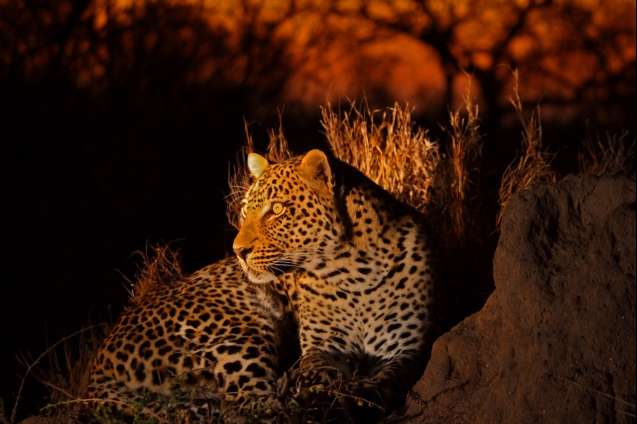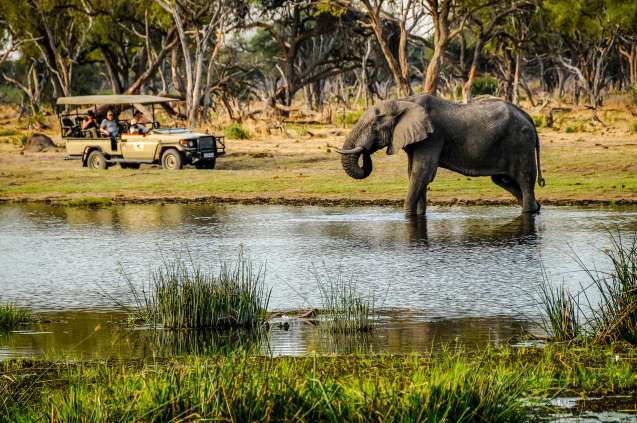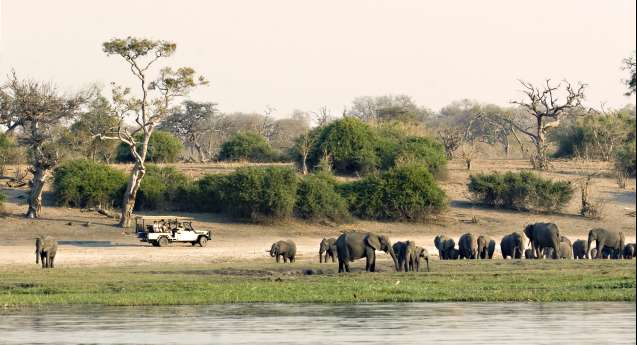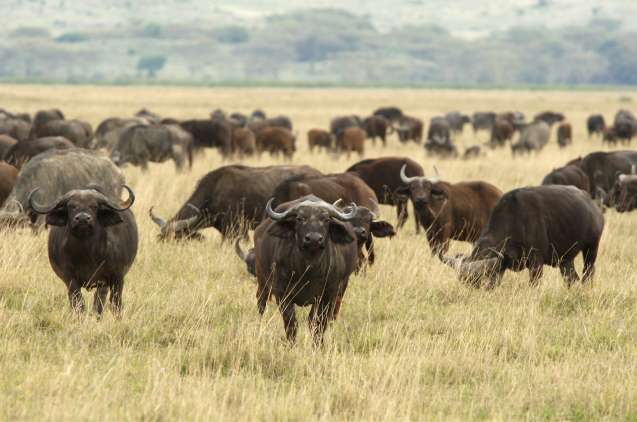
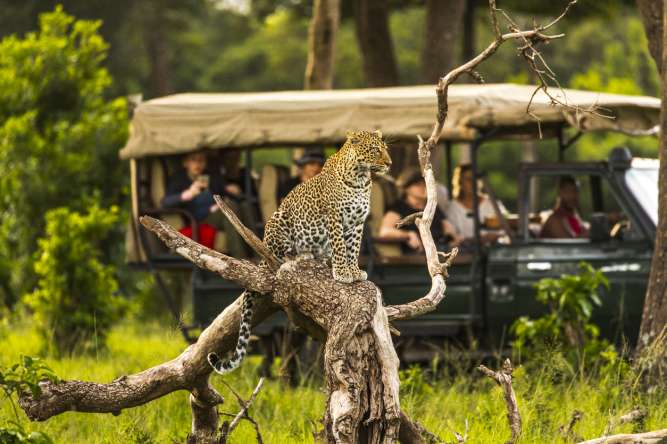
Planning an African safari is not just about choosing where to go. It is also about knowing when to go.
The best time to visit Africa for safari is usually during the dry season, from May to October, when wildlife is easier to see, vegetation is thinner, and animals gather around rivers and waterholes. This is the classic safari season in many of Africa’s top wildlife destinations, including Kruger, Botswana, Namibia, Zambia, Zimbabwe, Kenya and Tanzania.
But there is no single best month for every safari. The best time to go to Africa depends on what you want from your trip. Are you hoping to see the Great Migration, enjoy reliable Big 5 sightings, avoid peak-season prices, travel with children, go birdwatching, or find a quieter, better-value safari?
This guide explains Africa’s main safari seasons, the best months by region, the best time for wildlife viewing, when to travel for value, and how to choose the right safari timing for your budget and travel style.
Not sure whether to travel in the dry season, green season or shoulder season? This video explains how safari timing affects wildlife viewing, the Great Migration, crowds, prices and overall value.
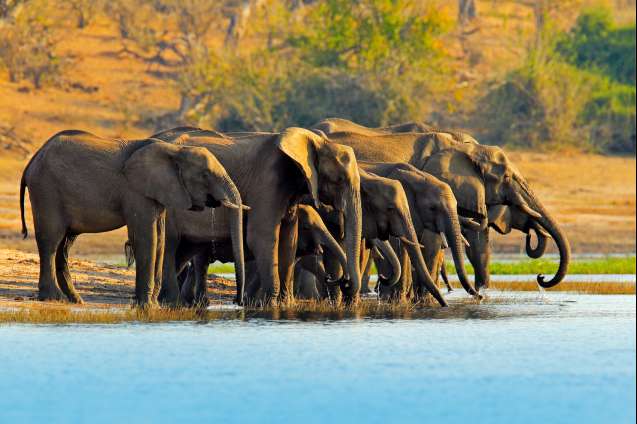
Africa is a vast continent, so safari seasons vary by region. East Africa, southern Africa, the Indian Ocean islands and desert destinations all follow slightly different seasonal patterns. Still, most safari planning starts with three useful season types: dry season, green season and shoulder season.
The dry season is the most popular time for African safaris. Across many safari destinations, the bush becomes thinner, water is limited, and animals gather around rivers, pans and waterholes. This makes wildlife easier to find and photograph.
Dry season is especially good for classic Big 5 safaris, first-time safari travellers, family safaris and anyone who wants reliable wildlife viewing. It is also peak season in many areas, so prices are usually higher and availability can be limited.
The green season brings rain, fresh grazing, newborn animals, migratory birds and dramatic skies. Parks are quieter, landscapes are lush, and safari prices can be lower in many destinations.
Wildlife can be more spread out because water is widely available, and some remote areas may be harder to access after heavy rain. But for photographers, birders, repeat safari travellers and value seekers, the green season can be a brilliant time to go on safari.
Shoulder months often offer the best balance of wildlife, value and fewer crowds. May usually brings cooler weather and improving visibility as the dry season begins. November can still deliver excellent game viewing, with the first rains bringing green landscapes and lower rates in some regions.
For budget-conscious travellers, these in-between months are often worth considering before defaulting to peak season.
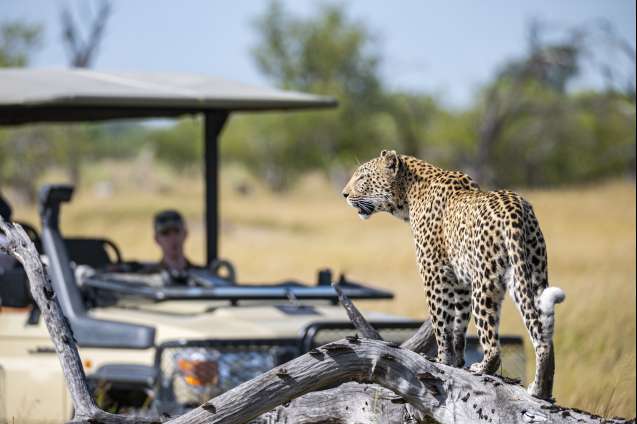
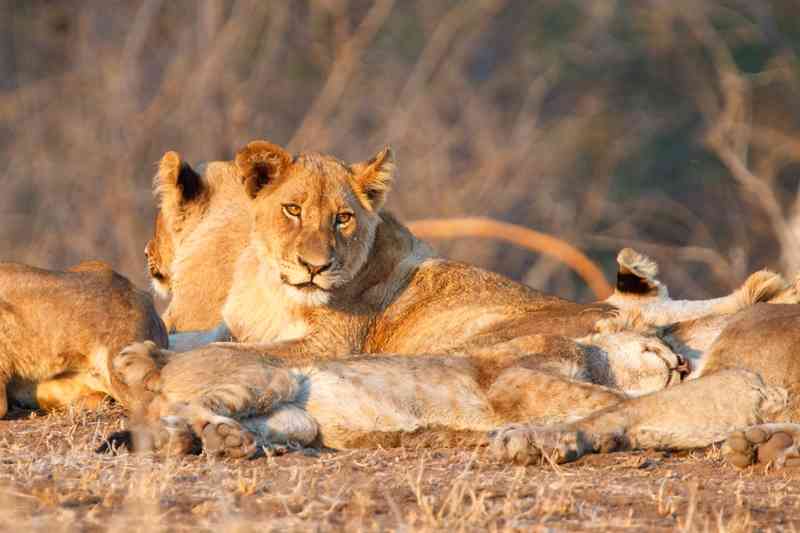
If you want one simple answer, September and October are often among the best months to visit Africa for safari. By late dry season, wildlife is concentrated around permanent water, vegetation is sparse, and predator activity can be excellent.
That said, the best month depends on your safari goals. February is superb for Serengeti calving season. July to September is famous for Great Migration river crossings. May and November can offer excellent value. December to March is rewarding for birding, green-season photography and newborn wildlife in several regions.
Rather than choosing a month in isolation, match your travel dates to the destination and wildlife experience you want most.
Tell us when you can travel, what you want to see, and what your budget looks like. Our safari experts can help you choose the best destination for your dates instead of forcing your dates into the wrong destination.
__medium.jpeg)
The best time for safari changes depending on where you go. East Africa is famous for the Great Migration and year-round wildlife viewing. Southern Africa shines in the dry season, when animals gather around rivers and waterholes. Desert destinations such as Namibia have their own seasonal rhythm, while Madagascar follows a different wildlife and weather pattern.
Use the regional guide below as a starting point, then follow the links to our destination-specific timing guides for more detail.
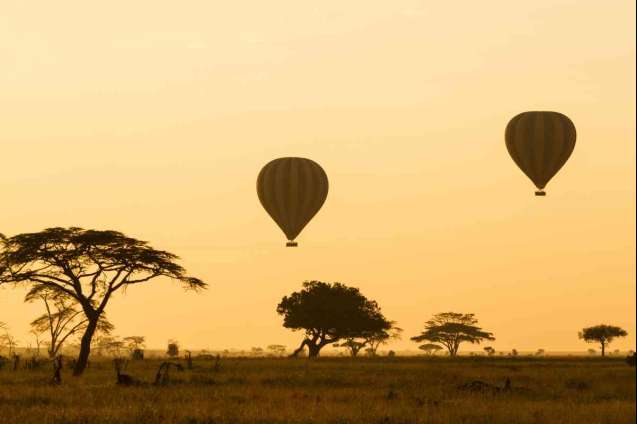
East Africa is one of the best year-round safari regions in Africa. Kenya and Tanzania both offer excellent wildlife viewing, but the best time to visit depends on whether you want river crossings, calving season, predator action, classic dry-season game viewing, or better value outside the busiest months.
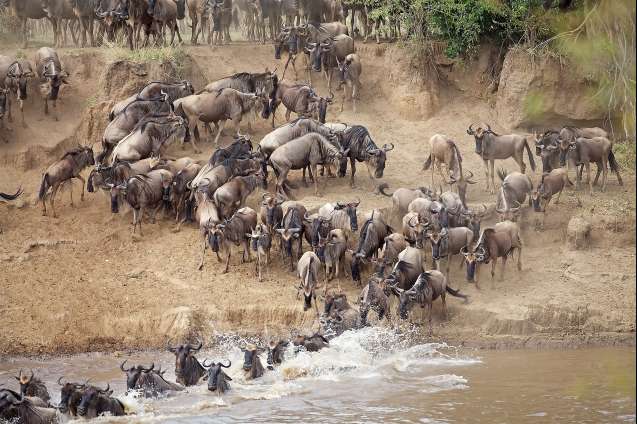
The best time to visit Kenya for safari is generally from June to October, during the dry season. This is when wildlife viewing is excellent and the Great Migration usually reaches the Masai Mara. July to September is especially popular for travellers hoping to see dramatic Mara River crossings, although exact timing depends on rainfall and wildlife movement.
Kenya is also rewarding outside peak season. Green-season months bring fewer vehicles, beautiful scenery, migratory birds and better value in some areas.
For a deeper look at Kenya safari timing, read our guide to the best time to visit Kenya.
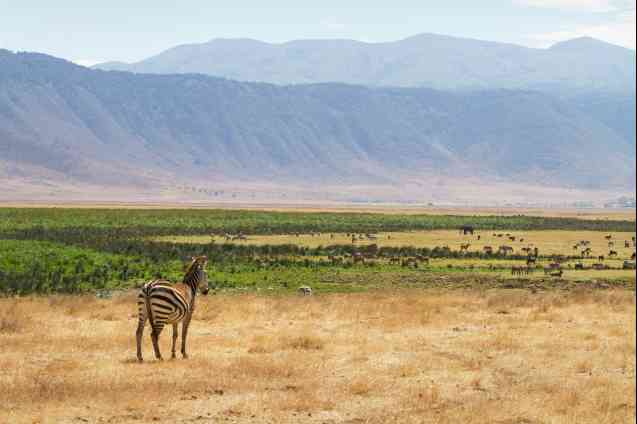
Tanzania is a superb safari destination throughout the year. January and February are excellent for the southern Serengeti calving season, when wildebeest, zebra and gazelle give birth on the plains, attracting lions, cheetahs and hyenas.
From June to October, the dry season brings outstanding game viewing in the Serengeti, Ngorongoro Crater, Tarangire and other northern Tanzania safari areas. This is also when many travellers hope to see river crossings in the western and northern Serengeti.
For more detail, read our guide to the best time to visit Tanzania, or explore our Great Migration safari guide.
For an in-depth look at the great migration, read our Great Migration Safari Guide.
__medium.jpg)
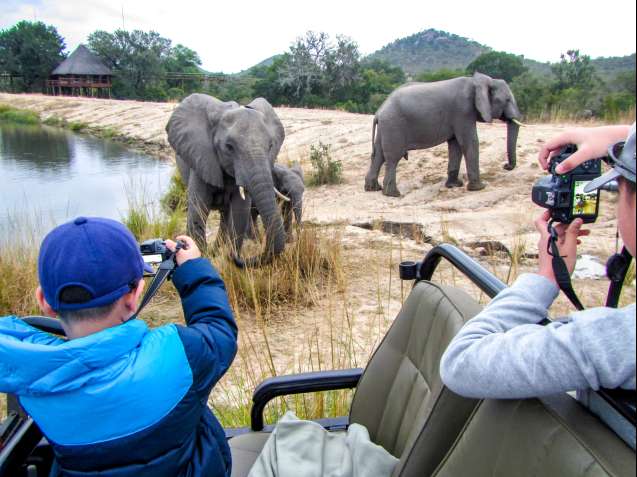
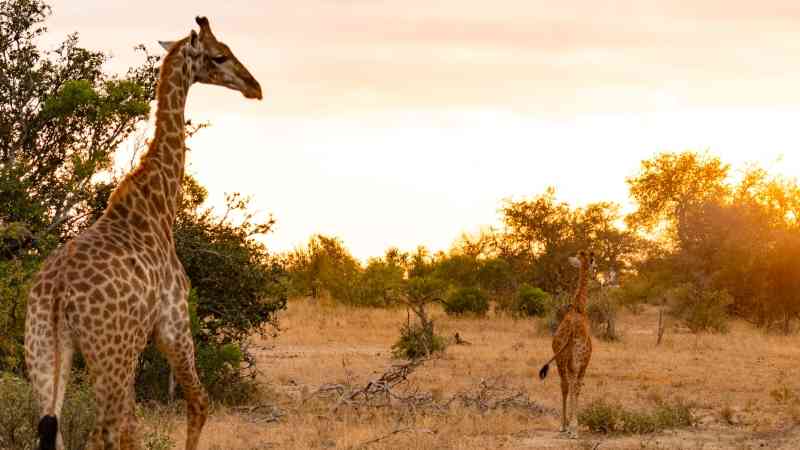
For many southern African safari destinations, the dry season from May to October is the best time for wildlife viewing. As seasonal water dries up, animals gather around permanent rivers, waterholes and floodplains, making game viewing more predictable.
The best time to visit South Africa for safari is generally from May to October, especially for Kruger National Park and the Greater Kruger private reserves. The dry winter months bring cooler temperatures, thinner vegetation and excellent wildlife visibility.
South Africa is also one of Africa’s most flexible safari destinations. Kruger is rewarding year-round, and malaria-free reserves in Madikwe, Pilanesberg and the Eastern Cape are popular with families.
For more detail, read our guide to the best time to visit Kruger National Park.
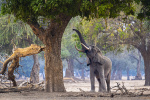
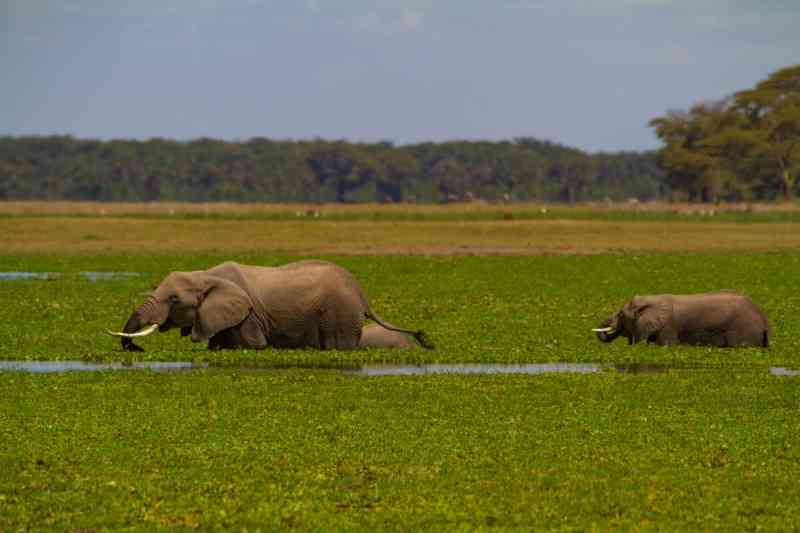
The best time to visit Botswana for safari is usually from June to October. During these dry-season months, the Okavango Delta is in flood, Chobe’s elephant herds gather along the river, and wildlife viewing in Moremi, Khwai and Savuti is excellent.
Botswana’s green season, from November to March, can offer superb value, rich birdlife, dramatic skies and seasonal zebra migration in areas such as the Makgadikgadi Pans.
See our guide to affordable Botswana safaris including Chobe, Okavango Delta and Victoria Falls.
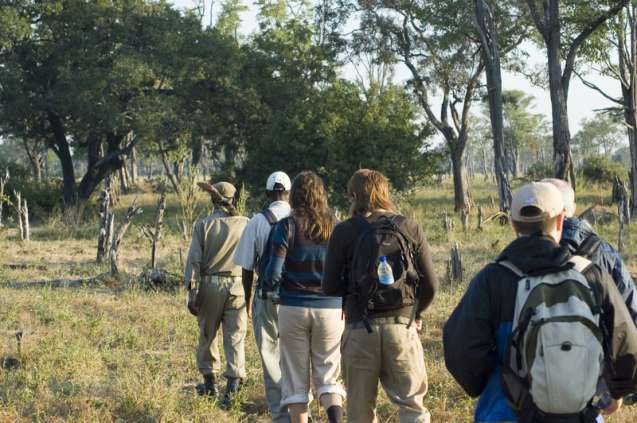
The best time for safaris in Zambia and Zimbabwe is generally from June to October. Wildlife gathers around rivers and remaining water sources, making this an excellent season for South Luangwa, Lower Zambezi, Hwange and Mana Pools.
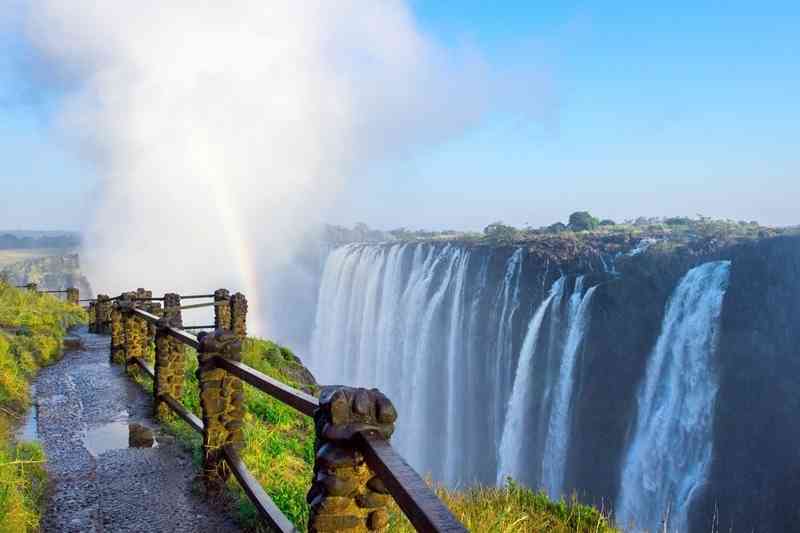
Victoria Falls follows a slightly different pattern. The Falls are usually most powerful from around March to May after the summer rains. Lower-water months, especially later in the dry season, can be better for activities such as white-water rafting and seasonal access to Devil’s Pool.
Read more about Devil’s Pool at Victoria Falls.
The best time to visit Namibia for safari is usually from June to October. Etosha National Park is especially rewarding in the dry season, when animals gather at waterholes around the vast salt pan.
Namibia is also known for desert landscapes, big skies and dramatic photography. The cooler dry-season months are ideal for combining Etosha with Sossusvlei, Swakopmund, Damaraland and the Skeleton Coast.
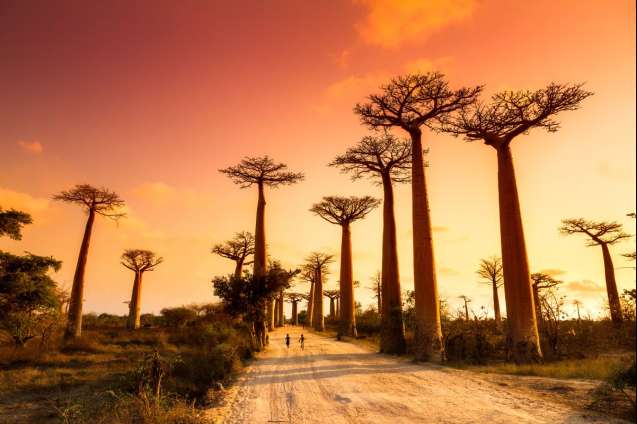
The best time to visit Madagascar is generally from May to October, during the drier months. This is a good time for lemurs, chameleons, baobabs, rainforest walks and island exploration. Heavy rains from January to March can make travel more difficult in some areas.
Madagascar is not a classic Big 5 safari destination, but it is one of Africa’s most extraordinary wildlife destinations for travellers interested in unique species, forests and island landscapes.
Read this first-hand Madagascar safari account by African Budget Safaris.
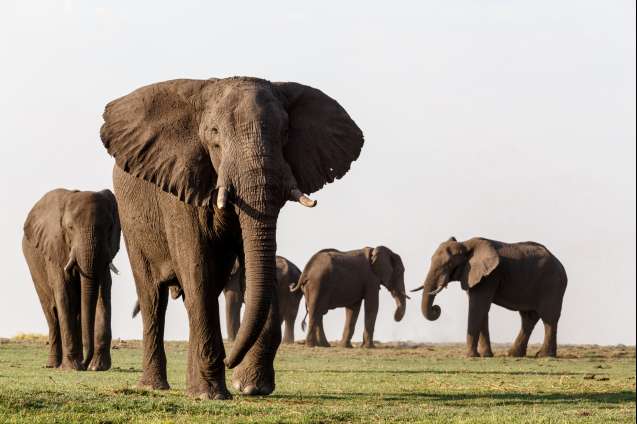
If one month stands out above the rest, it’s October. In October, water is scarce, animals gather at permanent rivers and pans, and the bush is open. These factors combine to create excellent conditions for wildlife viewing.
__medium.jpg)
May and November are often overlooked. However, these shoulder-season months bring outstanding value for money.
In May, southern Africa enjoys cooler weather and great visibility. November marks the start of the green season, but wildlife is still easy to find, and rates are more affordable. Both months are ideal for travellers seeking fewer crowds and safari specials.
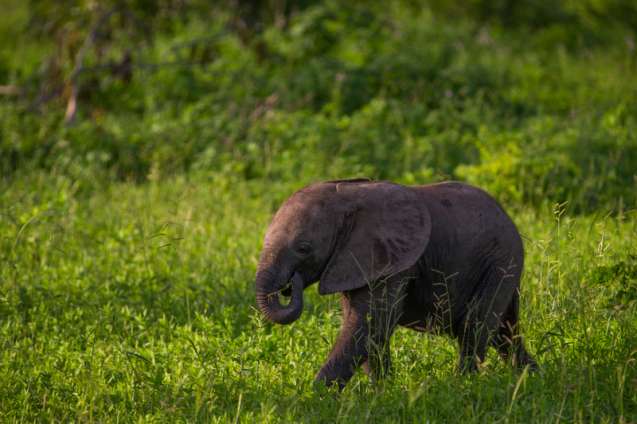
The green season from November to April is a special time of year that offers its own magic. Landscapes turn lush, skies are dramatic, and birdlife flourishes with the arrival of migratory species, which put on a spectacular show. It’s also a rewarding time for photographers and those seeking lower safari prices. While game viewing is more challenging in some areas, the experience is rich and less crowded.
__medium.jpg)
The best time to visit Africa depends on what you most want to experience. A first-time Big 5 safari, a Great Migration trip, a birding safari and a budget-friendly green-season safari all point to slightly different months.
| Safari Experience | Best Months | Why Go Then? |
|---|---|---|
| Classic Big 5 safari | June to October | Dry-season conditions make wildlife easier to see around waterholes, rivers and open bush. |
| Great Migration river crossings | July to September | The herds are often in the northern Serengeti and Masai Mara, although exact crossing timing varies. |
| Serengeti calving season | January to February | Wildebeest calving attracts predators on the southern Serengeti and Ndutu plains. |
| Gorilla trekking | January to February and June to August | Drier months can make forest trails easier in Uganda and Rwanda. |
| Birdwatching | November to April | Migratory birds arrive, breeding plumage is colourful, and green-season landscapes are lush. |
| Budget and value safaris | May, November and selected green-season months | Shoulder and green-season travel can offer better rates, fewer crowds and rewarding wildlife. |
| Family safaris | May to October, depending on destination | Cooler weather, strong wildlife viewing and easier safari logistics suit many families. |
For a detailed breakdown of wildlife events by month, see our African Safari Calendar.
The best-value safari season is not always the cheapest season. A good-value safari gives you the right balance of wildlife, comfort, availability and price.
For many travellers, the best value comes in the shoulder months of May and November. These months often sit between peak and low season, so you may find better rates, fewer crowds and still-good wildlife viewing.
The green season, from roughly November to April in many safari regions, can also offer excellent value. This is especially true for photographers, birders, repeat safari travellers and those who enjoy lush landscapes and quieter parks.
Peak dry-season safaris from June to October usually cost more, but they can be worth it if your priority is classic wildlife viewing, first-time safari reliability, or specific events such as the Great Migration river crossings.
If your dates are flexible, ask about shoulder-season departures before booking peak season. A small shift in timing can sometimes make a big difference to price, availability and crowd levels.
Once you know when you want to travel, the next step is knowing when to book. Peak dry-season safaris, Great Migration trips, gorilla trekking permits and family-friendly lodges can sell out well in advance.
As a general rule, book earlier if you are travelling between June and October, visiting the Masai Mara or Serengeti during migration season, planning a gorilla trek, travelling as a family, or needing specific lodge standards and room types.
Last-minute safaris can work in some destinations and seasons, especially if you are flexible. But for high-demand routes and peak wildlife months, waiting too long can mean fewer choices and higher prices.
Read our guide to the best time to book an African safari, or speak to one of our safari experts for advice based on your dates.
__medium.jpg)
There is no single best time to visit Africa for every traveller. The dry season from May to October is usually best for classic wildlife viewing, especially in southern Africa and many major safari parks. But the green season and shoulder months can offer excellent value, fewer crowds, dramatic scenery and special wildlife events.
The right safari season depends on your destination, budget, comfort level and wildlife wish list. If you want reliable Big 5 sightings, late dry season may be ideal. If you want the Great Migration, your timing needs to match the herds. If you want better value, shoulder and green-season safaris are well worth considering.
Africa is generous all year, but the best safari is the one matched to your timing, expectations and budget.
African Budget Safaris is a small, independent team of Africa travel experts. We help travellers choose the right safari for their dates, budget and wildlife priorities, without overspending on the wrong season or destination.
Tell us when you want to travel, what you want to see, and how much you want to spend. We’ll help you find a safari that fits.
Contact African Budget Safaris today and start planning your African safari.

Explore these destinations mentioned in this post.
Below you'll find further reading and articles related or similar to this post.




Call us toll free from US/Canada on 1-888-414-6513, or from the UK on 0-808-189-1052. All other countries can contact us on +27 21 791 0878.
© 2026 African Budget Safaris | Privacy | Terms | Cookie Policy | Consent Preferences


__thumb.jpg)