What wildlife can you see on safari each month in Africa? This African Safari Calendar is a month-by-month guide to the continent’s key wildlife events, from the Great Migration and Serengeti calving season to gorilla trekking, birding, whale watching, zebra migrations and green-season newborns.
Use this guide to match your travel dates with the wildlife experiences that matter most to you. Some travellers want dramatic river crossings. Others want big cats, gorillas, elephants, birds, whales, quieter parks or better-value safari months. Africa offers rewarding safari experiences throughout the year, but timing helps you choose the right destination for your dates.
This calendar is designed as a practical companion to our broader Best Time to Visit Africa for Safari guide. Start there if you are still deciding when to travel overall, then use this safari calendar to see what happens month by month.
There is no single best safari month for everyone. July to October is excellent for classic dry-season wildlife viewing in many safari destinations. January and February are superb for Serengeti calving season. July to September is famous for Great Migration river crossings. May and November often offer strong value, while the green season brings birdlife, newborn animals and lush landscapes.
This month-by-month African wildlife calendar helps you compare safari timing by wildlife event, region and travel interest.
Wildlife movements depend on rainfall, grazing, river levels and natural behaviour, so exact sightings can never be guaranteed. Use this calendar as a planning guide, then speak to an Africa safari expert before choosing your final route.
Ask us which safari month suits your trip
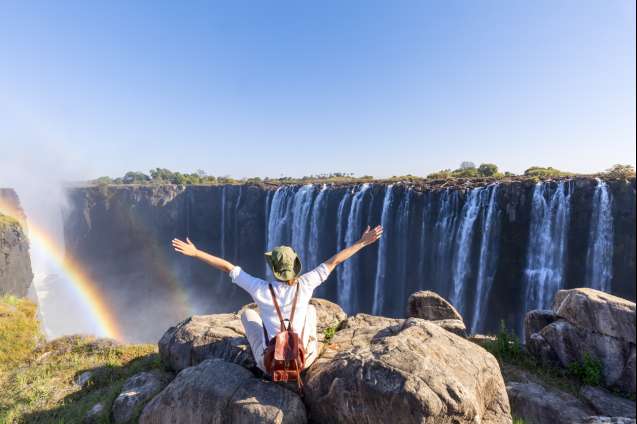
The table below gives a quick month-by-month overview of where safari conditions are often strong and which wildlife events are usually active. It is not a fixed rulebook. Rainfall, migration movement and local conditions vary each year, but the same broad seasonal patterns repeat across Africa’s major safari regions.
Use this table to shortlist destinations for your travel dates, then explore the detailed monthly guide below.
| Month | Best Country(s) | Wildlife Highlights |
| Jan | Tanzania, Botswana | Serengeti calving (wildebeest, zebra); Makgadikgadi Pans zebra & flamingos thrive; predators hunt calves |
| Feb | Tanzania, Rwanda/Uganda | Peak Serengeti calving; gorilla trekking excellent; whale sharks peak off Tanzania islands |
| Mar | Tanzania, Zimbabwe | Final calving phase; young wildebeest targeted; Victoria Falls swelling; predator activity high |
| Apr | Tanzania, Botswana, Zambia | Great migration moves north (Central Serengeti); elephant migrations in Botswana; gorillas feeding at lower altitudes |
| May | Tanzania, Botswana, Namibia | Migration consolidates; elephant herds concentrate; Etosha waterholes are prime for wildlife viewing |
| Jun | Tanzania, Zambia, South Africa | Great migration, Grumeti river crossings; wild dog denning; big cat action in South Luangwa; sardine run along the South Africa coast |
| Jul | Kenya, Botswana, Rwanda/Uganda | Mara River crossings; Chobe & Khwai elephants; prime gorilla & chimpanzee trekking; humpback whales offshore |
| Aug | Kenya, Botswana, South Africa | Peak migration & predator density; Chobe elephant herds; southern right whales near SA coast |
| Sep | Kenya, Botswana, Zambia | Migration spreads across the Masai Mara; zebra migration in action; carmine bee-eater nesting; whale sightings |
| Oct | Kenya, Botswana, Mozambique | Peak Masai Mara migration; zebras continue crossing Botswana pans; whale sharks off Mozambique, Tanzania & Kenya coasts; Madagascar newborn lemurs |
| Nov | Tanzania, Botswana, South Africa, Zambia | Great migration south into Serengeti; Makgadikgadi plains green; turtle nesting South Africa; bat migration Kasanka NP (Zambia) |
| Dec | Tanzania, Botswana, Namibia, Uganda/Rwanda | Wildebeest return south for calving; zebra migration continues; seal pups along Skeleton Coast; primate trekking in the dry season |
This safari calendar is best for matching wildlife events to your travel dates. If you want a broader overview of dry season, green season, regional weather, crowds and value, start with our Best Time to Visit Africa for Safari guide.
Great Animal Migrations in Africa
The Great Migration is Africa’s most famous wildlife movement, but it is not the only one. Botswana’s zebra migration, Zambia’s bat migration, carmine bee-eater gatherings, whale migrations and seasonal turtle nesting all add extra magic to the safari calendar.
For a deeper look at these natural spectacles, read our guide to the Great Migration in Africa and other epic animal migrations.
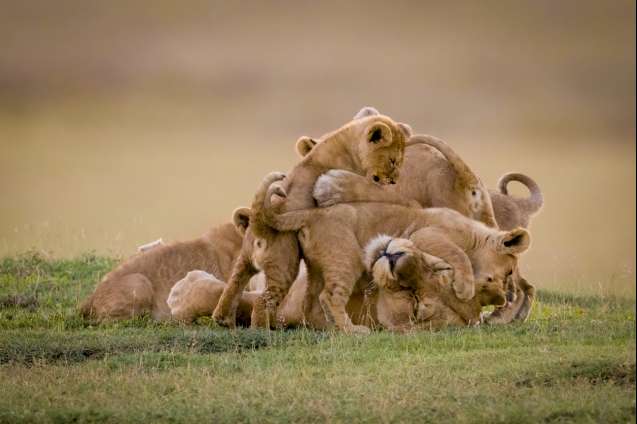
Each month below highlights the main safari regions, wildlife movements, birding activity, marine events and seasonal changes that can shape your safari experience. Use it as a practical planning tool rather than a guarantee, because wildlife follows rainfall and natural rhythms, not our calendars. Very inconsiderate of them, but also part of the magic.
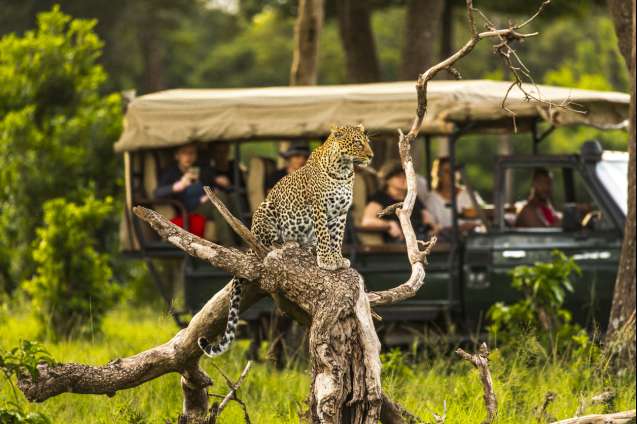
January marks the start of the great migration calving season in Serengeti National Park, Tanzania, particularly around the Ndutu Plains. Hundreds of thousands of wildebeest give birth within weeks, joined by zebra and gazelle calves. The sheer abundance of vulnerable prey attracts lions, cheetahs, leopards, and hyenas, making for intense predator–prey encounters in open grassland.
For a deeper look at the wildebeest herds, calving season and river-crossing months, read our Great Migration safari guide.
In Volcanoes National Park (Rwanda) and Bwindi Impenetrable Forest (Uganda), a drier interlude improves conditions for mountain gorilla trekking. Gorillas remain active at mid-altitudes, feeding extensively and offering excellent photographic opportunities.
January falls within southern Africa’s green season. Wildlife is more dispersed, but landscapes are lush and dramatic. In Botswana’s Makgadikgadi Pans, summer rains attract large zebra herds and flamingos, transforming the salt pans into one of Africa’s most spectacular seasonal ecosystems.
Along the Indian Ocean coastline, loggerhead and leatherback turtle hatchlings emerge from nests in protected areas such as iSimangaliso Wetland Park (South Africa). Offshore, whale sharks are regularly sighted near Mafia Island, Tanzania, and Tofo Beach, Mozambique, drawn by plankton-rich waters.
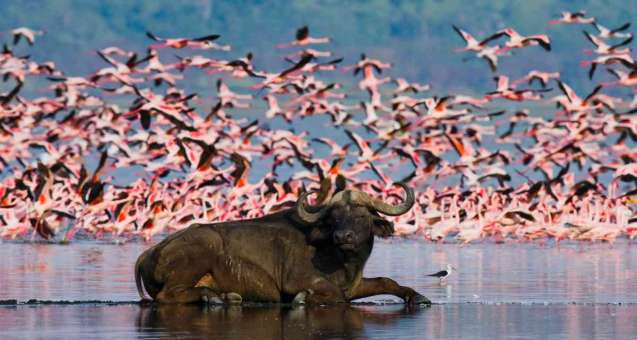
January is the peak breeding season for resident birds. This is an excellent season for birding safaris. Raptors prey on fledglings, while rollers, hornbills, and bee-eaters are highly active. Flamingo numbers swell at Kenya's Lake Nakuru and Lake Bogoria, as algae blooms flourish after seasonal rains.
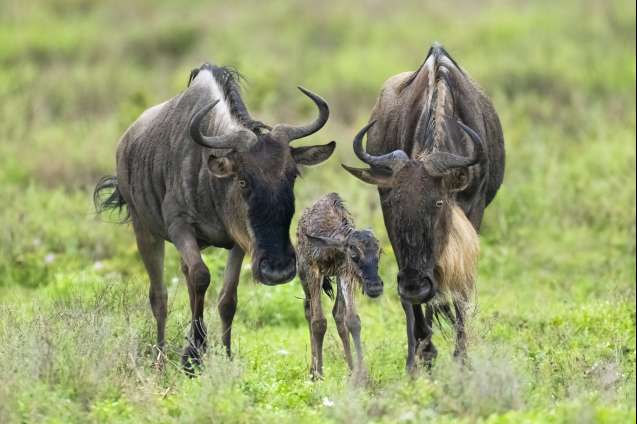
Calving continues across the southern Serengeti National Park, Tanzania, with thousands of vulnerable calves sustaining constant predator activity. Cheetah and lion hunts are frequent on the open plains.
February is one of the best months for gorilla trekking in Volcanoes National Park (Rwanda) and Bwindi Impenetrable Forest (Uganda). Trails are drier, though gorillas may move slightly higher for feeding.
If gorillas are high on your list, compare routes and costs in our gorilla trekking cost guide.
As the Makgadikgadi Pans, Botswana, begin drying, the zebra migration starts moving north toward the Boteti River and the Okavango Delta.
Whale sharks remain active off Tanzania and Mozambique, while turtle hatchlings continue emerging along southern Africa’s protected beaches, such as those in the iSimangaliso Wetland Park, South Africa.
Birdlife peaks with migrants fully present and breeding plumage at its most vibrant.
The final phase of calving unfolds before the great migration herds begin mobilising northward through the Serengeti National Park, Tanzania.
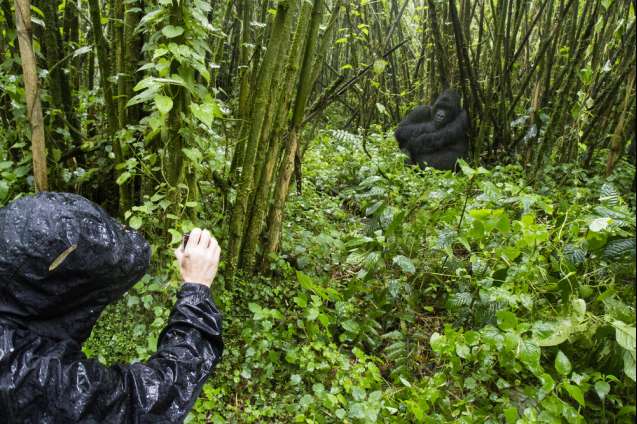
The onset of rains means mountain gorillas of Volcanoes National Park, Rwanda, and Bwindi Impenetrable Forest, Uganda, tend to remain at lower altitudes. Treks to see gorillas are therefore shorter, but muddier.
Botswana’s zebra herds continue to migrate northward to the waters of the Okavango Delta. Across southern Africa's parks, wildlife visibility improves as vegetation thins.
Peak turtle hatching continues along South Africa’s northeast coast. This is an excellent time to visit iSimangaliso Wetland Park, South Africa. Whale sharks remain in Mozambique and Tanzania waters.
Early migratory departures begin. Victoria Falls water levels swell dramatically, supporting rich riverine birdlife.
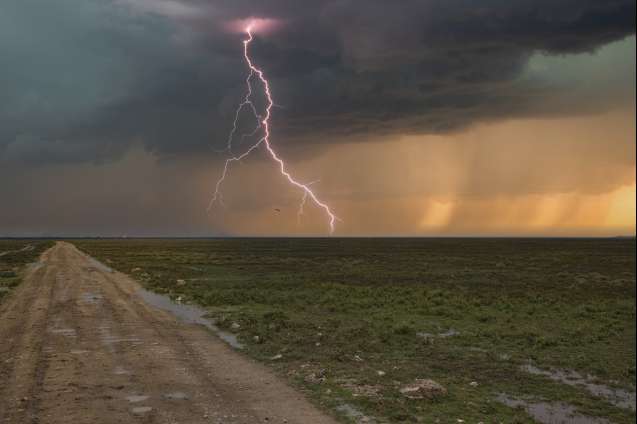
Long rains push great migration herds into central Serengeti National Park, Tanzania, creating sweeping green vistas and dramatic cloudscapes.
Gorillas feed heavily on young shoots at lower elevations, making them easier to find despite muddy trails.
Floodwaters from Angola begin filling the Okavango Delta, transforming channels into wildlife-rich wetlands.
Turtle hatchling activity peaks along southern Africa’s coastline, particularly in the iSimangaliso Wetland Park, South Africa.
Most migrants depart, while resident raptors begin courtship displays. Victoria Falls reaches peak flow.
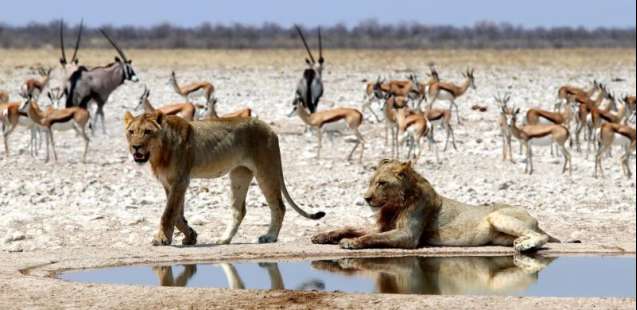
Great migration herds consolidate across the Serengeti National Park’s open plains, forming massive gatherings of herbivores.
Rainfall subsides, maintaining more favourable gorilla trekking conditions at lower elevations in Volcanoes National Park, Rwanda, and Bwindi Impenetrable Forest, Uganda.
The dry season begins across southern Africa. Wildlife concentrates at waterholes in Etosha National Park (Namibia), Kruger National Park (South Africa), and South Luangwa National Park (Zambia).
May is also one of the best months for travellers looking for strong value before peak season. For broader seasonal planning, see our Best Time to Visit Africa for Safari guide.
This tends to be turtle stranding season around Cape Town, with juvenile green turtles caught in the cold Atlantic Ocean waters.
Intra-African migrants shift regionally. Riverine habitats remain productive near Victoria Falls.
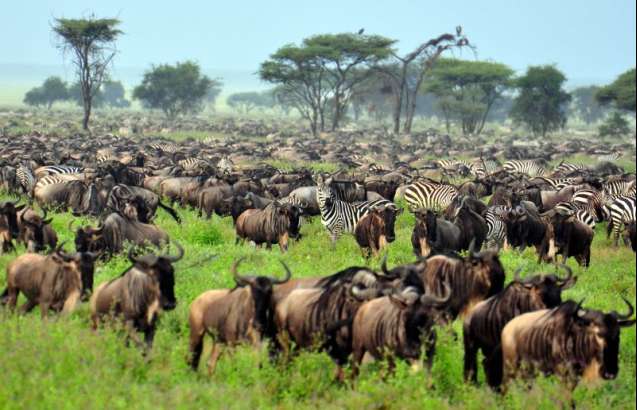
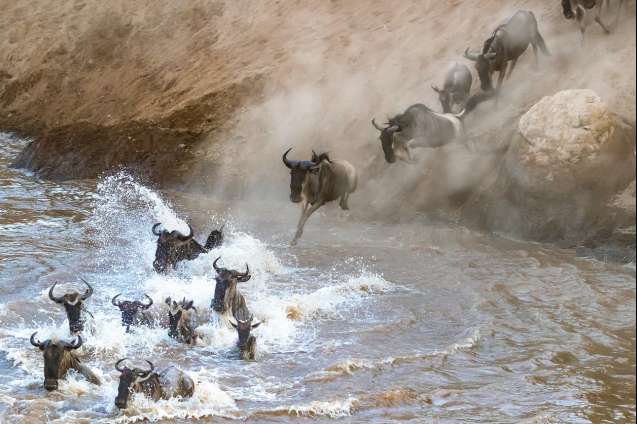
Wildebeest face crocodile-infested river crossings at the Grumeti River, marking one of the great migration’s most dramatic stages in Serengeti National Park, Tanzania.
Drier conditions ease trekking, but gorillas often range higher up the slopes of Volcanoes National Park (Rwanda) and Bwindi Impenetrable Forest (Uganda).
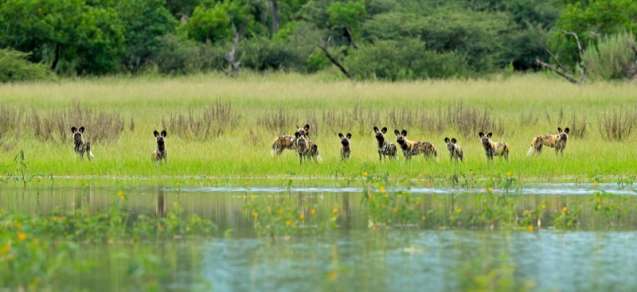
Wild dog denning peaks, with opportunities to witness pack behaviour across southern Africa. This is an excellent time to book a walking safari in South Luangwa National Park, Zambia, as wildlife is drawn to the waters of the shrinking Luangwa River.
The Sardine Run begins along South Africa’s east coast, triggering a dramatic marine feeding frenzy.
Raptor breeding intensifies. Altitudinal migrants move from the escarpment to the lowlands of the Kruger National Park, South Africa.
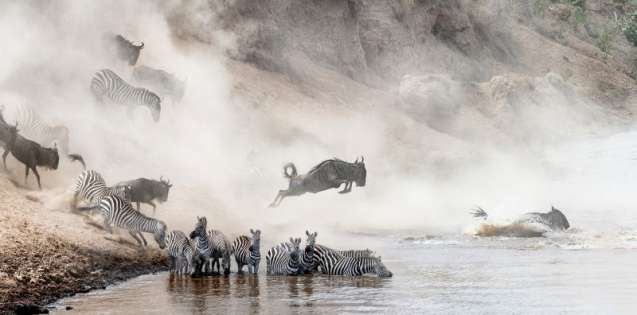
The great migration reaches the Mara River, with dramatic crossings into the Masai Mara National Reserve, Kenya.
Trying to decide between Kenya and Tanzania for the Migration? Read our Masai Mara vs Serengeti safari comparison.
Prime dry-season conditions support excellent gorilla and chimpanzee trekking in Uganda.
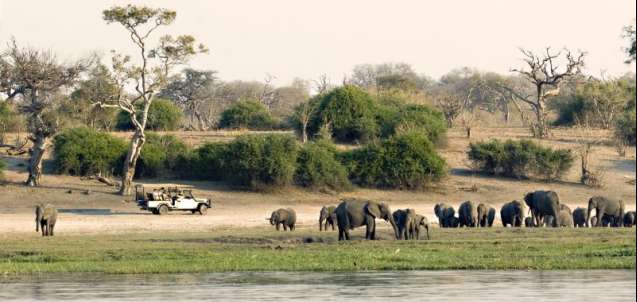
Botswana’s Okavango Delta reaches peak flood, attracting wildlife. This is an excellent time to visit Botswana. Record densities of elephants escape the dry conditions to mass along the Chobe River, while walking safaris flourish in Zambia's South Luangwa National Park.
Coastline & Marine Life
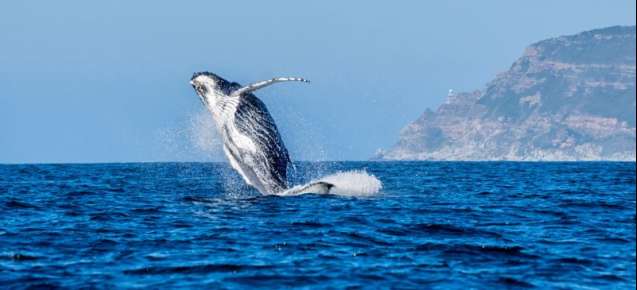
Humpback whales migrate past Mozambique and Madagascar. Southern right whales arrive along South Africa’s coast.
Early migrants begin arriving, while sunbirds and sugar birds breed in South Africa’s Cape winter rainfall region.
Mara River crossings dominate the Masai Mara, Kenya, with predators lying in wait. This is an excellent time to visit Kenya to witness all the migration drama.
Dry-season trekking continues, though gorillas remain at higher elevations of Volcanoes National Park, Rwanda, and Bwindi Impenetrable Forest, Uganda.
Elephant numbers peak in Chobe National Park, Botswana, making it an excellent time to visit. Premium dry-season wildlife viewing conditions continue right across southern Africa.
For travellers comparing Botswana safari areas, our Okavango Delta areas guide explains how Moremi, Khwai, Chobe and the Delta fit together.Coastline & Marine Life
Southern right whale-watching peaks along South Africa’s southern coastline. This is an excellent time to visit Cape Town, South Africa, for whale-watching.
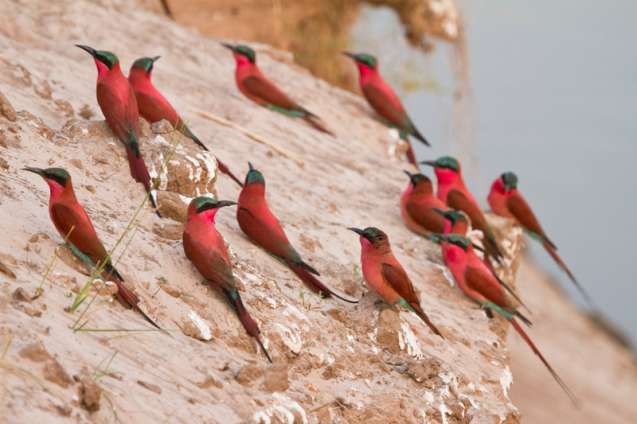
Breeding heronries activate in the Okavango Delta. Flamingos gather in huge flocks at Lake Natron, Tanzania, to breed. Carmine bee-eaters begin to mass on the banks of the Zambezi River.
Great migration herds spread across the Masai Mara, Kenya, before drifting south toward Tanzania.
Unpredictable rains may affect gorilla trekking conditions in Rwanda and Uganda toward the end of the dry season.
Zebra migration resumes in Botswana. Victoria Falls enters low-water season, revealing dramatic gorges and making wildlife easier to spot.
Whale watching remains excellent along South Africa’s southern coast.
Carmine bee-eaters nest along Botswana, Zimbabwe, and Zambia’s rivers, while palearctic migrants arrive in large numbers.
Hot, dry conditions concentrate wildlife around remaining water sources.
Short rains encourage the mountain gorillas of Volcanoes National Park, Rwanda, and Bwindi Impenetrable Forest, Uganda, to feed at lower elevations, which shortens trekking distances.
Extreme heat in Etosha National Park, Namibia, and the Kalahari Desert drives wildlife to concentrate around waterholes, intensifying predator interactions.
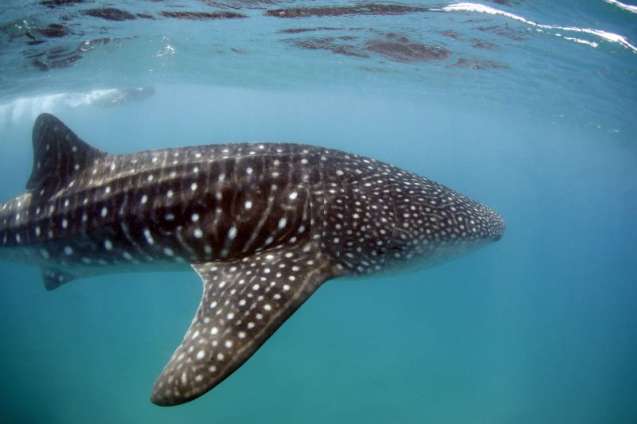
Whale sharks return to Tofo Beach, Mozambique, and around Diani Beach, Kenya. Loggerhead and leatherback turtle nesting begins along South Africa’s northeast coast.
Migrants arrive in large numbers, and breeding season activity commences.
The short rains arrive, and long columns of wildebeest and zebra spread across freshly rejuvenated plains as the great migration begins to return south into the Serengeti ecosystem, with predators shadowing the herds as they travel.
In Rwanda’s Volcanoes National Park and Uganda’s Bwindi Impenetrable Forest, gorillas descend to lower elevations to feed on new plant growth.
Early rains mean wildlife disperses from riverbanks as seasonal water sources refill. In Botswana, this sparks the return of zebra herds to the Makgadikgadi Pans, marking the start of the zebra migration cycle. Zambia’s Kasanka National Park sees millions of fruit bats arrive in the world’s largest mammal migration.
Whale shark sightings peak off Mozambique’s Inhambane coast, making it an excellent time to visit Mozambique. Leatherback and Loggerhead turtle nesting continues along South Africa’s northeast coast and Mozambique’s protected beaches.
Palearctic migrants flood wetlands and savannas, while insect explosions fuel intense breeding activity across East and southern Africa.
__medium.jpg)
Great migration herds settle into the southern Serengeti and Ndutu Plains in Tanzania for calving.
A brief dry interlude often improves trekking conditions in Rwanda’s Volcanoes National Park and Uganda’s Bwindi Impenetrable Forest. Gorilla groups remain active at mid to lower elevations.
The green season transforms Kruger National Park, Hwange, and private reserves across southern Africa. Newborn antelopes appear across open plains. Zebras disperse widely across the flooded grasslands of the Makgadikgadi Pans, Botswana.
Green-season safaris can offer excellent value, especially for flexible travellers. Ask our team to match your travel dates with the best-value safari areas for your budget.
Speak to an Africa safari expert
Cape fur seal pups are born along the Skeleton Coast, Namibia. Whale shark numbers are still high in Tofo, Mozambique, while humpback whales pass Kenya’s Indian Ocean coastline.
All migratory species are present, making December exceptional for birding. Breeding displays, nest building, and colourful plumage define wetlands, forests, and savannas alike.
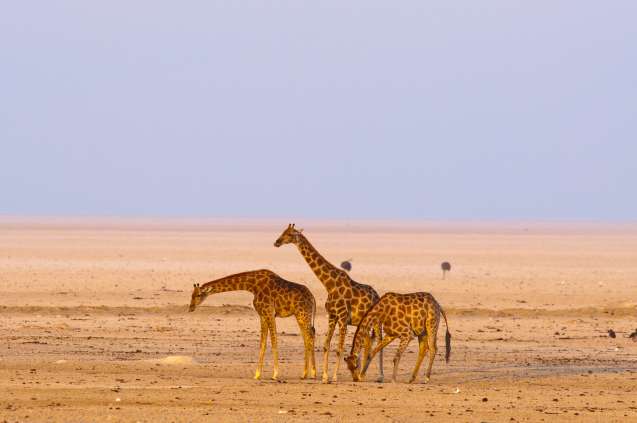
Different wildlife experiences peak at different times of year. Use this quick guide to match your safari wish list with the best months to travel.
| Wildlife Interest | Best Months | Where to Consider |
|---|---|---|
| Great Migration river crossings | July to September | Masai Mara and northern Serengeti |
| Serengeti calving and predator action | January to February | Southern Serengeti and Ndutu |
| Classic Big 5 wildlife viewing | June to October | Kruger, Greater Kruger, Botswana, Zambia, Zimbabwe, Kenya and Tanzania |
| Gorilla trekking | January to February and June to August | Uganda and Rwanda |
| Birdwatching | November to April | Okavango Delta, Kruger, East Africa, wetlands and forest regions |
| Whales and marine wildlife | June to November, depending on region | South Africa, Mozambique, Madagascar, Tanzania and Kenya coastlines |
| Budget and green-season value | April to May and November, plus selected green-season months | East Africa, South Africa, Botswana and selected southern African routes |
For a broader look at safari seasons, weather, crowds and value, read our Best Time to Visit Africa for Safari guide.
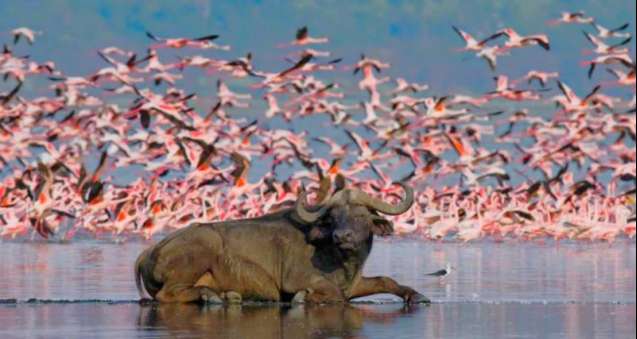
Once you know which wildlife moments matter most to you, the next step is choosing a safari route that matches your dates, budget and travel style. The tours below are examples of safari experiences that work well for different wildlife interests.
Availability, prices and conditions change by season, so it is always worth checking the best current options before booking.
Speak to an expert travel advisor to compare safari routes, seasonal highlights and value-for-money options.
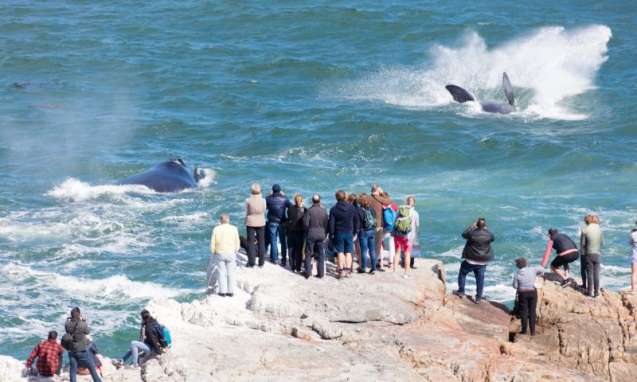
An African safari calendar is a month-by-month guide to wildlife events, seasonal changes and safari highlights across Africa. It helps travellers understand when to see events such as the Great Migration, calving season, gorilla trekking, birding, whale watching and green-season newborn animals.
There is no single best month for every African safari. July to October is excellent for dry-season wildlife viewing in many destinations. January and February are superb for Serengeti calving season. July to September is famous for Great Migration river crossings, while May and November often offer strong value.
The Great Migration can be seen in different parts of the Serengeti and Masai Mara ecosystem throughout the year. Calving season usually peaks in January and February in the southern Serengeti, while dramatic river crossings are most often associated with July to September in the northern Serengeti and Masai Mara. Exact timing varies with rainfall and grazing.
The cheapest safari months vary by destination, but April, May and November often offer better value in many safari regions. Green-season months can also bring lower rates, fewer crowds, excellent birding and beautiful landscapes.
Yes. Green-season safaris can be excellent for birding, photography, newborn animals, lush scenery and better value. Wildlife may be more dispersed in some areas because water is widely available, but the experience can be rewarding, especially for flexible or repeat safari travellers.
Use this calendar to match your travel dates with likely wildlife highlights. Then check destination-specific advice before booking, because weather, rainfall and wildlife movement can vary from year to year.
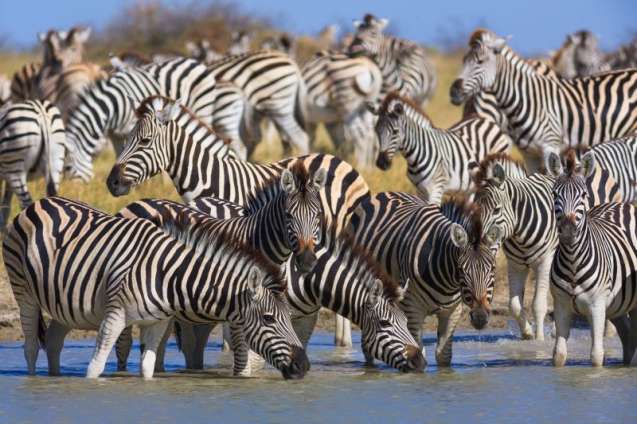
Africa has rewarding safari experiences in every month of the year. The trick is matching your travel dates with the right destination, not forcing one destination to work at the wrong time.
If you can only travel in February, the Serengeti calving season may be a better fit than a dry-season Botswana safari. If you are travelling in August, Kenya, Tanzania, Botswana, South Africa, Zambia and Zimbabwe all offer strong wildlife possibilities. If your priority is value, May, November and selected green-season months may open up excellent options.
The best safari planning starts with three questions:
From there, African Budget Safaris can help you match your dates with the best safari route, season and style.
For broad seasonal planning, read our Best Time to Visit Africa for Safari guide. For booking timing, see our guide to when to book an African safari.
Tell us when you can travel, what wildlife you want to see, and how much you want to spend. Our Africa safari experts will help you choose a route that fits your dates, budget and expectations.
Contact African Budget Safaris and start planning your safari.
Explore these destinations mentioned in this post.
Below you'll find further reading and articles related or similar to this post.




Call us toll free from US/Canada on 1-888-414-6513, or from the UK on 0-808-189-1052. All other countries can contact us on +27 21 791 0878.
© 2026 African Budget Safaris | Privacy | Terms | Cookie Policy | Consent Preferences

__thumb.jpg)

__large__thumb.jpg)