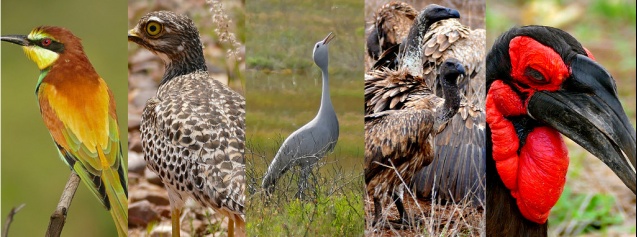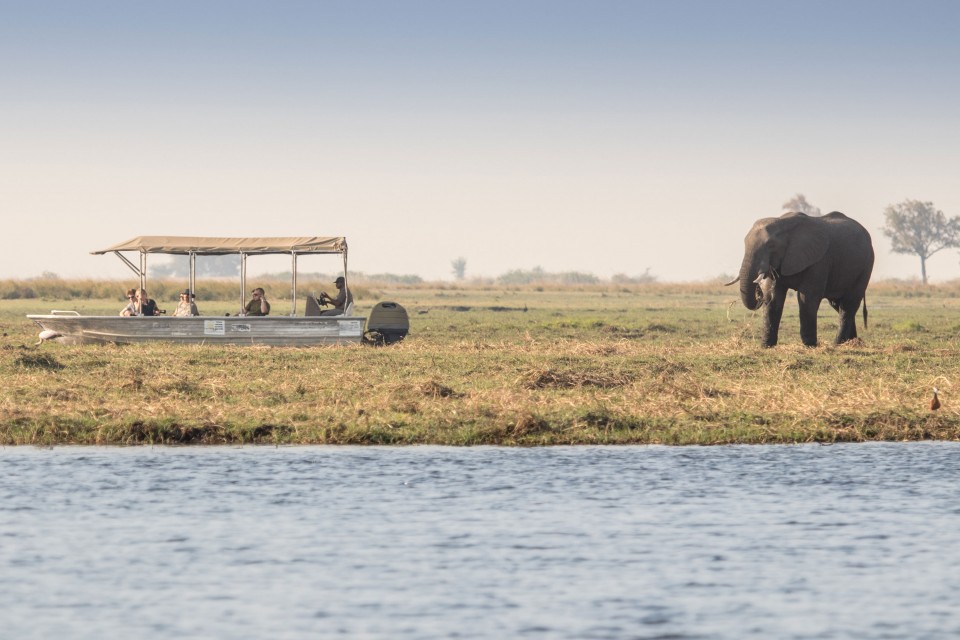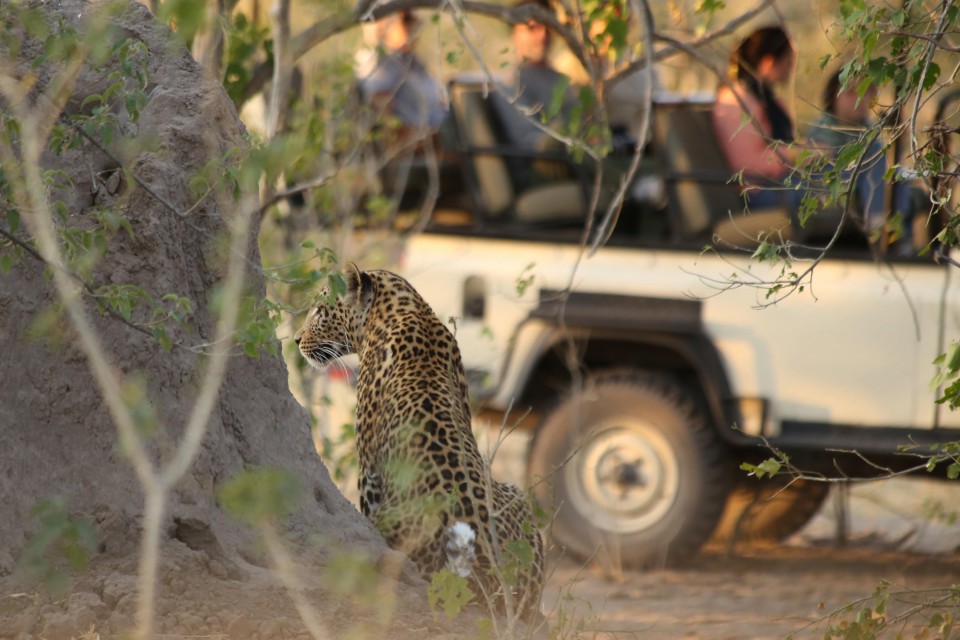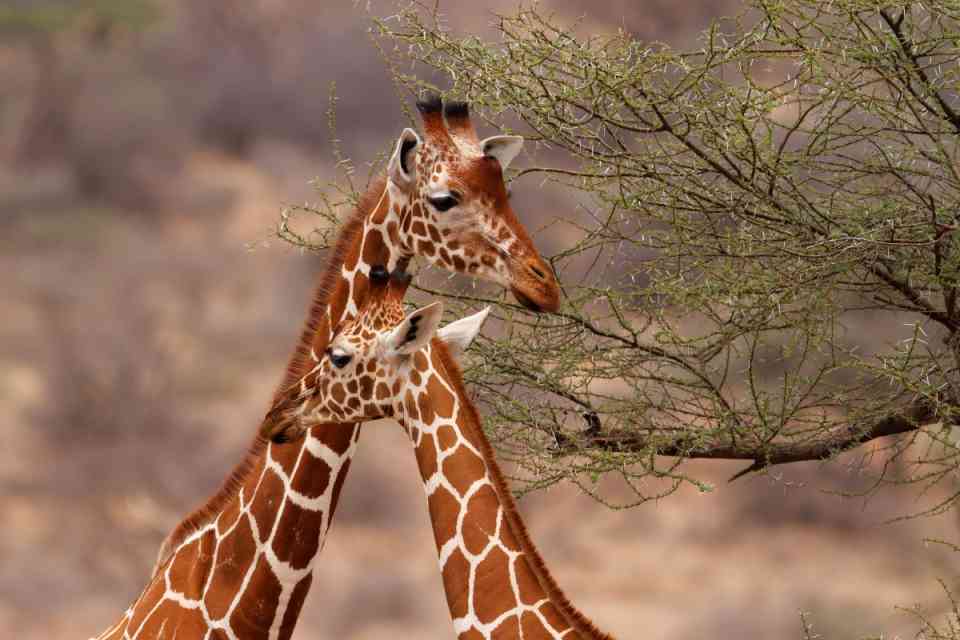
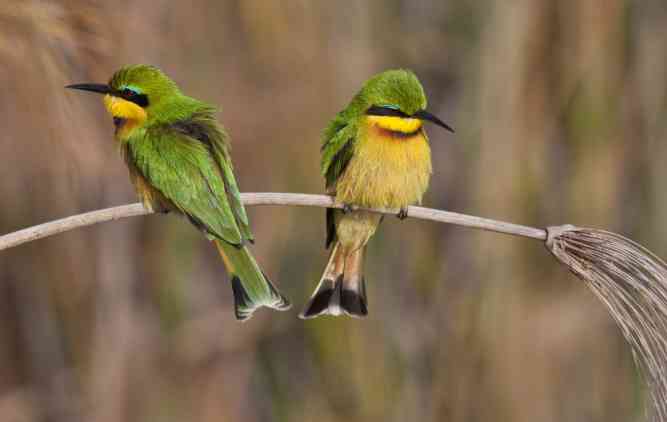
Africa has an astounding diversity of bird life making for extraordinary birding safari experiences. Most birding in Africa occurs within game reserves and national parks, giving you the unique opportunity of spotting the Big 5 animals amongst your checklist of LBJs and more distinctive birds in Africa!
Selecting the top places for birdwatching in Africa involves considering several key factors. The diversity of bird species is paramount, as varied birdlife enriches any birding safari. Accessibility is also crucial, with the best spots for birding in Africa offering a balance of remote wilderness and reachable paths. Unique African birding experiences, such as hotspots for rare or endemic species and spectacular migratory displays, further add to the value of birding destinations. Finally, conservation efforts are important, as places that prioritize habitat preservation ensure the survival of birds in Africa. With these criteria, let's explore the best places for birding in Africa.
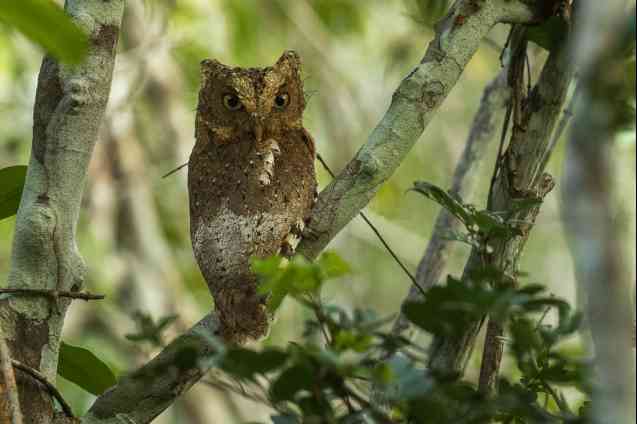
The Arabuko Sekoke Forest is between Mombassa and Malindi on Kenya’s coast.
Arabuko-Sekoke Forest is the largest remnant of the dry East African Coastal Forest that covers an area of 420 km². The birdlife in Arabuko-Sekoke Forest is impressive, and it is a favourite with avid birdwatchers from around the world. While the rare and endangered Clark’s weaver and the Sokoke Scops Owl are the big birding safari attractions, other birds include the Amani sunbird, Sokoke and Malindi Pipits, Mombassa Woodpecker, East Coast Akalat, and the Scaly Babbler.
In addition to the endemic bird species that make Arabuko-Sekoke a top spot for birding in Africa, the forest is also home to the rare and endemic golden-rumped sengi, the Sokoke bushy-tailed mongoose, and the Ader’s duiker.
The best time to visit Arabuko-Sekoke is during the dry season from June to September, though the forest is accessible all year round. From November to April, the rains can make birding difficult, but migratory species are added to the already impressive bird list.
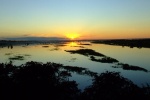
The Bangweulu Wetlands are located in northeastern Zambia, about 50km north of Kasanka National Park.
Made up of seasonal floodplains and swamplands dominated by papyrus, floating grasses, and reeds, Bangweulu, at 6000 km², is one of Africa’s most important wetlands. Home to over 400 bird species, Bangweulu has been designated a wetland of international importance under the RAMSAR Convention. It is easy to see why it has long been a firm favourite for birding in Africa.
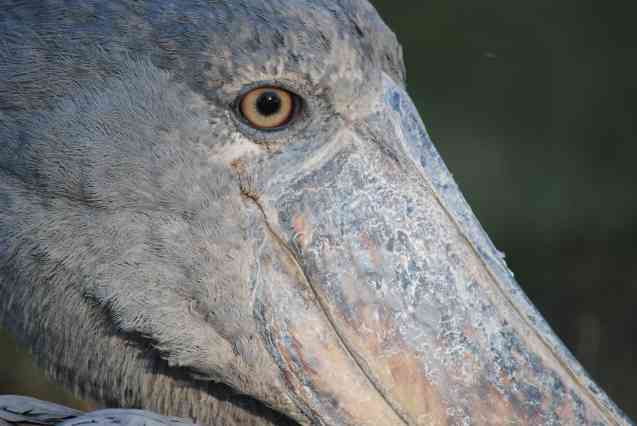
The highlight of a birding safari to the Bangweulu Wetlands is the bizarre, prehistoric-looking Shoebill Stork. Bangweulu is also home to 10% of the world’s Wattled Crane, and the endemic Black Lechwe. Bangweulu is a community-owned protected area overseen by African Parks. Visiting Bangweulu means directly supporting both conservation and local communities. You can also visit the final resting place of Dr David Livingstone who died in Bangweulu in 1873.
The best birding in Bangweulu Wetlands is during the wet season from February to April when the area is a birdwatcher's paradise and birdwatching can be done by boat or along several walks. May to July, however, is the perfect time to spot shoebills while walking, and shoebills nest during the dry season from August to December.
By prior arrangement, African Parks can arrange Shoebill nest visits between August and October.
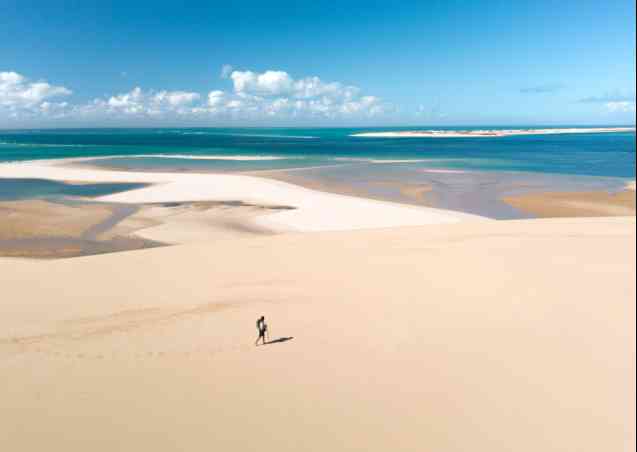
The 1400 m² Bazaruto Archipelago is located in the Indian Ocean off the coast of Mozambique - not your typical African birding environment. Trips to the Bazarutto Archipelago depart from the seaside town of Villanculos. 5 islands make up the archipelago, the largest is Bazaruto Island, Benguerra Island, Magaruque Island, Pansy Island, and Paradise Island.
Bazaruto is an incredible place for birding in Africa. There are over 180 bird species in a very small area. These include a large number of Pelearctic migrants and 26 species of waders including pelicans and flamingoes. The islands also host colourful residents like the African green pigeon, the rare Madagascar bee-eater, and the striking Narina trogon.
Thanks to the protected status of the Bazaruto Archipelago and the involvement of African Parks, the Bazaruto ecosystem bursts with life. In addition to its unique birding safari sightings, the Bazaruto Archipelago is renowned for its exceptional scuba diving with 3 species of turtles, whale sharks, and over 2000 fish species, as well as critically endangered Dugongs.
The best time for a birding safari to the Bazaruto Archipelago is during the wet season from November to April when the migratory birds are in full force. If you are keen on some quality beach time, May to November is cooler and dry.
Located in northeast Namibia, sandwiched between South Africa and Angola, the Caprivi Strip is a strange relic of Africa’s colonial past. The Caprivi Strip has recently been renamed the Zambezi Region.
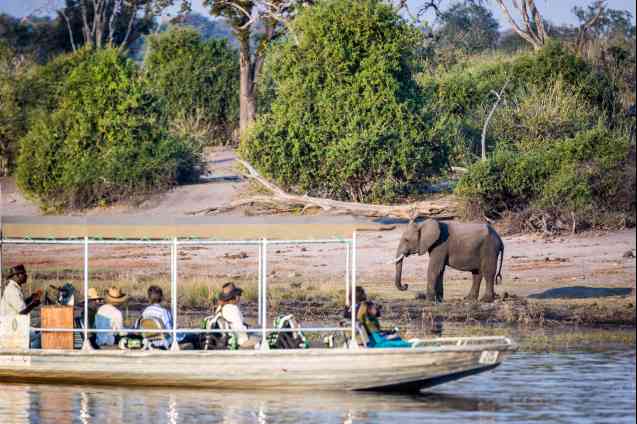
The Caprivi Strip is bordered by the Okavango, Kwando, Chobe, and Zambezi Rivers, which is in sharp contrast to Namibia’s arid topography. The abundance of water in the Caprivi Strip means lush woodlands, wetlands, and riverine ecosystems that foster an incredibly diverse range of animals and birds. Caprivi boasts a staggering 500 bird species and is often rated as one of the best spots for birding in Africa. Though the draw card for a birding safari here is the shear abundance, some of the major highlights include the African wood owl, African goshawk, wattled cranes, rufous-bellied herons, slatey egrets, coppery-tailed coucal, and an abundance of raptors like the western-banded snale-eagle. Special birds include the African Finfoot, Half-collard Kingfisher, and the Rock Pratincole. Boat rides along the Zambezi and Kwando Rivers provide exceptional opportunities to spot waders and riverine birds.
Birdwatching is best in the Zambezi Region during the November to April summer months. If you want to focus on wildlife, however, travel during the dry winter months from May to October.
The Kruger National Park is located along South Africa’s northeast border with Mozambique. Covering over 19000 km², Kruger is the size of a small country.
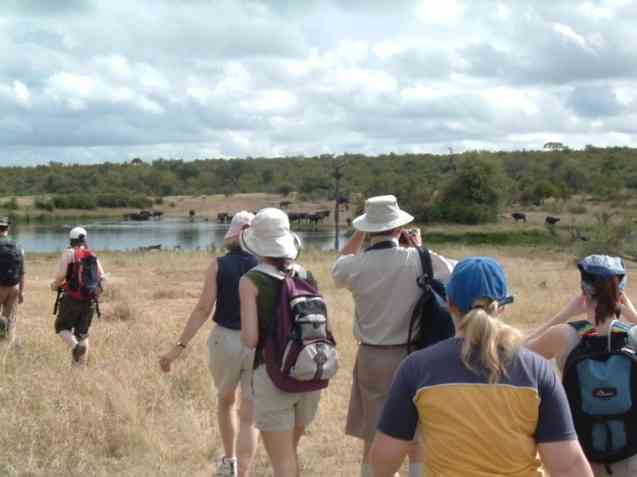
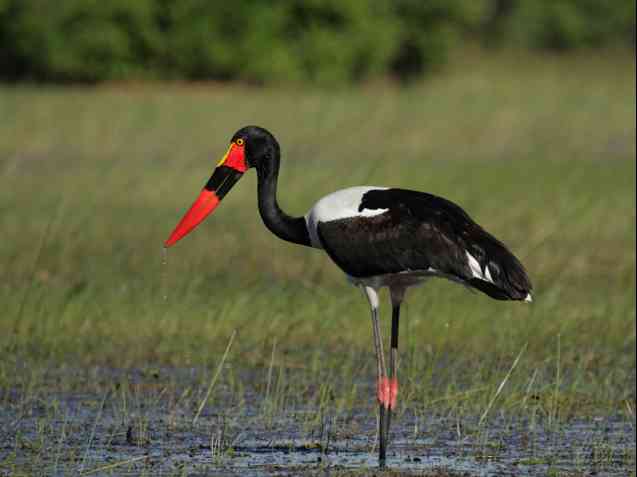
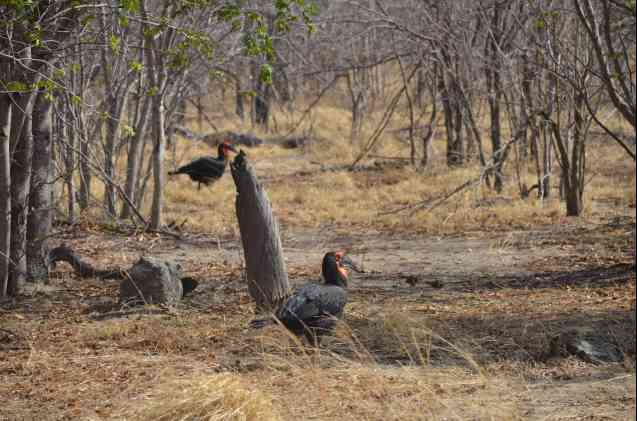
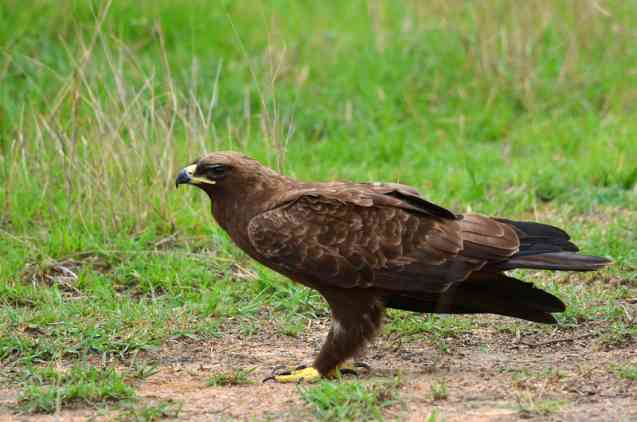
Kruger National Park is South Africa's top safari destination. It is also a legendary hotspot for birding in Africa with 507 species that occupy 6 distinct biomes. With such exceptional diversity and habitats, there are birds for everyone from amateurs to experts. The birding safari Big 6 of Kruger are the saddle-billed stork, kori bustard, martial eagle, lappet-faced vulture, Pel's fishing owl, and ground hornbill to get you started. Serious birders flock to Pafuri and Punda Maria in the north for regional rarities like Tropical Boubou, Racket-tailed Roller and Meves's Starling. To cement Kruger’s reputation as an African birding delight, the park has seven Wilderness Trails and 11 viewing hides, including two with overnight accommodations, that are excellent for birding safari encounters. Whether you are a serious twitcher or a curious traveller, Kruger’s habitats from woodlands and dense bush to savannah and riverine thickets provide exceptional birding.
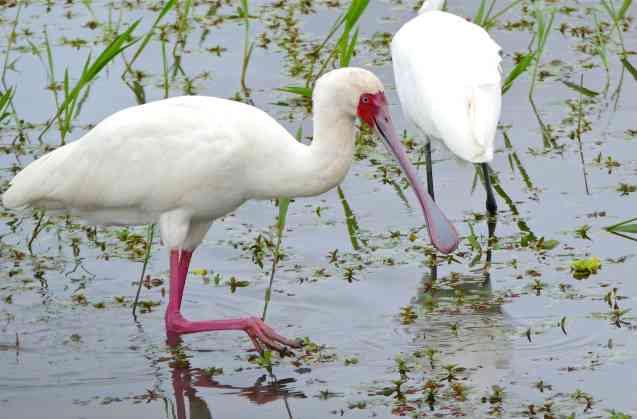
For a more intimate experience of birding in Africa, consider visiting one of the private reserves in the Greater Kruger National Park. Sabi Sands Game Reserve and Balule Private Nature Reserve are all excellent African birding destinations and come with excellent, well-trained guides.
Don’t forget that every birding safari in the Kruger National Park is also a Big 5 safari in one of Africa’s premier wildlife destinations.
The best time to visit Kruger for birdwatching is the summer months from November to April when the migrant birds are present. However, if you are looking to combine a birding safari with a wildlife safari experience, consider visiting in the dry winter months from June to September.
The Masai Mara sits in the southwest of Kenya on the border with Tanzania. The Masai Mara National Reserve, together with the Serengeti and Ngorongoro, makes up the Serengeti Eco-system and is home to the Great Wildebeest Migration.
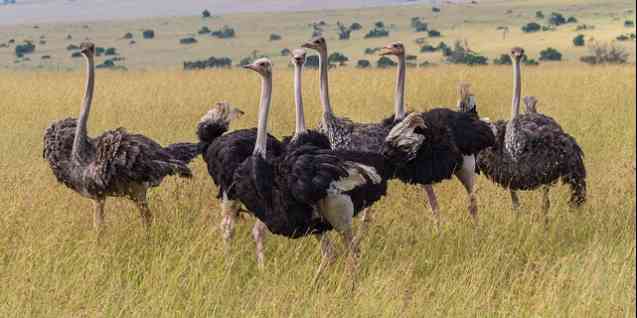
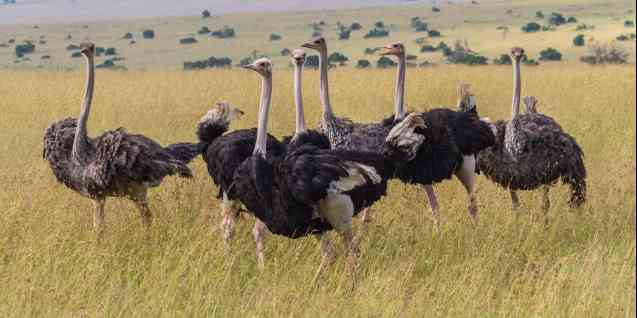
The Masai Mara is part of the Serengeti ecosystem that supports huge herds of herbivores and healthy populations of predators. With savannah grasslands, acacia woodlands, and riverine forests, the birdlife in the Masai Mara is no exception. The Masai Mara has over 470 bird species including the ostrich and kori bustard. The park has almost 60 species of raptor including the impressive bateleur, long-crested eagle and vultures as well as a plethora of smaller colourful and diverse species like lilac-breasted rollers and violet-backed starlings.
The best time for birding in Africa's renowned Masai Mara coincides with the wet season from November to April when European and North African bird species descend on the park to breed.
Masoala Forest is located in the Masoala National Park on an isolated peninsula in the southeast corner of Madagascar.
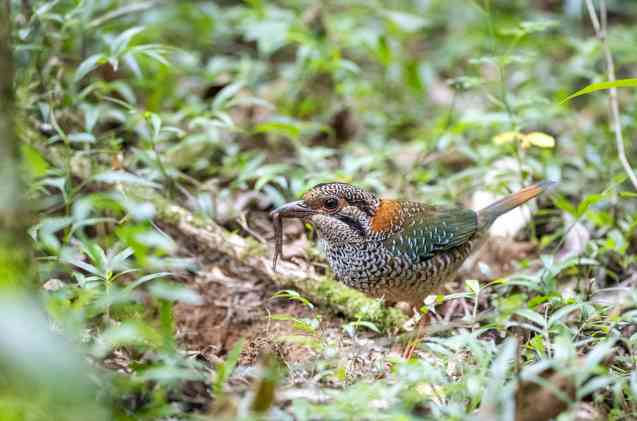
Madagascar slipped away from the African continent millions of years ago, leaving its animals and birds on a unique evolutionary trajectory. Masoala Forest is a UNESCO World Heritage Site as well as Madagascar’s largest national park. Difficult to reach, it is well off the beaten track. The birdlife in Masoala is extraordinary with a third of the birds endemic to Madagascar. Unique bird families include the Vangas and the Ground-Rollers, while the rare and secretive Madagascar Serpent Eagle is much sought after. In addition to the birds, Masoala is also home to some unique animals like the long-fingered Aye-aye.
From September to January, the birds of Masoala Forest are active, at their most vocal, and therefore easier to spot. The ground-rollers are particularly evident and the helmeted vangas are nesting making this the ideal time for a birding safari.
The Okavango Delta sits in northern Botswana on the border with Angola and Namibia. It is a vast inland Delta that has formed in the Kalahari Desert.
Botswana’s other top birding safari destinations are the Chobe River and the Kalahari Desert. But Botswana’s jewel in the crown, the Okavango Delta, floods during peak safari season (June – August) and along with its sister wetland, the Linyanti, it makes for very good African birding during Botswana’s dry and mild season.
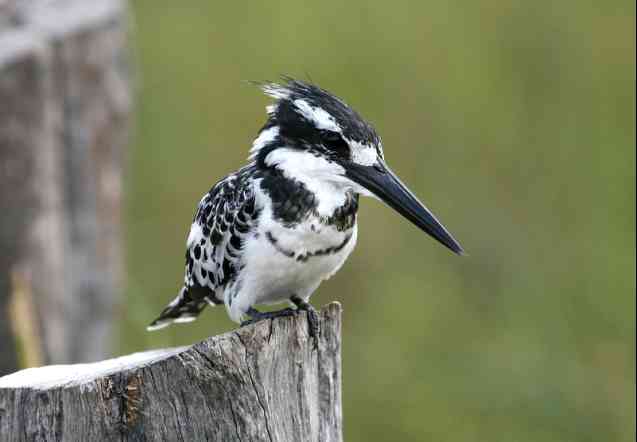
The Okavango Delta is one of the premier destinations for birding in Africa. With over 400 bird species, exploring the Delta’s waterways by traditional mokoros is an experience like no other. While Botswana has no endemic birds of its own, drifting on the waterways of the Delta is perfect for spotting kingfishers, cormorants, and rails among the reeds. Walking safaris are excellent in the Okavango Delta and it is not uncommon to see 140 bird species in a single day with an experienced guide. Notable bird species include the slaty egret, lesser jacana, Hartlaub’s babbler, Pel’s fishing owl, the pygmy goose, and white-backed night heron.
The Okavango Delta is best from November to April during the Green Season when the Palearctic migrants are there. The dry season, however, from June to October is better for game viewing and an all-around Okavango Delta experience when the flood waters are at their peak.
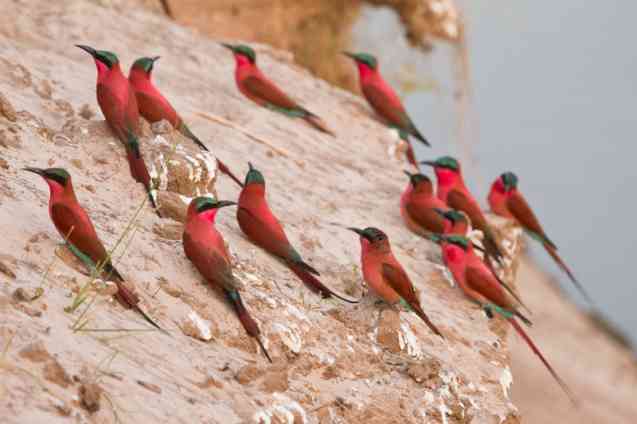
South Luangwa National Park is located in the southern reaches of the Great Rift Valley, south of Lake Tanganyika, in eastern Zambia. Luangwa National Park is the southernmost of three national parks in the Luangwa Valley and covers the most fertile part of the Luangwa Valley between the Luangwa River and the steep Muchinga Escarpment.
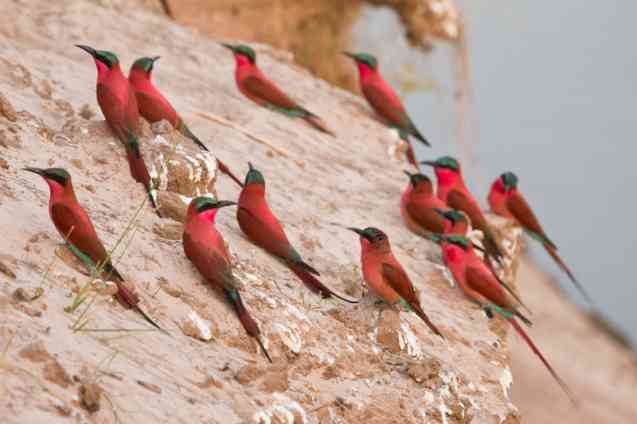
South Luangwa National Park is the home of the walking safari. It is considered to be one of the most pristine wilderness areas in Africa. With over 450 recorded bird species, South Luangwa is a birder's paradise. The Southern carmine bee-eater nests in the banks of the rivers and the highlight of many a birding safari is watching hundreds of these birds turn the air pink. South Luangwa is also a good African birding destination to spot elusive Bat Hawks, crowned cranes, Saddle-billed storks, and lovely Lillian’s love birds.
To take advantage of the number and diversity of birdlife, the best time to visit South Luangwa is during the green season from November and April when the migratory birds are also present. However, general game viewing is better in the dry season from June to October. The Southern Carmine bee-eaters usually arrive in mid-August.
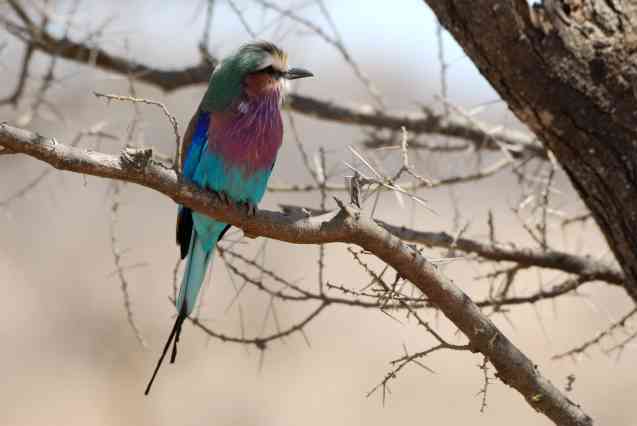
Located in north-central Tanzania, Tarangire National Park lies southeast of Lake Manyara National Park.
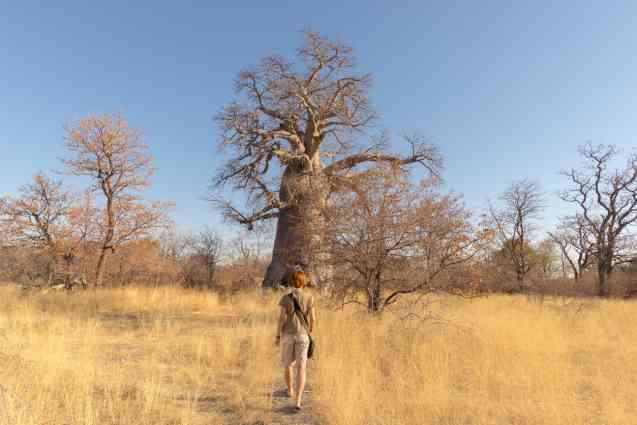
Often overlooked Tarangire National Park is a wild and remote wilderness area of spectacular beauty. The 2,800 km² /1,000 mi² of Tarangire National Park consists of grassland, woodland, floodplains, riverine forest, and seasonal swamps. Dotted with majestic baobabs, and stately acacias, and flanked by volcanic mountains in the distance, Tarangire boasts a bird list of over 550 species.
Tarangire National Park is home to dry-country species like the Pied babbler and vulturine guinea fowl, which are at the edge of their ranges. Avid birders can look forward to seeing Rufous-tailed weavers, Ashy starlings, and Yellow-collared lovebirds which are all endemic birds. Other birding highlights include Red-bellied parrots, Von der Decken’s hornbill, and Red-and-yellow barbets.
From November to April, during the green season, local birds are nesting, and the Palearctic migrants arrive making this the most abundant birding period. For wildlife viewing, consider travelling between July and October.
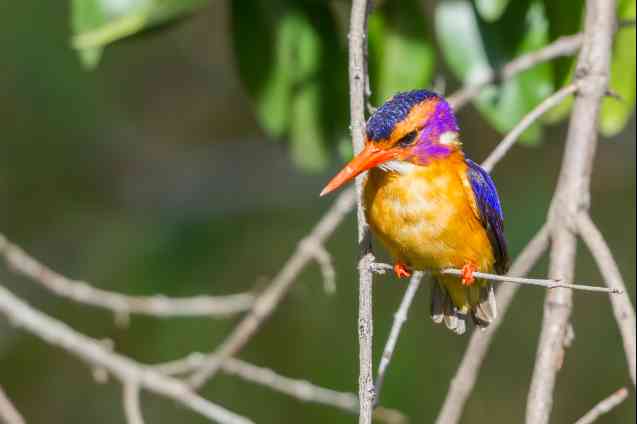
Everyone is different. Choosing the right African birding destination for your birding safari will depend on many factors. A good way to start is by choosing your bucket list destinations and then planning your birding safari from there. For example, a Big 5 safari to Kruger will automatically qualify you for some of the most exceptional birding in Africa. Another way to plan is to decide what birds are most important to you. If seeing the Shoebill stork is at the top of your list, consider a trip to the Bangweulu Wetlands for a close encounter.
African Budget Safaris specialises in small group, and private safaris, where we can tailor an itinerary to your needs. If you are ready to plan an unforgettable African birding safari, talk to one of our expert safari consultants about finding the best guides in the best places for birding in Africa.

Explore these destinations mentioned in this post.
Below you'll find further reading and articles related or similar to this post.




Call us toll free from US/Canada on 1-888-414-6513, or from the UK on 0-808-189-1052. All other countries can contact us on +27 21 791 0878.
© 2026 African Budget Safaris | Privacy | Terms | Cookie Policy | Consent Preferences



__large__thumb.jpg)

__medium.jpg)