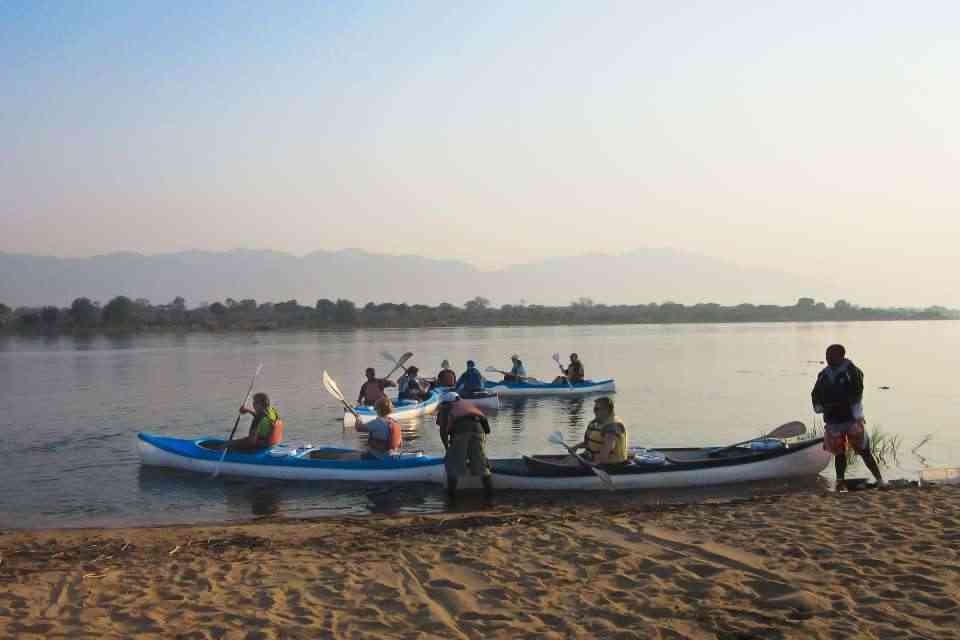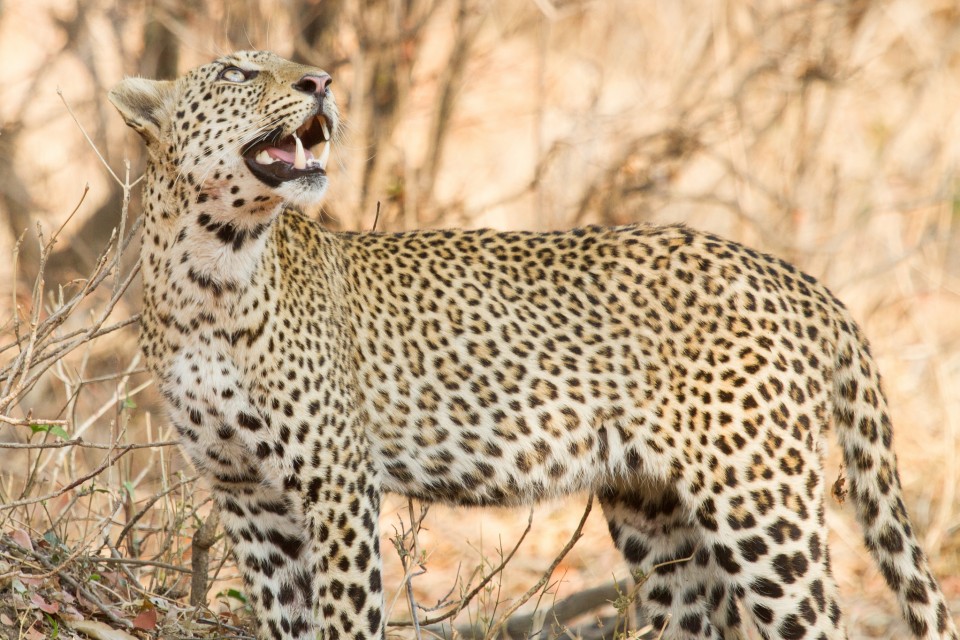
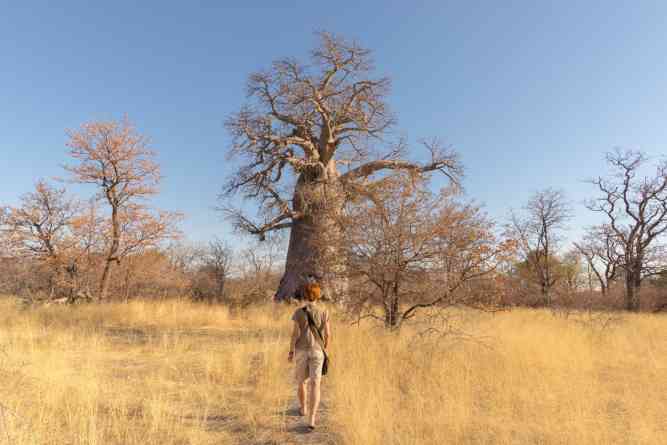
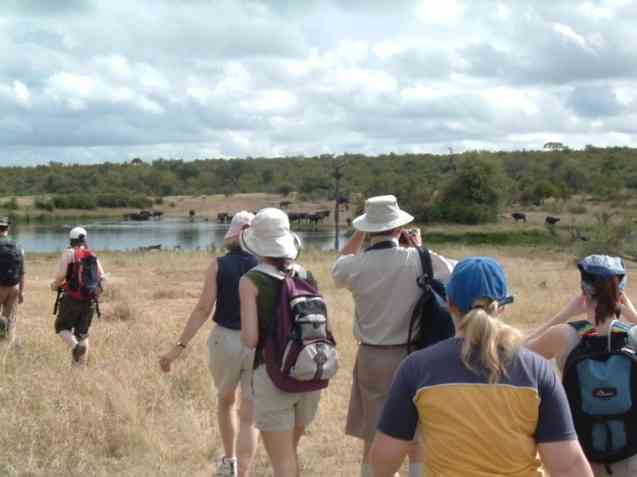
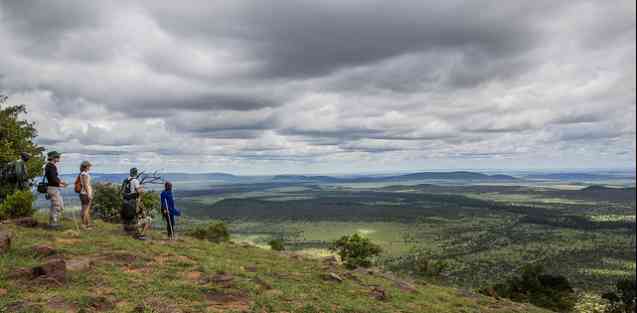
A walking safari offers a unique and immersive way to experience the African bush. Unlike traditional vehicle-based safaris, walking safaris provide a more intimate way for travellers to connect with nature. In the African bush, on foot, your senses become heightened, colours more vibrant, sounds clearer and smells more intense.
The allure of a walking safari lies in immersion. It's just you and the wild, the primordial thrill of tracking animals on foot, and the unmatched sense of freedom that comes with being free of the trappings of modernity.
Every walking safari should be a safe, enjoyable, and enriching experience. Preparation for your walking safari is about knowing what to expect and acting accordingly. It's important to consider things like physical fitness, clothing, and essential items, as well as safety measures and understanding the environment. Taking time to plan, and prepare for, your walking safari will enhance the experience and leave you to relax in the capable hands of your walking safari guide.
In this blog post, we'll delve into the essential aspects of preparation to help you make the most of your walking safari adventure in Africa.

The cost of a walking safari depends on many factors. The level of comfort and accommodation style, food and drinks, the size of your group, transport, park fees, guide fees, and the time of year will all affect the cost of your walking safari.
As a rule of thumb, the more remote the destination, the higher the cost. This is due to transport and other logistical expenses required to create successful African walking safaris. Walking safaris can be short (an hour or two), longer (half to full-day), or even multi-day hikes that use fly-camping and remote bush camps. Generally speaking, however, it is possible to do a walking safari as an add-on to your pre-booked safari adventure, meaning it can be done affordably without too much fuss.
One of the most important aspects of your walking safari is your guide. Walking safari guides are highly trained to keep both you and the animals safe while getting you as close to the wild as possible. A good guide will tell you everything you need to know and reveal things you never even thought of about nature, the ecosystem, and the wildlife you encounter. Guide fees will cover these services but a good walking safari guide is worth their weight in elephants and should be tipped handsomely. You can read more about tipping on safari, here.
| BOX: 9 Budgeting Tips for Your Walking Safari |
|---|
|
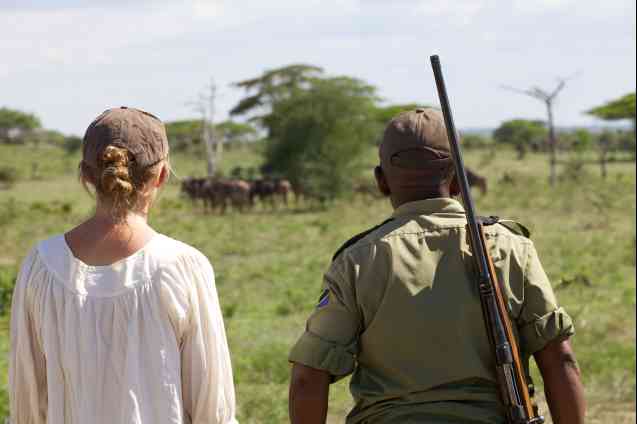
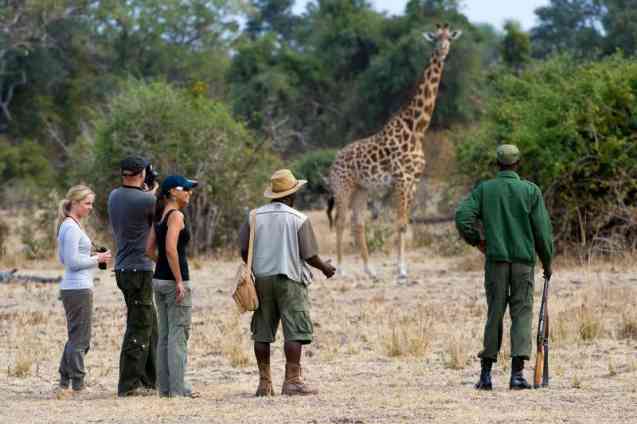
It's no exaggeration to say that the wrong clothing can ruin a walking safari. When walking in the African bush, it is vital to get the right balance between protection and comfort.
The colours you wear are also hugely important as they affect how both insects and wildlife see you. Bearing in mind that your destination will affect your wardrobe – Gorilla trekking in Rwanda presents a different challenge to walking in the Kruger National Park – here are a few things to consider. When packing for a walking safari, choose clothing made from lightweight, breathable materials that provide comfort and functionality in the African bush. If it is hot and dry, you will need to stay cool, but in humid and rainy conditions, you need to dry out as fast as possible.
Consider moisture-wicking fabrics designed to pull moisture away from the skin and keep you cool, even in humid conditions. These fabrics can be found in shirts, pants, and socks.
Long-sleeved shirts and pants are a fantastic barrier against the elements, vegetation, and insects. Wearing a loose-fitting long-sleeved shirt with a collar will give excellent protection against the sun, and keep mosquitoes or tsetse flies at bay.
Trousers will offer protection from the sun and insects, but will also guard against thorn bushes and other scratchy vegetation on walking safaris. It helps to wear clothing with an Ultraviolet Protection Factor (UPF) for added sun protection.
Choosing neutral colours is important in the bush for several reasons. While on a walking safari, you want to blend in as much as possible. Loud, bright colours frighten or agitate wildlife and attract insects like bees and wasps. Rather stick to khakis, greens, subdued browns and beige which all blend naturally with the surroundings.
Stay away from white, which gets dirty quickly, and black which is a favourite of mosquitoes and some flies.
A wide-brimmed hat that will shade your face, ears, and neck is a must. Having a chin strap can also be handy if conditions get windy or when passing under thorn bushes and trees.
Good footwear is essential. Depending on the length of your walking safari, a pair of comfortable trainers or sturdy hiking boots is important. Closed shoes will protect your feet and give you better traction when navigating uneven surfaces like rock, gravel, and sand. Be sure to break them in before your walking safari to avoid blisters and discomfort. Moisture-wicking socks will help keep your feet dry and prevent blisters. Consider bringing a spare pair to change into during the day if needed.
Dressing in layers allows you to adjust your clothing according to changing temperatures throughout the day. Bring a lightweight, waterproof jacket or fleece for cooler mornings or evenings. In addition to layering your clothing, consider convertible pants that can be zipped off into shorts for versatility in changing weather conditions or activities. Similarly, convertible shirts with roll-up sleeves offer adaptability throughout the day. Being flexible when on the go will ensure your comfort in any weather.
On a walking safari, you want to prioritise comfort, protection, and functionality. Being well-prepared and selecting the right clothing will allow you to enjoy your walking safari to the fullest while staying comfortable and safe in the African wilderness.
| Essential items to include on your walking safari |
|---|
|
*A note on photography: On a walking safari, you may get more out of the experience without the burden of a camera. Photographic equipment can be cumbersome. Ensure that your guide is aware of your intentions and that you are walking with a group that shares your enthusiasm for photography. If you are an avid photographer, consider booking a photography-specific safari.
Efficient packing is essential for a successful walking safari. To maximize space and minimize bulk, opt for lightweight, quick-drying clothing that can be layered for warmth or ventilation as needed. Roll your clothes instead of folding them to save space in your luggage and prevent wrinkles. Utilize packing cubes or compression bags to organize and compress your clothing, allowing you to fit more items into your bag while keeping them easily accessible. Choose versatile items that serve multiple purposes, such as convertible pants or a multifunctional scarf. Remember to pack travel-sized toiletries and only bring the essentials to avoid unnecessary weight. Prioritize items based on their importance and versatility, leaving behind anything you can live without.

When embarking on a walking safari in the African wilderness, safety is paramount. Unlike traditional game drives, where the safety of a vehicle provides a barrier between wildlife and humans, walking safaris involve direct interaction with the natural environment and its inhabitants. Therefore, adhering to strict safety measures is crucial to mitigate potential risks and ensure a memorable and incident-free experience.
The most important thing when on a walking safari is to listen to your guide. Field guides are specially trained to read tracks, the behaviour of animals, and to navigate safely through the bush. They will give you clear instructions on what to do and what not to do. Trust their skills and expertise to keep you safe and to get you the best wildlife sightings. If a guide issues instructions in the field, respond quickly and calmly.
|
Info Box: A Few Walking Safari Safety Guidelines |
|---|
|
Walking safaris are surprisingly safe. Following the instructions of your guide, respecting the animals and the environment, and staying open and aware of your surroundings, will ensure both your safety and an incredible walking safari experience.

Africa has a plethora of exceptional walking safari destinations that range from the accessible Kruger National Park in South Africa to Botswana’s Okavango Delta, and the home of the walking safari, South Luangwa in Zambia. How do you choose the right walking safari destination for you?
When choosing where to go for your walking safari, start by considering what wildlife you’d like to see. The Big 5, leopards, elephants, and lions, rare species like rhinos or gorillas, or a specific event like the great wildebeest migration in the Serengeti, whatever your choice, will inform your walking safari destination.
Once you have chosen what sort of wildlife you’d like to encounter, your walking safari destination options will be self-evident. For gorilla trekking, head to East Africa Rwanda, Uganda, or the DRC. If you are after the Big 5, nowhere is better than the Kruger National Park or the private reserves of Greater Kruger like Sabi Sands in South Africa. For elephants and all-around wilderness appeal, the Okavango Delta in Botswana is best. For the best classical walking safari in Africa, head to Zambia’s South Luangwa National Park for an epic off-the-beaten-track experience.
For top walking safari options see Where to Go & When to See the Wildlife of Africa on Foot
You know what animals you want to see, and which destinations are best, now it's time to examine some other factors like safety and seasonality. Rwanda, Uganda, and DRC, for example, all offer excellent gorilla trekking experiences. The DRC, however, has been mired in political conflict for decades. Rwanda and Uganda offer a safer option with less risk. Seasonality is also important. Taking a Zambia walking safari in South Luangwa in the peak wet season from November to April – which is also the hottest time of year – is nobody’s idea of fun. As a rule of thumb, walking safaris will be better in the drier winter months when vegetation is dry and sparse and animals are easier to see.
Once you have narrowed your walking safari options down, it is time to get down to the budgeting nitty-gritty. Your budget will have a big impact on your choice of walking safari destination. East Africa is as a rule more expensive than southern Africa because it is priced in US$ instead of the local currencies. More remote locations will be more expensive. Places like Botswana have looked at high-end, low-impact safari tourism, and budget options have only recently come into vogue. Similarly, the remoteness of some of Zambia’s national parks, means that Zambia is a more expensive option. For gorilla trekking, Uganda offers more affordable options than Rwanda. South Africa, being a major travel hub with extensive infrastructure and plenty of accommodation options, is still one of the most budget-friendly safari destinations in Africa.
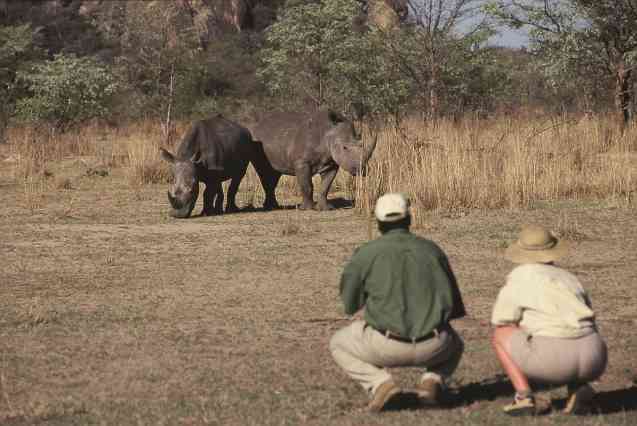
Walking safaris make for a thrilling African adventure. Now that you have a better idea about your walking safari options, it’s time to get down to specifics. Talk to one of our African safari consultants. They are experienced and ready to help you find the walking safari that is perfect for both you and your budget.
Talk to us today and let us take you there
Explore these destinations mentioned in this post.
Below you'll find further reading and articles related or similar to this post.




Call us toll free from US/Canada on 1-888-414-6513, or from the UK on 0-808-189-1052. All other countries can contact us on +27 21 791 0878.
© 2026 African Budget Safaris | Privacy | Terms | Cookie Policy | Consent Preferences


__thumb.png)
_(1)__thumb.jpg)






__medium.jpeg)