
‘Will I see the Big Five of Africa on a walking safari?’
This is a question we are often asked. The answer:
‘Maybe, but only if you’re, really, REALLY lucky.’
The reason for this is multi-layered. In this blog we’ll attempt to answer it completely, explaining why seeing the Big 5 of Africa is not the major reason for going on a walking safari, even if it’s an incredible bonus if you do!
An African safari is way up there on many people’s bucket lists and, for many (if not most) of them, one of their biggest wishes is to see the Big Five of Africa. It makes complete sense. Who wouldn’t want to marvel at enormous, gentle elephants, gorgeous-maned lions, prehistoric-looking rhinos, curly-horned buffaloes and stealthy leopards in the wild African bush?
And that’s what game drives are for, with knowledgeable guides and trackers. Even then, sometimes you may miss one or two (especially the elusive leopard). This is a safari, the animals are wild, and the habitats are vast. And that’s the beauty of it. Nature is unpredictable and free.

So, then, why is it unlikely that you’ll see the Big 5 of Africa while on a walking safari? Firstly, the animals have precise senses – they can hear and smell you coming from miles away. And they’re shy. Contrary to popular belief, even the larger animals in the bush would rather flee than fight.
Wild animals in game parks have become accustomed to seeing and being in the presence of safari vehicles, but the same doesn’t apply to humans walking through their habitat. They’re scared of you – yes, even the enormous and fierce lion – and want to get out of your way as fast as possible. In other words, before you’ve even spotted them, they’ve heard or smelt you and have vacated the vicinity.
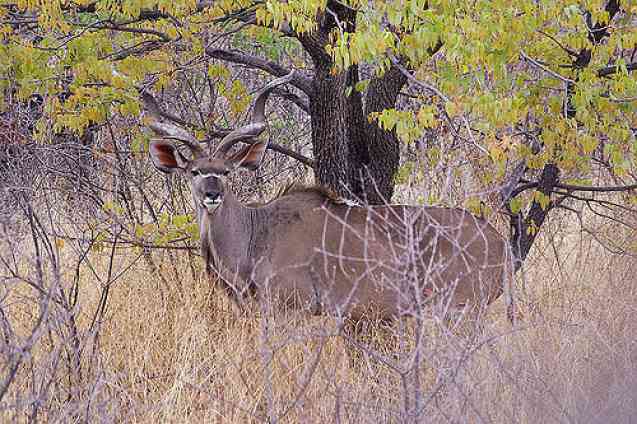
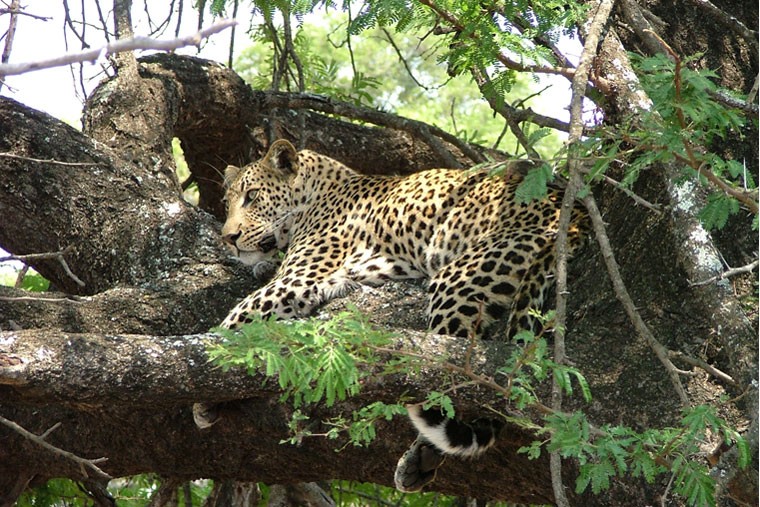
Secondly, wild animals are spectacularly talented in the art of camouflage. A leopard in dappled shade (he’d have to be fast asleep not to have bolted at the sound of your movement through the grass, but this is just an example, for example’s sake) on golden grass is almost impossible to see. So while you may not be spotting animals, they may well be watching you!

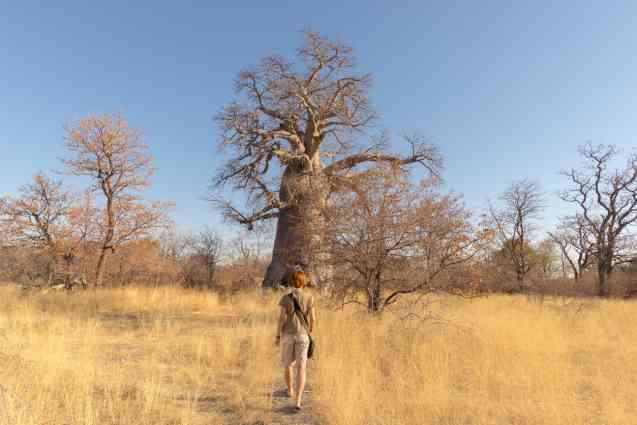
Most importantly, though, is to realise that the point of a walking safari is not actually just to get up close and personal with the animals, but more to experience the micro-systems of the African bush. And they’re fascinating!
It is hard to describe the enormity of the bush – the clear air, dust underfoot; the noisy silence filled with insect buzzes and bird calls; the uninterrupted views; the space; the tiny bugs scuttling through the grass; the animal spoor and dung that tells a whole story; the smell of the indigenous plants, many used medicinally; we could go on forever.
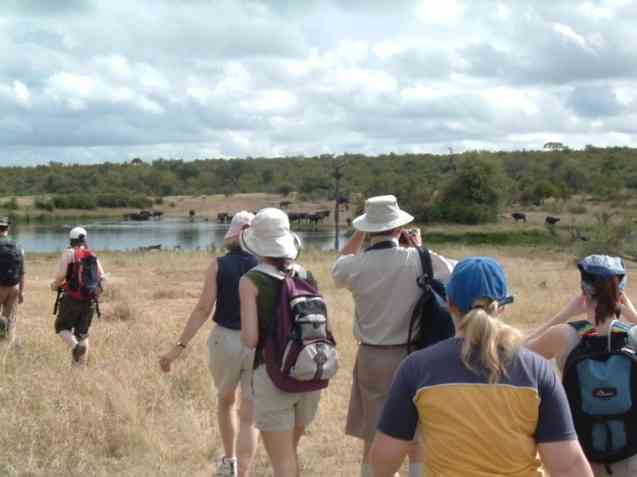
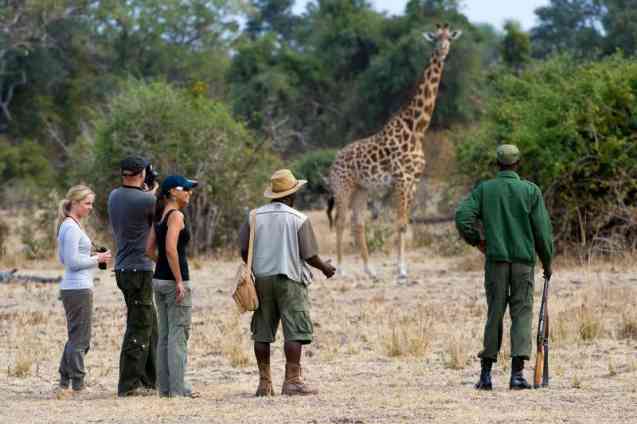
And that’s why you go on a walking safari. To learn about all those things from the local guide (usually two, armed and highly skilled guides, in areas where there are predators) and to experience the wonder of being as close to nature as is physically possible. There’s nothing quite like watching a little dung beetle collecting his ball of dung until it’s way bigger than him!
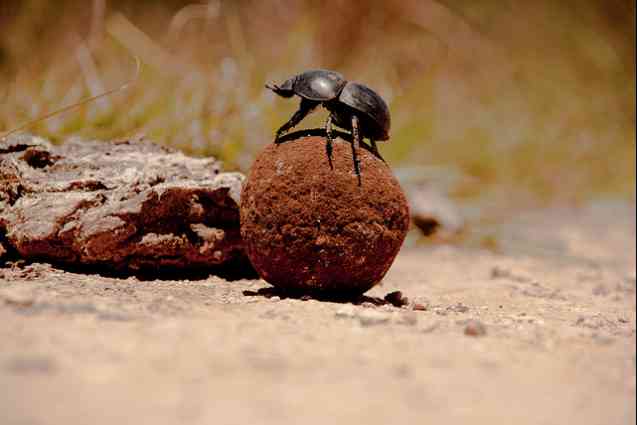
Seeing the Big Five of Africa while you do that? Unlikely, but a huge bonus if you do. Seeing plenty of plants and insects and birds and smaller animals? For sure. Learning about the workings of the li’l guys, the soil, the plants and flowers? Certainly. Experiencing the sights and sounds of the bush? Definitely.
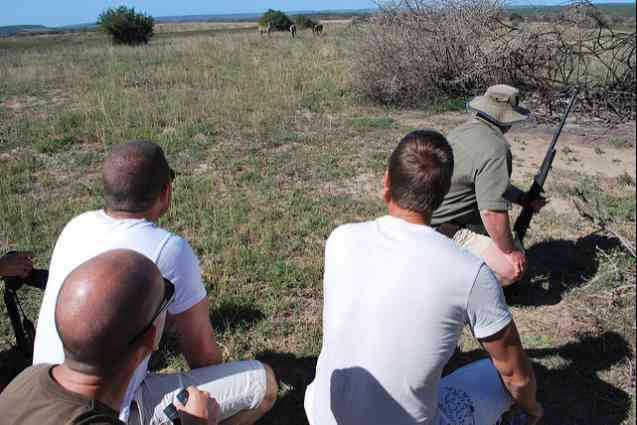
So now that you know why you probably won’t see the Big 5 of Africa on a walking safari, but you can see the value of it, here are some points to remember when walking in the bush:

So, the bottom line: while you may not see the Big Five of Africa on a walking safari, you’ll gain incredible insight into the workings of nature and the breathtaking beauty of the African bush and its creatures and micro-systems.
Talk to a safari expert to plan your walking safari or check out our Top 7 African Walking Safaris and discover where to go and when to see the wildlife of Africa on foot.

Below you'll find further reading and articles related or similar to this post.




Call us toll free from US/Canada on 1-888-414-6513, or from the UK on 0-808-189-1052. All other countries can contact us on +27 21 791 0878.
© 2026 African Budget Safaris | Privacy | Terms | Cookie Policy | Consent Preferences