
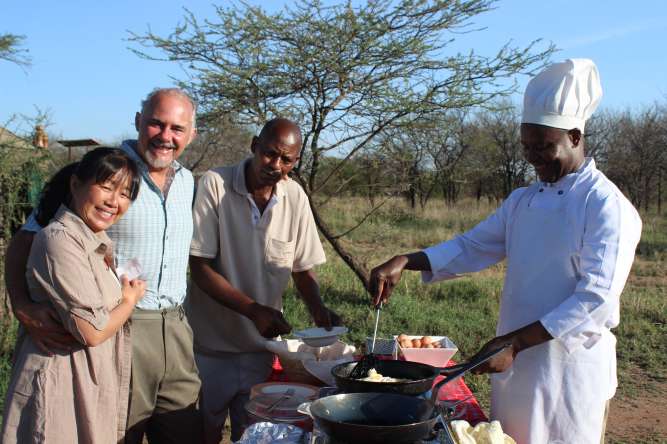
Avoid the crowds and inflated high-season prices. Here’s how to plan an authentic, affordable African safari without sacrificing extraordinary wildlife moments.
We’ve all seen it. Ten safari vehicles crowd around one lion, and the moment feels more like traffic than wilderness. Safaris, especially in East Africa, can feel expensive, crowded, and overhyped. But if you’re flexible with your timing and destination, you can avoid the crowds, skip the inflated high-season rates, and still have a world-class safari.
Here’s how to do it.
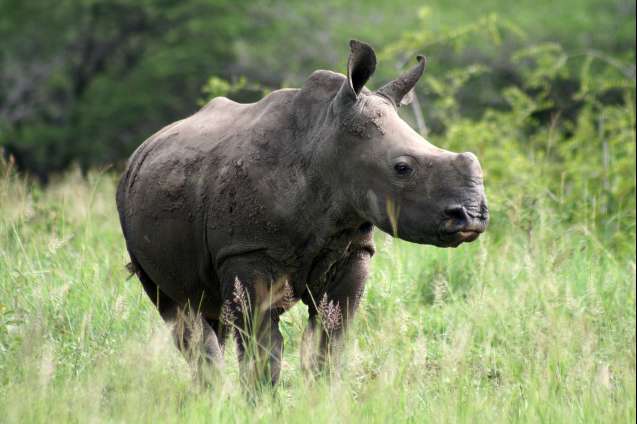
High season from June to October delivers amazing wildlife, but you pay premium rates and share sightings with more vehicles.
Most travellers aim for the dry season when grasses are short and animals gather near water. That’s why lodge rates jump 30 to 50 per cent, and rooms book up months in advance. Travel in April and May or November, or during the lush green season from December to March, and you’ll find better prices, fewer vehicles, and a quieter bush. In some parts of southern Africa, you can save up to 40 per cent by travelling outside the peak.
Incredible, right?
That’s more money in your wallet to extend your trip or add a few more bucket list activities to your itinerary, like a hot air balloon ride over the Namib Desert.
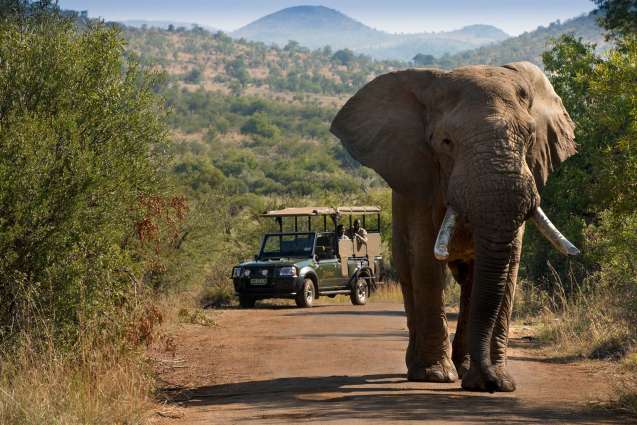
Winter specials make South Africa one of the best value safari destinations on the continent.
Between May and August, popular regions such as Kruger, Madikwe, and KwaZulu-Natal run Stay 4 Pay 3 or Stay 5 Pay 4 promotions.
These offers can save you the cost of a full night’s accommodation, often including meals, game drives, and conservation levies. That’s a big saving if you’re travelling solo, as a couple, or with a family.
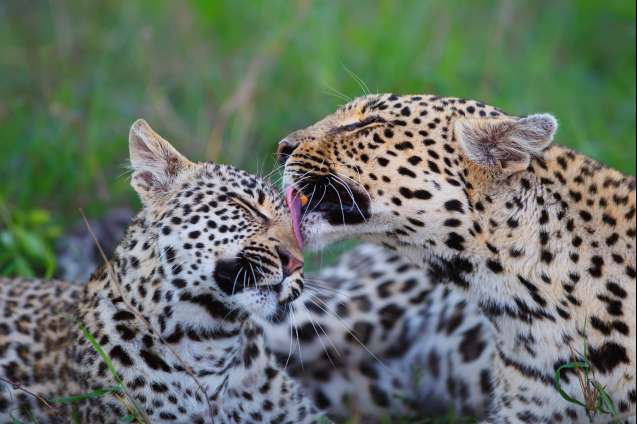
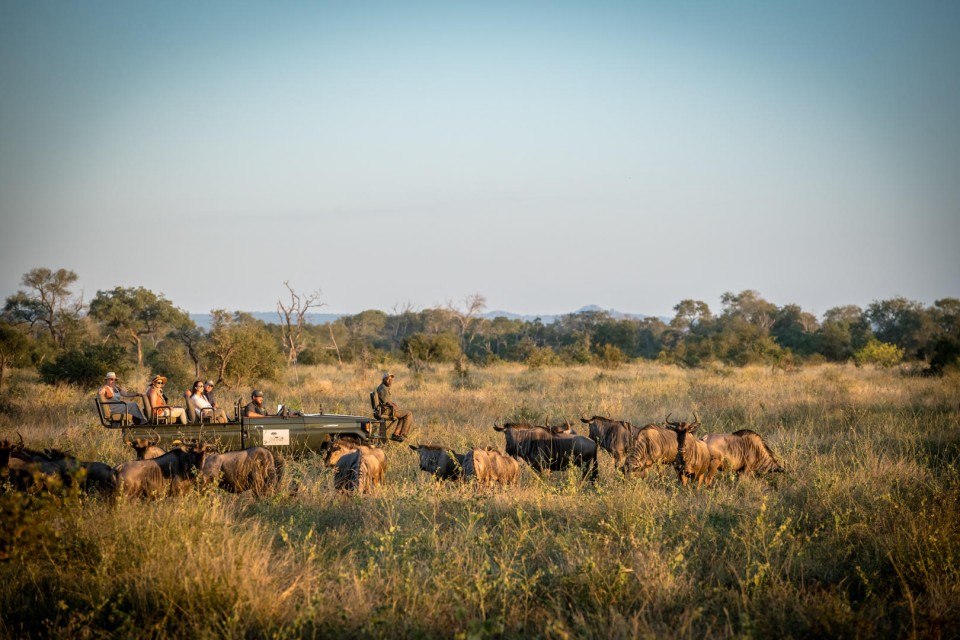
Skip the crowds by choosing destinations with fewer lodges and controlled vehicle numbers.
The Masai Mara, Serengeti, and Kruger are famous for a reason, but their popularity also draws the biggest crowds.
In South Africa, the Eastern Cape and KwaZulu-Natal offer malaria-free safaris with fantastic biodiversity, professional guides, and lodges that can boast one or perhaps three vehicles per sighting.
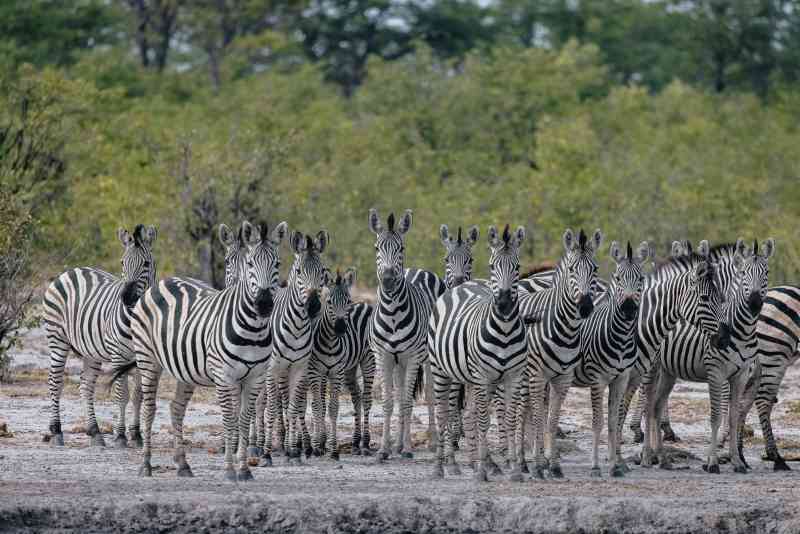
Further north, Zambia’s South Luangwa National Park and Lower Zambezi are outstanding alternatives to Kenya and Tanzania’s migration circuits. The guiding is world-class, the wildlife numbers are high, and you can get it all at a fraction of the price.
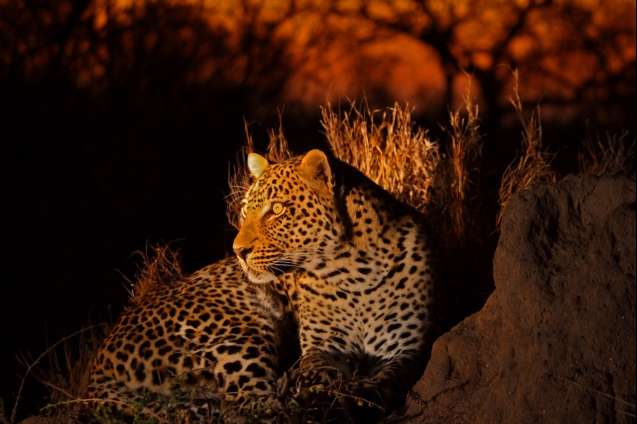
You’ll trade the migration crowds for quiet riverbanks, walking safaris, and leopard sightings that feel exclusive - without the hefty price tag.
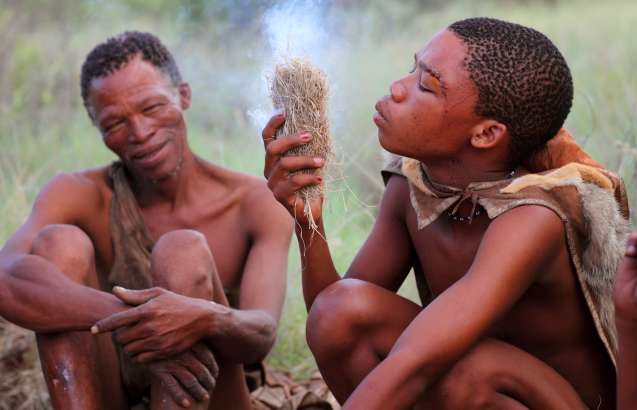
Cultural encounters should be respectful, community-driven, and transparent in how funds are distributed. Avoid anything that feels staged, intrusive, or like “poverty tourism.”
Many safaris include optional village visits or cultural tours. Done well, these experiences can be meaningful and empowering for local communities. Done poorly, it can feel exploitative or performative. A kind of “poverty tourism” that benefits no one.
Authentic cultural experiences are locally run, community-centred, and empower the people you visit. Before you join a cultural activity, ask a few key questions:
When handled properly, these cultural encounters can add depth to your safari.
You’ll gain insight into local traditions, conservation challenges, and everyday life. But the best rule of thumb is simple: if it feels wrong, it probably is.
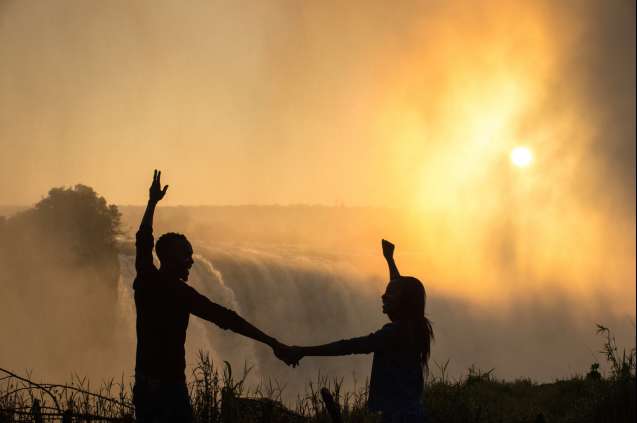
Longer stays cost less, feel calmer, and lead to better wildlife encounters.
Packing three lodges into seven days means you spend more time transferring than tracking wildlife.
Slow down.
Instead, give yourself three to four nights per lodge.
Wildlife doesn’t appear on command; sometimes the best moments come from waiting. Staying longer gives you more time to finally catch a glimpse of those elusive wild dogs and notoriously shy leopards.
It’s also easier on your wallet.
Transferring between lodges, especially across borders, adds up quickly.
One longer stay usually costs less than hopping between three shorter ones, and you’ll leave feeling rested, not like you need a holiday to recover from your holiday.
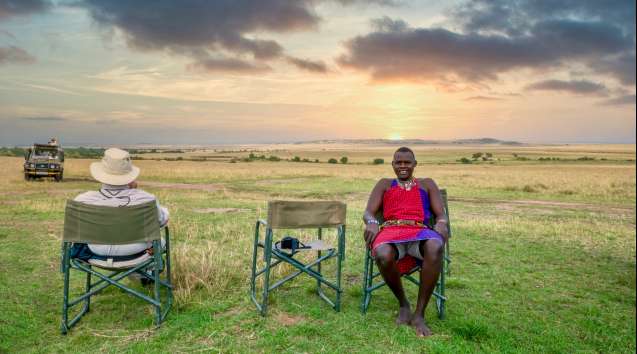
Smaller lodges and private concessions offer more flexibility and a more intimate safari experience.
Big lodges with hundreds of rooms might look impressive online, but they rarely feel “wild” once you’re there.
Smaller safari camps and private concessions keep guest numbers low, which means fewer vehicles at sightings and more flexibility in how you explore.
Guides have the freedom to linger longer at sightings, head off-road when it’s allowed, and plan sundowners in secluded spots without a dozen other jeeps pulling up beside you.
The entire experience becomes more personal, resulting in less production and a deeper connection.
The same logic applies if you’re doing a self-drive safari.
Choose quieter campsites instead of the main rest camps.
They might have fewer facilities, but you’ll trade the noise and crowds for a more intimate bush atmosphere.
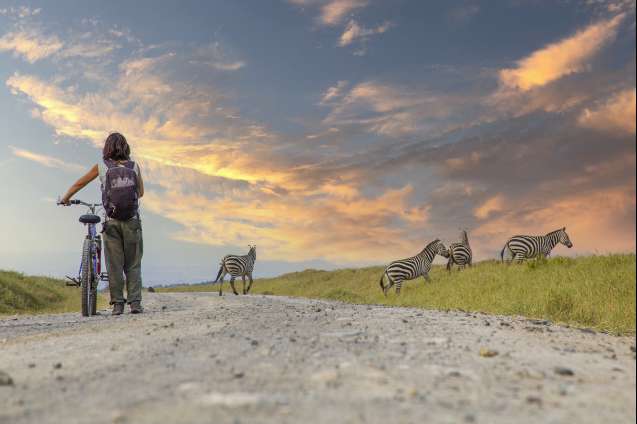
Cheapest isn’t always best value: compare what’s included, not just the headline rate.
Before locking in a trip booking, take a good look at what’s actually included. Safari pricing can be confusing, and the cheapest option isn’t always the best value.
Some lodges list tempting low rates but charge extra for game drives, park fees, or conservation levies. Others bundle everything (food, drinks, transfers, and activities) so you know exactly what you’re getting.
Always ask a few key questions:
If you’re camping or self-driving, the same idea applies. A quieter campsite with fewer facilities might not have a shop or restaurant, but it delivers that truly “wild bush” feeling. Like a herd of elephants walking past your tent in the middle of the night.
Luxury doesn’t always equal authenticity.
Sometimes the real value lies in experiences that feel raw and unfiltered.
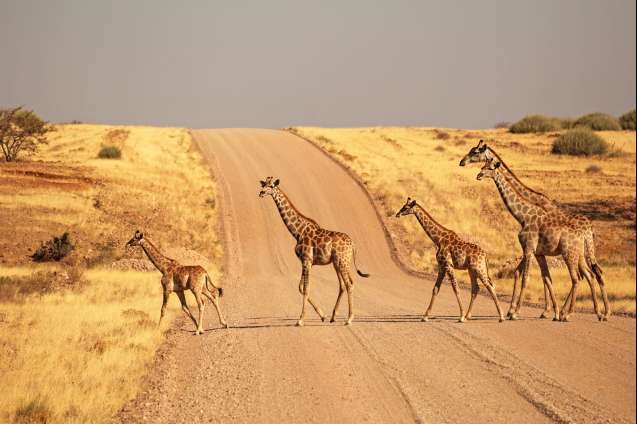
The right questions reveal the integrity of the operator and the experience you’re buying.
The best safari experiences usually come from operators who are upfront about what they do and why. Before you hit “confirm,” take a few minutes to dig a little deeper. A quick chat or e-mail can reveal a lot about a company’s values and save you disappointment later.
Start with the basics:
Then look beyond the brochure. Ask how your stay contributes to the area you’re visiting. Do the lodges employ local guides? Support anti-poaching units? Invest in nearby schools or clinics? A good operator will happily tell you exactly where your money goes.
Also, check their wildlife ethics. If a tour operator or lodge offers things like cub petting, walking with lions, or any other animal interaction that is not natural, it’s a hard no. These experiences might seem appealing on social media, but they often exploit the wildlife behind the scenes.
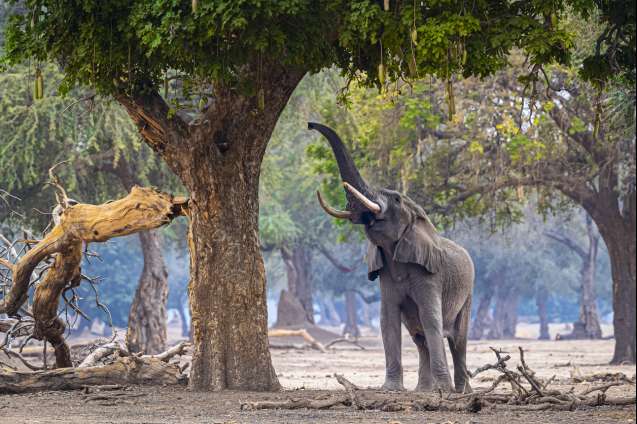
Avoiding tourist traps and inflated high-season prices doesn’t mean cutting corners. It’s about being intentional with your time, money, and itinerary.
Need help planning an authentic safari that matches your budget and travel style?
African Budget Safaris can help you book your dream trip.
Chat with one of our safari travel experts today.

Explore these destinations mentioned in this post.
Below you'll find further reading and articles related or similar to this post.




Call us toll free from US/Canada on 1-888-414-6513, or from the UK on 0-808-189-1052. All other countries can contact us on +27 21 791 0878.
© 2026 African Budget Safaris | Privacy | Terms | Cookie Policy | Consent Preferences





__thumb.jpg)
__medium.jpg)


__large.jpg)