__banner.jpg)
Kenya and Tanzania are both outstanding safari destinations, but they suit slightly different travelers. Kenya is often better for shorter, more affordable, and logistically easier safaris, while Tanzania is often better for bigger wilderness, more remote-feeling game viewing, and classic Serengeti-Ngorongoro itineraries. If you are choosing between them, the best option depends on your budget, travel style, and what kind of safari experience you want most.

Still torn? Kenya is usually the easier sell for value and convenience. Tanzania often wins on grandeur and a wilderness feel.
| Factor | Kenya | Tanzania |
|---|---|---|
| Best for budget safari | Stronger | Good, but usually pricier |
| Best for first-time safari travelers | Excellent | Excellent |
| Best for huge wilderness feel | Good | Stronger |
| Great Migration access | Masai Mara, usually Jul to Oct | Serengeti ecosystem, seasonal movement across the year |
| Ease of travel | Easier | Slightly more demanding |
| Typical driving distances | Shorter | Longer |
| Bush and beach combo | Very good | Excellent, especially with Zanzibar |
| Crowd levels | Can be busy in popular parks | Can also be busy on the northern circuit, but more space overall |
| Range of safari styles | Strong budget and group range | Strong mid-range to higher-end appeal, plus budget options |
| Best for iconic East Africa highlights | Masai Mara, Amboseli, Nakuru | Serengeti, Ngorongoro, Tarangire, Zanzibar |
For many travelers, cost is the deciding factor. In general, Kenya tends to offer slightly better value for budget and group safaris, while Tanzania often comes in higher, especially on northern circuit itineraries that include Serengeti and Ngorongoro. If you want the classic East Africa safari at the lowest practical price, Kenya usually has the edge.
Safari costs vary widely depending on your must-see parks, travel dates, accommodation style, group size, and what is included. Browse our tours to get a general sense of pricing, then contact an African Budget Safaris expert for up-to-date costs and help finding the best fit for your budget.
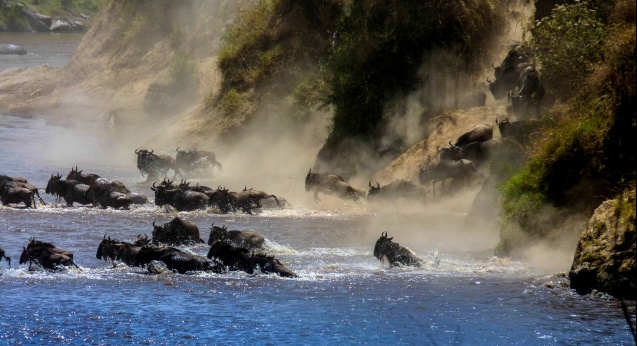
Kenya often offers better value for budget and group safaris, while Tanzania usually works out more expensive, especially on northern circuit trips that include Serengeti and Ngorongoro. That is not always because the base safari itself is dramatically pricier, but because Tanzania itineraries often stack multiple park, concession, conservation, and transit costs more quickly. If price is your main deciding factor, Kenya usually has the edge.
To show how this difference usually plays out in real trip pricing, here is a broad comparison of average daily safari rates in Kenya and Tanzania.
Safari prices vary by season, route, park fees, group size, and what is included. These daily rates are broad planning ranges, not fixed prices.
|
Tour Type |
Kenya |
Tanzania |
|
Group camping |
US$250 to US$330 |
US$290 to US$380 |
|
Group lodge safari |
US$350 to US$500 |
US$400 to US$550 |
|
Private camping safari (2 people, high season) |
US$340 to US$450 |
US$380 to US$500 |
|
Private lodge safari (2 people, high season) |
US$550 to US$800 |
US$600 to US$900 |
|
Mobile tented camps (2 people, high season) |
US$500 to US$800 |
US$600 to US$950 |
These daily rates are useful for planning, but exact safari costs can change depending on when you travel, which parks you visit, and the style of trip you choose. For up-to-date pricing and help comparing the best Kenya and Tanzania safari packages, talk to an African Budget Safaris expert.
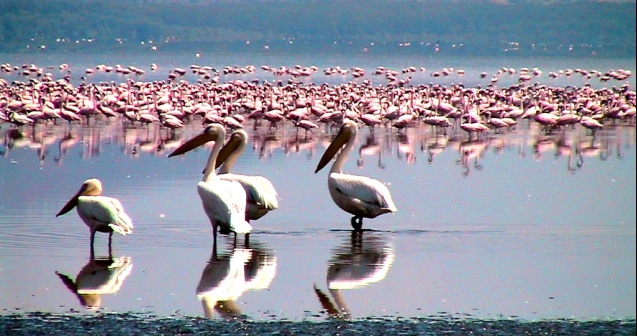
Both Kenya and Tanzania offer superb wildlife viewing, including classic Big Five safaris, abundant plains game, and predator sightings. Both are also part of the Great Wildebeest Migration ecosystem, with the herds moving seasonally between Tanzania’s Serengeti and Kenya’s Masai Mara.
Kenya delivers excellent all-round game viewing in famous reserves like the Masai Mara, Amboseli, and Tsavo, with strong Big Five safari appeal and excellent chances of seeing predators, elephant herds, giraffes, plains game, and a wide variety of birdlife. Two standout additions are Samburu in the arid north and Lake Nakuru in the Rift Valley.
Samburu National Reserve offers a drier, more rugged safari experience than Kenya’s southern parks. Alongside lion, leopard, elephant, and buffalo, it is known for the “Samburu Special Five”: gerenuk, Somali ostrich, reticulated giraffe, beisa oryx, and Grevy’s zebra, species associated with Kenya’s arid north.
Lake Nakuru National Park is one of Kenya’s best-known rhino strongholds and is also a good place to see Rothschild’s giraffe, buffalo, waterbuck, and occasional leopard. Flamingos are no longer as reliably concentrated here as they once were, but when conditions are right, the lake can still deliver spectacular birding scenes.

Tanzania is one of Africa’s great safari destinations, with vast protected areas, excellent predator sightings, major wildebeest herds, and standout Big Five game viewing in places like the Serengeti and Ngorongoro Crater. It also offers strong birding, healthy populations of plains game, and some of East Africa’s most iconic safari landscapes.
The Serengeti is Tanzania’s headline safari destination, famous for its sweeping plains, seasonal migration herds, and excellent predator sightings. It is especially strong for lions, cheetahs, hyenas, wildebeest, zebras, and large buffalo herds, with leopards and elephants also seen in the right areas.
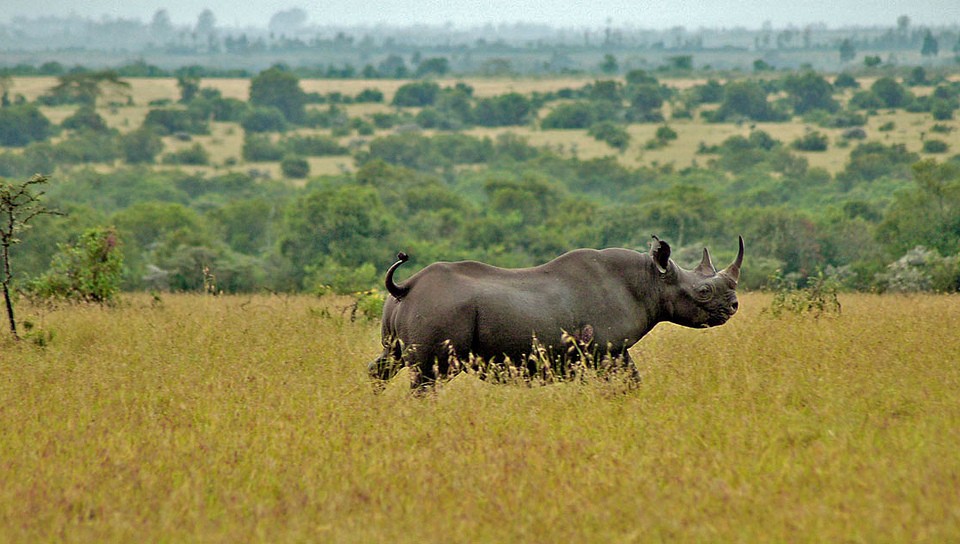
The best place to see the Big Five in Tanzania is the Ngorongoro Crater. Surrounded by the high crater walls, Tanzania's Ngorongoro Crater has the densest population of lions, black rhinos, large elephant bulls, as well as healthy populations of leopards and buffalo. It is due to the small area and high concentrations of wildlife that the Ngorongoro Crater is such a popular destination for East African safaris.
For classic Big Five safaris and all-round game viewing, both Kenya and Tanzania perform exceptionally well. Kenya often feels more accessible and straightforward, while Tanzania often feels bigger, wilder, and more cinematic, especially on Serengeti and Ngorongoro itineraries.
_(1)__medium.jpg)
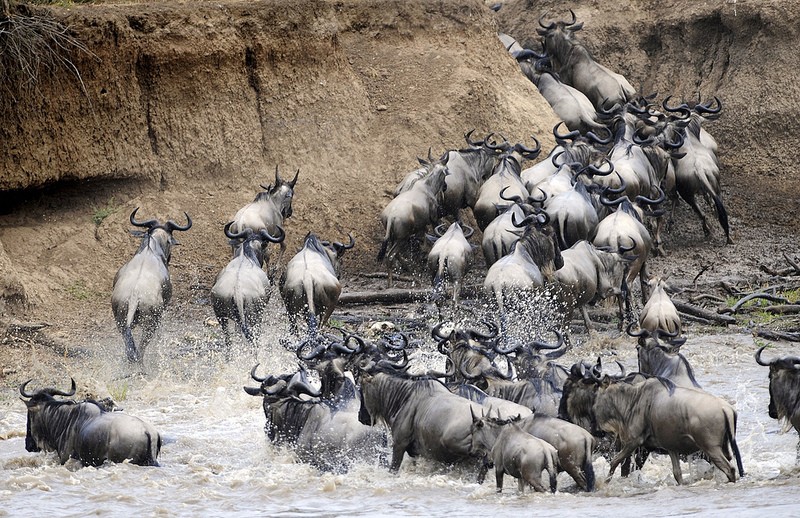
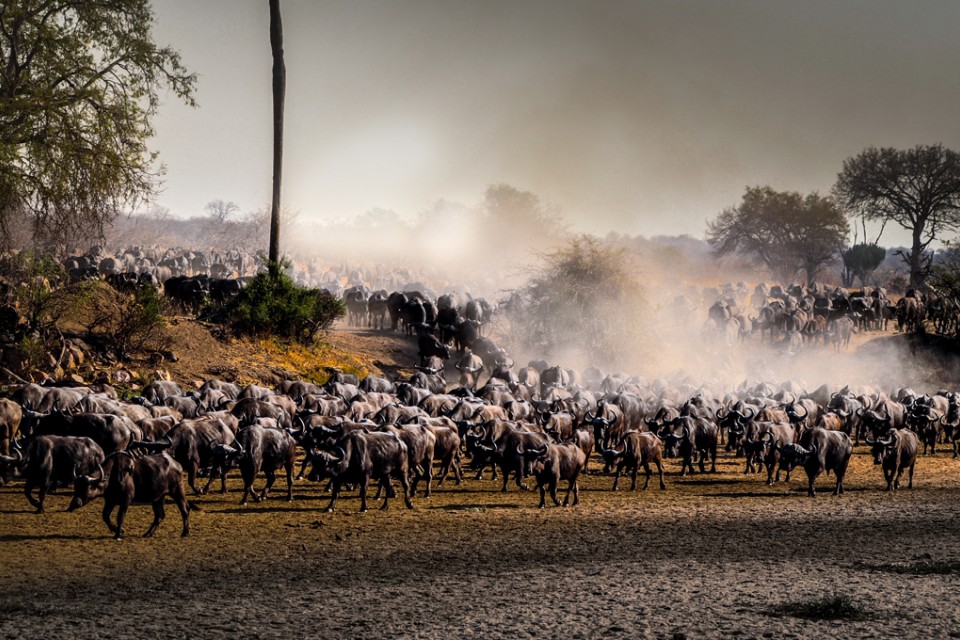
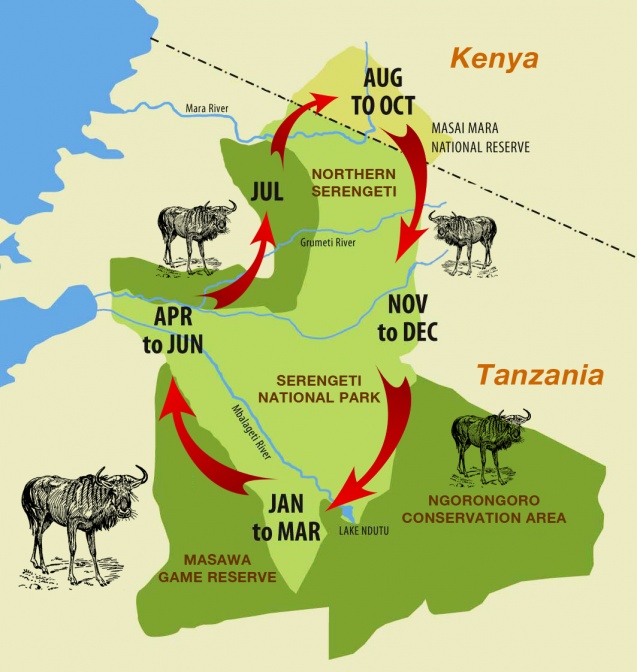
Both Kenya and Tanzania offer excellent Great Migration safaris, but the better choice depends on which part of the experience matters most to you.
The Great Migration is never completely predictable, and river crossings are never guaranteed. Herd movements depend on rainfall patterns, so exact timing can shift from year to year.
Kenya packs a huge amount of safari variety into a relatively compact area, which is one reason it works so well for first-time visitors and shorter East Africa trips.
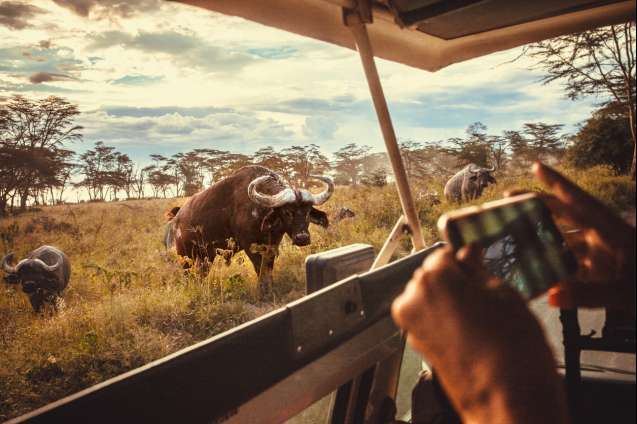
Tanzania’s size gives it a grander, more spacious safari feel, though it also means longer travel distances.
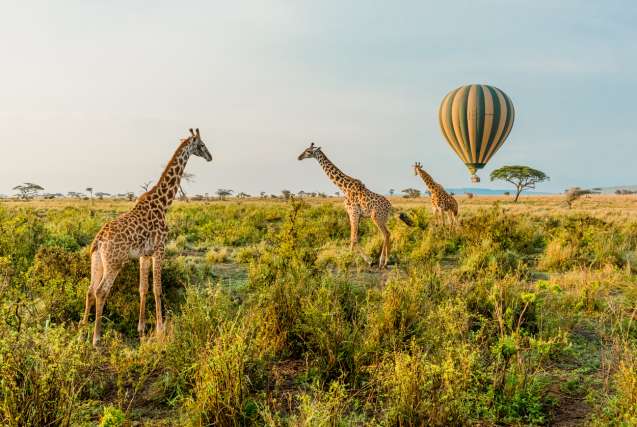
Kenya is usually easier to navigate for a short safari, with Nairobi serving as a straightforward hub and several well-known parks within relatively manageable reach. Tanzania safaris often involve longer overland travel times, especially on northern circuit itineraries linking Tarangire, Lake Manyara, Ngorongoro, and the Serengeti.
For travelers with limited time, Kenya often feels simpler and more efficient. Tanzania rewards the extra travel with bigger landscapes, a stronger sense of scale, and some of East Africa’s most iconic safari scenery.
Whichever country you choose, resist the temptation to squeeze in too many parks. In East Africa, fewer stops and longer stays usually make for a better safari than constantly moving between destinations.
__medium.jpg)
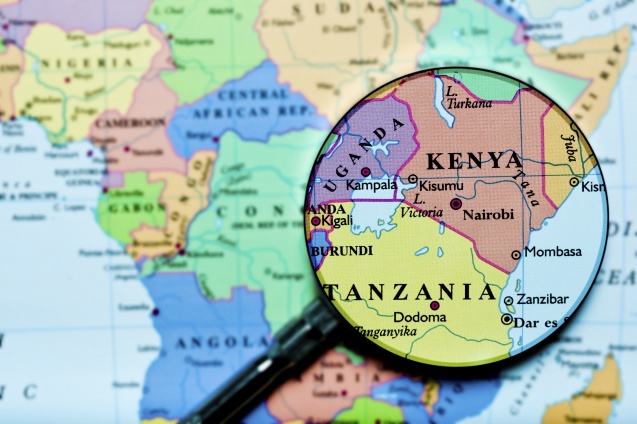
If you only have 7 to 10 days, it is usually better to choose either Kenya or Tanzania rather than trying to combine both. Although the Masai Mara and Serengeti look close on a map, crossing between the two countries takes time, adds cost, and can reduce the number of full game drives you actually enjoy.
If you have 12 to 14 days or more, combining Kenya and Tanzania can work well, especially if you use flights to reduce transfer time. For shorter trips, however, most travelers will get a better safari experience by focusing on one country and spending more time in fewer parks.
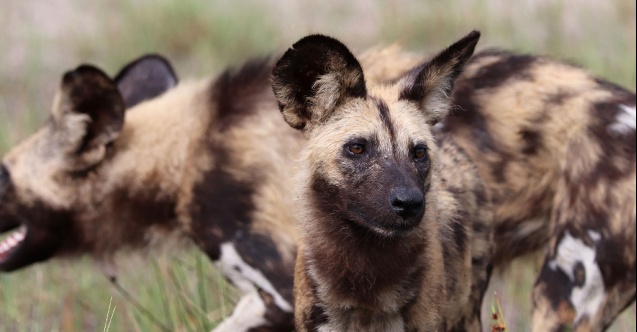
Kenya’s best-known safari parks and northern Tanzania’s flagship reserves are relatively close together by East African standards, which is why these classic routes attract the highest concentration of safari travelers. Popular highlights like the Masai Mara, Amboseli, Serengeti, Lake Manyara, and Ngorongoro Crater are all in the main tourist orbit, so crowd levels are most noticeable here.
Kenya’s popularity means there is a wide choice of flights, lodges, and safari styles, which helps keep it competitive for budget-conscious travelers. The busiest periods are usually around the Great Migration and the main dry season, especially in the Masai Mara.
Outside peak times, however, many Kenyan parks still feel spacious. Areas like Amboseli, Tsavo, Samburu, and Laikipia can offer a quieter, more relaxed safari experience than first-time visitors expect.
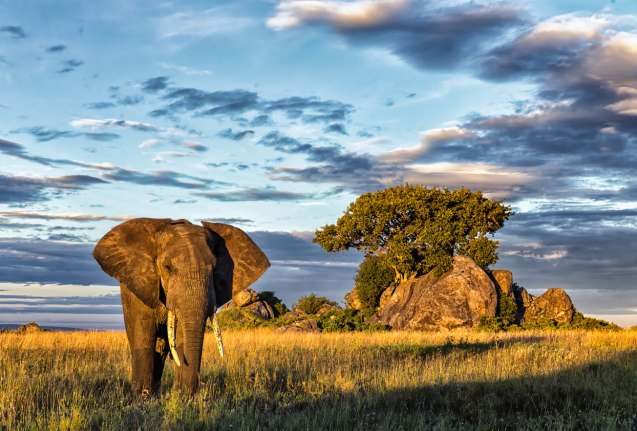
Tanzania also gets busiest around the Great Migration and the dry season, especially on the northern circuit. The Serengeti and Ngorongoro Crater are the main tourist magnets, and Ngorongoro in particular can feel busy because so much wildlife is concentrated into a relatively small area.
Travelers looking for fewer vehicles and a more remote safari feel should consider southern Tanzania, including parks like Nyerere, Ruaha, and Mikumi. These areas are harder to reach, but they often deliver a quieter and wilder safari experience.

One of the big advantages of an East African safari is how easily it can be combined with a beach escape on the Indian Ocean. Both Kenya and Tanzania offer strong bush-and-beach combinations, but Tanzania usually has the edge thanks to Zanzibar’s global appeal, while Kenya offers more underrated coastal variety.
Zanzibar is Tanzania’s standout beach extension and one of the easiest post-safari add-ons in East Africa. The island combines historic Stone Town, white-sand beaches, diving, snorkelling, and a wide range of resort options.
With its own international airport as well as a relatively short proximity to Dar es Salaam, Zanzibar is just a hop, skip, and a jump away from wherever you are in East Africa. However, it matches particularly well with the Tanzanian safari hotspots that are accessed through Arusha. The Serengeti, Lake Manyara, Ngorongoro, and Kilimanjaro pair with Zanzibar like white wine and seafood.
Zanzibar Island is also accessible from Kenya due to its international airport and, owing to Zanzibar’s popularity, flights to the island are very competitive.
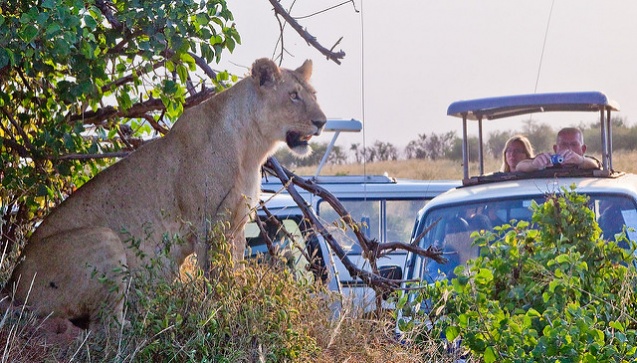
While Zanzibar often steals the show and has garnered a reputation for being the ultimate post-safari experience, the Kenyan coastline has some gems of its own.
Starting around East Africa’s largest port city of Mombasa, Kenya has some divine beach getaway destinations. Nyali Beach, Bamburi, Kikambala, Shanzu, Diani, and Tiwi beaches are just some of the white sand paradises on offer. Being close to Mombasa, they are all accessible and well-served by resorts and attractions that have something to offer everyone, from lounging around the pool to beach strolls and water sports for the more adventurous. Moving north from Mombasa, you get to Watamu and Malindi before finding yourself in the Lamu Archipelago.
The Watamu Marine National Park is abundant in coral and is frequented by whale sharks, leatherback turtles, and manta rays. Moving further north along the coast is Malindi. Close to Malindi is Turtle Bay, a 7km stretch of crystal clear water and white sand beaches. Turtle Bay is a haven for surfers and has great swimming and coral reefs for snorkelling and diving. Between these two lesser-known gems are scattered numerous resorts that welcome guests to this Kenyan tropical treasure box.
Our last stop is the Lamu archipelago. Made up of Lamu, Manda, Pate, Kiwayu, and Manda Toto islands, the Lamu archipelago has stayed relatively under the radar. In recent years, however, as tourists seek lesser-visited attractions, Lamu has gained a reputation for some lavishly luxurious resorts blended with sublime natural beauty. Being off the beaten track, Lamu has an easier pace without compromising on either culture or nature. You can snorkel or scuba dive and then visit the old town, a blend of Swahili and Islamic culture for well over 700 years.
Adding on a beach extension to your East African safari experience is a GREAT idea. A safari experience spent searching for the Big Five, sitting in safari vehicles for hours at a time, and between destinations, moving from lodge to lodge can take its toll. Lying on the beach, sipping a cold drink, and taking frequent dips in the Indian Ocean allow you to both reflect on your experience and unwind before heading back to the comfort of home. Time spent on a tropical East African beach, post-safari, is really the cherry on top.
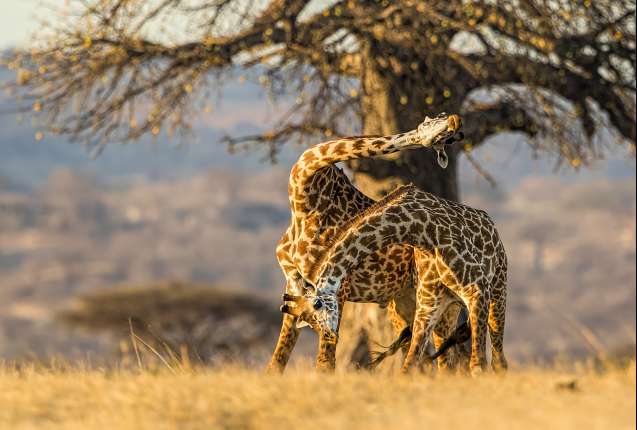
For both Kenya and Tanzania, the dry season from June to October is generally the most popular time for safari, with strong wildlife viewing and easier conditions. It is also the most expensive period, so travelers looking for better value should consider shoulder or low season departures, when prices are lower, and the parks are often less crowded.
The low season also means that you won’t have to fight off the crowds at the river crossing of the great wildebeest migration or share a lion kill with a whole bunch of other East African safari-goers. There are some great benefits to travelling off-peak.
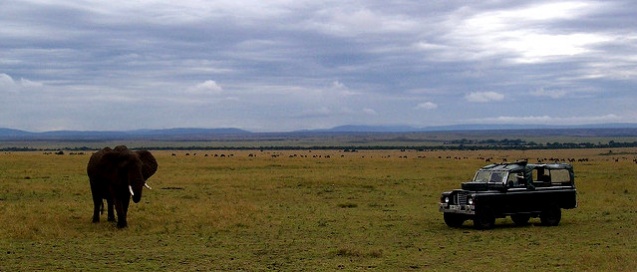
Kenya and Tanzania are both excellent safari destinations, but they suit slightly different travel styles and priorities.
If this is your first safari and you want the easiest starting point, Kenya usually has the edge. If you are happy to trade some convenience for a bigger wilderness feel, Tanzania often comes out ahead.
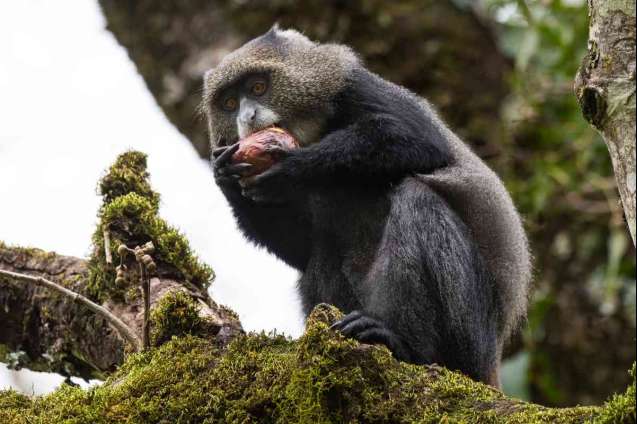
If you want the simplest answer, Kenya is often better for value, easier logistics, and shorter classic safaris, while Tanzania is often better for scale, wilderness feel, and iconic northern circuit scenery. Neither is universally better, but one may be better for your budget, timeframe, and travel style.
__medium.jpg)
The right safari depends on more than destination names; it depends on budget, travel time, lodge style, migration timing, and how much driving you are comfortable with. Talk to an African Budget Safaris expert, and we will help you compare the best Kenya and Tanzania safari options for your budget, dates, and wishlist.

Below you'll find further reading and articles related or similar to this post.




Call us toll free from US/Canada on 1-888-414-6513, or from the UK on 0-808-189-1052. All other countries can contact us on +27 21 791 0878.
© 2026 African Budget Safaris | Privacy | Terms | Cookie Policy | Consent Preferences