Many African safaris offer easy access to must-visit UNESCO sites, combining wildlife exploration with exceptional cultural and historical experiences. There are 147 UNESCO World Heritage Sites in Africa, found across 46 African countries.
These are our top UNESCO World Heritage Sites in Africa and African safaris that visit them.
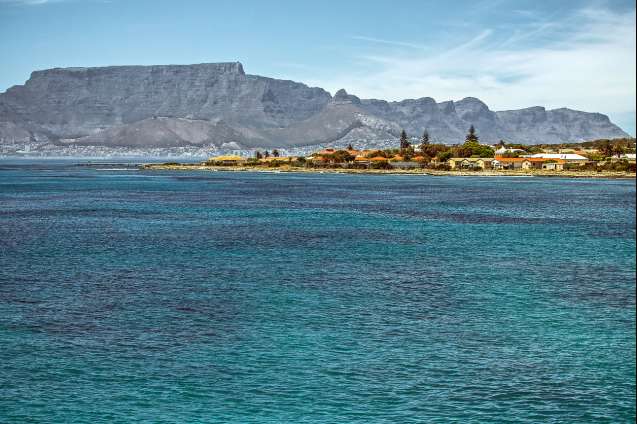
South Africa boasts 10 of the UNESCO World Heritage Sites in Africa, including the Cape Floral Kingdom, iSimangaliso Wetland Park, and the Cradle of Humankind. Popular safaris to Kruger National Park and Cape Town easily combine with these cultural and natural landmarks. In 2024, South Africa added 2 new must-visit UNESCO World Heritage Sites.
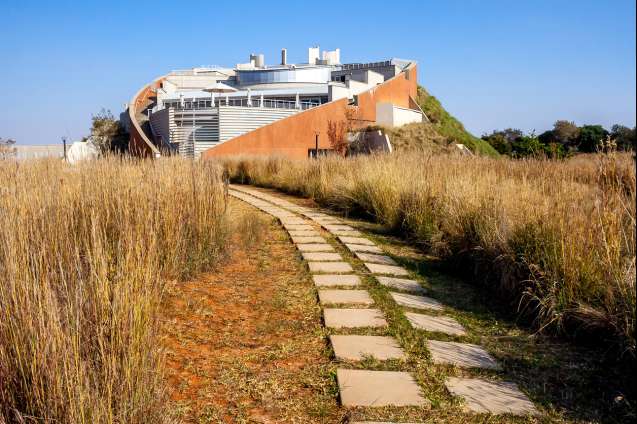
The Nelson Mandela Legacy Trail highlights key locations tied to the country’s struggle for human rights, liberation, and reconciliation. This trail features 14 sites, including 11 in Johannesburg and Pretoria, and others in the Eastern Cape, Free State, and KwaZulu Natal. Notable landmarks include Pretoria's Union Buildings, Sharpeville, where 69 anti-apartheid protesters were killed, and The Great Place in Mqhekezweni, where Mandela spent his youth. Other important sites include Soweto’s Walter Sisulu Square, where the Freedom Charter was signed, and Constitution Hill, now home to South Africa's Constitutional Court.
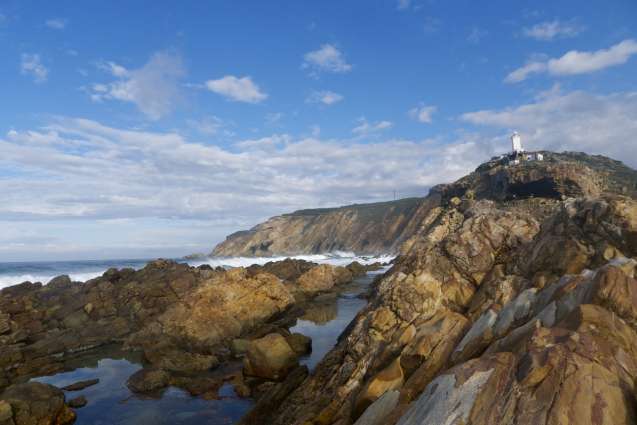
For those interested in prehistory, South Africa’s other must-visit UNESCO World Heritage Site is The Emergence of Modern Human Behaviour: The Pleistocene Occupation Sites of South Africa. This site includes three key locations: Diepkloof Rock Shelter, Pinnacle Point Complex in the Western Cape, and Sibhudu Cave in KwaZulu-Natal. While the Western Cape sites are open to visitors, Sibhudu Cave is expected to open soon. These locations offer some of the best-preserved evidence of early human behaviour, dating back 162,000 years, and are part of the Cradle of Human Culture, showcasing humanity's early cultural, social, and behavioural innovations.
African safaris are easy to combine with these must-see UNESCO World Heritage Sites in Africa. Destinations within easy reach include safaris to Kruger, Isimangaliso (also a UNESCO site), Addo Elephant Park, and Big 5 safaris near Cape Town.
If you are doing the Garden Route and want to see the UNESCO sites in the Eastern Cape, consider adding one of these Addo Elephant Park Safaris to your self-drive adventure.
For an African safari to combine with the UNESCO sites in Cape Town, you can read more about Big 5 safaris near Cape Town in our blog Cape Town Safari: The best Big 5 game reserves near the city.
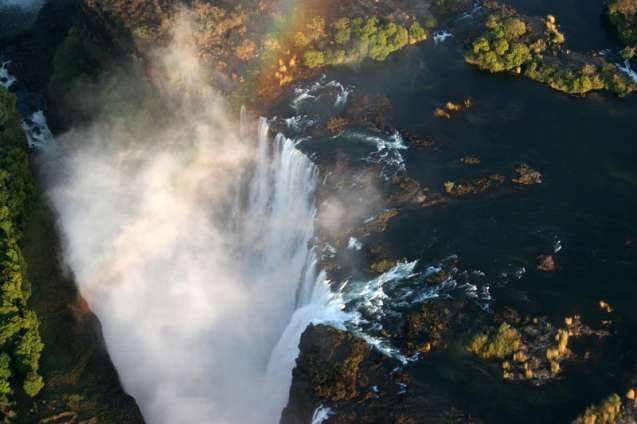
Designated as a UNESCO World Heritage Site in 1989, Mosi-oa-Tunya (Victoria Falls) spans the border between Zimbabwe and Zambia, where the Zambezi River plunges over a 1,708-meter-wide and 108-meter-high basalt cliff. The waterfall’s mist can be seen from kilometres away. Below, the river cuts through narrow gorges, providing crucial breeding grounds for endangered species like the Taita falcon and Verreaux's eagle. This must-visit UNESCO World Heritage site has it all from game viewing to relaxation and adrenaline-pumping activities. Top 5 Things to Do in Victoria Falls explores the ultimate safari activities to do at Mosi-oa-Tunya.
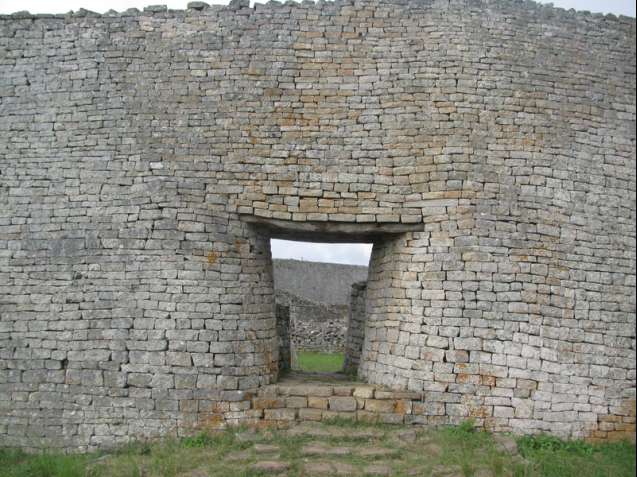
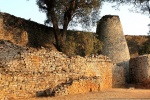
Founded by the Bantu Shona people in the 11th century, Great Zimbabwe was a thriving city and regional trade centre by the 14th century, with connections to China, Persia, and the Kilwa Sultanate. Home to around 10,000 inhabitants at its peak, the city was abandoned around 1450 due to overpopulation and deforestation. The site features the Great Enclosure, Hill Ruins, and Valley Ruins, where six Zimbabwe Bird sculptures were discovered. It was designated a UNESCO World Heritage Site in 1986.
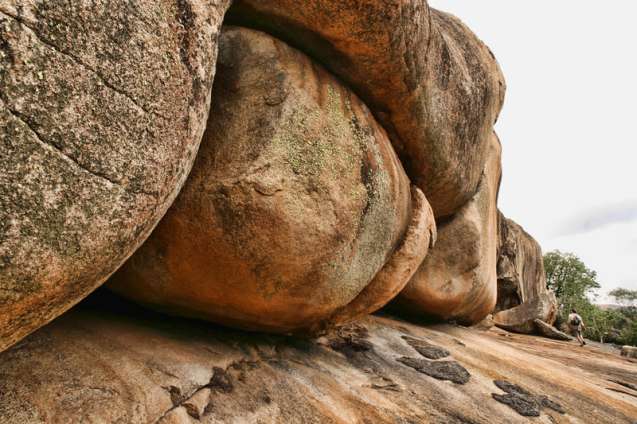
Designated a UNESCO World Heritage Site in 2003, the Matobo Hills are renowned for their striking granite formations, shaped by millions of years of erosion. Inhabited for at least 500,000 years, the area is rich in history, featuring rock paintings over 13,000 years old, one of the densest collections in southern Africa. These artworks and archaeological remains reflect the shift from foraging to agricultural societies. The hills also remain a spiritual centre for the Mwari religion and is the resting place of Cecil John Rhodes.
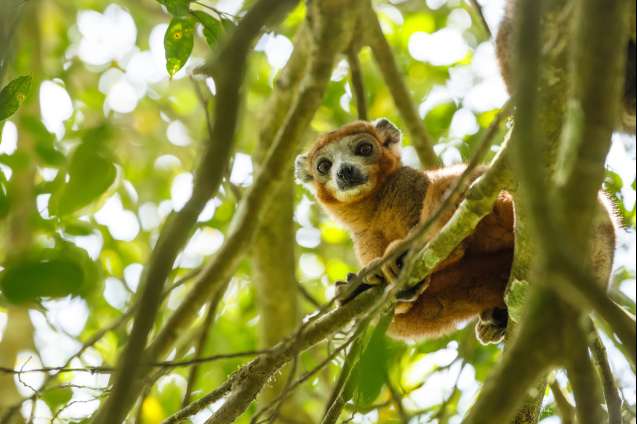
Madagascar has 3 of the 147 UNESCO World Heritage Sites in Africa and a further 7 under consideration. The Andreafana Dry Forests, Royal Hill of Ambohimanga, and the Rainforests of Atsinanana. For an African safari to a must-visit UNESCO World Heritage Site The Rainforests of the Atsinanana in Madagascar are a real treat.
The Rainforests of the Atsinanana have been a UNESCO World Heritage Site since 2007. It covers 13 areas within six national parks in eastern Madagascar. These ancient forests are crucial for preserving the island’s unique biodiversity, shaped by 60 million years of isolation. They support rare and threatened species, including lemurs and other primates, and play a vital role in maintaining the ecological processes necessary for their survival.
Tours to this African UNESCO World Heritage Site of Ranomafana National Park:
East Africa is rich in UNESCO World Heritage Sites, with Ethiopia boasting 11, Kenya 8, Tanzania 7, Uganda 3, and Rwanda 2. Here’s our selection of top African safaris to must-visit UNESCO World Heritage Sites in East Africa.
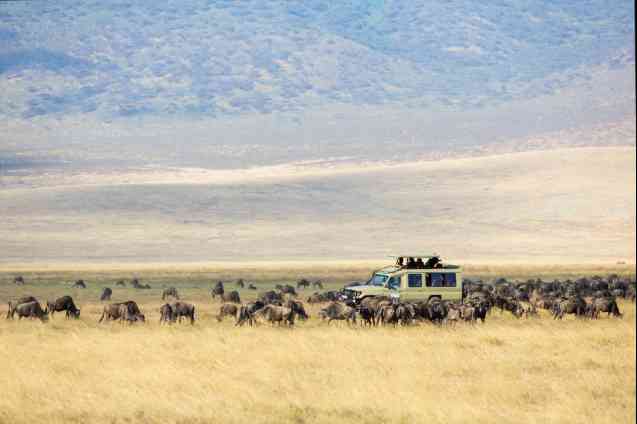
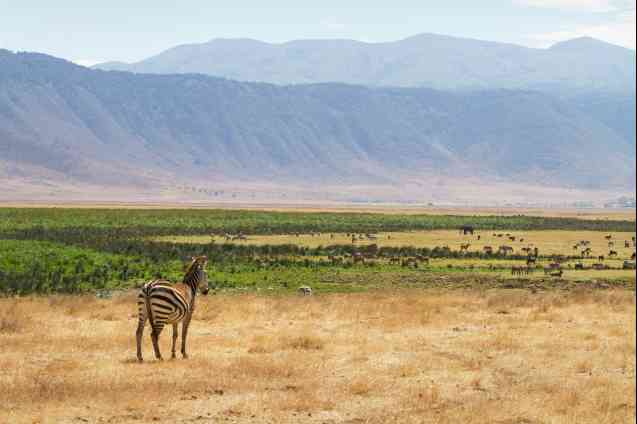
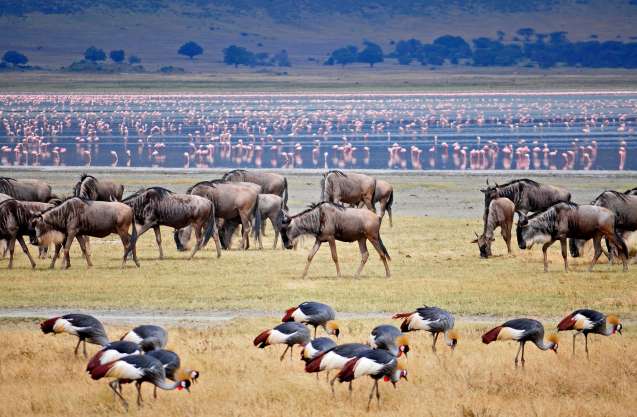
The Ngorongoro Conservation Area in Tanzania, designated a UNESCO World Heritage Site in 1979, features the world's largest unbroken volcanic caldera. This diverse ecosystem supports a wide variety of wildlife, including over a million migratory wildebeest, along with zebras, Grant's gazelles, and Thomson's gazelles. The endangered black rhinoceros also inhabits the area. Initially recognized for its natural significance, the site was expanded in 2010 to include cultural aspects, such as Olduvai Gorge and Laetoli, where important hominin remains and fossilized footprints were found.
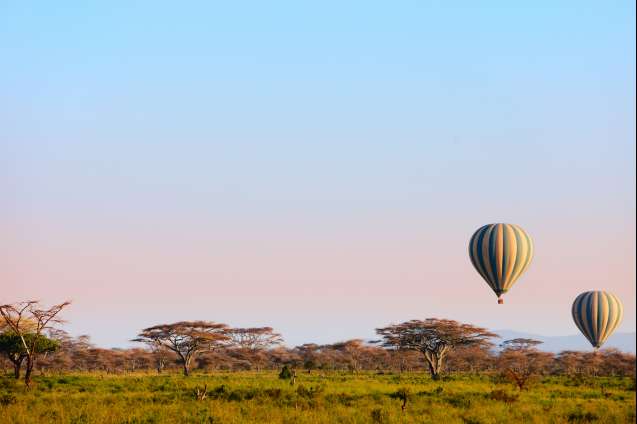
Designated a UNESCO World Heritage Site in 1978, the Serengeti in Tanzania is renowned for hosting one of the largest mammal migrations in the world. Answer all your great migration questions in our blog The Great Migration Africa: Answers to your wildebeest migration safari FAQs.
The Serengeti UNESCO World Heritage Site hosts vast herds of wildebeest, zebras, Thomson's gazelles, giraffes, and various antelope species as they traverse the savanna plains in search of grazing grounds. This spectacular movement attracts large predators, including lions, leopards, cheetahs, spotted hyenas, and African wild dogs, creating a dynamic ecosystem rich in wildlife. The Serengeti UNESCO World Heritage Site is the perfect destination for an African safari.
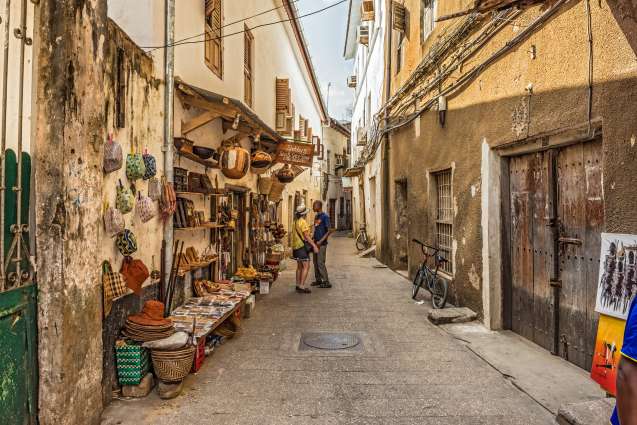
Stone Town, a UNESCO World Heritage Site since 2000, is a must-visit destination for those exploring UNESCO World Heritage Sites in Africa. Known for its rich history and artistic significance, the town’s 19th-century architecture reflects a blend of Arab, Persian, Indian, and European influences, embodying Swahili culture. Stone Town is a highlight for African safaris, attracting visitors interested in culture and history. With its heritage-driven tourism economy, this unique destination is a key stop on many East African safari itineraries.
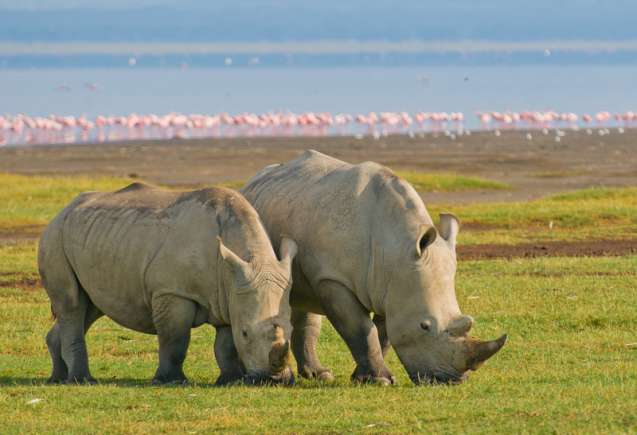
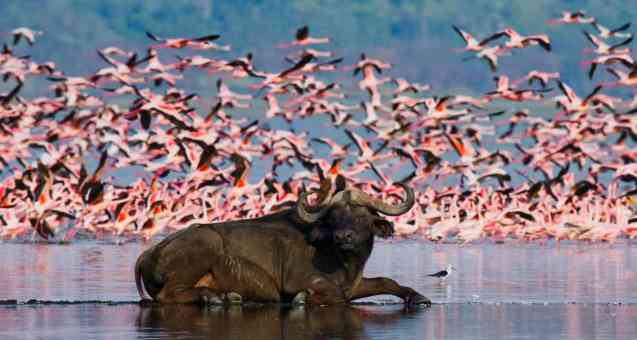
The Kenya Great Lakes System designated a UNESCO World Heritage Site in 2011, is a standout destination for African safaris to must-visit UNESCO World Heritage Sites in Africa. Located in the Great Rift Valley, this site includes Lake Bogoria, Lake Nakuru, and Lake Elementaita, all renowned for their rich biodiversity. These lakes provide essential habitats for a variety of bird species, including thirteen threatened species, making it a vital region for avian conservation. It's an ideal spot for safari-goers interested in wildlife and ecological preservation.
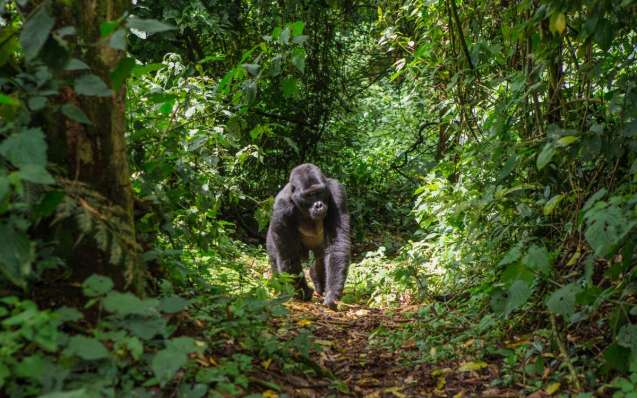
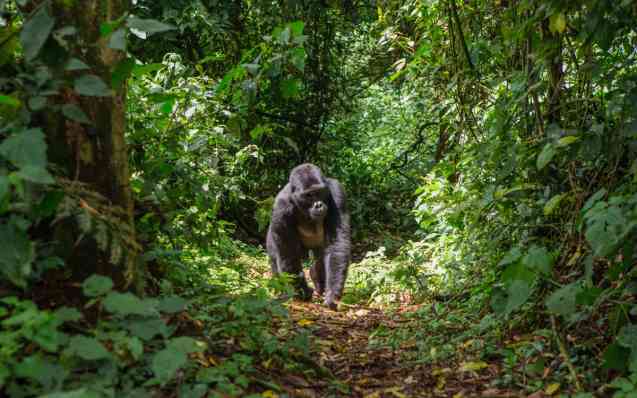
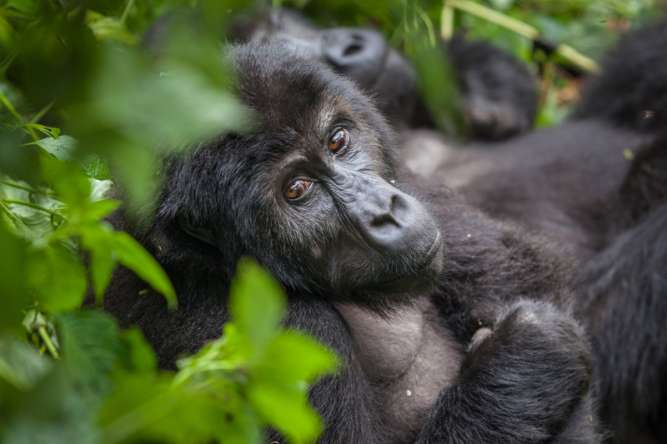
Designated a UNESCO World Heritage Site in 1994, Bwindi Impenetrable Forest in Uganda is situated in the Albertine Rift, at the convergence of three ecological zones, likely serving as a Pleistocene refugium. This biodiversity hotspot boasts over 100 fern species, more than 200 species of montane forest butterflies, and 347 species of forest birds. It is also home to a significant population of the endangered mountain gorilla, making it a vital area for conservation. Combined, this incredible diversity makes Bwindi perfect for African safari to must-visit UNESCO sites in Africa.
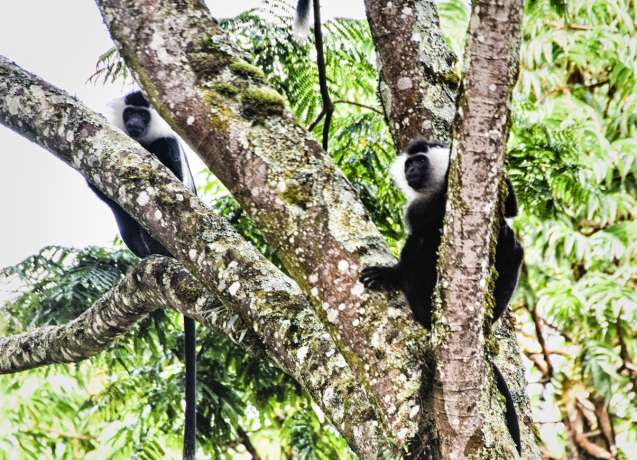
Nyungwe Forest National Park is an essential destination for African safaris to must-visit UNESCO World Heritage Sites in Africa. Known as one of Africa's best-preserved montane rainforests, the park boasts rich biodiversity, including 13 primate species, over 300 bird species, and numerous endemic plants and animals. Its protected areas feature rainforests, peat bogs, moorlands, and grasslands, making it a key site for biodiversity and bird conservation, perfect for safari enthusiasts seeking a unique natural experience. Nyungwe Forest was designated a UNESCO World Heritage Site in 2023.
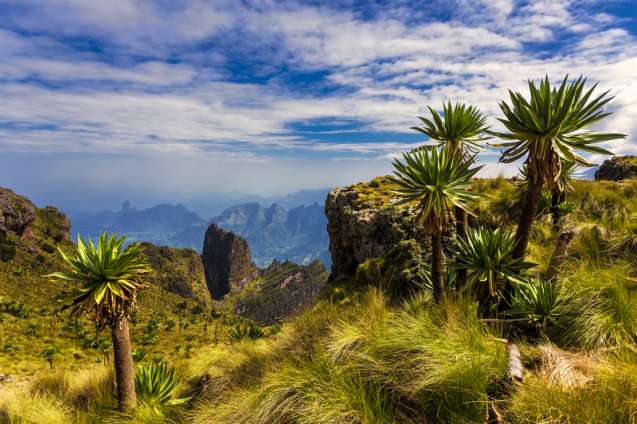
Simien Mountains National Park in Ethiopia, designated a UNESCO World Heritage Site in 1978, offers breathtaking landscapes shaped by millions of years of erosion, with jagged peaks, deep valleys, and dramatic cliffs. As a key destination for African safaris to must-visit UNESCO World Heritage Sites in Africa, the park is a biodiversity hotspot, home to rare and threatened species such as the Walia ibex, gelada baboons, and the Ethiopian wolf. The park’s unique terrain and rich wildlife make it a must-see for safari enthusiasts.
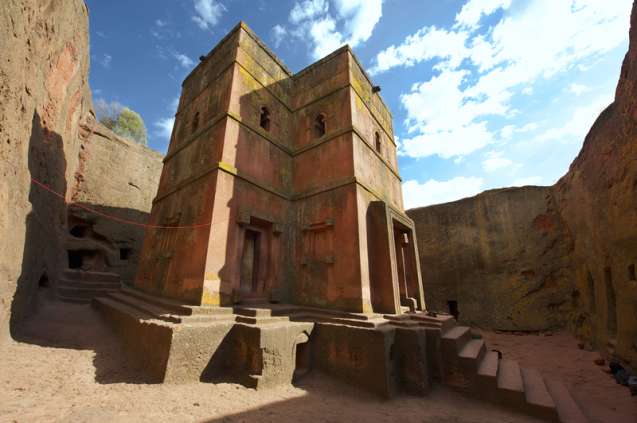
Designated a UNESCO World Heritage Site in 1978, the Stone Hewn Churches of Lalibela in Ethiopia are among the most remarkable UNESCO World Heritage Sites in Africa. These eleven monolithic churches, carved in the 13th century under King Gebre Meskel Lalibela, were created as a spiritual alternative to pilgrimages to the Holy Land. A significant influence on the Ethiopian Church, they are still in use today. For those exploring African safaris to must-visit heritage sites, Lalibela offers an extraordinary cultural and historical experience with its beautifully decorated murals and traditional surroundings.
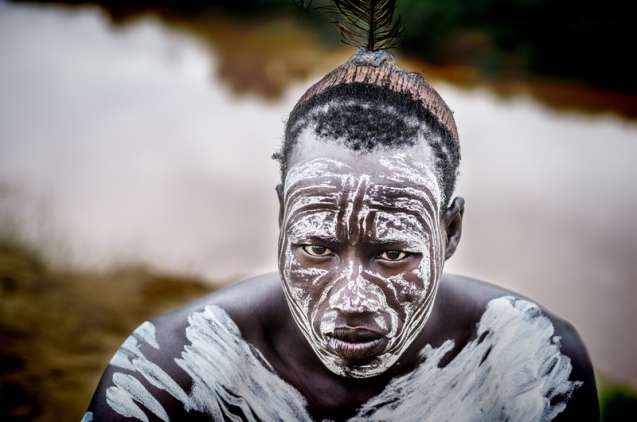
Designated a UNESCO World Heritage Site in 1980, the Southern Omo Valley in Ethiopia is a must-visit destination for African safaris to UNESCO World Heritage Sites in Africa. While the area is renowned for its archaeological significance, with early hominid fossils and ancient stone tools, most visitors come to experience the fascinating tribes that inhabit the region. The Omo Valley is home to several indigenous communities, each with distinct cultures, traditions, and ways of life, offering a unique cultural journey alongside its rich historical and evolutionary importance.
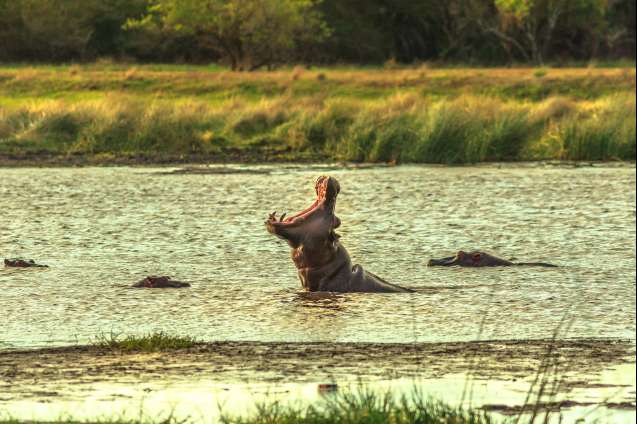
African Safaris to must-visit UNESCO World Heritage Sites in Africa offer unparalleled opportunities to explore the continent's rich cultural and natural heritage. From Ethiopia's ancient Stone Hewn Churches of Lalibela to Kenya's Great Lakes System and Tanzania's Serengeti, these iconic sites provide breathtaking landscapes and unique wildlife experiences. Embark on a journey that combines conservation, history, and adventure, making UNESCO World Heritage Sites in Africa the perfect safari destination.
Contact one of our experienced safari consultants and start planning your African safari today.

Explore these destinations mentioned in this post.
Below you'll find further reading and articles related or similar to this post.




Call us toll free from US/Canada on 1-888-414-6513, or from the UK on 0-808-189-1052. All other countries can contact us on +27 21 791 0878.
© 2026 African Budget Safaris | Privacy | Terms | Cookie Policy | Consent Preferences