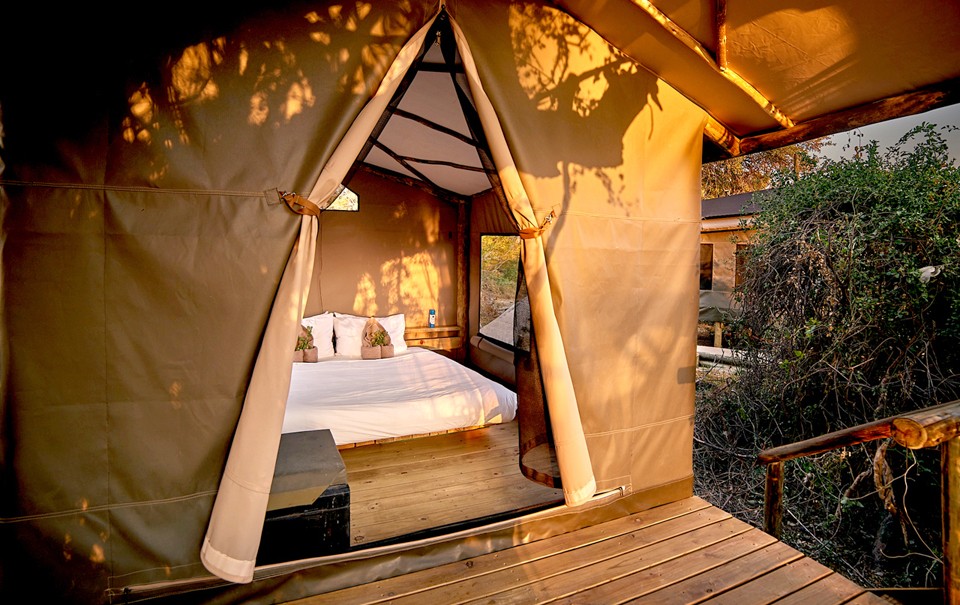

The Okavango Delta in Botswana is an unparalleled African safari destination. This stunning location is renowned for its incredible wildlife, as well as its natural beauty and unique landscape. But, where is the Okavango Delta, and how do you get there? If you're tempted - when is the best time to visit the Delta?
Adventurers and wildlife enthusiasts flock to Botswana's Okavango Delta from all over the globe for water-based wildlife-spotting, walking safaris, game drives, birdwatching, mokoro safaris and much more.
Read on and discover everything you need to know to start planning an incredible trip there...
2025 SEASON NOTE
Excellent rains over the Angola highlands and across Botswana this season promises an excellent year to visit the Okavango Delta. The delta floodwaters are expected to be higher than usual, filling the intricate waterways to the brim. High water levels means thriving ecosystems and thrilling game viewing opportunities. It also allows mokoro safaris and boat safaris to travel deeper into the delta waterways for a front-row seat witnessing one of Africa's marvels!
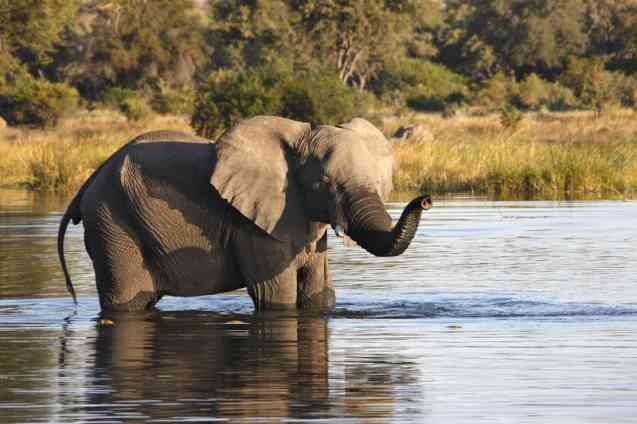
Situated in the Kalahari Basin, in north-western Botswana, the Okavango Delta is the world’s largest inland delta, covering an area of about 15,000 square kilometres. The intricate web of Delta waterways and islands supports a massive diversity of flora and fauna, with many species of mammals, birds and aquatic animals thriving in this remarkable environment.
It is formed by the Okavango River, which originates in Angola to the northwest of Botswana.
Instead of flowing into the sea, this river empties into the lowland area of the Kalahari Desert, creating a verdant green oasis teeming with life.
The unique geography of the Okavango Delta is characterised by a labyrinth of winding water channels, crystal-clear lagoons and remote islands adorned with reeds and towering palm trees.
The Delta is made up of large permanent swamps, along with vast areas of seasonally flooded grasslands, which dry out when the waters are low and are submerged when the Delta’s waters rise, forming large lagoons and reed-lined canals.
There are also some areas of higher land within the Delta that remain dry even as waters rise - this is where the local villages are situated.
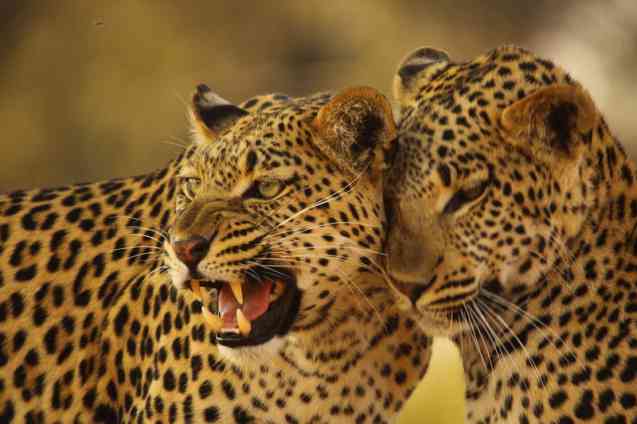
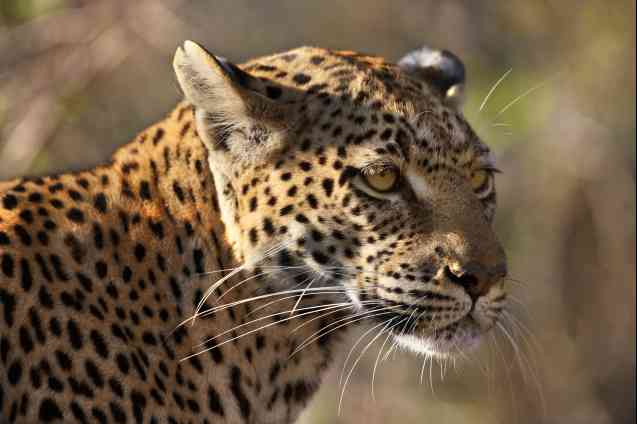
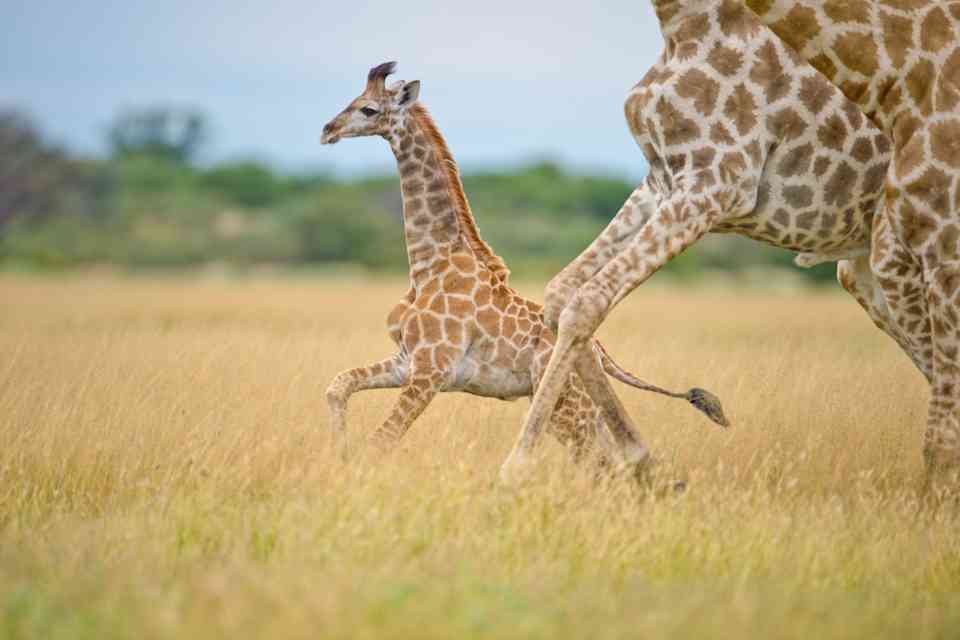
The mix of aquatic and land-based ecosystems of the Okavango Delta has given rise to a rich biodiversity, earning this unique Botswana landscape a rich reputation as a wildlife paradise that draws safari enthusiasts from across the world.
Accessing the Okavango Delta in Botswana is an adventure in itself!
The town of Maun serves as the gateway to the Delta.
The easiest way to get to Maun is to fly into Maun International Airport, which is served by daily flights from major cities such as Johannesburg and Cape Town in South Africa and Gaborone, the capital of Botswana.
As you can imagine, much of the Delta is not accessible by road!
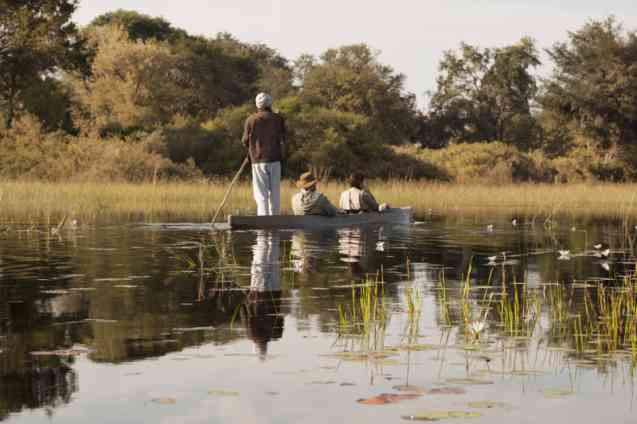
To access these areas from Maun, your options are to take a light aircraft flight across the Delta to a spot near your accommodation go by 4x4 vehicle, or take to the water in a riverboat or mokoro (which is a traditional dugout canoe).
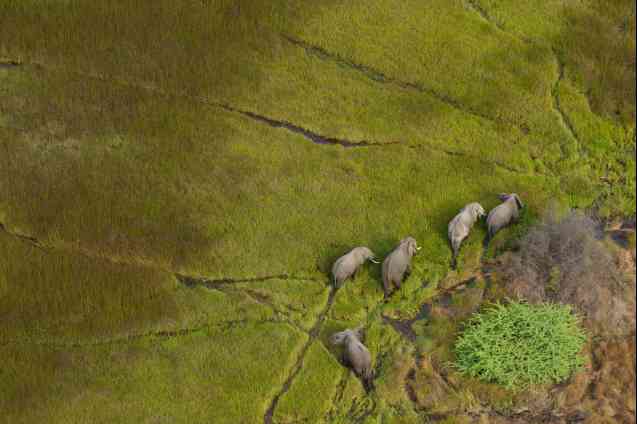
Crossing the Delta by air, in small aircraft flights from Maun or Kasane, reveals to you the vast scale and intricate beauty of this unique wetland. From above, the floodplains stretch out like a living tapestry, with winding blue channels snaking through golden grasslands and emerald islands. Herds of elephants and buffalo can be spotted moving across the landscape, while pods of hippos create ripples in the waterways below. This aerial view showcases the Delta’s ever-changing patterns, shaped by seasonal floods, and highlights just how dynamic and expansive this UNESCO-listed ecosystem truly is.
Guided safari transfers from Maun or Kasane offer a way to access the Delta by land, often combining game drives through wildlife-rich areas before reaching a boat or mokoro for the final leg of the journey.
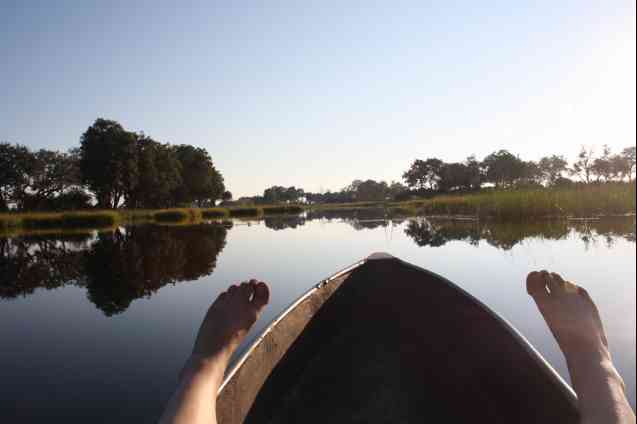
A remarkable way to enter the Okavango Delta is by water. In certain areas, visitors can take a motorboat or traditional mokoro canoe from the edges of the Delta into its heart, traveling through winding channels lined with papyrus and reeds. Taking a mokoro is a peaceful way to get up close with the Delta’s wildlife and birds, meandering through its intricate waterways. Moving slowly through the winding channels, surrounded by towering papyrus and water lilies, creates a deep sense of connection with the Delta’s pristine wilderness.
Whether arriving by air, land, or water, each route into the Okavango Delta offers a unique and unforgettable way to experience this pristine wilderness.
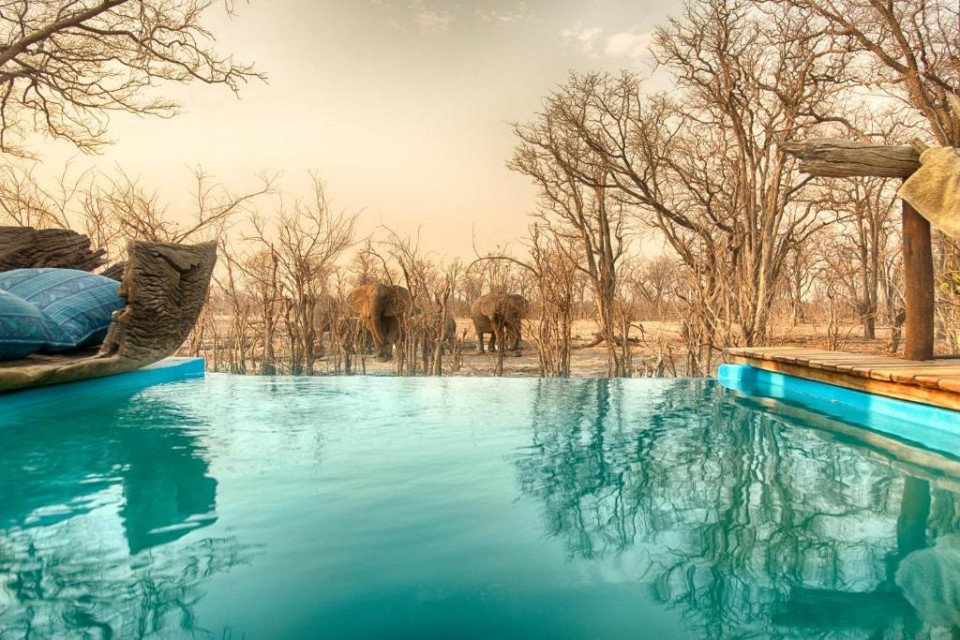
Many lodges and camps are located in the permanently dry areas of the Delta, and from here you can enjoy many land-based safari activities such as safari game drives.
A few essential things to consider when timing your visit to the Okavango Delta in Botswana...
Firstly, you need to understand the seasons and weather patterns in this region of southern Africa.
Botswana has two main seasons - the rainy season, which runs from November to March, and the dry season, which extends from April to October.
The dry season, which is also Botswana's winter, is favoured by many travellers thanks to its clear, blue sky and sunny days, which make for more pleasant safari conditions.
Additionally, the cooler temperatures during this period (particularly from May to August, when daytime averages average 25 to 30 degrees Celsius) are more comfortable and agreeable for those who don’t like the scorching heat.
Do be warned though, nights can be cold at this time, even dropping down to close to freezing, so pack those thermals!
On top of this, and perhaps most importantly, the dry season coincides with the Delta’s highest water levels.
This might seem confusing, but when you understand how the Okavango Delta in Botswana is created, it makes more sense.
No rain but high waterlevels
The Delta is fed by floodwaters from the Angolan highlands. Here, two rivers in Angola flow into the Okavango River, which in turn fills the Delta.
So each year, the Delta’s waters rise towards the end of Angola’s wet season, as the waters reach and flood the Okavango River.

This natural phenomenon typically occurs through May and June, peaking in July, when the resulting spectacle of flooded grasslands and winding water channels is perfect for exploring by mokoro.
By September, the waters are receding (though still high enough to explore much of the Delta by boat), as they pass through the Okavango and drain into the sands of the Kalahari Desert.
Since many activities in the Okavango Delta are water-based, water levels will affect what you can do and see here.
Some camps, for example, are only able to offer mokoro excursions when water levels are high enough - during just a few months of the year.
This means that, for most people, the best time to visit Okavango Delta is between June and August.
However this is peak season, meaning prices are higher, there are more tourists and things are booked up earlier.
Alternatively, visiting the Okavango Delta in Botswana during May or September - also known as the shoulder season months - offers a compromise.
At these times, the water levels still allow for water-based activities, but without the peak season prices.
That said, temperatures can soar to around 35 degrees Celsius during the day in the shoulder season months, so be prepared!
It's also worth noting that the region's permanent wetlands offer awe-inspiring sights and abundant wildlife-spotting opportunities year-round, so if, for some reason, you can’t visit in May or September, you’ll still be awestruck!
Visiting the Okavango Delta from December to April, the wet season brings short but frequent rain showers, transforming the landscape into a lush, green paradise teeming with birdlife while offering a quieter, more exclusive experience with fewer tourists. The Delta is bursting with life and vibrant greenery. Heavy local rains from November to March soak the surrounding woodlands and grasslands, creating temporary pools and attracting vast herds of wildlife.
Some of our team visited in January and had an amazing time, as the Okavango Delta was quiet and uncrowded.

Do bear in mind the heat and humidity at this time however if you choose this low-season option.
Visiting the Delta in Botswana’s low season summer months (which corresponds with the northern hemisphere’s winter months) means dealing with scorching temperatures, often into the 40 degrees Celsius territory - not good for those who struggle in the heat!
In conclusion, the Okavango Delta in Botswana is a natural marvel that captivates visitors year-round with its breathtaking landscapes and rich biodiversity.
Much of the exquisite uniqueness of this place is the endless reed-lined waterways, which can be peacefully explored by mokoro, that allow you to reach isolated islands and beautiful, untouched habitats.
Whether you choose to explore it during the peak season or opt for a quieter adventure during the shoulder or off-peak months, a journey to this African wilderness promises unforgettable experiences and memories to cherish for a lifetime.
See our Okavango Delta tours - easily filtered by safari length, price and departure point, they’re a great starting point for your research.
Otherwise, you can also speak to one of our African Travel Experts who can answer any of your questions about the Okavango Delta in Botswana, as well as other awesome destinations to visit in this incredible African country.

Below you'll find further reading and articles related or similar to this post.




Call us toll free from US/Canada on 1-888-414-6513, or from the UK on 0-808-189-1052. All other countries can contact us on +27 21 791 0878.
© 2026 African Budget Safaris | Privacy | Terms | Cookie Policy | Consent Preferences

__large__thumb.jpg)
_(1)__thumb.jpg)





__medium.jpeg)
__large.jpg)