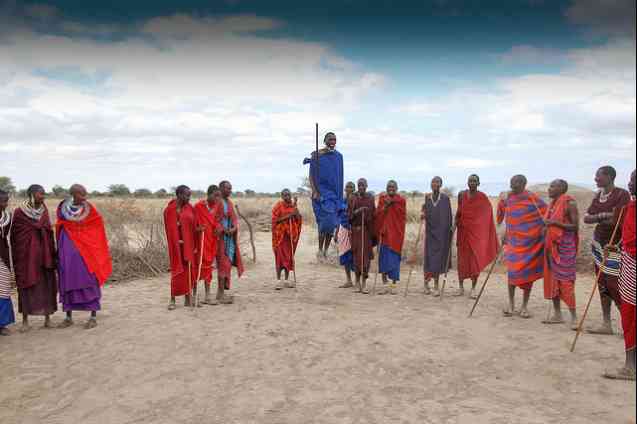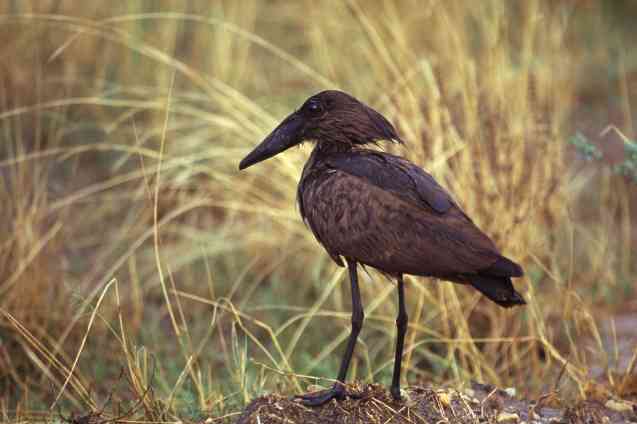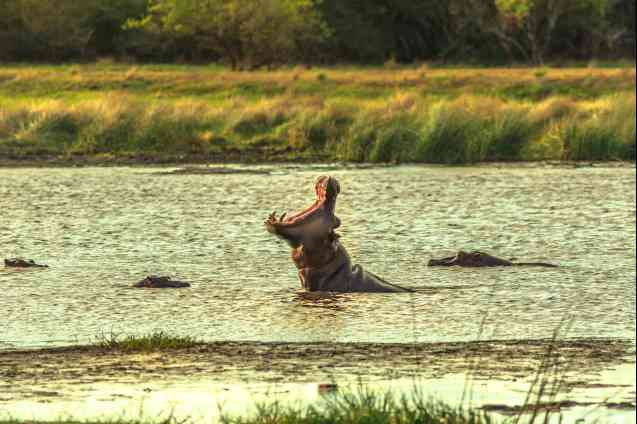
Africa, a vast continent, is home to around 3,000 tribes. Discover the continent's rich cultural treasures by exploring its most remote and iconic tribes. Join us as we delve into the unique traditions and customs that make Africa truly special.
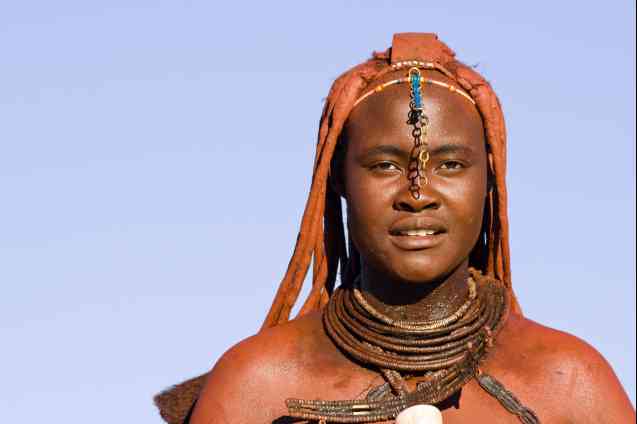
The Himba tribe of Namibia, primarily residing in the arid Kunene region, are renowned for their distinctive cultural practices and traditional lifestyle. With a population of around 20,000 to 50,000, the semi-nomadic Himba rely on cattle for wealth and goats for sustenance. Women are recognizable by their intricate hairstyles and reddish skin, coated with butterfat and ochre for protection against the harsh desert climate. They live in tipi-shaped structures made of mud and dung when stationary and keep an ancestral fire burning in homage to their god Mukuru. Despite threats from new developments, the Himba strive to preserve their unique heritage and way of life.
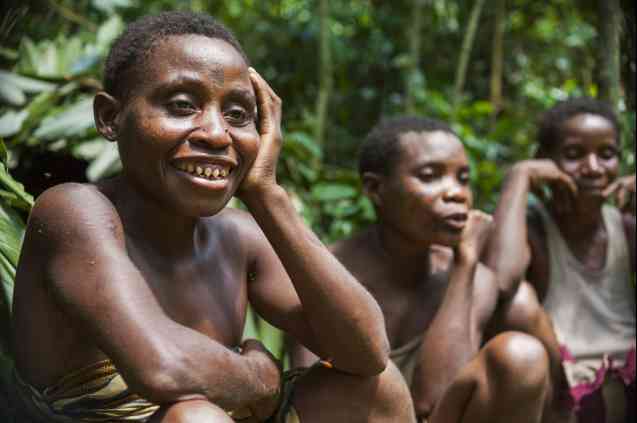
The Baka tribe, one of the celebrated "Pygmy" groups of the Ituri forest in northern Congo, live alongside the Mbuti, Aka, and Twa tribes. These groups, with a combined population of 130,000 to 170,000, inhabit vast forest areas. The Baka, known for their small stature, live in bands of 15-70 people and are traditionally nomadic, moving frequently to follow resources. They build dome-shaped huts from saplings and leaves. Women gather using baskets, while men hunt and collect honey. Living by the ‘Jengi,’ the spirit of the forest, the Baka possess rich knowledge of herbal medicine and unique hunting traditions. The Bayaka traditionally have a very low environmental impact but their traditional lifestyles are increasingly under pressure from logging, mining, and agricultural encroachment.
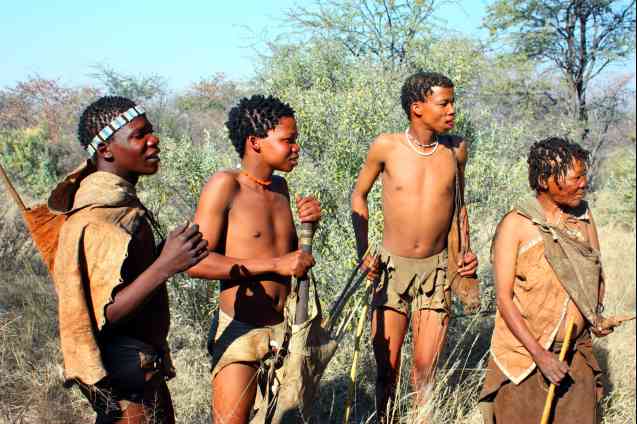
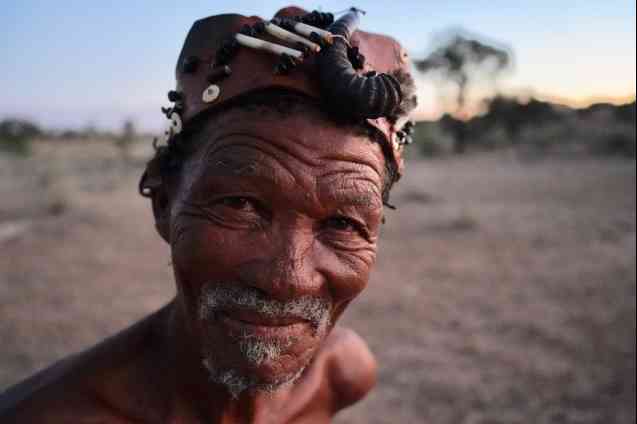
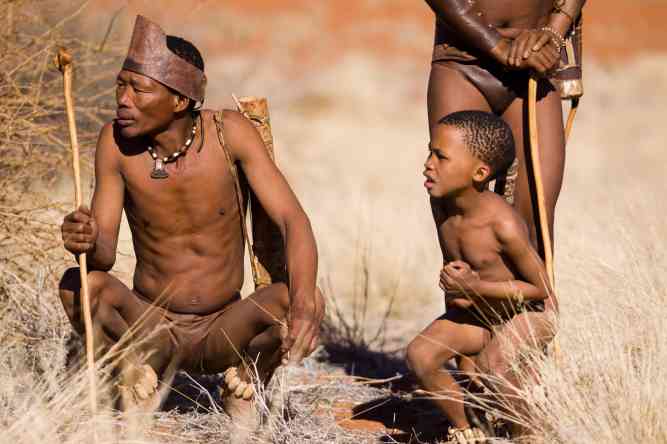
The San, one of the oldest ethnic groups on earth, have roamed southern Africa as hunter-gatherers for around 150,000 years. Known as the bushmen of the Kalahari, they thrive in the harsh desert through extensive knowledge of their environment, identifying edible, poisonous, and medicinal plants. Renowned for their hunting and tracking skills. The San people traditionally lived in small, nomadic groups, working only 12 to 19 hours per week. Their rich cultural practices included gift-giving, dancing, music, and stunning rock art which is evident throughout sub-Saharan Africa. The San bushman speak various dialects of the unique clicking languages from the Khoe family. Today, due to agricultural pressure and fenced conservation areas, the San bushman live in fragmented and isolated sedentary groups that are fighting for their traditional way of life.
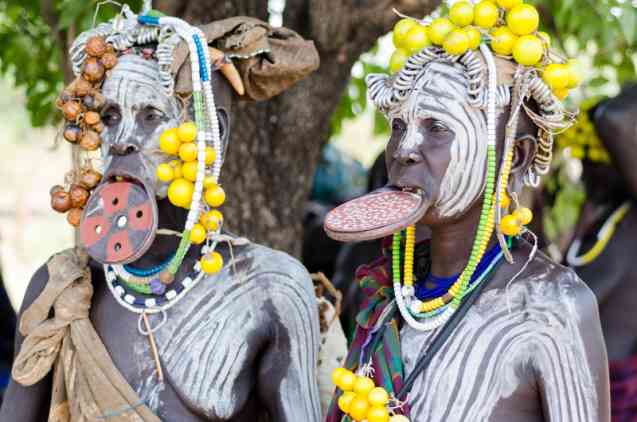
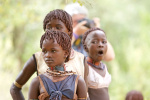
The Omo Valley in southern Ethiopia is home to fascinating tribes like the Karo, Hamar, and Mursi. Living near the Omo River these tribes have remained unchanged, practising traditional subsistence farming, hunting, gathering, and fishing. The Karo are known for their intricate face and body painting using natural materials and ritual scarification to signify maturity and bravery. They also perform a 'bull jumping' ceremony as a rite of passage for young men. The Hamar, also a pastoral tribe, values cattle highly, moving with their herds during the dry season and living on milk and blood. They are recognized for their colourful body adornments and unique hairstyles. The Mursi are most famous for the clay plates that women wear in their lower lips.
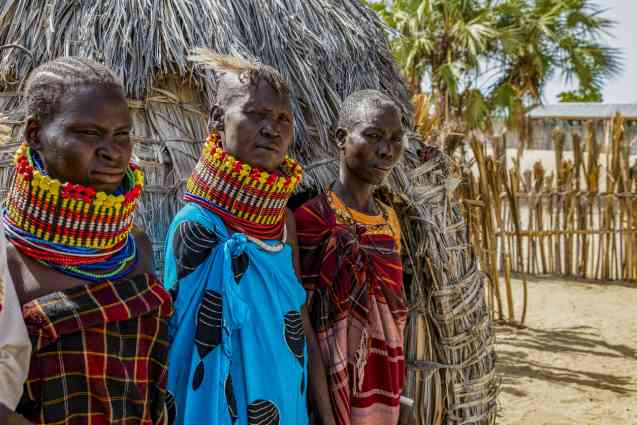
The Turkana tribe, residing in Kenya’s Rift Valley Province, is one of Kenya's Nilotic tribes. Oral tradition suggests they arrived in Kenya while chasing a disobedient bull. They are nomadic, moving as food and water sources are depleted. The Turkana are known for their vibrant clothing and regalia; women wear brightly-coloured beaded necklaces that reflect their social status, while men dye their hair with coloured soil. They raise camels, goats, zebu, and donkeys, relying on their produce for milk, blood, skins, and meat. Living in social units called awi, which consist of a man, his wives, children, and dependents, the Turkana practice their traditional religion and worship the god Akuj. Men carry stools, or ekicholongs, used as chairs and headrests to protect their ceremonial headgear.
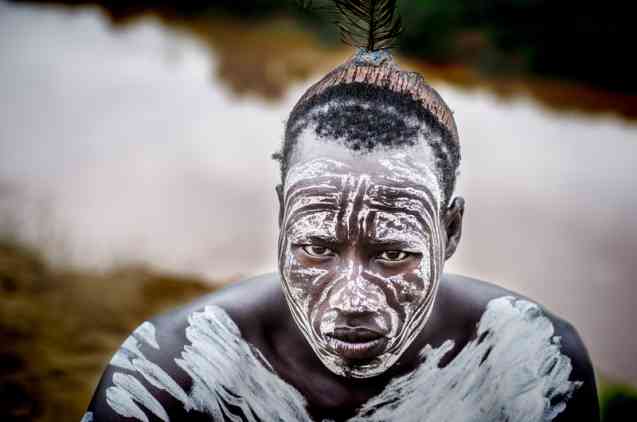
If you're eager to learn about African tribes and experience their way of life, modern tourism offers opportunities to visit the traditional tribes of Africa and their villages.
While many cultural tours are available, try to pick a company that is ethical and is not exploiting the tribes they visit. Visits can range from a few hours to overnight stays or longer.
When interacting with an African tribe, remember to:
African Budget Safaris specialises in bespoke safari tours to get you the safari of your dreams. Contact us today and start planning your unique African safari tour, or read more about unique African tribes here.

Explore these destinations mentioned in this post.
Below you'll find further reading and articles related or similar to this post.




Call us toll free from US/Canada on 1-888-414-6513, or from the UK on 0-808-189-1052. All other countries can contact us on +27 21 791 0878.
© 2026 African Budget Safaris | Privacy | Terms | Cookie Policy | Consent Preferences



_(1)__thumb.jpg)