

Madagascar is the fourth largest island in the world and remains relatively unexplored. The people are friendly, the towns and villages are lively and the natural beauty is overwhelming. On the 12-day Best of Madagascar Tour, you have the opportunity to discover all this and more with lemurs, colorful tribes, tropical beaches, bustling markets, and diverse scenery.
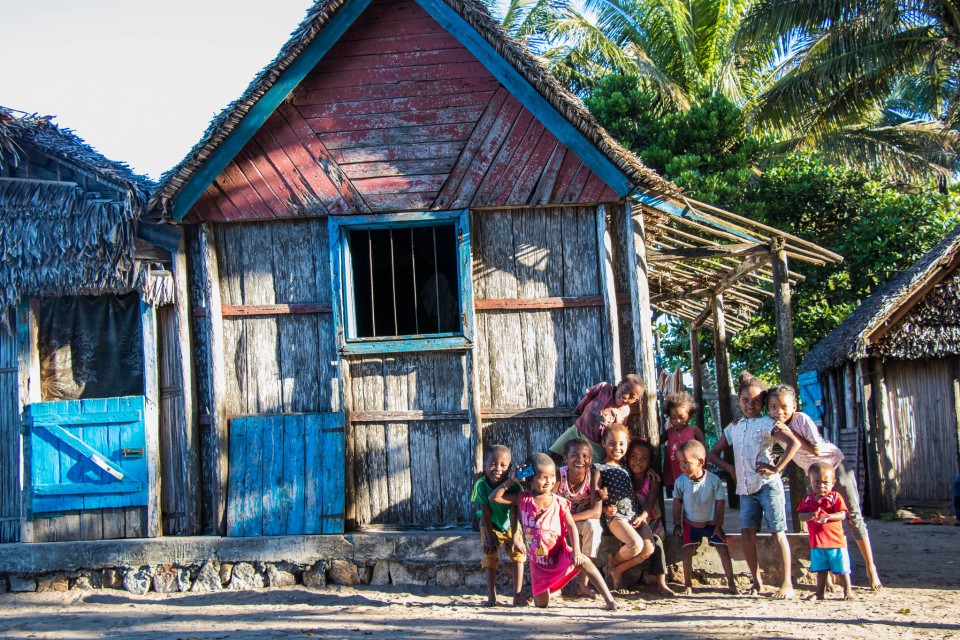
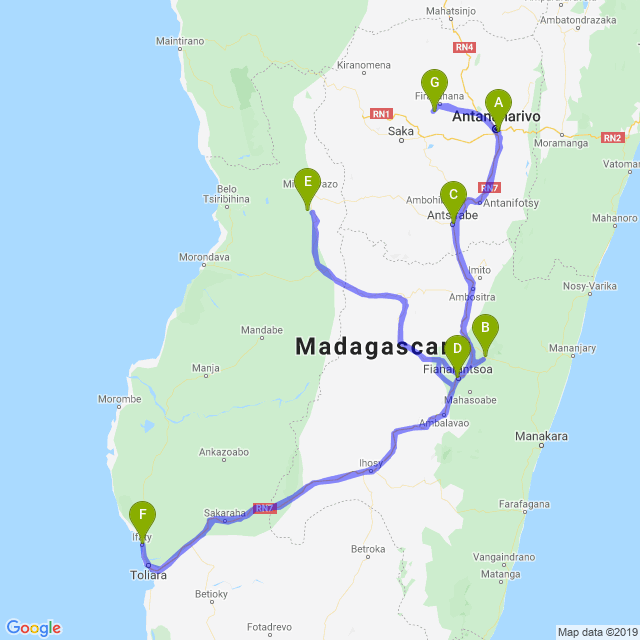
This Budget Madagascar Tour starts in Antananarivo, traveling east to Andasibe National Park where we will spend the evening and the next morning exploring this fascinating park. We then visit Madagascar's second-largest tribe the Betsimisaraka and learn about their intriguing culture.
Then we head southwards to Antisirabe and spend a day discovering Ranomafana National Park. From here we drive further south to Isalo National Park where we embark on a day-long hike. Next, we travel to Tulear with its Spiny Forest, before putting our feet up in Ifaty on the coast, or trying out several optional water activities. Lastly, we make our way back to Antananarivo and explore this interesting city.


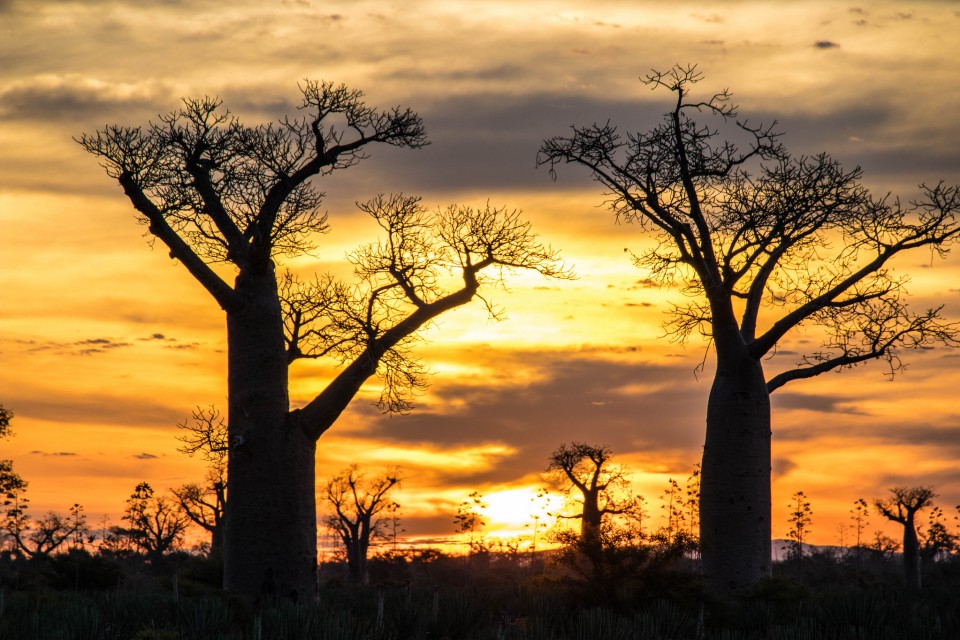

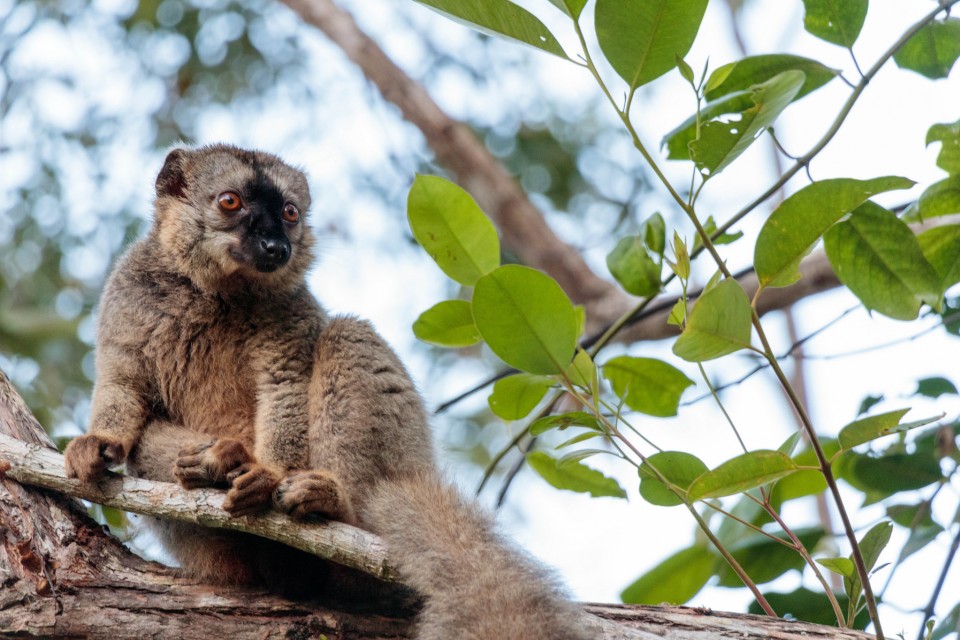
Our Best of Madagascar Tour starts in Antananarivo, the diverse capital of Madagascar. You are met at the airport and transferred to your hotel in the city. The remainder of the day is free for you to rest at the hotel or explore the bustling city.
After breakfast this morning, we begin our journey eastward toward Andasibe, travelling through lush highland scenery that gradually transitions into the dense, moisture-rich forests characteristic of this region. The route offers views of traditional Merina villages tucked into the rocky hillsides, as well as glimpses of lakes and verdant vegetation.
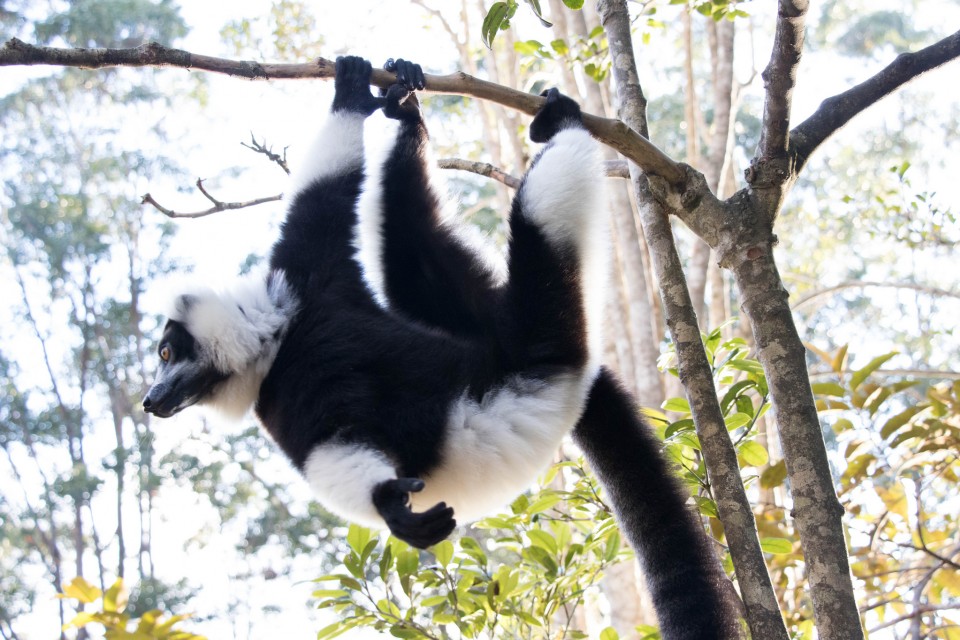
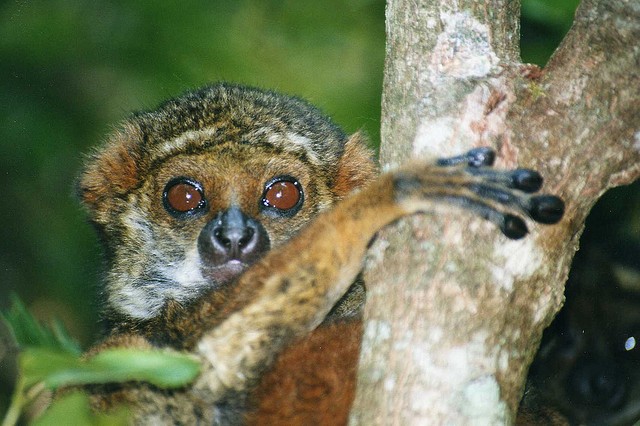
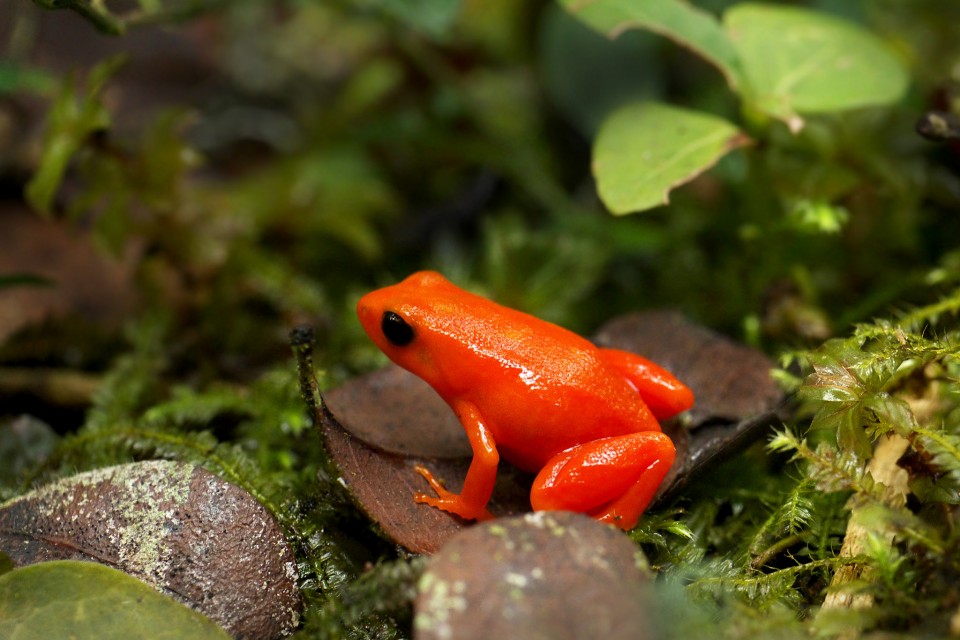
We reach Andasibe around midday. In the afternoon, we explore the V.O.I.I.M.A community-managed reserve, an inspiring conservation initiative that supports local livelihoods through reforestation and sustainable tourism. As we walk through the forest, there's a good chance of encountering a range of wildlife, including brown lemurs, indris, colourful chameleons, geckos, and numerous bird species.
After sunset—around 18h00, depending on the season—we set out on a guided night walk to search for nocturnal lemurs and other night-active creatures. We return to the lodge for the evening.
On the morning of day three of this Budget Madagascar Tour, we venture into the 810 ha Special Reserve of Andasibe, home to the iconic indri—the largest lemur species in Madagascar, known for its haunting, echoing calls.
This Andasibe reserve is home to an exceptional array of endemic wildlife, both plant and animal species, making it a special stop. Here we see an array of flowering orchids, endemic animals such as chameleons, tenrecs, and many birds. From the Special Reserve of Andasibe, we head to the Orchid Park to walk amongst the gorgeous flowers.
After the visit, we begin our return journey to Antananarivo, arriving in the late afternoon.
This morning, we travel south toward Antsirabe, crossing a picturesque highland region sculpted with terraced rice paddies and fertile valleys. The landscape is punctuated by dramatic “lavaka” formations—deep, naturally eroded hillsides typical of Madagascar’s central plateau.
We pause in Ambatolampy, a town renowned both for its strong agricultural traditions and its artisanal aluminium foundries. Continuing to Antsirabe, we arrive in the late afternoon. Known as “the place of salt,” the town has a charming ambience, cool climate, and a touch of European influence, reflecting its Norwegian missionary heritage. It is also the heart of Madagascar’s beer production—you may even catch the aroma of the Star Brewery on arrival.
Day five starts with breakfast, and then we set off for Ambositra, considered the heart of the wood carving industry in Madagascar. Located in the highlands, the houses of Ambositra feature brightly coloured shutters and ornate hand-carved balustrades, befitting the capital of the wood carving industry.
Along the next stretch of road, we see fire-resistant ‘le col de tapia' trees along with more terraced rice fields, as well as eucalyptus and pine trees growing in the rocky landscape.
Soon, we arrive at our next stop, the Ranomafana National Park.
Parc National de Ranomafana covers about 40,000 ha of wilderness ranging between 800m to 1200m above sea level. Ranomafana Park lies near a village of the same name and is characterized by patches of indigenous rainforests in the eastern areas.
An abundance of wild animals, insects, and birds live in the dense forests through which the Namorona River and its many rivulets flow.
Ranomafana is a top travel highlight in Madagascar and is, as such, one of the most popular national parks. We explore the rainforest habitats on foot, going in search of the famous and fascinating creatures of Madagascar, from lazing lemurs to colourful chameleons.
We leave Ranomafana along the same route, passing by the historic city of Fianarantsoa, which means ‘the city where one can learn good things'. A cultural and religious centre, Fianarantsoa was founded as a royal city in the early 19th century and is now the capital of the Haute Matsiatra Region. It is also the main centre of education and wine growing, the hub for travel to Isalo and Ranomafana, and home to the Betsileo tribes.
We keep travelling southwards into the wine-producing area of Ambalavao, stopping to taste some of the local wines. (Please note that wine-tasting visits may not be possible over weekends.) Although the climate is not ideally suited to viticulture, this is still the heart of Madagascar's traditional wine-growing sector. Priests and monks were the first to cultivate grapes in Ambalavao, which also has Arabic influences, which we see on a visit to the Anteimoro Paper Factory.
We continue to Ihosy, the capital of the Bara tribes, who are the shepherds of Zebu, and pass through the mountain chain of Andringitra, which serves as a transition between the dry south and green highlands with its famous ‘3 hillocks' and its huge ‘archbishop's cape'.
Along the way, we will see afar a spectacular huge granite dome with twin rock towers called ‘the gate of the south', which marks the end of the highland and the beginning of the south. The other imposing one is the ‘Bishop's hat', which is a sacred place for the local people, as it is a place where their ancestors chose a collective suicide rather than give in to the Merina tribes.
We then pass through the huge ‘Plateaux de Horombe' with rich red soil that reminds one of ‘the no man's land', before arriving in Isalo.
Visit Isalo National Park on day eight of our Madagascar Tour. The park covers an area of 81540 ha comprising the entire stretch of the Isalo massif. This huge mountain is very spectacular with its eroded sandstone.
Today we will walk to the natural pool where we can take a dip. After a 10-minute drive from Ranohira village, we leave our vehicle behind and walk for about an hour and a half to reach the natural swimming pool. Along the way, we will see vegetation like Uapaca bojeri, Pachypodium rosulatum or ‘elephant's foot', Aloe isaloensis, a native species of aloe and endemic to Isalo. We walk through the eroded mountains, which are also where Bara placed their dead before they can bring them into their final tombs.
Start climbing and reach the ridge of the massif, after 20 minutes of walking, where we will have a spectacular view of the huge sandstone mountains with their beautiful colors and their strange and eroded forms, giving many different images like ‘the tortoise', ‘the masks' and ‘the crocodiles'.
We see small streams of water, and rivers which are marked by lines of brilliant green generally made up of numerous Pandanus pulcher and the delicate, slim-stemmed, feathery-leaved palm Chrysalidocarpus isaloensis. Along the way, for lemur lovers, there may be sifakas, brown lemurs, and ring-tailed lemurs, as well as fifty-five species of birds, lizards, and snakes.
We finally reach the swimming pool, with its crystal clear water, which is a great reward after a long, hot walk.
After breakfast, we continue to Tuléar, the terminal of the National Road Number 7. This step brings us new scenery, among the dry forests of the west and the spiny desert of the south.
On the way, we admire the different ‘Mahafaly tombs' and ‘Antandroy tombs'. After a short visit to Tuléar, we drive to Ifaty, which lies about 27 km from Tuléar. Thanks to the newly tarred road, it will take us about 1 hour to reach Ifaty, the driest part of the country.
Situated in the deep south, the landscape is dominated by spiny forests (like cacti with different Euphorbiaceae and Didieracea). We will cross the dry, sandy soil where the local people battle to find drinking water.
Mangrove trees line the coast alternated by Vezo villages, which earn their living from fishing. We will see many small pirogues and men who go out fishing twice a day. Children and women wait along the coast to take the fish to Tuléar, where they are sold.
Day 10 of the Best of Madagascar Tour is spent at leisure in this town on the biggest estuary in Madagascar. Ifaty is located on a stretch of coast sheltered by an extensive coral reef, offering excellent scuba diving and snorkelling. The town is a good place to see how the Vezo Fishermen live, and the area is ideal for bird watchers and boat-based whale watching (in season). Between July and September, the whales arrive along the shores here, calving just off the coast. Watching the whales up close to a boat is an amazing sight, especially because these huge mammals come to this part of the ocean off Madagascar to calve.
One of the numerous outings and activities to choose from is a trip to Reniala Forest. This communal nature reserve is home to baobab trees, spiny bushes, reptiles like geckos, and chameleons, including parsoni - one of the largest kinds of chameleons.
In the afternoon, we have the option of walking to the village of Mangily, where we visit a local school and watch the Vezo Fishermen returning with the day's fresh catch.
We will head to the airport early this morning (at about 06h00) for our flight to Antananarivo, where this Madagascar Tour began. Back in the capital, we transfer to the hotel and spend the afternoon exploring the area or relaxing at the hotel.
Tana is known as the ‘City of Thousands' as this is the place where the first kings of Madagascar started unifying the myriad of kingdoms across this huge island. The city consists of three overarching zones - the high city, mid-city, and low-lying city. The high city was established first, built for the royal leaders, and therefore houses the old queen's palace. In the mid-city, you can browse the upmarket boutiques and get some modern retail therapy. The low city area is the commercial part of the city.
One of the recommended sightseeing routes starts in the high city to see Rova, the old queen's palace, and the museum at the house of the first minister. Many of the old buildings were designed by a Frenchman named Jean Laborde during the royal era of rule. From there, you can walk in the mid-city with its administrative buildings and the Rainiharo tombs, and lastly check out the lower section of town with the main avenue (L'avenue de l'independence) where the railway station is situated.
After breakfast, we can transfer you to the airport for your onward flight, bringing the memorable Best of Madagascar Tour to a close.
Standard accommodation on the Madagascar Tour is in en-suite rooms at basic, yet comfortable hotels and lodges. Some of the mid-range accommodation options feature a restaurant and bar.
This tour does take children.
Minimum age 12 years on scheduled group tour. Please contact African Budget Safaris for more information, if travelling with children.
All Antananarivo Departures | All Madagascar Tours |
__small.jpg)
This affordable Madagascar Lemurs Safari and Sainte-Marie Island Tour explores lemur rainforests, the Pangalanes Canal and idyllic beaches of Saint Marie Island
More on this 11 Day Budget Lodge Safari
Affordable Madagascar Trip to discover idyllic Malagasy beaches, many lemur species, stunning scenery from rainforest to spiny forest, and iconic Baobab Alley.
More on this 13 Day Budget Lodge Safari
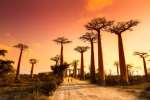
An affordable Madagascar Safari with quality accommodation visiting the arid yet striking western area for epic scenery, lemurs, wildlife, and ancient cultures.
More on this 6 Day Budget Lodge Safari

This Madagascar Vacation goes hiking in Madagascar rainforests and Spiny Forest to see lemurs & other exotic animals. Experience beautiful scenery, tropical beaches, local villages, culture & more.
More on this 14 Day Budget Lodge Safari
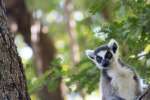
An affordable 5-Day Safari in Madagascar from Antananarivo to the lemurs of the Andasibe Rainforest.
More on this 5 Day Budget Lodge Safari
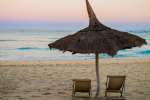
This budget Madagascar Tour explores the beaches, Spiny Forest, flamingos & sacred Nosy Ve Island of southern Madagascar.
More on this 4 Day Budget Lodge Safari
Our team has the destination knowledge to help you plan an unforgettable African adventure. We're based in Cape Town and ready to help.
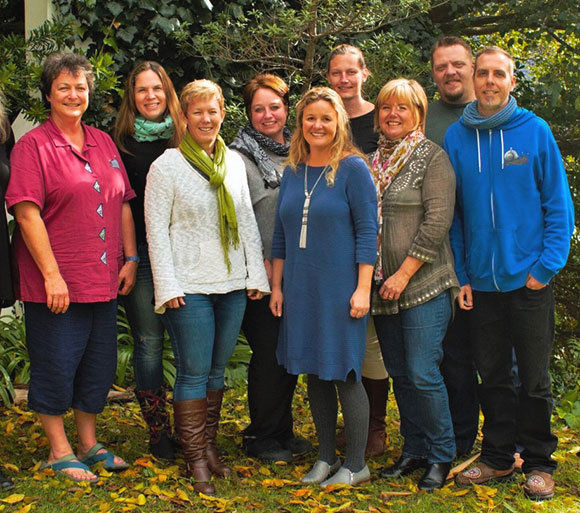
We can also plan you an affordable private group or tailor-made tour. We built our business on turning luxury travel into affordable travel.
