
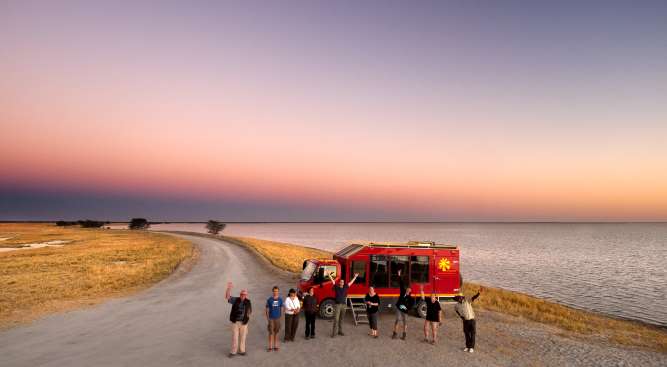
If you like your travel with a bit of dust on it, a lot of laughs around the campfire, and the kind of scenery you only get when you travel slowly, Africa overland tours might be your perfect match.
Overlanding is one of the most affordable ways to travel through multiple African countries in one trip, while still getting the big-ticket highlights, wildlife parks, and those “how is this real?” landscapes. It’s not a luxury lodge safari, and it’s not meant to be. It’s adventure travel with structure, great guides, a ready-made crew of fellow travellers, and just enough unpredictability to keep things interesting.
This guide breaks down what Africa overland tours are, how they work, who they suit, what you can expect day-to-day, and how to choose the right style of overland safari for you.
__medium.jpg)
An Africa overland tour is a guided, group trip that travels long distances overland, usually in a purpose-built overland truck, following a set route through one or more countries. Along the way, you’ll camp or stay in simple lodges, visit national parks, join local activities, and spend a lot of time on the road seeing the “in between” places most fly-in travellers never do.
The key idea is simple: on an overland tour, the journey is part of the experience, not just the transfer between highlights. You’re not being shuttled from one comfortable bubble to the next. You’re travelling through Africa, not around it.
Curious what overland travel actually feels like? Follow Sakhu’s first overland safari through Namibia to see the truck, campsites, long drives, group atmosphere and the reality of travelling overland in Africa.
Overland tours are popular with budget travellers, solo travellers, and anyone who wants a social, immersive trip without having to plan border crossings, transport, supplies, and logistics alone.
A quick reality check, though: overlanding is comfortable enough, but it’s not cushy. You’ll have early starts, long driving days, and a bit of “roll with it” energy. If that sounds like your kind of fun, you’re in the right place.
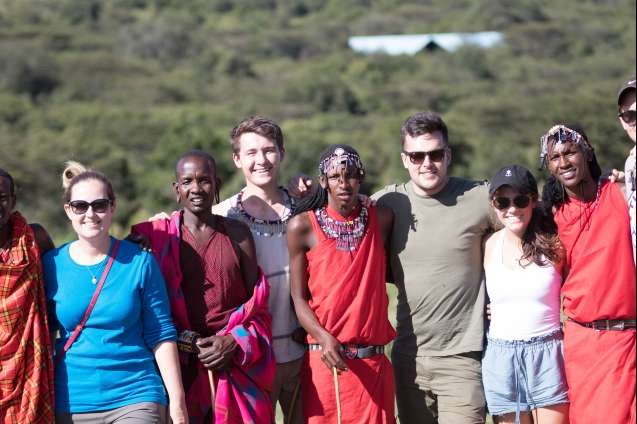
If you’ve never done a trip like this, it helps to picture it as a moving basecamp. You travel as a group, you stop at set destinations, and you settle into a rhythm that’s surprisingly easy after the first couple of days.
This section is here to make it all feel familiar before you even arrive.
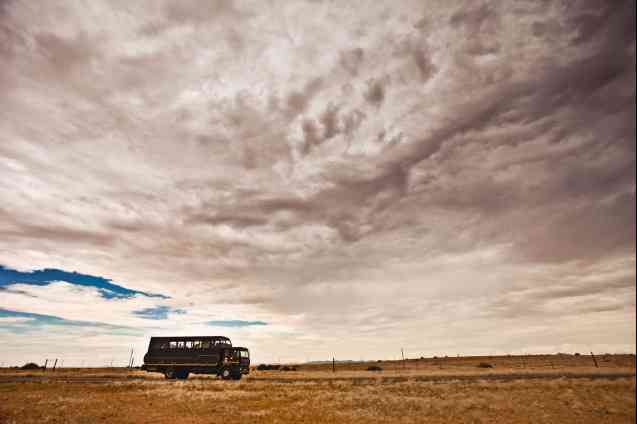
Overland tours use specially designed trucks built for long-distance travel on rougher African roads. They’re not fancy tour buses, but they are practical. Expect cushioned seats, storage for gear, onboard equipment for camping and cooking, and a layout designed for group travel.
Different tours use different truck styles. Some have forward-facing seats, some have seats facing each other with small tables, and some have bench seating. What matters most is that the truck is built for the job: long days, remote routes, and carrying everything the crew needs to keep the trip running smoothly.
Want to dig deeper into the types of vehicles used on overland tours? Learn more about safari vehicles, including overland trucks, 4x4s, and essential equipment.
You’ll usually have limited space for luggage, which is why soft bags and backpacks work best.
Browse popular Southern African overland tours
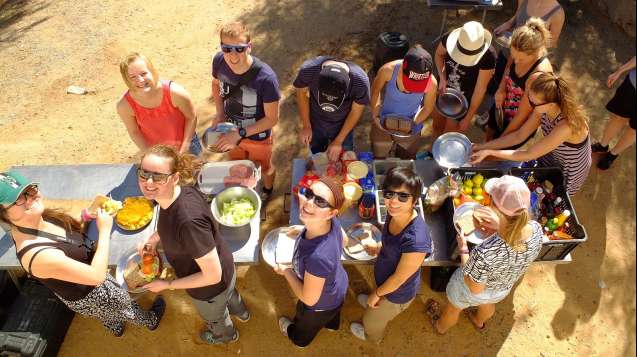
Overland tours are team trips. That doesn’t mean you’ll be scrubbing pots all day, but it does mean everyone helps in small, shared ways. Think of it as “many hands make light work,” not “you’re paying to do chores.”
Depending on the tour type, participation might include:
Accommodated tours usually involve less participation, while camping tours lean more into the full overland routine.
If you’re the type who likes being useful, you’ll enjoy this. If you’re worried it’ll feel awkward, don’t be. The system is simple, the crew leads it, and everyone’s in the same boat.
No two overland days are exactly the same, but the rhythm tends to look like this:
Curious what a real day on an overland safari looks like? From early wake-ups and breakfast at camp to long drives, wildlife sightings and evenings around the campfire, this video follows a typical day on Sakhu’s first overland safari through Namibia.
Some days are drive-heavy. Other days are activity-heavy. The best tours balance both, so you’re not constantly rushing, but you also don’t waste the good stuff.
And yes, sometimes things shift. Roads can be slow after the weather, border posts can take longer than expected, and vehicles are vehicles. The difference on a good overland tour is that the crew has dealt with it all before, and the trip keeps moving.
Most tours run with a small team that keeps the whole show on track. Typically, you’ll have:
Your guide isn’t just there to point at landmarks. They’re the problem-solver, the organiser, and the person making sure everyone’s safe, informed, and having a good time. They’ll also be the one helping you navigate practical questions, from money to meals to “is this normal?” moments.
If you’re new to African travel, that support is worth its weight in gold.
This is where overlanding really stands apart.
On a standard package trip, you’re mostly buying comfort and convenience. On an overland tour, you’re buying access, adventure, and a deeper experience, at a price point that makes multi-country travel realistic.
You’ll see more variety, meet more people, and travel through places that aren’t polished for tourism. That’s a feature, not a flaw.
If you’re after a luxury safari with private game drives and high-end lodges, you’ll be happier with a lodge-based itinerary. But if you want a classic “Africa road adventure” where the travel itself becomes the story you tell for years, overlanding hits differently.
Before we go any further, here’s a simple gut-check. Overland tours tend to suit you if:
If that sounds like you, the next sections will help you choose the right overland tour style, understand costs, safety, routes, and what to expect on the road.
Up next: the different types of Africa overland tours: camping, accommodated, exclusive, and family, and how to pick the one that fits you best.
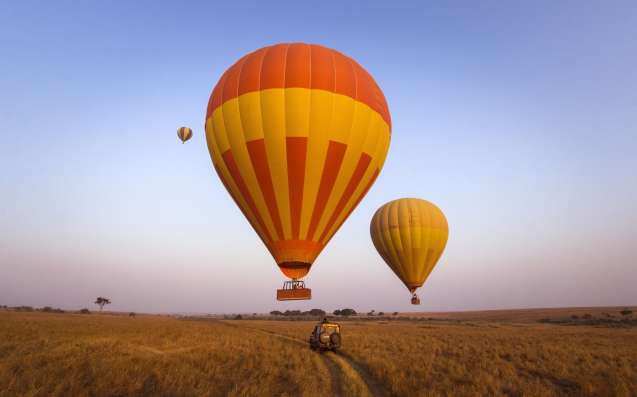
Not all overland tours feel the same. Some lean fully into camping and camaraderie. Others dial up comfort with lodge stays and smaller groups. The route might be similar, but the experience can be quite different.
If you’re unsure which style suits you, this section will make it simple.
Browse Africa Overland Tours by Style (view available trips & prices):
Compare all Africa overland tours
Camping overland tours are the classic version of overlanding. You travel in the overland truck, sleep in two-person dome tents, and camp your way across Africa.
There’s something special about waking up in a national park campsite, unzipping your tent to golden light and distant wildlife sounds. Camping keeps you close to the environment and keeps costs down, which is why these tours are often the most budget-friendly option.
What to expect on camping tours:
These tours traditionally attract younger travellers, especially those between 18 and 35, but that’s changing. Plenty of older travellers join camping trips successfully, especially if they’re fit, flexible, and up for the rhythm of the road.
Camping overlanding is ideal if you value experience over comfort and want maximum adventure for your budget.
Accommodated overland tours follow similar routes to camping trips but swap tents for simple lodges, guesthouses, permanent tented camps, or small hotels.
You still travel in the overland truck. You still have early mornings and big days. But at night, you sleep in a bed, usually in twin or double rooms.
What to expect on accommodated tours:
These tours are popular with couples, older travellers, and anyone who wants the overland route without the daily tent routine. They also suit travellers who enjoy a bit of comfort after long drives, without moving into full luxury safari pricing.
In East Africa, accommodation standards can vary slightly more, especially in remote areas, but the overall level is consistently comfortable and practical.
If you like the idea of overlanding but prefer a proper bed and shower most nights, this is usually the sweet spot.
Exclusive overland tours take the overland concept and reduce the group size even further. These tours typically cap at around 12–16 travellers and may include additional comforts, upgraded vehicle layouts, or more inclusions along the way.
You might experience:
Because the group is smaller, the dynamic often feels more personal. You may also access areas that are harder to visit with larger vehicles.
These tours suit travellers who want the spirit of overlanding, but with more space, more inclusions, and a slightly elevated feel.
Family overland tours are designed with children in mind. The structure is similar to camping overland trips, but distances between destinations are often shorter, and the pace is adjusted to suit younger travellers.
Key differences include:
Children usually need to meet minimum age requirements, often around 6 years or older, and these tours are carefully planned to balance adventure with practicality.
If you’re travelling as a family and want your children to experience Africa beyond a single lodge stay, this is a unique and memorable way to do it.
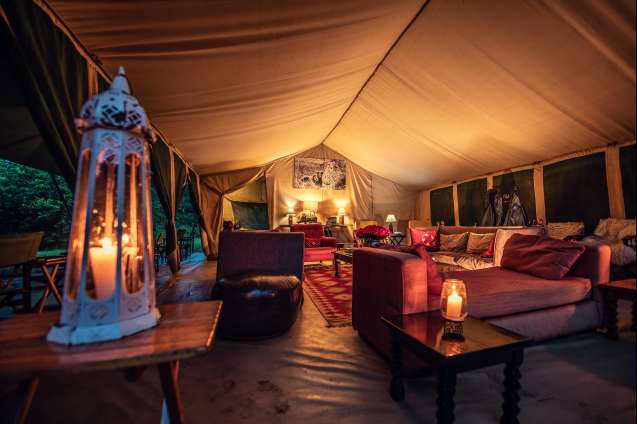
Here’s a simplified breakdown to help you visualise the differences:
| Feature | Camping Overland | Accommodated Overland | Exclusive Overland | Family Overland |
|---|---|---|---|---|
| Accommodation | Dome tents | Lodges/guesthouses | Mix of upgraded camping & lodges | Mostly camping |
| Group Size | Up to 22 | ~16–18 | ~12–16 | Up to 22 |
| Participation Level | High | Moderate | Moderate | Moderate |
| Comfort Level | Basic | Comfortable | Mid-range comfort | Practical |
| Budget Level | Most affordable | Mid-range | Higher | Mid-range |
| Social Atmosphere | Lively & youthful | Mixed age | Smaller & intimate | Family-focused |
All four styles still follow the same core overland philosophy: shared travel, structured routes, and immersive African experiences.
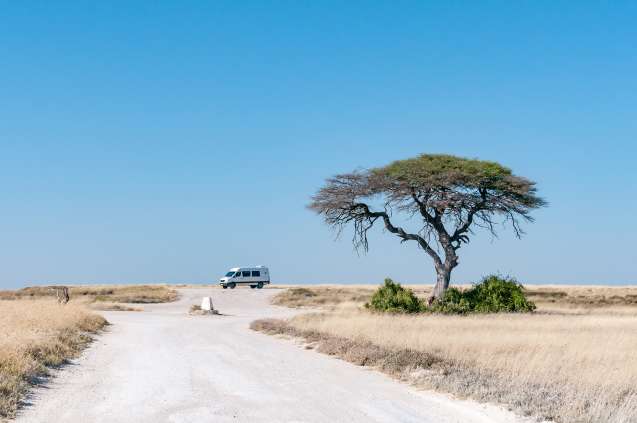
If you’re still undecided, try this quick checklist.
If you’re unsure, that’s completely normal. Many travellers start with a rough idea of what they want and refine it once they understand the options.
In the next sections, we’ll look at who overland tours are best suited for overall, what kind of physical expectations are realistic, how safe they are, and how much they typically cost, so you can decide with confidence.

Overland tours attract a certain kind of traveller, not a “type” in terms of age, but in mindset.
They suit people who are curious, adaptable, and happy to share the journey.
Historically, overland tours were dominated by travellers aged 18–35. That’s no longer strictly the case.
Today you’ll find:
Some camping tours may have suggested age guidelines, largely due to physical demands, but fitness and attitude matter far more than the number on your passport.
You don’t need to be an athlete. But you should be:
If you’re managing a medical condition, planning ahead and carrying appropriate medication is key.
Overlanding is social travel.
If you enjoy meeting people and swapping stories around a fire, you’ll thrive. If you strongly prefer solitude and private space, a lodge-based safari may suit you better.
To get a feel for what the social side of overlanding is really like, here’s a great story from one of our safari experts: My Overland Africa Adventures.
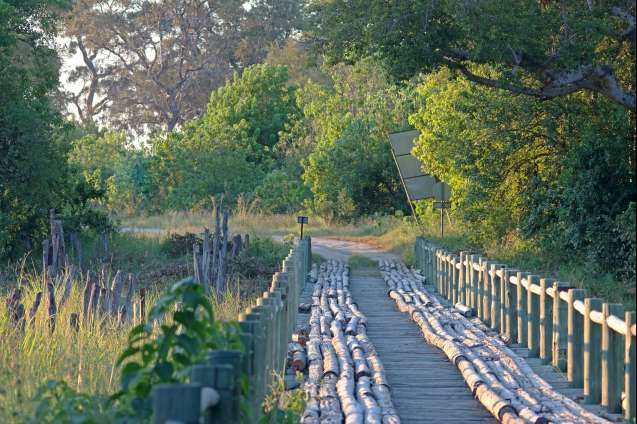
This is one of the most common questions that travellers ask.
The short answer: yes, when run by reputable operators.
Overland trucks are purpose-built, maintained vehicles operated by experienced drivers who know the routes. Travel days are structured, not reckless.
You’re responsible for:
Tours carry basic first aid kits, but comprehensive travel insurance (including evacuation cover) is mandatory.
Africa is vast and varied. Most overland routes stick to well-travelled corridors used by tourism vehicles daily.
Good operators plan carefully and have contingency systems in place. Their top priority is keeping their clients safe and giving them the best possible experience of Africa.
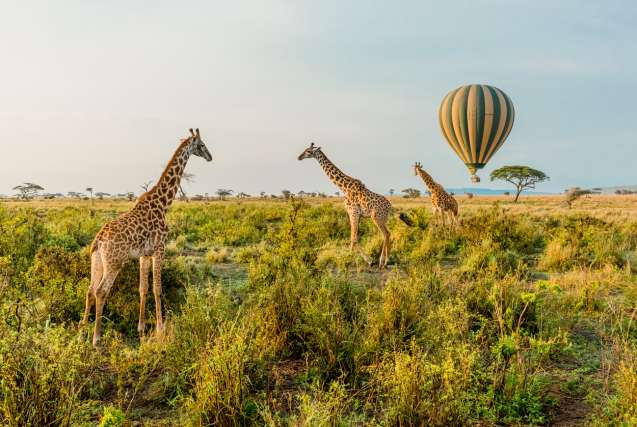
Overland tours are among the most cost-effective ways to travel through multiple African countries.
Compare overland tours by price, duration & route
Costs usually include:
Paid upfront. Covers the core logistics.
A set amount paid locally that contributes to meals, park fees, and certain on-the-ground expenses.
Adventure add-ons like rafting, bungee jumping, scuba diving, or scenic flights.
Travellers usually budget around USD 15–25 per day for:
Occasional restaurant meals
Tips:
Overland tours stretch your budget because you’re sharing costs across a group.
If your goal is maximum geographic coverage at a controlled price point, overlanding is hard to beat.
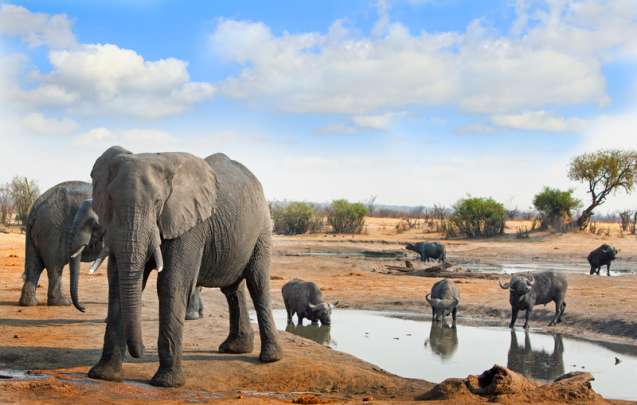
Overland routes are designed to connect highlights across regions.
Common routes include:
These routes focus heavily on landscapes and classic safari parks.
Often include:
These routes combine wildlife, culture, and coastline.
Longer trips may run:
These are true continent-crossing adventures.
Explore the best overland routes in Africa
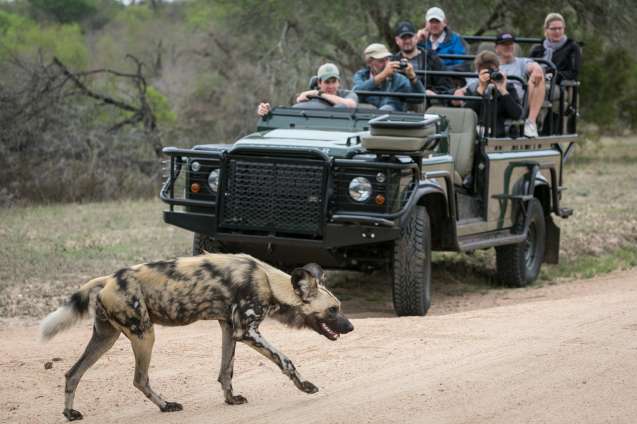
If you’re torn between the two, this comparison helps.
| Feature | Overland Tour | Lodge Safari |
|---|---|---|
| Travel Style | Group truck-based | Fly-in or vehicle transfers |
| Cost | Budget to mid-range | Mid-range to luxury |
| Comfort | Practical to comfortable | High comfort |
| Participation | Some shared tasks | None |
| Social | Strong group dynamic | Often private |
| Route Coverage | Multi-country | Focused regions |
| Immersion | High | Moderate |
Choose overlanding if:
Choose a lodge safari if:
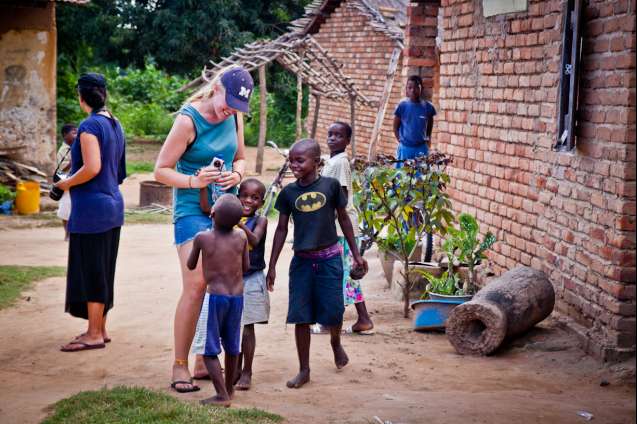
Here's an honest list of overland pros and cons:
If the pros excite you more than the cons concern you, that’s usually your answer.
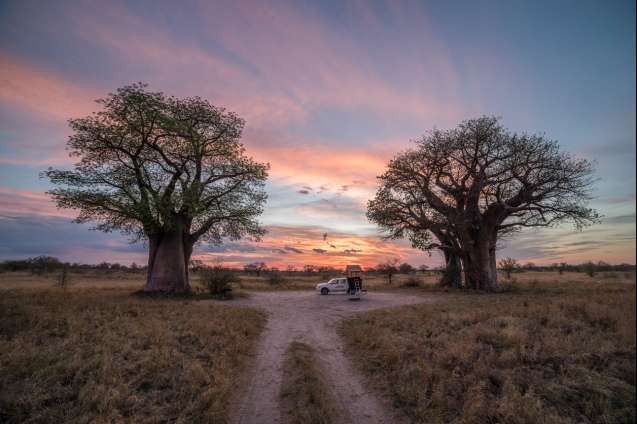
Overlanding isn’t extreme, but it’s active.
Expect:
Expect less:
It’s grounded, real travel.
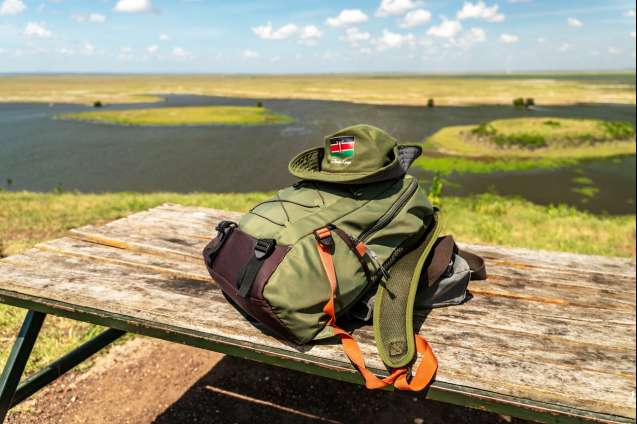
Pack light and practical.
A detailed packing guide is always recommended before departure. Here's a list of 12 items that work harder and leave your backpack lighter.
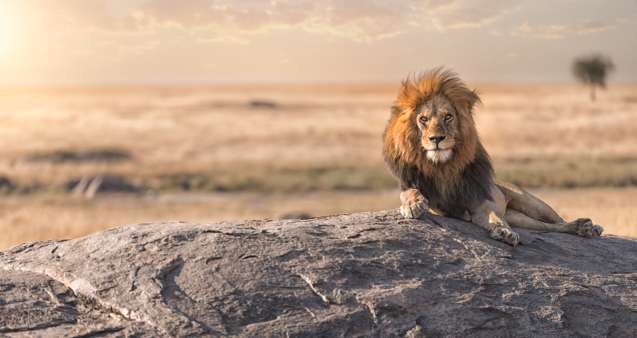
No. They suit travellers of many ages who are reasonably fit and adaptable.
Yes. Many overlanders travel solo and join group departures.
On camping trips, yes, in rotation. On accommodated tours, minimal.
Generally, yes, especially for multi-country travel.
Sometimes at camps or lodges, but not consistently.
It’s rare, but if it happens, crews are trained to handle it, and routes include contingency planning.
From short 7-day trips to 3 to 4 week expeditions.
If you want to:
Then yes, overlanding may be exactly what you’re looking for.
If you prefer privacy, predictable schedules, and high-end comfort, a lodge safari may suit you better.
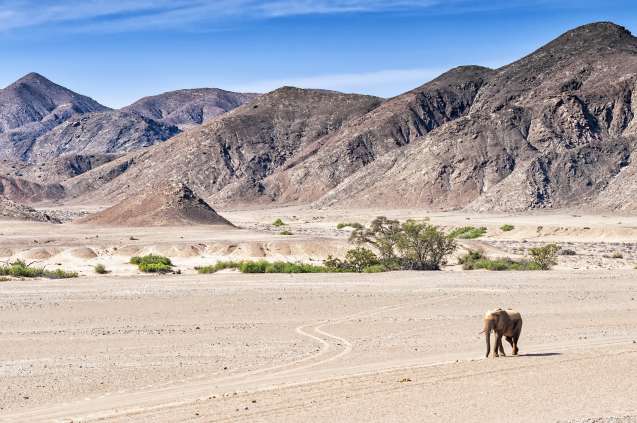
There’s no wrong choice, only the right match for your travel style.
And if you’re still unsure, that’s completely normal. The best overland journeys start with questions.
When you're ready, browse Africa overland tours by price, route, and travel style, or contact one of our experienced consultants for personalised recommendations.
Adventure doesn’t have to be complicated.
It just has to suit you.
Ready to plan your overland safari?
View all Africa overland tours
Browse budget camping tours
See accommodated overland tours

Explore these destinations mentioned in this post.
Below you'll find further reading and articles related or similar to this post.




Call us toll free from US/Canada on 1-888-414-6513, or from the UK on 0-808-189-1052. All other countries can contact us on +27 21 791 0878.
© 2026 African Budget Safaris | Privacy | Terms | Cookie Policy | Consent Preferences














__large.jpg)