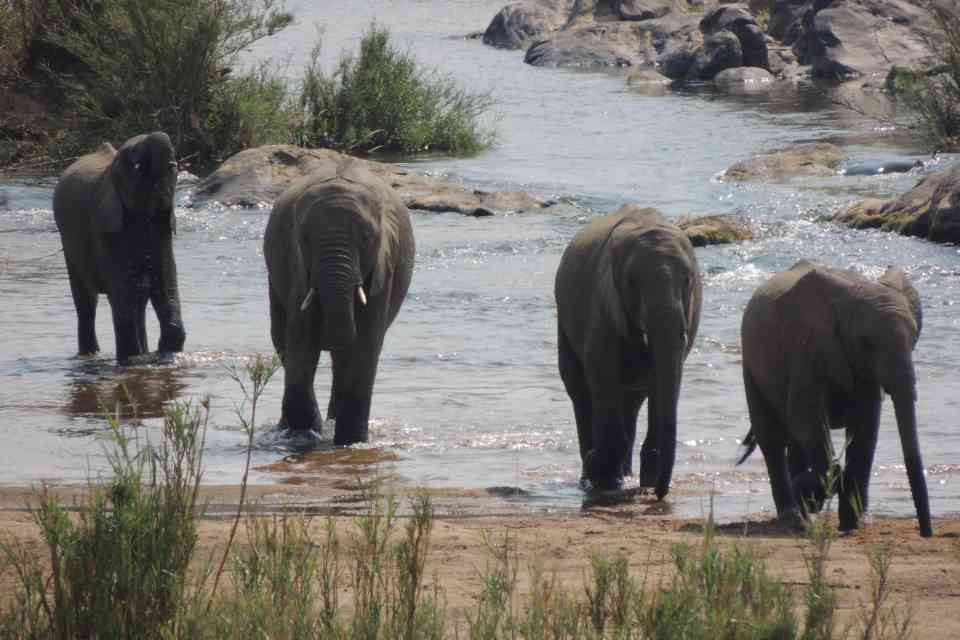

While we all know how exciting it is to see a lion or elephant in the wild, squealing with delight will send said animal fleeing. The same goes for having one’s mobile phone ring while watching birds from a hide. Following a few basic rules of safari etiquette can prevent this and help you make the most of your safari in Kruger National Park.
Whether you’re doing a self-drive or a group safari in the Kruger National Park, it’s good to be aware of the basic manners expected from everybody, to ensure that a safari in the park is good for all and includes the most game sightings possible. Here we list some simple points to remember on wildlife safaris.
Being well-prepared before going on a game drive will make the experience even better.

Kruger National Park has a set of rules to ensure both your safety and that of the animals and the environment. The full set can be found on their website. The basic rules are also printed on the green gate permit you receive when coming through the gate into Kruger Park.
Be aware of gate times. Both gates into the park and into the camps have specific opening times, and latecomers may be fined.

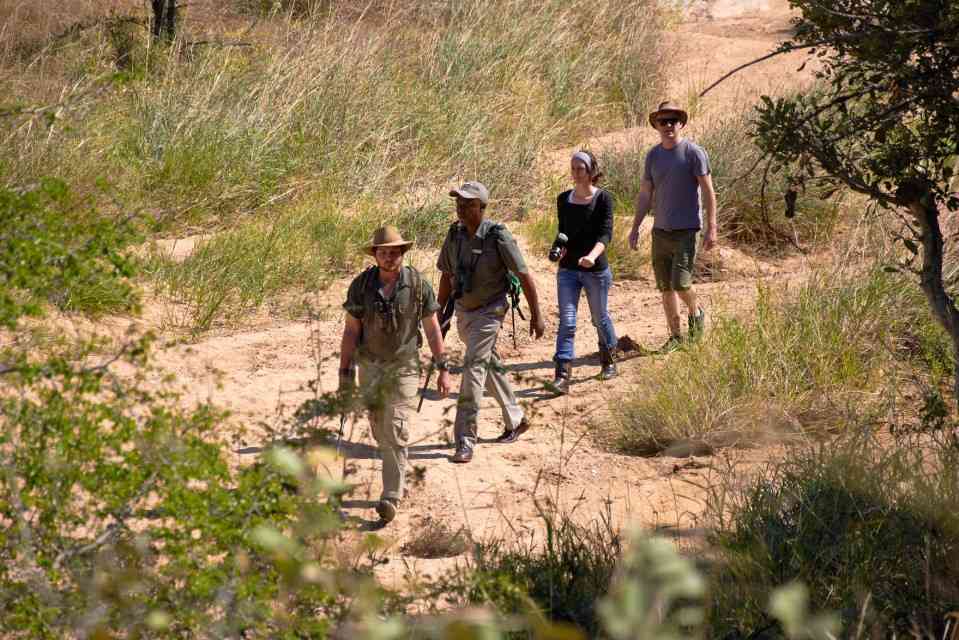
No, the animals don’t expect you to put on your pearls and make sure that your bag matches your eye shadow. Far from it. When going on open vehicles or walking safaris, especially, be sure to avoid bright colours. Basically, the more you blend into the bush, the less likely it is that animals will spot you and flee. This means more and longer sightings.

The last thing you want to have to do while on a game drive is to have to return to camp, mid-sighting. Be sure to take everything you need along with you:
See our Complete Safari Packing List for more details.

If you’re on a group safari with a guide, the guide will deal with the driving, and you can just kick back and look for animals. If, however, you’re doing a self-drive safari in Kruger National Park, there are a couple of basic rules to follow:

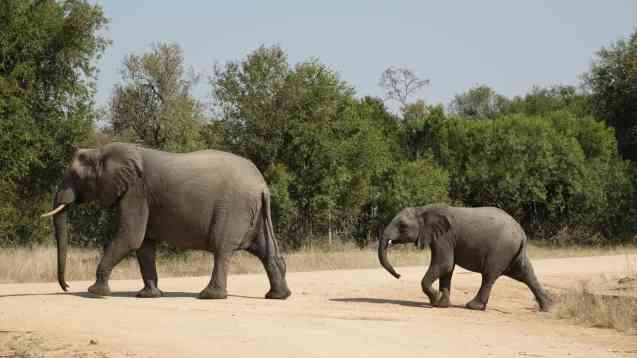
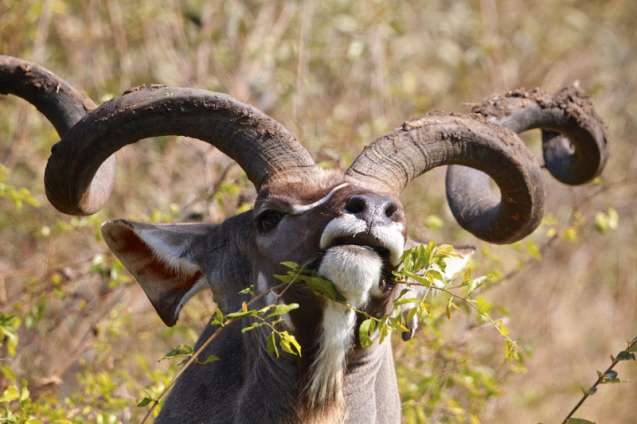
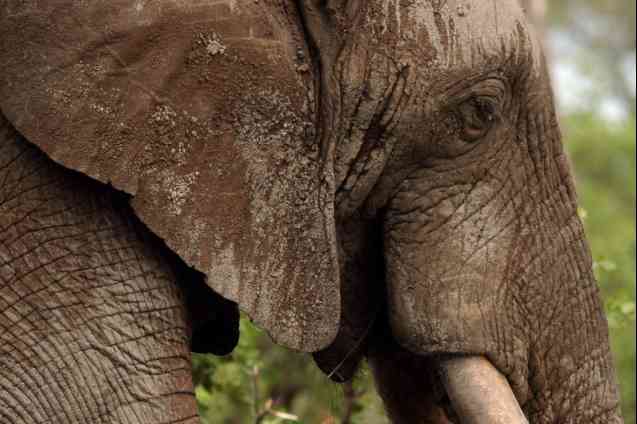
Basically, this one’s an easy one: you should have NO interaction with any animal you see. To ensure their safety and yours, never get out of the car and approach animals. In fact, never get out of your car, even if you can’t see any animals. There may very well be a lion standing in the dappled shade of a tree behind you or a snake slithering through the grass. While these are both things that are fantastic to see, you want to be safe in your car when you see them, not face-to-face!
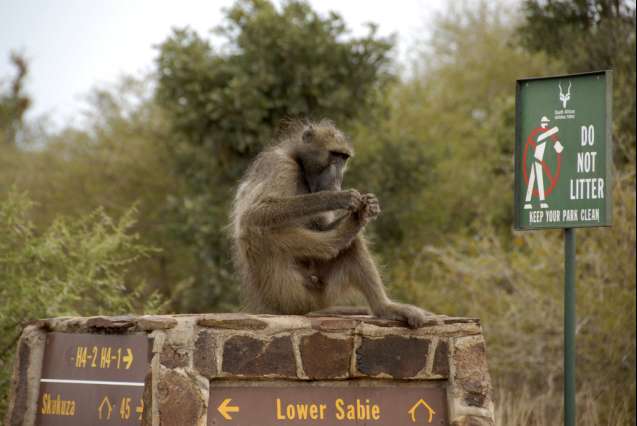
The same goes for feeding animals. Don’t. Whether you’re in a camp or out in the bush, feeding wild animals is effectively giving them a death sentence. If they’re fed by humans they become unafraid of them, begin to beg, get aggressive when they’re not fed, and we all know what happens then. So, no, just don’t.

The main thing to remember when coming across an amazing sighting in the Kruger National Park – say, a lion and its kill – is that everybody would like to see it. A couple of pointers to follow are:

Group safaris are wonderful, firstly because you get to share the safari experience with others from all over the world and, secondly because you have an experienced guide doing all the hard work and ensuring that you get the best sightings possible.
Of course, as with any group, ‘dynamics’ may come into play. Following some simple rules can keep things pleasant:
Tipping is customary on safaris in South Africa and is always appreciated. Remember to tip your game ranger or safari guide and lodge staff as a way to show appreciation for their service.
The amount you tip on safari in Kruger Park, and beyond, is at your discretion. For guidelines, see our Guide to Tipping on Safaris in Africa or Tips for Tipping in South Africa.

This one goes without saying. Many people think that leaving ‘biodegradable’ things like orange peels is okay, but it’s not. Kruger National Park is an ecologically sensitive area and huge effort is made to ensure that the indigenous environment is kept just so.
As for plastic, paper, tins, and bottles … not only are they unsightly, but they’re a choking and poisoning hazard to animals. Take it home with you.
Again, Kruger National Park is a conservation area, so removing plants or picking flowers is forbidden. The same goes for picking up rocks or fossils.
For all of our budget safaris featuring Kruger Park, see our Kruger National Park Safaris. To browse for a Kruger Safari departing from Johannesburg, view our upcoming Johannesburg tour departures.

Explore these destinations mentioned in this post.
Below you'll find further reading and articles related or similar to this post.




Call us toll free from US/Canada on 1-888-414-6513, or from the UK on 0-808-189-1052. All other countries can contact us on +27 21 791 0878.
© 2026 African Budget Safaris | Privacy | Terms | Cookie Policy | Consent Preferences









__large.jpg)