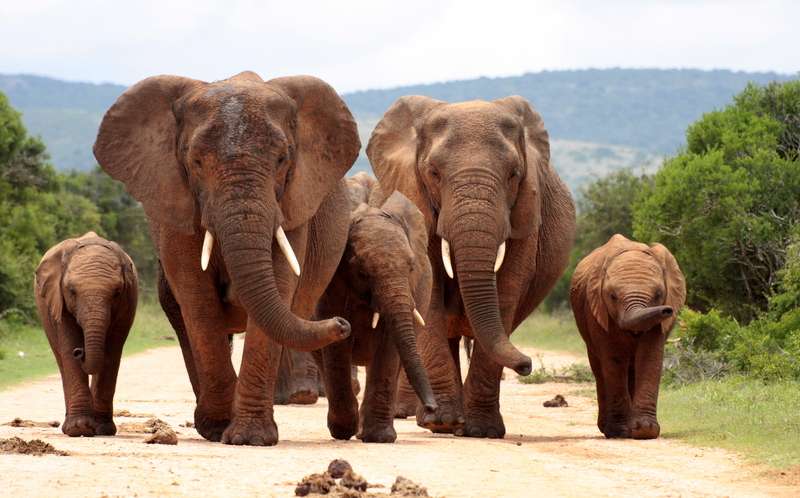

Tipping in South Africa is more than just a formality. It’s a way to show appreciation for great service while directly supporting the people who help make your trip memorable.
That said:
Tipping is never compulsory in South Africa, but it’s part of the culture.
Here’s the deal:
Knowing when, where, and how much to tip goes a long way in leaving a positive impact and avoiding feeling unsure of what’s appropriate when the bill comes around.
In this guide, we’ll break down tipping etiquette across various scenarios in South Africa, update you on best practices, and clear up any common misunderstandings.
Take note:
It is important to note that tipping in South Africa should be done in the local currency (Rands). It is also important to note that although gratuity in South Africa is at your discretion, we do encourage tipping people generously for good service.

Many people in South Africa’s service industry rely on tips to supplement their income.
The bottom line?
Wages for positions like waitstaff, petrol attendants, hotel cleaners, and game rangers are often low, and tipping provides a much-needed financial boost.
The cost of living in South Africa can be high, particularly in major cities like Cape Town and Johannesburg. Expenses such as rent, transport, and food continue to rise, and many service workers only earn a minimum wage, which is not enough to cover basic living costs. Your gratuities provide a financial buffer and help individuals and their families maintain a better quality of life.
The good:
Another reason giving a gratuity in South Africa is important is the level of personal service you’ll often receive. South Africans are known for their warm hospitality and dedication to making guests feel at home. By tipping, you acknowledge the tour guide who goes the extra mile and the hotel staff who make your stay as comfortable as possible. This helps workers feel valued and motivated to continue providing outstanding service.

There’s no universal rule for tipping in South Africa, but here are some general guidelines to keep in mind:
Now, let’s break it down by specific industries!
Tipping your waiter or waitress is standard practice if you’re dining out in South Africa. Here’s a quick rundown on how much to tip and other things to keep in mind.
How much do you tip in restaurants and cafes?
Should you tip in cash or with a card?
What if the service is bad?
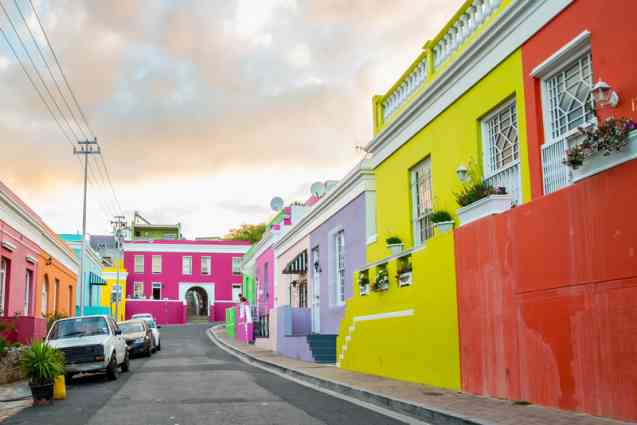
Heading to a rooftop bar in Cape Town or pub hopping in Joburg? Tipping is not as structured in these establishments, but a small gratuity goes a long way in showing appreciation for good service.
How much do you tip in bars and pubs?
Bartenders vs. Table Service
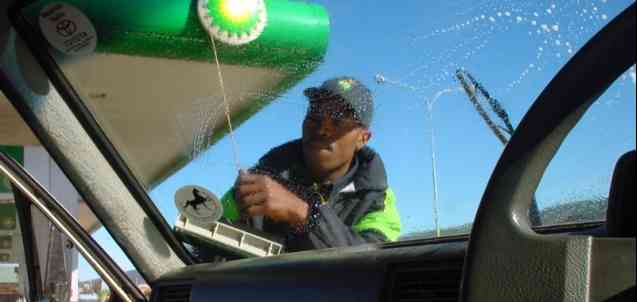
Getting around SA often involves a mix of metered taxis, ride shares, private transfers, and traditional minibus taxis. Each service has its own tipping customs in South Africa, which are used to show gratitude for good service, safety, and professionalism.
Taxi Drivers & Rideshares (Uber, Bolt, etc.)
Private Transfers & Chauffeurs
Airport Porters

Tipping hotel and lodge staff while travelling in South Africa is customary, particularly in high-end establishments with more personalised service. Here’s how to correctly tip the people behind the scenes.
Hotel Staff
Safari Lodges & Game Reserves
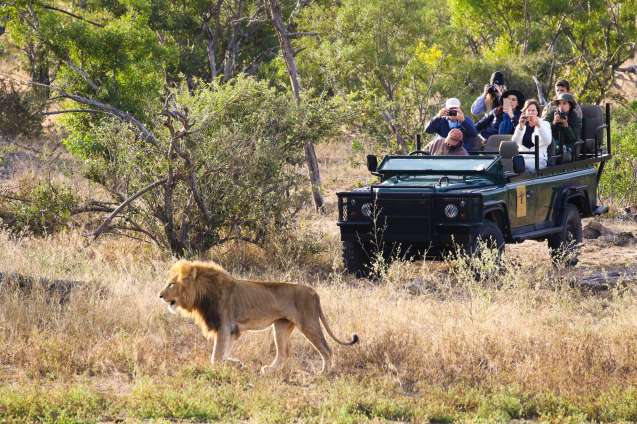
Safari experiences come with highly trained guides, trackers, and staff who work hard to make your stay unforgettable. Safari guides are responsible for you in the bush. They keep you safe, point out near-invisible animals, and have encyclopedic knowledge about the bush and animals. Trackers, on the other hand, have intimate knowledge of the bush and the signs that animals leave. A good tracker and guide team will provide you with a safari experience of a lifetime and should be tipped well.
Many game lodges have a communal tipping box at reception, so you can leave one gratuity that gets fairly distributed among all staff members.
For a more in-depth guide to tipping beyond South Africa, see Tipping on African Safaris - who & how to tip.

Beyond restaurants and hotels, many service professionals in South Africa appreciate a small tip as a token of appreciation for their work. Here are some common situations where leaving a gratuity is customary:

The customs for tipping in South Africa can vary depending on location, industry, and personal beliefs. Understanding these nuances ensures that your tipping etiquette is appropriate and respectful.
If you're unsure how much to tip any service industry worker in South Africa, the local custom is to tip 10% of your total bill. You can pay more than this, at your discretion, for exceptional service. However, you are not obliged to leave a gratuity in SA should you have a bad experience with a service provider.
It is important to note that although generosity is appreciated, there is a difference between tipping well for good service and giving handouts to strangers. Giving cash to people asking for money has been shown to exacerbate social problems and aggravate dependency. The better option would be to donate to a local charity or non-profit organization.
If you have any questions about travelling to Africa or South Africa and planning your trip - talk to a seasoned African travel expert based in South Africa.

Below you'll find further reading and articles related or similar to this post.




Call us toll free from US/Canada on 1-888-414-6513, or from the UK on 0-808-189-1052. All other countries can contact us on +27 21 791 0878.
© 2026 African Budget Safaris | Privacy | Terms | Cookie Policy | Consent Preferences











__large.jpg)