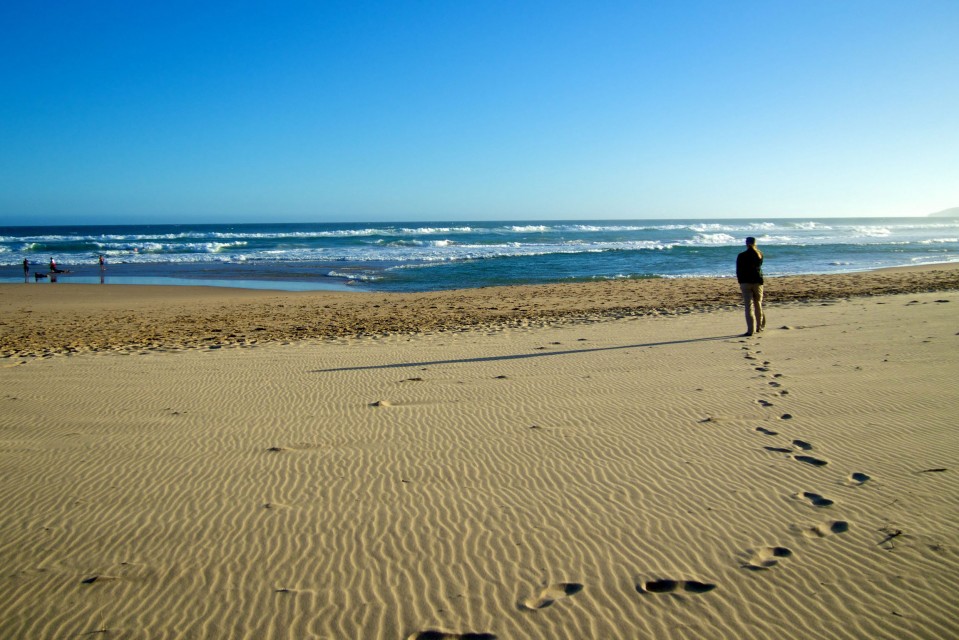

Unfortunately, most countries in southern and central Africa are considered high-risk malaria areas, but there are large parts of southern Africa that are malaria-free or at least low-risk malaria areas. Here are some malaria-free game parks in South Africa.
Anti-malaria precautions are not necessary for South African safaris to Cape Town, the Garden Route, Durban, Johannesburg, Pilanesberg or destinations in any of the malaria-free provinces. Please note that if these South African tours to malaria-free areas also visit malaria-risk areas and game parks, then anti-malaria medication is recommended.
For help planning family safaris see How to Plan a Family Safari with Kids.
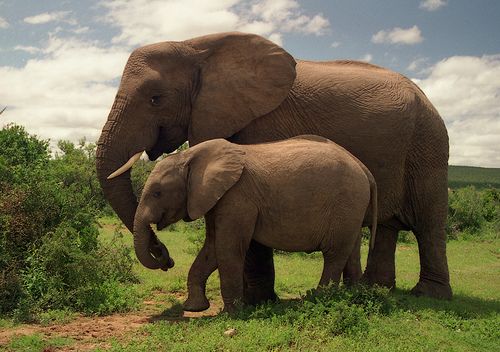
Although the North West and Northern Cape Provinces are also considered malaria-free, there are in fact some low-risk areas along the Molopo and Orange Rivers, near the Botswana and Namibia borders. These low-risk areas of the Kalahari Desert include Augrabies Falls and the Kgalagadi Transfrontier Park, where seasonal precautionary measures to prevent mosquito bites are recommended.
The Kingdom of Lesotho, a small landlocked country surrounded by South Africa, is also malaria-free. Although it is not a wildlife safari destination, Lesotho is a travel highlight with its pony trekking, beautiful mountain scenery and cultural richness.
Check out our Budget Lesotho Safaris.
Note: The Lesotho tours are only malaria-free if they do not also visit Kruger Park and Eswatini (or other malaria areas).
Another option is to go on a wildlife safari in a low-risk malaria area, preferably during the low-risk seasons outlined further down.
All game parks in the Lowveld of Mpumalanga and Limpopo Provinces, and north-eastern KwaZulu-Natal (Maputaland coast) fall in malaria territory. Check with your doctor or local travel clinic to determine if anti-malaria medication is recommended, especially in the malaria season.
If you plan on going scuba diving in the northern part of KwaZulu Natal (or other malarial areas) then you will need to avoid certain anti-malaria medications, including Larium. Malaria prophylaxis containing mefloquine can cause negative side effects when combined with nitrogen. Be sure to consult your doctor to ensure that prophylaxis suitable for safe scuba diving is prescribed.
From the end of May to early September during the cold dry winter months.
May through late August are considered the best months for game viewing in and around Kruger National Park as the malaria risk is lower and the bush is less dense.
From late September / early October to May, in the wet summer months.
Throughout the year for high-risk people

Other African countries all have a malaria risk, especially during the rainy seasons, even though the risk in some areas is very low.
From November to May-June in the northern parts of the country: Boteti, Chobe, Ngamiland, Okavango, and Tutume districts/ subdistricts.
The entire country throughout the year.
The whole country throughout the year.
From November to June in the following regions: Ohangwena, Omaheke, Omusati, Oshana, Oshikoto and Otjozondjupa. Risk throughout the year exists along the Kunene River and in the Caprivi and Kavango regions.
Throughout the year in all low veld areas (mainly western parts).
Throughout the year in the whole country, including Lusaka.
Most of Kenya is a high-risk malaria area throughout the year, with some low-risk areas (including Nairobi and the highlands).
The entire country is at high malaria risk throughout the year, except for areas above 1,800m in altitude.
From November through June in areas below 1,200m and throughout the year in the Zambezi Valley. In Bulawayo and Harare, the risk is negligible.
"I wasn't bitten, so I can stop taking my prophylaxis"
The female anopheles mosquito is known as 'the silent killer' for good reason. This mosquito does not buzz loudly, so it may go unnoticed. The reaction to the mosquito bite may also be mild enough to go undetected.
"Prophylaxis need only be taken while in a malaria area"
It is extremely important to continue taking malaria prophylaxis for 4 weeks after leaving a malaria area. Consult your doctor.
To find out everything you need to know about malaria, see our blog post - Malaria Made Simple.
For more information about malaria-free family safaris in southern Africa or for information about malaria precautions and areas, contact African Budget Safaris.
Explore these destinations mentioned in this post.
Below you'll find further reading and articles related or similar to this post.




Call us toll free from US/Canada on 1-888-414-6513, or from the UK on 0-808-189-1052. All other countries can contact us on +27 21 791 0878.
© 2026 African Budget Safaris | Privacy | Terms | Cookie Policy | Consent Preferences





__medium.jpg)