The best time to visit Madagascar is from May to October, during the dry season. This dry season window is widely considered the best overall Madagascar travel period for safaris, hiking, and beach combinations.
Planning Tip: Why Timing Matters More in Madagascar
Madagascar is logistically more complex than many mainland African destinations. Limited domestic flights, long overland routes, and a small selection of quality lodges mean that choosing the right month can simplify everything — from road conditions to wildlife viewing to beach access. Getting the timing right is often the difference between a smooth, well-paced itinerary and a frustrating one.
That said, Madagascar is not a one-season destination. The ideal month depends on whether you’re planning:
This guide breaks down Madagascar’s weather by month, dry vs rainy season differences, regional travel timing, and when to book for the best availability and value.
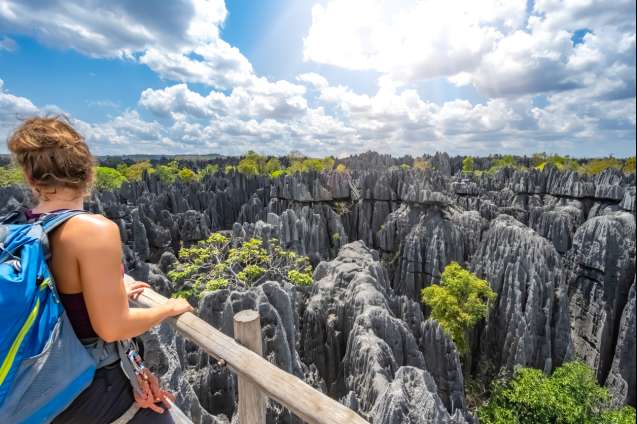
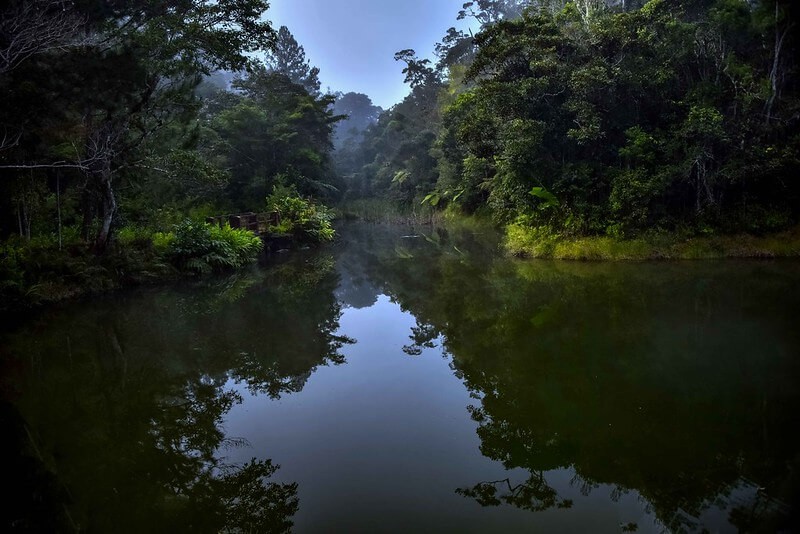
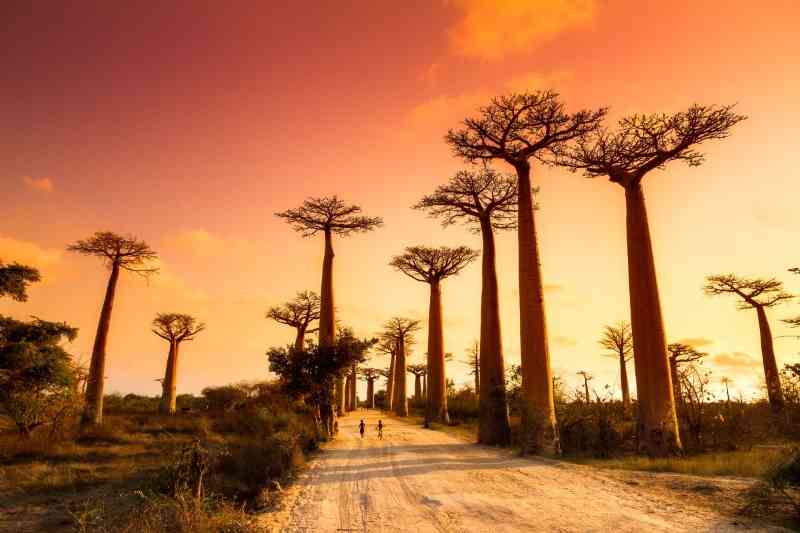
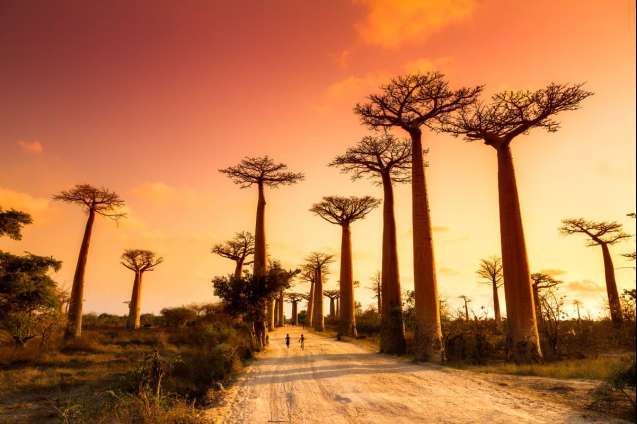
Madagascar is a vast island in the Indian Ocean, and its size and varied terrain create distinct regional climates. The central highlands are cooler and drier, the east coast is humid and tropical, and the west and south are significantly drier, with semi-arid landscapes and baobabs.
The country has two main seasons: a dry season from May to October and a rainy season from November to April. Understanding these regional differences helps you design a smoother, more reliable itinerary. The rainy months bring heat, humidity, and cyclone risk along the east and north coasts, while the dry season offers cooler temperatures and the most reliable conditions for safaris and beach travel.
This is Madagascar’s main safari season.
What to expect:
Best for:
This is the most reliable time for Madagascar travel packages and is considered peak safari season.
Planning Tip:
Because this is peak Madagascar safari season, lodge availability tightens quickly, especially in Andasibe, Isalo, and Nosy Be. If you are targeting travel between June and October, early planning is strongly recommended to secure the best routing and accommodation options.
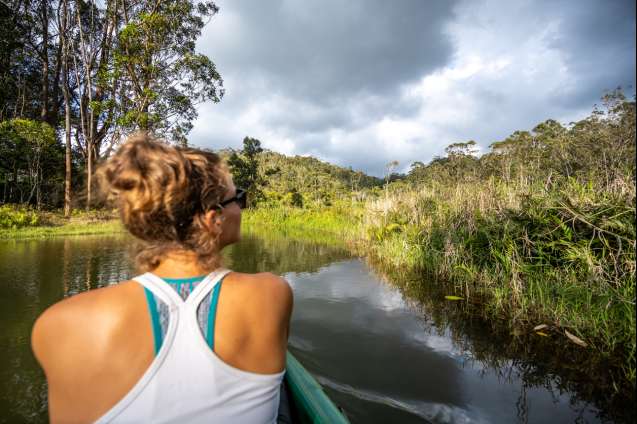
This is Madagascar’s green season.
What to expect:
Best for:
Cyclones mainly affect the east and north coasts between January and March. Southern overland routes are typically less impacted, though heavy rains can still affect road travel. For flexible travellers focused on value rather than perfect weather, this period can offer lower rates, but itinerary design becomes more important.
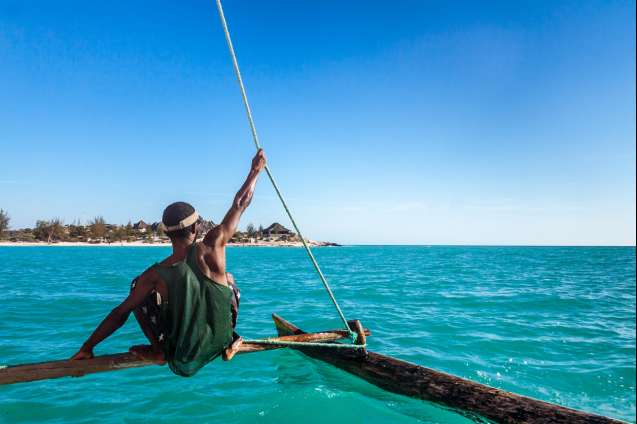
Peak rainy season. Hot, humid, and cyclone-prone in coastal areas. Some remote roads may be inaccessible.
Transitional month. Rain decreases, landscapes remain green, and pricing improves before peak season.
Dry season begins. Excellent time for wildlife and travel value.
Cooler and drier. Prime Madagascar safari season with optimal wildlife viewing conditions.
Warmer but still dry. Excellent for combining jungle and beach itineraries.
Early rains return. Good shoulder-season pricing with active wildlife.
Increasing humidity. Festive travel demand raises pricing.
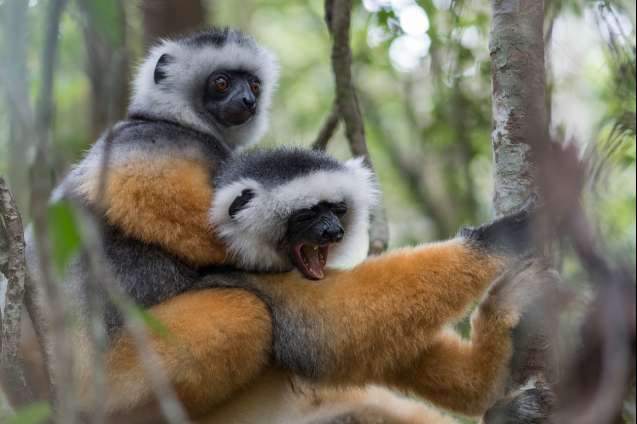
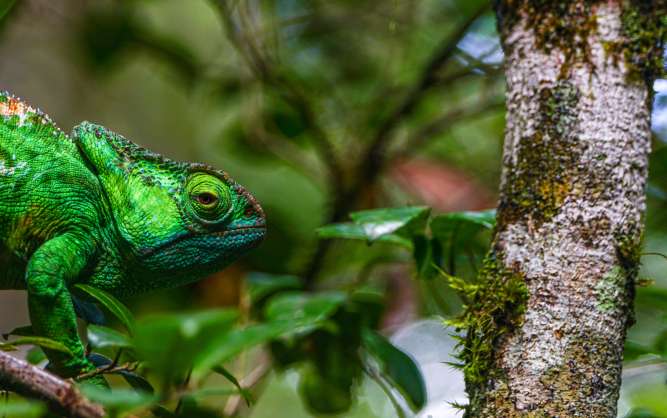
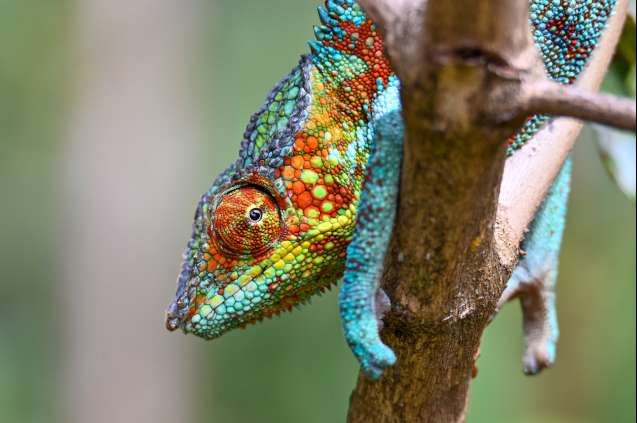
Madagascar’s wildlife is endemic and forest-based, so seasonality affects accessibility more than animal migration patterns.
The best overall safari season: May to October
Why?
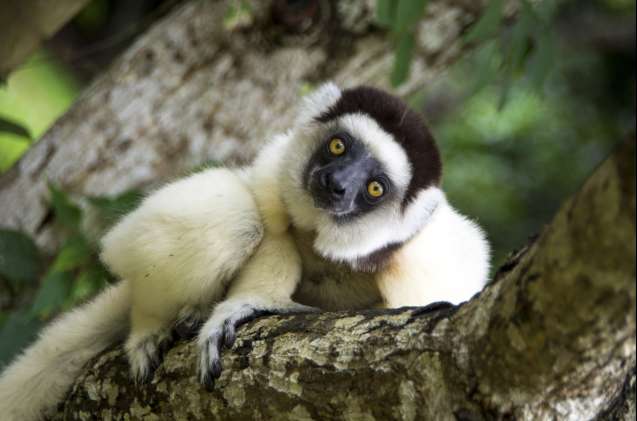
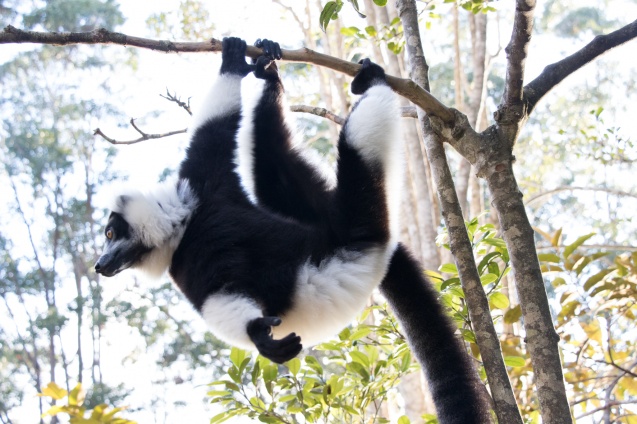
If lemurs are your main focus, the dry season offers the best trekking conditions across:
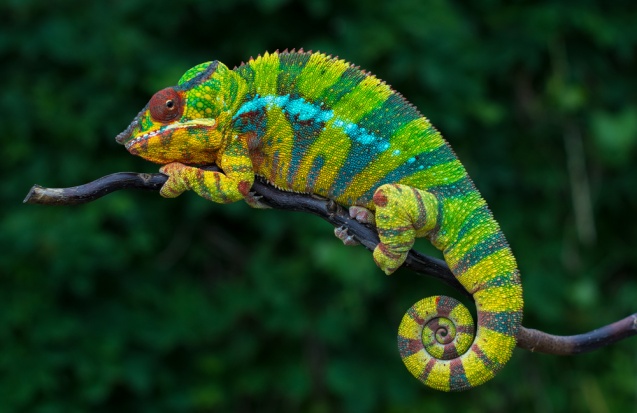
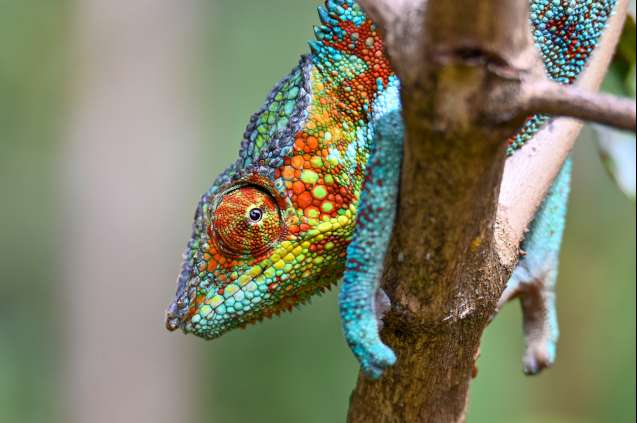
For travellers prioritising reptiles and amphibians, the early rainy season in November and December can be rewarding.
If you are combining rainforest parks with southern landscapes, the dry season allows smoother transitions between regions. Trails are firmer, river crossings are safer, and internal flights operate more reliably. This is especially important for first-time Madagascar travellers building multi-stop itineraries.
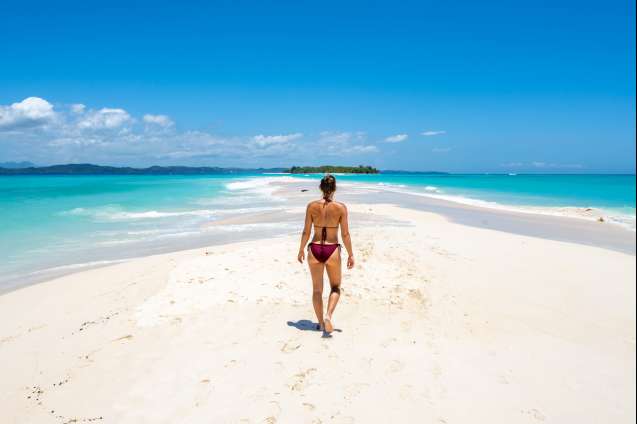
Madagascar’s climate varies dramatically from north to south, so timing your visit depends heavily on where you plan to travel. Understanding the regional weather patterns helps you choose the best months for beaches in the north, overland adventures in the south, or rainforest trekking in the east.
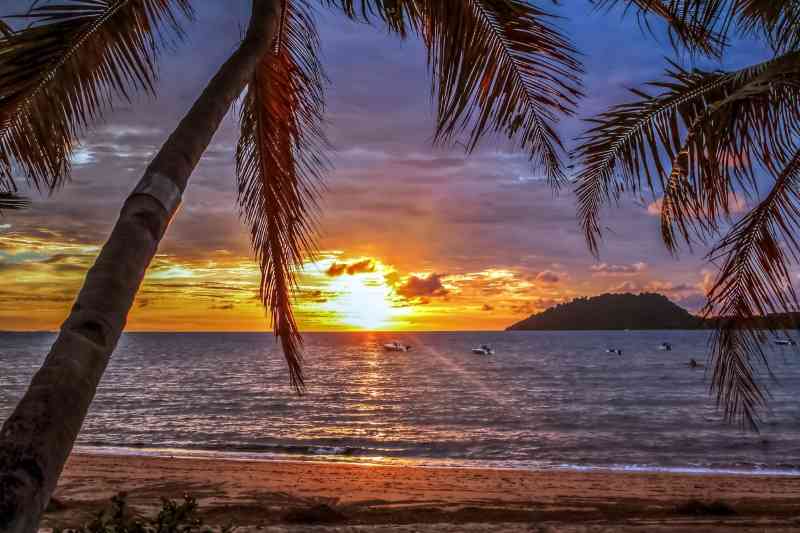
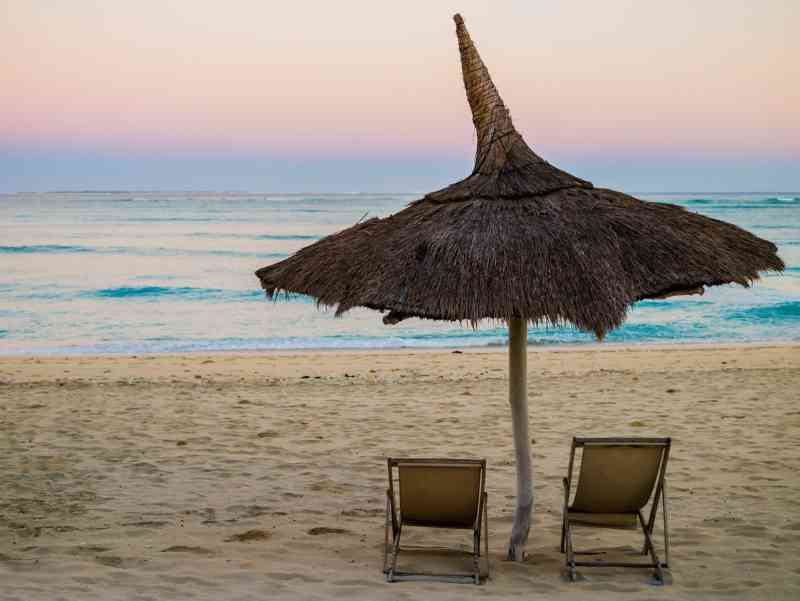
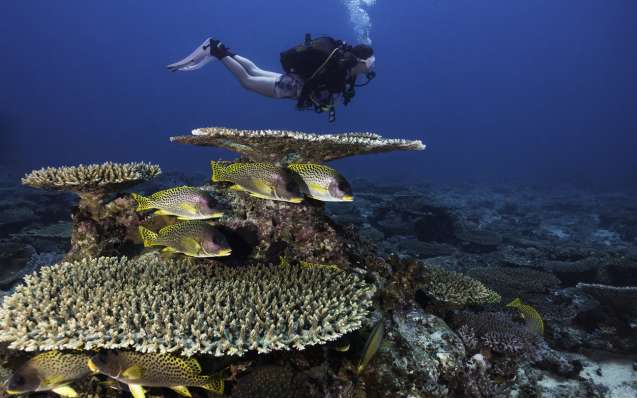
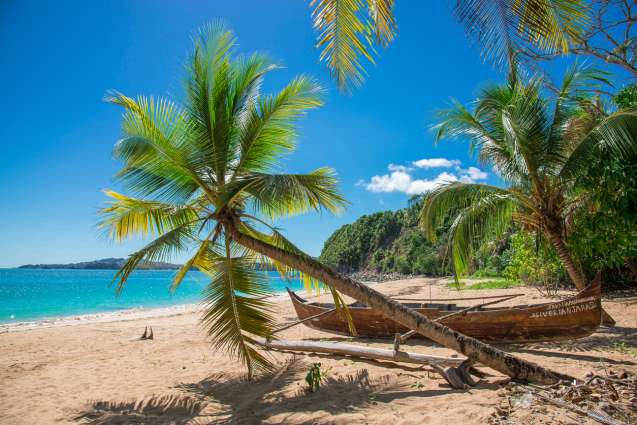
Nosy Be beach holidays are best between June and October, when seas are calm and rainfall is minimal.
January to March carries the highest cyclone risk in northern coastal regions.
Planning Tip:
This region suits travelers looking to unwind after a wildlife-focused circuit. It is also well suited to honeymoon itineraries that combine jungle exploration with calm, clear-water beach days. June to October delivers the most reliable sea conditions and strongest overall comfort.
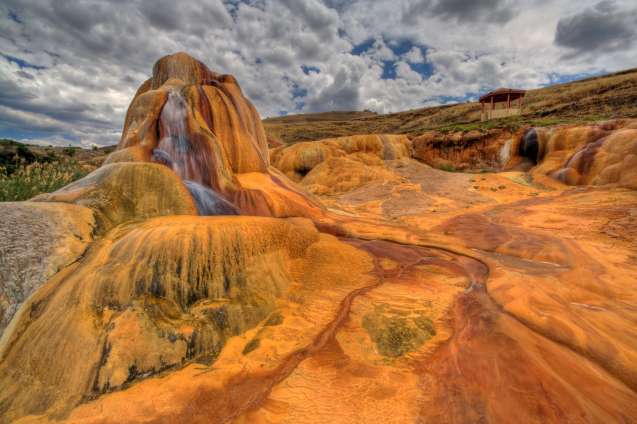
From November onward, heat intensifies, and rains may disrupt overland travel.
If planning a southern circuit Madagascar safari tour, aim for May to September.
Planning Tip:
The southern circuit involves longer driving distances and more remote infrastructure. Traveling during the dry season significantly improves comfort and reliability, particularly for overland safari-style routes linking Antananarivo, Isalo, and the southwest coast.
__medium.jpg)
Read our guide to Madagascar safari by regions.
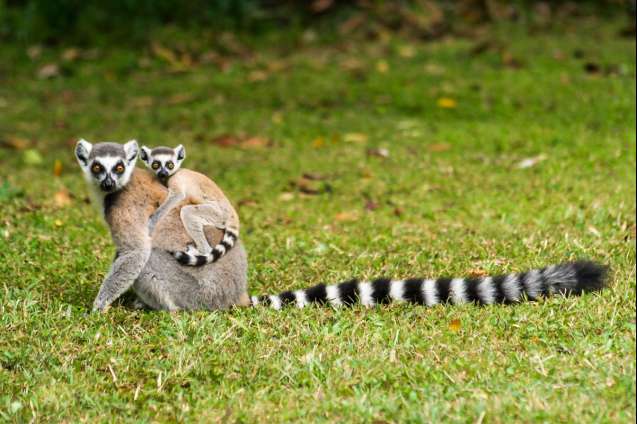
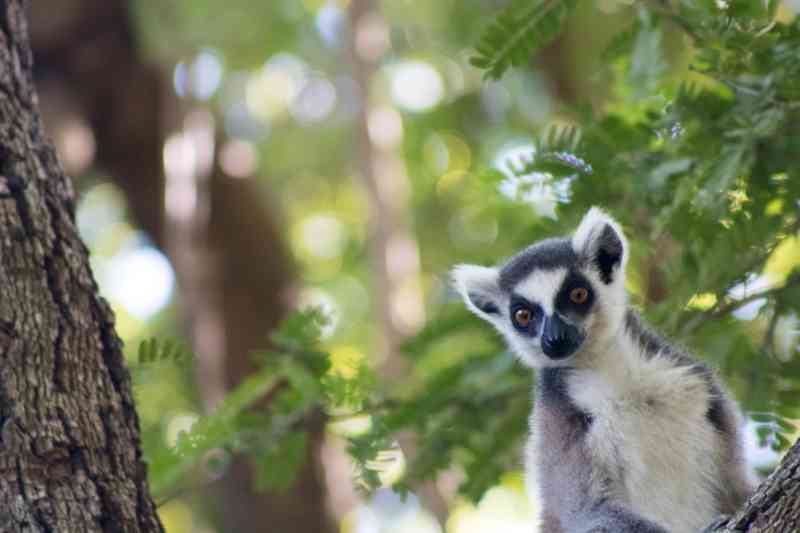
The best time for Madagascar lemur tours is May to October, during the dry season.
This period offers:
November and December are good for seeing newborn lemurs and lush forest scenery before peak cyclone months.
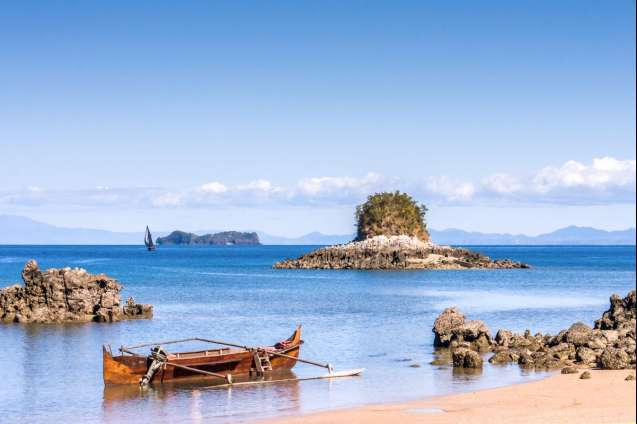
The best time to visit Nosy Be is from June to October.
During these months, you’ll experience:
May and November are strong shoulder-season months with fewer visitors.
Avoid January to March for beach-focused travel due to cyclone risk and rough seas.
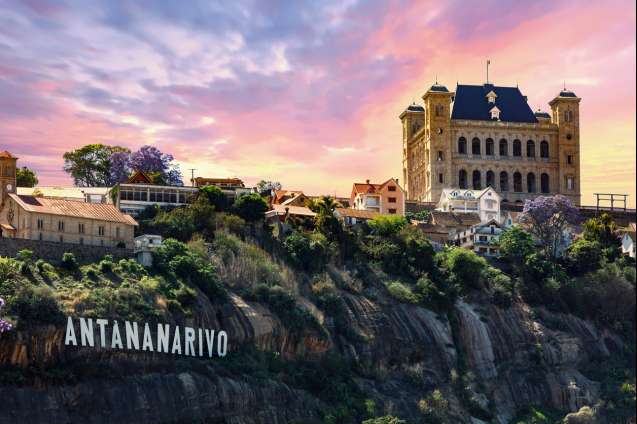
For couples planning a Madagascar honeymoon package, aim for:
The most affordable period is typically:
However, this is also cyclone season.
The best balance between price and conditions is often:
These shoulder months offer reduced rates on Madagascar travel packages with manageable weather risk.
Planning Tip:
Travelers focused on value often target April, May, or November. These shoulder months balance improving weather with lower demand and can provide better accommodation choices at more competitive rates.
Madagascar has fewer lodges and domestic flight connections than most African safari destinations. Availability during the dry season is limited, especially in boutique properties and beach extensions.
Securing dates early ensures:
Madagascar rewards early, thoughtful planning.
Our Madagascar specialists have firsthand experience designing safari and beach combinations across the island. For inspiration, read Dan’s Madagascar trip report.
For most travellers, the best time to visit Madagascar is May to October, during the dry season.
This period offers:
However, the “best” time ultimately depends on your goals, budget, and tolerance for weather variability.
If you’re planning a Madagascar safari tour, beach escape, honeymoon, or multi-region overland journey, timing shapes the entire experience.
Speak to one of our experienced safari consultants and let us help you find the perfect Madagascar safari for your budget and travel style.
If you are unsure whether to prioritise wildlife density, beach conditions, pricing, or route accessibility, aligning your travel goals with seasonal realities is key. A short planning discussion can clarify the ideal regions, routing sequence, and booking window based on your dates and budget.
Madagascar is extraordinary, but timing determines how smoothly and comfortably you experience it.
May through October are the best months due to dry weather and easier wildlife viewing conditions.
Cyclone season typically runs from January to March, mainly affecting the east and north coasts.
Yes, but May to October offers the most reliable travel conditions.
The dry season from May to October provides the best trekking conditions and visibility.
June to October offers calm seas and sunny weather, ideal for beach holidays.
Explore these destinations mentioned in this post.
Below you'll find further reading and articles related or similar to this post.




Call us toll free from US/Canada on 1-888-414-6513, or from the UK on 0-808-189-1052. All other countries can contact us on +27 21 791 0878.
© 2026 African Budget Safaris | Privacy | Terms | Cookie Policy | Consent Preferences


__thumb.jpg)

__large.jpg)