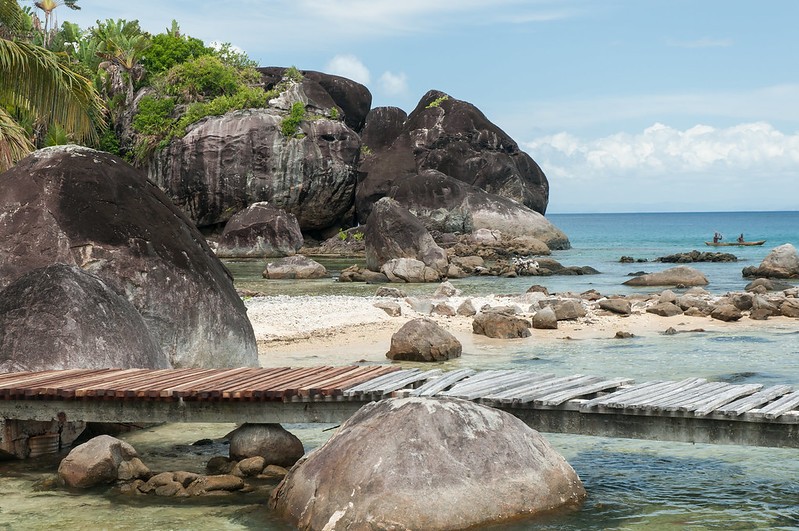
We love Madagascar for its unspoiled nature and its incredibly diverse scenery and unique animals. And then there are the palm-fringed beaches and islands. It is a relative newcomer to the tourist scene and, as a result, offers a wilder experience. Due to threats to the natural habitat by proposed mining operations, this may, unfortunately, not remain so. Now is the time to experience it.

As Daniel, one of our travel consultants, said on his return from magical Madagascar:
Madagascar was incredible and has so much to offer. Certainly a destination you can visit multiple times, as it has different climatic zones. You can get wildlife, nature, beach, mountains, rich cultural history, delicious cuisine/seafood. All packed into this very unique and welcoming island. I would love to visit again soon.
Madagascar, the fourth largest island in the world, is located off the East coast of Southern Africa. The mainland covers just under 600,000 km², and numerous small islands just off Madagascar’s coast are included in the country.

It is reached by flying into the capital, Antananarivo, which has an international airport. Travel within the country is often by small plane as many of the roads are in bad condition. These will be arranged for you when you book through African Budget Safaris.
Our budget Madagascar Tours are all lodge-style trips with simple yet comfortable accommodations. Most of the Madagascar tours travel in small groups of up to 10 or 12 people, with a few of them taking up to 16 travelers.
Many of the budget Madagascar trips include transport in a 4x4 vehicle, whilst some make use of a microbus and/or 4x4 vehicle. There are also fly-in tour options which reduce the time you will spend driving between destinations. These guided group tours typically include accommodation, transfers and the meals and activities specified on the itinerary.
African Budget Safaris offers a diverse collection of Madagascar Tours for budget travelers. View our Madagascar Tour Packages.
For trip reports from our in-house travel expert, Daniel De Lapelin Dumont, see Dan’s Madagascar Travel Adventures (Part I) and Dan’s Madagascar Travel Adventures (II).
You can also go with a tailor-made tour, which is customized to suit your budget, preferences, and time constraints. These bespoke trips are private tours designed specifically for your travel party. Having your own tour tailor-made is surprisingly affordable! Helping travelers to go "bespoke on a budget" is actually one of our specialties.
Contact one of our African travel experts to create the best Madagascar itinerary for you.

Madagascar is a fantastic destination for solo travelers. We are often asked if it is a safe African destination to travel to. And the answer is yes. Madagascar is a very safe country to visit.
It's ideal for travelers with a sense of adventure and a love of nature. Whether you're a single person traveling solo, a couple, or part of a group. All of our budget Madagascar Tours welcome solo travelers. A single supplement is usually charged to cover the extra cost of accommodation for one person instead of two sharing, among other considerations. If you're thinking of traveling to Madagascar on your own, contact African Budget Safaris for advice and tips.

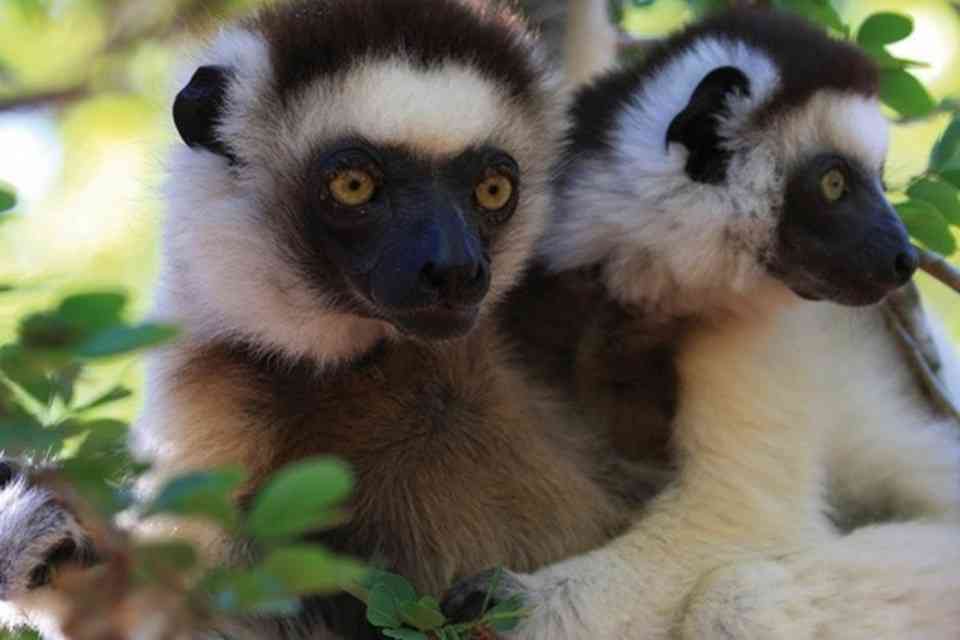
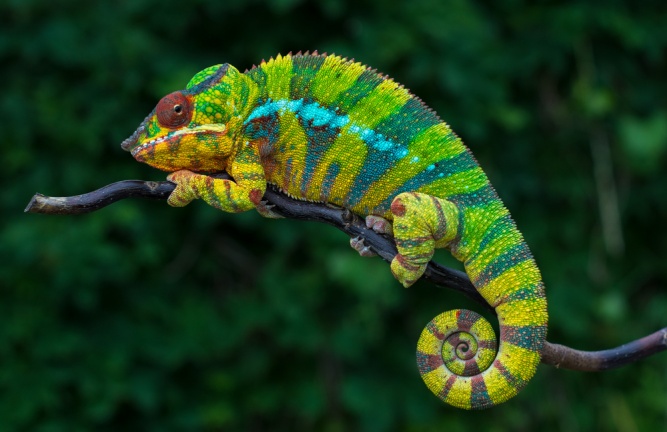
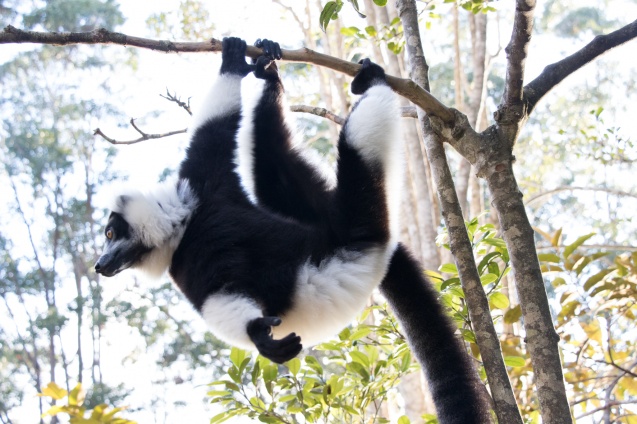
Due to the country’s vast area, and the fact that native fauna and flora evolved in relative isolation, the country contains an incredible biodiversity, with 90% of the wildlife found here not found anywhere else in the world. Think dancing lemurs, tomato-red frogs, changeling chameleons and incredible birdlife.
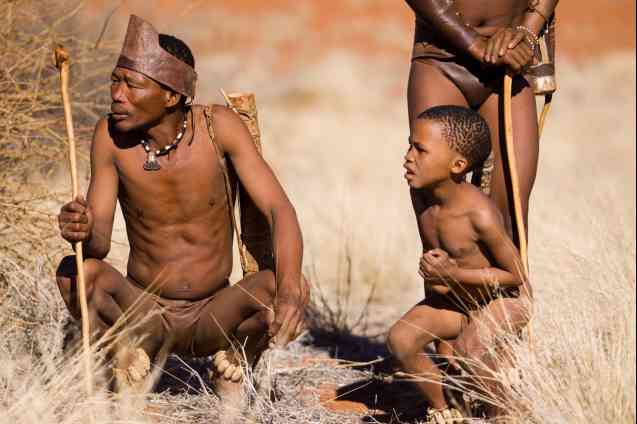
It is thought that the first humans to settle on Madagascar were from Borneo. From there, traders from southeast Africa and the Arab world joined them, establishing an important trade hub on the island, which then brought the Portuguese and French. From the late 1800s until 1958, Madagascar was a French colony, after which it obtained independence.

Malagasy and French are the official languages of Madagascar with many locals not speaking any English at all. While local operators tend to run their tours in French, the tour guides used by African Budget Safaris all speak English and when visiting the parks, specialist guides will normally be used.

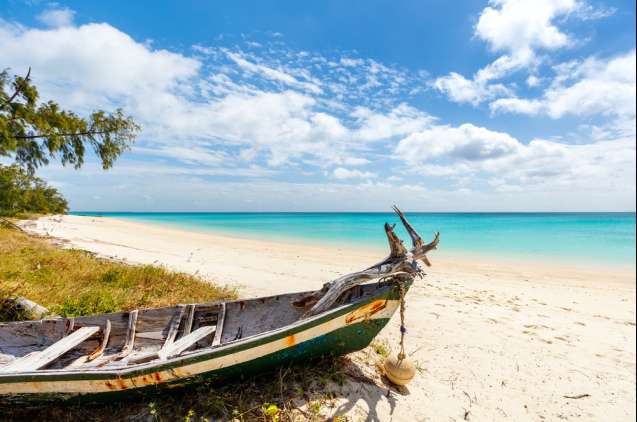
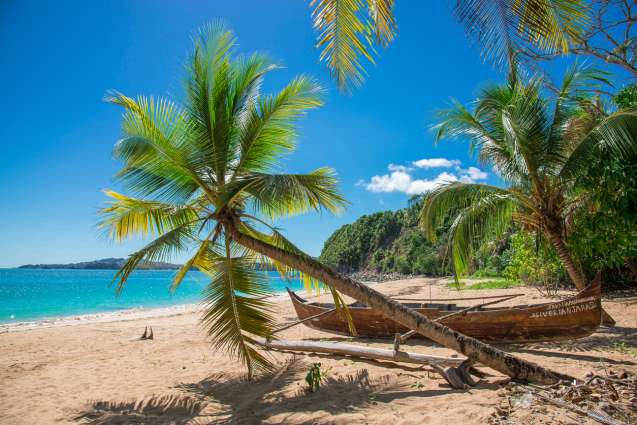
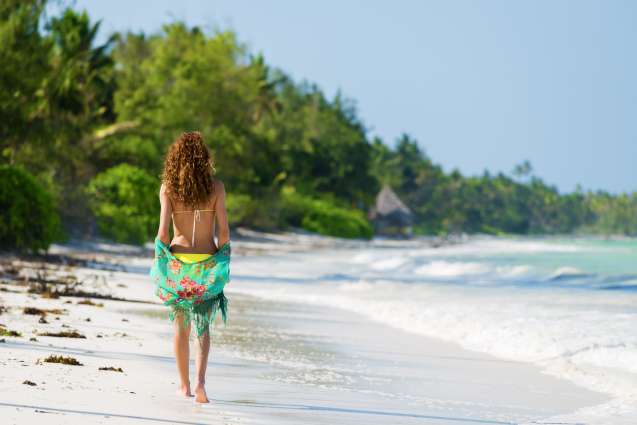
The islands and beaches of Madagascar are palm-fringed with warm, azure waters lapping onto bright white sand, especially in the north. It’s like walking into paradise. Add to this incredible snorkeling and diving spots, dhows bobbing on the tide, seafood to make your mouth water, and (in season) whales calving in the bay, you’re pretty much set for an idyllic holiday.
For tips on which Madagascan and other islands to visit, see the best African Islands for affordable vacations.

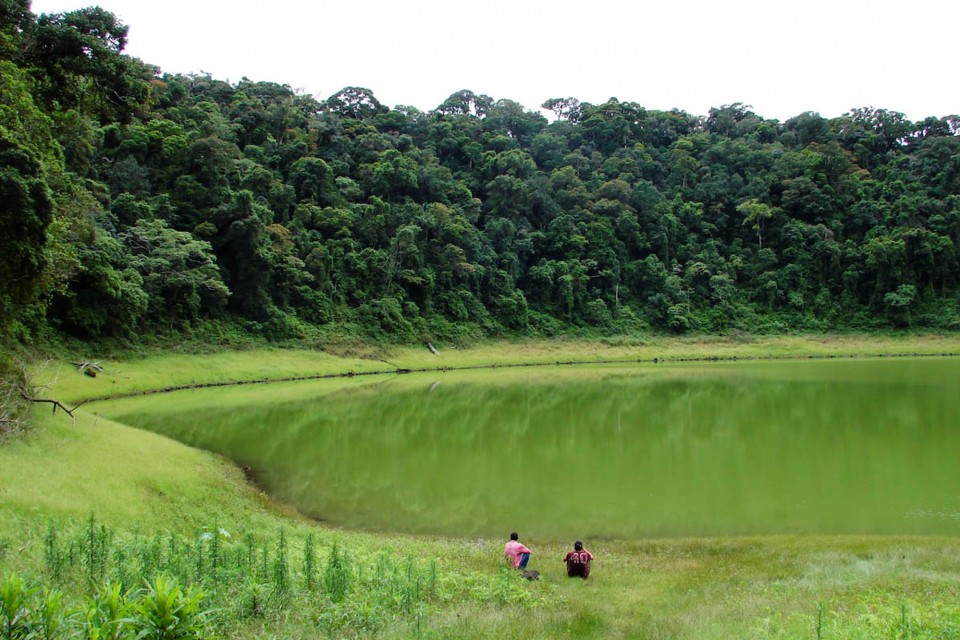
Madagascar boasts numerous national parks, each with its own attractions. Arguably the most popular is Andasibe, East of Antananarivo, a protected rainforest known for its incredible lemur sightings, huge chameleons, frogs and butterflies.

In the north, the Montagne d'Ambre National Park, situated on a volcanic massif, offers striking rainforest scenery with waterfalls and seven species of lemur. Just south of this park, is another one – Ankarana – which is known for its limestone pinnacles, sacred caves (and bats) and underground rivers.

Toward the south end of the island, the Ranomafana National Park is 41,600 hectares of pristine rainforest filled with lemurs, spectacular frogs (over 130 species!) and prolific birdlife. This park – and walks through it – is many people’s Madagascan highlight.

In the southwest, Isalo National Park offers something a little different to the rainforests of the north and east. Here, sandstone formations dominate the landscape, interwoven with deep canyons and palm-ringed pools.

It’s hard to describe the beauty of swimming in one of these spectacular natural pools.

This park, also in the far south-west, is harder to visit, so it gets fewer visitors. It is a small park, but one of the contrasting biotypes, as the southern and western types meet here. It has both dry and tropical dry forests and is a lemur lover's haven.

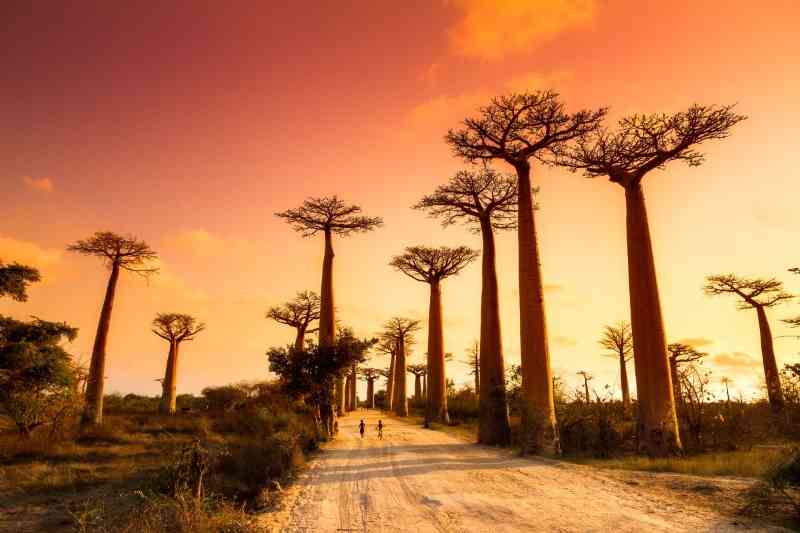
This magical dust road, lined with ancient and enormous baobab trees, is on many people’s must-see lists. It is, however, quite far off the beaten track, near Kirindy Mitea in western Madagascar, with not much else to see in the area. Keep this in mind when booking, especially if you have limited time and/or budget.
Ask any surfer worth asking and they’ll tell you that Madagascar is one of the world’s best surfing spots. Bonus: it’s almost untouched with some known spots, some secret spots, and, we’re pretty sure, some as-yet-undiscovered spots. With a coastline of just under 5,000 km, this is not hard to believe.

For the pros, the place to be is the southern and south-western coastline between March and September, where the waves will quicken the heartbeat of even the most seasoned surfer. Around Ifaty, there are numerous good quality breaks found on the offshore coral reef, so you’ll need to hire a boat and skipper to get there, and some experience is necessary – the coral reefs can be sharp.
There are numerous other known (and undiscovered) surf spots around the coastline of Madagascar to suit all ranges of surf experiences. Chat with our travel consultants and let them know what you’re looking for!
We often receive questions from clients about the risk of bubonic plague in Madagascar. Bubonic plague is not a reason to avoid travel to Madagascar. It occurs almost every year in the country, usually during the rainy season when rats seek shelter in urban areas. Bubonic plague is carried by rats and spread from rats to humans by fleas. Good insect repellents can prevent this. It can, rarely, be passed on from human to human – in only the unusual, pneumonic form – via air droplets. While there is no vaccine for bubonic plague, it is treatable with antibiotics.

A particularly severe outbreak was seen in October 2017, prompting some concern, but the Madagascar Health Ministry declared the outbreak under control in late November 2017. All tours to the country remained unaffected during this time. Neither the World Health Organization and the USA-based Centers for Disease Control (CDC) has issued any travel restrictions to Madagascar and only recommends standard precautions:
Since our clients started traveling to Madagascar (many years ago), there have been several plague outbreaks, usually between September and March, and no tourists have ever been affected. So for us, it is business as usual. The plague typically occurs in rural or slum areas of Madagascar, which are outside the tour routes we take clients on through the country.
Guides on all our tours will conduct a detailed briefing with guests upon arrival, having been fully prepared. Furthermore, they will take extra note of the guests' well-being and act quickly should anyone have a concern. Should you develop any symptoms while traveling, inform your guide immediately.

Madagascar experiences cyclones between December and March, so it is best avoided at this time. The ideal months to visit Madagascar are June to November, so now’s the time to get hold of an African travel expert and book your trip to this incredible destination.
Ready to explore magical Madagascar? View our Madagascar Tour Packages.

Below you'll find further reading and articles related or similar to this post.




Call us toll free from US/Canada on 1-888-414-6513, or from the UK on 0-808-189-1052. All other countries can contact us on +27 21 791 0878.
© 2026 African Budget Safaris | Privacy | Terms | Cookie Policy | Consent Preferences

__thumb.jpg)




__medium.jpg)