



__large.jpg)
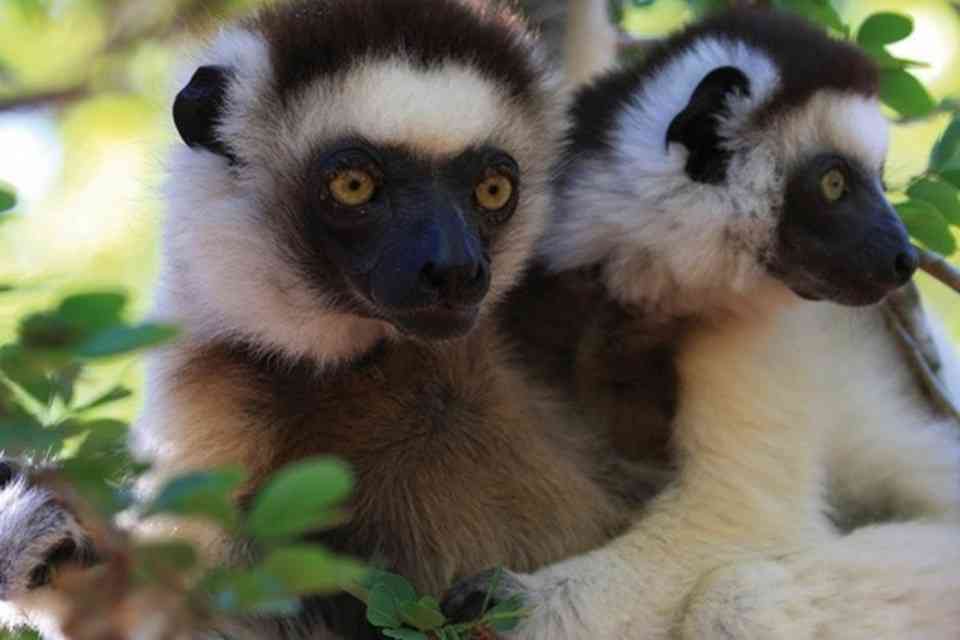
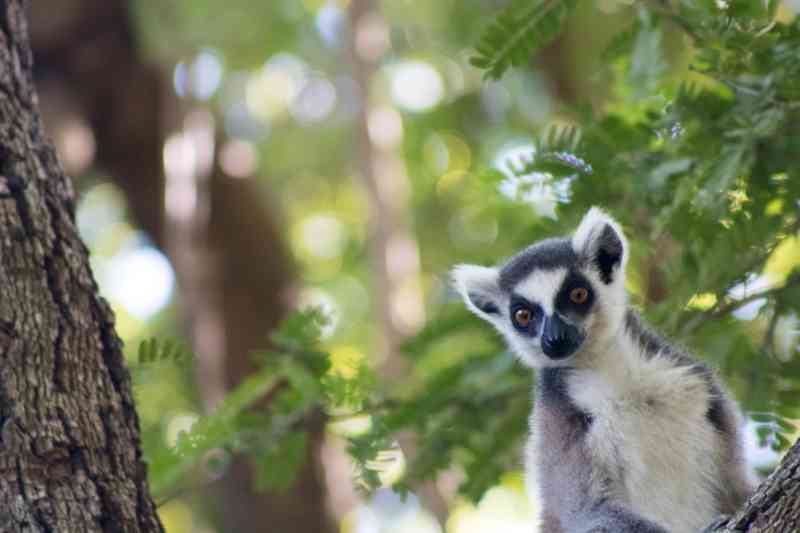
- More destinations related to Andasibe National Park:
- Madagascar
- Antananarivo

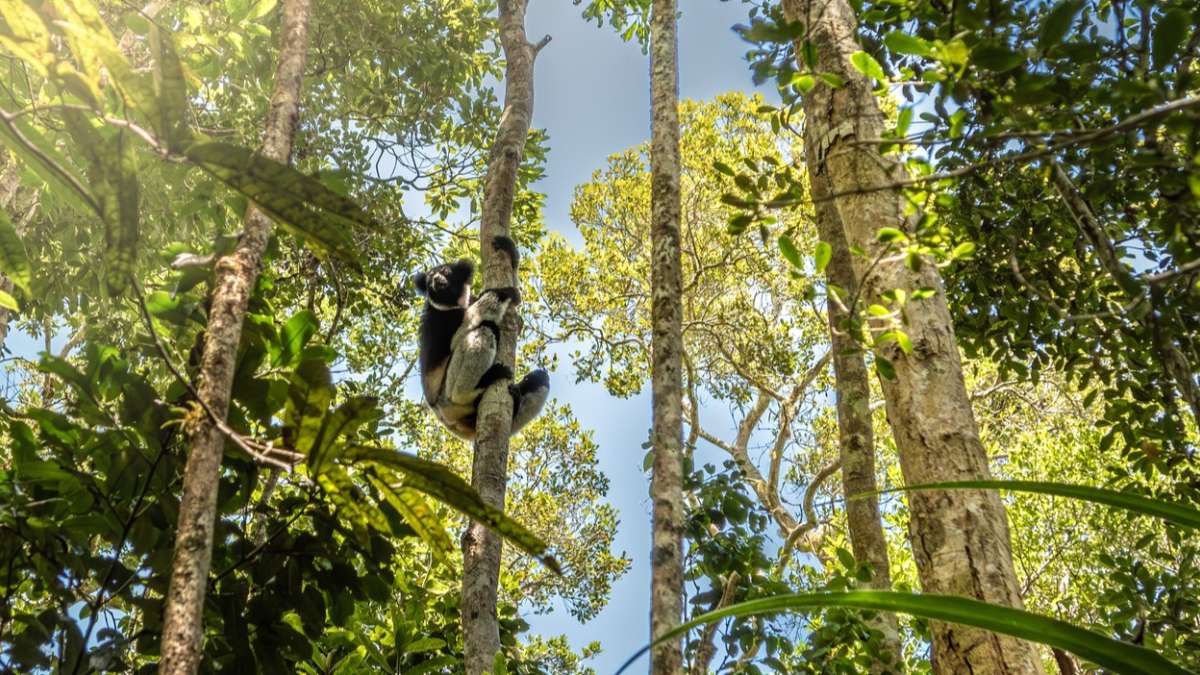
Andasibe-Mantadia is Madagascar’s top rainforest safari for a reason. Close to Antananarivo, rich in endemic wildlife, and easy to explore on foot, it delivers exceptional lemur sightings, rare birdlife, ancient primary forest, and well-developed trails, all at accessible prices. For travelers looking for affordable safaris with guaranteed wildlife encounters and immersive rainforest experiences, Andasibe offers outstanding value.
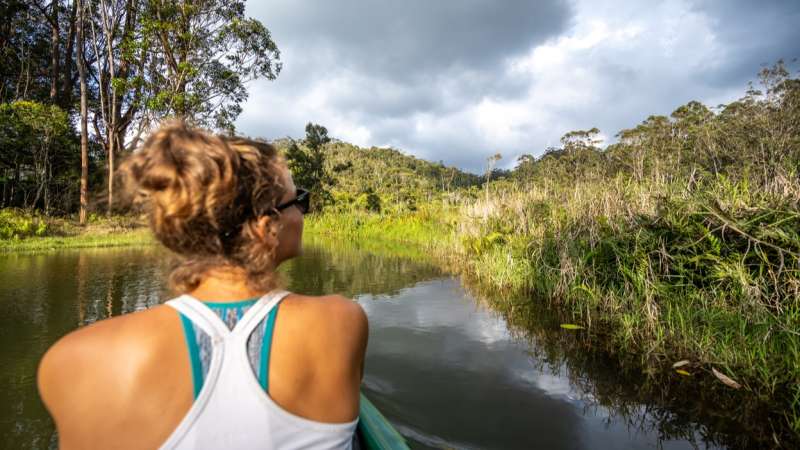
A compact yet biodiversity-rich reserve divided into two sections, combining accessibility with true wilderness.
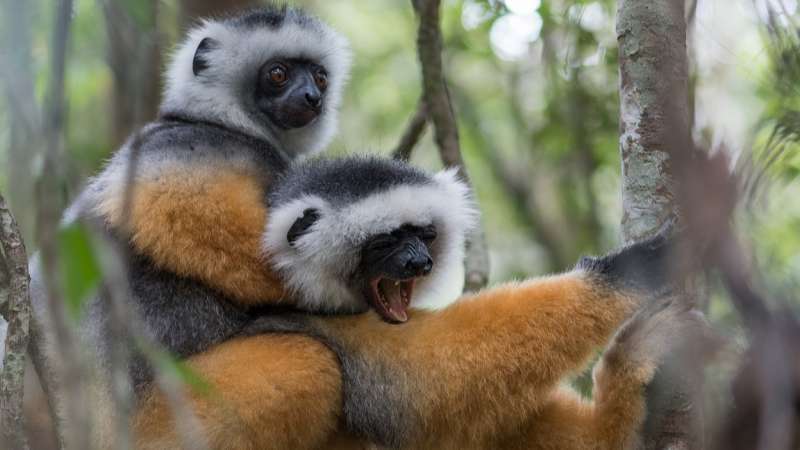
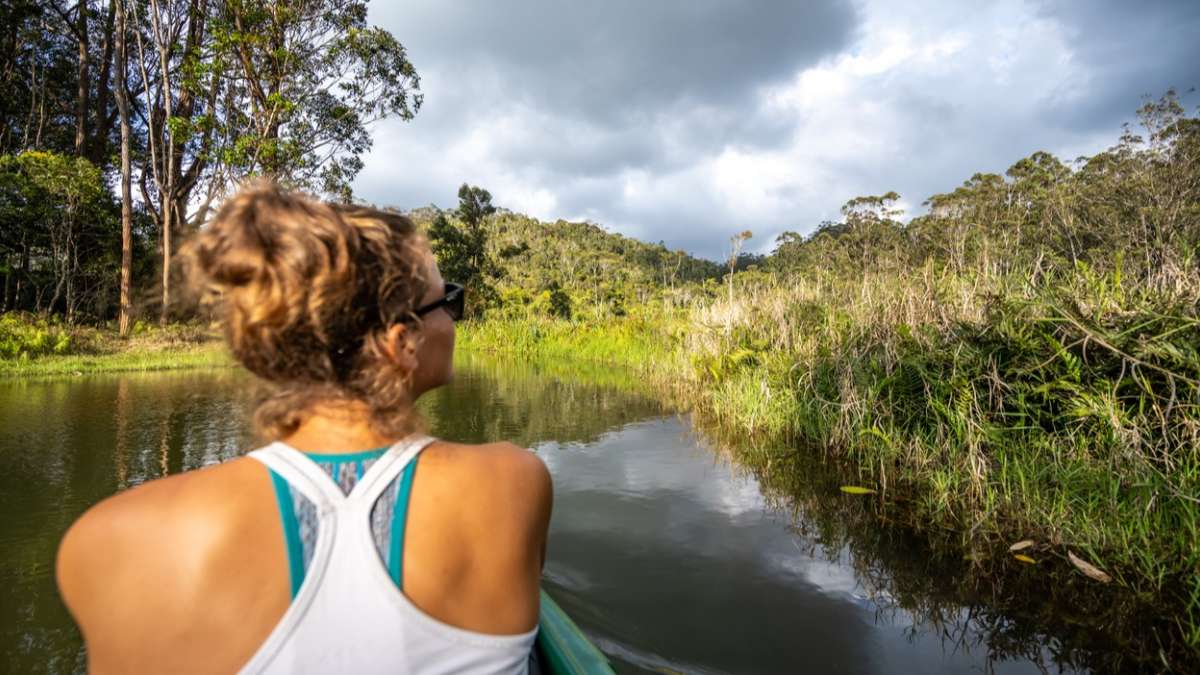
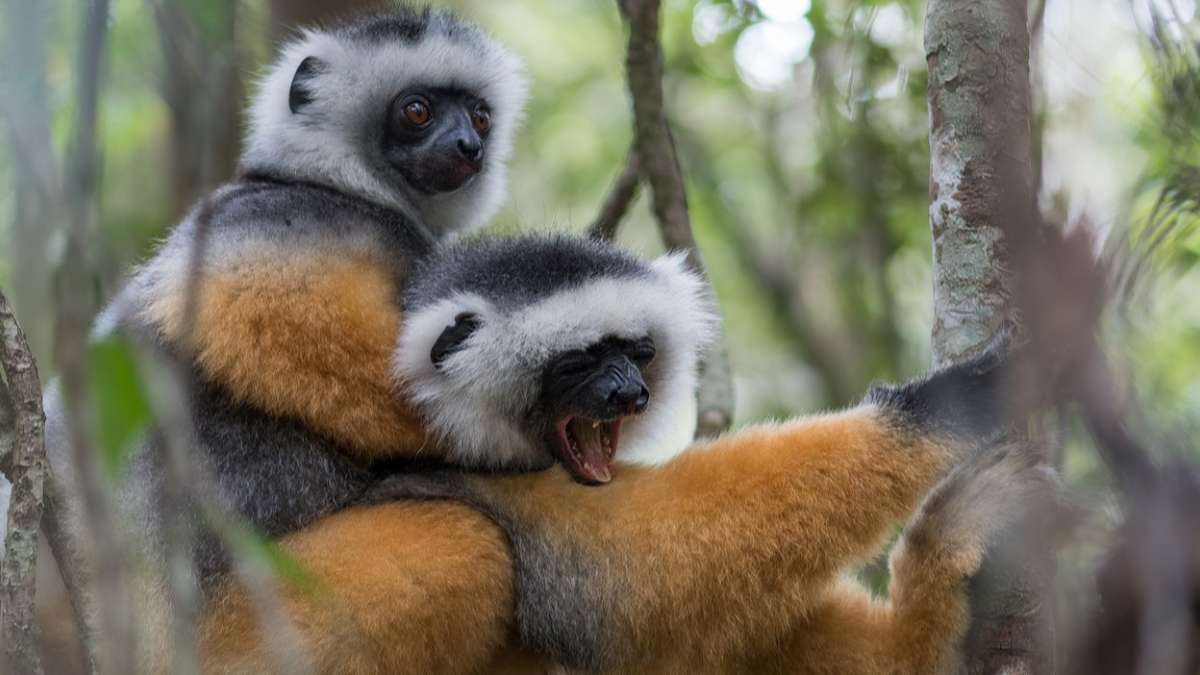
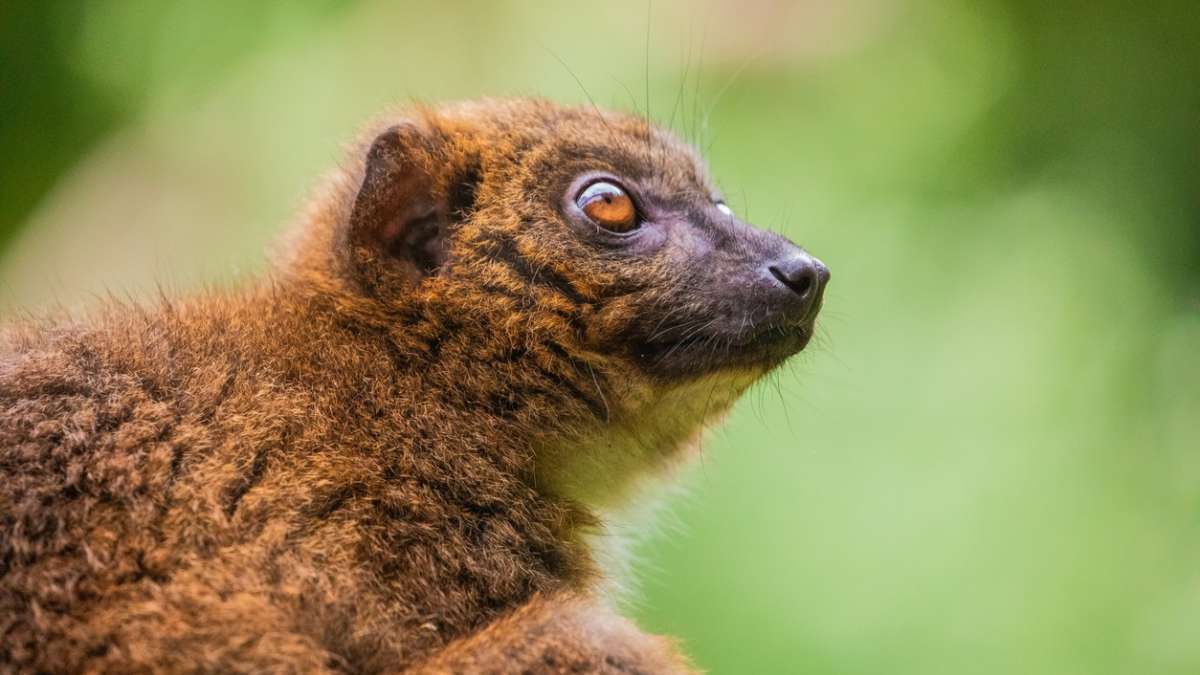
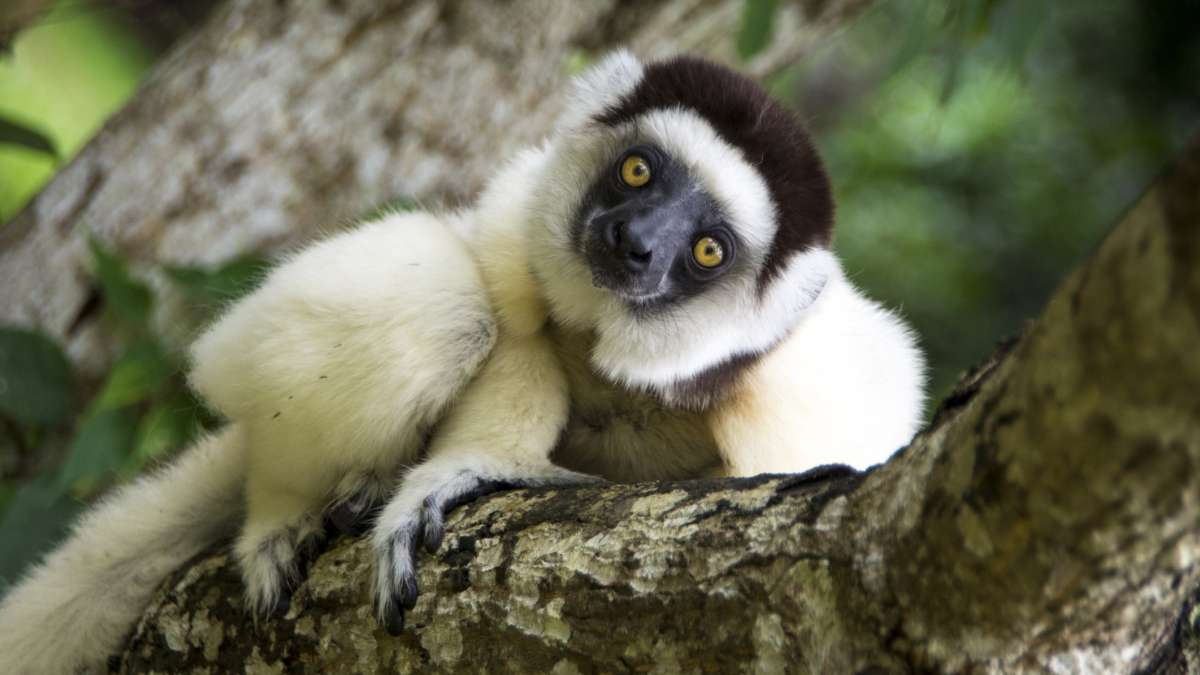
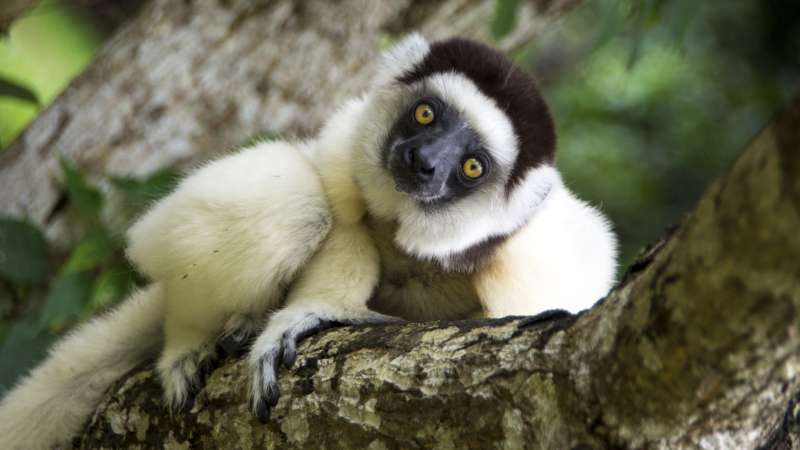
This evergreen rainforest protects 15,480 hectares of dense habitat and is one of Madagascar’s most important lemur sanctuaries. Wildlife viewing here is intimate, guided, and mostly on foot, creating immersive safari moments.
Andasibe is one of the best places in Madagascar to observe lemurs naturally and reliably, without long internal flights.
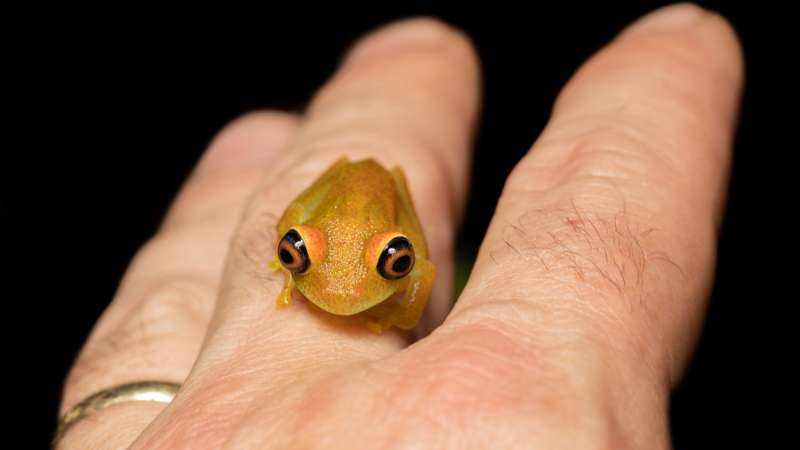
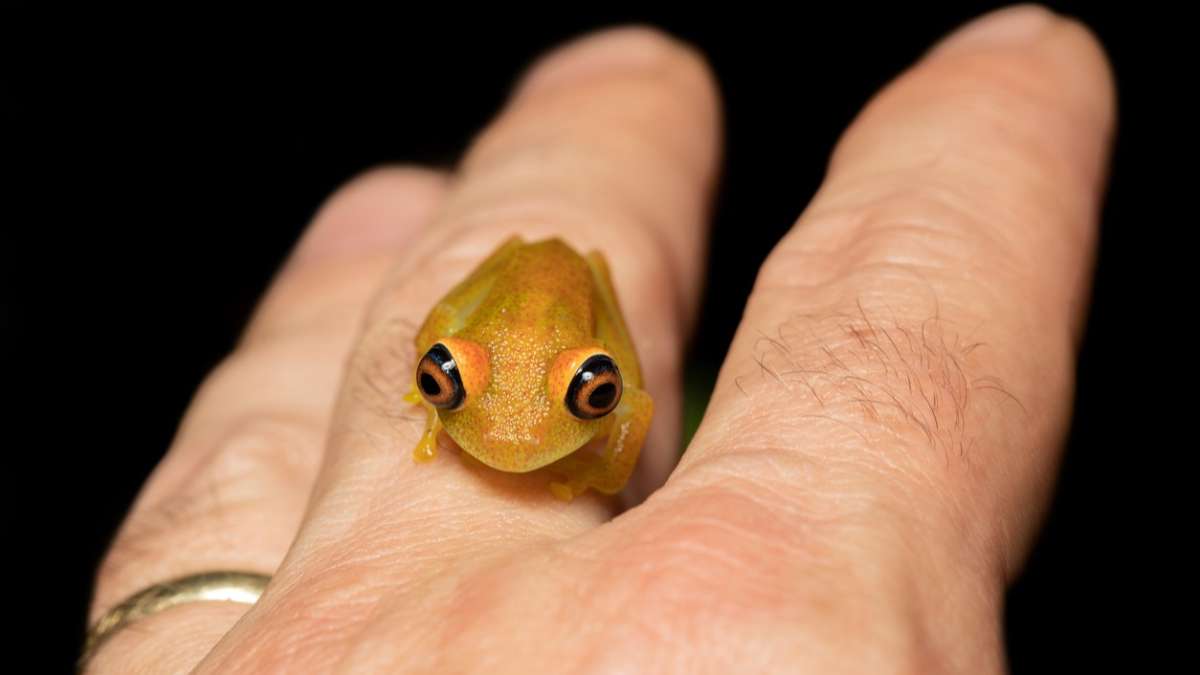
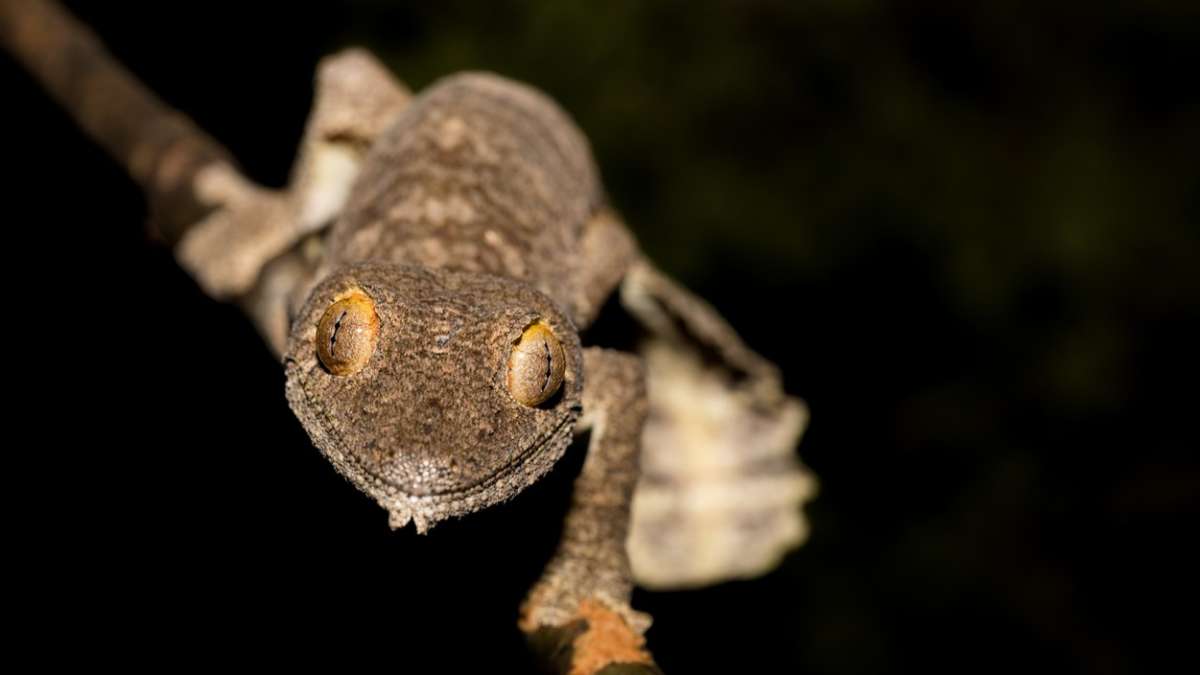
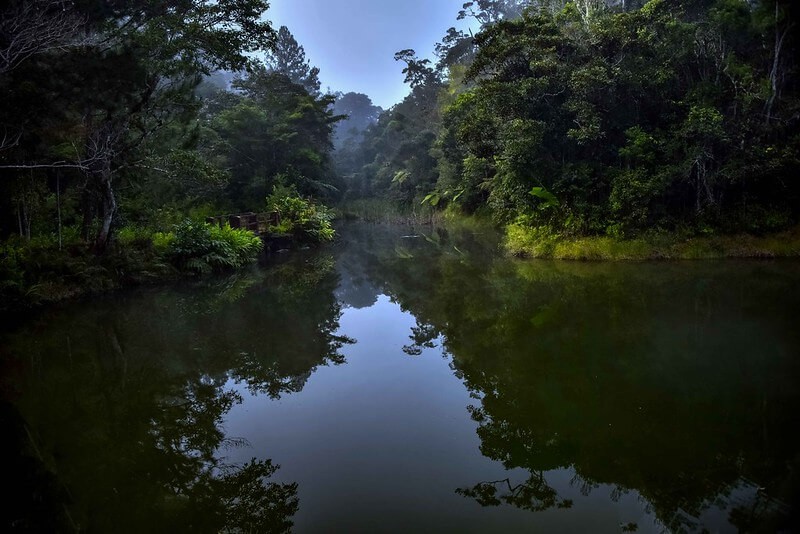
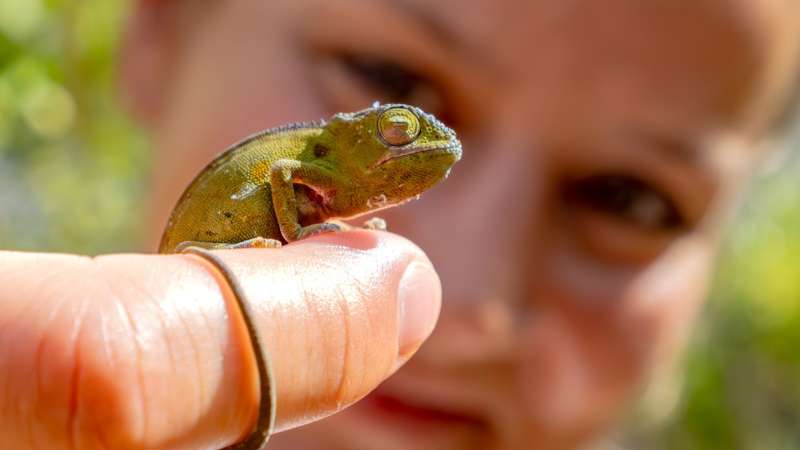
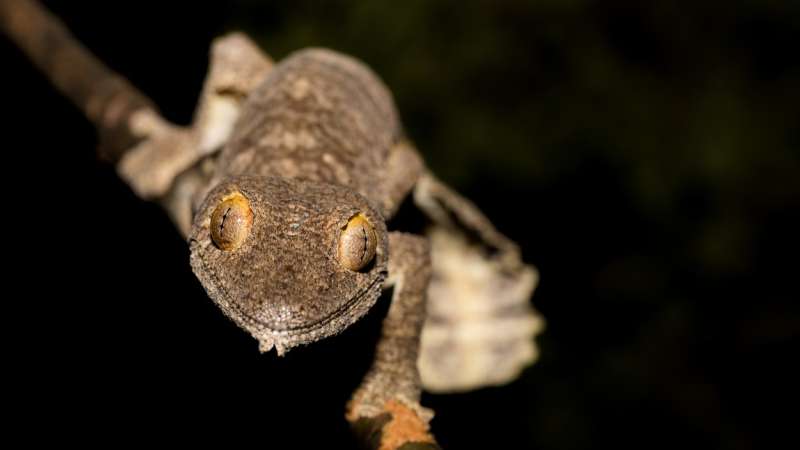
Andasibe-Mantadia is a biodiversity hotspot shaped by Madagascar’s unique evolutionary history. Towering tree ferns, strangler figs, orchids, and tangled lianas create a layered forest alive with sound and color.
Mantadia’s primary forest is particularly rich in rare plant species and medicinal flora, while seasonal orchid blooms between October and December add bursts of color to shaded trails. For photographers and nature lovers, the variety here is remarkable.
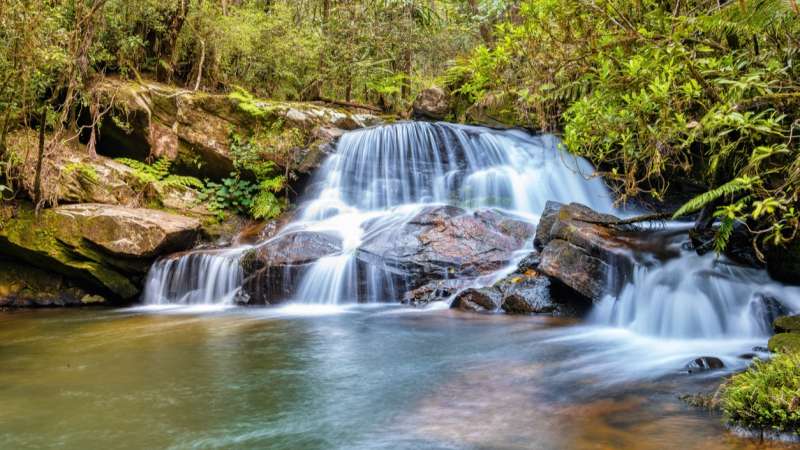
Andasibe is best experienced slowly and on foot, with guided trails revealing wildlife hidden in the canopy and undergrowth.
Trails cater to various fitness levels, from gentle forest strolls to longer hikes through steeper terrain. The combination of accessible paths and serious wilderness makes it suitable for both first-time explorers and seasoned nature travelers.
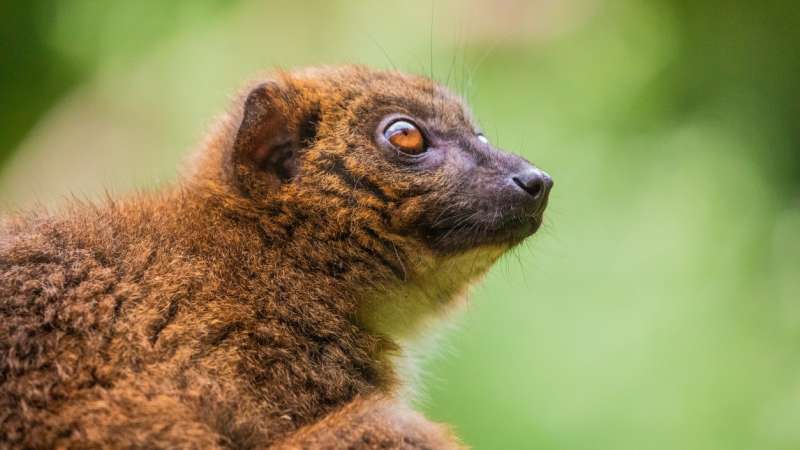
Its location on Madagascar’s eastern route makes Andasibe a logical starting or finishing point for broader island safaris.
Andasibe works beautifully as part of an eastern rainforest circuit or as the first wildlife stop before heading south or west across Madagascar.
Yes. Andasibe-Mantadia is generally safe for travelers, especially when visiting with reputable safari operators and certified local guides. Trails are guided, lodges are well-established, and tourism infrastructure is reliable. As with any travel in Madagascar, it is advisable to follow local guidance and standard precautions.
Our experienced safari consultants have first-hand Madagascar knowledge and can help you build a short Andasibe escape or a longer island-wide itinerary. Whether you’re looking for a budget-friendly group safari, a lodge-based wildlife tour, or a customized Madagascar adventure, we’ll help you match the right route to your time and budget. Contact one of our expert safari consultants, and start planning your Madagascar safari today.
The best time to visit Andasibe-Mantadia National Park is during the drier months from April to November, when forest trails are more accessible, and wildlife viewing is at its easiest.
Dry Season from April to November:
Cooler temperatures, easier hiking conditions, reliable lemur sightings, and excellent visibility. Peak travel months fall between July and October.
Green Season from December to March:
Warmer, more humid, with heavier rainfall. Lush forest scenery, active amphibians, and fewer visitors, though trails can be muddy.
Orchid Season from October to December:
Seasonal blooms add color to the forest, ideal for photographers and plant enthusiasts.
African Budget Safaris offers four tours that include Andasibe-Mantadia National Park. The 5-Day Andasibe Lemur Safari is a perfect short trip focused on wildlife and rainforest walks. For a deeper dive into Madagascar’s biodiversity, the 11-Day Madagascar Wildlife Safari combines Andasibe with other top reserves. The 13-Day Classic Madagascar Safari offers a well-rounded itinerary including beaches, rainforests, and highland culture, while the 17-Day Madagascar Adventure Tour is ideal for travelers seeking an off-the-beaten-path experience that gets beneath the surface. Chat with one of our experienced Madagascar consultants and start planning your Madagascar tour today.




Call us toll free from US/Canada on 1-888-414-6513, or from the UK on 0-808-189-1052. All other countries can contact us on +27 21 791 0878.
© 2026 African Budget Safaris | Privacy | Terms | Cookie Policy | Consent Preferences
__landscape.png)