Madagascar safaris take you to the fourth-largest island in the world - a place of extraordinary biodiversity, ancient cultures, and diverse landscapes. Known as the “Eighth Continent,” this unique tropical island in the Indian Ocean features tropical rainforests, arid deserts, stunning coastlines, and highland plateaus all in one Madagascar safari.
Each Madagascar safari region—North, South, East, and West—offers a different experience, showcasing the island’s incredible diversity in climate, flora, fauna, and culture. Here’s a breakdown of what makes each region of Madagascar so special.
Adventure, Island Beaches, Marine Wonders & Unique Geology
_(1)__medium.jpg)
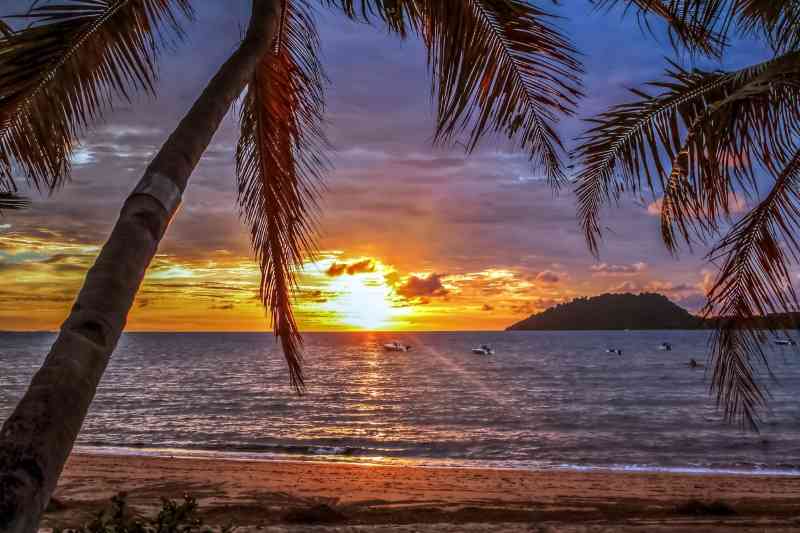
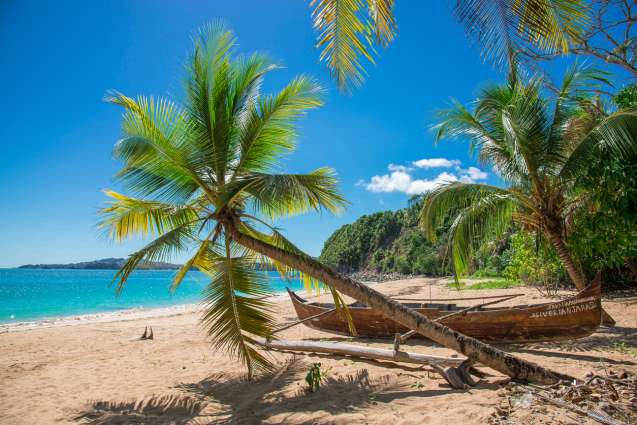
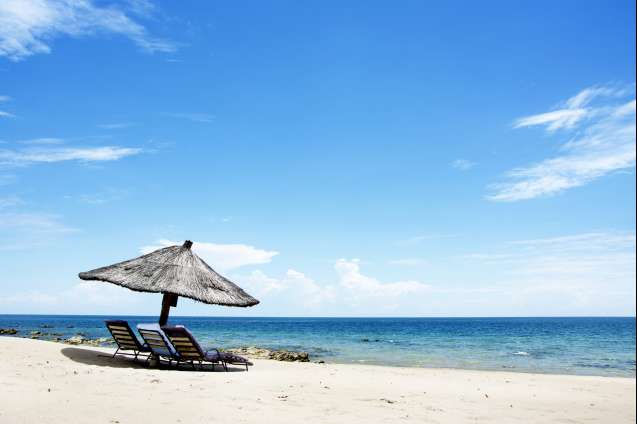
The northern Madagascar safari region is known for its stunning beach destinations and exceptional marine biodiversity. Nosy Be is a favorite, one of our best places to visit in Africa. It is an island off the northwest coast famous for its beaches and diving spots. Here, you can swim with whale sharks, spot dolphins, and explore coral reefs teeming with marine life. Nosy Be is part of a cluster of islands including Nosy Komba (Lemur Island) and Nosy Tanikely, each offering secluded beaches and exceptional snorkeling opportunities.
The northern region of Madagascar is a dream destination for adventure seekers, with a blend of lush rainforests, incredible coastlines, and remarkable geological formations.
Diego Suarez (Antsiranana), the vibrant capital city of the Diana Region, lies on Antsiranana Bay, one of the largest natural bays in the world. With its picturesque setting of turquoise waters and coral reefs, it is one of Madagascar's best-kept secrets, making it a perfect base for nature lovers wanting to explore off the beaten track.
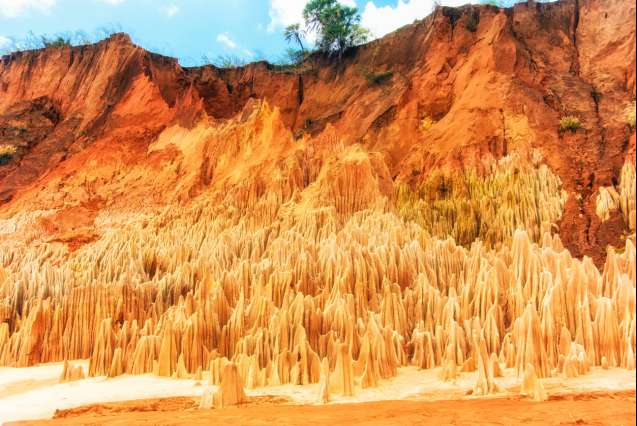
One of the most striking features of Northern Madagascar is the Tsingy Rouge, a landscape of red sandstone formations shaped by years of erosion. 'Tsingy' is derived from the Malagasy word “mitsingitsingy,” meaning "walking on tiptoes", referring to the sensation of negotiating jagged rocks beneath your feet. This aptly describes the labyrinth of jagged stone pinnacles found in a few locations in Madagascar. These formations provide an otherworldly Madagascar safari experience, unlike anything else on the island.
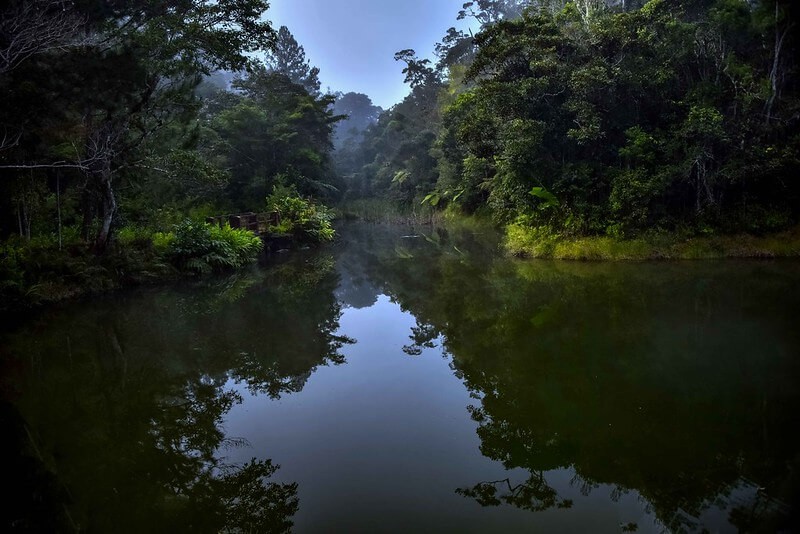
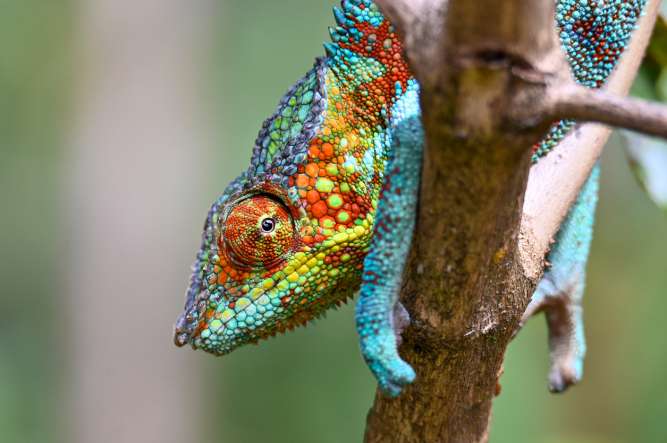
Montagne d'Ambre National Park (Amber Mountain National Park), lying south of Antsiranana city, is a montane rainforest 'island' surrounded by dry forests. Trees reach up to 40 meters (130 ft) tall and are interspersed with orchids and ferns, creating a magical Madagascar safari experience. The national park is home to 8 endemic species of lemur and the fossa. The cat-like fossa are agile hunters, pursuing lemurs and other prey in both trees and on the ground. 75 of its bird species are endemic, of which the Amber Mountain rock thrush is only found in one small area on the mountain. Reptiles include the endemic Amber Mountain leaf chameleon, one of the smallest reptiles in the world.
For a more tropical experience, head further southeast to Masoala National Park, home to one of our favorite African forests and woodlands to visit.
__medium.jpg)
Semi-Arid Landscapes, Rich Cultures & the Great Reef
In stark contrast, the remote southern Madagascar safari region is known for its arid landscapes and vibrant cultural heritage, lying alongside a huge coral reef in the Mozambique Channel. The landscape is characterized by dry, open plains and spiny forests that have adapted to the arid climate.
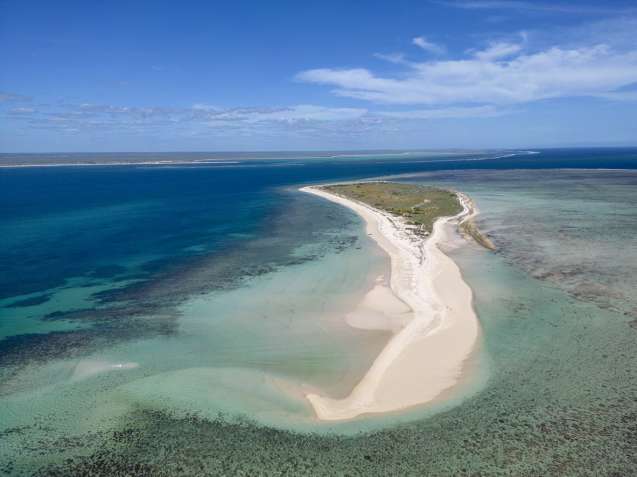
Nearby Nosy Ve is an uninhabited coral island that is part of the Nosy Ve-Androka National Park, a marine protected area and home to a vast coral reef system of the Mozambique Channel, 'the Great Reef', one of the largest in the world. The island is a famous nesting site for red-tailed tropicbirds that draw birders from around the world. Birdwatchers visiting Anakao can also visit the mangrove swamps to the south of the village, where Madagascar plovers, flamingos, and other native birds abound.
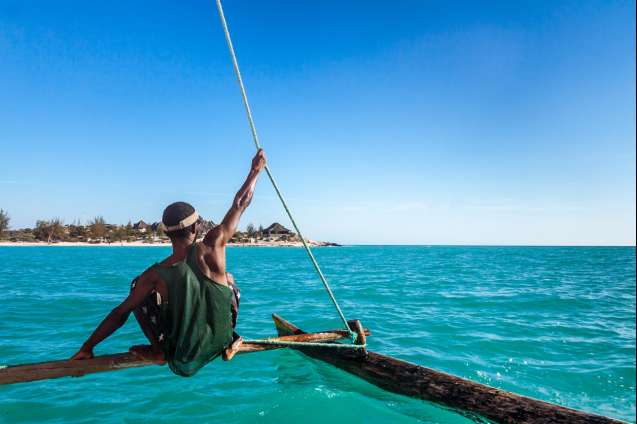
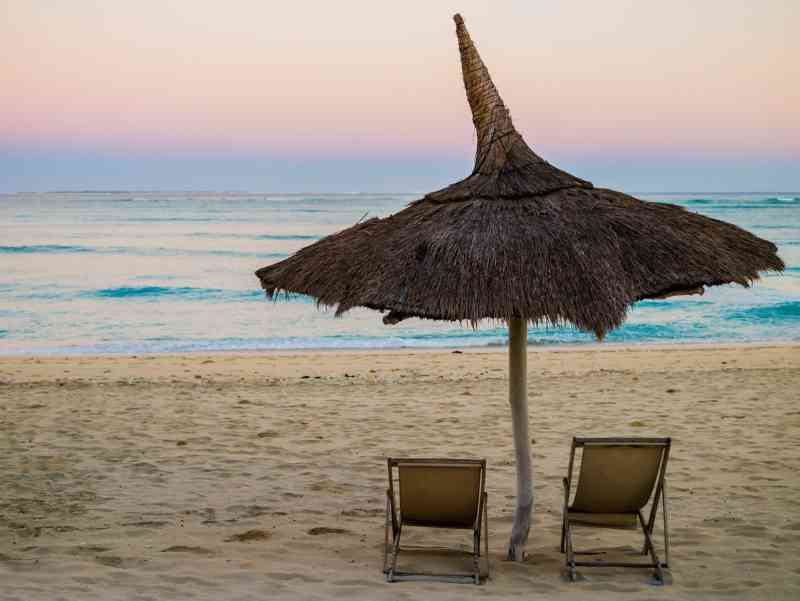
Anakao is a secluded fishing village on Madagascar's southwestern coast, renowned for its laid-back atmosphere, white-sand beaches, and traditional way of life of the semi-nomadic fisherfolk. The Vezo people have navigated the Indian Ocean in dugout pirogues for centuries, relying on the sea for their livelihoods. Men fish while women gather invertebrates on the reef flats.
Lake Tsimanampetsotsa National Park is located around its namesake salt lake, which is a breeding ground for Greater Flamingos. The park's diverse habitats feature spiny forests and dry forests. It includes a limestone plateau with unique sinkholes that create lush, sheltered homes for species like the vulnerable Madagascan plover and the endangered Madagascar grebe. The park is the only known habitat for the endangered Grandidier's mongoose and supports 5 lemur species, including the endemic White-footed Sportive Lemur and Reddish-gray Mouse Lemur, making it a top Madagascar safari destination.
The Spiny Forest of southern Madagascar is unique. The hot, arid climate and annual rainfall of under 300 millimeters make it the driest area for Madagascar safaris. The plants have adapted: shrubs and trees have spiky, water-storing trunks, grow up to 20 meters tall, and shed their leaves in the dry season. The area is known for its high levels of plant endemism, with 95% of its plant species found nowhere else.
Further inland are the striking landscapes of Isalo National Park. This is a dry region of rolling plains and canyons, where erosion has carved fantastic figures in the sandstone, from sharp needles standing up in the sky to rocky blocs on seemingly unstable bases. The Park is interspersed with a network of streams and hiking trails that often lead to beautiful natural swimming pools. Located in the dry deciduous forest ecoregion, Isalo is home to diverse flora, including 13 endemic plant species such as Pachypodium and aloes, and animals like lemurs and birds, including Benson's Rock Thrush. The park is sacred to the Bara people, with ancient burial sites to be found on the cliff faces.
Lush Rainforests, Lemurs & Pristine Beaches
By contrast, if you head east on your Madagascar safari, you'll discover a region that is lush and green. This is thanks to the tropical rainforests that cover much of the landscape. The area is known for its incredible biodiversity, with numerous national parks and reserves that are home to unique flora and fauna.
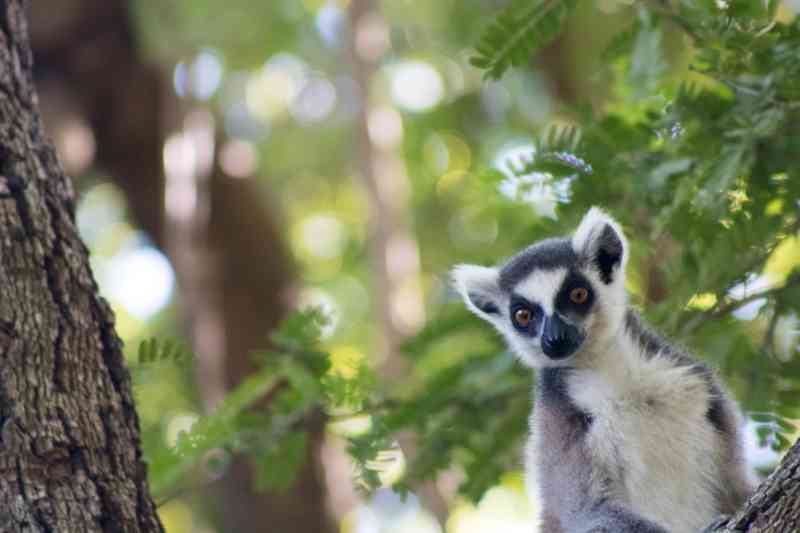
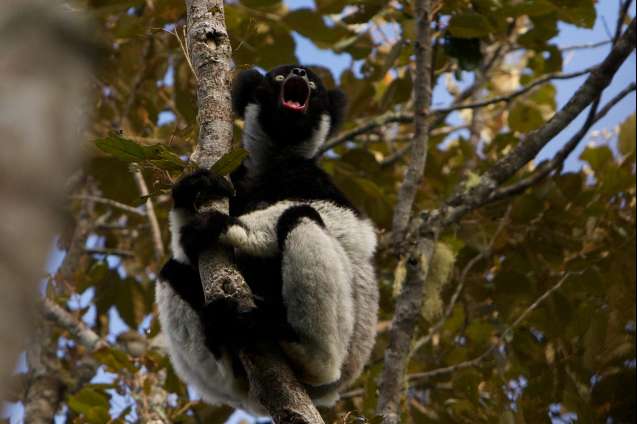
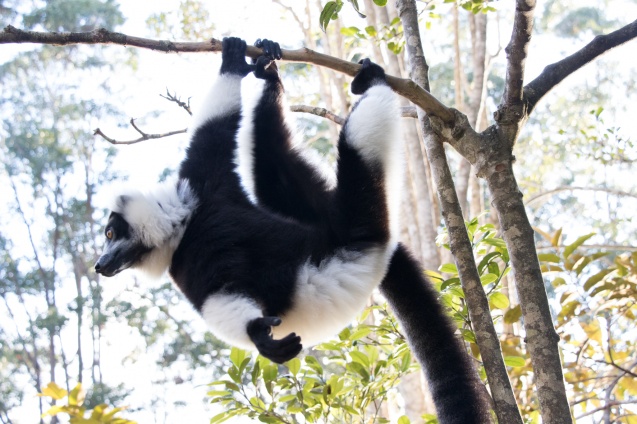
Andasibe-Mantadia National Park, perhaps the most famous park in Madagascar, is located in the eastern region. It is one of the easiest parks to visit on a Madagascar safari from the capital city, Antananarivo, a 3-hour drive away. This protected primary-growth forest is a prime location to see the indri, the largest lemur species, known for its loud, haunting calls that echo through the forest. The park is also home to many other lemur species, reptiles, and over a hundred bird species.
Journey further south along the east coast on your Madagascar safari and you'll find Ranomafana National Park. It is one of the top UNESCO World Heritage Sites in Africa, protecting rainforest habitats filled with hot springs, waterfalls, and dense forest trails. It was established in 1991 after the rediscovery of the greater bamboo lemur and the discovery of the incredibly rare golden bamboo lemur by Dr Patricia Wright. The park spans over 41,600 hectares of diverse habitats, from lowland rainforests to cloud forests, supporting exceptional biodiversity with many rare plant and animal species. Named after the nearby hot springs ("rano mafana" in Malagasy).
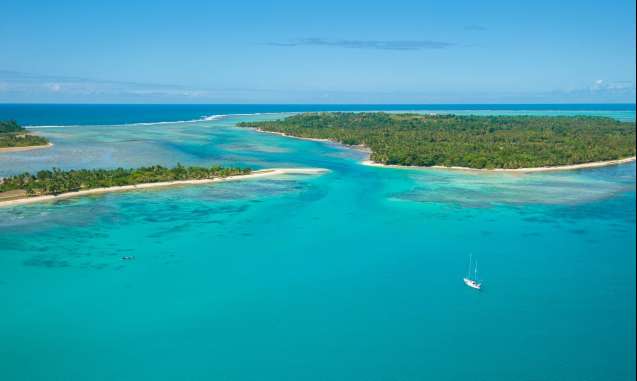
The eastern Madagascar safari region is also known for its stunning beaches, particularly around Sainte Marie Island (Île Sainte-Marie). Once a hideout for pirates, this island is now a peaceful retreat known for its white-sand beaches, coral reefs, and annual whale migration. It is an ideal romantic getaway, being one of the best African islands to honeymoon on a budget. Between July and September, humpback whales gather off the coast of Sainte Marie, offering a rare chance to witness these majestic creatures up close. The tiny island of Ile aux Nattes, lying on the southern point, offers seclusion and some of the most spectacular African beaches. There is an airport that allows for fly-in Madagascar safari trips.
The Pangalanes Canal is a 645-kilometer (400-mile) waterway running parallel to Madagascar's east coast, at points only a few hundred meters from the Indian Ocean. Built in the 16th century and expanded under French colonial rule in the late 19th century, it connects lakes and rivers in isolated regions along the coast, serving as a crucial transportation route between the major centers.
The Palmarium Reserve is a private reserve located on a lake at Akanin'ny Nofy, along the Pangalanes Canal. It covers 50 hectares of littoral forest and serves as a sanctuary for various lemur species. Here, the Madagascar safari highlight is that you have the opportunity to encounter many Malagasy animal species at close range, including species that have been introduced from elsewhere. There is a small island where visitors can observe the elusive nocturnal aye-aye feeding. The reserve also hosts many reptiles, such as colorful day geckos. Flat, accessible trails make it a great place to explore on your Madagascar safari.
Iconic Landscapes, Exceptional Flora & Malagasy Traditions
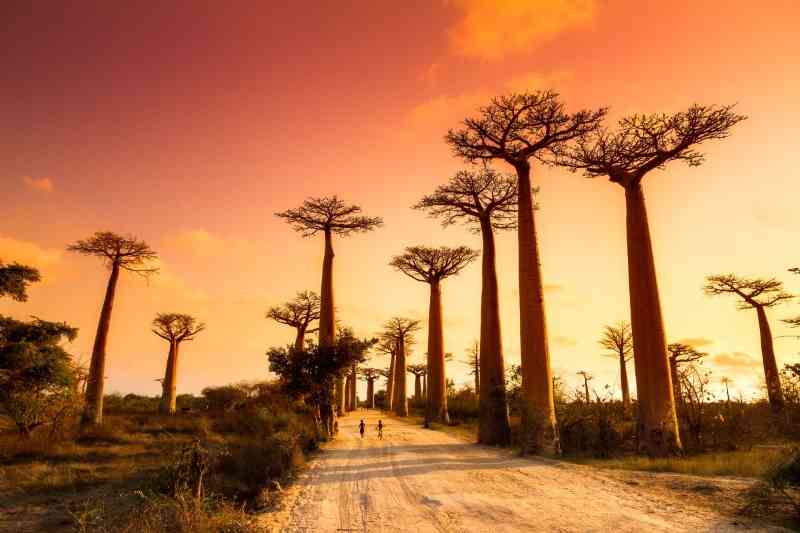
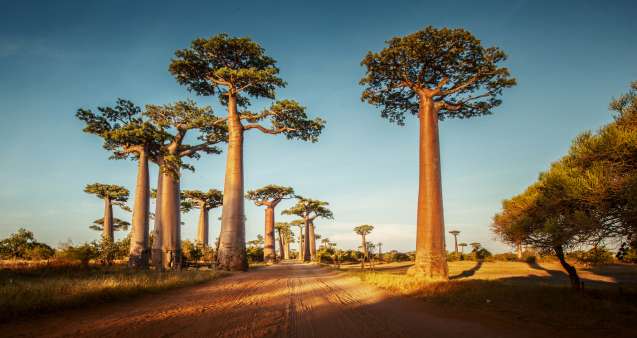
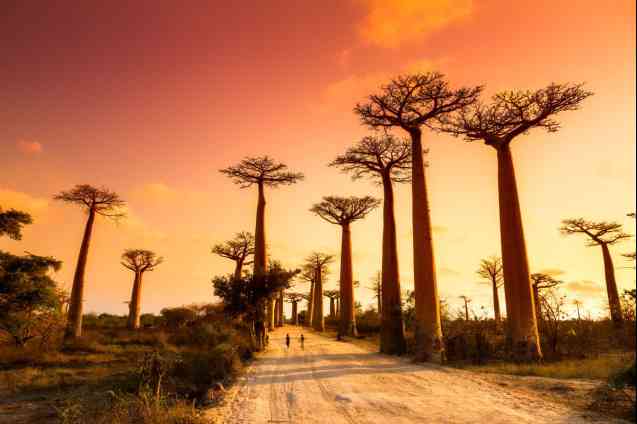
The western region of Madagascar is famous for its scenic landscapes, especially the iconic Avenue of the Baobabs near the coastal city of Morondava. This Madagascar safari area is characterized by its expansive savannas, dry forests, indigenous culture, and vibrant sunsets.
The Avenue des Baobabs (Avenue of the Baobabs, or Baobab Alley) is a must-see on your Madagascar safari and one of the most iconic landmarks. This row of towering, majestic baobab trees, many over 800 years old, stands like a natural monument against the sky. Their massive, cylindrical trunks and sprawling branches have become a symbol of Madagascar and are particularly stunning during golden hour when the sun casts a warm glow over the landscape that has captivated photographers and nature lovers worldwide. Most tours of the western regions will stop here.
To learn more about the Avenue of Baobabs, read our blog about the Baobabs of Africa and learn where else in Africa you can see these incredible trees.
The Kirindy Forest is a private reserve within Madagascar's larger Kirindy Mitea National Park, one of the largest protected dry forests on the island. This unique ecosystem is home to many endemic species, including 3 species of baobabs. There are 8 species of lemurs to be seen, including Madame Berthe's mouse lemur—the smallest primate in the world. Kirindy is also one of the few places where you have a good chance to spot the elusive fossa, Madagascar's top predator. The fossa is a long-tailed, cat-like carnivore that hunts both day and night.
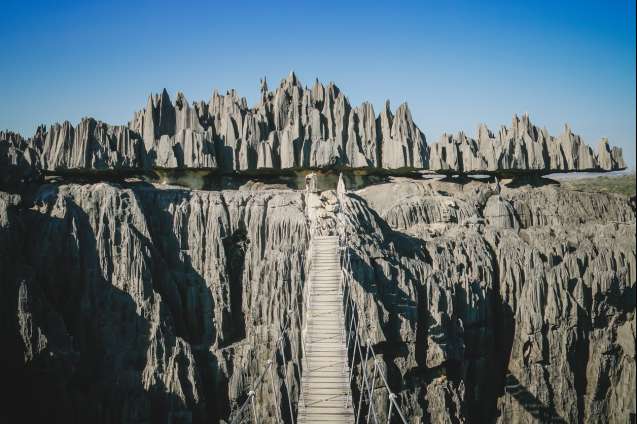
Tsingy de Bemaraha National Park features incredible geological formations and is also a UNESCO World Heritage Site worth adding to your Madagascar safari. It is home to the Grand Tsingy, a network of jagged limestone that creates a labyrinth of caves, peaks, and gorges. For the more adventurous traveler, exploring the Tsingy requires some agility, traversing rope bridges, climbing, and hiking through narrow passages, rewarding you with unparalleled views.
The Morondava area was the center of the Sakalava kingdom. The Sakalava people, primarily herders and farmers, have a rich cultural tradition centered on ancestor worship. They honor their deceased with elaborately designed funerary monuments, especially for prominent families. These tombs are enclosed by wooden fences adorned with intricately carved sculptures, often featuring birds and human figures. Sites are marked with tall wooden stelae reaching about two meters high, carved with intricate geometric patterns and lines.
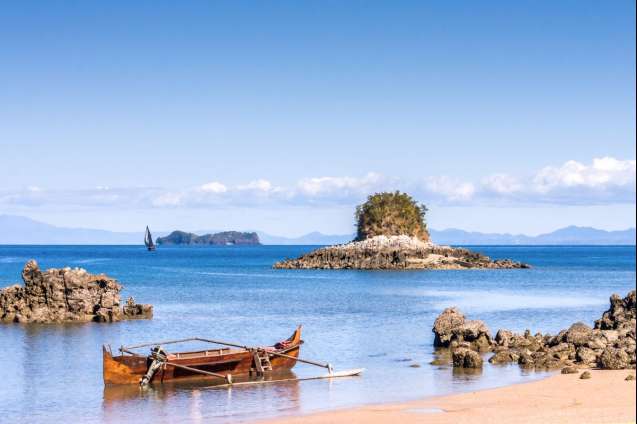
A Madagascar safari offers a rare chance to explore the island’s unparalleled biodiversity, including unique species like the towering baobab trees and lemurs found nowhere else on Earth. Combine this with idyllic, unspoiled beaches with turquoise waters, vibrant coral reefs, and secluded coves that make a paradise for relaxation. Whether you’re exploring the rainforests in the East, hiking the Tsingy in the West, relaxing on Nosy Be’s beaches in the North, or wandering through the spiny forests in the South, Madagascar is a place that rewards exploration and curiosity.
Our expert travel advisors can assist you in choosing the best Madagascar Safari to suit your interests and budget. Madagascar's regional diversity allows you to experience a variety of unique landscapes, wildlife, and cultures, making it an unforgettable destination that goes beyond the typical travel experience. Speak to your friendly travel advisor to explore further.
Explore these destinations mentioned in this post.
Below you'll find further reading and articles related or similar to this post.




Call us toll free from US/Canada on 1-888-414-6513, or from the UK on 0-808-189-1052. All other countries can contact us on +27 21 791 0878.
© 2026 African Budget Safaris | Privacy | Terms | Cookie Policy | Consent Preferences

__thumb.jpg)


__large.jpg)