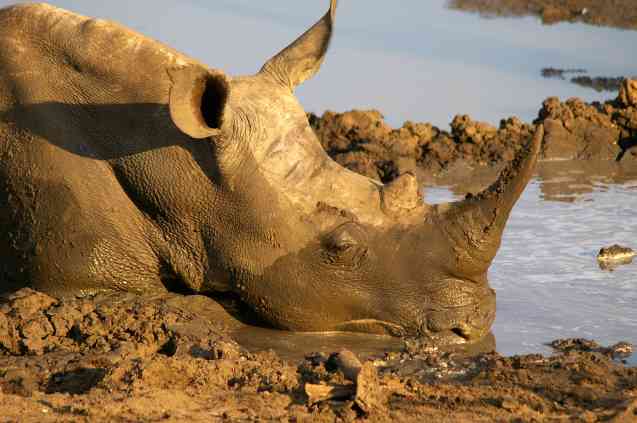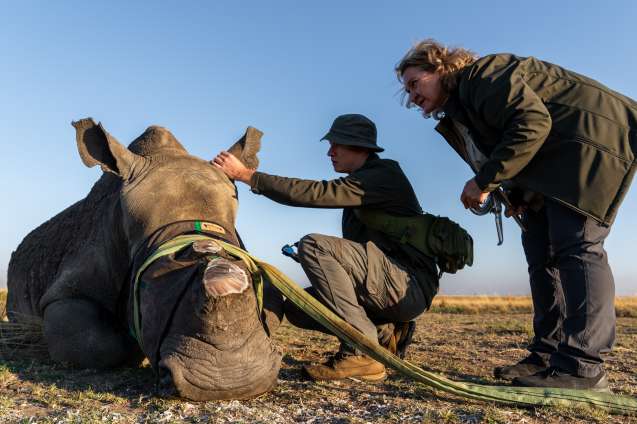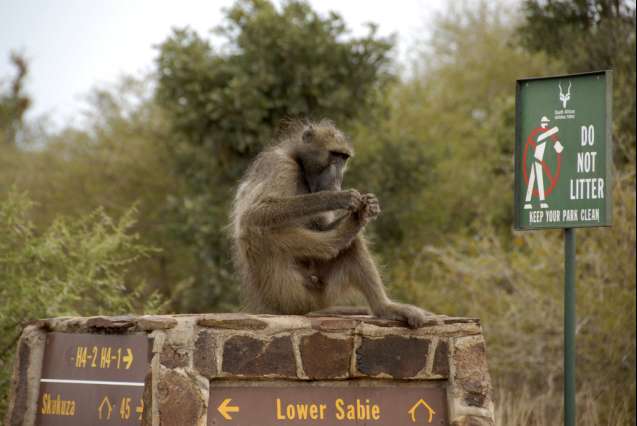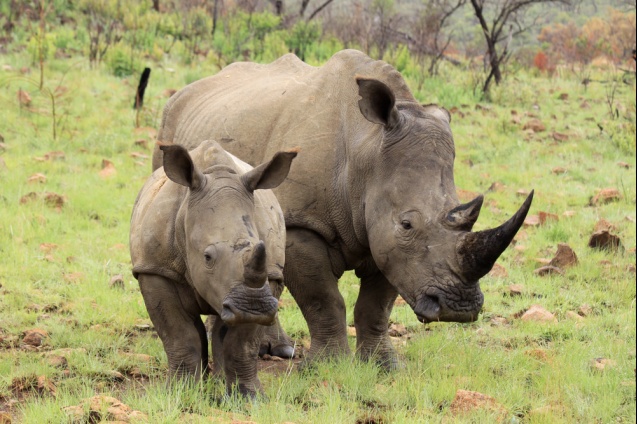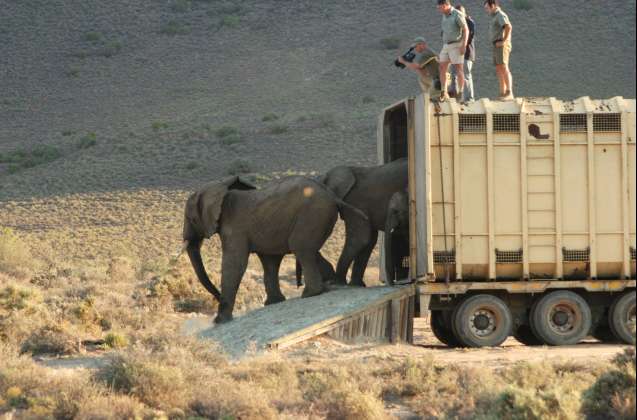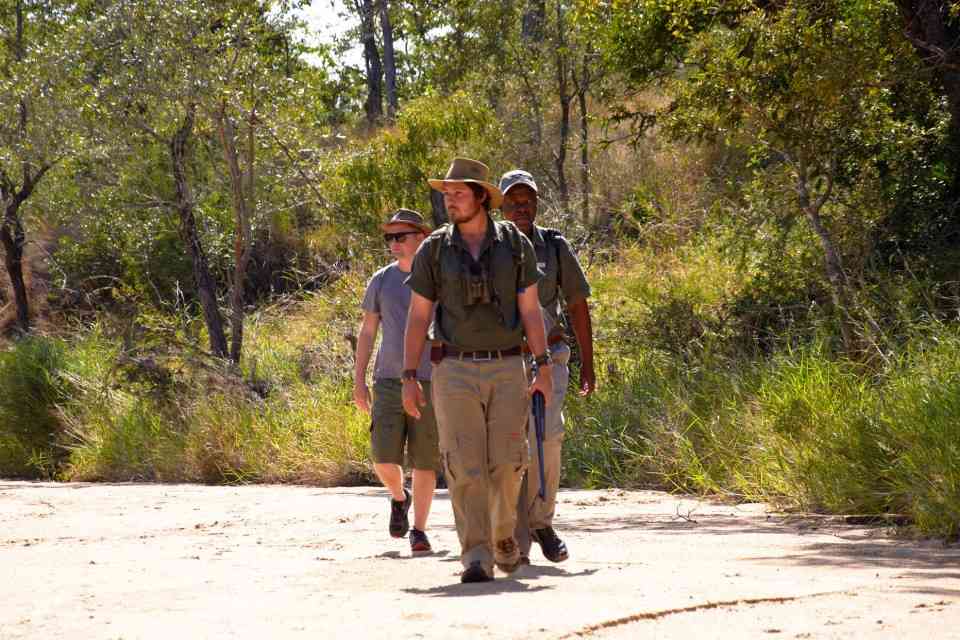
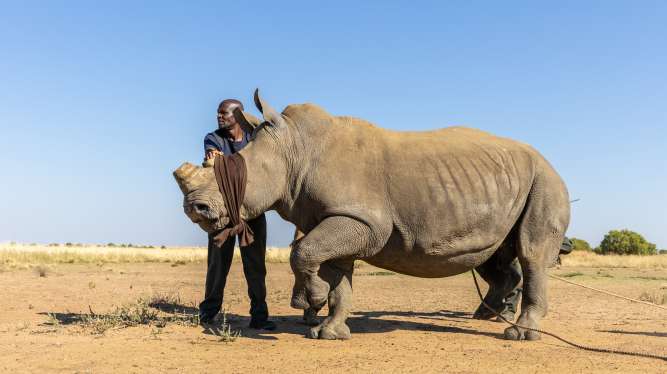
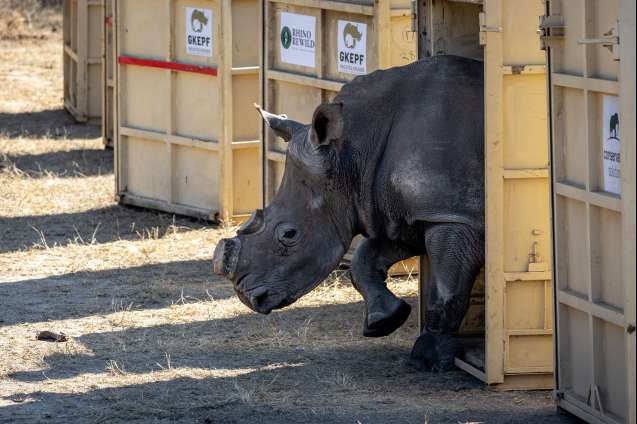
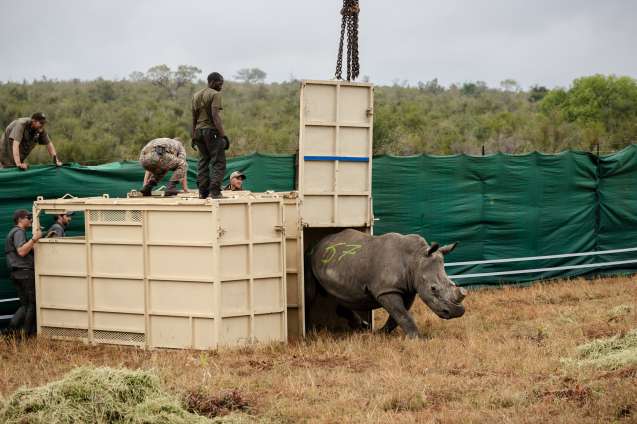
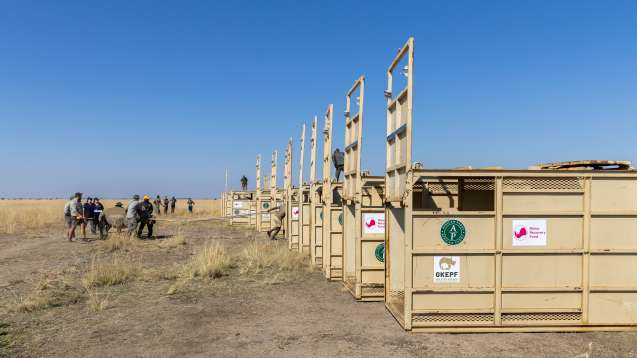
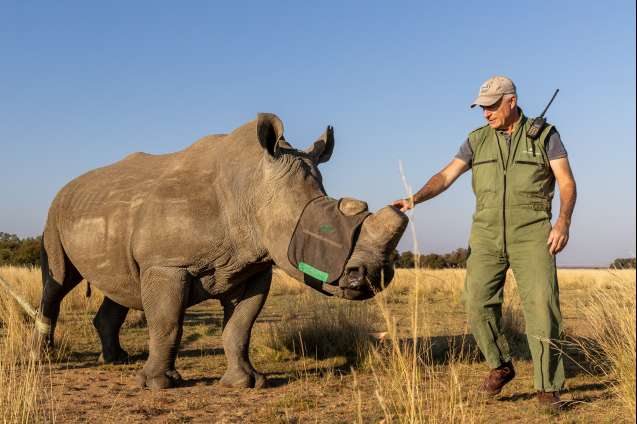
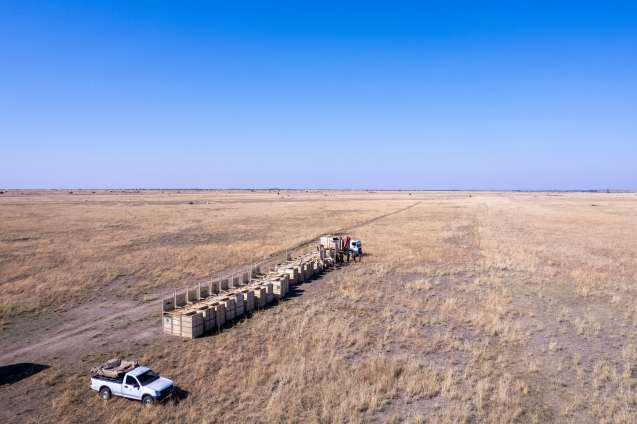
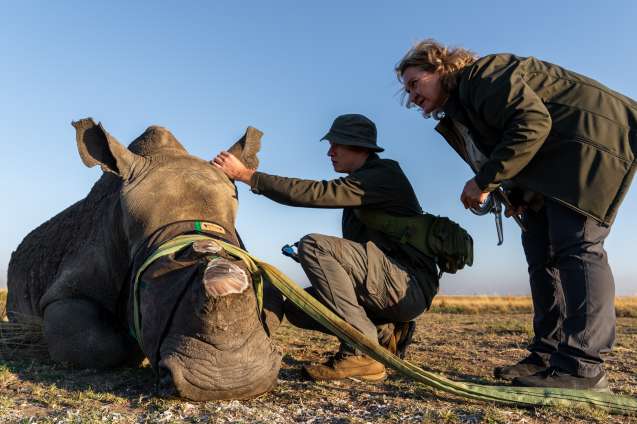
Enjoy these amazing photos of the 120 southern white rhinos that have been moved to secure game reserves in South Africa under the Rhino Rewild Initiative by African Parks. These African rhinos have been translocated to member reserves of the Greater Kruger Environmental Protection Foundation.
This is the second rhino translocation of Rhino Rewild, an African Parks initiative to rewild 2,000 southern white rhinos into secure protected areas in Africa.
In this phase, 120 southern white rhinos were successfully translocated to reserves represented by the Greater Kruger Environmental Protection Foundation (GKEPF) in Mpumalanga and Limpopo, South Africa.
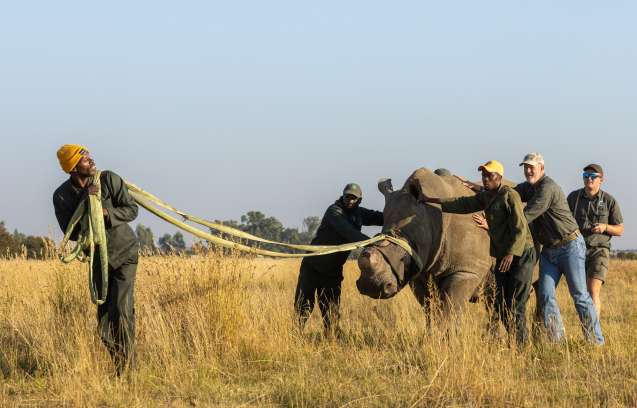
Johannesburg, South Africa, 7 June 2024: One hundred twenty southern white rhinos have just been translocated to member reserves of the Greater Kruger Environmental Protection Foundation (GKEPF) in Mpumalanga and Limpopo provinces. This boost to the Greater Kruger area's southern white rhino population is part of the African Parks’ Rhino Rewild initiative, an ambitious plan to rewild 2,000 southern white rhinos into secure protected areas in Africa over the next 10 years.
GKEPF, established in 2016, is an alliance of nine private reserves, one provincial park, and one national park to service the protection needs of the western and eastern buffers of the Kruger National Park (KNP) and the Greater Limpopo Transfrontier National Park. This translocation comes at a time when poaching rates within GKEPF reserves have significantly declined, indicating the effectiveness of security and anti-poaching measures.
In September 2023, African Parks purchased the world’s largest captive rhino breeding operation in a bid to rescue 2,000 southern white rhinos following a failed auction, with one main objective: to rewild them all to well-managed and secure protected areas, to establish or supplement strategic populations, ultimately helping to de-risk the future of the species. Through Rhino Rewild, African Parks is dedicated to bolstering healthy southern white rhino populations in South Africa – and recognises the country's efforts in rhino conservation for the benefit of the African continent.
More details about African Parks' buying rhinos to set free.
“Moving 120 rhino under the Rhino Rewild initiative to GKEPF will augment the existing rhino population in the Greater Kruger and ensure that these rhino are fulfilling their role in their natural environment, which has been our vision from the start. Despite significant pressures, GKEPF members have played a critical role in the conservation of the Greater Kruger landscape providing an important buffer to the Kruger and we support their commendable progress in protecting rhino populations in their native range.” Peter Fearnhead, CEO of African Parks
Collaboration is at the heart of GKEPF’s mandate. While rhinos will not be released into the Kruger National Park itself, but into private game reserves along its western boundary, the project could not have taken place without consensus, collaboration, and expert inputs from Kruger National Park and South African National Parks (SANParks) counterparts. This strategic placement to private reserves bordering the Kruger National Park strengthens the rhino metapopulation and lays the groundwork for potential future collaboration as the Kruger continues its fight against poaching.
“The rewilding itself bears testament to the cumulative knowledge, partnerships, and insights of a protracted period of anti-poaching efforts in the Greater Kruger landscape. That the benefits so clearly outweigh the risks presents a significant opportunity for rewarding the efforts of everyone who has remained committed to safeguarding rhino populations amid extremely challenging circumstances over the past 10 to 15 years.” Sharon Haussmann, CEO of GKEPF
This region of South Africa is an ideal habitat for southern white rhinos. The fertile and water-rich grasslands of the selected release areas are ideal for ensuring optimal rhino health and population growth. Through a decade-long collaborative effort to combat rhino poaching, reserves and stakeholders have developed and shared a wealth of expertise. This has significantly bolstered their ability to proactively and effectively address poaching threats and safeguard the species. The safety of these translocated rhinos is at the forefront for everyone involved in the process.
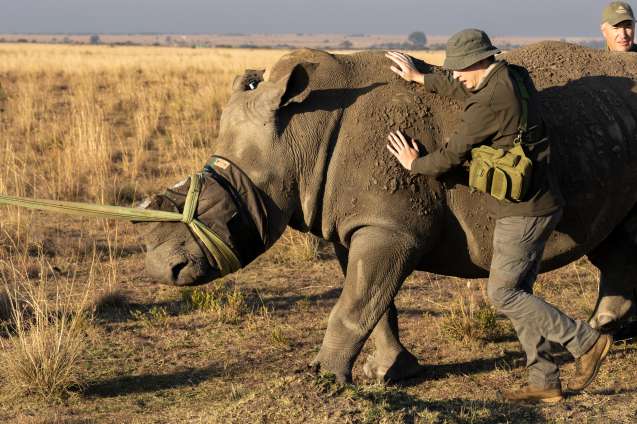
“The rhino will come in dehorned, which is a very effective way to decrease the poaching risk in this landscape. We’re at a point where this risk is well calculated. This will be the first reintroduction of rhino into this landscape in about 50 years” Markus Hofmeyr, wildlife vet and Director of the Rhino Recovery Fund
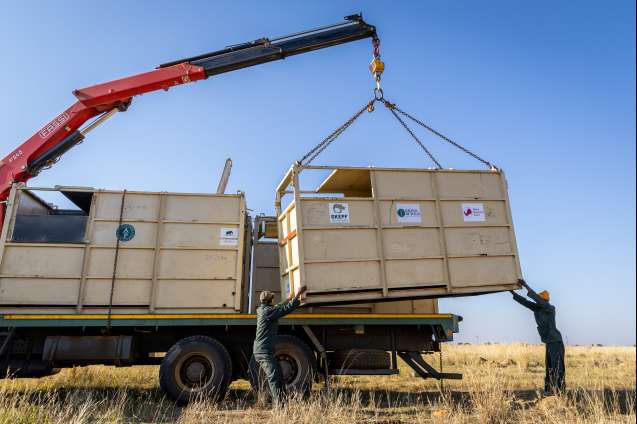
Moving 120 rhinos is an enormous undertaking in every way, and has taken, as Haussmann explains, “many, many sleepless nights” – as well as extensive funding. African Parks is donating the animals to the reserve, with GKEPF donors contributing to the translocation costs and the subsequent ongoing monitoring of the rhino, a critical element for the project's long-term success. Initial funders of Rhino Rewild include the Rob Walton Foundation and the Pershing Square Foundation, with thanks to OAK Foundation, Rhino Recovery Fund, Hancock Family, Max Planck Institute & Contemplate Wild, Land Rover Sandton/SMH Group for their support for this translocation to GKEPF.
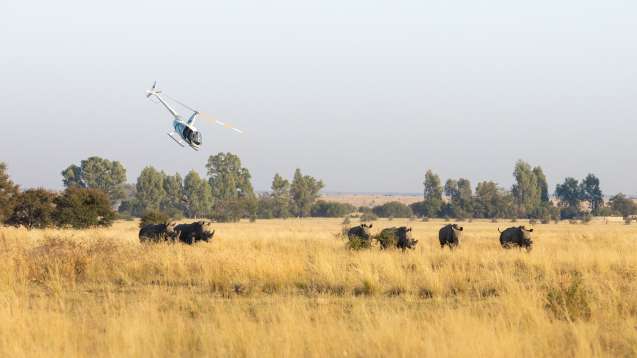
See more news about African Rhino Conservation from Kenya, Tanzania and South Africa.
African Parks is a non-profit conservation organisation that takes on responsibility for the long-term management of protected areas in partnership with governments and local communities. African Parks manages 22 protected areas in 12 countries covering over 20 million hectares in Angola, Benin, Central African Republic, Chad, the Democratic Republic of Congo, Malawi, Mozambique, the Republic of Congo, South Sudan, Rwanda, Zambia and Zimbabwe.
For more information see our article About African Parks and their conservation successes.
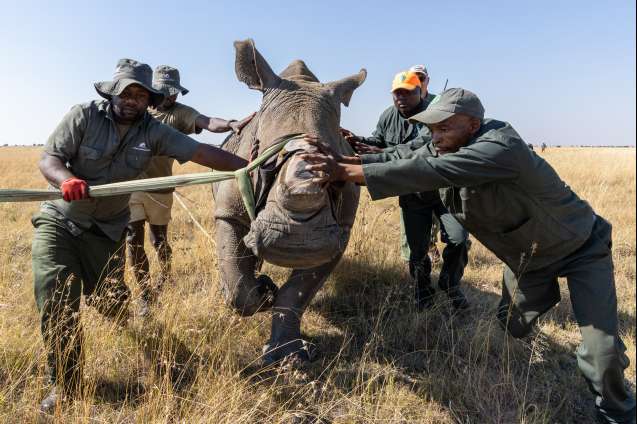
Rhino Rewild, an African Parks initiative, is a 10-year plan to rescue and rewild 2,000 southern white rhinos and renew the wild habitats they require. In September 2023, African Parks purchased the world’s largest rhino captive breeding operation in South Africa, in a bid to rescue these rhinos, which amount to approximately 13% of the world's population, and to rewild them to safe and well-managed protected areas across Africa as part of a strategic, continent-wide conservation strategy.
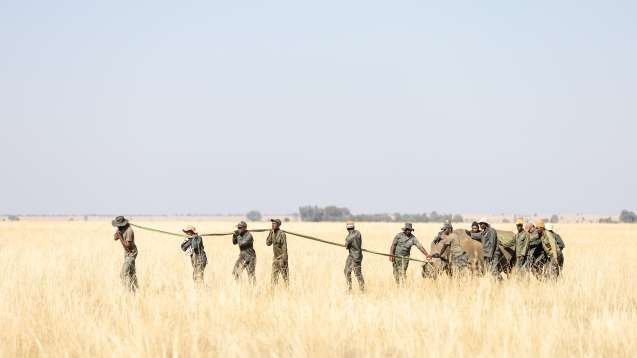
The Greater Kruger Environmental Protection Foundation (GKEPF), a registered non-profit organisation, was established in 2016 in direct response to the unprecedented rise in rhino poaching in the Greater Kruger. The area is home to the world’s largest wild rhino population and comprises more than 2.5 million hectares of unfenced wilderness. GKEPF represents an innovative private-public partnership, with its members representing private, provincial and national reserves.
GKEPF facilitates communication and strategic coordination to align anti-poaching approaches and strategies among members. These range from wildlife crime mitigation strategies, data management and operational support to social engagement, ranger support training and conservation research.
GKEPF interventions aim to improve security and threat response at a landscape level. Successes among private reserves on the western boundary of the Greater Kruger support the reintroduction of rhinos into a well-secured and suitable habitat. Such reintroductions stand to contribute significantly both to the genetic diversity of the species in the wild and their important ecological role.
Rhino safaris are a great way to support African rhino conservation. Talk to one of our African Budget Safaris travel experts and find the best rhino safari in the Greater Kruger National Park and beyond.

Explore these destinations mentioned in this post.
Below you'll find further reading and articles related or similar to this post.




Call us toll free from US/Canada on 1-888-414-6513, or from the UK on 0-808-189-1052. All other countries can contact us on +27 21 791 0878.
© 2026 African Budget Safaris | Privacy | Terms | Cookie Policy | Consent Preferences