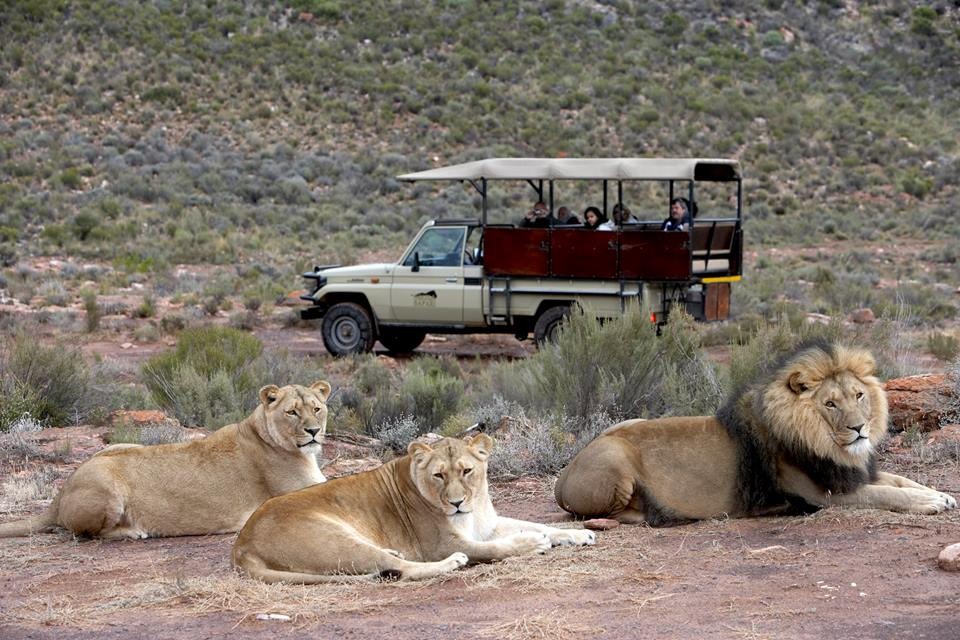
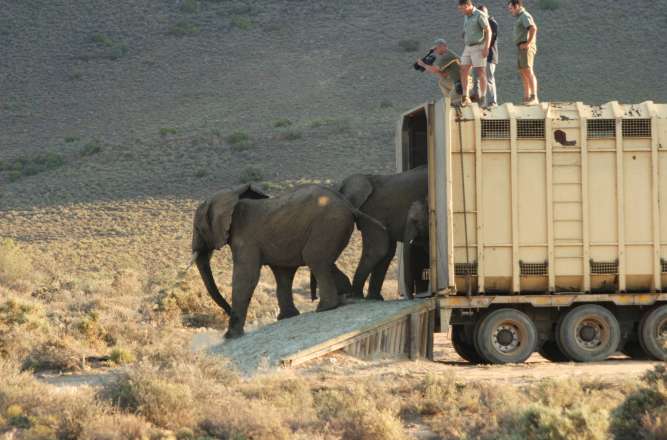
Sanbona Wildlife Reserve is well known as a malaria-free, Big 5 safari destination near Cape Town. But did you know Sanbona is also a trailblazer in conservation in the Western Cape?
Having recently visited and been impressed by Sanbona Wildlife Reserve, African Budget Safaris takes a closer look at the ecology of Sanbona, what makes it such a special place, and their conservation successes.
“Our goal is to achieve an ecological balance that will enable a self-sustaining ecosystem to thrive at Sanbona Wildlife Reserve for years to come."
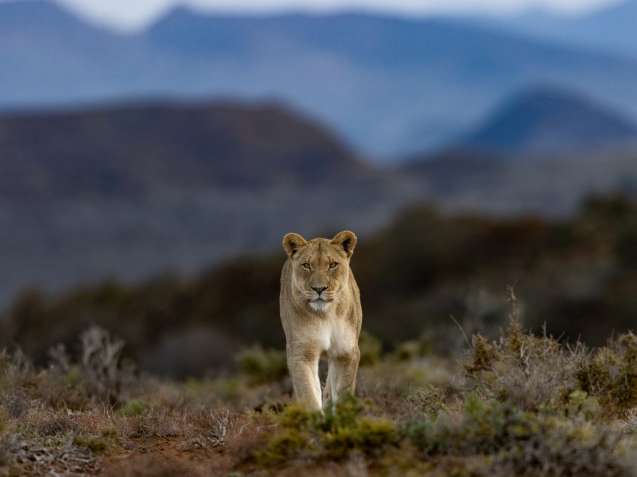
Most conservation areas in the Western Cape are in mountainous catchment areas, while the low-lying areas are reserved for agriculture.
Sanbona is different.
Sanbona Wildlife Reserve protects low-lying Karoo environs, with varying richness of soil, that include riverine floodplains, succulent Karoo, and fynbos.
Another reason that Sanbona is so unique is the fact that it sits in a transition zone between summer and winter rainfall areas. This results in higher-than-average rainfall throughout the year.
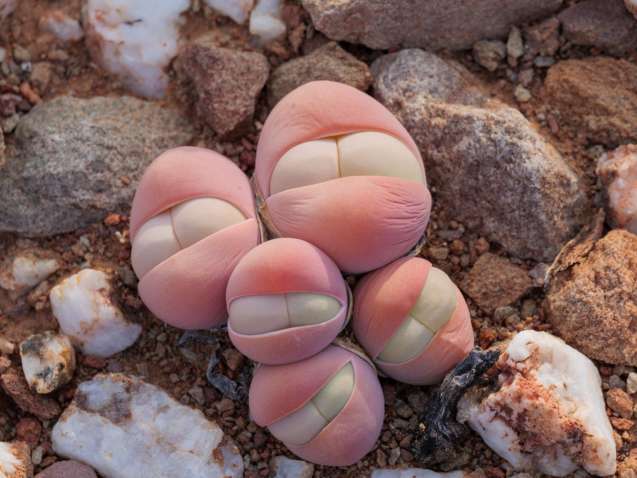
The Succulent Karoo, covering about 35,000 hectares, is the largest biome in the Sanbona Wildlife Reserve. The Succulent Karoo biome boasts the world's highest diversity of succulent flora and impressive endemism. In Sanbona, the biome is located mostly north of Warmwaterberg Mountain in the rain shadow. This biome includes succulents and geophytes, which bloom spectacularly in the spring, and once supported herds of elephants, black rhinos, and Cape buffalo.
The Sanbona Wildlife Reserve also protects over 17,000 hectares of Renosterveld Fynbos, known for its fine-leaved vegetation and radical endemism. Renosterveld features flowering plants, geophytes, grasses, and small shrubs, including the tough grey renosterbos. Historically, it supported vast numbers of game, like springbok, that were hunted to extinction in the early 19th century.
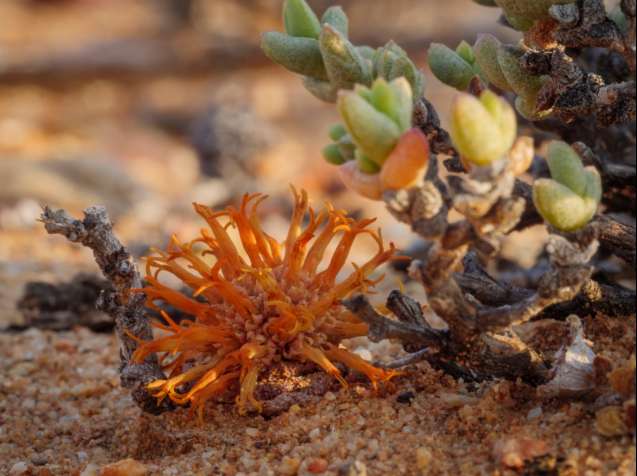
Together with the rivers and flood plains, these biomes create vital habitat corridors for numerous herbivores and other wildlife.
Sanbona Conservation Success Stories
Sanbona Wildlife Reserve is a conservation success story, protecting the critically endangered riverine rabbit, breeding and translocating cheetahs, reintroducing desert black rhinos, and preserving diverse mountain zebra populations.
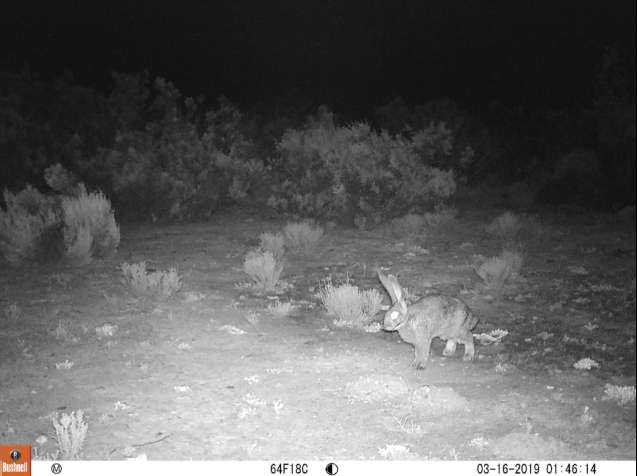
One of the most endangered mammals in the world, the shy and elusive riverine rabbit was first discovered in Sanbona in 2006.
Characterised by a reddish-brown coat, exceptionally long ears, and the tell-tale black streak along the jawline, the riverine rabbit is a strikingly beautiful creature.
The major threat to the riverine rabbit is habitat loss, and its existence on the reserve makes Sanbona a major role player in their conservation. Sanbona is the only area involved in monitoring riverine rabbits on a large scale.
There are two ongoing studies aimed at better understanding this special rabbit and its habits in the Succulent Karoo. Sanbona’s Wildlife Department works in collaboration with conservation organisations like Cape Nature and the Endangered Wildlife Trust.
Riverine rabbits only venture out at night under moonlight, and the presence of a healthy riverine rabbit population on the reserve confirms the vital role played by Sanbona Wildlife Reserve.
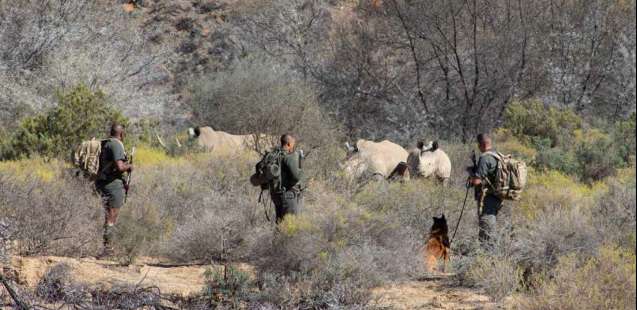
Sanbona’s Wildlife Department worked for 13 years in collaboration with numerous organisations to secure the reintroduction of desert black rhinos into the reserve.
In March 2020, the desert rhino, locally extinct for over 200 years, was reintroduced into Sanbona Wildlife Reserve.
Without any historical records, a model for habitat sustainability had to be worked out specifically for Sanbona. This model took into account the vegetation, terrain, proximity to water and roads, as well as the carrying capacity of the land, predation, and poaching threats.
Black rhinos are specific in their needs, and Sanbona turned out to be a good match.
While female black rhinos rely on food and water to determine their range, it is the male, who demands a large territory, that limits the adult population living within Sanbona Wildlife Reserve.
Now that desert rhinos have returned to the Western Cape, Sanbona is tasked with ongoing research to monitor the impact on the Sanbona environment and to assess the accuracy of the sustainability model.
Ultimately, Sanbona hopes that their efforts will contribute to the ongoing protection of the desert black rhino.
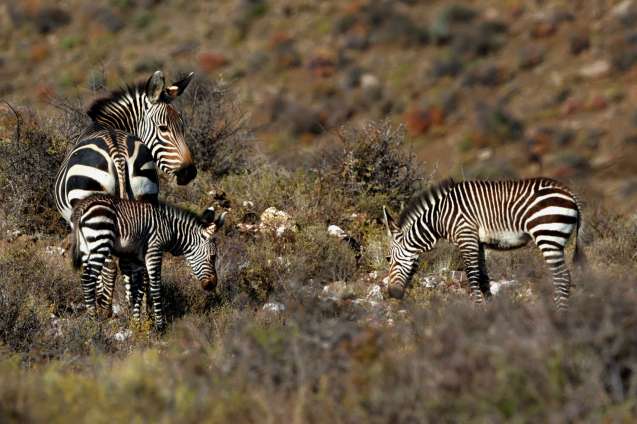
The Cape mountain zebra was once reduced to less than 80 individuals.
Historically, the Cape mountain zebra roamed freely throughout the Western and Eastern Cape. Habitat loss due to farming and large-scale hunting decimated their numbers.
Isolated populations were protected in Mountain Zebra National Park, Kamanassie, and Gamkaberg Nature Reserve, but began to show signs of inbreeding.
In 2016, Sanbona was able to integrate animals from all three founder populations within the reserve. Initially, 27 Cape mountain zebra were translocated to Sanbona Wildlife Reserve from stock that contained genes from Craddock, Kamanassie, and Gamkaberg. Another 10 animals were added in 2018, and the numbers have been steadily increasing since the first successful calf was born.
Today, Sanbona Wildlife Reserve is home to the most genetically diverse Cape mountain zebra population in the world.
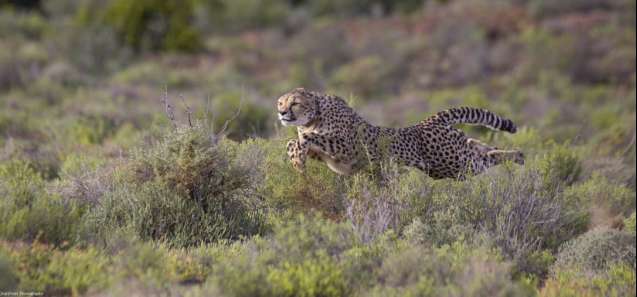
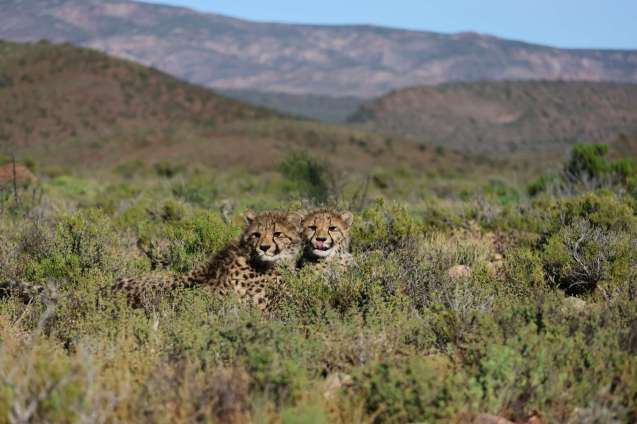
The cheetah is often overlooked in favour of the more powerful lion and charismatic leopard, but the fastest land mammal is racing towards extinction due to habitat loss. It is sobering to realise that cheetahs have disappeared from 90% of their natural home range across Africa.
Cheetahs were historically widespread throughout the Karoo but became locally extinct when the last animal was killed near Beaufort West in the 1860s.
In 2003, Sanbona Wildlife Reserve became the first protected area in the Western Cape to reintroduce cheetah into the wild. Sadly, the original 8 cheetahs died within three years, but one female and two males survived in Sanbona. In 2007, two more cheetahs were translocated to Sanbona from the arid Kalahari.
These animals subsequently thrived and displayed specific habits, like chasing brown hyenas off of carcasses, to survive in the harsh Karoo environment.
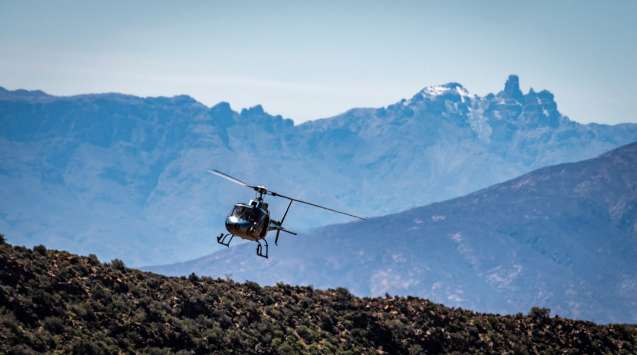
Poaching is a huge threat to conservation across Africa. While flagship species like rhinos, elephants, and lions are most commonly reported, the illegal trade in plants and reptiles has a huge impact on a reserve like Sanbona which contains such rich plant diversity.
Sanbona's Anti-Poaching Unit started small but has grown, recruiting local youths. Recruits undergo rigorous training in bush and military skills, animal behaviour, and tracking. Sanbona also has a considerable budget that is spent on using technology in the fight against poaching.
In addition to a ranger team that creates jobs for local communities, Sanbona Wildlife Reserve also engages in community outreach programs to educate people about the importance of the reserve.
Sanbona Wildlife Reserve is a paragon of excellence.
Visiting their luxury lodges and exploring the park with their experienced guides is an incredible opportunity.
Peering beneath the surface at the machinations of their Wildlife Department and Anti-Poaching Unit reveals the engine that has made Sanbona a conservation success.
What is evident throughout Sanbona is the passion and commitment that comes from serving a greater purpose,
“to achieve an ecological balance that will enable a self-sustaining ecosystem to thrive at Sanbona for years to come”.

Visiting Sanbona Wildlife Reserve is a real treat. Luxury lodges, excellent facilities, and fantastic staff make for an unforgettable safari experience. To find out more about what makes Sanbona Wildlife Reserve so special, see our trip report on Sanbona’s Safari Secrets.
Knowing that your money supports an organisation committed to sustainable conservation is a bonus.
African Budget Safaris offers 3 Sanbona safari tours and several safari packages to other Big 5 game reserves near Cape Town.
Talk to one of our experienced safari consultants and start planning your malaria-free Cape Town safari.

Explore these destinations mentioned in this post.
Below you'll find further reading and articles related or similar to this post.




Call us toll free from US/Canada on 1-888-414-6513, or from the UK on 0-808-189-1052. All other countries can contact us on +27 21 791 0878.
© 2026 African Budget Safaris | Privacy | Terms | Cookie Policy | Consent Preferences








__large.jpg)