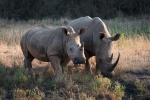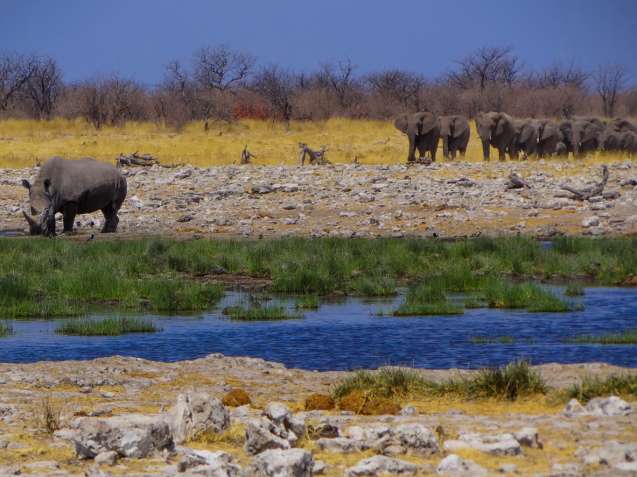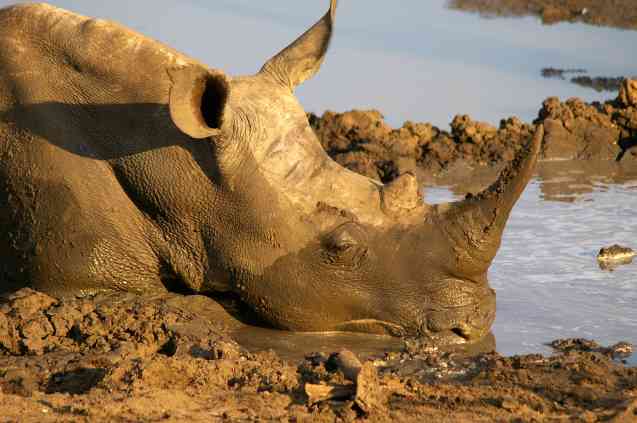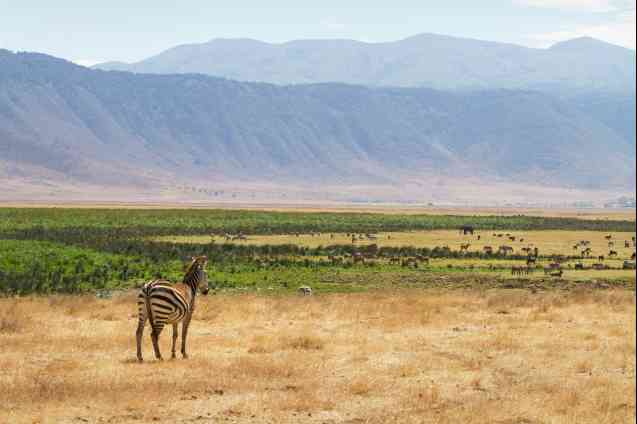
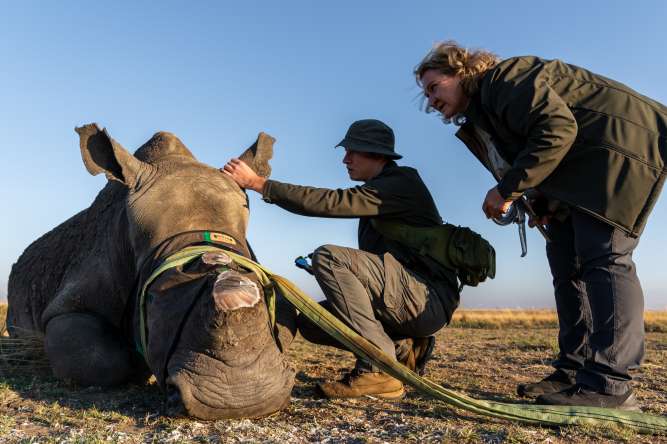
Rhino conservation in Africa is a tough battle, but there’s progress. Thanks to anti-poaching efforts and rewilding projects, populations of African rhinoceros are slowly bouncing back. Countries like Kenya, Tanzania, and South Africa are stepping up, using everything from drones to dehorning to keep rhinos safe. It’s not a done deal yet, but with ongoing support and some serious determination, there’s hope for these incredible creatures.
|
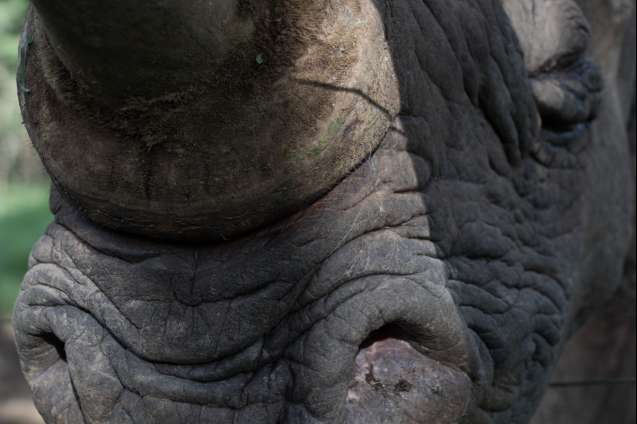
Kenya is ramping up efforts to prevent the extinction of the critically endangered northern white rhino, with only two females remaining, both under constant protection at Ol Pejeta Conservancy in Laikipia, this is the front line of rhino conservation
Tourism and Wildlife Cabinet Secretary Rebecca Miano announced significant scientific advancements in using in-vitro fertilisation (IVF) to save the species.
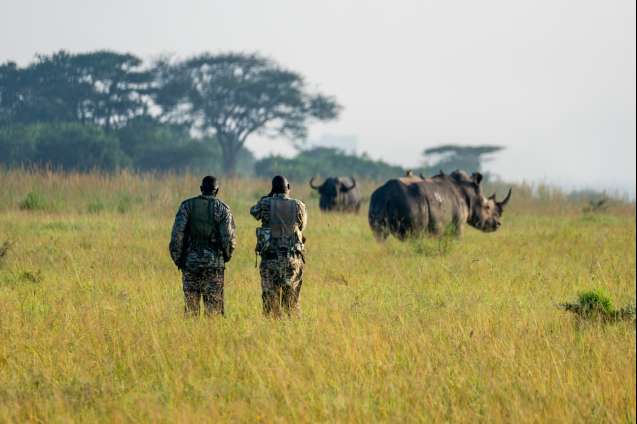
The BioRescue team has harvested 29 oocytes, sent to Italy for maturation and fertilisation with sperm from Sudan, the last male northern white rhino, who died in 2018. Additionally, Kenya is strengthening anti-poaching measures by deploying new technologies, such as drones, and increasing law enforcement personnel.
|
The country hosts 1,890 African rhinos, including 966 black rhinos, making it the third-largest rhino population in the world after South Africa and Namibia.
Kenya is also home to 80% of the eastern black rhino subspecies, spread across eight national parks and reserves, with over half residing in the Laikipia region.
The government continues to protect wildlife through robust laws and international agreements, such as CITES, to ensure the survival of these iconic species.
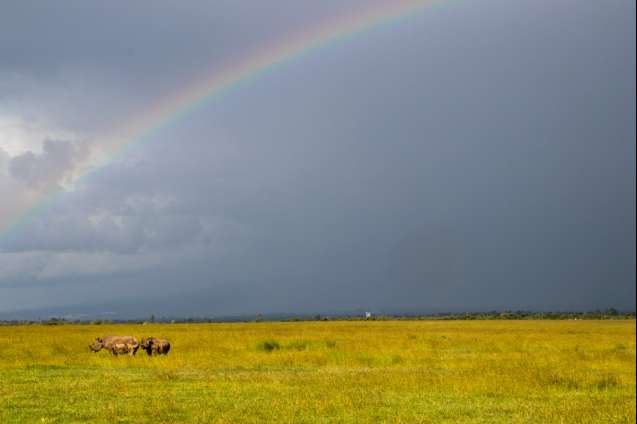
Ol Pejeta is not only an excellent rhino safari destination, but also one of the best places in East Africa to support rhino conservation in Africa.
|
The mass dehorning of African rhinos in Hluhluwe-iMfolozi Park, KwaZulu-Natal, has led to an 80% reduction in poaching since the initiative began in April 2024.
This ongoing effort is a collaboration between Ezemvelo KZN Wildlife, the World Wide Fund for Nature (WWF), Wildlife ACT, Save the Rhino International and Zululand Wildlife Vets.
|
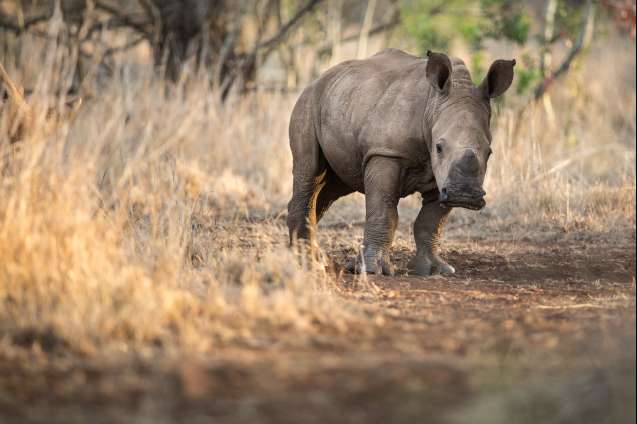
So far, approximately 120 rhinos have been dehorned, and eight orphaned calves have been rescued after their mothers were killed. According to Cooke, the dehorning is a temporary solution, giving the park time to develop more sustainable anti-poaching strategies.
By the end of 2023, the park had already lost about 300 rhinos, and projections indicated that without the intervention, the number could have reached nearly 400 by this year. The initiative has been a crucial step in protecting the remaining rhino population while long-term conservation solutions are pursued.
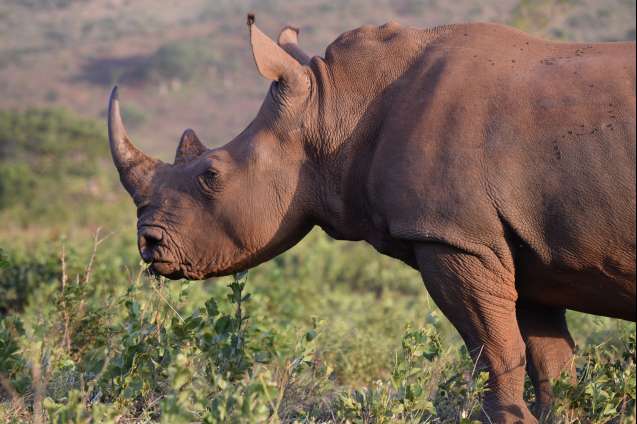
Rhino safaris to Hluluwe-iMfolozi National Park are a great way to support rhino conservation in Africa.
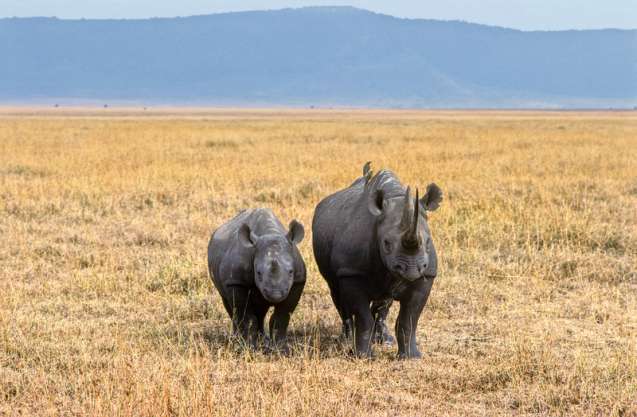
Tanzania has reported a significant increase in its black rhino population, rising from 162 in 2015 to 263 in 2024.
|
This rhino conservation achievement, announced by Natural Resources and Tourism Minister Dr. Pindi Chana on World Rhino Day, is credited to successful anti-poaching and conservation efforts.
The government's initiatives, including collaboration with the Global Environment Facility and the implementation of a national anti-poaching strategy for 2023-2033, focus on strengthening enforcement, enhancing international cooperation, and involving communities in wildlife conservation.
This positive trend in successful rhino conservation is expected to boost Tanzania’s tourism sector, which contributes 17% to the country's GDP and 25% of its foreign exchange earnings. Dr. Hassan Abbasi, the permanent secretary, noted that safari tourism has created jobs for over two million people, with foreign earnings reaching $3.6 billion and international tourist numbers increasing to 1.9 million in the past year. Rhino safaris to see the African rhinoceros are a part of these impressive figures.
The recovery of the black rhino population is especially notable, given the species’ sharp decline from around 10,000 in the 1960s to fewer than 200 due to poaching. The government calls for continued public support to sustain rhino conservation efforts and protect this endangered species.
The best place to see black rhino in Tanzania is in the Ngorongoro Crater
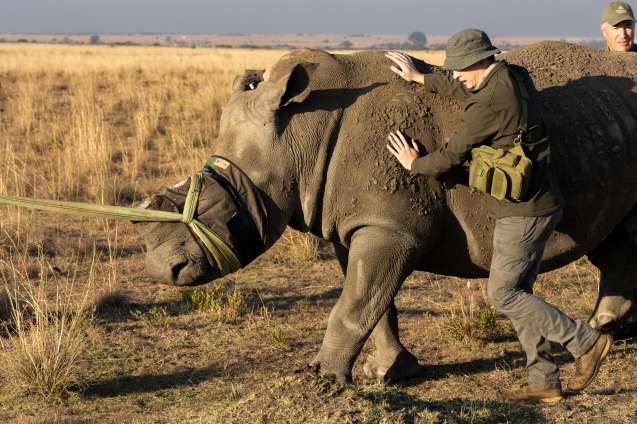
In 2023 African Parks purchased 2,000 white rhinos from an intensive rhino breeding farm, Platinum Rhino. Now they are leading one of the largest African rhino translocation efforts in history. You can be a part of this landmark rhino conservation effort.
White rhinos play a vital role in combating climate change by shaping and restoring Africa's grasslands and savannahs. As megaherbivores, their grazing promotes plant diversity, prevents destructive wildfires, and creates open spaces that benefit other species. Grassland ecosystems act as significant carbon sinks, capable of storing up to 75% of the carbon that forests can store in the same area.
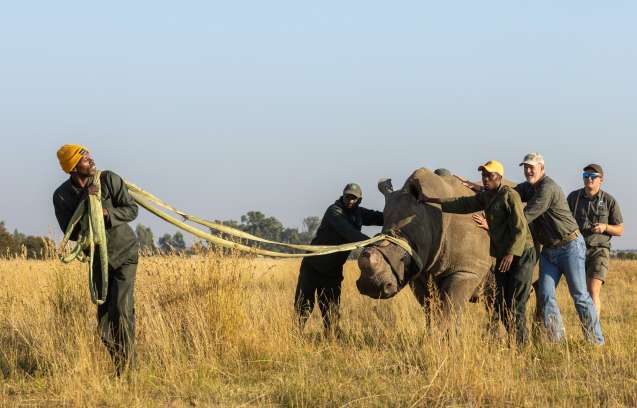
African Parks is leading the largest multi-national wildlife translocation in history through Rhino Rewild, a 10-year initiative to rewild 2,000 southern white rhinos in protected areas across Africa.
So far, 160 African rhinos have been relocated to safe areas in southern Africa, and the goal is to rewild 300 annually.
You can help support this crucial rhino conservation effort at any level, including covering the full translocation cost of a rhino and having your name placed on a rhino crate.
Though the exact locations are not released for obvious reasons, 120 of these rhinos have been moved to areas that border the western edge of the Kruger National Park into privately owned parks known as the Greater Kruger National Park.
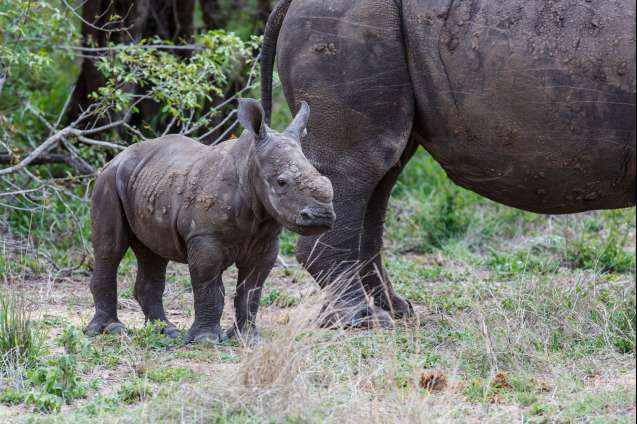
Take a rhino safari to Greater Kruger for a chance to see white rhinos in their ideal habitat
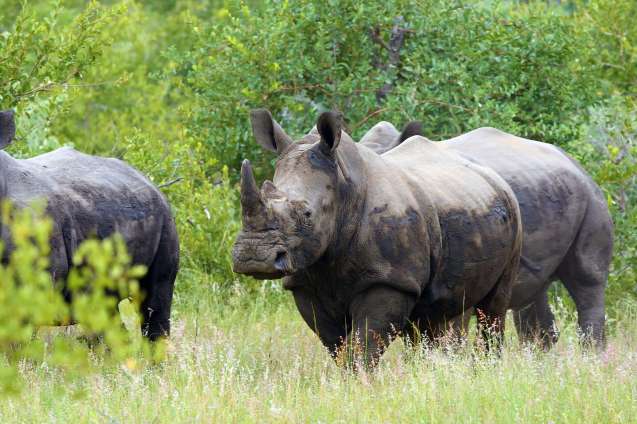
Rhino conservation is vital for protecting Africa's rhinos from poaching and habitat loss. Thanks to dedicated efforts, African rhinoceros populations are slowly recovering. Rhino safaris raise awareness and funding, helping preserve these iconic species for future generations to experience in their natural habitats.
Contact one of our experienced safari consultants and start planning your rhino safari today.

Explore these destinations mentioned in this post.
Below you'll find further reading and articles related or similar to this post.




Call us toll free from US/Canada on 1-888-414-6513, or from the UK on 0-808-189-1052. All other countries can contact us on +27 21 791 0878.
© 2026 African Budget Safaris | Privacy | Terms | Cookie Policy | Consent Preferences