
“What is not being managed today, will be lost tomorrow” – Peter Fearnhead, CEO of African Parks
African Parks is a success story worth getting excited about. Over 20 years of sustainable interventions have seen them grow from helping protect 1 failing park in Malawi to being involved in over 22 parks in 12 African countries. The key to their success? Partnerships. African Parks works with governments, communities, and other conservation organizations to make sure that our wild spaces are protected to ensure a sustainable future that benefits everyone.
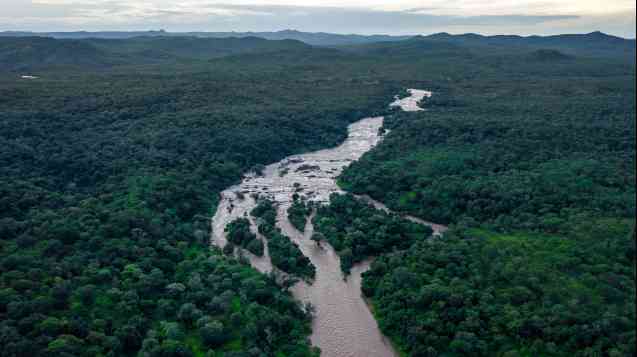
African Parks is a not-for-profit conservation organization founded in 2000. Alarmed at the mismanagement and lack of funding leading to the rapid decline of some of Africa’s protected areas, African Parks was formed as a response to this crisis. The “who” of African Parks is crucial to understanding their success in conservation.
The African Parks strategy is based on partnership and cooperation. From passionate individuals like founding member and CEO Peter Fernhead to governments, local law enforcement, local communities, partner organizations, and donors, African Parks recognized that long-term conservation depended on forging lasting partnerships.
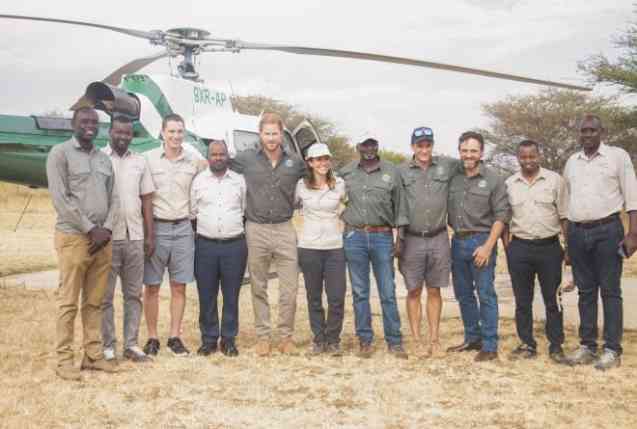
Though the “who” of African Parks is more about partnerships and cooperation, through the fantastic work that they do they have attracted some high-profile ambassadors. In December 2017 The Duke of Sussex became the President of African Parks. Working with the African Park's leadership team, Prince Harry is involved with conservation efforts throughout the continent.
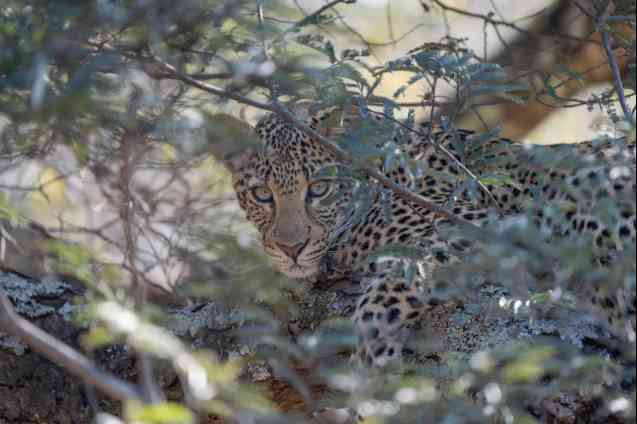
In a nutshell, African Parks takes on direct responsibility for the management of protected areas in partnership with governments and local communities. To implement their vision, African Parks works on developing the key areas of saving wildlife, protecting parks, developing local communities, tourism and enterprise, and management, and infrastructure.
Their mandate to manage hinges on 100% accountability. While ownership remains with the government, African Parks takes full responsibility for the execution of all management functions relating to the rehabilitation and long-term survival of the protected area. This approach to conservation has been pioneered by African Parks and is called PPP or Public-Private Partnership.
Once governance and finance have been secured, African Parks set about implementing 5 basic pillars which lead to the restoration, protection, and sustainable survival of protected areas.

The 5 key pillars to African Parks' success may seem simple but they encompass a multitude of actions that lead to the restoration and long-term survival of protected areas. These 5 pillars are law enforcement, Community development, biodiversity conservation, tourism and enterprise, management, and infrastructure.
In the fight to protect Africa’s parks and wildlife, law enforcement is an important foundation. In this respect, African Parks employs a force of 1,328 rangers across their 22 parks, the largest ranger force for any NGO in Africa.
The top priority for these rangers is the safety and security of each park, the surrounding communities, and the broader region. Forging strong relationships between these stakeholders is essential for the long-term sustainability of these regions and for African parks, a prerequisite for the alleviation of poverty, economic development, and safety for wildlife and their habitats.
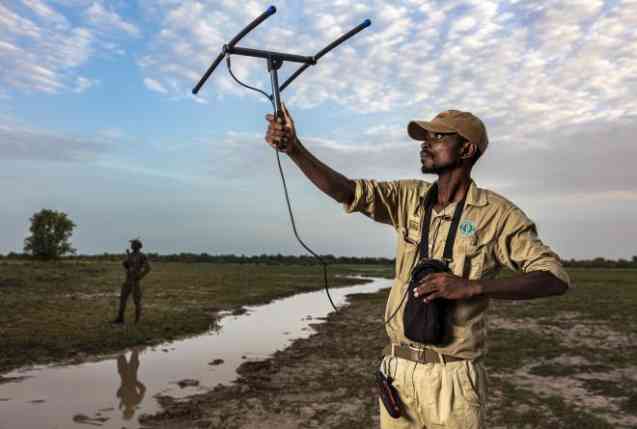
“Communities are vital to the Akagera’s success. Engagement, education, and enterprise opportunities flowing from parks to communities have shown people the value of conservation. In return, communities have invested in supporting the park. Poaching has declined massively in the last 12 years because of positive community engagement,” Drew Bantlin, Akagera’s Conservation and Research Manager
An inclusive conservation strategy means that communities that surround the areas that African Parks is trying to protect are an essential part of their long-term vision. African Parks prides itself on being one of the largest employers wherever it is working. Protecting parks means investing in infrastructure, education, and healthcare, and these are all things that communities feel are tangible benefits.
The creation of jobs, improvement of schools, better healthcare, and new revenue streams create partnerships with local communities. In the long term, protected areas become sources of stability and conservation as a means to improve the quality of life. Sharing a long-term vision with tangible benefits is a major deterrent to would-be poachers and traffickers who target high-value species.

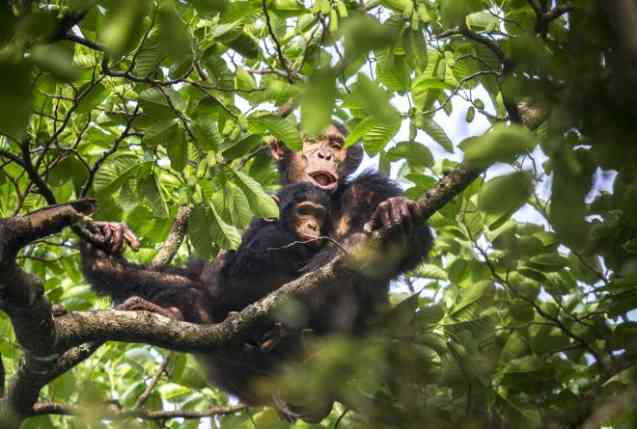
At the heart of African Parks' efforts is the conservation of wildlife. To do this, they need to secure, protect, and, where needed, rehabilitate wild areas. This mammoth task encompasses habitat management, wildlife reintroductions, translocations, monitoring, and research. Another important part of this endeavor is to secure park boundaries and make sure that law enforcement, anti-poaching efforts, and community education programs are integrated.
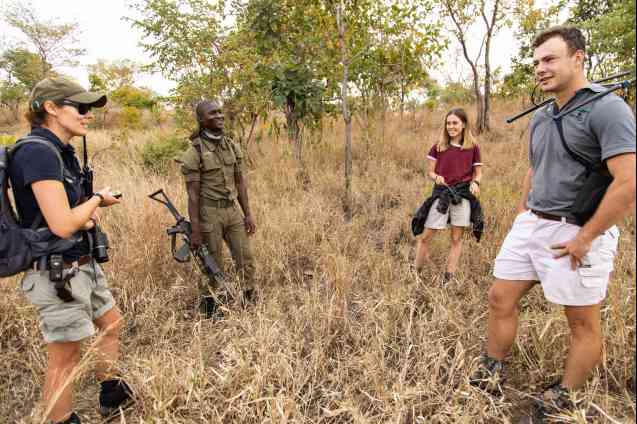
The long-term vision of African Parks is to manage protected areas that are as independent of donor support as possible. In addition to the jobs created through community building and park management, African Parks invests heavily in conservation-compatible ventures like tourism.
Their clear business approach gives a strong focus on using economic development and poverty alleviation as a tool to create sustainable parks. Sustainable parks mean revenues go back into parks and communities. This creates a system where conservation has real benefits, which in turn means community participation and increased value for the environment.
Protecting parks and supporting communities cannot happen without proper infrastructure. Accountability and good governance are, therefore, at the heart of their mission. Each park is established as an independent entity with its own board - accountable to the local government - which is representative of partner institutions, key stakeholders, and African Parks.
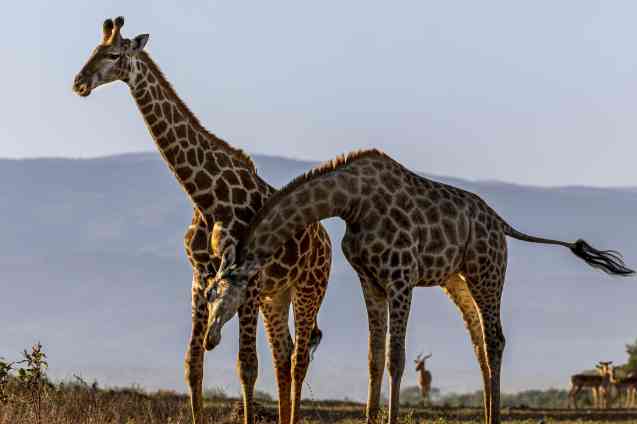
Good management requires good infrastructure, and African Parks is involved with every aspect, from grading roads to communications networks and staff accommodation. And this is all in addition to protecting wildlife and communities from conflict.
African Parks has a huge footprint. Always with an eye to long-term sustainability, their strategy ensures transparency, accountability, good governance, and donor confidence. Clearly, their approach is working.
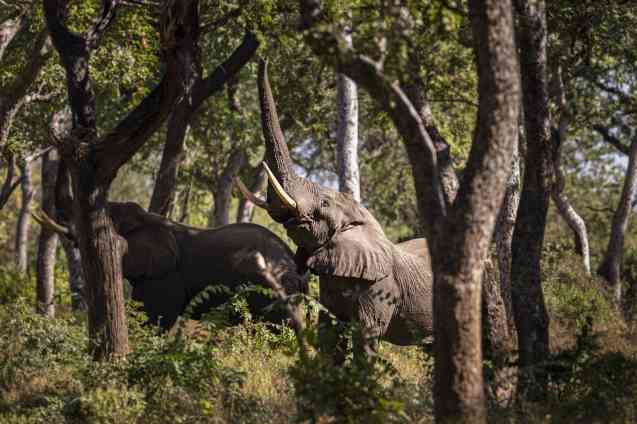
Starting in Majete Wildlife Reserve in Malawi in 2003, African Parks has expanded radically to encompass 22 critical wildlife areas in 12 African countries. These are the parks and countries where African Parks have secured long-term conservation mandates:
A further testimony to the success of African Parks’ interventions is the fact that after their initial success, many of these agreements have been renewed and expanded and, new parks added. By 2030, African Parks hopes to have 30 game reserves under its management.
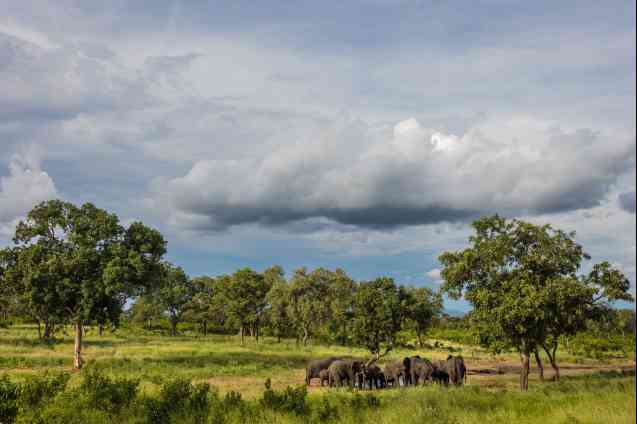
African Parks is having major success. From restoring parks to reintroducing game and large mammals to making major contributions to communities, African Parks is making waves. Two of their success, which are notable for the sheer scale of the operations, are returning rhinos to Rwanda and their 500 Elephants translocation project.

The 1994 Rwandan genocide was a catastrophe. In the wake of this atrocity, Akagera National Park became a wasteland devoid of big game; very nearly lost forever. Today, Akagera National Park is at the heart of a remarkable recovery, a source of pride for local communities, and an asset to Rwanda.
In 2010, in partnership with the Rwandan Development Board, African Parks chartered a new course from oblivion to prosperity and hope. A clear joint vision transformed Akagera into an income-generating park that benefits both people and wildlife. Poaching of high-value species has been virtually eradicated and lions were reintroduced in 2015 but the jewel in the crown was the reintroduction of both black and white rhinos from 2017 to 2021.
The translocation of 18 eastern black rhinos from South Africa in 2017 marked a return of the species after an absence of 10 years. Subsequently, 30 white rhinos, the largest single rhino translocation to date, were also reintroduced from South Africa. In a landmark operation in 2019, 5 black rhinos made a 6,000km cross-continental journey from European zoos to Akagera National Park. The successful translocation will give the Akagera rhinos a much-needed genetic boost that will help to ensure their long-term survival.
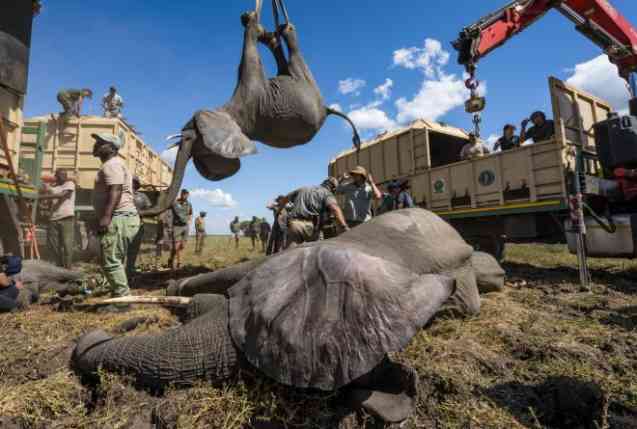
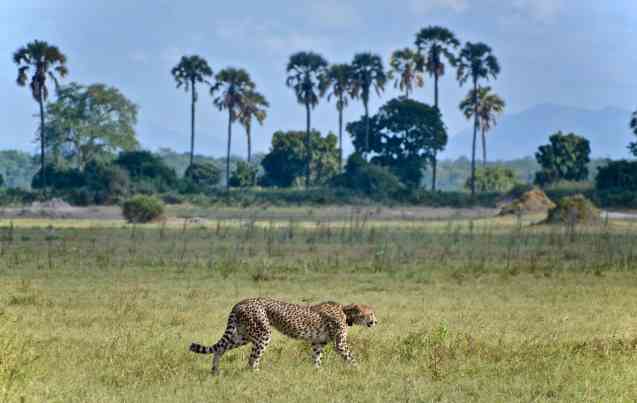
In 2003, African Parks took charge of Majete Wildlife Reserve in Malawi. Through mismanagement and lack of funds, the park had been decimated of wildlife. The Majete elephants had been hunted to extinction. Beginning with rhinos in 2003, African Parks reintroduced elephants in 2006, lions in 2012, giraffes in 2018, cheetahs in 2019, and wild dogs in 2021. Majete was thriving and with Majete’s success, African Parks added Liwonde and Nkhotakota in 2015.

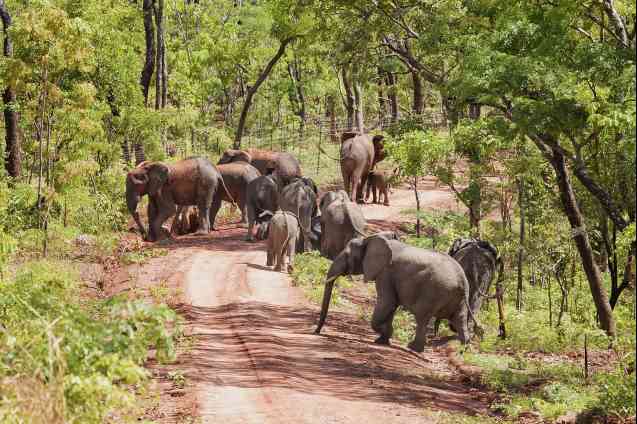
Between 2016 and 2017, African Parks moved more than 520 elephants (and 2,000 other animals) to Nkhotakota from Majete and Liwonde. Majete’s success meant that they were able to supply 150 of these elephants. Interestingly, the 336 elephants were translocated to reduce pressure on Liwonde’s strained habitats.
African Park's success hinges on their ability to network between partners as well as reserves. Connecting on multiple levels between parks and communities, parks and government, parks and parks and between countries gives them the ability to think big.
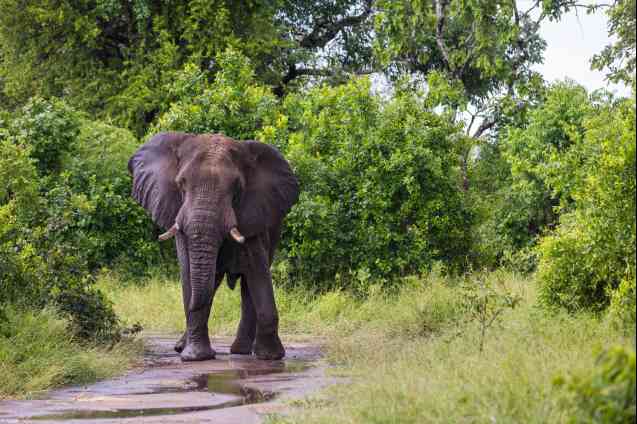
500 elephants was one of the largest and most significant elephant translocations in human history. More than that, it is a narrative of hope.
“But we can’t do this alone. To protect biodiversity at scale, it’s imperative that we form sound collaborations with other organisations committed to the same outcomes. With these strong partnerships, together with governments and communities, all vested in solutions and accountability, we can make a real difference in securing and safeguarding Africa’s protected areas for the benefit of people and wildlife long into the future.” -Peter Fernhead, CEO African Parks
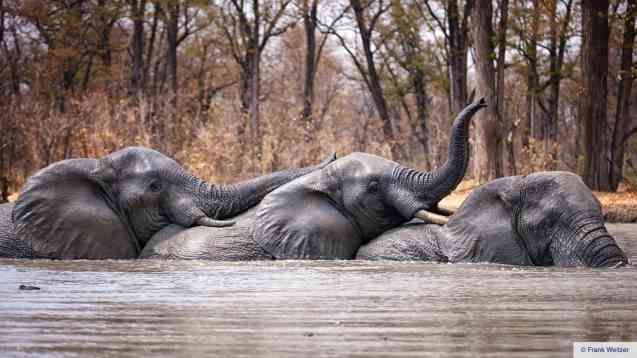
African Parks is the best news for Africa’s protected areas. They are building year after year, going from strength to strength and slowly winning against seemingly insurmountable odds.
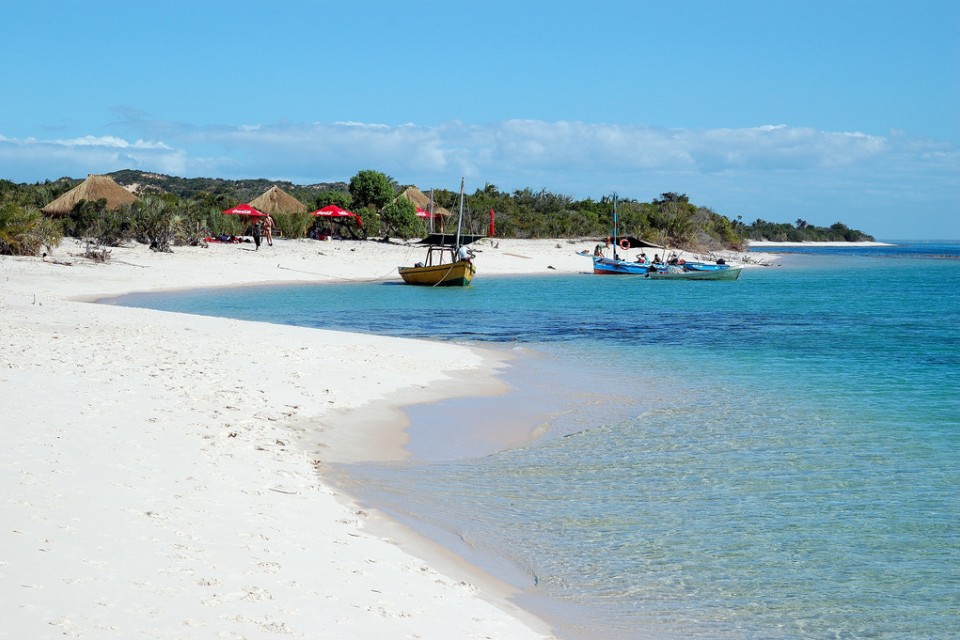
If you want to be a part of their remarkable success story, you can take two concrete actions. Donate to African Parks today or book a safari to visit one of their incredible success stories, Majete or Liwonde National Park in Malawi, Bazaruto in Mozambique, or Bangweulu in Zambia…
Wherever you choose, your contribution will go directly to the sustainable future of the reserve you choose to visit. Whatever you choose, African Parks has a lot to offer.
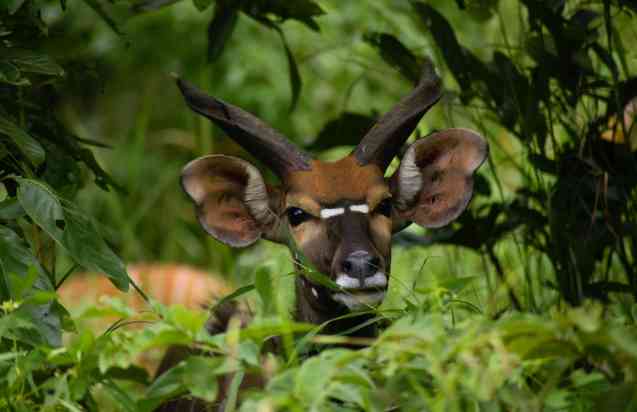

Explore these destinations mentioned in this post.
Below you'll find further reading and articles related or similar to this post.




Call us toll free from US/Canada on 1-888-414-6513, or from the UK on 0-808-189-1052. All other countries can contact us on +27 21 791 0878.
© 2026 African Budget Safaris | Privacy | Terms | Cookie Policy | Consent Preferences