In November this year, Air France will resume regular flights to Kilimanjaro, Tanzania, after a 28-year hiatus. The airline will operate 3 weekly flights using Airbus A350-900 aircraft, following a triangular route from Paris, France, with a stop in Zanzibar Island before going on to Kilimanjaro. Kilimanjaro Airport is a popular outdoor leisure destination serving climbers of Africa's highest peak as well as the popular national parks of the Tanzania Northern Safari Circuit – with the Serengeti National Park and Ngorongoro Crater as highlights.
Ethiopian Airlines, fast becoming Africa's leading airline, has launched a new route from Addis Ababa Bole International Airport (ADD) in Ethiopia, to Maun in Botswana, gateway to the ever popular Okavango Delta. The new route will operate 3 times a week on Mondays, Wednesdays, and Saturdays, making it Ethiopian Airline's second destination in Botswana. The link between the two countries allows for interesting tour itineraries, combining the exceptional natural and cultural attractions of these diverse and contrasting African nations.
Malaysian multinational low-cost airline, AirAsia X, has announced that it will venture onto the African continent for the first time. The airline will launch its longest route, flying from Kuala Lumpur to Nairobi, Kenya, from 15 November 2024. The 3,900 nautical mile route will operate 4 times weekly on an Airbus A330-300. AirAsia will leverage their Kuala Lumpur hub to attract passengers from Southeast Asia, and its 165 destinations worldwide, to new destinations on the African continent.
Emirates, one of the two flag carriers of the United Arab Emirates, has announced the launch of a new air service to Madagascar. From 3 September 2024, the 4 weekly flights will depart from Dubai (DXB), stopping in Mahé, Seychelles, before continuing to Antananarivo (TNR) in Madagascar. The new route is testimony to the growing popularity of the beautiful natural attractions and ecotourism experiences offered by Madagascar.
The addition of Madagascar to Dubai's international hub will make travel to and from this fascinating island so much easier. Madagascar boasts a unique biodiversity with 5% of the world's fauna and flora, 80% of which is endemic. This island nation has 6 distinct microclimates, making it a haven for wildlife enthusiasts. Though tourism is still developing due to its location and infrastructure, Madagascar's fascinating landscapes and incredible lemurs, chameleons, and other rare species make it a truly unforgettable travel destination. Read more in our Madagascar Destination Guide.
From 27 October 2024, Lufthansa passengers will have the chance to enjoy the newly launched Allegris Business Class luxury cabins on the Munich to Cape Town flights. The route is operated on an Airbus A350 aircraft fitted with enhanced Allegris seating options that include extra-long 2.2m beds, increased workspace, window privacy seats, and convertible double seats. This is part of a €2.5 billion product overhaul undertaken by Lufthansa to elevate the passenger experience.
The Lufthansa group is also increasing its Cape Town flight frequency, with 17 weekly flights available by late October to its Frankfurt, Munich, and Zurich hubs via partner Edelweiss.
Uganda flag carrier, Uganda Airlines, has secured sought after slots at Heathrow Airport, following strategic meetings in London recently. This marks a significant milestone for the carrier and the country, which will soon see direct flights between Entebbe, in central Uganda on the shores of Lake Victoria, and London. The Entebbe route is the second-largest unserved African market for London flights and the new route, serviced by two Airbus A330-800 Neo aircraft, will provide a great boost to tourism and business travel in the country. The inaugural flight date is pending final certifications from UK and European aviation authorities.
What sets Uganda apart as an African safari destination is that 20% of the country lies in protected areas. From the gorillas in the rainforests of Bwindi Impenetrable Forest National Park to chimpanzee trekking in Kibale, and some exceptional Big 4 safaris at Queen Elizabeth National Park – famous for tree climbing lions, Murchinson Falls National Park – with the Nile River & large herds of elephants, and the remote and rugged Kidepo Valley National Park – for unique Uganda wildlife including caracal, cheetah, and aardwolf.
View our Uganda Tours
Meanwhile, Uganda President Yoweri Museveni's office announced recently that they have signed an agreement with the United Arab Emirates to build a new international airport, Uganda's third. The UAE's Sharjah Chamber of Commerce and Industry will oversee the construction of the airport just outside Kidepo National Park in the northeast, near Uganda's border with Kenya.
Qatar Airways is set to finalise its acquisition of a 49% stake in Rwanda's National carrier, RwandAir. This stake will allow Qatar Airways to expand operations in East and Central Africa, enabling RwandAir's fleet and route expansion, upskilling staff and see the launch of a cargo hub in Rwanda's capital, Kigali. The partnership includes a codeshare agreement and direct flights between Kigali and Doha, expanding Rwanda's global reach and leveraging the country's transformation into an African economic success story.
Additionally, Qatar Airways will take a 60% ownership in the new $1.3 billion Bugesera International Airport project near Kigali, expected to be completed by 2028. This new hub will capitalise on Rwanda's strategic location at the heart of Africa, enhancing connectivity within the continent and beyond. Fondly referred to as the "Land of a Thousand Hills", Rwanda is a lush and verdant tropical beauty with breathtaking landscapes that are home to warm people, rich culture, and remarkable wildlife including the famous mountain gorillas. Rwanda is a safe, scenic destination packed with activities. Read more in our Rwanda Destination Guide.

Five southern African nations — Angola, Botswana, Namibia, Zambia, and Zimbabwe — have agreed to extend a regional visa scheme akin to the European Schengen Visa. This unified visa now covers all members of the Kavango-Zambezi (KAZA) Transfrontier Conservation Area, simplifying cross-border travel across these countries. At the heart of the area, the Kavango and Zambezi river systems form the lifeblood of southern Africa, feeding the mighty Victoria Falls and emptying into the sands of the Kalahari Desert to form the miraculous Okavango Delta. The easier travel arrangements allow visitors to appreciate the full extent of these natural phenomena from beginning to end.
The Namibian Ministry of Home Affairs has announced new reciprocal visa requirements starting 1 April 2025. Nationals from 32 countries, including the UK, USA, and Canada, will be required to obtain a visa on their arrival to enter Namibia. Additionally, visa fees for travellers from non-African Union member states will increase to N$1,600 per person. These fees will be reviewed annually. To streamline the process, the "visa on arrival form" will be combined with the "arrival form," and the "departure form" will be discontinued.
In a move to address Nairobi's increasing importance as a regional transport hub, the Kenya government has approved a comprehensive plan for the overhaul of Nairobi's Jomo Kenyatta International Airport. The JKIA Medium-Term Investment Plan provides for upgrading the existing passenger terminal, runway, taxiway, apron, and airside facilities to meet global aviation standards. In addition, a new state-of-the-art terminal capable of handling 20 million passengers annually will be constructed, with construction slated to begin later this year and completion expected by 2025/26.
South Africa is in the midst of a biometric upgrade project at its airports. Airports Company South Africa (ACSA) has initiated an R100-million (€4.9m) project to install biometric and e-gate technologies across 9 airports within the next two years. The rollout will involve the phased implementation of facial recognition technology to streamline immigration processes, reduce queuing times, and bolster security measures at South African airports.
Zambia's Mfuwe International Airport, the gateway to the wilds of the popular South Luangwa National Park, will remain operational throughout 2024. The airport is currently receiving vital upgrades to its infrastructure to cope with increasing tourist numbers coming to experience the extraordinary game viewing of the Luangwa Valley. Initially, the plan was to close the runway for 3 months this summer, but Zambia Airports Corporation engaged with the government to minimise disruption during the Luangwa Valley's peak tourist season. Zambia Tourism Agency (ZTA), Board Chairman Daan Brink said “We’re extremely pleased that we may continue to showcase the extraordinary game viewing available in South Luangwa and the Luangwa Valley in the summer months.”
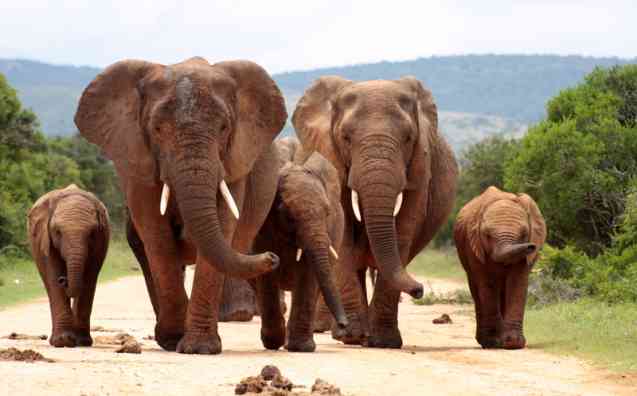
Construction of a new US$1.4 million pavilion and welcome centre at Hwange National Park in Zimbabwe is progressing well, with over 65% of the project completed. The initiative is a collaborative effort between Zimbabwe Parks & Wildlife Management Authority and the International Fund for Wildlife Welfare, to improve visitor experience and enhance wildlife protection measures. The pavilion will feature a visitor centre, tourism office, car park, ranger housing, and a craft shop. Notably, it will also include a high-security checkpoint equipped with smart technology cameras to assist with efforts to combat illegal hunting and trafficking in the area.
The development is part of a broader investment plan for Hwange National Park. As Zimbabwe's oldest park, Hwange National Park boasts exceptional safari experiences with diverse wildlife in a remote location. From abundant elephants and predators to rare African wild dogs, the park offers sightings of Africa's Big 5 animals - lion, leopard, elephant, buffalo and rhino - across a stunning mosaic of habitats. With lower tourist numbers compared to other parks, Hwange provides a chance for a more intimate African safari adventure. Since 2019, the park has received approximately US$3 million for various infrastructure and community projects, underscoring ongoing efforts to promote sustainable tourism and conservation in the region.
Read more about Zimbabwe's attractions in our Zimbabwe Location Guide.
Addo Elephant National Park, located 30 kilometres from Gqeberha in South Africa's Eastern Cape province, is advancing its commitment to green energy through several solar-powered initiatives commissioned by SANParks. Covering 1,640 square kilometres, the park has converted its 17 largest boreholes supplying animal waterholes from diesel to solar power. In addition, 20 hybrid solar systems now provide electricity to accommodations for the Anti-Poaching Unit and law enforcement centre. By late 2024, the park's Main Camp, which includes staff housing and visitor facilities, aims to achieve off-grid status through another solar project.
Supporting these efforts, a biofiltration plant has been implemented to recycle up to 80% of greywater from the Main Camp. This recycled water is used at a nearby waterhole and bird hide, with plans for future use in toilet flushing.
Addo Elephant National Park is a malaria-free safari destination that is home to diverse wildlife, both on land and in the ocean. It is famous for its large elephant herds, which can be easily spotted at waterholes during the dry season. Because of the land and ocean location, the park offers a unique opportunity to view 'The Big 7' - the traditional land-based Big 5 - lion, leopard, elephant, buffalo and rhino - as well as the southern right whale and great white shark in the ocean.
View our 3-Day Addo Elephant Park Safari.
Mont Eco is a relatively new Big 5 game reserve located in the beautiful, malaria-free Klein Karoo, just a two-and-a-half-hour drive from Cape Town. Spanning 6,500 hectares (16,000 acres) on the slopes of the majestic Langeberg Mountain range, the reserve boasts historic remnants including Bushman paintings and fossils dating back thousands of years. Situated within the Cape Floral Kingdom, Mont Eco encompasses three significant biomes: Nama Karoo, Succulent Karoo, and Fynbos. The reserve has been meticulously restored to showcase an impressive diversity of succulent plant species. Wildlife that once roamed these lands has been reintroduced, offering a complete Big 5 safari experience.
Kingsley Lodge, built alongside a seasonal riverbed, features first-class interior design in seven spacious contemporary suites. Each safari suite includes a handcrafted clay Karoo fireplace, adding a warm, romantic ambience to cool Karoo evenings. You can also enjoy spectacular stargazing opportunities under unpolluted night skies. There are several communal areas and diverse dining options. The experienced safari guides share their deep knowledge of the Klein Karoo's unique symbiotic relationships between flora and fauna. Game drives are conducted twice daily, offering views of the sunrise and sunset, and all accommodation packages include a must-experience bush walk.
Activities at Mont Eco Game Reserve include 4x4 game drives (open-sided safari vehicles) and guided bush walks, including fossil and San rock art sites.
See our Mount Eco Safari packages
A new 6,500-hectare nature reserve has been established in South Africa's iconic Drakensberg mountain range to protect the area's rich cultural and natural heritage.
The Drakensberg mountain range is home to southern Africa's highest mountains, is a UNESCO World Heritage Site and hosts a rich tapestry of plant and animal life. It is also home to one of Africa's smallest landlocked Kingdoms, Lesotho. Animal sightings include eland, the largest antelope in Africa, the rare mountain reedbuck, and the elusive klipspringer. Hikers can explore a vast network of trails, with options ranging from gentle strolls to challenging multi-day treks. Enjoy scenic drives, horseback riding, or mountain biking. The crystal-clear mountain streams provide opportunities for white-water rafting, kayaking, and fishing.
The formation of the Northern Drakensberg Nature Reserve has been a collaborative effort between landowners and conservationists and aims to safeguard the region's precious ancient rock art sites dating back 3,000 years, as well as vital grasslands and water sources. Importantly, the reserve will create a critical wildlife migration corridor to enable the recovery and diversity of previously isolated animal populations. Spanning from South Africa into the neighbouring Kingdom of Lesotho, this transnational protected area covers the source of nearly 20% of the water supply for the Vaal River system, which serves around 4 million people of Johannesburg and Gauteng, South Africa's most important economic hub. The new reserve aligns with South Africa's commitment to safeguard 30% of its lands and oceans by 2030, as pledged at the 2022 COP15 biodiversity conference.
This 12-day Lesotho and South Africa Safari takes you to the beautiful Drakensberg Mountains.
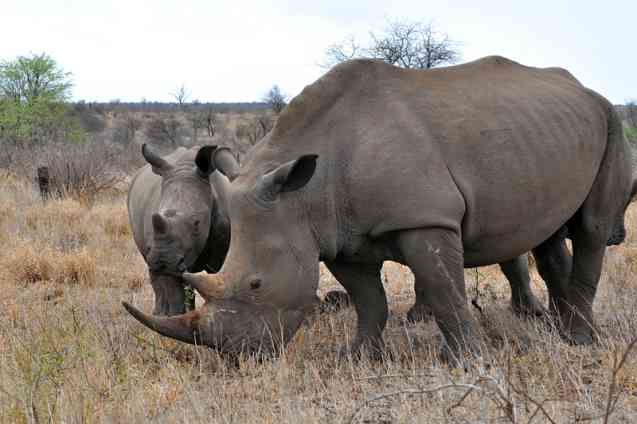
In a significant boost to rhino conservation, another 120 southern white rhinos have been successfully translocated to reserves represented by the Greater Kruger Environmental Protection Foundation (GKEPF) in Mpumalanga and Limpopo, South Africa. This move is part of African Parks' ambitious Rhino Rewild initiative, which aims to rewild 2,000 southern white rhinos into secure, protected areas across Africa over the next ten years. This initiative began with African Parks' acquisition of the world's largest captive rhino breeding operation from John Hume in September 2023, after a failed auction. Read our blog post on the subject here. This translocation follows an initial move of 40 southern white rhinos to Munywana Conservancy, as reported in our June newsletter.
GKEPF, established in 2016, is an alliance of nine private reserves, one provincial park, and one national park, working together to protect the buffers of Kruger National Park and the Greater Limpopo Transfrontier National Park. The recent translocation occurs at a time when poaching rates within GKEPF reserves have significantly declined, demonstrating the success of enhanced security and anti-poaching measures. This effort underscores South Africa's crucial role in rhino conservation for the benefit of the entire African continent.
The Rhino Rewild project aims to move approximately 300 rhinos annually to the 22 parks across 12 countries, including South Africa, Mozambique, Rwanda, Chad and Zimbabwe, which African Parks currently manages. Through Rhino Rewild, African Parks is dedicated to establishing or supplementing strategic rhino populations in well-managed, secure areas, ultimately helping to ensure the species' future.
French energy giant Total Energies has begun drilling for oil in Uganda's Murchison Falls National Park. The company says it's using quieter technology to minimize disruption to wildlife. The rigs are painted beige to blend in with the surroundings. Additionally, they lack noisy pumps typically used in oil extraction. This is a response to concerns that loud machinery would drive wildlife away.
The Prime Minister of Buganda commended these efforts, highlighting the importance of considering conservation alongside development. With so many new oil finds occurring in Africa's protected areas, it remains to be seen if the world's thirst for oil can co-exist with its conservation endeavours.
A recent global research initiative has delved into the intriguing origins and genetic diversity of the world's eight baobab species. Six of these majestic trees are native to Madagascar, with one species found in mainland Africa and another in Australia. Led by Tao Wan and Qing Feng Wang of the Wuhan Botanical Gardens in China, and Ilia Leitch of the Royal Botanic Gardens at Kew in London, the team sequenced and studied the genomes of all eight baobab species, revealing their fascinating evolutionary journey and crucial role in their ecosystems.
Baobabs are a keystone species, supporting a diverse array of animals with food and shelter, and can grow to impressive dimensions. Through genomic analysis, the researchers uncovered significant genetic diversity within each species, highlighting their resilience to environmental challenges such as climate change and habitat loss. The study traced the baobabs' origins to Madagascar, where they began evolving into distinct species around 21 million years ago. The African and Australian species are believed to have spread from Madagascar as seeds or seedlings, transported by natural debris rafts.
Two of the Madagascar species are endangered, with shrinking habitats and low genetic diversity, prompting recommendations for increased conservation efforts. Additionally, a critically endangered species face the threat of genetic swamping through hybridization with more common species, necessitating difficult conservation decisions to preserve its uniqueness.
View Madagascar Tours
A groundbreaking study has revealed that elephants may use name-like calls to address one another, a concept long suspected but never tested. Researchers followed elephants across the Kenyan savanna, recording their vocalizations and noting the caller and the recipient. While most people associate elephant calls with loud trumpets, the study focused on deep, thrumming rumbles, which are partially below human hearing range and likely candidates for containing name-like information. Using a machine learning model, researchers analyzed 437 calls from 99 elephants, training the model to identify the recipient based on the call's properties.
The model successfully identified the recipient for 27.5% of the calls, indicating that some rumbles contained information specific to individual recipients. Further analysis showed that calls from the same caller to the same recipient were more similar than those to different recipients, confirming that the calls were specific, like names. To test if elephants could perceive these name-like calls, researchers played recordings of calls addressed to them and others addressed to different elephants. The elephants responded more readily to calls meant for them, approaching the source sooner and vocalizing more frequently, demonstrating their ability to recognize and respond to their names.
This discovery not only highlights the complexity of elephant communication but also offers insights into the evolution of human language. Unlike most mammals, which produce a fixed set of vocalizations, elephants, dolphins, and parrots have evolved the ability to learn new sounds and use them as names. This capacity for vocal learning might have been a crucial step in the development of human language, suggesting that our ancestors initially evolved to learn names for each other before expanding their vocal repertoire. The findings emphasize the sophisticated social interactions and communication skills of elephants, shedding light on the evolutionary parallels between human and animal communication.
Madagascar, with a coastline of more than 6,000 km, is an island off the east coast of Africa that doesn’t frequently cross the minds of surfers across the globe who journey looking for waves. New Zealand national and long-time resident Blair Rogers runs one of the few surf tour operations in southwest Madagascar. In 2020 as the COVID pandemic hit and tourism dried up on the island, something extraordinary happened – the southwest saw its first crew of local female surfers. Read about the girl breaking barriers in the latest feature in Surfer Magazine.
The Makgadikgadi Epic takes place over 2 days on the expansive crusty salt pans of Makgadikgadi, Botswana, the dried-up remains of an ancient lake that once stood there. This annual event combines adventure racing and cultural festivities, featuring off-road challenges like 4x4 racing and quad biking, alongside cultural performances, stargazing, and camping under the vast African skies. The festival provides a unique opportunity to experience the natural beauty and rich cultural heritage of the Makgadikgadi region. The event is perfect for adventure enthusiasts, thrill seekers, and anyone interested in exploring Botswana's breathtaking landscapes and traditions.
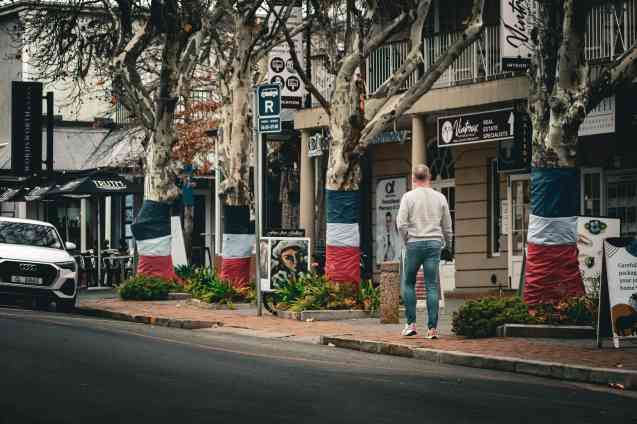
Renowned for its culinary prowess and world-class wines, the Franschhoek Wine Valley celebrates its French roots during the iconic Bastille Festival weekend each year. Held in the picturesque Winelands, the event features a wine-tasting marquee with over 20 local wineries, offering a feast of local food stalls and live entertainment. Attendees can don their berets and enjoy the vibrant atmosphere as they stroll through the bustling streets, engaging in bespoke shopping and lively performances by local drummers, musicians, and artists. The festival is a heady blend of the rich flavours and festive spirit of French culture with the charm of Franschhoek village in the Cape Winelands.
Zanzibar celebrates 'Mwaka Kogwa,' the traditional Shirazi or Persian New Year, around the 23rd or 24th of July, with main events in Makunduchi village in late July or early August. The festival aims to attract good luck for the New Year through African folk singing, dancing, feasting, and drumming. A unique tradition involves a play fight where men beat each other with banana sticks, while women, dressed in their finest, sing about family, love, and fortune. The festival concludes with the ceremonial burning of a ritual hut, led by the revered mganga, a Swahili healer, who draws predictions for the new year from the smoke patterns. This ritual invokes happiness and well-being for the village. Festivities continue with taarab music, dancing, drums, and Swahili cuisine.
The annual Mutomboko ceremony celebrates the rich cultural heritage of the Lunda-speaking people of Luapula, Zambia. Held in Mwansabombwe village, the festival marks the historical journey and conquests of the Lunda people. The highlight is the Mutomboko war dance performed by Chief Mwata Kazembe, symbolizing the migration and victories of the Luba-Lunda. The two-day ceremony includes traditional dances, millet beer drinking, and sports and cultural events organized by the youth. Participants pay homage to ancestral spirits, enjoy royal family performances, and experience the unique drum beats that set the rhythm of the celebration. The Mutomboko ceremony has evolved from its origins in post-battle celebrations to an official annual event since 1971.
Explore these destinations mentioned in this post.




Call us toll free from US/Canada on 1-888-414-6513, or from the UK on 0-808-189-1052. All other countries can contact us on +27 21 791 0878.
© 2026 African Budget Safaris | Privacy | Terms | Cookie Policy | Consent Preferences