If you're wondering what a typical day on an overland safari is really like, the honest answer is: no two days are the same, but most follow a familiar rhythm.
Some mornings start before sunrise with coffee and a game drive. Others unfold slowly, with breakfast at camp, long drives through changing landscapes, roadside lunches, and arriving at your next stop just before sunset.
On our Namibia-to-Victoria Falls overland safari, we experienced both, and that contrast is exactly what makes this style of travel so rewarding.
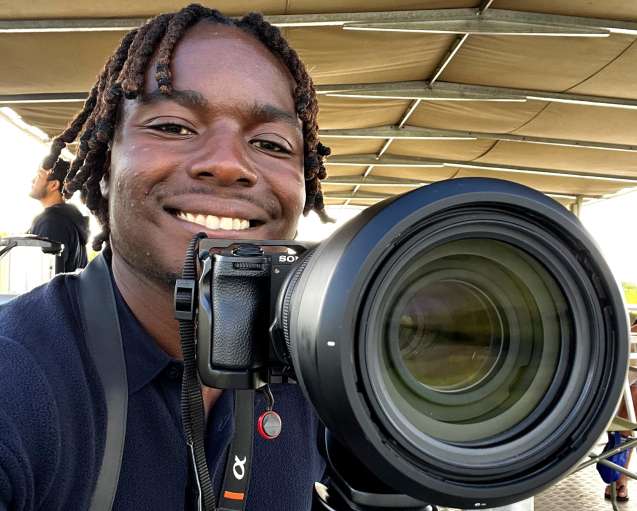
If you haven’t already, start here by reading Sakhu's firsthand account of his overland safari.
This blog post takes a look at the 2 major day types: 'the early start and safari activity' and 'the long drive day.'
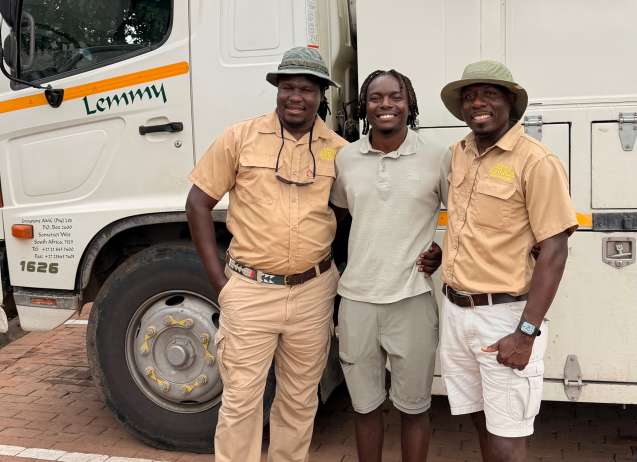
Most days follow a loose structure:
The structure remains similar, but the experience constantly changes depending on where you are.
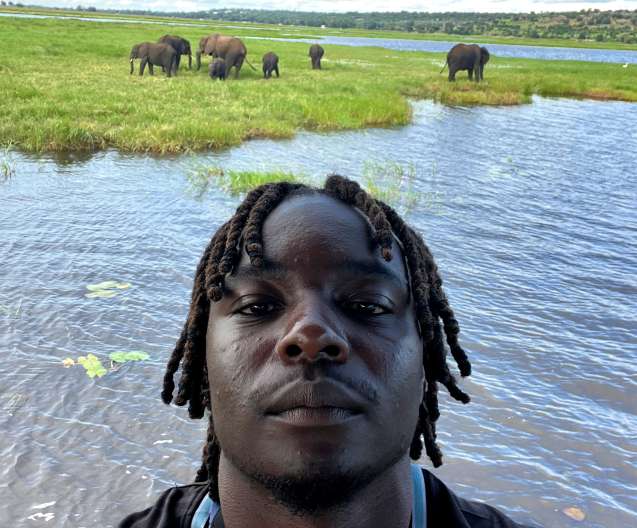
Some of the best days begin before sunrise.
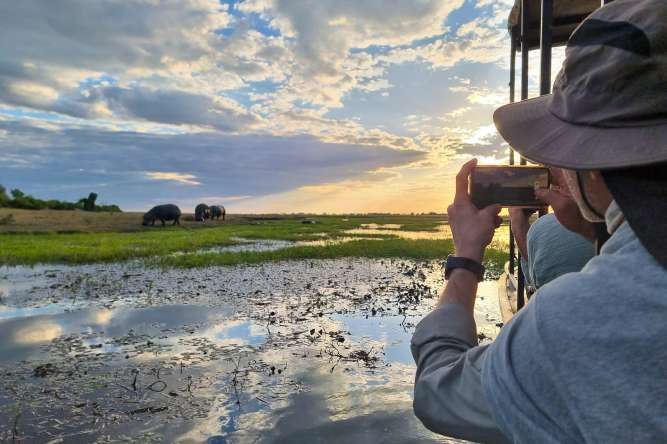
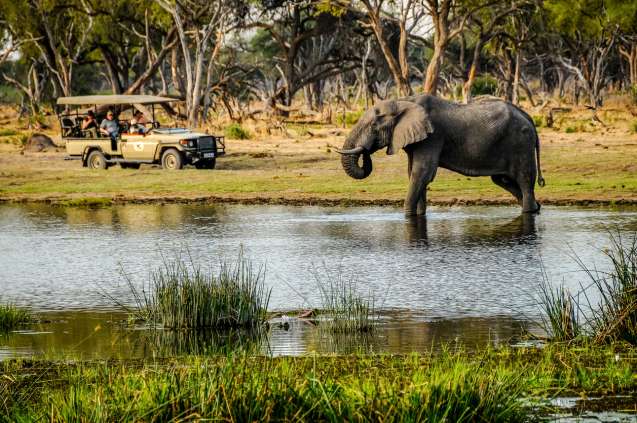
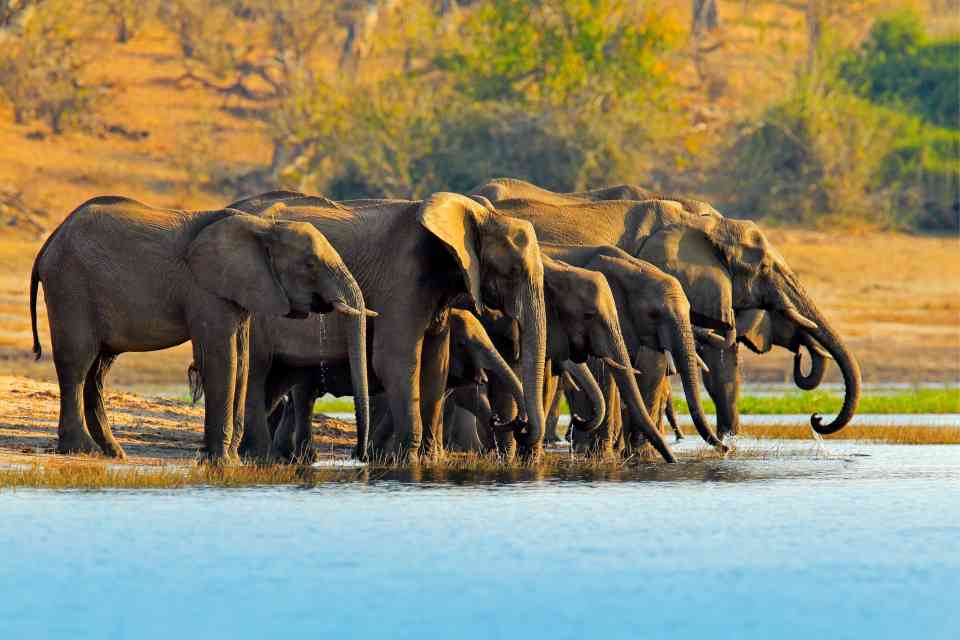
On this particular morning, we were up at 6 am for a game drive in Chobe National Park. It was cold, dark, and not exactly comfortable getting out of bed, but this is one of the realities of safari travel: wildlife is most active early in the morning.
Within a short time in the park, we had already seen:
All the active game and the atmospheric lighting made the early starts worth it.
On the best safaris, you will be briefed the day before and know exactly what to expect. Good guides always make a big difference, but even they can't control the wildlife.
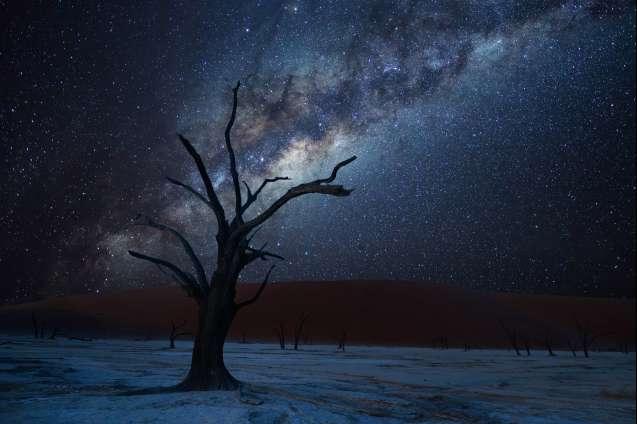
After the morning activity, it’s time for breakfast, and this often surprises people.
Meals on an overland safari are far better than expected, with meals that cater to all tastes and dietary requirements.
Generally speaking, everyone helps out in small ways, setting up, cleaning, or washing dishes, though it is possible to find fully serviced overland tours.
This is where overland travel feels different.
It’s not passive travel. It’s shared, social, and hands-on, and loads of fun!
Now for the part most people worry about: the drive days.
These are the days when you cover serious ground, like our journey north through Namibia towards Divundu and the Okavango River.
On paper, it sounds like a lot of driving.
In reality, it’s where the trip comes together.
You spend time:
We drove through farming regions, small villages, and communal lands before reaching the greener north.
It didn’t feel like “getting from A to B.” It felt like travel in the truest sense.
Here are some of our expert tips for overland safaris.

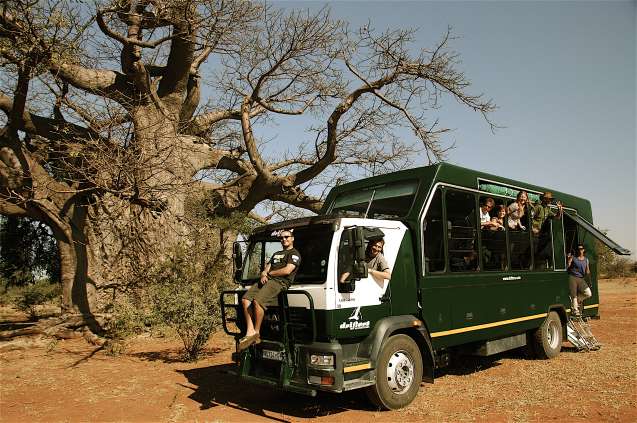
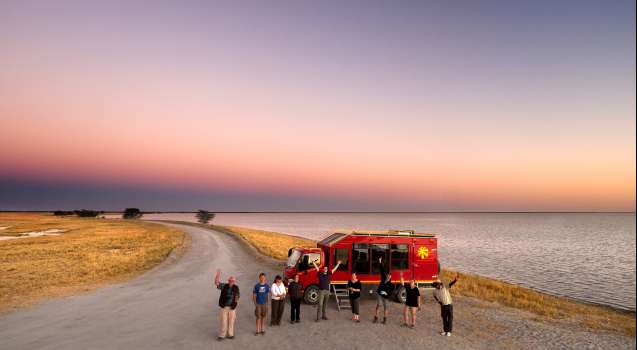
One of the biggest questions that people ask is: "What is the overland truck actually like?"
Overlanding has come a long way since the early days of rough overland safari travel. The answer today, using a reputable safari company:
"Better than you'd expect!"
On this trip:
The truck carries everything:
Even though everything you need is on board, when the truck stops for supplies, you will have a chance to top up extras you may need: mosquito repellent, drinks and snacks, or even souvenirs or keepsakes.
It quickly becomes part of the experience. Ours even had a name, "Lemmy," and by the end of the trip, it felt like part of the group.
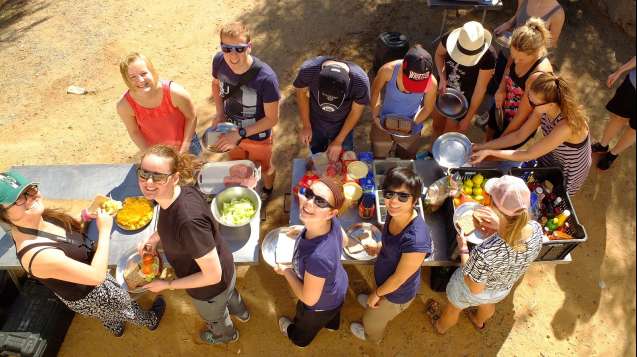
One of the most memorable moments?
A roadside lunch in the middle of nowhere.
The guides pulled over, unpacked everything, and suddenly we had a fully functioning “kitchen” on the side of the road.
Lunch included:
This is one of the best things about overlanding: the spontaneous moments that define overland travel.
Not polished. Not luxurious. But relaxed, with plenty of time to be, to chat, and soak in the experience.
__medium.jpg)
On most overland safaris, you can choose between camping and accommodated options.
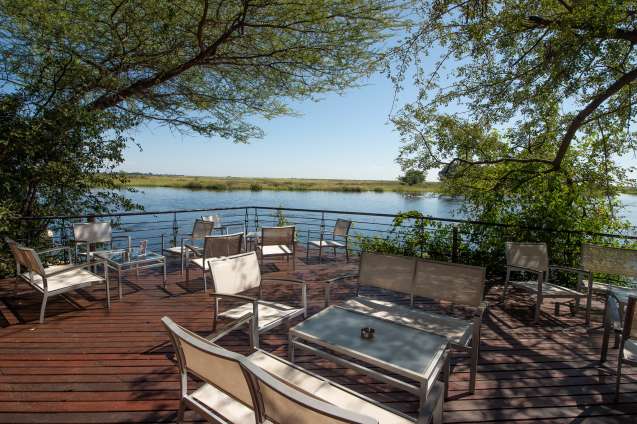
At Rainbow River Lodge near the Okavango River:
Camping: closer to nature, more immersive
Lodge: more comfort, same daytime experience
Both options work; it depends on your travel style. But for those who are worried that accommodation would be sub-standard, you are in for a big surprise!
Another bonus at the lodge was that campers were given the option to upgrade. This doesn't always happen, but if you did feel like it, you could spend the night with walls and a solid floor, as well as a comfy bed, all without the need to plan or pre-book!
__medium.jpg)
Yes, if you value the journey as much as the highlights.
An overland safari isn’t just about iconic destinations like:
It’s about:
By the time we reached the Okavango River, the drive felt completely worth it.
An overland safari could be perfect if you:
It may not suit you if you:
Learn more in our comprehensive overland safari guide
__medium.jpg)
What time do you wake up on an overland safari?
Usually between 5:30 am and 8 am, depending on the day’s activities.
What happens on drive days?
You travel between destinations, with stops for food, sightseeing, and breaks along the way.
Is an overland truck comfortable?
Yes. Trucks today are designed for long journeys with comfortable seating and storage.
Do you help with chores?
Yes, most trips involve light participation like helping with meals or washing up, though you can also go on fully serviced trips where you just have to enjoy the ride.
Is it good for solo travellers?
Absolutely. Overland safaris are one of the best ways for solo travellers to meet like-minded people and to see Africa.
A typical day on an overland safari is a mix of early starts, long drives, shared experiences, and moments you can’t plan for.
What is guaranteed is the experience of a lifetime and one that will stay with you long after the journey is over.
Contact African Budget Safaris and start planning your overland safari today.
Explore these destinations mentioned in this post.
Below you'll find further reading and articles related or similar to this post.




Call us toll free from US/Canada on 1-888-414-6513, or from the UK on 0-808-189-1052. All other countries can contact us on +27 21 791 0878.
© 2026 African Budget Safaris | Privacy | Terms | Cookie Policy | Consent Preferences


__large__thumb.jpg)
_(1)__thumb.jpg)
__thumb.jpg)


__large.jpg)
__large.jpg)