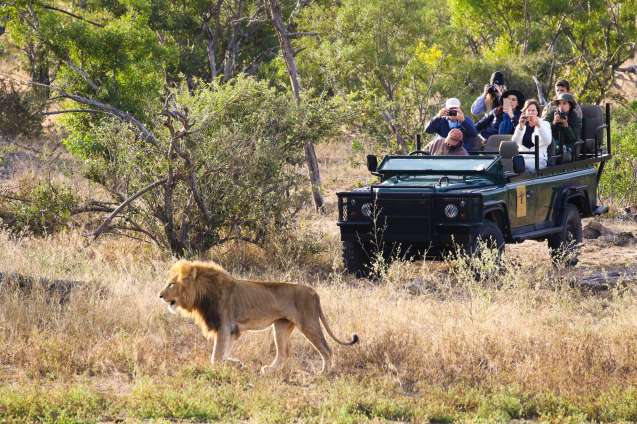
__banner.jpg)
Camping or a lodge overland safari? Compare comfort, cost, accommodation, and travel style to find the right Africa overland trip for you.
Most overland safaris follow similar routes and include many of the same highlights, but the day-to-day experience can feel very different. This guide compares camping and lodge overland safaris so you can choose the style that best suits your budget, comfort level, and travel preferences.
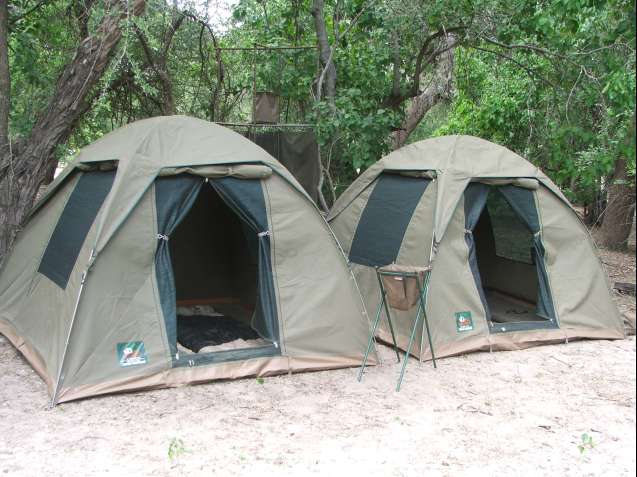
If you want the short version, camping overland safaris are usually cheaper, more social, and more hands-on. Lodge or accommodated overland safaris usually follow the same broad routes, but offer more comfort, less effort, and better rest between travel days. In most cases, the wildlife experience is very similar, so the real choice comes down to budget, comfort level, and how you want the journey to feel day after day.
A camping overland safari is the classic budget overland experience. You travel in an overland truck with a group and stay at campsites, usually in two-person dome tents with shared facilities. These trips are generally the most affordable overland option and tend to appeal to backpackers, solo travellers, younger travellers, and anyone who values adventure, sociability, and hands-on travel.
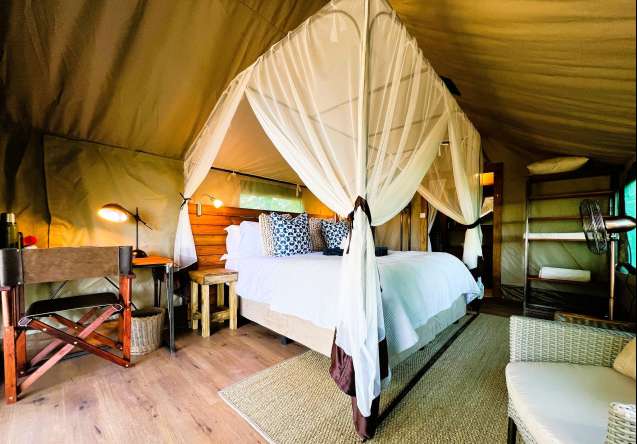
A lodge or accommodated overland safari follows the same overland concept, but with more comfort at the end of each day. Instead of camping most nights, you stay in lodges, chalets, hotels, guesthouses, bungalows, or permanent safari tents, often with proper beds and private or en-suite bathrooms. These tours usually cost more than camping trips, but they suit travelers who want the social side of overlanding without the effort and rougher edges of camp life.
These trips are often called accommodated overland tours, lodge overland safaris, or overland safaris with accommodation. The wording varies from operator to operator, but the basic idea is the same: you still get the classic overland route, group travel, and major safari highlights, just with more comfort at the end of the day.
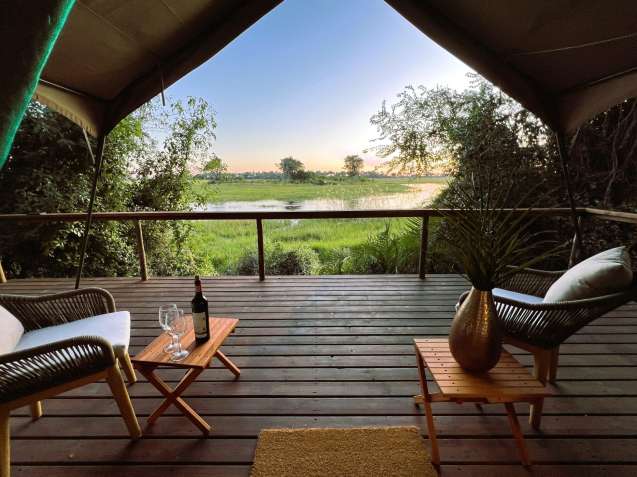
Here’s a quick side-by-side comparison of camping and lodge overland safaris, covering the factors that matter most when choosing between them.
| Feature | Camping Overland Safari | Lodge Overland Safari |
|---|---|---|
| Accommodation | Dome tents at campsites | Lodges, chalets, hotels, bungalows, permanent safari tents |
| Comfort | Basic, more rugged experience | More comfortable, better rest, easier evenings |
| Bathrooms | Usually shared | Often private or en-suite |
| Cost | Lower | Higher (often less than expected) |
| Participation | More hands-on (camp setup, meals) | Less hands-on |
| Group atmosphere | More communal, backpacker-friendly | Still social, with more personal space |
| Food | Simple, hearty, group-based | Similar meals, often more variety and less effort |
| Included activities | Varies by trip | Often slightly more included |
| Trip pace & fatigue | More effort over time (setup, pack-down, basic facilities) | Easier pace, better rest on long routes |
| Best for | Budget-conscious, adventurous, social travellers | Comfort-focused travellers who still want value |
In most cases, the wildlife and destinations are the same — the real difference is how comfortable and hands-on you want the journey to be.
Camping is usually cheaper, more social, and more adventurous. Lodge is usually easier, more comfortable, and better suited to travellers who want the overland experience without the rougher edges.
For a good example of how overland safaris can suit a wide range of travellers, including older adventurers, read our Safari at 83 story.
Not necessarily.
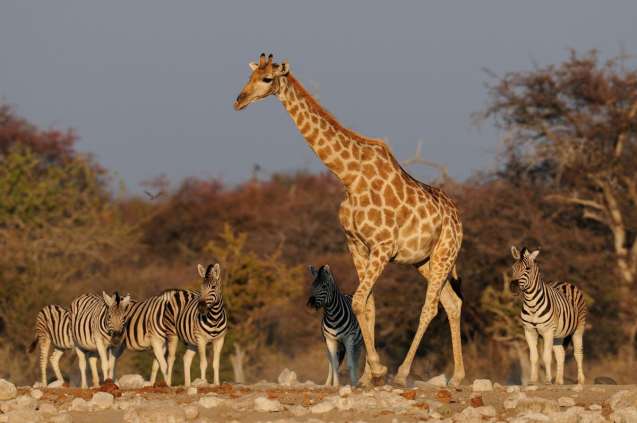
Camping and lodge overland safaris often follow the same, or very similar, routes and visit the same major parks, so the wildlife experience can be much the same.
For example, a camping and lodge version of a Namibia, Botswana, and Victoria Falls overland safari may both include major highlights such as Etosha National Park, the Okavango Delta region, Chobe National Park, and Victoria Falls. In that case, the wildlife and destination experience may be almost identical. The real difference usually comes down to comfort, accommodation style, and how hands-on the trip is between safari activities.
To see how these routes compare in practice, explore our tours to Etosha, the Okavango Delta, Chobe, and Victoria Falls.
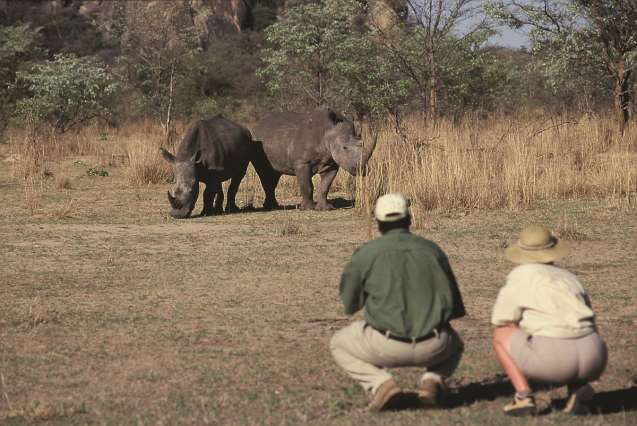
Camping overland tours usually suit travellers who care most about value, atmosphere, and adventure.
They are often the better fit for:
Camping also tends to work well for people who already know they are fine with basic facilities, changing camps, early starts, and a bit of organized chaos. If you like feeling part of the mechanics of the trip, camping can be more rewarding than lodge travel.
__medium.jpg)
Lodge overland safaris are usually the better fit for travellers who want the same overland magic, just with fewer friction points.
They are often best for:
This is especially true on longer routes. Online trip reports repeatedly mention long drive days, early pack-ups, and the cumulative effect of repetitive camp routines. That does not mean camping is a bad choice, but it does mean comfort becomes more valuable the longer the trip is.
If you already know which style sounds like a better fit, browse our overland camping tours or overland lodge safaris to compare real routes and departure options.
__medium.jpg)
Lodge overland safaris are more expensive, but often not dramatically so.
This is one of the most important comparison points for travellers choosing between camping and lodge overland tours. The price gap is real, but it is often smaller than people expect, especially on routes where lodge trips include more comfortable accommodation, less camp participation, and, in some cases, more included activities. For many travellers, the real question is not simply whether lodge costs more, but whether the extra comfort is worth the added daily cost on a longer journey.
African Budget Safaris’ current overland cost guide says most African overland safaris in 2026 fall roughly between US$120 and US$350 per person per day, depending on the route, accommodation style, and what is included.
A real route example makes the difference clearer. On one current African Budget Safaris 20-day Victoria Falls to Cape Town route, the lodge version starts at US$5,637*, while the camping version starts at US$3,818*. That is a difference of US$1,819 over 20 days, or about US$91 per person per day. Both trips cover the same broad journey through Zimbabwe, Botswana, Namibia, and South Africa.
*Prices were accurate at the time of writing but may fluctuate with the exchange rate.
| Route Example | Camping From | Lodge From | Approx Difference |
|---|---|---|---|
| Victoria Falls to Cape Town, 20 days | US$3,818 | US$5,637 | US$1,819 total |
| Per day equivalent | US$191/day | US$282/day | about US$91/day |
This kind of price gap is fairly typical across paired overland routes. On routes such as Namibia to Victoria Falls, Cape Town to Victoria Falls, or Kenya to Zanzibar, the lodge or accommodated version usually costs more, but not always by as much as travellers assume. That is why it helps to compare similar camping and lodge routes side by side, rather than assuming one style automatically offers better value than the other.
That gap is real, but it is not always a deal-breaker, especially when you factor in proper beds, more comfortable accommodations, less camp participation, and, on some trips, more included activities. This is exactly why lodge tours often feel like a better value than travellers expect, even when the headline price is higher.
Compare our camping and lodge overland tours side by side, or speak to an African Budget Safaris expert to help you choose the right route for your budget, comfort level, and travel style.
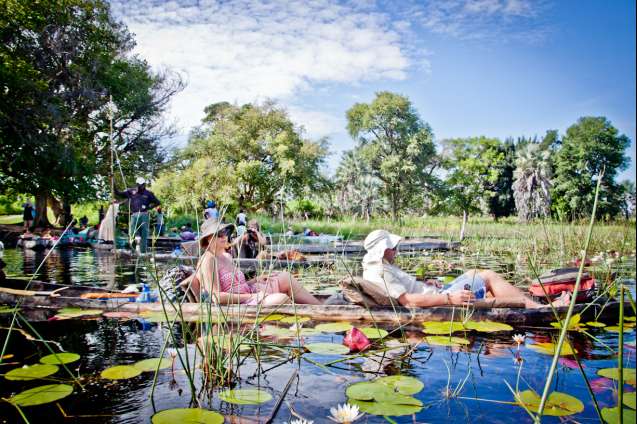
One of the easiest ways to compare camping and lodge overland safaris is to look at the routes offered in both styles. That way, you are comparing the same broad journey, the same headline destinations, and often many of the same activities, with the biggest differences being accommodation, comfort, group feel, and trip pace outside the vehicle.
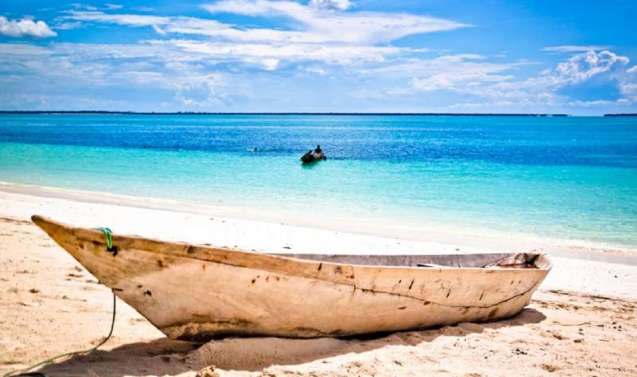
Popular examples include Namibia to Victoria Falls, Cape Town to Victoria Falls, and Kenya to Zanzibar overland safaris. These route pairs are especially useful for comparing value because they usually follow the same core itinerary, but give you a choice between a more hands-on camping experience and a more comfortable lodge or accommodated version. If you are deciding between camping or lodge safari travel in Africa, these paired routes are one of the clearest ways to see which style suits you best.
Browse our Namibia to Victoria Falls, Cape Town to Victoria Falls, and Kenya to Zanzibar overland tours to compare camping and lodge safari options on similar routes.
Yes. Camping overland safaris are usually cheaper because you stay at campsites and the trip often involves more participation, which helps keep costs lower.
Usually not. Most camping and lodge overland safaris follow the same routes and visit the same national parks, so the wildlife experience is often very similar.
Camping overland safaris are usually more hands-on. Depending on the tour, you may help with tasks like camp setup, meal prep, washing up, or loading gear, though the level of participation varies by operator. This is one of the biggest practical differences travellers mention in overland trip reports.
For many travellers, yes. Lodge overland safaris usually cost more, but they often include more comfort, less participation, and sometimes more included activities, so the gap can feel smaller than expected.
Usually yes. Camping tends to create a stronger group atmosphere because travellers spend more time together at camp and around shared tasks. Lodge tours are still social, but they usually give you more privacy and personal space.
Often, yes. Lodge overland safaris are usually a better fit for travellers who want the overland experience without sleeping on the ground, dealing with camp chores, or feeling worn down by long drive days and basic facilities.
__medium.jpg)
Still not sure which style is right for you?
Seeing both styles in action can make the choice much easier. Sakhu’s Namibia to Victoria Falls overland safari offers a useful first-hand comparison of what camping and lodge accommodation actually feel like on the road, from comfort and routine to the overall rhythm of the trip. Watch the video, then read his companion blog post for a more personal take on what stood out most.
Choose a camping overland safari if you want maximum value, a stronger group atmosphere, and a more adventurous, hands-on travel style.
Choose a lodge overland safari if you want the same iconic overland routes with more comfort, less effort, and a better night’s sleep.
The biggest mistake is assuming lodge automatically means a better safari, or that camping is only for gap-year travellers. In reality, both styles can be excellent. The right choice depends less on the wildlife and more on your budget, comfort threshold, travel experience, and how you want the journey to feel day after day. For most travellers, the best camping vs lodge overland safari choice comes down to how much comfort you want, how hands-on you are happy to be, and how you want the journey to feel from one day to the next.
Ready to compare routes, prices, and travel styles in more detail? Start by browsing our full range of overland tours, then explore our guides to overland travel, safari costs, and what a typical day on the road looks like. If you are interested in a more comfortable small-group option, you can also compare exclusive-style overland safaris.
Useful next steps:
Browse our camping and lodge overland tours to compare routes, prices, and travel styles, or speak to an African Budget Safaris expert for help choosing the right trip for your budget, comfort level, and travel style.
Explore these destinations mentioned in this post.
Below you'll find further reading and articles related or similar to this post.




Call us toll free from US/Canada on 1-888-414-6513, or from the UK on 0-808-189-1052. All other countries can contact us on +27 21 791 0878.
© 2026 African Budget Safaris | Privacy | Terms | Cookie Policy | Consent Preferences

__thumb.jpg)

tours_through_moremi_game_reserve__thumb.jpg)
__large__thumb.jpg)
__thumb.jpg)