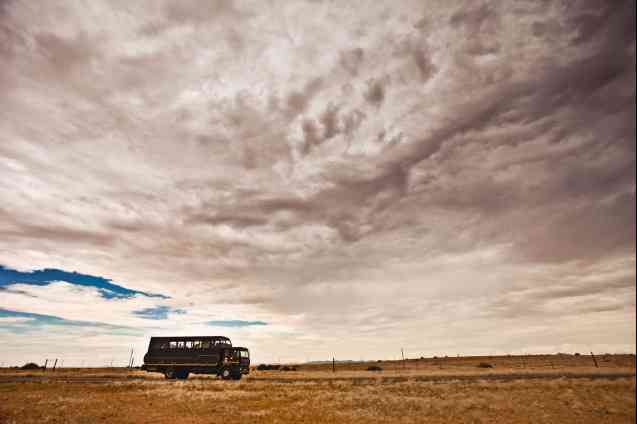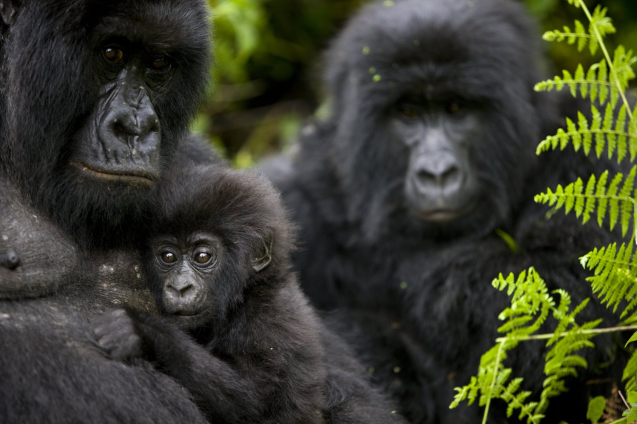
Overland safari accommodation in Africa is more varied, comfortable, and memorable than many first-time travellers expect. Depending on the trip, you might sleep in a dome tent under desert stars, a riverside campsite with elephants nearby, a permanent safari tent in the bush, or a comfortable lodge with an en-suite bathroom.
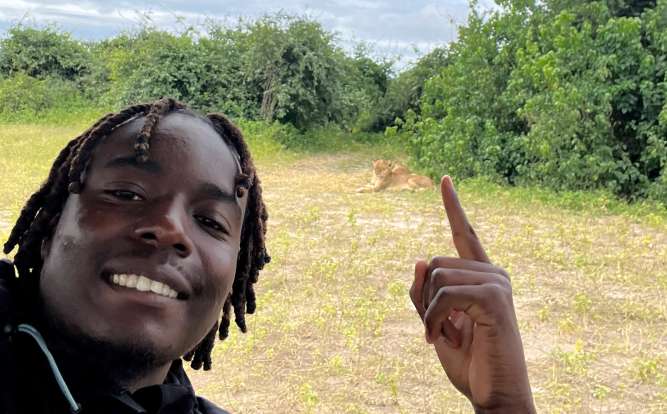
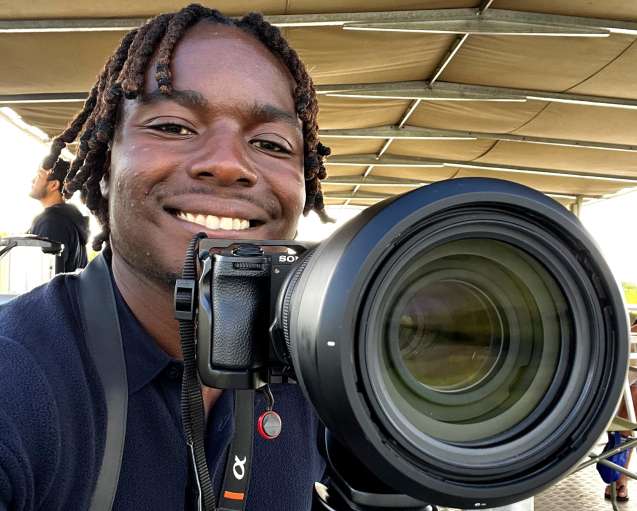
To show what this looks like in real life, we sent Sakhu, a South African videographer, on a 10-day overland safari from Namibia to Victoria Falls. This guide looks at where you sleep on an overland safari, what the bathrooms are like, how camping compares with lodge-based accommodation, and what to expect from wild overnight stops like Khwai in Botswana.
For the full trip overview, start with: My First African Safari: What a 10-Day Overland Trip from Namibia to Victoria Falls Is Really Like
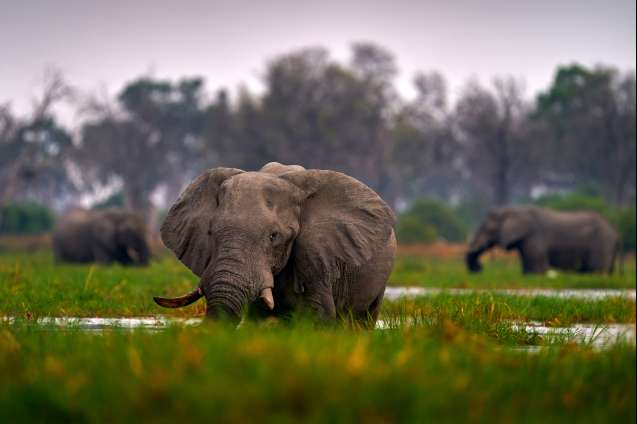
If you are choosing between camping and accommodated overland safari accommodation, the biggest difference is comfort, not the safari route itself. Both styles often visit the same parks and destinations, but where you sleep, how much you help around camp, and how much privacy you have can vary widely.
| Feature | Camping Safari? | Accommodated Safari? |
|---|---|---|
| Cost | Most affordable option | Higher cost, still budget-friendly |
| Sleeping Setup | Dome tent + mattress | Beds in lodges with full bedding |
| Bathroom | Shared ablutions | Private en-suite bathrooms |
| Comfort Level | Basic but functional | Comfortable (3-star standard) |
| Involvement | Hands-on (set up tents, help out) | Minimal involvement |
| Experience Style | Closer to nature, immersive | Balanced comfort + adventure |
Want to see what this looks like on the road? Watch Sakhu’s video, My First African Safari: Where We Slept on an Overland Safari, for a real look at campsites, lodges, permanent tents, and the in-between moments that make overlanding so memorable.
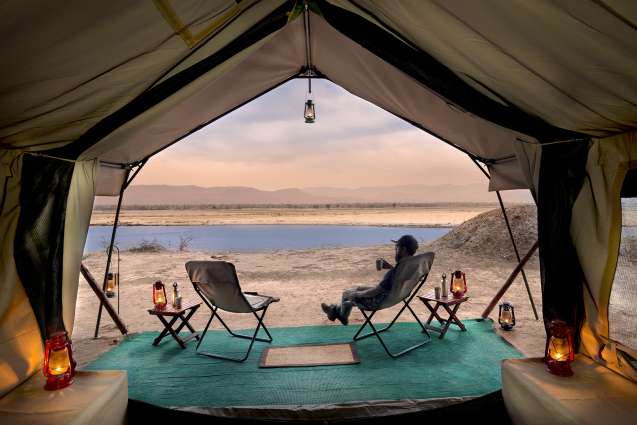
On a typical overland journey — like Sakhu's 10-day Namibia to Victoria Falls safari experience — you move to a new destination every day or two.
That means your accommodation constantly changes.
Over the course of one trip, you might:
This variety is what makes safari accommodations in Africa so memorable. You’re not just seeing different landscapes, you’re sleeping in them.
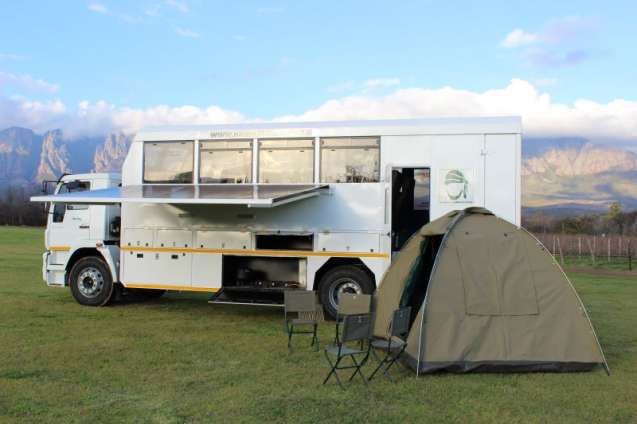
When booking your trip, the biggest decision is choosing between camping and accommodated (lodge-based) overland safaris.
Camping is the most affordable and immersive way to travel.
You’ll stay at overland safari campsites in a:
You’ll need to bring:
Some trips are fully participatory (you help set up), while others are semi-serviced.
Setting up your own tent becomes part of the experience. It quickly becomes part of the rhythm of travel, and often one of the most memorable parts.
Most campsites include:
Many are beautifully located, often next to rivers or surrounded by bush, offering a far more scenic setting than you may expect.
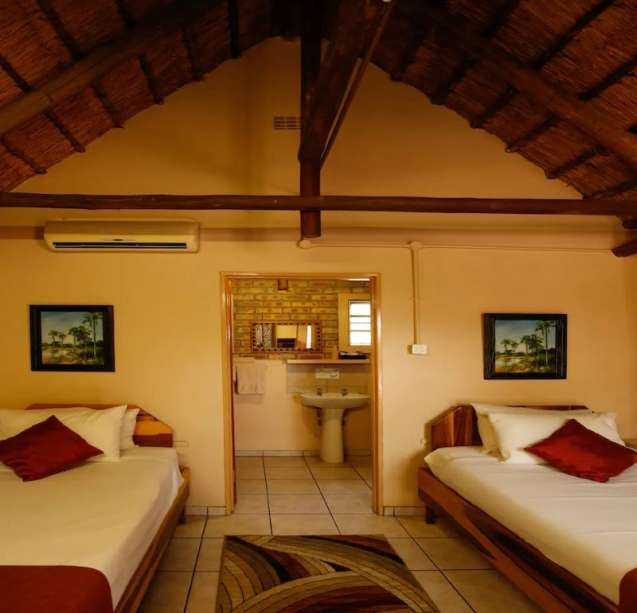
On an accommodated overland safari (lodge safari), tents are replaced with permanent or semi-permanent accommodation. You’ll stay in:
Rooms are typically:
The standard is generally around 3-star quality - comfortable, clean, and practical rather than luxurious.
For a deeper comparison, read: Camping vs Lodge Experience on Safari.
Choosing between camping and accommodated overland safari accommodation usually comes down to budget, comfort level, and how hands-on you want your trip to be. If you like the idea of sleeping close to nature and keeping costs low, camping is a great fit. If you prefer a proper bed, private bathroom, and a little more downtime comfort, an accommodated overland safari may be the better choice.
Our Africa safari consultants can help you compare routes, group sizes, accommodation styles, and costs so you can choose the trip that suits your travel style, not just your budget.
Not sure whether camping or accommodated overlanding is right for you? Ask an African Budget Safaris expert, and we’ll help match your budget, comfort level, route, and travel style to the right overland safari.
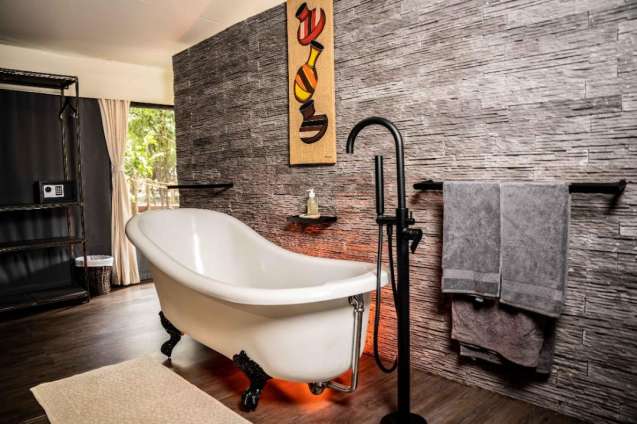
One of the biggest concerns for first-time travellers is:
“What are the bathrooms like?”
Most established overland safari campsites include:
These facilities are usually housed in separate male and female ablution blocks, well-maintained, and are cleaned regularly, often daily.
In remote areas:
And occasionally, you’ll experience true bush camping, with:
It’s basic. But still safe and manageable.
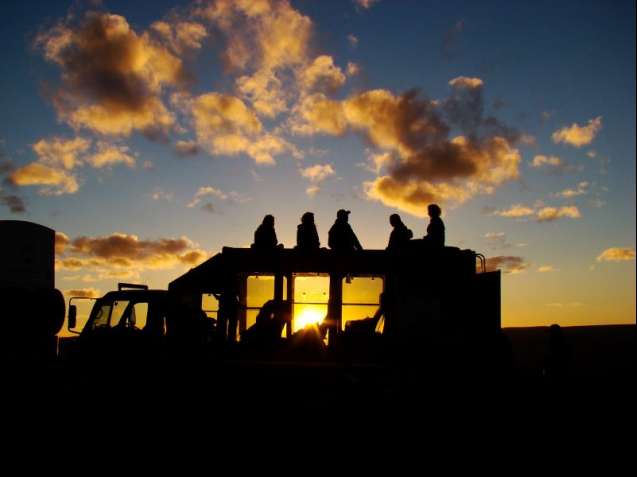
A little preparation goes a long way in making your camping experience more comfortable.
Packing Essentials:
Nice-to-Haves:
Campsites are generally safe, but nighttime trips to the bathroom can feel a bit more adventurous.
Expect:
A headlamp quickly becomes essential.
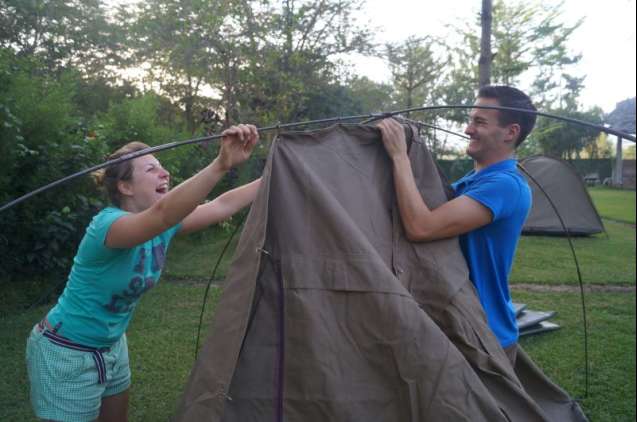
Overland safari accommodation is comfortable, but it is not luxury every night. Some stops are simple, some are surprisingly scenic, and some are wonderfully wild. The magic is in the mix, proper beds when you need them, campsites when you want adventure, and the odd rustic night that becomes the story you tell forever.
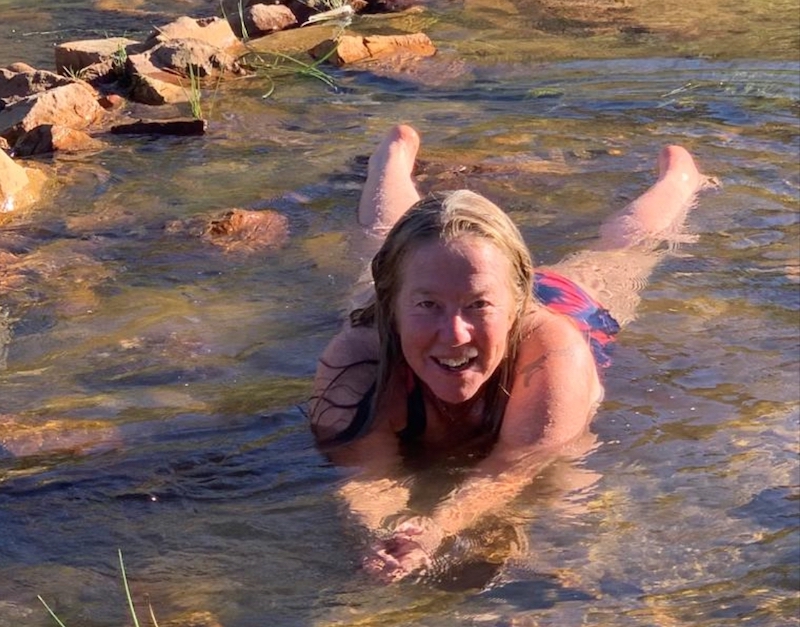
__medium.jpg)
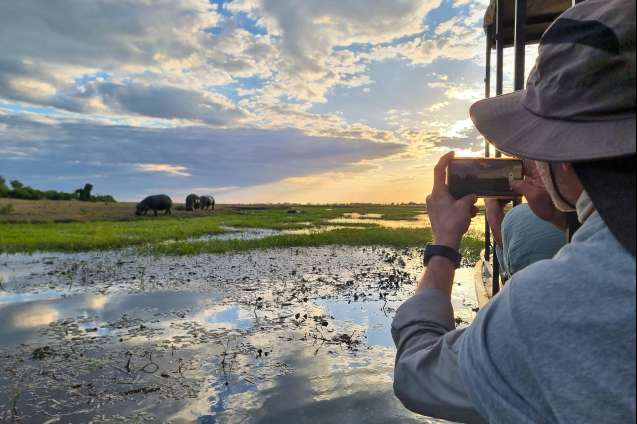
One of the standout experiences on this route is the Khwai region, on the remote edge of the Okavango Delta.
This is where the Khwai fly camp setup comes in.
A fly camp is a temporary, lightweight bush camp designed to immerse you in nature while still offering basic comfort.
Due to conditions, this specific camp wasn’t available on Sakhu’s trip - highlighting an important reality of overlanding:
Flexibility is part of the experience.
The Khwai fly camp experience is truly off-grid.
Camping overlanders will still be camping in their standard dome tents. Shared bush bathrooms come with:
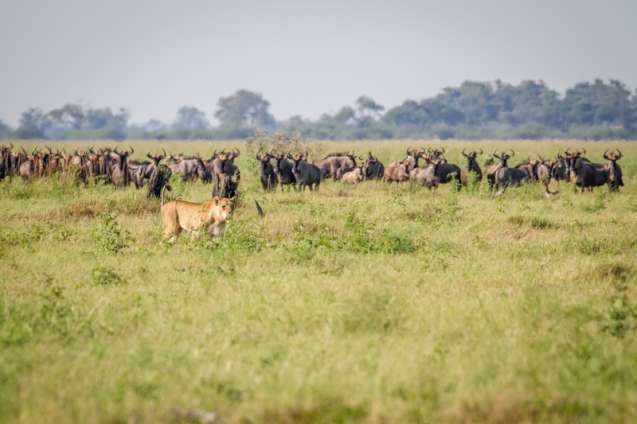
For accommodated overland travellers, Khwai offers a more comfortable, yet still wonderfully wild, camping experience.
Expect:
This is often described as rustic “glamping”, still wild, but more comfortable.
This is not luxury, but that is exactly the point.
It’s raw, real, and unforgettable.
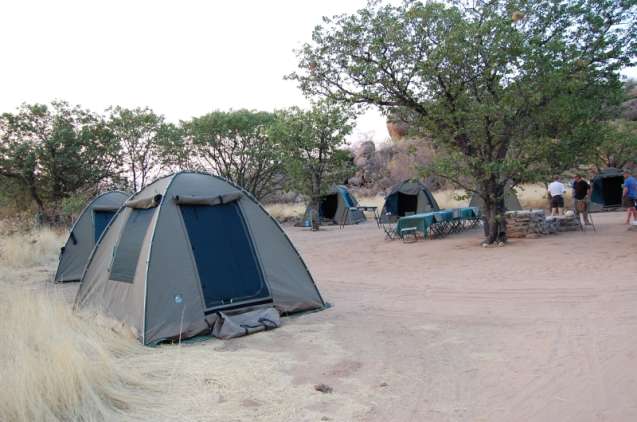
One of the biggest perks of accommodated overland safaris is the variety. You get a taste of all sorts of accommodation types and locations.
Resorts or budget-friendly hotels are located in towns or major travel hubs. These stops give you a chance to recharge and enjoy a higher level of convenience.
Expect:
These are beautifully located lodges, usually overlooking the water in river and delta settings.
Expect:
The highlight of Sakhu’s trip was Rainbow River Lodge in Divundu, Namibia, because of its incredible setting along the Kavango River.
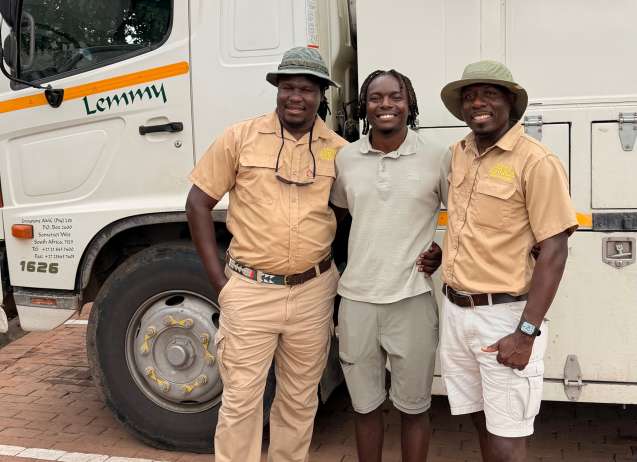
Closer to urban areas like Maun.
Expect:
Sakhu stayed at Maun Lodge, quite a contrast after the wilder rural stops. It even has an on-site gym, which he naturally had to test out.
Safari Lodges and Guesthouses offer a more intimate and character-filled stay than standard hotels. They are often located in scenic or wildlife-rich settings.
Expect:
Sakhu opted to join his friends camping at Elephant Sands Lodge in Nata, to enjoy the incredible night sky and watch the antics of the elephants at the waterhole till late.
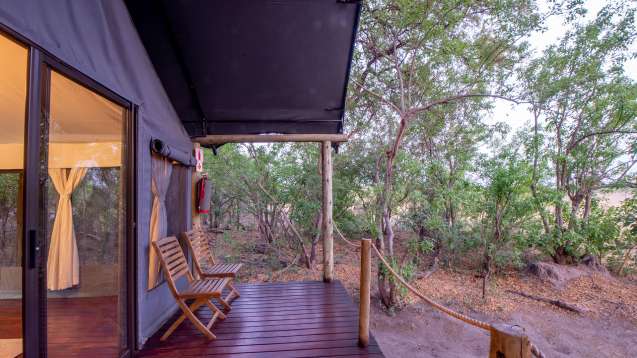
In more remote areas, accommodation often shifts to permanent tented camps - sometimes called “glamping.” Sakhu stayed in permanent tents in the Okavango Delta, in lieu of the Khwai fly camp, which was not available.
Expect:
_(1)__medium.jpg)
Yes, as long as you choose the right style of trip and arrive with realistic expectations. Overland safaris are not about five-star luxury every night. They are about reaching incredible places at a more affordable price, with enough comfort to rest properly between travel days and safari activities.
On camping overland safaris, comfort is simple but practical. You sleep in a dome tent with a mattress, use shared campsite bathrooms, and take part in the rhythm of camp life. On accommodated overland safaris, you usually get a proper bed, bedding, towels, and an en-suite bathroom, which makes a big difference after long travel days.
Either way, you can expect:
The trick is not choosing the “best” accommodation, but choosing the overland safari style that matches your budget, comfort level, and sense of adventure.
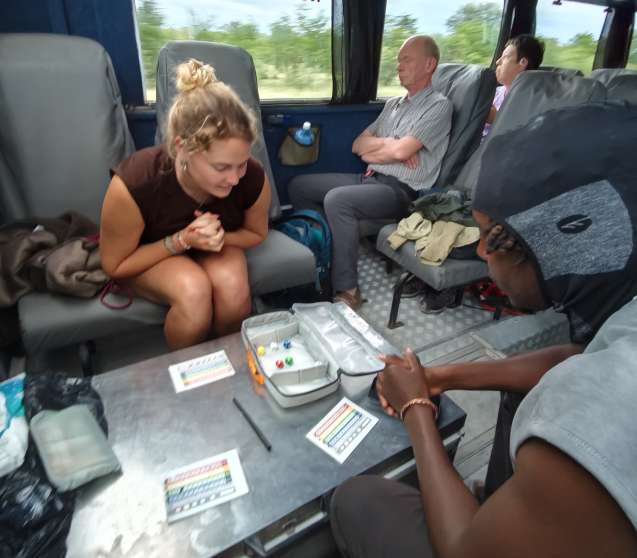
Want to see it all in action?
Watch Sakhu’s video, My First African Safari: Where We Slept on an Overland Safari, for a real look at campsites, lodges, permanent tents, and the everyday comfort levels on this route.
And for more information:
Typical Day on an Overland Safari
Africa Overland Tours Guide
Overland Safari Costs Explained
__medium.jpg)
Overland safari accommodation depends on the trip style. Camping safaris usually use dome tents at established campsites, while accommodated overland safaris use lodges, guesthouses, budget hotels, chalets, or permanent safari tents.
Most overland safari campsites are more comfortable than first-time travellers expect. Many have shared ablution blocks, hot showers, flush toilets, electricity, swimming pools, bars, and scenic bush or riverside settings.
Most accommodated overland safaris include rooms with private en-suite bathrooms, full bedding, and towels. In remote areas, bathroom setups may be simpler, especially in fly camps or permanent tented camps.
Camping is better if you want the most affordable and immersive overland experience. Accommodated overlanding is better if you want more comfort, a proper bed, and a private bathroom while still enjoying the same overland route and safari activities.
Often, yes. Camping and accommodated versions of the same overland route frequently visit the same national parks, towns, and safari highlights. The main difference is where you sleep and how much comfort you have between activities.
African Budget Safaris works with trusted local operators across Southern and East Africa, so our consultants can help explain the real differences between routes, accommodation styles, comfort levels, and what is included before you book.
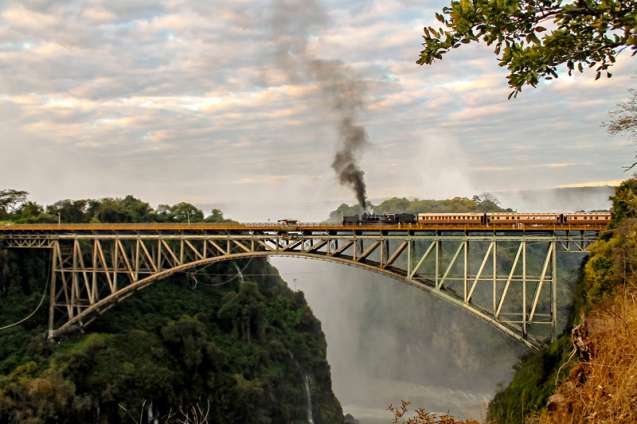
Whether you choose camping or accommodated overland safari accommodation, where you sleep becomes part of the adventure. One night it may be a tent under the stars, the next a riverside lodge, and the next a wild camp where the soundtrack is pure Africa.
Explore our overland safari routes to compare camping and accommodated options, or speak to one of our Africa travel experts for help choosing the right trip for your budget, comfort level, and sense of adventure.
Explore these destinations mentioned in this post.
Below you'll find further reading and articles related or similar to this post.




Call us toll free from US/Canada on 1-888-414-6513, or from the UK on 0-808-189-1052. All other countries can contact us on +27 21 791 0878.
© 2026 African Budget Safaris | Privacy | Terms | Cookie Policy | Consent Preferences


__large__thumb.jpg)

__thumb.jpg)
__thumb.jpg)
__medium.jpg)