

__large__large.jpg)


- More destinations related to Khwai River Area:
- Botswana
- Chobe National Park
- Maun
- Moremi Game Reserve
- Okavango Delta
- Central Kalahari Game Reserve
- Kasane
- Khama Rhino Sanctuary
- Makgadikgadi Pans
- Nxai Pan National Park
- Savuti Marsh

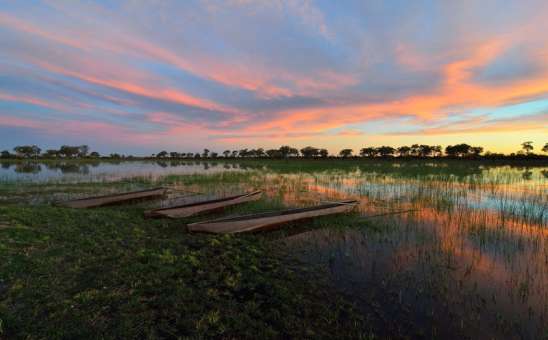
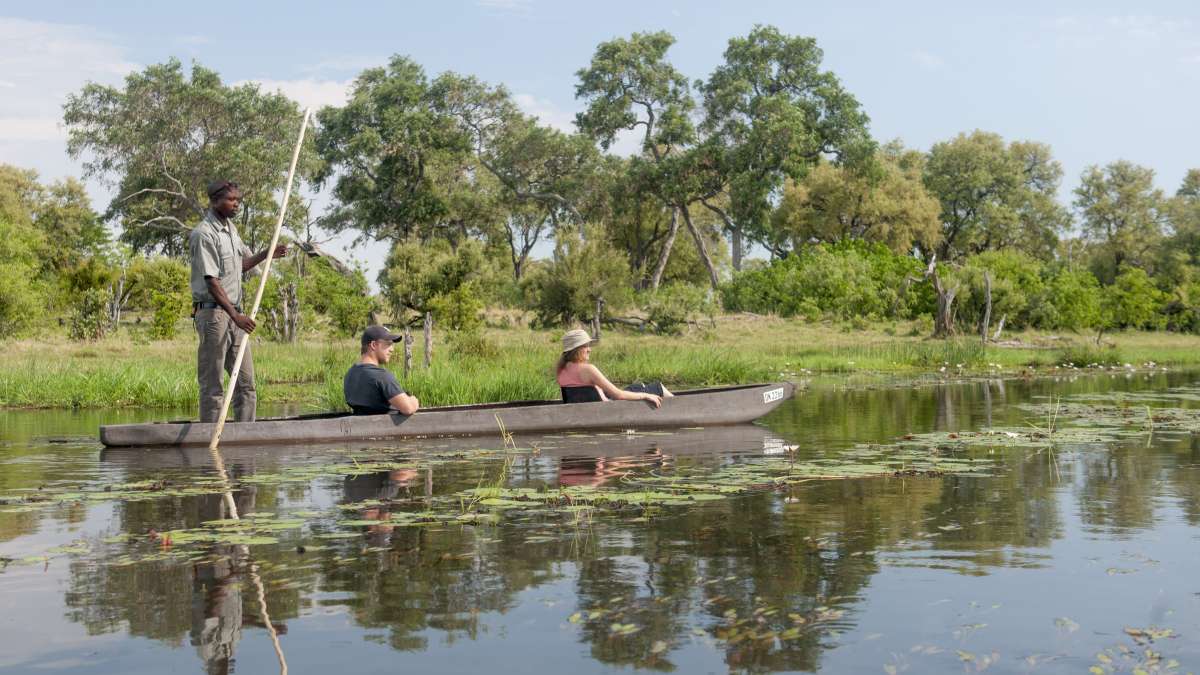
The Khwai River Area is one of the premier destinations for a safari in Botswana. Thanks to the unfenced border between Moremi, Chobe, and the eastern Okavango Delta, the Khwai River Area offers exceptional year-round game viewing. This prime location creates a wildlife corridor where elephants, big cats, antelope, and migratory herds move freely through a mosaic of river channels, floodplains, marsh, savannah, mopane woodland, and lagoons. Together, the Khwai Community Concession, Khwai Private Reserve, and nearby Mababe Private Reserve protect over 200,000 ha of pristine wilderness, with the Khwai River acting as the lifeline that attracts predators and plains game throughout the seasons. This makes Khwai one of Botswana’s most rewarding and reliable safari destinations for travellers seeking authentic, high-density wildlife experiences. How much does a safari to Botswana cost? Read more in our Botswana cost guide.
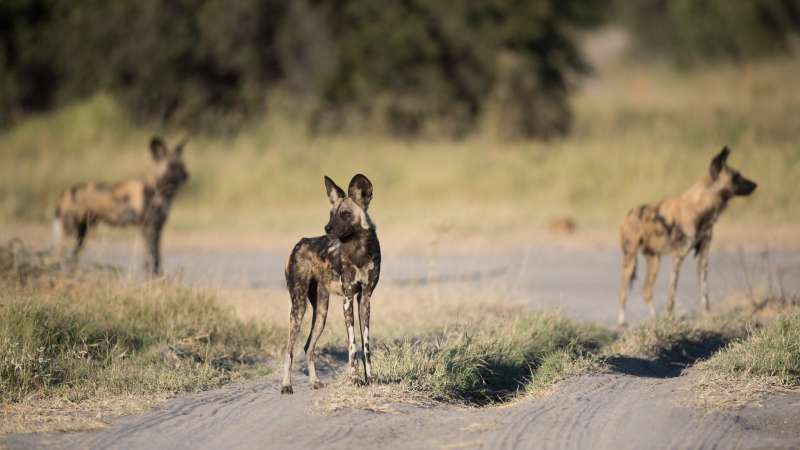
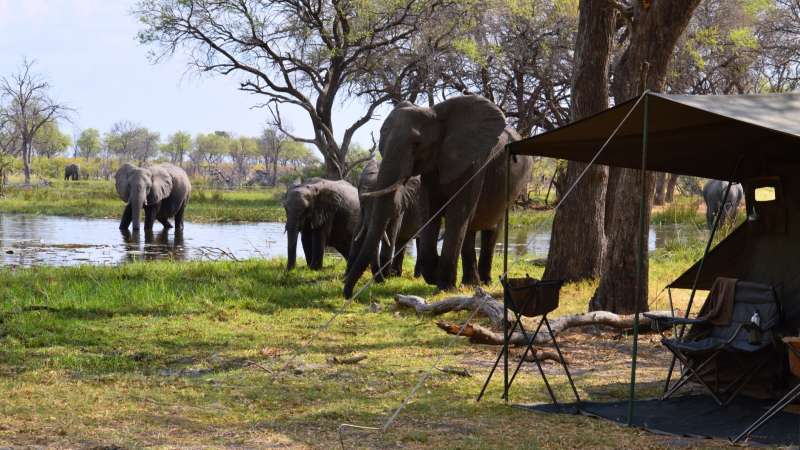
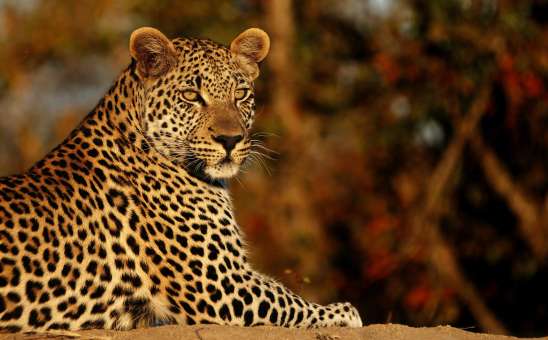
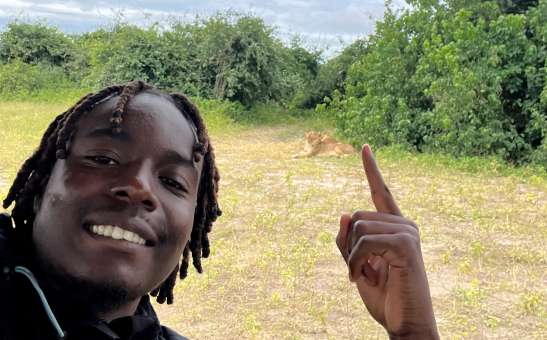
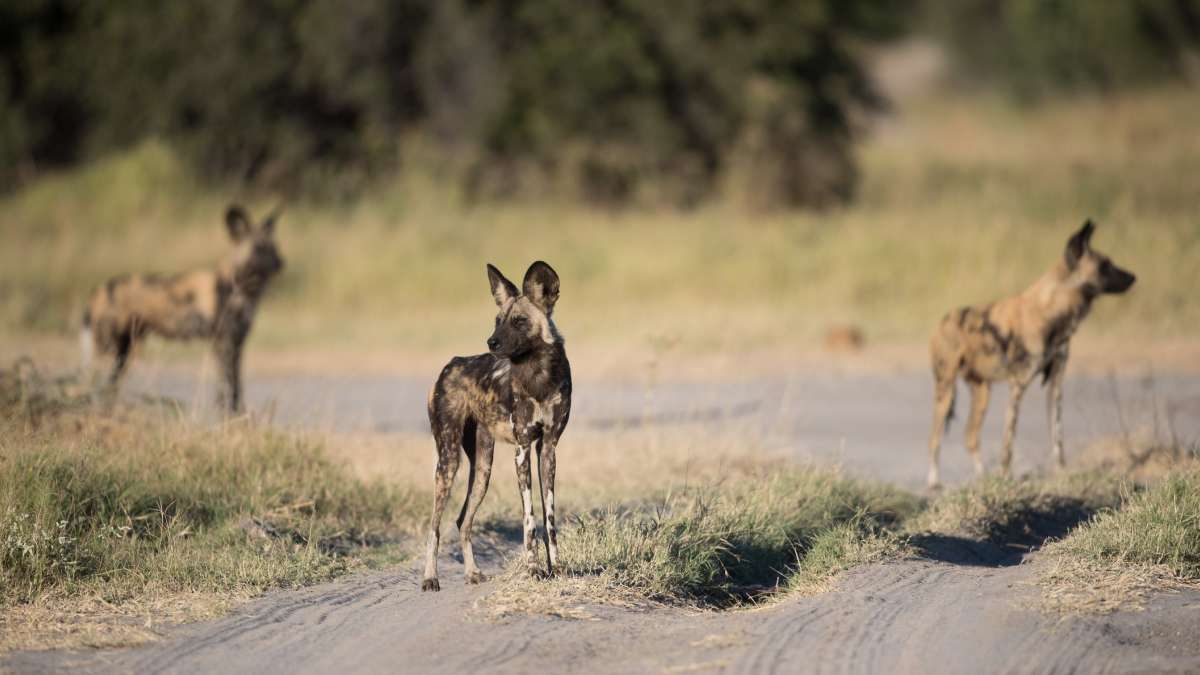
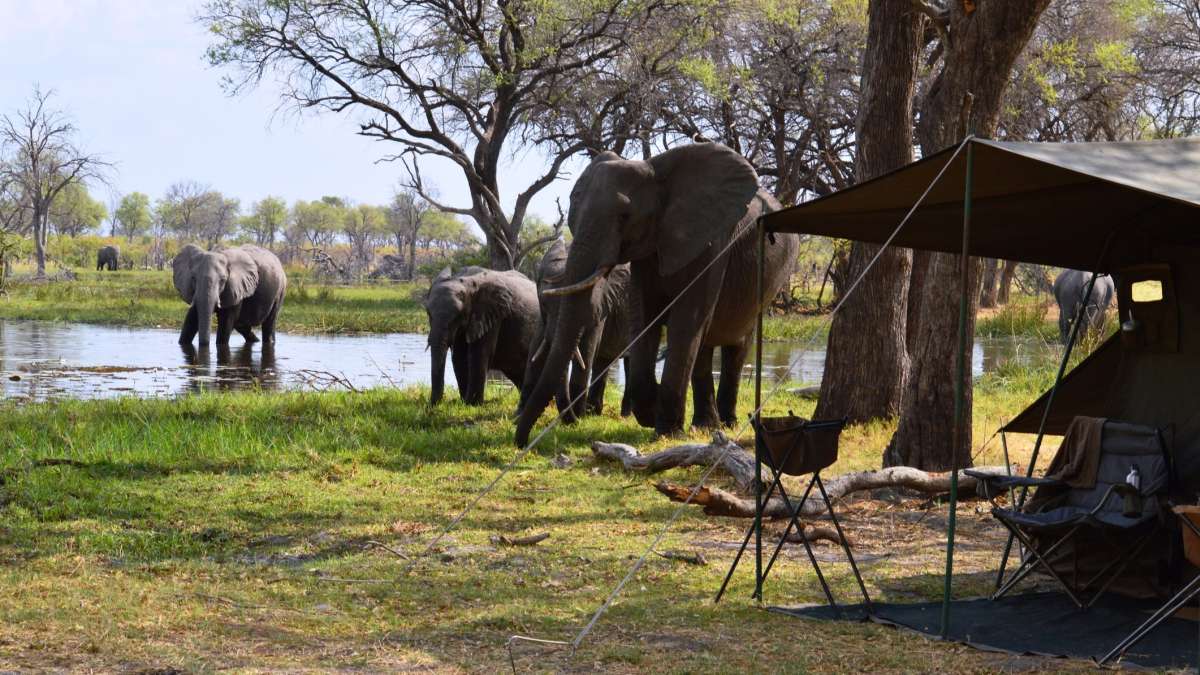
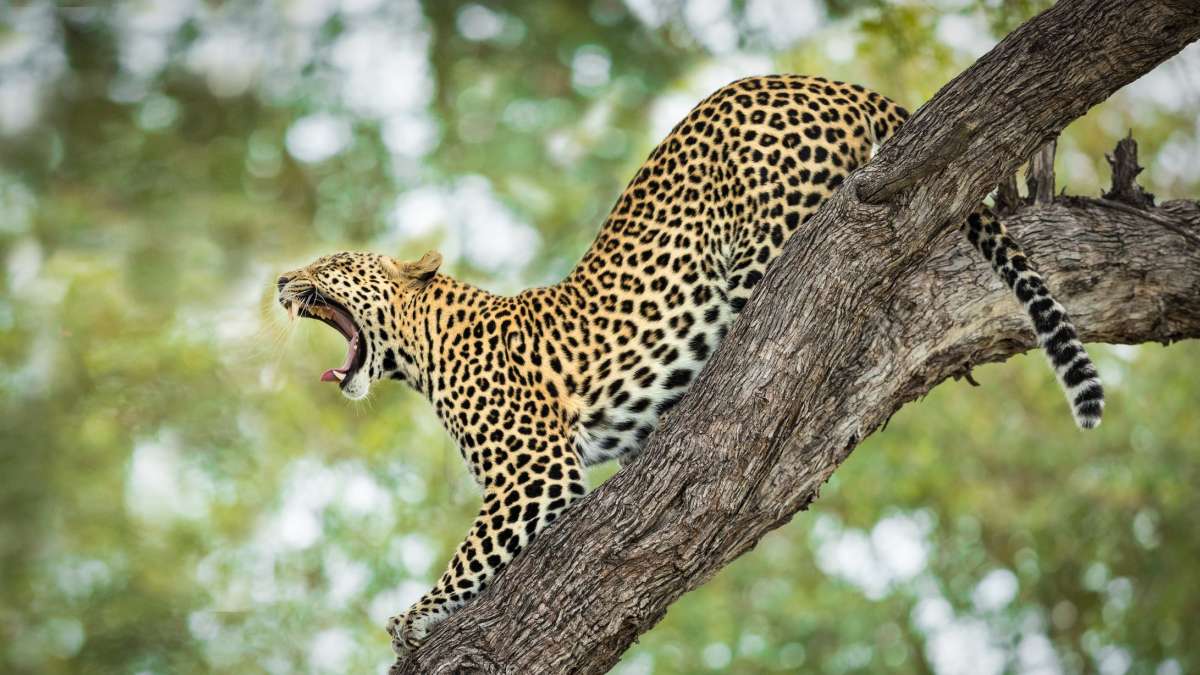
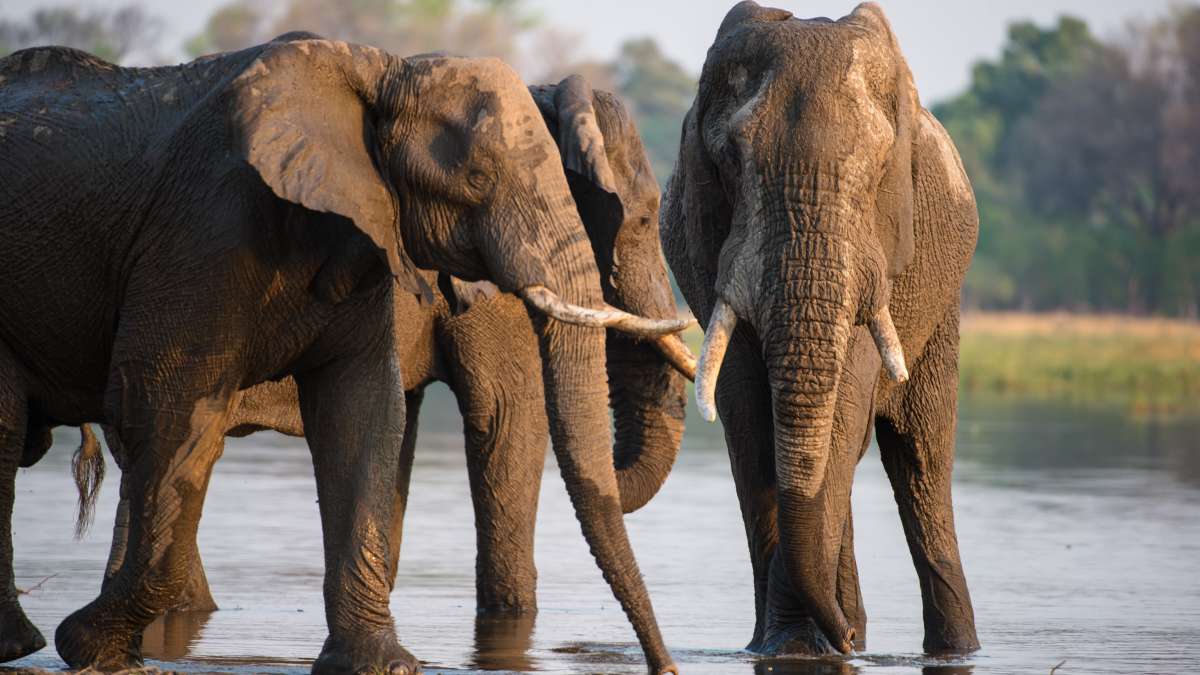
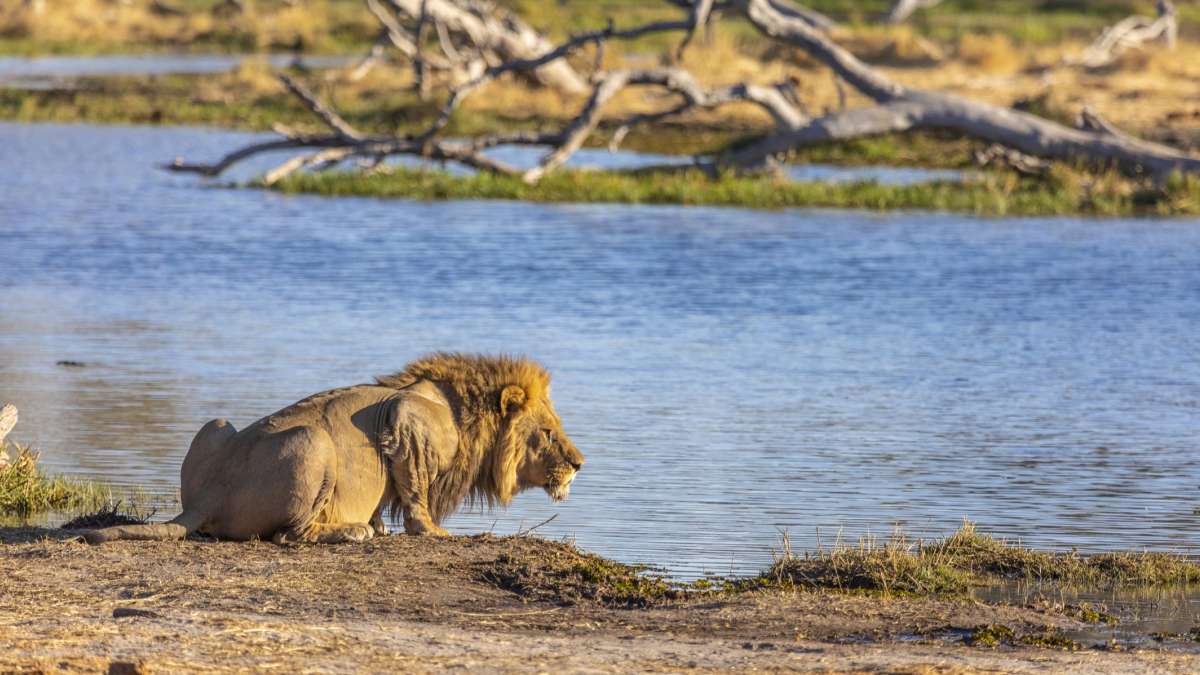
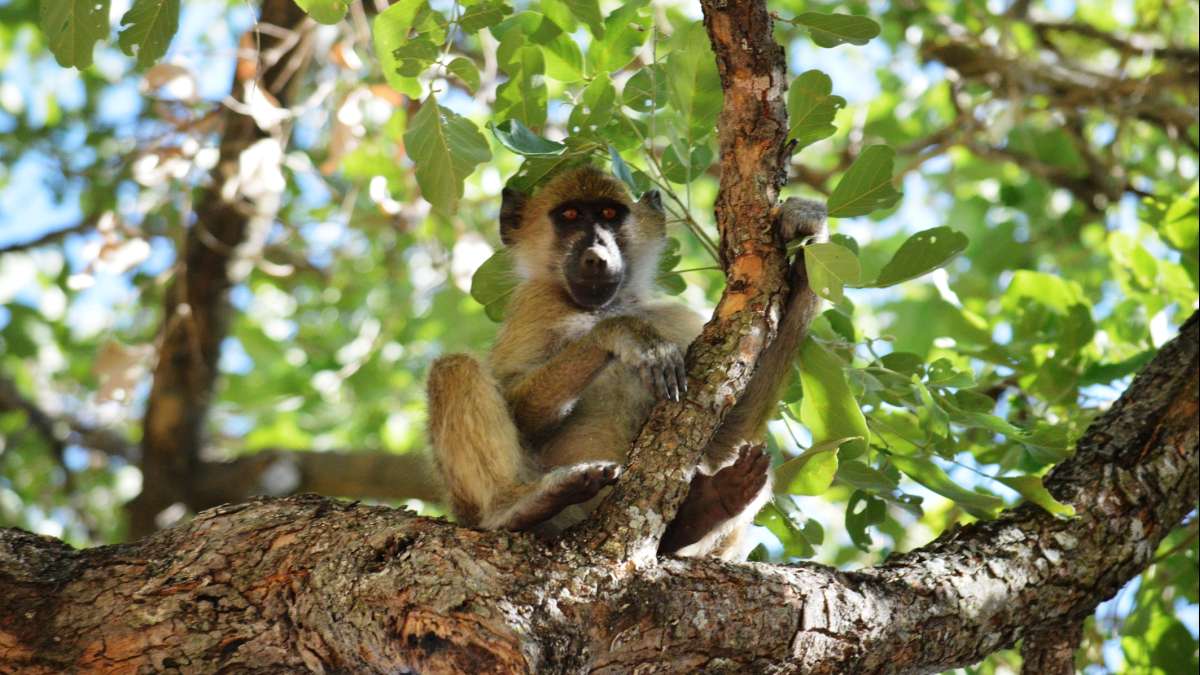
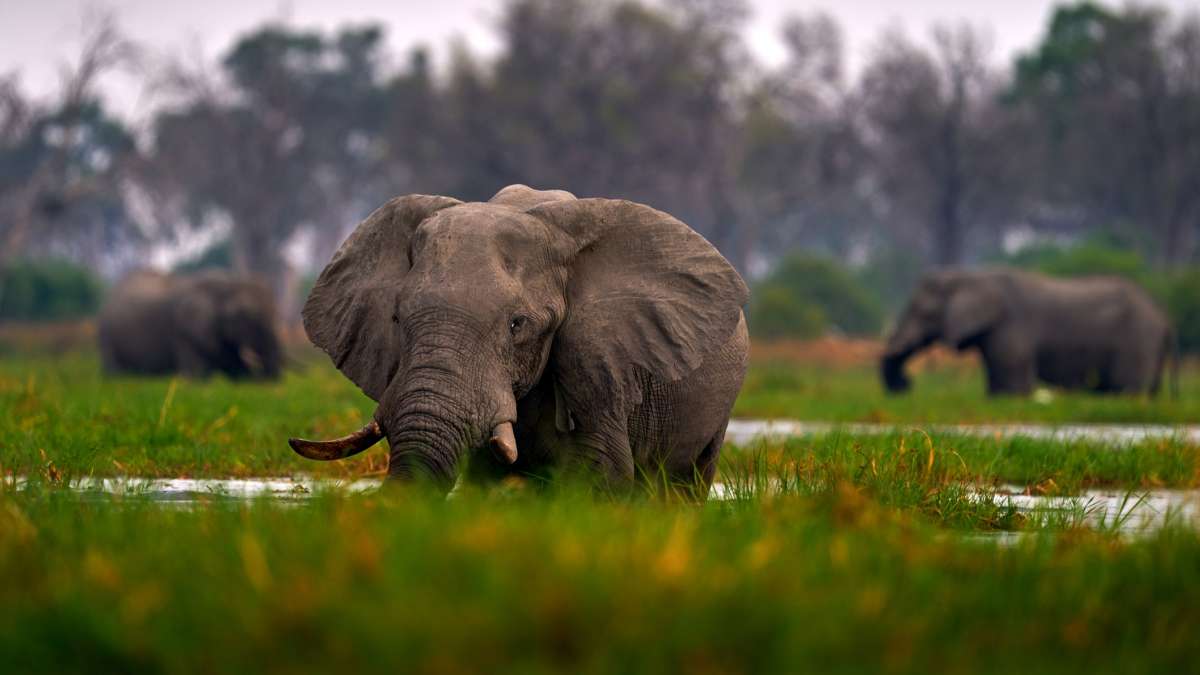
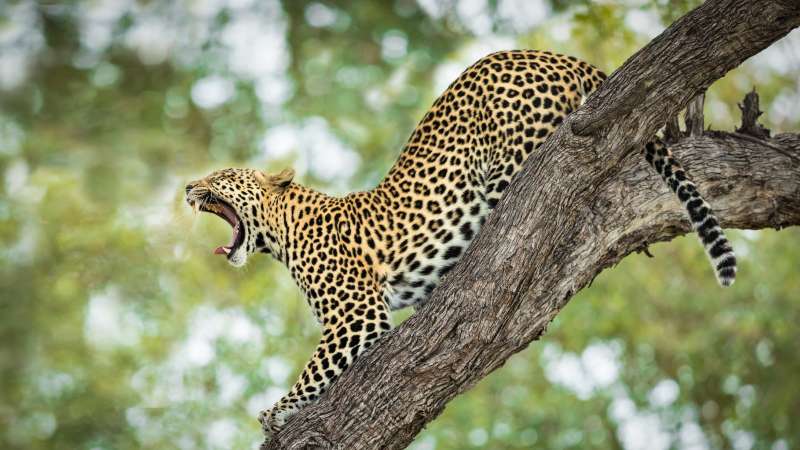
Khwai is one of Botswana’s best all-round wildlife destinations. African wild dogs are frequently seen here, along with lions, leopards, hyenas, and occasional cheetahs and serval cats. Elephants are abundant, especially in the dry winter months when they line the Khwai River. Buffalo herds move in during the rainy season, followed by predators.
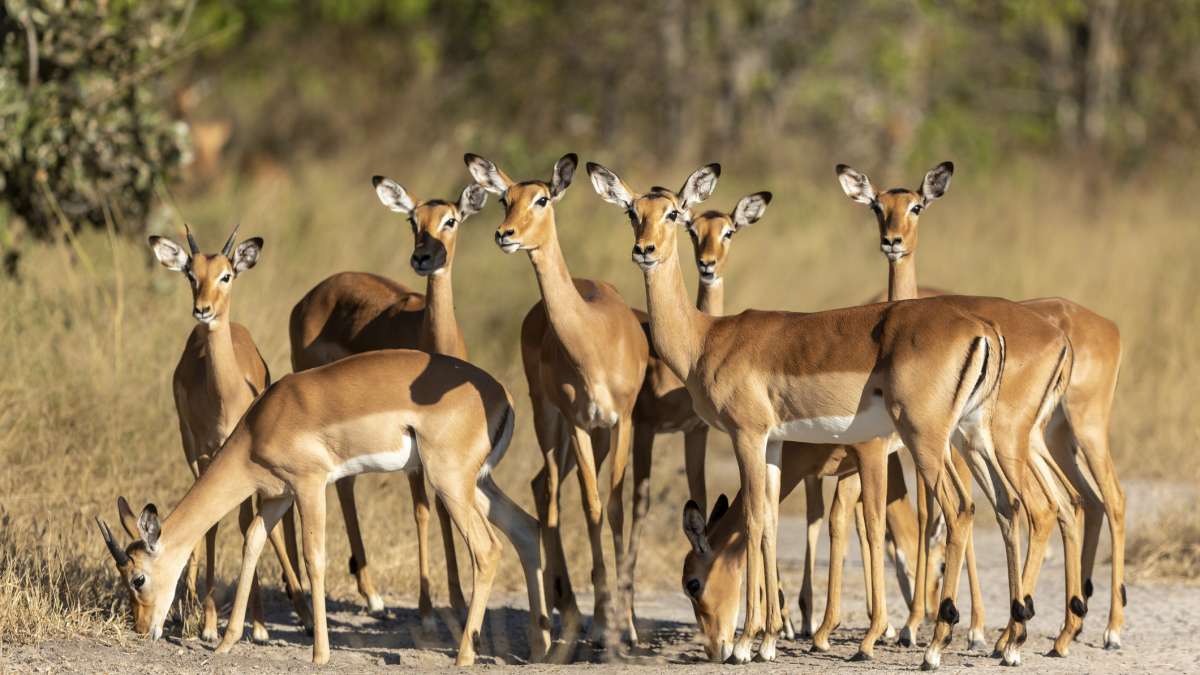
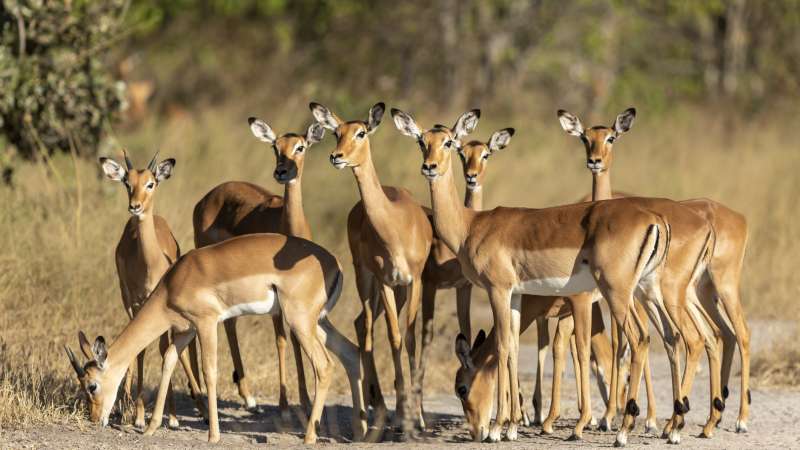
Red lechwe browse in the western marshes, while tsessebe, wildebeest, kudu, and impala roam the plains. Hippos, crocodiles, waterbuck, and lechwe thrive along the river. In the woodlands and grasslands, expect giraffe, zebra, roan, and sable. Mababe adds the possibility of eland and oryx, particularly in its “mini Central Kalahari” region.
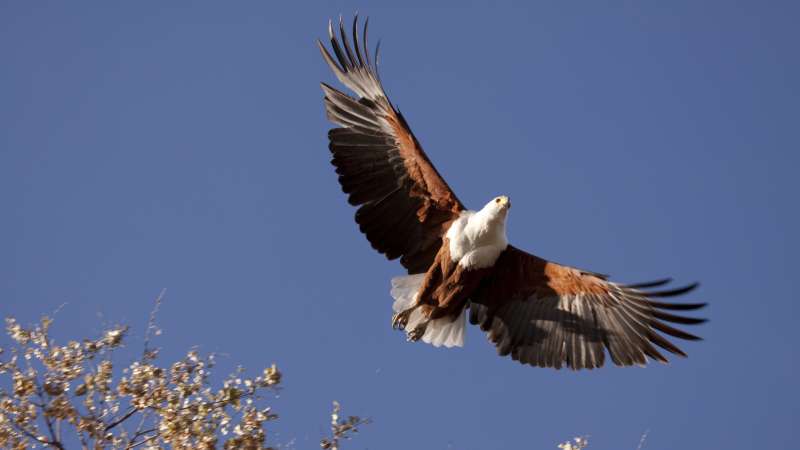
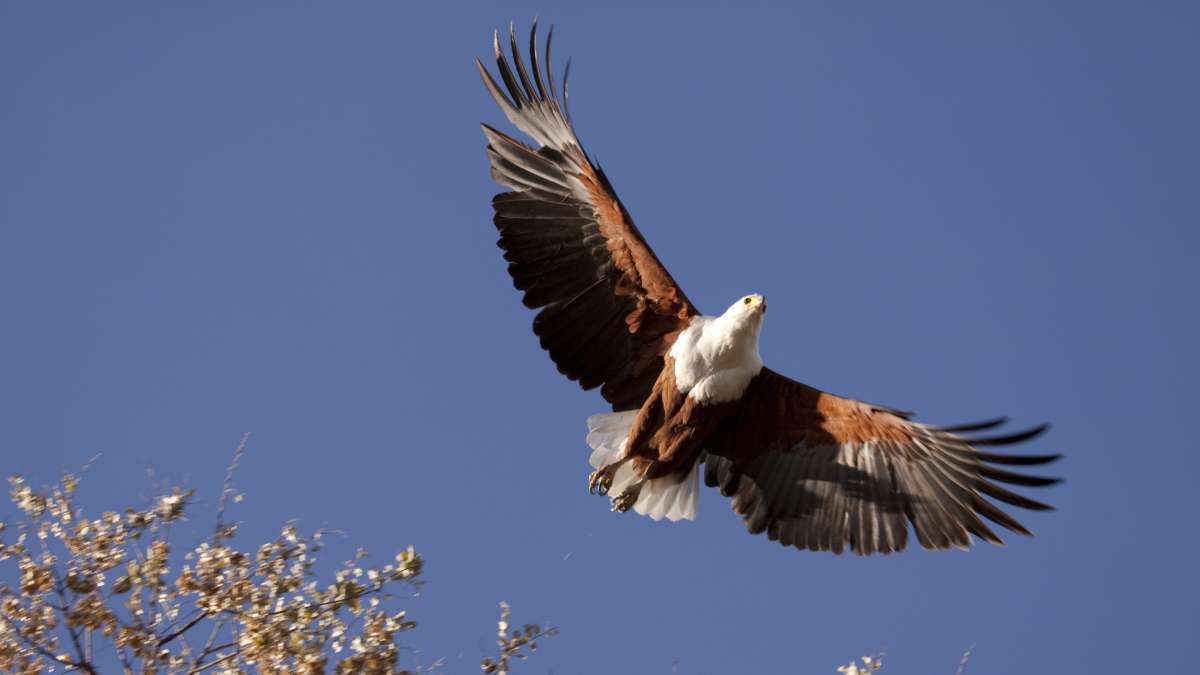
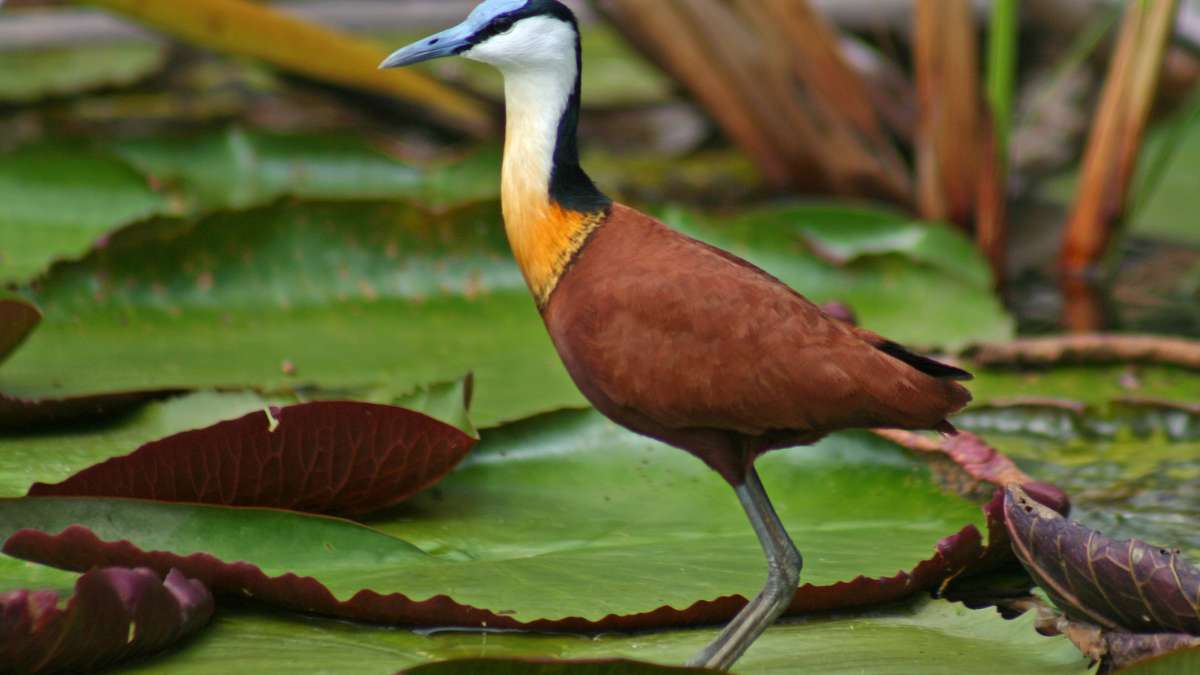
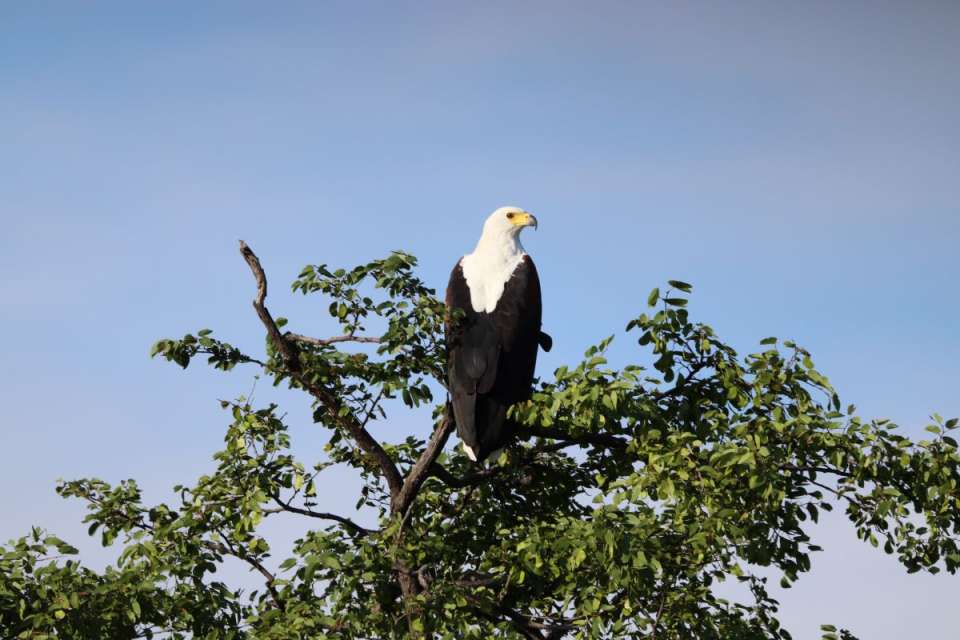
The Khwai River Area is a birding paradise, boasting a rich mix of resident species and migratory birds. Aquatic birds gather along floodplains in summer, while raptors and woodland species thrive year-round. Expect sightings of cranes, egrets, herons, vultures, storks (including saddle-billed and marabou), bee-eaters, rollers, and the iconic African fish eagle.
Located along the Khwai River and bordering Moremi, this 1,800 km² community-run concession offers superb game viewing and flexible activities. Because it’s managed by the local community, every safari here directly benefits Khwai residents and supports conservation. Accommodation ranges from mid-range lodges to rustic wild campsites.
The larger of Khwai’s two main reserves, this private area offers exclusive safaris for guests staying at its mid-range to luxury lodges. Mopane woodland dominates much of the landscape, so wildlife activities focus on the southern region closer to the Khwai River. The reserve is run by a private safari company that pays concession fees to the local community.
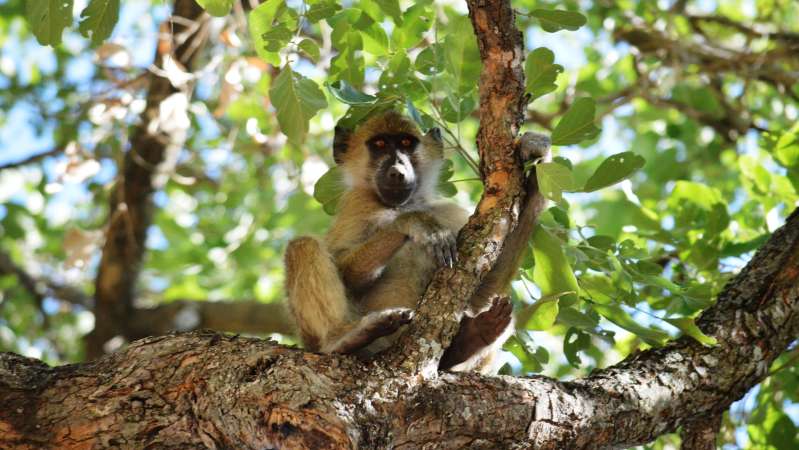
Part of the NG41 Mababe Concession, this private reserve lies 40 km east of Khwai and borders Chobe to the north. Its wetland is the only permanent water source in the area, drawing huge herds and exceptional predator activity. Strict vehicle limits — only 20 at any time — ensure a peaceful, low-impact safari. With varied ecosystems from riverine forests to Kalahari scrub, Mababe stands out for sustainability and intimate wildlife encounters, including walking safaris, night drives, and access to remote areas.
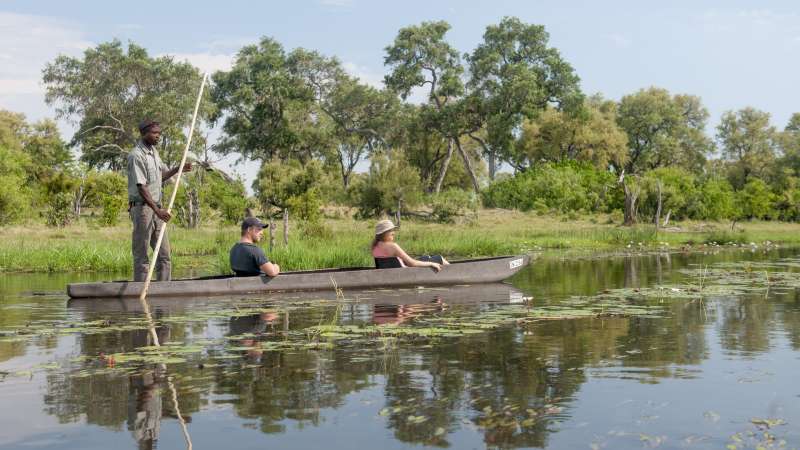
Khwai offers the full spectrum of Botswana safari activities.
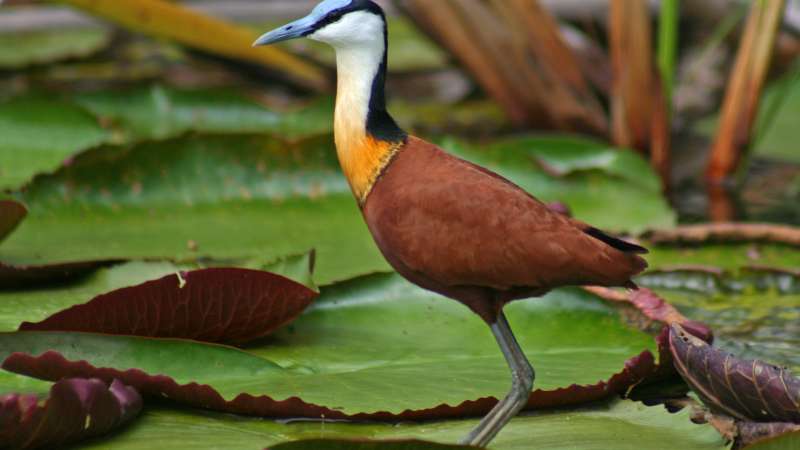
Khwai is perfectly positioned for seamless travel through northern Botswana and the surrounding areas, which offer some of Southern Africa's most exceptional destinations.
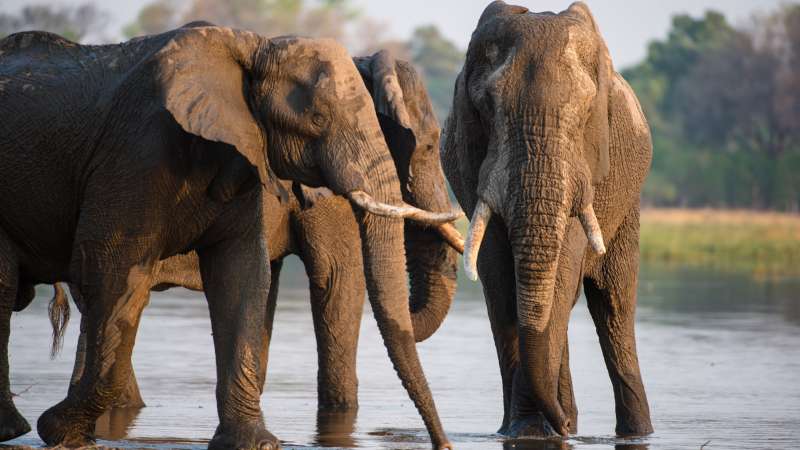
Khwai’s mix of community concessions, private reserves, and seasonal water levels means every itinerary can be tailored to your style. Chat to one of our Botswana safari specialists for advice on the best dates, routes, and combinations, and craft a seamless journey through northern Botswana’s most rewarding wildlife landscapes.
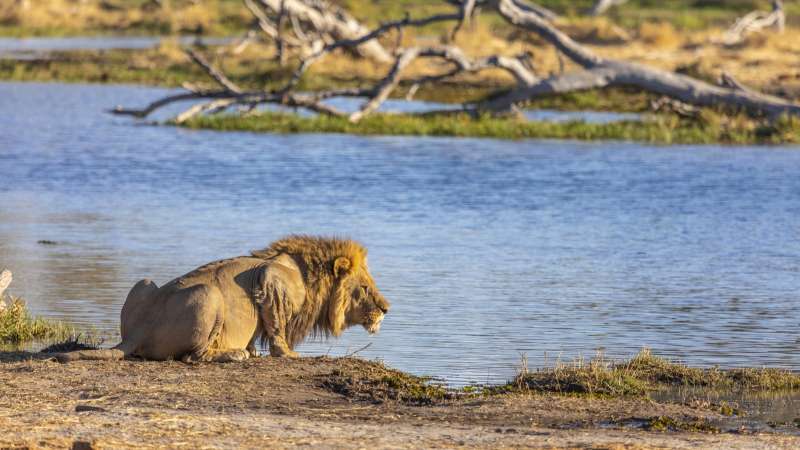
The best time to visit Khwai is during the dry season from June to October, when wildlife congregates at the Khwai River and predator sightings are at their best.
Prime wildlife viewing, thinning vegetation, high elephant densities, and excellent predator activity.
Lush scenery, newborn animals, migratory birds, dramatic skies, and quieter camps.
Clear days, cooling nights, fewer travellers, and rising wildlife concentrations along the river.
Read more here for the best time to visit Botswana, including Khwai and the Delta.
The Khwai River Area features in some of Botswana’s most sought-after safari itineraries. Travellers often combine Khwai with the Okavango Delta, Savuti, and Chobe on a classic northern circuit. Options include mobile safaris, lodge-to-lodge routes, and overland tours connecting Maun, Moremi, and Khwai.




Call us toll free from US/Canada on 1-888-414-6513, or from the UK on 0-808-189-1052. All other countries can contact us on +27 21 791 0878.
© 2026 African Budget Safaris | Privacy | Terms | Cookie Policy | Consent Preferences

__landscape.jpg)