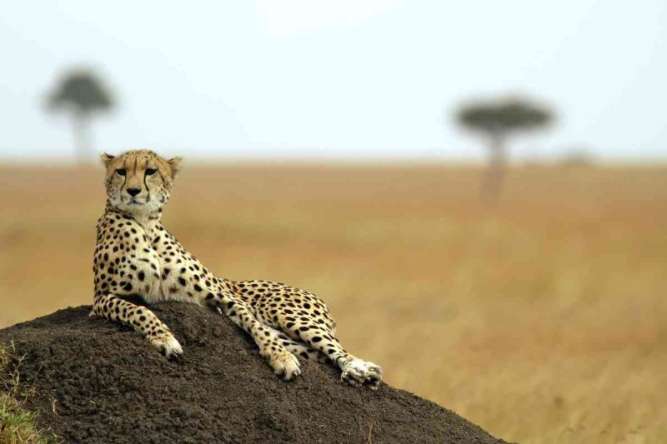
The cheetah is one of Africa’s most iconic safari animals. Sleek, elegant, and capable of explosive speeds of over 100 km/h, it captures the imagination of travellers more than almost any other predator.
But here is the surprising safari twist: despite its fame, the cheetah is not included in Africa’s legendary “Big Five.”
The cheetah is the only major African big cat excluded from the Big Five. The reason has nothing to do with size, speed, rarity, or beauty. It has everything to do with danger. The Big Five were the animals considered most difficult and dangerous to hunt on foot, not the fastest or most famous animals on the continent.
Let’s unpack why the leopard made the cut, why the cheetah did not, and what this means for your safari. Because cheetahs prefer open grasslands and often hunt during daylight, they can be one of the most rewarding big cats to look for on good-value safaris in places like the Serengeti, Masai Mara, Etosha, and parts of Kruger.
The cheetah is not part of Africa’s Big Five because the Big Five was based on the most dangerous and difficult animals to hunt on foot, not the fastest, rarest, or most famous animals. Lions and leopards made the list because they were powerful, dangerous, and unpredictable when hunted. Cheetahs were left out because they are lighter, less aggressive, and rely on speed rather than strength.
For safari travellers, that is good news. Cheetahs are often easier to see than leopards in open grassland destinations such as the Serengeti and Masai Mara, especially on early morning or late afternoon game drives.
If you think the Big Five is a list of the five largest or most impressive animals in Africa, you are not wrong … but you are not quite right either. The term was coined not by conservationists, but by Victorian-era big-game hunters. For them, the “Big Five” were simply the five most difficult and dangerous animals to hunt on foot.
That list was: lion, leopard, African elephant, rhinoceros, and Cape buffalo.
Notice what’s missing? The cheetah.
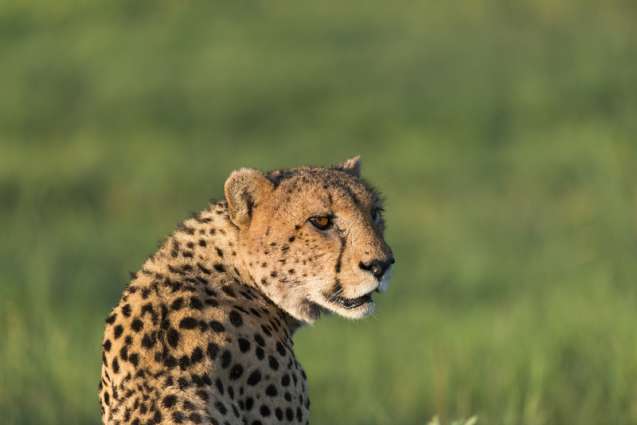
This is the heart of the matter. The leopard and the cheetah are both spotted. Both are cats. Both will make your heart stop when they appear. But to a 19th-century hunter on foot, they could not have been more different.
The leopard is a nightmare wrapped in silk. Leopards are pound-for-pound the strongest climbers of the big cats, capable of hauling a wildebeest carcass up a tree to keep it from lions. When cornered, a leopard’s aggression is explosive and silent.
The cheetah, by colonial hunting standards, was simply not dangerous enough.
Unlike lions or leopards, cheetahs are relatively lightweight predators. They rarely attack humans, avoid confrontation where possible, and depend on speed rather than brute strength.
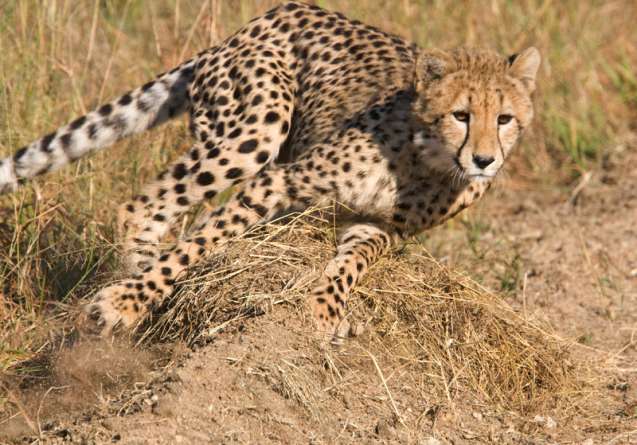
A cheetah's build is designed for acceleration: long legs, a slim body, a lightweight frame, and enlarged lungs allow it to sprint across open plains in pursuit of prey. This makes the cheetah less physically powerful than Africa’s other big cats ... lions, leopards, and hyenas often steal a cheetah’s hard-earned kill.
So, the cheetah was left out. Not because it isn’t spectacular. But because it wasn’t terrifying.
While lions may dominate the savannah with force, the cheetah survives through precision, intelligence, and astonishing athleticism.
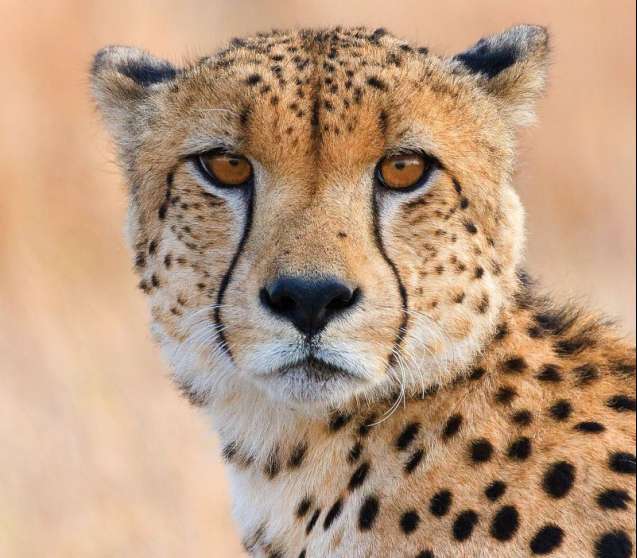
To make this crystal clear for your next safari trivia night, here is the direct comparison.
| Feature | Cheetah | Leopard |
|---|---|---|
| Top Speed | 70–75 mph (fastest land animal) | 35–40 mph (sprinter, but not elite) |
| Strength | Weak bite, semi-retractable claws | Incredibly strong, full retractable claws |
| Danger to Humans | Very low. Flees. No recorded man-eaters. | High. Highly aggressive if cornered/wounded. |
| Preferred Habitat | Open grasslands, savannahs | Dense bush, riverine forests, rocky outcrops |
| Ease of Spotting | Relatively easy (open terrain) | Very difficult (nocturnal & secretive) |
| Distinctive Mark | Black "tear marks" from the eyes down the face | Rosettes (irregular rings, no central spot) |
| Big Five Status | No | Yes |
For more on the comparison, see our guide: Cheetah vs Leopard: What’s the Difference?
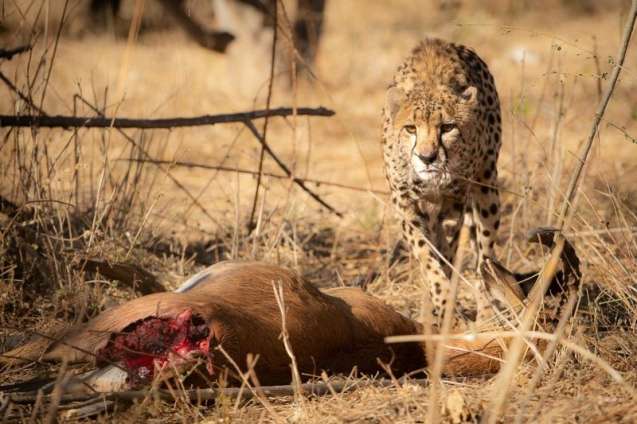
Cheetahs are among the most daylight-active of Africa’s big cats. Early morning and late afternoon game drives often provide excellent opportunities to watch them scan the plains, stalk antelope, or rest in open grassland. Their distinctive black “tear marks” beneath the eyes help reduce glare from the African sun, giving them sharper focus while hunting.
Here is where our history lesson turns into a practical safari tip.
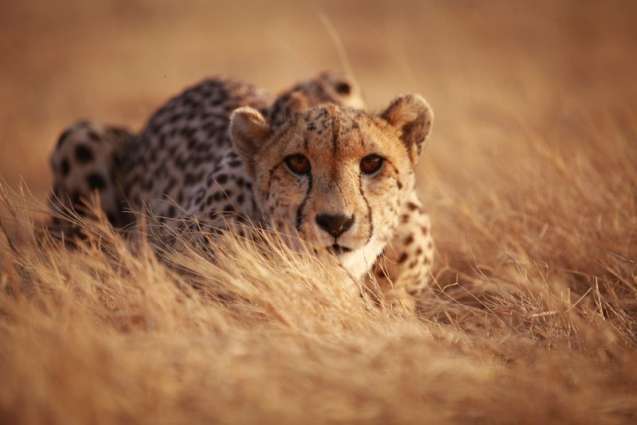
Because cheetahs evolved for open plains rather than thick bush, they can be easier to spot than leopards in the right destinations. In places like the Serengeti’s eastern and southern plains or Kenya’s Masai Mara, open terrain gives guides and travellers a better chance of finding cheetahs during normal game drives.
Leopard sightings are the champagne of safari: thrilling, elusive, and never guaranteed. Leopards are often active at night and spend much of the day hidden in trees, riverine bush, or rocky cover. In private reserves with expert guides and trackers, your chances improve, but leopard viewing still takes patience, skill, and a little safari luck.
The value equation is simple:
For the best chance of seeing cheetahs, focus on open safari destinations such as the Serengeti, Masai Mara, Etosha, and selected areas of Kruger. Tell us your travel dates, budget, and must-see wildlife, and we’ll help match you with a safari that makes sense.
| If You Want... | Best Safari Choice | Why It Works |
| Best overall cheetah viewing | Serengeti National Park, Tanzania | Huge open plains, strong predator viewing, and excellent classic safari routes |
| Good-value cheetah and predator sightings | Masai Mara National Reserve, Kenya | Open savannah, big-cat action, and strong year-round wildlife viewing |
| Affordable cheetah and Big Five potential | Kruger and Greater Kruger, South Africa | Easy logistics, excellent safari infrastructure, and strong Big Five focus |
| Budget-friendly desert safari | Etosha National Park, Namibia | Open landscapes, waterhole viewing, and excellent value for self-drive or lodge safaris |
Because cheetahs rely on visibility and space, they thrive in open grasslands and semi-arid savannahs. This makes certain safari destinations especially productive for sightings.
The gold standard. The southern and eastern plains (Ndutu area, especially) are cheetah heaven. Because the grass is short and the antelopes are endless, cheetahs here are almost habituated to vehicles. The Great Migration also benefits cheetahs by creating enormous concentrations of prey.
The Serengeti offers a more expansive and less crowded safari game-viewing experience than many other parks, making it ideal for dedicated wildlife travellers. A mid-range safari in the Serengeti offers better cheetah viewing than a luxury lodge in many other parks.
See our Tanzania safari tours for budget-friendly ways to combine the Serengeti with Ngorongoro Crater, Tarangire, Lake Manyara, or Zanzibar.
The Serengeti’s northern neighbour, 'the Mara', is famous for the Great Migration river crossings, but don’t discount its cheetah population. The reserve’s open savannahs make sightings relatively easy, while the abundance of wildlife during the migration season creates spectacular hunting opportunities. The Musiara Marsh and the plains near the Rhino Ridge are excellent.
The Mara is particularly popular among photographers because predator encounters are often concentrated within a smaller area than the Serengeti. The private conservancies surrounding the Maasai Mara limit vehicle numbers, allowing for quieter and more intimate wildlife encounters.
Browse our Kenya safari tours if you want a good-value route that combines the Masai Mara with the Great Rift Valley lakes, Amboseli or other classic Kenya safari highlights.
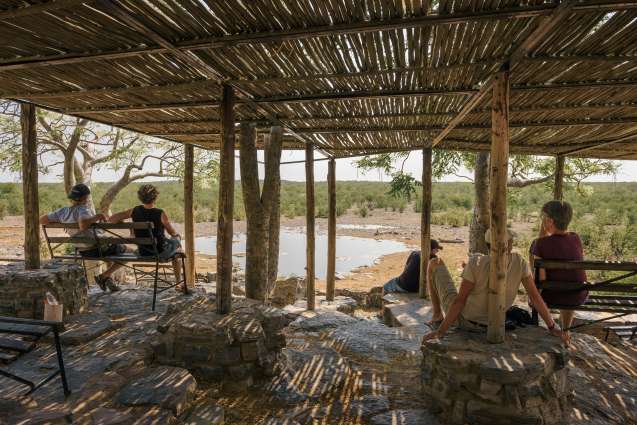
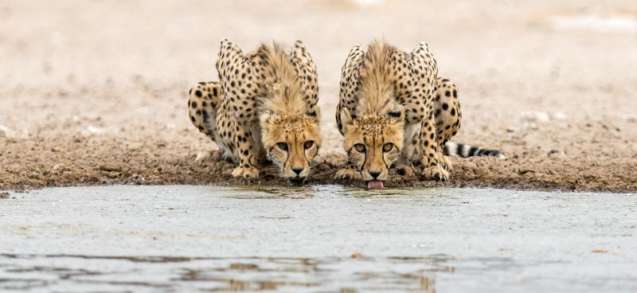
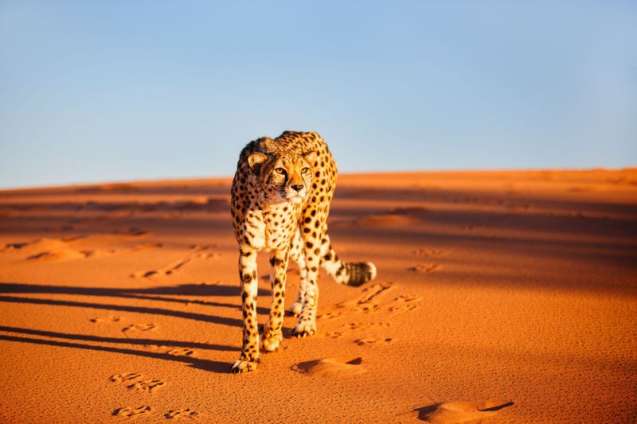
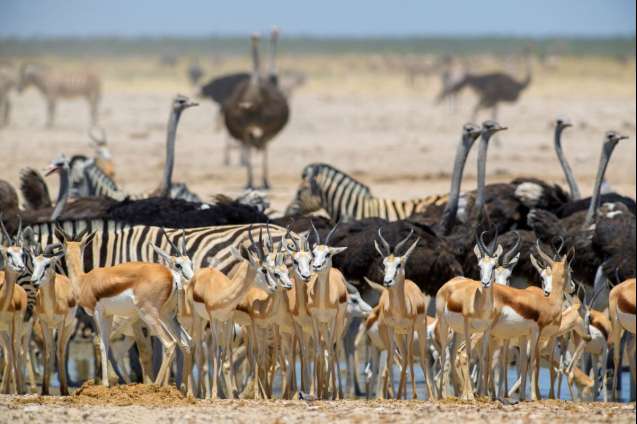
Namibia is one of the world’s cheetah strongholds, and Etosha National Park offers excellent opportunities to see them in the wild. The landscape is a vast, white salt pan surrounded by semi-desert scrub that provides ideal visibility. In Etosha, waterholes are the name of the game, giving travellers a real chance of seeing cheetah alongside classic dry-country wildlife such as elephant, lion, giraffe, zebra, springbok, oryx and black rhino.
Outside protected areas, Namibia has also become internationally recognised for cheetah conservation initiatives that work with local farmers to reduce human-wildlife conflict.
The Kruger is one of the most accessible safari destinations in Africa, but cheetahs are trickier to find where the terrain is bushier. Although cheetahs are less common in Kruger than lions or leopards, the park still offers rewarding sightings, particularly in open grassland regions. The private reserves of Greater Kruger, sharing unfenced borders with the national park, allow off-road tracking, which makes for intimate cheetah sightings.
South Africa’s excellent safari infrastructure makes Kruger one of the easiest places for first-time safari travellers to search for cheetahs.
Explore our Namibia safari tours for good-value routes that include Etosha, desert landscapes, and classic self-drive or lodge safari options.
See our South Africa safari tours if you want an accessible safari with strong Big Five viewing, good infrastructure, and a chance of spotting cheetahs in more open areas.
While Amboseli is better known for elephants and views of Mount Kilimanjaro, it also offers occasional excellent cheetah sightings. The open terrain and shorter grasses can make it easier to spot predators from a distance.
The dramatic backdrop of Kilimanjaro makes for some of Africa’s most photogenic cheetah images.
Botswana’s Okavango Delta is best known for its waterways and extraordinary wildlife density. But it is also a strong cheetah destination, particularly in the drier grassland regions at the fringes of the Delta. The combination of water-based safaris and predator viewing makes the Okavango one of Africa’s most unique safari experiences.
Browse our Botswana safari tours for routes that combine the Okavango Delta, Moremi, Chobe, and other wildlife-rich safari areas.
| Destination | Value for Money | Where Sighted | Safari Style | Best For |
| Serengeti National Park | Excellent for wildlife density and overall safari experience | Southern and eastern plains, especially Ndutu | Classic East African plains safari incl. mobile camps and game drives | First-time safari-goers, photographers, migration safaris, and dedicated cheetah viewing |
| Masai Mara National Reserve | Very good, especially in shoulder seasons | Open savannah plains, Musiara Marsh, Rhino Ridge area | Traditional game drives and conservancy safaris | Predator action, photography, and family groups of cheetahs |
| Etosha National Park | Excellent, especially for self-drive safaris | Around waterholes and open salt pan edges | Self-drive and lodge-based desert safari | Budget-conscious travellers, independent travellers, and conservation-focused safaris |
| Kruger National Park & Greater Kruger | Excellent due to accessibility and accommodation range | Open grassland areas in southern and central Kruger | Self-drive or guided Big Five safari, off-road in private reserves | First-time safari visitors, easy logistics, mixed wildlife viewing |
| Amboseli National Park | Moderate to good | Open plains and short-grass areas | Scenic safari with strong elephant viewing | Photography, Kilimanjaro views, shorter Kenya safaris |
| Okavango Delta | Premium safari pricing but exceptional experience | Drier grassland fringes and seasonal floodplains | Mid-range to luxury safari with mokoro and game drives | High-end safaris, exclusive wildlife encounters, diverse safari activities |
No. Despite being one of Africa’s most famous predators, the cheetah is not included in the Big Five. The Big Five refers specifically to the five animals historically considered the most difficult and dangerous to hunt on foot: lion, leopard, elephant, rhino, and buffalo.
Cheetahs were not considered as dangerous to hunters as animals like buffalo, lion, or leopard. They are lightly built, avoid confrontation where possible, and rely on speed rather than strength or aggression.
Leopards made the Big Five because they are powerful, secretive, and extremely dangerous when cornered or wounded. Cheetahs are faster, but leopards are stronger, more aggressive under pressure, and much harder to track in dense bush or rocky terrain.
Wild cheetahs are generally shy and far less aggressive than lions or leopards. They rarely pose a threat to people and usually avoid humans entirely. As with all wildlife, travellers should always follow their guide’s instructions and keep a respectful distance.
Some of the best cheetah destinations in Africa include Serengeti National Park in Tanzania, Masai Mara National Reserve in Kenya, Etosha National Park in Namibia, and selected open areas of Kruger and Greater Kruger in South Africa. Open grasslands and semi-arid regions are especially good for sightings because cheetahs rely on visibility and speed when hunting.
Cheetahs can be harder to find than lions or elephants because they are less numerous and often rest quietly during the heat of the day. However, they hunt in the open, which can make for excellent game viewing in the right destinations. Cheetah sightings are usually best in the early morning and late afternoon.
Cheetahs are slimmer, faster, and built for sprinting, while leopards are stronger, more muscular, and expert climbers. Cheetahs have solid black spots and distinctive tear marks on their faces, whereas leopards have rosette-shaped markings.
Cheetahs mainly hunt small to medium-sized antelope such as gazelles and impalas. They rely on stealth followed by explosive speed to catch prey in short, high-speed chases.
Not as well as leopards, but they can climb low branches, termite mounds, and fallen trees to scan the landscape for prey or danger.
For travellers who want cheetahs and Big Five animals on the same trip, Kruger and Greater Kruger are among the most accessible options, with strong Big Five viewing and occasional cheetah sightings in more open areas. The Serengeti and Masai Mara offer superb big-cat viewing and excellent chances of seeing cheetahs in open plains. Etosha is a strong-value option for cheetahs, lions, elephants, rhinos, and classic dry-country wildlife, although it is not usually considered a traditional full Big Five destination in the same way as Kruger.
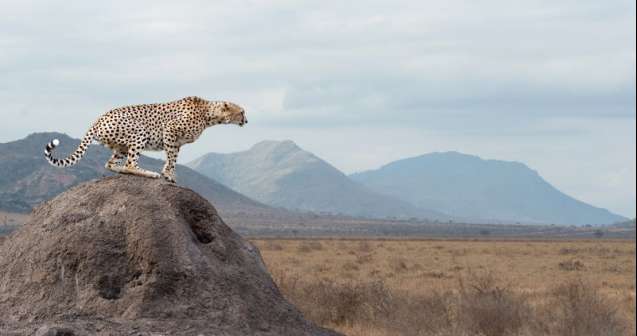
The cheetah may not be a “Big Five” animal. It may not have the leopard’s dangerous reputation or the lion’s royal roar. But when that spotted cat accelerates across the plains, spine flexing like a spring and tail steering through the dust, you will not care about old hunting lists.
You will be watching the fastest land animal on the planet do what it was born to do.
For wildlife enthusiasts and photographers, seeing a cheetah is often one of the greatest highlights of an African safari. The Big Five may be the famous checklist, but cheetahs bring something different: speed, elegance, drama and the thrill of open-country predator viewing.
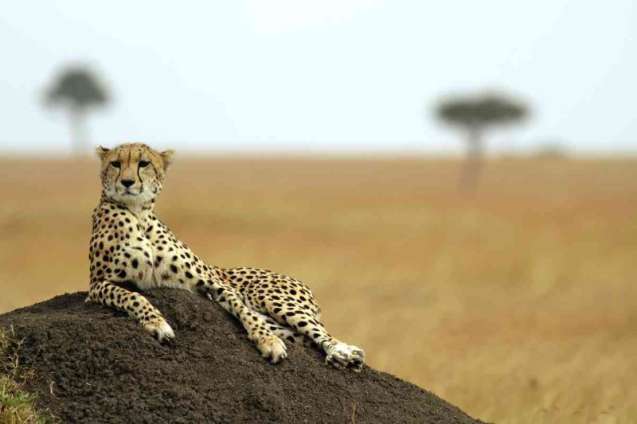
Cheetahs may not be part of the Big Five, but they are one of Africa’s most exciting safari sightings. Whether you want the open plains of the Serengeti and Masai Mara, the value of Etosha, or a Kruger safari that combines cheetah potential with classic Big Five wildlife, we can help you choose the right route for your budget.
Speak to a safari expert and start planning your African wildlife adventure.
Explore these destinations mentioned in this post.
Below you'll find further reading and articles related or similar to this post.




Call us toll free from US/Canada on 1-888-414-6513, or from the UK on 0-808-189-1052. All other countries can contact us on +27 21 791 0878.
© 2026 African Budget Safaris | Privacy | Terms | Cookie Policy | Consent Preferences

__large__thumb.jpg)


__thumb.jpg)





__medium.jpg)