
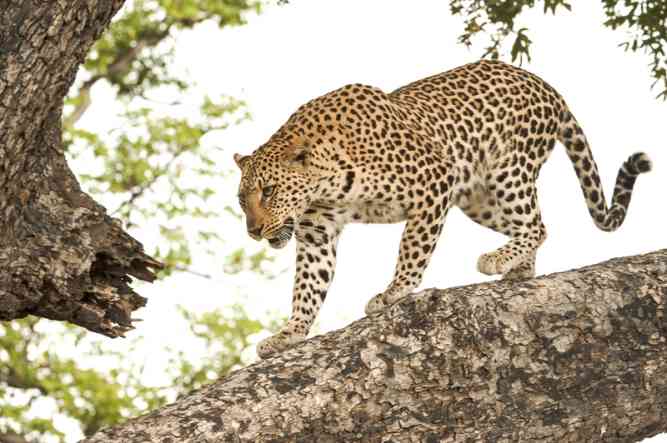
Could you tell the difference between a cheetah and a leopard on an African safari? At first glance, these two spotted African cats can look confusingly similar, especially when your guide suddenly whispers, “Big cat, two o’clock,” and everyone starts fumbling for binoculars.
The good news is that once you know what to look for, cheetah vs leopard identification becomes much easier. Cheetahs are built for speed, with long legs, slim bodies, solid spots, and distinctive black tear marks running down their faces. Leopards are stronger, stockier cats with rosette-shaped markings, powerful shoulders, and a famous habit of disappearing into trees.
This practical safari guide explains the key differences between cheetahs and leopards, with quick field tips to help you decide what you are looking at in the wild.
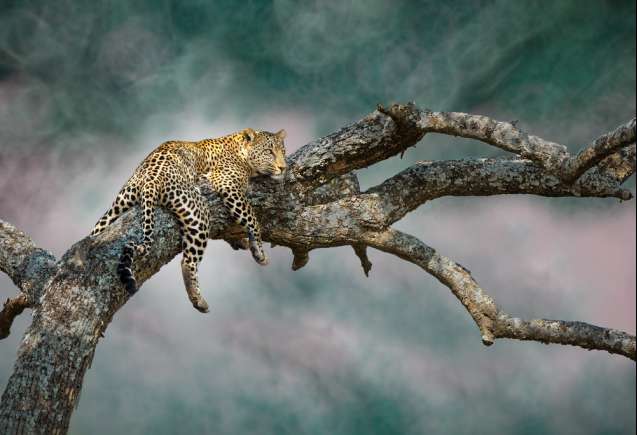
Need the quick answer? Here is the simple safari version of the difference between a cheetah and a leopard.
| Feature | Cheetah | Leopard |
|---|---|---|
| Build | Tall, slim, lightweight, long-legged | Stocky, muscular, powerful, shorter-legged |
| Size | Usually lighter and more delicate-looking | Usually heavier and more robust |
| Spots | Solid black spots | Rosette-shaped markings |
| Face | Black tear marks from the eyes to the mouth | No tear marks, more spotted face |
| Habitat | Open grasslands, plains, and savannas | Woodland, riverine bush, rocky areas, and mixed habitats |
| Hunting style | High-speed chase over short distances | Stalk-and-ambush hunter |
| Activity | Often active during the day | Often more active at night or in low light |
| Speed | Fastest land animal | Fast, but not built for cheetah-style sprinting |
| Climbing | Can climb, but not especially well | Excellent climber, often seen in trees |
Quick safari tip: if the cat has black tear marks and a greyhound-like body, you are probably looking at a cheetah. If it is stocky, powerful, covered in rosettes, and draped over a branch like it owns the place, it is probably a leopard.
Want to put these big cat ID skills to the test? Browse our African wildlife safaris or ask one of our safari experts which destinations give you the best chance of seeing cheetahs, leopards, lions, and more.
__medium.jpg)
Cheetahs and leopards are both found on safari in different parts of Africa, but sightings depend on where you travel, the habitat, the season, and a good dose of safari luck. Open plains favour cheetahs because they need space to run. Leopards are more often seen in wooded areas, rocky terrain, and along rivers where they can stalk prey and use cover.
In East Africa, places such as the Serengeti and Masai Mara are excellent for seeing cheetahs in open country, while leopards are often found in riverine areas and woodland. In Southern Africa, the Greater Kruger and private reserves such as Sabi Sands are famous for leopard sightings, while cheetahs are more likely in open savanna and selected reserves where suitable habitat and prey are available.
Explore Tanzania safari tours where cheetahs and leopards may be seen
For more leopard-specific advice, see our guide to how to spot a leopard on an African safari. For a broader Kruger cat guide, read The Wild Cats of Kruger National Park.
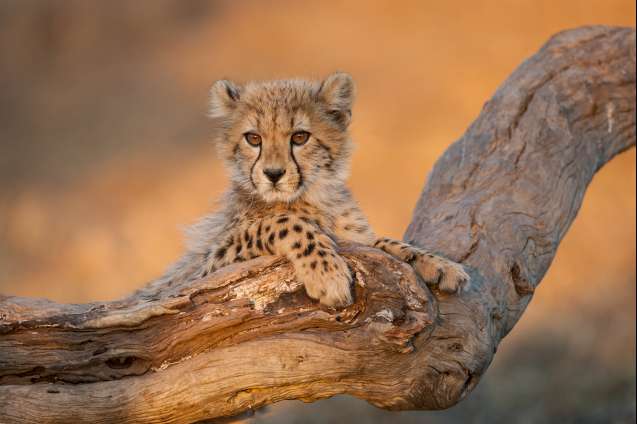
When you are in a safari vehicle, you may only get a few seconds before the animal moves behind the grass, crosses a track, or melts into the bush. These five quick clues will help you tell a cheetah from a leopard in the field.
The easiest way to tell a cheetah from a leopard is to look at the face. Cheetahs have dark black lines running from the inner corners of their eyes down towards the mouth. These are often called tear marks or tear lines.
Leopards do not have these tear marks. Their faces are more evenly spotted, with a broader, heavier look.
These black tear marks are one of the most reliable cheetah vs leopard identification clues. Even if the animal is lying down, partially hidden, or far away, the tear marks can stand out clearly through binoculars.
Cheetahs are built like sprinters. They are tall, slender, and light, with long legs, a narrow waist, a small head, and a deep chest. If the cat looks elegant, lean, and slightly delicate, think cheetah.
Leopards are built like compact athletes. They have shorter legs, broader heads, thick necks, and powerful shoulders. If the cat looks muscular, heavy, and strong, think leopard.
Cheetah spots are solid black dots. They are usually round or oval and spread across the body as individual markings.
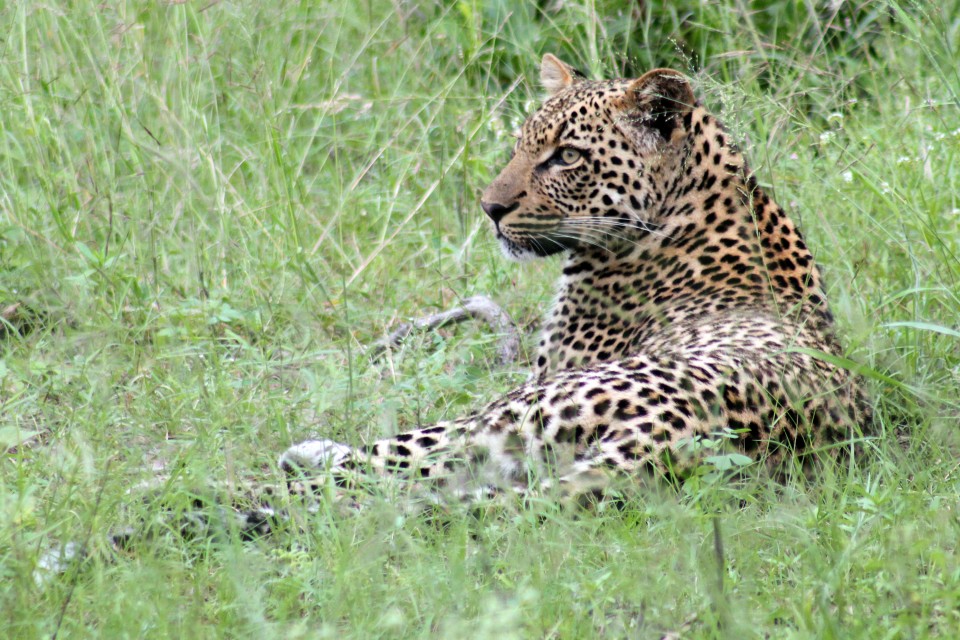
Leopard spots are not really simple spots at all. They are rosettes, which means the dark markings form broken circular or flower-like shapes. On safari, this can make a leopard look more patterned or blotched than a cheetah.
So, when comparing leopard spots vs cheetah spots, remember this easy field rule: cheetahs have solid dots, leopards have rosettes.
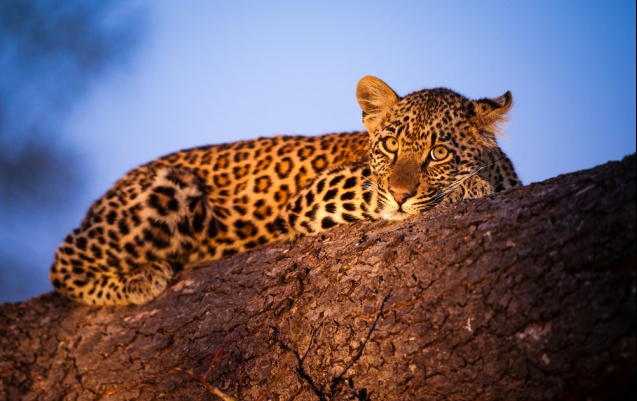
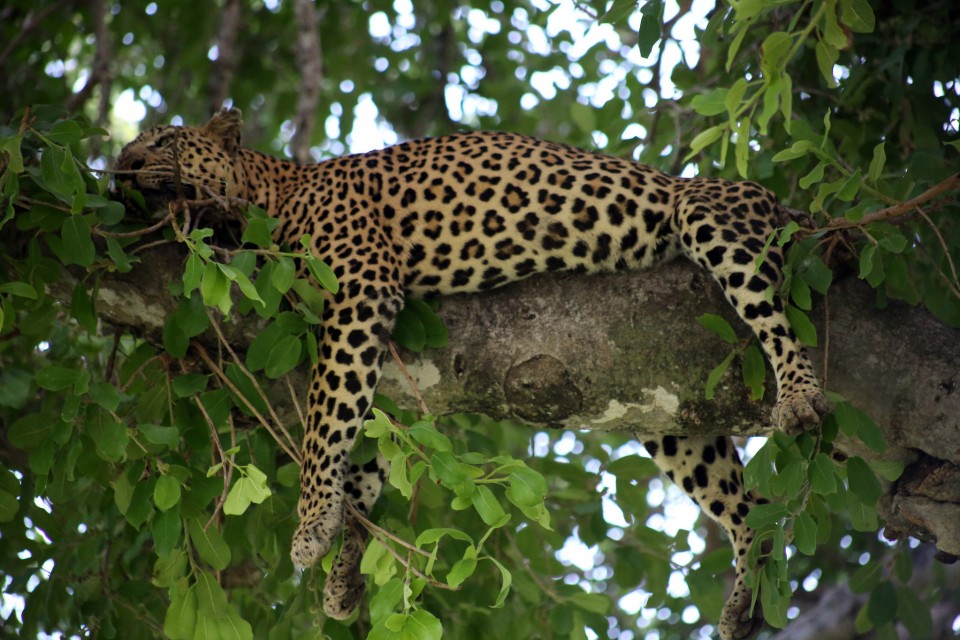
If the cat is lying in a tree, dragging a kill into a tree, or moving confidently along branches, you are almost certainly looking at a leopard. Leopards are exceptional climbers and often rest in trees during the day, especially in hot weather or when they want to avoid lions, hyenas, or safari paparazzi with very large lenses.
Cheetahs can climb low branches, termite mounds, or fallen trees to scan the plains, but they are not tree specialists. They do not have the same powerful climbing build as leopards.
Cheetahs hunt by sight and speed. They often scan from open ground, termite mounds, or small rises before launching into a fast chase. A cheetah hunt is explosive, dramatic, and usually over quickly.
Leopards hunt by stealth. They use cover, shadows, long grass, rocks, and riverbanks to creep close before ambushing prey. If your guide is peering into thick bush and saying, “There was a leopard here this morning,” prepare for a masterclass in patience.
Getting close to these African cats gives you a much better chance of noticing the small details, from facial markings to body shape and movement. A big cat safari in Kenya is a brilliant opportunity to practise your cheetah vs leopard identification skills in the wild.
Big cat enthusiasts can enjoy a budget Kenya Safari in the Masai Mara. Leopards and cheetahs are regularly seen in the wider Masai Mara ecosystem, making it a great choice for travellers with limited time and a healthy appetite for spotted cats.

The first major difference between cheetahs and leopards is their build. Cheetahs are tall, slim, and lightweight. Leopards are shorter, stronger, and more muscular.
A cheetah’s body is designed for speed. Long legs, a flexible spine, a deep chest, a narrow waist, and a long tail all help it accelerate, turn, and balance during a high-speed chase. The whole animal looks streamlined, like someone designed it after drinking too much coffee and shouting, “Make it faster!”
A leopard’s body is designed for power and stealth. Leopards have strong shoulders, muscular limbs, broad heads, and powerful jaws. They are built to stalk, ambush, wrestle prey to the ground, and carry carcasses into trees.
This makes body shape one of the best safari clues. In simple terms, cheetahs look like runners. Leopards look like climbers and fighters.
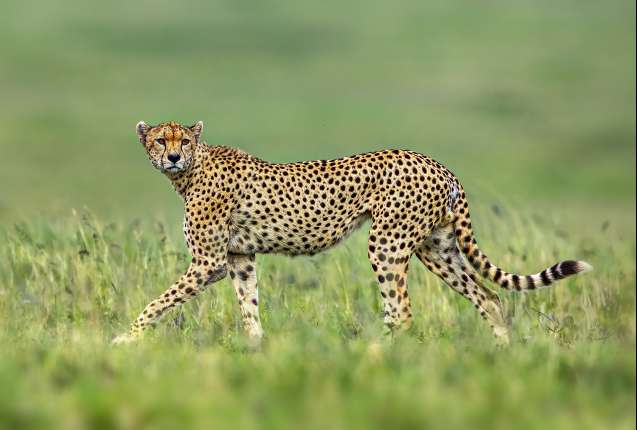
The spot pattern is another key difference between the cheetah and the leopard. Cheetah spots are solid, dark, and separate from one another. They cover much of the body and help break up the cheetah’s outline in grassland habitats.
Leopard markings are rosettes. These are irregular, rose-like shapes with dark outlines and lighter centres. The rosettes help leopards blend into dappled shade, long grass, woodland, and riverine bush.
This is one reason leopards can be so maddeningly difficult to spot. A leopard lying in a tree or crouching in broken shade can vanish into its background. One second, it is right there. The next second, your eyes are arguing with your brain.
Both cats are beautifully camouflaged, but their markings suit different hunting styles. Cheetah spots work well in open grasslands. Leopard rosettes work brilliantly in mixed cover, woodland, and shadow.
For more African wildlife trivia and safari-ready animal facts, see our guide to fascinating facts about African animals.
Both African cats are well camouflaged in the bush. For a strong chance of seeing leopards, consider a private game reserve in the Greater Kruger area of South Africa. Our exclusive tented safari in Sabi Sands includes 4x4 game drives with experienced guides who know where leopards are often seen.
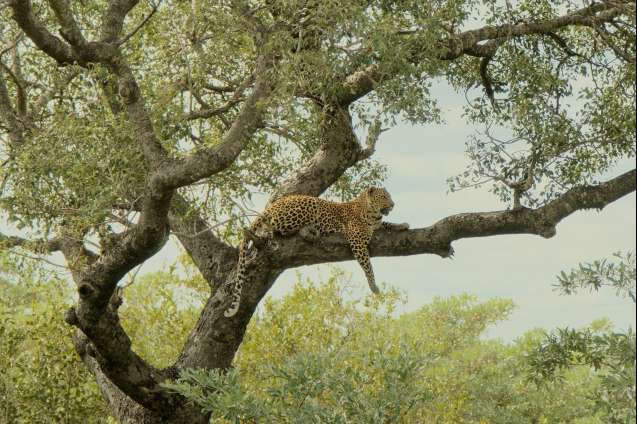
Habitat is one of the most useful clues when you are trying to tell a cheetah from a leopard on safari. Cheetahs prefer open spaces where they can see prey and run. Leopards prefer cover where they can stalk, hide, and ambush.
Cheetahs are often associated with grasslands, plains, open savannas, and lightly wooded areas. They need visibility and room to accelerate. If you are scanning a wide open plain and your guide points out a tall, slim cat sitting upright in the grass, a cheetah should be your first guess.
Leopards are more secretive and adaptable. They can live in woodland, rocky hills, riverine bush, savanna, and even mountainous areas. In South Africa, rare Cape leopards survive in rugged mountain habitats far from the classic safari circuit. You can read more in our guide to wild leopards in the Western Cape.
An expert wildlife tracker, like those accompanying the guides on our 7-day Budget Botswana Safari, will often remind you to look up as well as ahead. Leopards may be resting on a branch, watching from a riverbank, or tucked into shade. Cheetahs are more likely to be seen in open areas, scanning for antelope or resting between hunts.
For a Namibia-focused route with strong wildlife variety, the 7-day Northern Namibia & Skeleton Coast Camping Safari combines Okonjati Nature Reserve, Etosha National Park, Palmwag, the Skeleton Coast, and Swakopmund. It is a good option for travellers who want wildlife, big landscapes, and Namibia’s wilder northern regions in one affordable camping safari.

Cheetahs and leopards hunt in very different ways, and this can help you identify them on safari.
Cheetahs rely on speed. They usually hunt during daylight, often in the morning or late afternoon when it is cooler. They use their excellent eyesight to find prey, stalk as close as possible, and then sprint. The chase is short, fast, and intense.
Leopards rely on stealth. They are ambush hunters, often more active at night, around dawn, dusk, or in thick cover during the day. They stalk slowly, get close, and then pounce from short range. After a successful hunt, a leopard may drag its kill into a tree to keep it away from hyenas, lions, and other scavengers.
So, if you see a spotted cat bursting across open plains after a gazelle, that is classic cheetah behaviour. If your guide is following tracks along a riverbed and scanning branches for a hidden cat, that is classic leopard country.
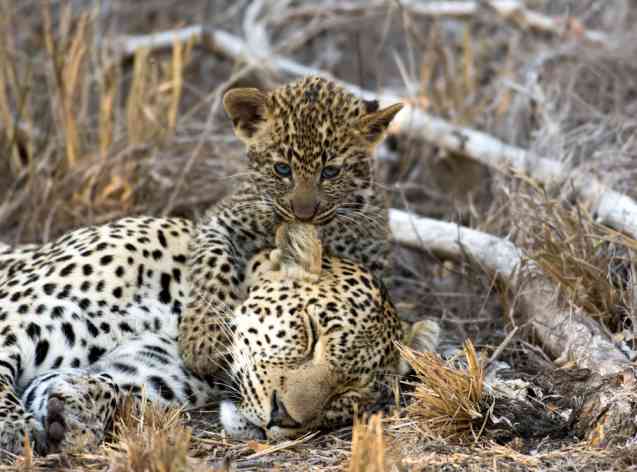
The cheetah wins this race easily. Cheetahs are the fastest land animals on Earth and can reach incredible speeds over short distances. Their whole body is built for acceleration, with long limbs, a flexible spine, semi-retractable claws, and a long tail that helps with balance when turning at speed.
Leopards are fast, too, but they are not built for sustained open-country sprinting in the same way. They are powerful, agile, and explosive over short distances, which suits their ambush style of hunting.
In a race, the cheetah wins. In a tree-climbing contest, the leopard wins before the cheetah has even found a comfortable branch.
If African cats are high on your safari wish list, consider our 7-day Big Cats, Etosha & Desert Namibia Safari. This affordable Namibia safari combines a wildlife conservation experience, Etosha National Park, and the Namib Desert, with chances to see classic African wildlife including lions, leopards, and cheetahs.
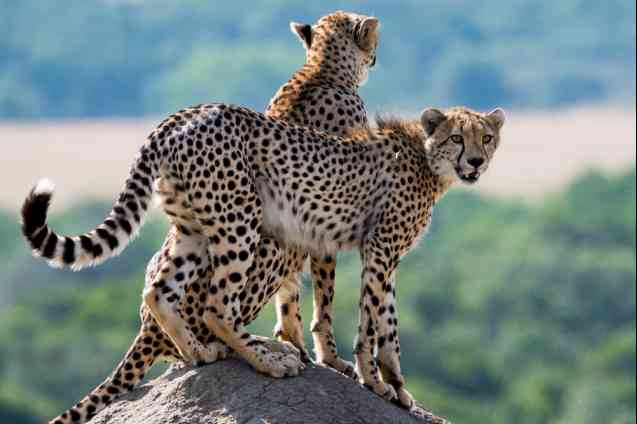
Yes, cheetahs can climb, but they are not great climbers compared with leopards. Cheetahs may use termite mounds, low branches, fallen trees, or raised viewpoints as lookout points, especially when scanning open terrain for prey or danger.
Leopards are in a different league. They climb trees to rest, hide, escape disturbance, and protect food. A leopard in a tree is one of the great safari sightings, especially when you finally spot the tail hanging down and wonder how on earth you missed the whole cat for ten minutes.
This is one of the most practical cheetah vs leopard clues: a spotted cat stretched along a high branch is almost certainly a leopard.
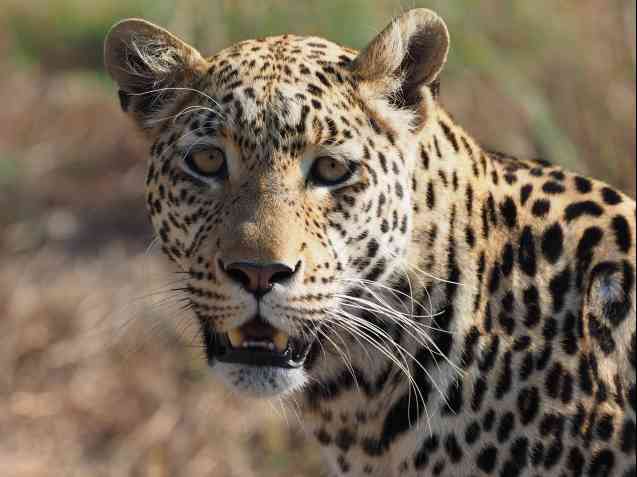
Leopards are stronger than cheetahs. Although cheetahs are faster, leopards are more powerful, more muscular, and better equipped for close-contact fighting. They have strong jaws, powerful shoulders, and sharp claws suited to climbing and gripping prey.
A cheetah is more likely to avoid conflict than fight. This makes sense. When your best survival tool is speed, it is usually better to run than to start a wrestling match with a leopard, lion, hyena, or anything else with an attitude problem.
Leopards and cheetahs do not usually hunt each other. Conflict can happen, especially around cubs or kills, but adult leopards are stronger and more dangerous in a fight. Cheetahs survive by staying alert, avoiding bigger predators, and using open habitat where they can spot danger early.
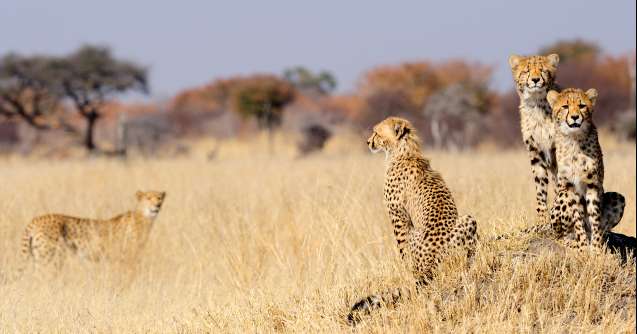
Last, a quick recap before your next safari test.
Cheetah: slim body, long legs, small head, black tear marks, solid spots, open habitat, fast daytime hunts.
Leopard: muscular body, shorter legs, broad head, no tear marks, rosette markings, wooded or rocky habitat, strong climber, stealthy ambush hunter.
Ready to test your new skills? Take a quick look at these images and see if you can tell the difference between these two African cats. No pressure. Well, a little pressure. Safari bragging rights are at stake.
_botswana-experience__medium.jpg)
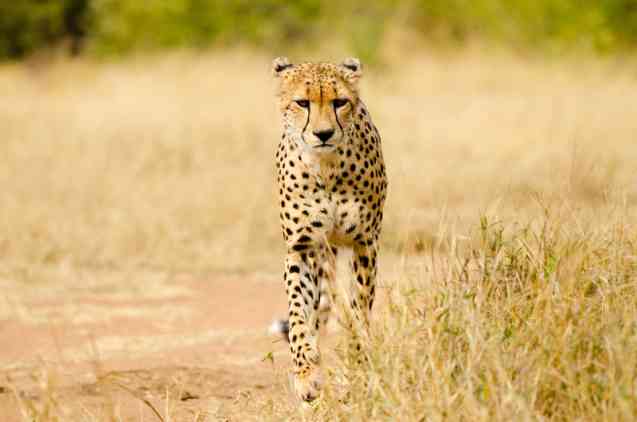
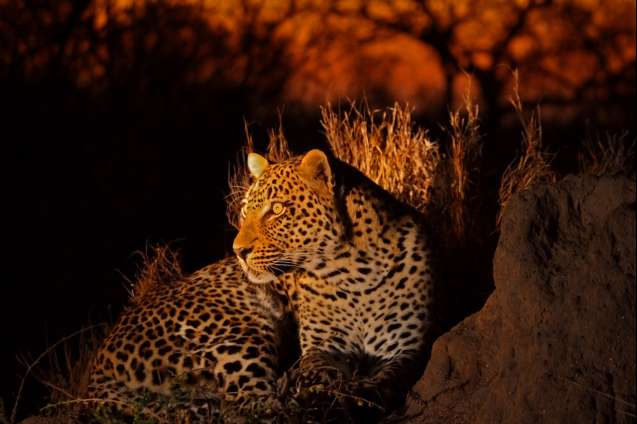
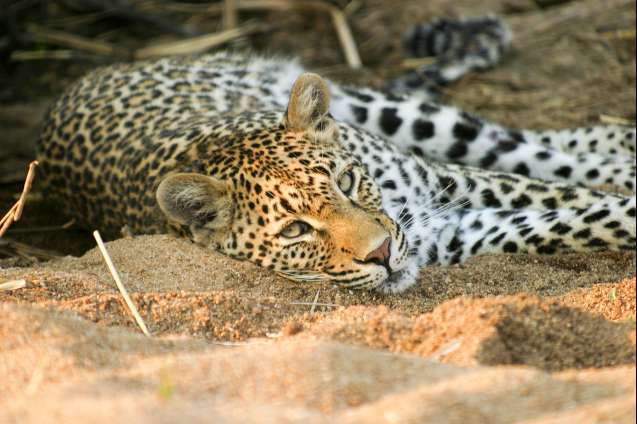
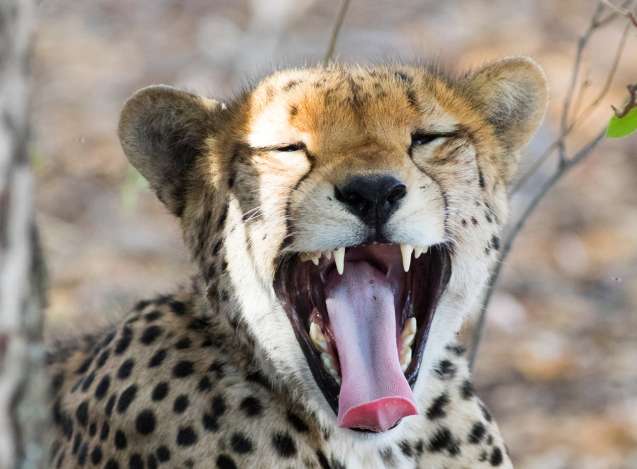
The main difference between a cheetah and a leopard is body shape and markings. Cheetahs are slim, long-legged cats with solid black spots and black tear marks on the face. Leopards are stockier, more muscular cats with rosette-shaped markings and no tear marks.
Leopards are usually heavier and more powerfully built than cheetahs. Cheetahs may look taller because of their long legs, but leopards are generally stronger, stockier, and more muscular.
The cheetah is much faster than the leopard. Cheetahs are the fastest land animals and are built for short, explosive sprints across open ground. Leopards are fast and agile, but they rely more on stealth and ambush than outright speed.
__medium.jpg)
The leopard is stronger. Leopards have more muscular bodies, powerful jaws, and excellent climbing ability. Cheetahs are lighter and faster, but they are not built for the same kind of close-contact power as leopards.
Cheetahs can climb low branches, fallen trees, and raised viewpoints, but they are not strong tree climbers. Leopards are much better climbers and are often seen resting, feeding, or hiding in trees.
Leopards are usually harder to spot because they are secretive, well camouflaged, and often active in low light or thick cover. Cheetahs can also be difficult to find, but they are more often seen in open areas where their slim shape and upright posture make them easier to pick out.
They are both famous African cats and popular safari sightings. In everyday safari language, people often call both of them African big cats. Scientifically, leopards belong to the Panthera group, along with lions, tigers, and jaguars, while cheetahs belong to a different genus and cannot roar like leopards and lions.
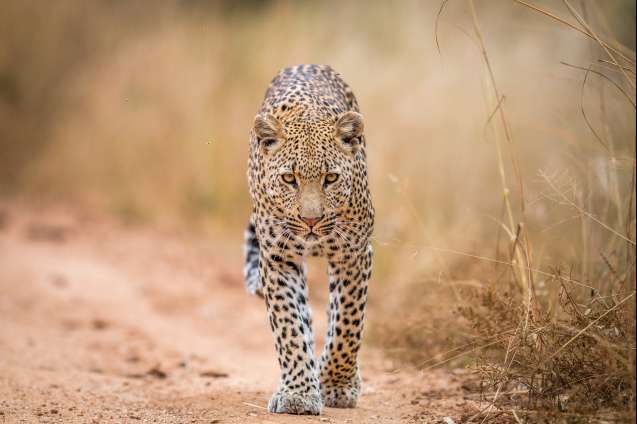
Now that you know how to tell a cheetah from a leopard, it is time to put your new safari skills to the test. Whether you want open plains cheetah country, classic leopard territory, or a full African big cat safari, our team can help you choose the right route for your budget, timing, and travel style.
Contact African Budget Safaris and chat to a safari expert about where to see cheetahs, leopards, lions, and more in the wild.

Explore these destinations mentioned in this post.
Below you'll find further reading and articles related or similar to this post.




Call us toll free from US/Canada on 1-888-414-6513, or from the UK on 0-808-189-1052. All other countries can contact us on +27 21 791 0878.
© 2026 African Budget Safaris | Privacy | Terms | Cookie Policy | Consent Preferences

_(1)__thumb.jpg)


__thumb.jpg)



__large.jpg)