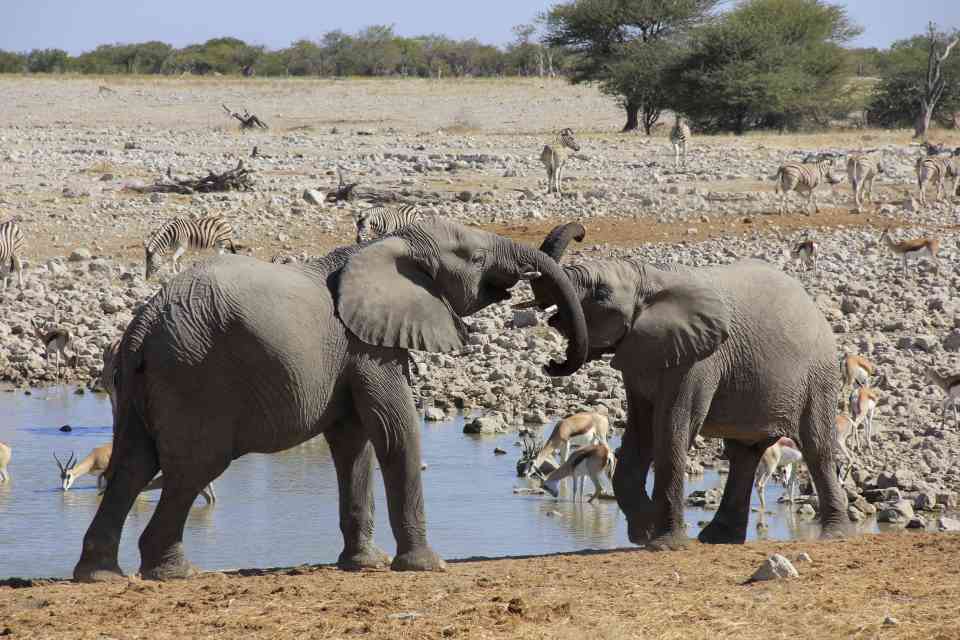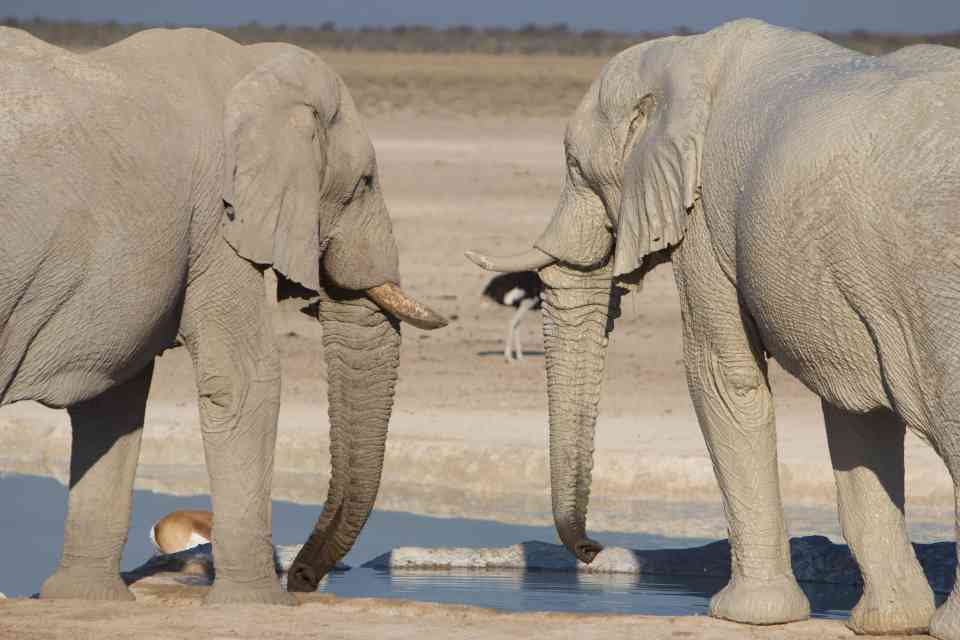
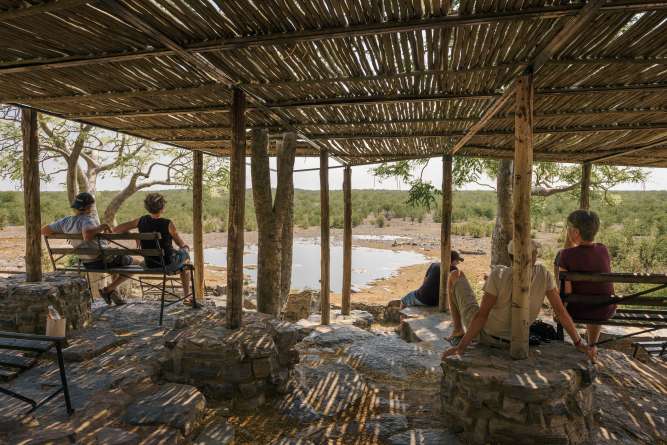
Etosha is one of Africa’s premier wildlife safari destinations, and the waterholes are its front-row seats.
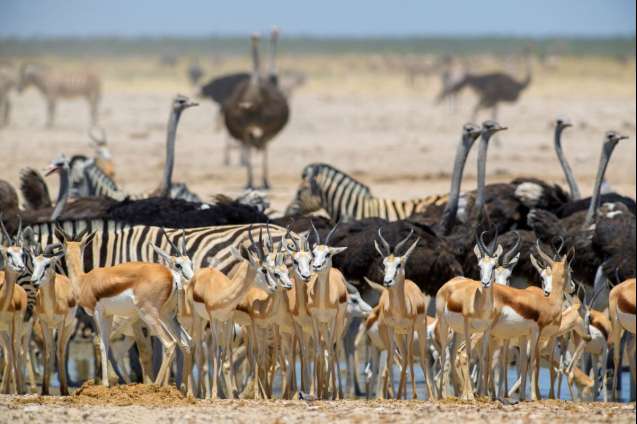
Unlike river-based safari parks, Etosha National Park revolves around a vast salt pan and a network of natural and artificially pumped waterholes. In the dry season, these become magnets for wildlife, concentrating animals in numbers and behaviours that are hard to match anywhere else in southern Africa.
This guide explains how Etosha’s waterholes work, which Etosha waterholes deliver the best sightings, how they change through the year, and how to plan waterhole-focused game drives for maximum payoff.
__medium.jpg)
__medium.jpg)
Etosha is fundamentally different from iconic safari parks like the Serengeti or Kruger.
No permanent rivers flow through Etosha National Park. For much of the year, waterholes are the only reliable source of water, and everything, predator and prey alike, must eventually come to them.
This unique dynamic creates:
Some Etosha waterholes are seasonal natural springs, others are boreholes maintained by Namibia’s national parks authority. From a wildlife perspective, they all serve the same purpose: survival.
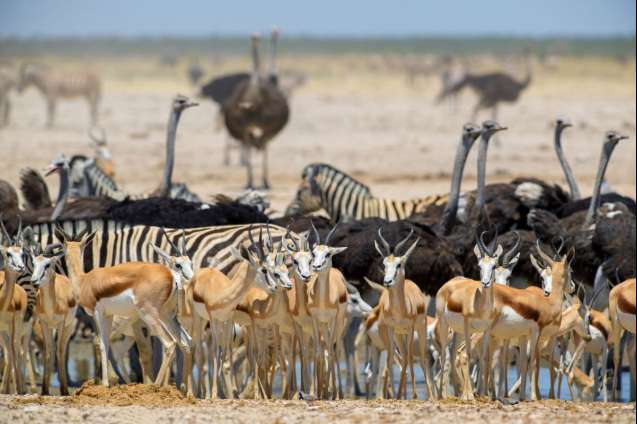
Not all Etosha waterholes behave the same way, and understanding the difference can dramatically improve your game drives. Some waterholes are fed by natural springs or seasonal rainfall, while others are artificially pumped to support wildlife through long, dry months.
From a traveller’s point of view, this matters because it affects when animals arrive, how predictable sightings are, and which waterholes perform best at different times of year. Knowing which type you’re visiting helps you decide where to sit patiently and when it’s better to keep moving.
Natural waterholes are fed by underground springs or seasonal rainfall, reflecting Etosha at its most unpredictable. Water levels fluctuate with the seasons, resulting in varying wildlife activity from day to day.
These waterholes are often quieter and more atmospheric than pumped sites. Sightings may take more patience, but they reward visitors with fewer vehicles, relaxed animal behaviour, and a stronger sense of Etosha’s natural rhythms.
Artificial waterholes are Etosha’s secret weapon in the dry season. They provide reliable water year-round, making wildlife sightings far more predictable.
Elephants, rhinos, and predators regularly visit these sites, offering some of the park’s most consistent game viewing.
Key takeaway:
In the dry season, pumped Etosha waterholes are king, drawing large numbers of animals to reliable drinking points and delivering the most predictable sightings. This is when waterhole viewing is at its best, and patience is consistently rewarded.
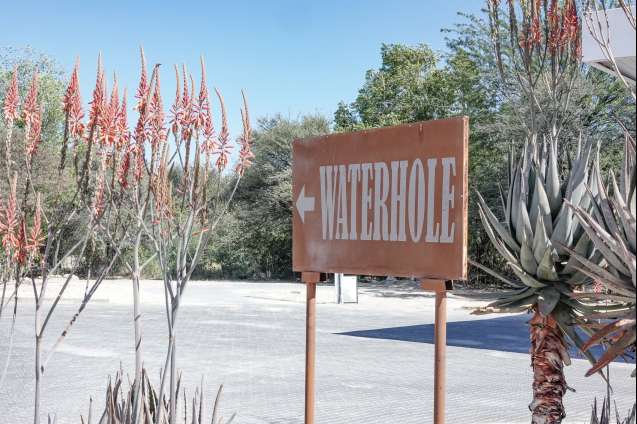
Etosha’s waterholes are spread across distinct regions, each offering slightly different landscapes, wildlife patterns, and viewing styles. Breaking them down by region makes it easier to plan realistic game drives and focus your time where sightings are most reliable.
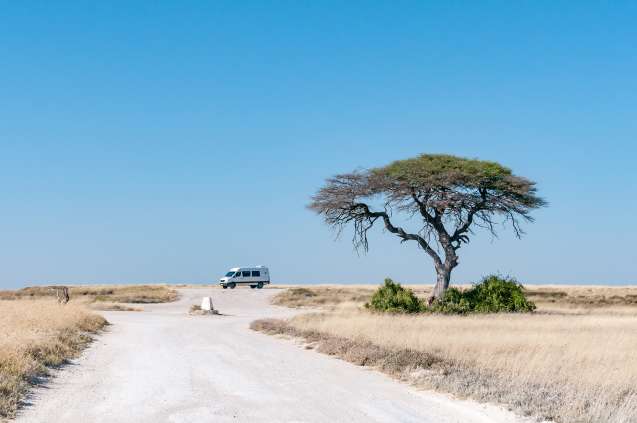
The central Etosha region around Okaukuejo is the park’s most famous waterhole area, and with good reason. Open plains, reliable water, and high wildlife density combine to deliver some of Etosha’s most consistent and memorable sightings.
Top waterholes:
Why it works:
Open plains, short grass, and constant water access make central Etosha the most reliable wildlife viewing area in the park.
Western Etosha, around Dolomite Camp and Galton Gate, is less visited and feels noticeably wilder. This quieter region rewards patient travellers with fewer vehicles, varied terrain, and some of the park’s best rhino sightings.
Top waterholes:
Why visit Etosha's western waterholes:
Lower traffic, varied terrain, and strong rhino numbers make western Etosha ideal for repeat visitors and travellers seeking quieter game viewing.
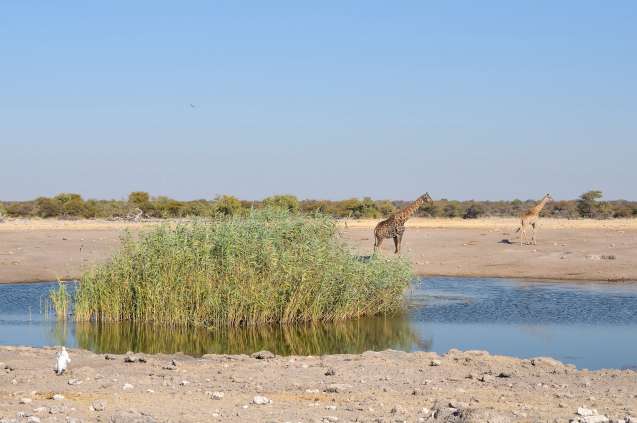
Eastern Etosha, around Namutoni, is flatter and more open, with wide pans and excellent visibility. This area comes into its own in the late dry season, when plains game gathers in large numbers, and predators are often active around the waterholes.
Top waterholes:
Why visit Etosha's eastern waterholes:
Eastern Etosha shines after rainfall and during seasonal movements of plains game along the pan edges.
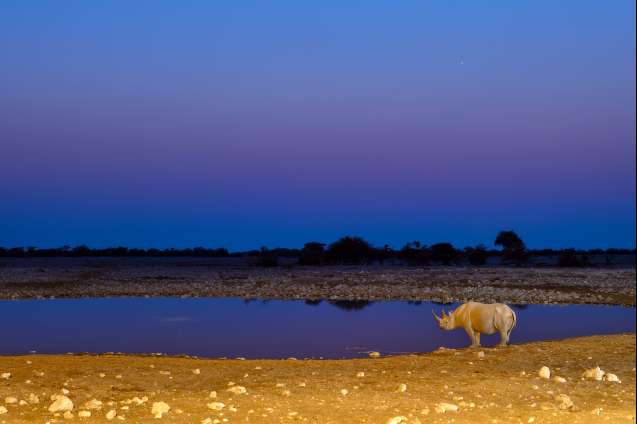
One of Etosha’s most distinctive experiences is its flood-lit waterholes, which allow wildlife viewing long after sunset without leaving camp. These waterholes offer a rare opportunity to observe animals on their own terms, quietly and unhurriedly, often at very close range.
The most famous of these is at Okaukuejo, where black rhino regularly visit after dark, alongside elephants, lions, hyenas, jackals, and occasional leopard. Unlike guided night drives, this is passive viewing; you sit, watch, and wait, often for hours, as animals drift in and out of the light.
There are three flood-lit waterholes inside Etosha National Park, each located at a main rest camp and accessible to overnight guests.
Why visit the flood-lit waterholes:
These flood-lit waterholes are one of Etosha’s defining features and offer some of the best night-time wildlife viewing in Africa without the need for guided night drives.
__medium.jpg)
Waterholes are grouped by the rest camp they are most commonly accessed from. Distances and accessibility vary by season and route. Note that Etosha’s waterholes vary seasonally, and some pans only hold water after good rains. Groupings are based on common access routes rather than fixed boundaries.
This is the densest waterhole zone in Etosha, with excellent dry-season concentrations and the park’s most famous flood-lit waterhole. |
|
Halali sits between central and eastern Etosha and offers excellent midday waterhole sitting, especially in peak dry months. |
|
This area shines after rain and in the late dry season, when plains game movement increases along the pan edges. |
|
Western Etosha is quieter, wilder, and one of the best areas for black rhino sightings, often in daylight. |
|
Olifantsrus is a newer, low-impact camp with an excellent elephant-focused hide overlooking its waterhole. |
|
Onkoshi sits on the edge of the Etosha Pan and is best in the green season, when water spreads across shallow pans. |
|
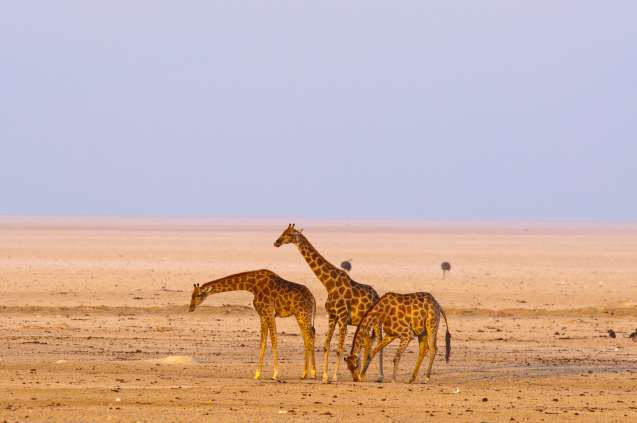
Etosha is home to 4 of the Big 5. Elephants, the 'white ghosts' of Etosha, lions, rhinos, and leopards are all present. Where Etosha stands out is the quality of sightings of wildlife as they congregate around the waterholes. This table looks at wildlife by watering holes.
| Elephants |
|
|
| Black Rhino |
|
|
| Lions |
|
|
| Giraffe & Plains Game |
|
|
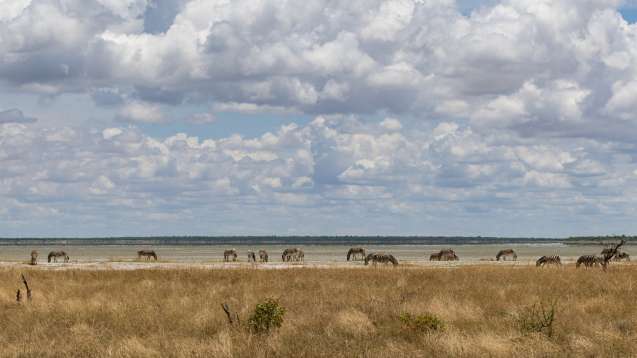
The best time to visit Etosha’s waterholes on safari depends on what you want to see. During the dry season, wildlife concentrates around reliable water sources, delivering high-density game viewing and predictable sightings. In the green season, the park transforms after rain, bringing an explosion of birdlife, newborn animals, and a very different, more atmospheric safari experience.
The best time to visit Etosha waterholes for wildlife is during the dry season from May to October, when animals concentrate around reliable water sources and sightings are most predictable.
During the green season, Etosha shifts from dry plains to lush grassland as seasonal rains fill pans and refresh grazing. Wildlife spreads out across the park, making waterhole viewing less concentrated but offering a greener, more atmospheric safari experience.
Green season highlights:
What to know about Green season safaris in Etosha:
.jpg)
This table focuses on where wildlife actually concentrates, not generic “good year-round” claims.
Month |
Conditions |
Best Waterholes |
What to Expect |
| January | Green season, scattered water | Fischer’s Pan, Gemsbokvlakte | Plains game spread out, birding peaks, fewer predators at waterholes |
| February | Wet, lush grazing | Fischer’s Pan, Salvadora | Zebra, springbok, good lion movement after rain |
| March | Late rains tapering | Okondeka, Klein Namutoni | Wildlife starts consolidating, improving predator sightings |
| April | Transition month | Nebrownii, Chudop | Elephants return more regularly, excellent mixed sightings |
| May | Dry season begins | Okaukuejo, Okondeka | Rhino activity increases, predators return to predictable patterns |
| June | Dry, cooler | Okaukuejo, Nebrownii | Strong elephant herds, lions are active late afternoon |
| July | Peak dry season | Okaukuejo, Renostervlei | Black rhino, elephants, long waterhole sessions pay off |
| August | Very dry, busy | Okaukuejo, Dolomietpunt | Heavy game traffic, intense elephant and predator interactions |
| September | Harsh dry season | Nebrownii, Klein Namutoni | High drama, dust, lions, and hyenas frequent |
| October | Extreme heat | Okaukuejo, Chudop | Peak concentrations, best predator visibility of the year |
| November | First rains possible | Salvadora, Fischer’s Pan | Wildlife still clustered early in the month, disperses after rain |
| December | Green season returns | Fischer’s Pan, Gemsbokvlakte | Fresh grass pulls animals away from pumped waterholes |
Key insight:
If you are travelling from July to October, structure your days around two or three high-performing waterholes, not constant driving.
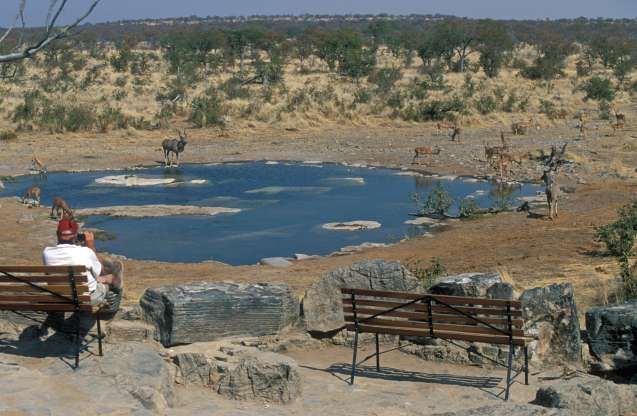
Planning a waterhole-focused game drive in Etosha is less about covering distance and more about timing and patience. By understanding when animals drink and how they move through the day, you can structure your drives to maximise sightings with far less effort.
Take a look at some of our most popular Etosha safari packages.
_(1)__medium.jpg)
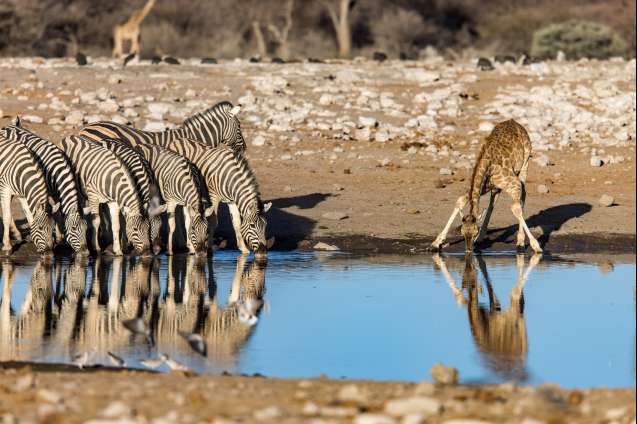
These are the most frequently asked questions about Etosha's watering holes.
Etosha National Park has no permanent rivers. For most of the year, waterholes are the only reliable water source, concentrating wildlife and creating predictable, high-quality sightings.
Both. Some waterholes are natural springs, while many are artificial boreholes maintained to support wildlife. In the dry season, pumped waterholes are the most reliable for sightings.
Okaukuejo is the most famous, especially at night, with frequent black rhino sightings. In western Etosha, Renostervlei and Dolomietpunt are excellent for daytime rhino encounters with fewer vehicles.
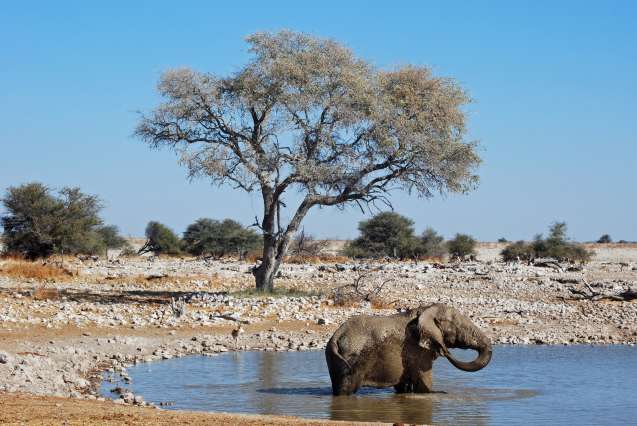
Elephants favour reliable, pumped waterholes in the dry season. Top choices include Nebrownii, Okaukuejo, and Chudop, where large herds often arrive in waves.
Sit. Etosha rewards patience. Long, stationary waterhole visits consistently deliver better sightings than covering distance. Many predators appear after 30–60 minutes of waiting.
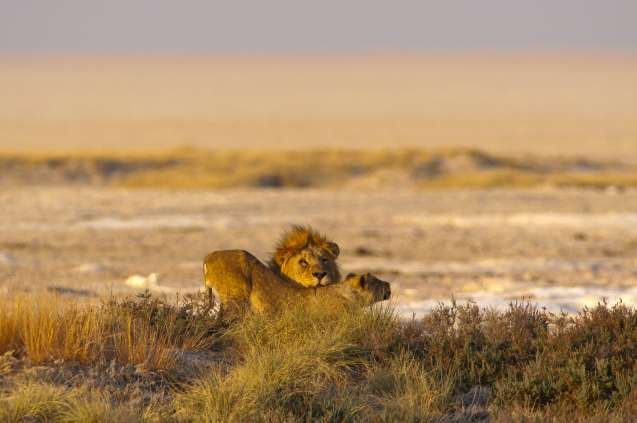
Midday: Elephants, rhino, plains game
Late afternoon: Lions, hyenas, predators arriving
Night: Only at camp waterholes, especially Okaukuejo
Early mornings are generally better for open plains rather than waterholes.
Yes. Unlike riverine parks, Etosha’s open terrain and heat force predators to drink during daylight hours, especially in peak dry season months.
They are quieter, but still worthwhile. In the green season, wildlife spreads out across new grazing, but pans like Fischer’s Pan can attract large herds after rain and offer dramatic photography.
No more than three to four. Choosing fewer waterholes and staying longer dramatically increases your chances of meaningful sightings.
Absolutely. Camp waterholes, particularly at Okaukuejo, offer some of Etosha’s most reliable rhino and predator viewing, often without needing to drive at all.
Yes. Excellent roads, self-drive accessibility, predictable wildlife movement, and outstanding waterhole viewing make Etosha one of Africa’s best value and easiest safari destinations.
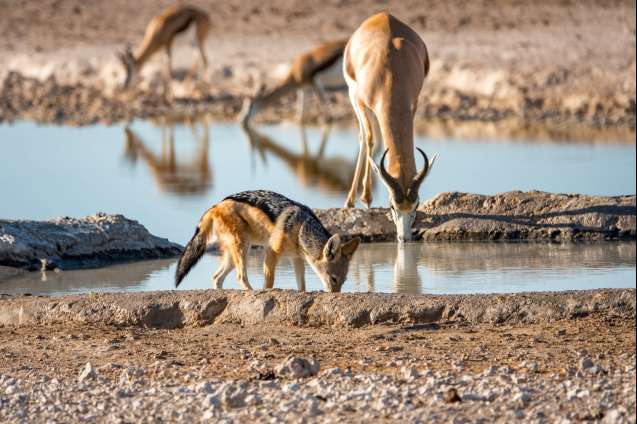
Namibia is one of Africa's best budget-friendly safari destinations. And Etosha offers fantastic safaris and incredible value for money.
This combination of accessibility, affordability, and raw wildlife drama is exactly why Etosha remains a favourite for first-time safari travellers and seasoned safari enthusiasts alike.
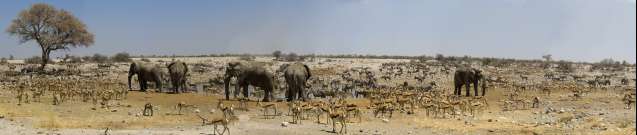
Etosha rewards patience, not speed. The most memorable sightings come from spending time and allowing the drama to unfold on its own terms. Slow down, switch off the engine, and let Etosha do the work. African Budget Safaris has an expert team of Africa-based safari consultants who can help you plan an Etosha trip that matches your pace, budget, and travel style, so you can experience the park at its very best.
Talk to us today and start making your Etosha dream safari a reality.

Explore these destinations mentioned in this post.
Below you'll find further reading and articles related or similar to this post.




Call us toll free from US/Canada on 1-888-414-6513, or from the UK on 0-808-189-1052. All other countries can contact us on +27 21 791 0878.
© 2026 African Budget Safaris | Privacy | Terms | Cookie Policy | Consent Preferences

__thumb.jpg)



__medium.jpg)