Botswana is famous for Chobe, Moremi, and the Okavango Delta, but some of the country’s best-value safari areas sit just beyond the busiest routes. If you want excellent wildlife, fewer vehicles, and a more exclusive safari feel without paying top-end Delta prices, places like Khwai, Savuti, Makgadikgadi, Nxai Pan, and the Central Kalahari deserve a serious look.
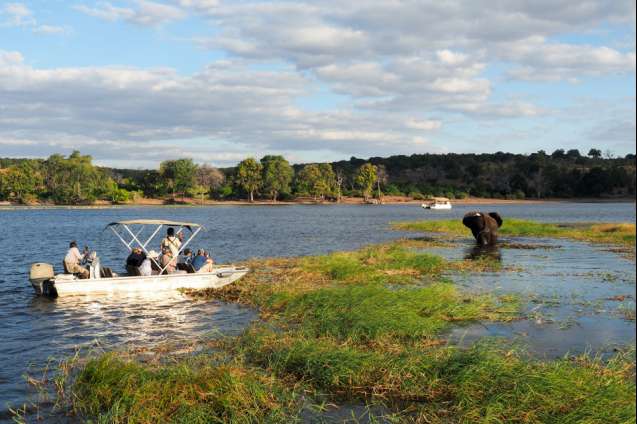
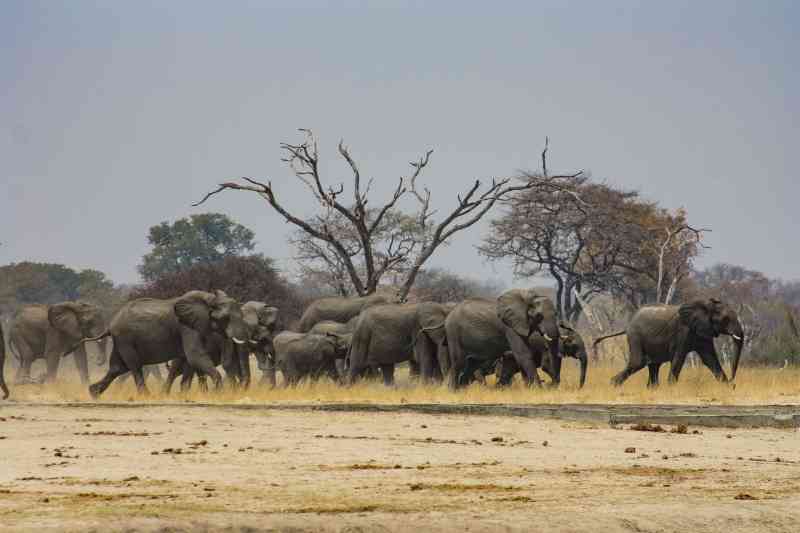
Chobe and Moremi are bucket-list Botswana safari destinations for good reason. Chobe is famous for huge elephant herds and river safaris, while Moremi protects one of the richest wildlife areas in the Okavango Delta. But they are not always the best choice for every traveller, especially if you are trying to balance cost, crowds, and comfort.
Botswana is often seen as one of Africa’s more expensive safari destinations, but choosing the right area can make a meaningful difference to your budget. Whether this is your second or third Botswana safari, or your first trip and you want something quieter than the classic route, these alternative safari areas offer excellent value, strong wildlife, and a deeper sense of wilderness.
Not sure where to start with budgeting for your dream safari? Read our full guide to how much a Botswana safari costs and how to make your money stretch further.
The best-value Botswana safari areas beyond Chobe and Moremi include Khwai Concession, Savuti, Makgadikgadi Pans, Central Kalahari Game Reserve, and Nxai Pan National Park. Khwai is best for an affordable Okavango Delta-style safari, Savuti is excellent for predators and remote wilderness, Makgadikgadi is ideal for green-season zebra migration, Central Kalahari is best for solitude, and Nxai Pan offers open landscapes, ancient baobabs, and low visitor numbers.
For most first-time travellers looking for value, Khwai Concession is the strongest alternative to Moremi. For travellers who want fewer crowds than Chobe, Savuti is one of the best wilderness alternatives, especially if predator sightings are high on your wishlist.
| Safari Area | Best For: | Best Time to Visit: | Best Alternative To: | Getting There... |
|---|---|---|---|---|
| Khawi Concession | First-time safari visitors, Delta wildlife, mokoro trips, and night drives | May to October | Moremi | Road accessible from Maun |
| Savuti | Adventurous travellers, predators, elephants, and remote wilderness | May to October | Busy Chobe Riverfront safaris | Fly-in or 4x4 |
| Makgadigadi | Birders, zebra migration, flamingos, and landscape photography | December to March | East Africa-style migration spectacle | Road accessible |
| Central Kalahari Game Reserve | Seasoned safari goers, photographers, and solitude seekers | December to March | Busier classic Botswana safari circuits | Fly-in or 4x4 |
| Nxai Pan | Baobabs, open landscapes, low crowds, and unusual scenery | November to April | Etosha-style open pan landscapes | Fly-in or 4x4 |
__medium.jpg)
Botswana can be surprisingly flexible when you know where to go. The right route depends on your budget, travel dates, comfort level, and wildlife wishlist. Khwai is ideal if you want Okavango Delta value, Savuti is better for remote predator country, Makgadikgadi and Nxai Pan shine in the green season, and the Central Kalahari is best if you want proper wilderness.
View our Botswana safari tours or speak to an African Budget Safaris expert for honest, practical advice on where to go, when to travel, and how to get the best value from your budget.
__medium.jpg)
Best for: First-time Botswana travellers, Okavango Delta wildlife, mokoro trips, night drives, and better value.
Looking to visit Moremi for your Botswana safari, but it’s not quite in your budget?
You’re in luck!
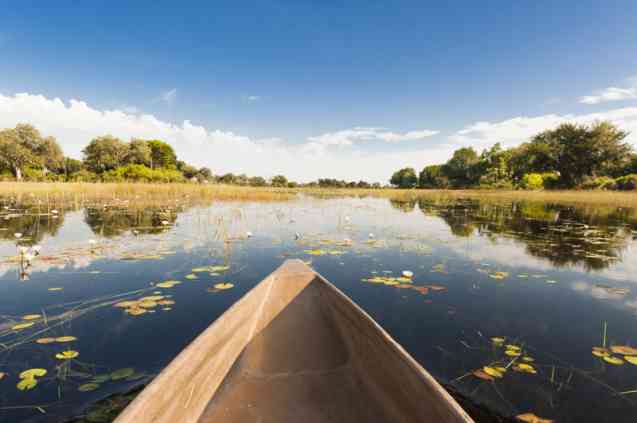
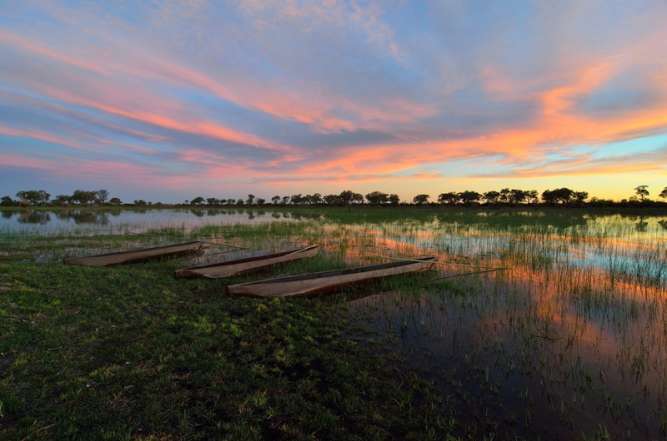
Looking at Moremi Game Reserve or the Okavango Delta, but worried about the price? Khwai Concession is one of the best-value safari areas in Botswana because it offers a similar Delta ecosystem, excellent wildlife, and a more flexible safari experience, often at a lower price point than premium Moremi or Delta camps.
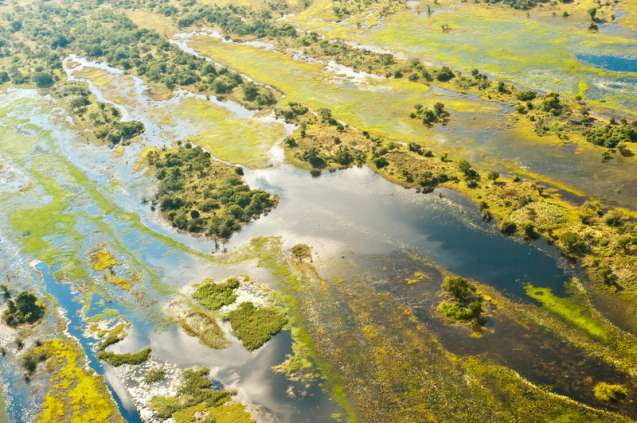
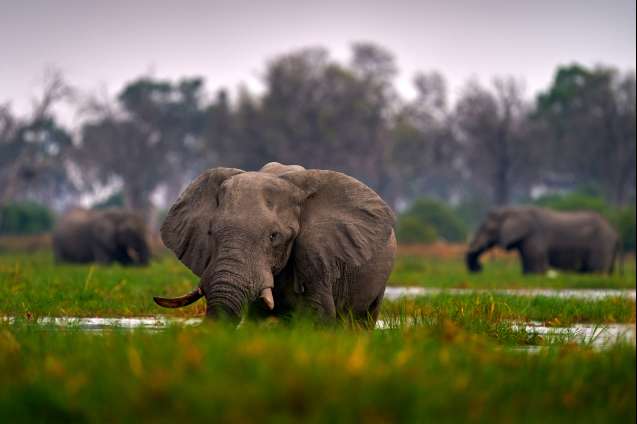
Sitting on Moremi’s northern boundary, the Khwai River separates the two areas. There are no fences, so wildlife moves freely between Moremi and Khwai, giving you access to the same broader Okavango Delta ecosystem.
What makes Khwai different from Moremi (and in some ways better) is that it’s a private concession. Unlike Moremi, which is a national park, Khwai follows a different set of rules. Night drives and off-road driving are allowed only in private concessions, giving you access to safari activities not available in Moremi.
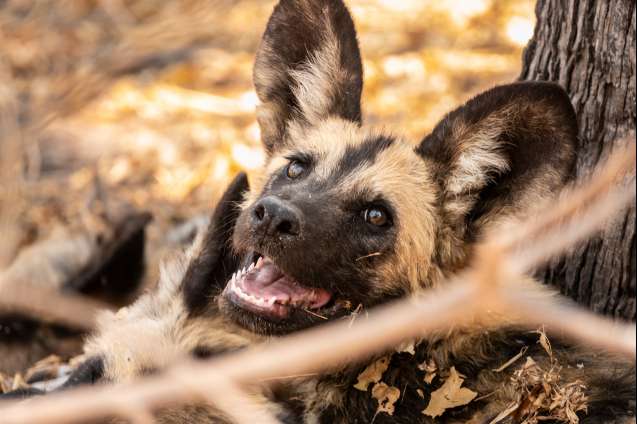
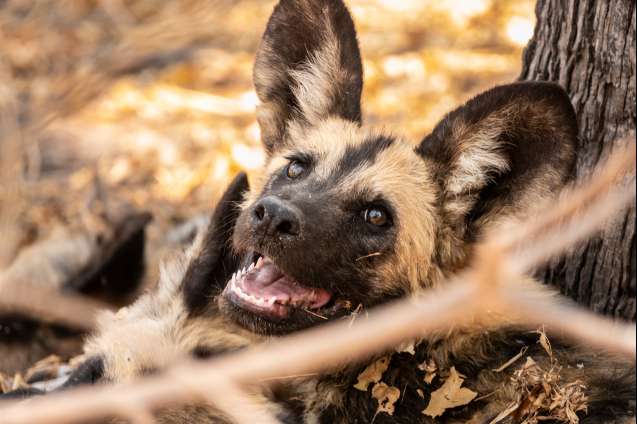
And the highlight of Khwai? The wild dogs!
It’s considered one of the best places in Botswana to see these elusive and endangered creatures, especially if you’re planning your trip during the dry winter months.
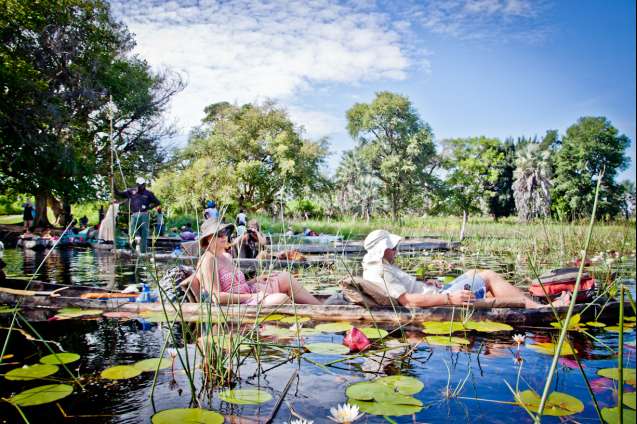
For first-time travellers to Botswana, Khwai is hard to beat. You’ll get to experience the magic of the Okavango Delta, go on mokoro safaris, and tick off exclusive safari experiences all while on a budget.
Khwai is best for you if: you want Okavango Delta scenery, strong wildlife, mokoro trips, night drives, and a more affordable alternative to premium Delta camps.
Khwai may not be ideal if you want the most remote, ultra-exclusive Botswana safari possible. It is quieter than the busiest areas, but still one of Botswana’s more popular value safari choices.
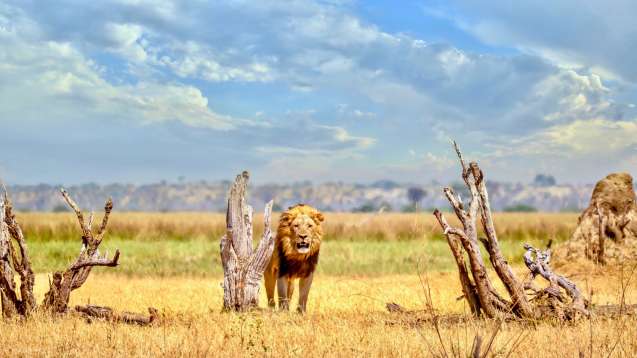
Best for: Adventurous travellers, predator sightings, elephants, and a remote alternative to the Chobe Riverfront.
The Savuti Marsh is the wild, rugged side of Chobe National Park. It sits in the southern section of Chobe National Park and offers a very different experience from the busy Chobe Riverfront near Kasane. Instead of river cruises and easy day trips, Savuti is about big skies, dry-season drama, predator action, and the feeling of being deep in the Botswana bush.
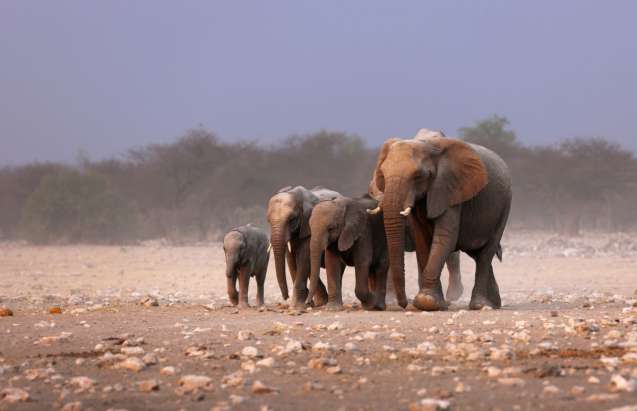
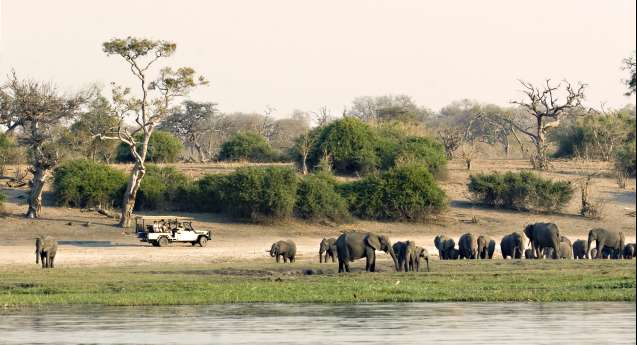
Savuti is famous for excellent predator sightings, large elephant herds, and dramatic dry-season wildlife viewing. It is also one of the few places in Africa where lions have been recorded hunting elephants, a rare behaviour that has helped build Savuti’s legendary safari reputation.
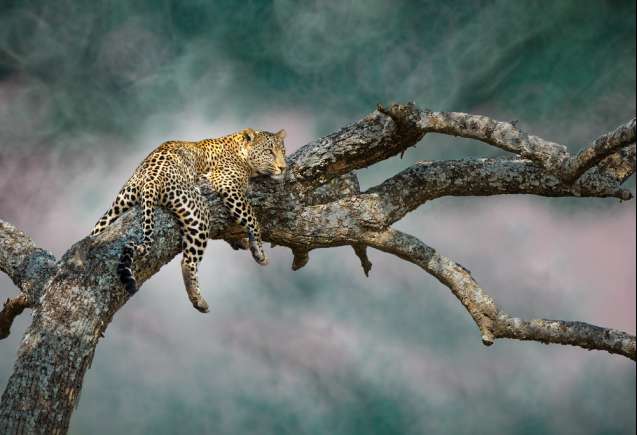
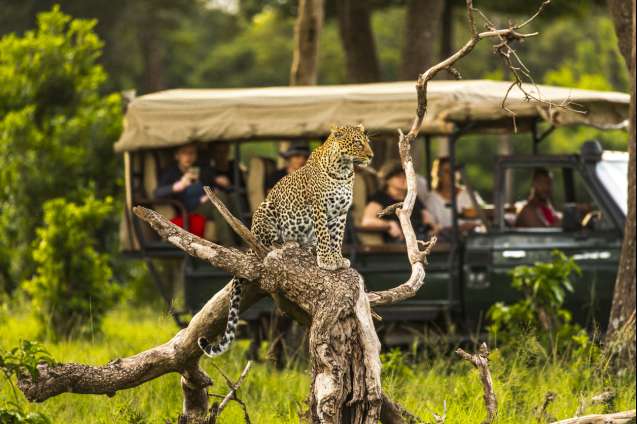
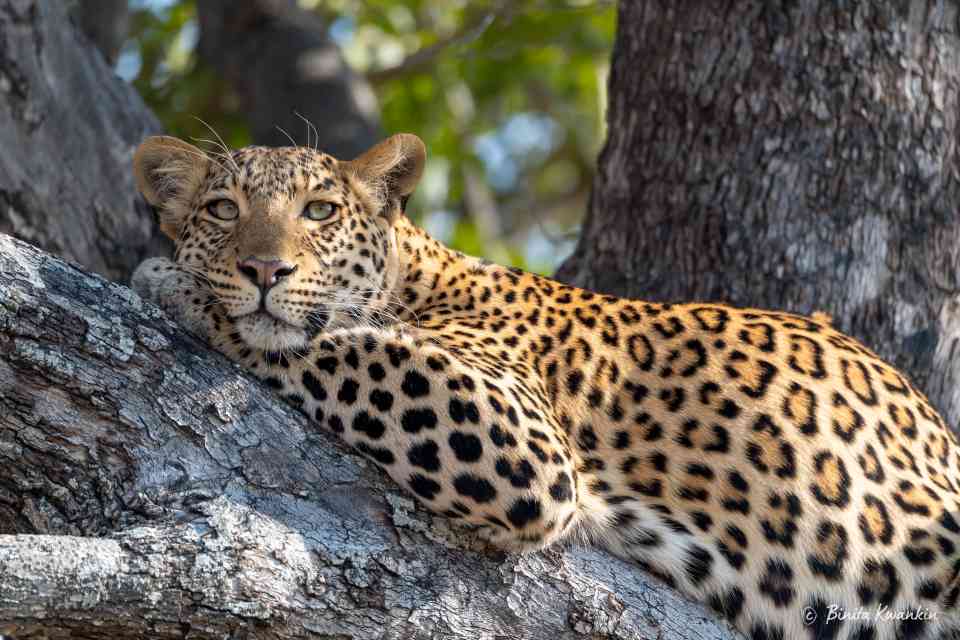
This is the place for travellers who want fewer vehicles, wilder landscapes, and a more adventurous safari experience. You may still see elephants, lions, leopards, hyenas, and wild dogs, but the real appeal is the setting: remote, raw, and wonderfully untamed.
Fun fact: Savuti is one of the only places in Africa where lions hunt elephants!
But getting to Savuti? Well, that’s part of the experience, and the charm!
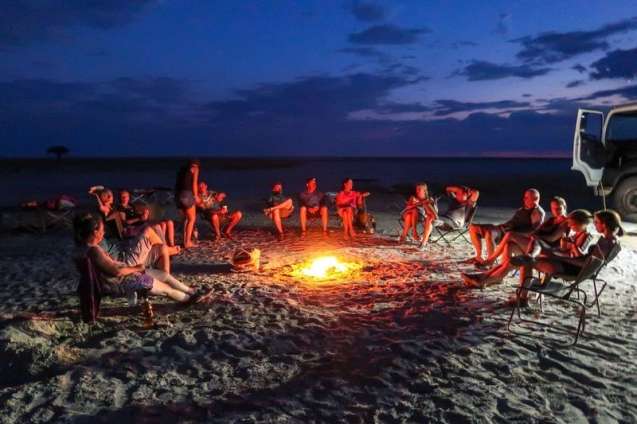
Unlike Chobe, which is easily accessible to day trippers due to its proximity to Kasane and boat safaris, Savuti is the complete opposite. To get here, you’ll need to fly in or go on long 4x4 drives through Botswana’s wilderness.
The lack of access means you’ll have a more remote, untamed alternative to Chobe without any of the crowds you’ll find at the Chobe Riverfront.
Savuti is best for you if: you want predators, elephants, wilderness, and a quieter alternative to the Chobe Riverfront.
Savuti may not be ideal if you want easy access, short transfers, or a softer safari experience. Getting there takes more effort, which is exactly why it feels so remote.
__medium.jpg)
Best for: Green-season value, zebra migration, flamingos, birding, and landscape photography.
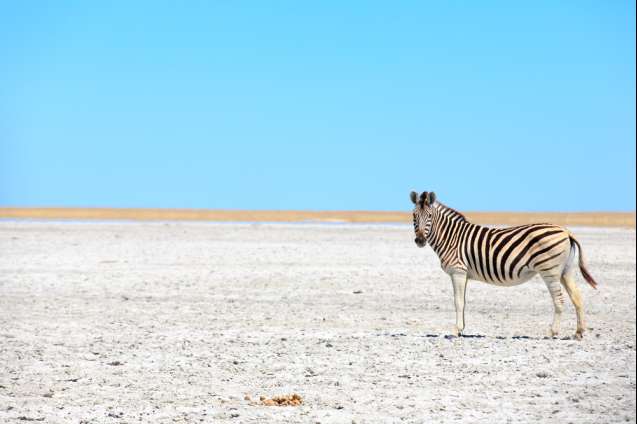
Makgadikgadi Pans is one of Botswana’s best safari areas for travellers who want something different, dramatic, and often better priced than the classic Delta or Chobe circuit. Set on the remains of an ancient lake, this vast salt pan landscape feels nothing like the river systems and floodplains most people associate with Botswana.
In the green season, usually from November to March, the pans come alive. Fresh grass attracts zebra, wildebeest, and springbok, while seasonal water draws huge numbers of flamingos and other birds. For photographers, birders, and budget-conscious travellers, this is one of Botswana’s most rewarding alternative safari areas.
Fun fact: Makgadikgadi is one of only two primary breeding sites for Greater flamingos in southern Africa.
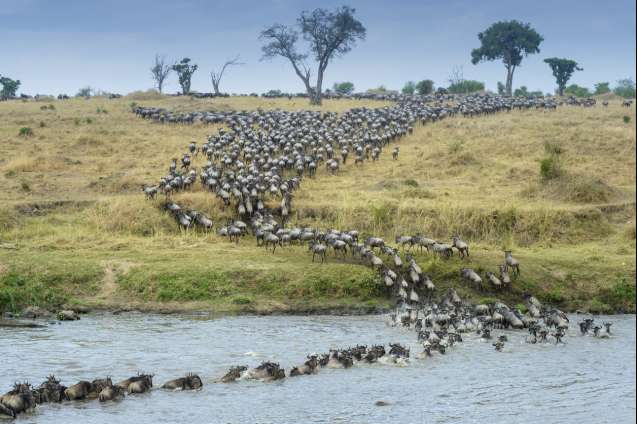
The flamingos are not the only reason to visit. During Botswana’s green season, zebras move from the Okavango Delta region toward the Makgadikgadi grasslands, following the rains in search of fresh grazing. This seasonal movement is one of Southern Africa’s most remarkable wildlife spectacles and a brilliant alternative for travellers who want a migration-style safari experience without the higher costs and crowds often associated with the Great Migration in East Africa.
For budget travellers planning a trip to Botswana, Makgadigadi is exceptional. You get an unbeatable combination of price, wildlife spectacle, and a unique safari landscape you won’t find anywhere else in the country.
Makgadikgadi is best for you if: you want green-season value, zebra migration, flamingos, wide-open landscapes, and a safari that feels completely different from the Okavango Delta or Chobe.
Makgadikgadi may not be ideal if you want classic dry-season Big 5 safari density. This is more about seasonal movement, space, scenery, and atmosphere than constant sightings around every corner.
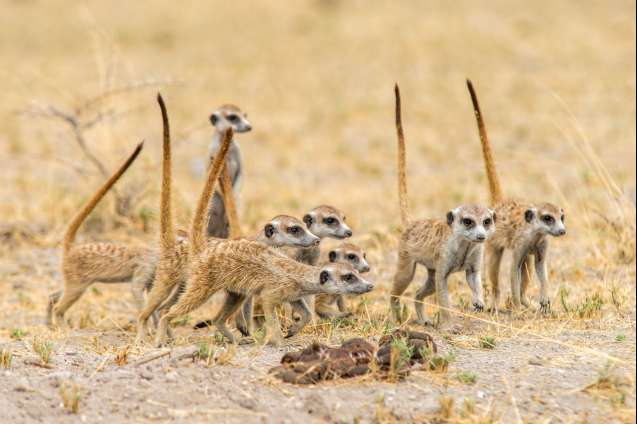
Best for: Experienced safari travellers, photographers, solitude, black-maned lions, and big wilderness.
The Central Kalahari Game Reserve is one of Botswana’s wildest and least crowded safari areas. At roughly 52,800 square kilometres, it is one of the largest protected areas in Africa, with vast grasslands, fossil river valleys, salt pans and a powerful sense of space.
This is not the best choice if you want constant sightings or a classic first-time Botswana safari filled with elephants, buffalo, and busy waterholes. Wildlife can be sparse, distances are big, and you may need patience. But for travellers who value solitude, silence, stars, and the feeling of being properly away from everything, the Central Kalahari is exceptional.
For this reason, the Central Kalahari is perfect for travellers who have already done the “classic” Botswana circuit and value solitude above all else. It’s highly unlikely you’ll share a sighting with multiple vehicles, and the lack of visitors means the only sounds you’ll hear are from the bush.
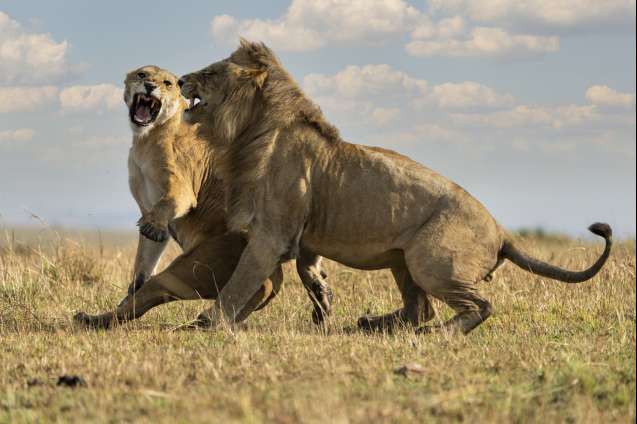
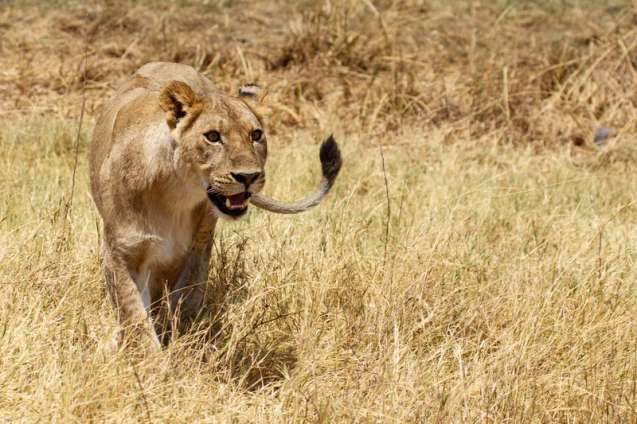
And for those who persist, the sightings are rewarding. The Central Kalahari is home to the famous black-maned lions, some of the highest concentrations of cheetahs in southern Africa, and plenty of oryx, springbok, and gemsbok.
During the wet season, large herds of zebra and wildebeest gather in Deception Valley. It’s part of the same migration that passes through Makgadigadi and is a bucket-list item for wildlife photographers.
Speaking of photography, another reason to plan a Botswana safari beyond Chobe is the lack of light pollution. The stargazing here is incredible, and it’s worth timing your visit with the Milky Way. During the winter months (May to August), the skies are clear, and the galactic core is visible around midnight.
For best results, book your safari to Central Kalahari during the new moon for maximum darkness!
Central Kalahari is best for you if: you have been on safari before and want solitude, big landscapes, black-maned lions, cheetahs, photography, and wilderness.
Central Kalahari may not be ideal if: this is your first safari, and you want frequent, easy wildlife sightings. For first-timers, Khwai, Savuti, or Chobe are usually safer choices.
__medium.jpg)
Best for: Baobabs, open landscapes, low visitor numbers, wildlife photography, and unusual Botswana scenery.
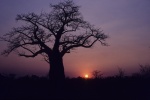
Nxai Pan National Park is one of Botswana’s most underrated safari add-ons. It is best known for Baines’ Baobabs, a famous cluster of ancient baobab trees painted by explorer-artist Thomas Baines in 1862. The trees are still one of the most atmospheric sights in Botswana and make Nxai Pan especially rewarding for photographers and travellers who enjoy history with their wilderness.
With only limited accommodation and a remote pan setting, Nxai Pan feels far quieter than Botswana’s better-known safari areas. It is not a place for big crowds or busy sightings. That is exactly the appeal.
Waterholes keep elephants, lions, cheetahs, and giraffes in the area throughout the year, and the open, short-grass terrain makes sightings unusually unobstructed. During the wet season, you can catch the zebra migration along with large herds of springbok and wildebeest.
Fun Fact: Nxai Pan is one of two places in Botswana where you can find springbok and impala together.
What I like the most about Nxai Pan is that it’s easy to add on to a Botswana itinerary. You can easily combine Nxai Pan with Makgadikgadi, the Okavango Delta, or Savuti, but you will need a 4x4. While there is a tar road to the park gate, the internal roads are sandy, corrugated, and slow going. That extra effort is part of the adventure, and it helps keep visitor numbers low.
Nxai Pan is best for you if: you want baobabs, open scenery, zebra migration, low crowds, and an easy add-on to Makgadikgadi or the Okavango Delta.
Nxai Pan may not be ideal if you want a luxury lodge choice or easy road conditions. Accommodation is limited, and the sandy tracks can be challenging.
Choosing the right Botswana safari area depends on your budget, travel dates, and safari style. Here’s the quick version.
| Traveller Type | Best Botswana Safari Area | Why It Works |
|---|---|---|
| First-time Botswana traveller | Khwai Concession | Delta scenery, strong wildlife, mokoro trips, night drives, and better value than many premium Delta camps |
| Wildlife photographer | Savuti | Predators, elephants, dramatic landscapes, and fewer vehicles than the Chobe Riverfront |
| Budget-conscious traveller | Khwai or Makgadikgadi | Khwai offers Delta-style value, while Makgadikgadi is excellent in the lower-priced green season |
| Solitude seeker | Central Kalahari | Vast wilderness, few visitors, big skies, and a true away-from-it-all safari feel |
| Green-season traveller | Makgadikgadi or Nxai Pan | Zebra migration, flamingos, fresh landscapes, young animals, and strong birding |
| Returning safari traveller | Central Kalahari or Nxai Pan | More unusual scenery and a quieter alternative to the classic Botswana route |
For most first-time visitors, Khwai Concession offers the best balance of value, wildlife, and Delta atmosphere. For adventurous travellers who want predators and remoteness, Savuti is the stronger choice. If you are travelling between November and March, Makgadikgadi and Nxai Pan offer some of Botswana’s best green-season value.
__medium.jpg)
For lower prices, look at Botswana’s green season from November to March. This is when some camps and lodges reduce rates, the landscapes turn green, migratory birds arrive, and zebra movements bring life to Makgadikgadi and Nxai Pan.
For peak wildlife viewing in drier areas like Khwai, Savuti, and Chobe, May to October is usually stronger. Animals gather around permanent water, vegetation thins out, and sightings are often easier. The trade-off is that this is Botswana’s more popular safari season, so prices and demand are usually higher.
If your main goal is value, the sweet spot is to match the right area with the right season. Choose Khwai or Savuti for stronger dry-season wildlife, and Makgadikgadi, Nxai Pan, or Central Kalahari for a more affordable green-season safari with fewer vehicles and beautiful scenery.
Chobe and Moremi are iconic for a reason, but they are not the only way to experience Botswana. If you want fewer crowds, better value, and a stronger sense of wilderness, areas like Khwai, Savuti, Makgadikgadi, Central Kalahari and Nxai Pan can add something special to your safari.
The best choice depends on when you travel and what matters most to you. Khwai gives you Okavango Delta atmosphere at a better value, Savuti offers predator-rich wilderness, Makgadikgadi and Nxai Pan shine in the green season, and the Central Kalahari delivers big skies, solitude, and proper remoteness.
Not sure which Botswana safari area gives you the best value? Tell us your budget, travel dates, and safari style, and our team will help match you with the right route.
Speak to an African Budget Safaris expert and start planning your Botswana safari.
__medium.jpeg)
Botswana is one of Africa’s more expensive safari destinations, but prices vary widely depending on where you go, when you travel, and the type of safari you choose. Premium Okavango Delta lodges are usually the most expensive, while group tours, camping safaris, and green-season travel can help bring costs down.
Yes, but Botswana is better described as a good-value safari destination than a cheap one. To reduce costs, choose a group safari, travel in the green season, consider camping instead of luxury lodges, and look at areas like Khwai, Makgadikgadi, and Nxai Pan.
The cheapest way to visit Botswana for a safari is usually on a group camping or overland tour. Travelling between November and March can also help reduce costs, especially in areas where green-season rates apply. These trips spread the cost of guides, vehicles, park fees, and logistics across the group.
Khwai Concession is one of the best choices for first-time Botswana safari travellers on a budget. It offers Okavango Delta scenery, excellent wildlife, mokoro trips, night drives, and access from Maun, often at a lower price point than premium Delta camps.
Botswana’s zebra migration moves seasonally between the Okavango Delta region and the Makgadikgadi grasslands. The best time to see this movement is usually during the green season, when rain draws herds south toward fresh grazing around Makgadikgadi and Nxai Pan.
Yes. Botswana is worth it if you value wilderness, low visitor numbers, strong wildlife, and a more exclusive safari experience. It is usually more expensive than South Africa or Namibia, but the quality of the wilderness areas, guiding, and low-density tourism can make it an excellent value for the right traveller.
Explore these destinations mentioned in this post.
Below you'll find further reading and articles related or similar to this post.




Call us toll free from US/Canada on 1-888-414-6513, or from the UK on 0-808-189-1052. All other countries can contact us on +27 21 791 0878.
© 2026 African Budget Safaris | Privacy | Terms | Cookie Policy | Consent Preferences

__large__thumb.jpg)
_(1)__thumb.jpg)
tours_through_moremi_game_reserve__thumb.jpg)