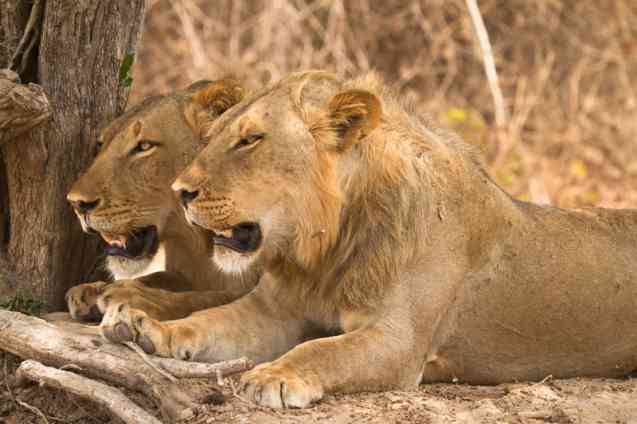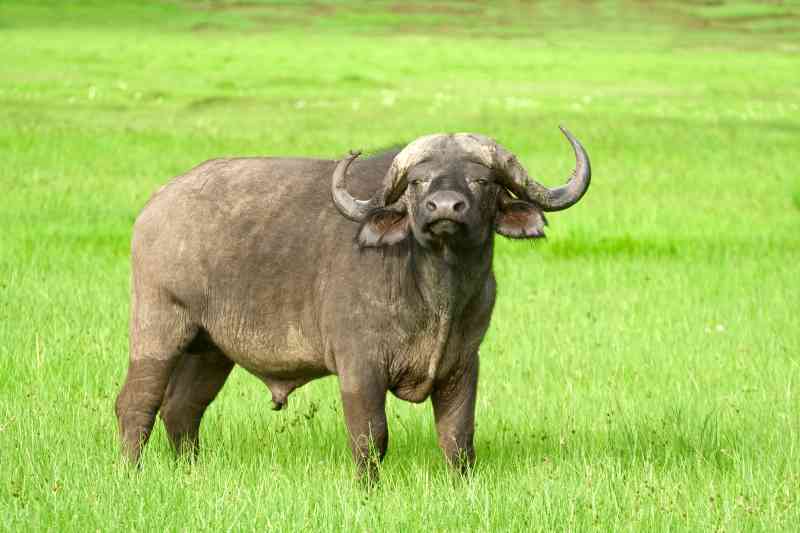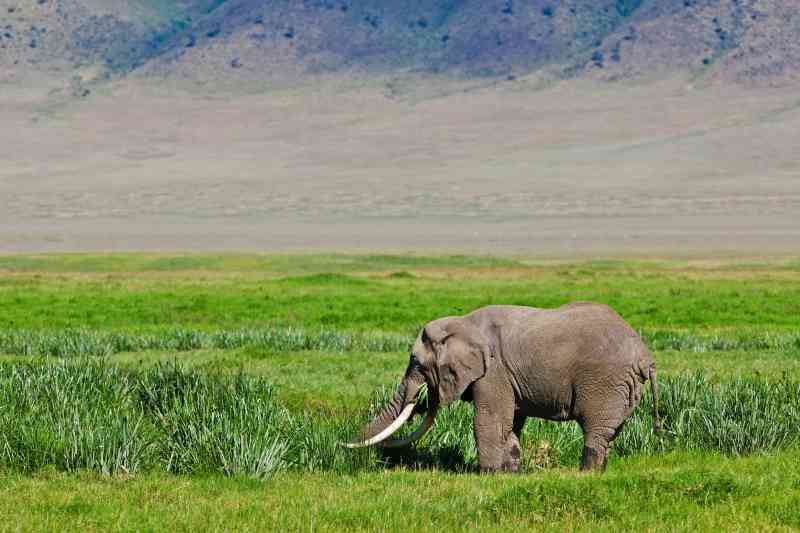
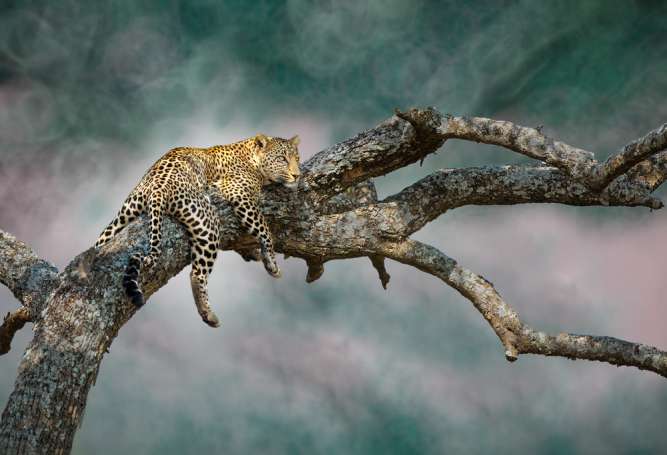
Seeing the Big Five in Africa doesn’t have to come with a luxury price tag. While lion, leopard, elephant, buffalo, and rhino are often associated with high-end safaris, the right destinations and smart planning make Big Five encounters achievable for budget-conscious travellers.
This guide focuses on destinations that consistently deliver Big Five sightings at realistic budget levels.
If you want to see the Big Five without luxury pricing, focus on well-managed national parks and guided group safaris in South Africa, Kenya, Tanzania, and Zimbabwe. Kruger, Addo, Pilanesberg, Hwange, and the Masai Mara consistently offer the best Big Five value for money.
Below, we share our pick of 12 of the best places to see the Big Five on a budget, without compromising on wildlife quality or safari experience.
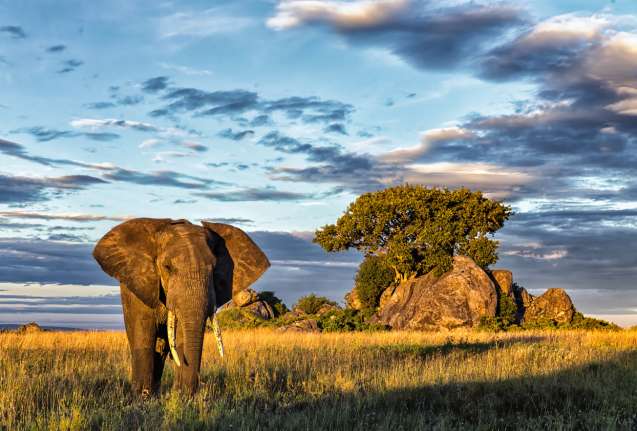
| The Big Five: lion, leopard, elephant, buffalo, and rhino |
|---|
|
The Big Five are Africa’s most iconic safari animals. The term dates back to the early days of big-game hunting, referring to the five animals considered most dangerous to hunt on foot. Today, the meaning has thankfully evolved. The Big Five now represent conservation success stories, bucket-list wildlife encounters, and the dream of seeing Africa’s most powerful animals thriving in the wild. If you’d like to explore the history and meaning of the Big Five in more detail, see our guide to Facts About the Big Five of Africa. |
Although rhinos are present in the Big Five reserves listed below, be warned that sightings are often rare. Poaching has decimated white and black rhino populations across Africa. While many parks have reintroduced rhinos, these animals are usually heavily protected, closely monitored, and restricted to specific areas. For most travellers, the best chance of seeing a rhino in the wild is on a guided safari, where professional guides share real-time tracking knowledge, understand rhino movement patterns, and exchange location intel across the park — dramatically improving the odds of a successful complete Big Five sighting.
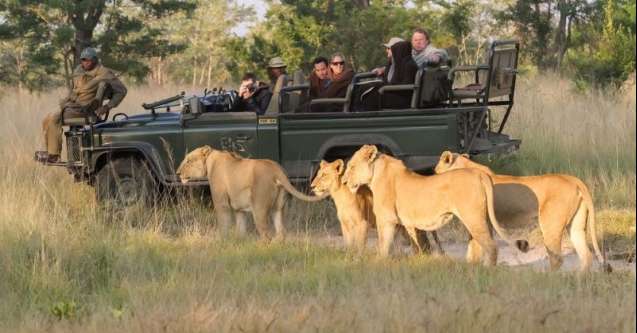
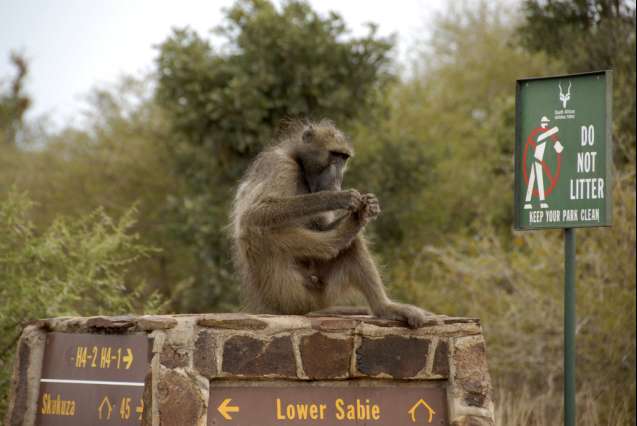
Kruger is best for first-time safari travellers who want maximum Big Five sightings, flexible budgets, and reliable guiding.
Kruger National Park remains the benchmark for budget-friendly Big Five safaris. Vast, wildlife-rich, and exceptionally well managed, it offers some of the best opportunities in Africa to see all five species on guided game drives.
African Budget Safaris offers a wide range of Kruger options, from affordable lodge safaris to small-group guided tours, all led by experienced rangers who understand seasonal wildlife movements.
Why it works on a budget:
View Kruger National Park Tours
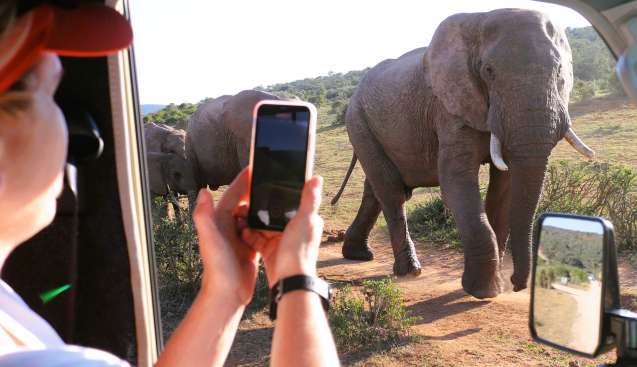
Addo Elephant National Park is a standout choice for travellers looking for a malaria-free Big Five safari. Famous for its dense elephant population, Addo also supports lion, buffalo, leopard, and a carefully protected rhino population.
Its compact size makes guided game drives highly effective, and Addo combines easily with other value destinations like the Garden Route.
Why it works on a budget:
View Addo Elephant National Park Tours
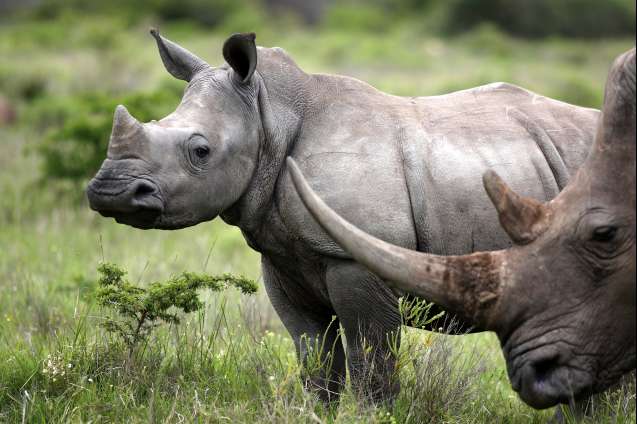
Just a few hours from Johannesburg, Pilanesberg National Park offers an accessible and affordable Big Five safari experience. Set in an ancient volcanic crater, the park’s varied habitats support excellent wildlife diversity.
Guided safaris here are particularly good value, making Pilanesberg ideal for short trips or first-time safari-goers.
Why it works on a budget:
View Pilanesberg National Park Tours
__medium.jpg)
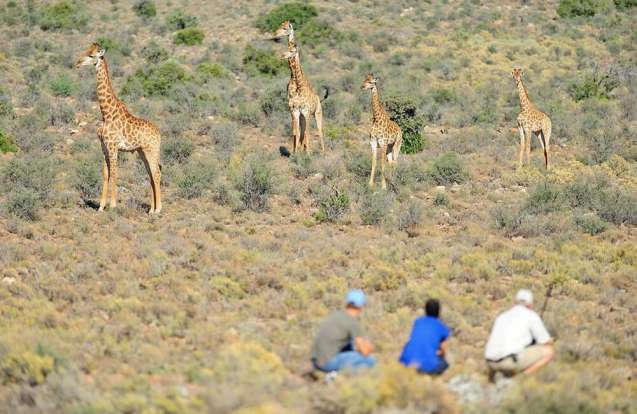
For travellers based in Cape Town, Inverdoorn Game Reserve offers one of the easiest and most affordable ways to experience a Big Five safari. While smaller than national parks, Inverdoorn delivers rewarding guided game drives in a private reserve setting.
Why it works on a budget:
View Inverdoorn Game Reserve Tours
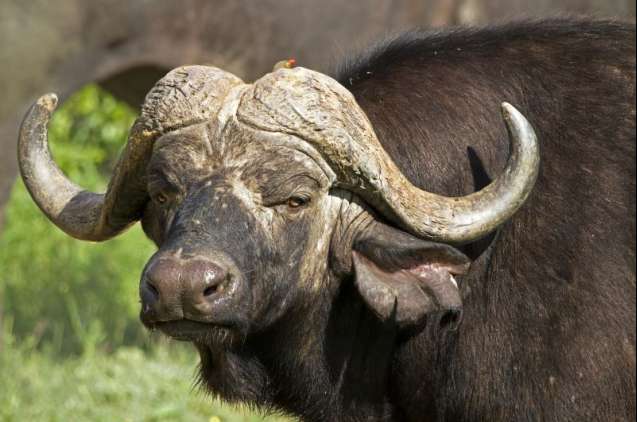
Part of the Greater Kruger ecosystem, Timbavati Private Nature Reserve offers outstanding Big Five viewing with fewer vehicles and expert guides. The reserve is particularly well known for elephant and predator sightings, with free movement of wildlife between Timbavati and Kruger.
Compared to some neighbouring private reserves, Timbavati offers strong value through shorter guided stays and shared safari packages.
Why it works on a budget:
View Timbavati Private Nature Reserve Tours
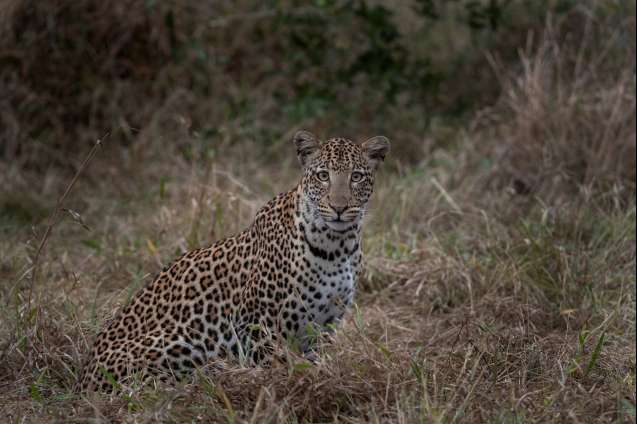
Hluhluwe–Imfolozi is one of Africa’s great conservation success stories and one of the most important rhino sanctuaries on the continent. White rhino sightings are particularly reliable, making this park a smart choice for Big Five travellers focused on conservation.
While predators can be more elusive, guided safaris greatly improve chances.
Why it works on a budget:
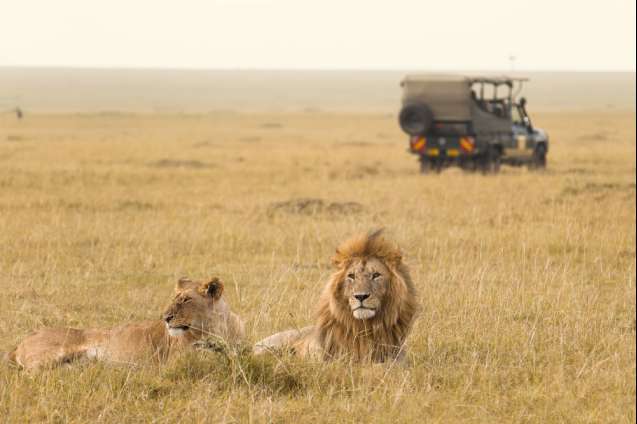
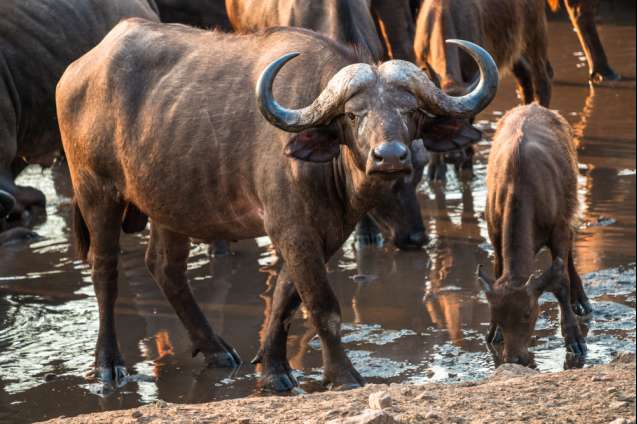
The Maasai Mara remains one of Africa’s most iconic safari destinations, with a range of safari options including budget lodge and group safari packages. Lions, elephants, buffalo, and leopards are regularly seen; rhinos are present but more localised.
Guided safaris are mandatory, ensuring expert tracking and interpretation throughout your stay.
Why it works on a budget:
View Maasai Mara National Reserve Tours
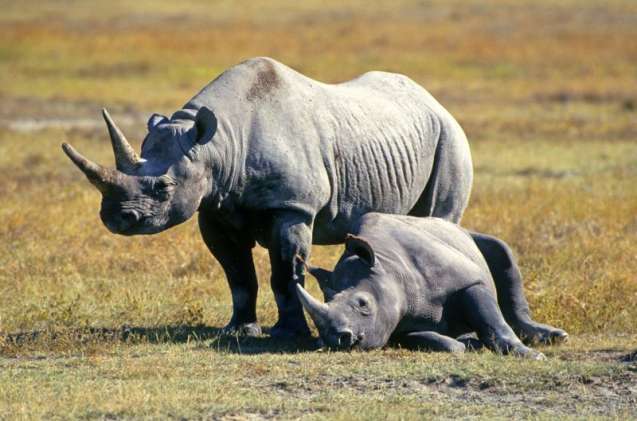
Ngorongoro Crater offers one of the highest wildlife densities in Africa, making it one of the most reliable Big Five destinations in East Africa. Black rhino sightings are among the most dependable on the continent.
Most travellers visit Ngorongoro as part of a guided safari circuit, keeping overall costs manageable.
Why it works on a budget:
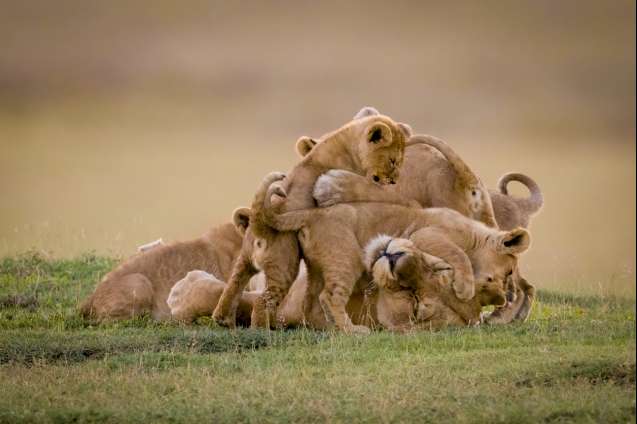
The Serengeti is synonymous with African safaris. While rhino sightings are rare, the park still qualifies as a Big Five destination and delivers exceptional predator action.
Budget-conscious travellers typically experience the Serengeti on shared guided tours or overland safaris, or by travelling outside peak seasons.
Why it works on a budget:
View Serengeti National Park Tours
__medium.jpg)
Hwange National Park is Zimbabwe’s largest reserve and a stronghold for elephant and buffalo. Lions and leopards are present. Rhinos are heavily protected, so sightings are less frequent, but possible on guided safaris.
Hwange is often combined with Victoria Falls, offering excellent value itineraries.
Why it works on a budget:
View Hwange National Park Tours
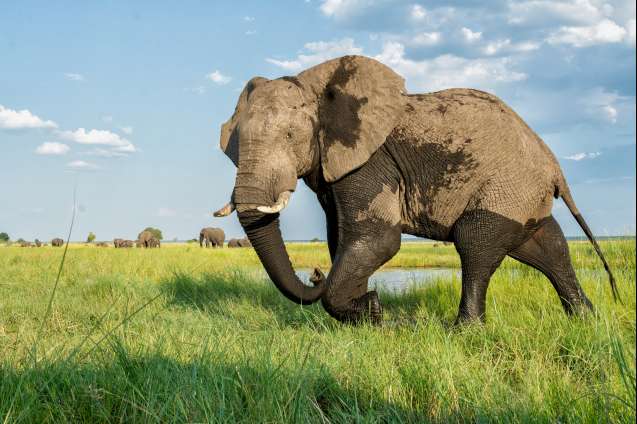
Chobe National Park is famous for its immense elephant herds and large buffalo populations. Lion and leopard sightings are common, and rhino numbers are slowly recovering through regional conservation efforts. Chobe River safaris offer exceptional game viewing from the water.
Chobe remains one of Botswana’s most affordable safari gateways, especially when booked as part of a guided lodge or group safari.
Why it works on a budget:
View Chobe National Park Tours
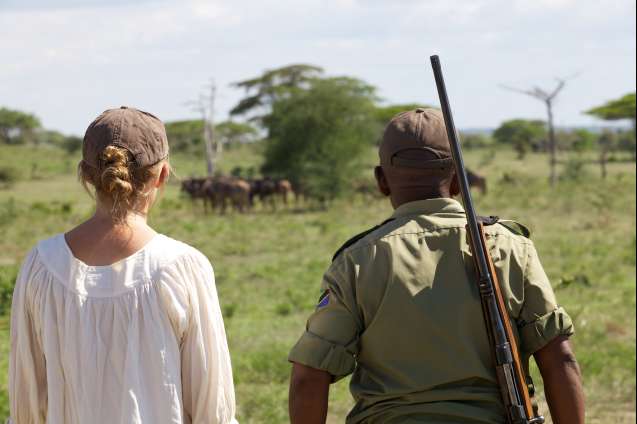
One of Africa’s largest protected areas, Nyerere National Park, offers a remote and rewarding Big Five safari experience at a more accessible price point than many northern Tanzania parks. While rhino sightings are rare and heavily protected, the Big Five are present within the wider ecosystem.
Guided safaris here include a mix of game drives, boat safaris, and walking safaris — adding variety and value.
Why it works on a budget:
View Nyerere National Park Tours
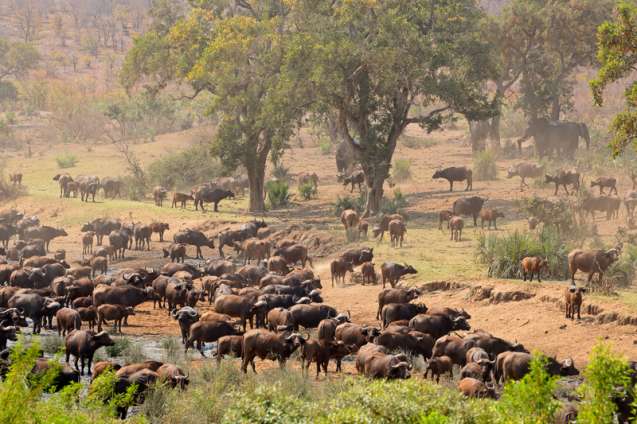
The Big Five refers to the lion, leopard, elephant, buffalo, and rhino. The term dates back to early big-game hunting and describes the five animals considered most dangerous to hunt on foot. Today, the Big Five represent Africa’s most iconic wildlife sightings and major conservation success stories.
The name comes from the difficulty and danger early hunters faced when tracking these animals on foot, rather than from their size. Over time, the meaning has shifted from hunting prestige to wildlife conservation and safari tourism.
Yes. While rhinos are usually the hardest to spot, well-managed national parks and guided safaris dramatically increase the chances of seeing all five without luxury pricing. Choosing the right destination and travelling at the right time matters more than staying in high-end lodges.
The rhino is typically the most difficult to spot. Due to poaching risks, rhinos are heavily protected, restricted to specific areas, and closely monitored. Guided safaris offer the best chance of successful sightings.
In most cases, yes. Professional guides share tracking intelligence, understand animal behaviour, and coordinate sightings, which is especially important for elusive animals like leopards and rhinos.
If you’d like a deeper look at the history, conservation challenges, and individual species, see our detailed guide to the facts about Africa’s Big Five.
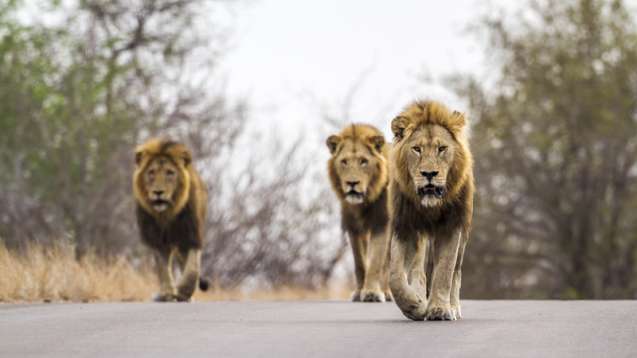
Etosha National Park has four of the Big Five — lion, leopard, elephant, rhino — but lacks buffalo, so it doesn’t meet the full Big 5 criterion. However, Etosha remains one of Africa’s best budget safari destinations and one of the most reliable places to see rhino in the wild, particularly during the dry season around waterholes.
South Luangwa National Park is home to lion, elephant, buffalo, and leopard, but rhinos are generally absent in public viewing areas, limiting full Big Five opportunities without specialised conservation visits. Some of the best safaris to South Luangwa National Park can be easily paired with trips to the Lower Zambezi, Lake Malawi, and Victoria Falls.
Rhinos and some Big Five components have only recently been reintroduced and are not consistently viewable on safari. Malawi safaris are budget-friendly. Popular Malawi budget safari tours often combine stays along the shores of Lake Malawi with Big 5 game viewing in Majete and Liwonde National Parks.
| How to Maximise Your Big Five Safari on a Budget |
|---|
|
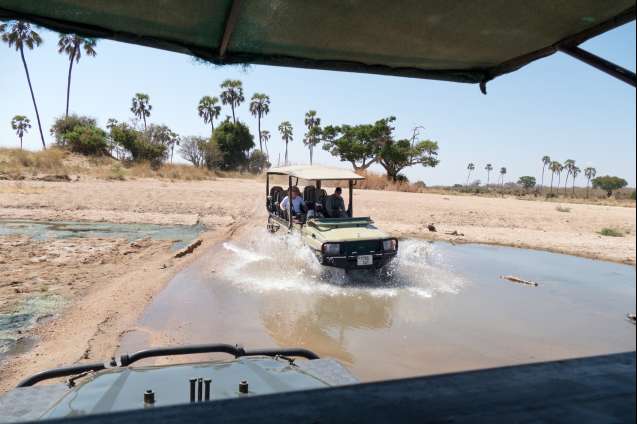
These are the budget safari price ranges:
For more information, read How Much Does an African Safari Cost?
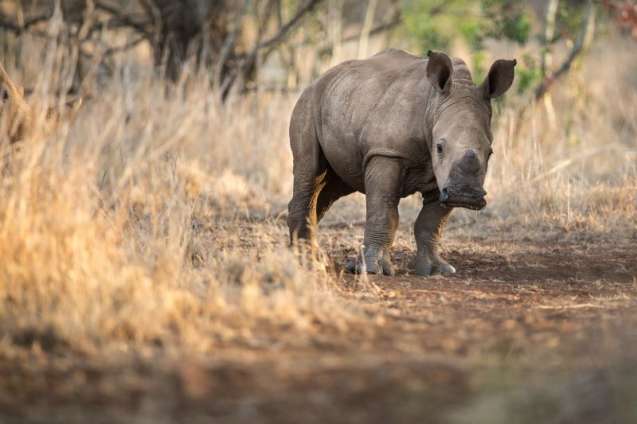
Yes. Budget safaris that focus on guided game drives, shared lodge stays, and well-managed national parks can offer excellent Big Five sightings without luxury pricing.
The rhino is usually the hardest Big Five animal to see due to heavy protection, low population numbers, and restricted movement within many reserves.
South Africa offers the best value, with high Big Five densities, strong guiding, and more affordable, shorter safaris. East Africa delivers bigger landscapes and classic safari scenes, but usually at a higher cost. Choose South Africa for value and flexibility, East Africa for scale and spectacle.
Not necessarily. Paying more often means chasing rare rhino sightings, which are never guaranteed. Many travellers get better value by prioritising overall wildlife quality rather than ticking off all five.
Yes. Guided safaris offer higher success rates, especially for elusive animals like rhinos and leopards, because guides share tracking intelligence and understand animal behaviour.
The dry winter months (June–August) are best for viewing because animals gather at waterholes. Still, the shoulder season (before or after high season) offers the best balance of lower prices and high visibility. Learn more in our guide: When Is the Best Time to Go on a Safari in Africa?
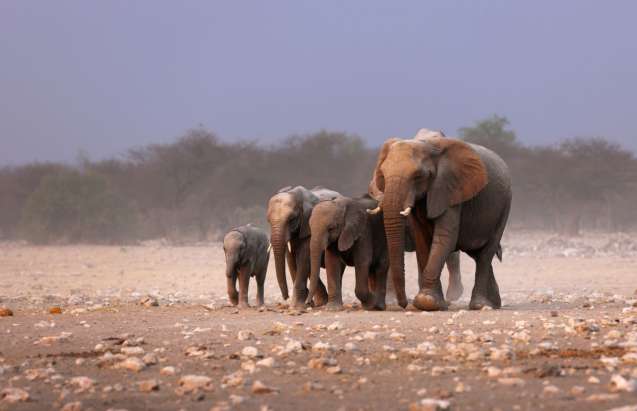
While the Big Five are undeniably iconic, focusing too narrowly on ticking them off a list can mean missing the broader magic of a safari. Africa’s wild places are complex, living ecosystems filled with extraordinary animals and plants — from dung beetles and birds to ancient baobabs and delicate grasses.
Some of the most unforgettable safari moments come not from the biggest animals, but from watching how everything fits together.
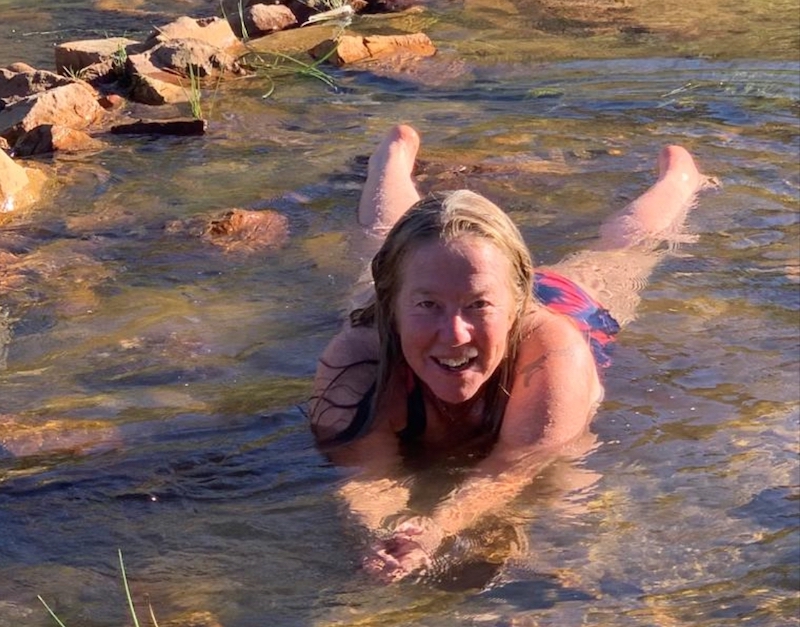
African Budget Safaris specialises in affordable, guided safari experiences across Africa, helping you see more while spending less. We help travellers avoid overpriced lodges, unrealistic itineraries, and Big Five promises that don’t deliver. Our Cape Town-based team of travel consultants lives and breathes the African wilderness. Each consultant brings a wealth of firsthand experience, regularly venturing into the bush to better understand the landscapes, lodges, and logistics of every itinerary we recommend.
Whether you’re planning your first safari or your fifth, our team can help you build a Big Five experience that fits your budget, values, and curiosity. Book a consultation with one of our friendly travel experts to explore your options for a budget big five safari of your dreams.
Explore these destinations mentioned in this post.
Below you'll find further reading and articles related or similar to this post.



Call us toll free from US/Canada on 1-888-414-6513, or from the UK on 0-808-189-1052. All other countries can contact us on +27 21 791 0878.
© 2026 African Budget Safaris | Privacy | Terms | Cookie Policy | Consent Preferences


__thumb.jpg)

__thumb.jpg)



__medium.jpg)