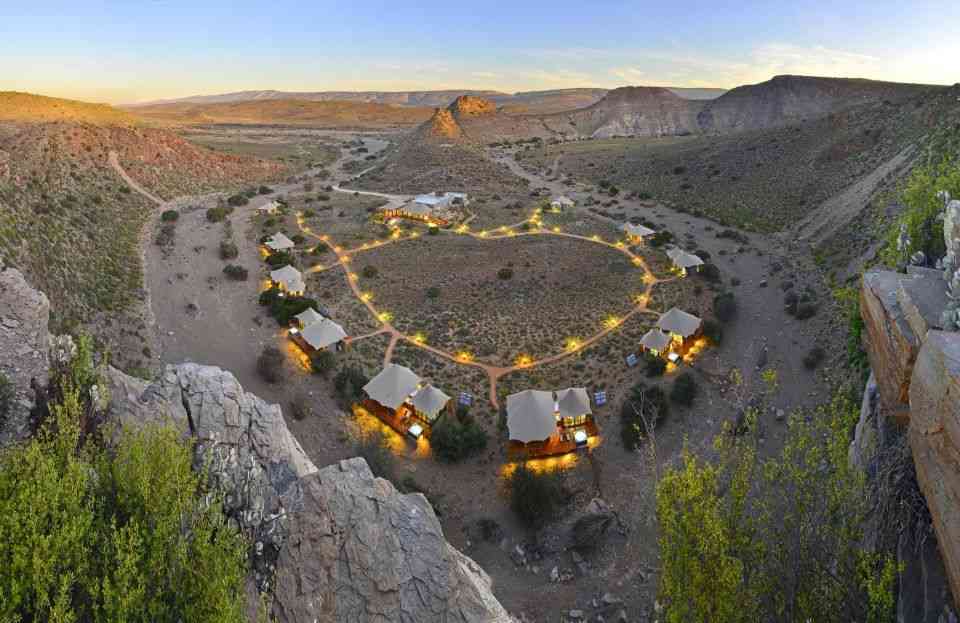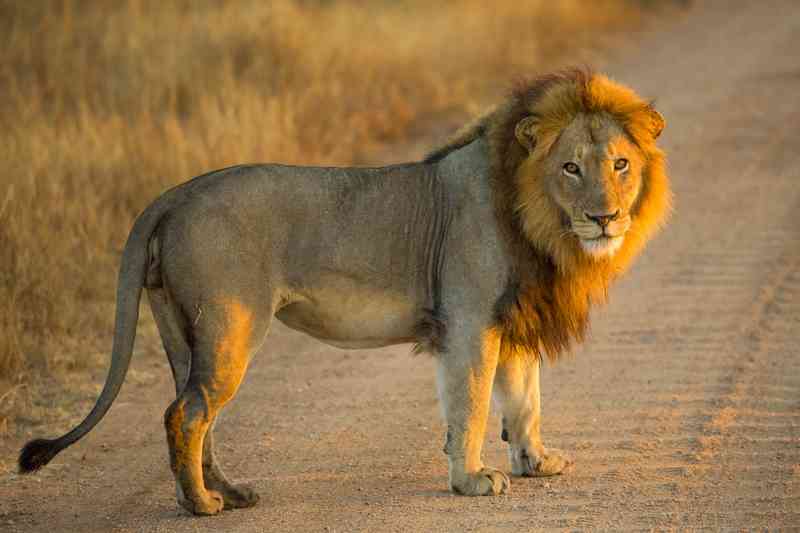
Sanbona Wildlife Reserve, nestled in the heart of South Africa’s Little Karoo, is shaping itself as a conservation stronghold. Spanning over 58,000 hectares, this extensive game reserve is dedicated to the protection and restoration of the region’s unique biodiversity.
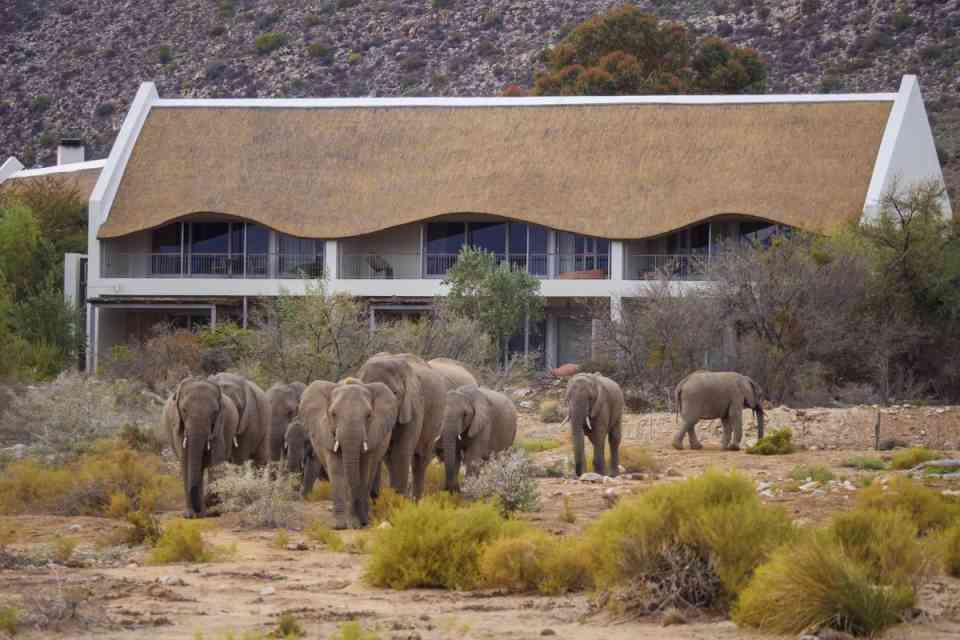
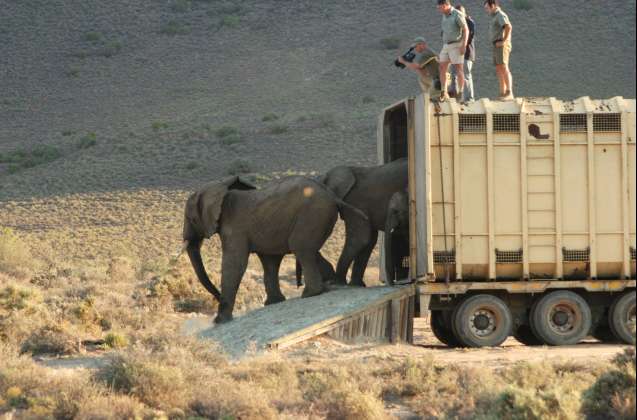
This Big 5 reserve, close to Cape Town, is unique because it is the only Big 5 reserve near Cape Town where you can experience free-ranging wildlife. Focusing its conservation efforts on rewilding, Sanbona has transformed former farmlands into thriving ecosystems and reintroduced native species such as cheetah, elephant, and Cape mountain zebra.
The focus at Sanbona is firmly on managing the wildlife reserve for the long term. Through sustainable tourism, the reserve funds critical conservation projects while offering visitors a unique and immersive South African safari experience, with the preservation of endangered species and fragile habitats at its heart.
Sanbona is a paragon of sustainable safari travel, balancing nature conservation with responsible tourism.
"Sanbona is unique for a Cape Town game viewing experience in having only free-ranging wildlife."
Harriet from African Budget Safaris

Sanbona Wildlife Reserve is divided into distinct management areas to support its diverse conservation efforts. Two large sections, each spanning around 25,000 hectares.
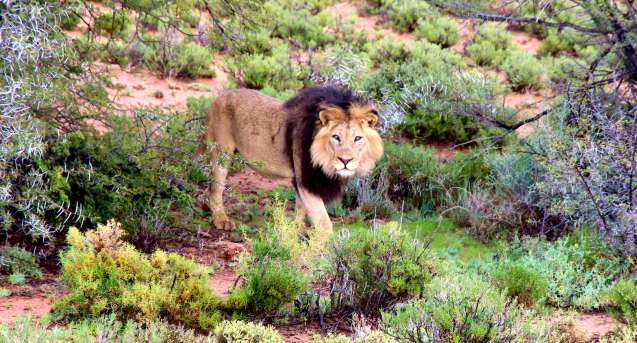
The northern region houses key predator species like lions and cheetahs. A smaller, separate area is designated for their landmark Cape mountain zebra genetic mixing project, while another acts as a botanical reserve.
Though plans are in place to expand the predator section, challenges like fencing and ecological assessments must be addressed first. The arid environment limits stocking capacity, even with additional land, as lower vegetation carrying capacity restricts the number of large predators.
While expanding Sanbona Wildlife Reserve into a larger area would be ideal, there are increasing challenges. The growing demand for private land ownership has made it increasingly difficult for reserves to compete, as buyers are willing to pay prices far beyond the land’s true value.
While Sanbona is eager to acquire adjacent land and continue expanding, the high costs make this challenging. Without the support of donors, further expansion of Sanbona Wildlife Reserve may not be possible in the current market.

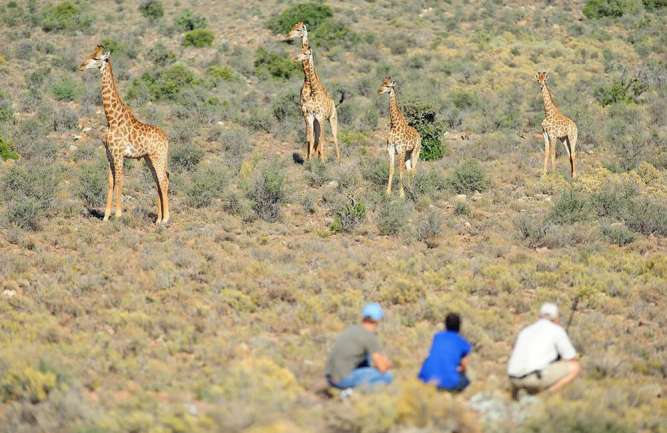
Over 100 years ago, most of Sanbona’s wildlife, apart from smaller antelope and mesopredators, had been hunted to extinction in the region. Historically, animals like kudu and Cape buffalo would have migrated with the rains, rather than residing permanently. Today, Sanbona Wildlife Reserve has introduced many species that once thrived in the area, except for white rhinos and giraffes.
In the arid Succulent Karoo and Renosterveld regions, very little is known about the sustainability of wildlife populations. Historically, wildlife was transient, moving with the rains, but their ranges are now restricted, carved up by fences, while populations were decimated by intensive hunting.
Current stocking capacities are based on agricultural values for these vegetation types, but wildlife stocking is done at 30% less due to the unpredictability of wild animal behaviour. Rather than making calculations from the Big 5 down, carrying capacity and prey populations are used to determine predator numbers.

In a closed environment like Sanbona Wildlife Reserve, determining predator-to-prey ratios requires a scientific approach. The reserve employs an ecologist and monitors who track vegetation health and animal impacts.
Over time, this research has shown that only low predator numbers can be sustained in the Karoo, especially during droughts. Through the careful manipulation of predator populations, such as introducing a second male cheetah, limits on how many predators the area can support are revealed. For example, more lions mean fewer cheetahs, making the balance dependent on the reserve's conservation priorities.

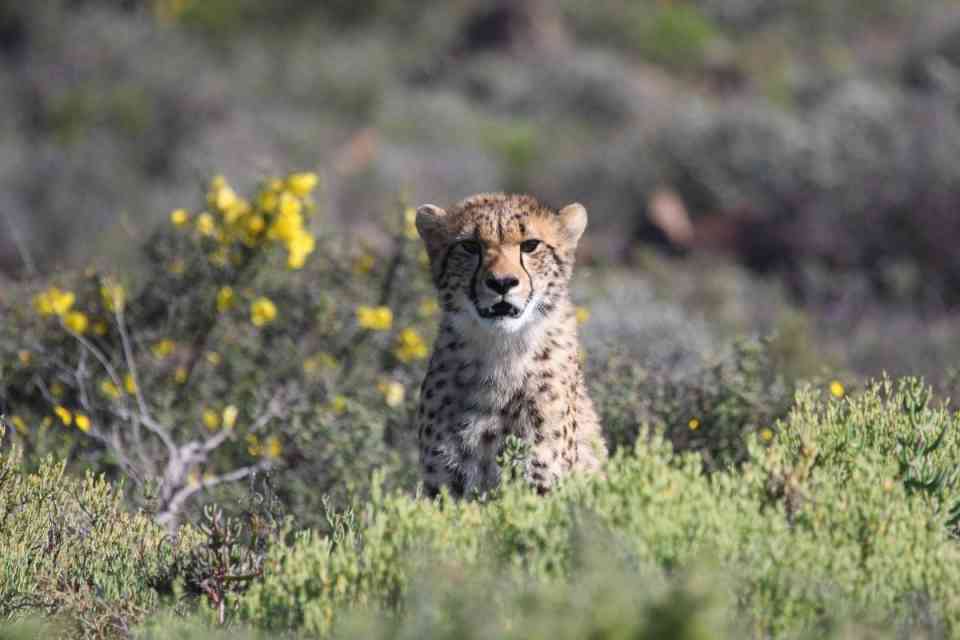
Sanbona’s cheetah population began with introductions in 2003 and 2004. Despite some losses, a female born in 2004 established a successful lineage, giving birth to 19 cubs and greatly contributing to the cheetah metapopulation in southern Africa.
She was killed by lions in 2016, but her legacy lives on. While some of her descendants remain, the reserve introduced a new female in 2022. Currently, Sanbona Wildlife Reserve is home to two female cheetahs and one male.
The cheetahs of Sanbona Wildlife Reserve are renowned for their adaptability and visitor-friendly behaviour, thanks to early exposure to larger predators like lions. The early acclimatisation to predators and visitors ensures the cheetahs adjust well when translocated to new game reserves.
The reserve’s commitment to cheetah conservation includes strict measures to minimise tourism pressure, allowing young cheetahs to grow up relaxed and less wary of humans. This careful management results in cheetahs that are successfully conserved and comfortable around safari enthusiasts.

Before 2016, Sanbona Wildlife Reserve housed plains zebra and a few Cape mountain zebra, which posed a hybridisation risk. To protect the Cape mountain zebra, all plains zebra were removed, allowing the Cape mountain zebra population to grow and spread to the northern region.
Sanbona also initiated the genetic mixing of three distinct Cape mountain zebra lineages, introducing stallions from Gamkaberg to females with genetics from Cradock and Kammanasie.
Today, Sanbona boasts a healthy population of genetically diverse Cape mountain zebra that are being introduced not only to other regions in the reserve but also to suitable reserves around the country.

Sanbona’s growing awareness of riverine rabbits comes from extensive research and habitat changes. A four-year camera trapping project, moving from south to north, is mapping the rabbits' range in Sanbona Wildlife Reserve and studying their interactions with other lagomorphs.
Increased identification of the species may be due to improved education and the return of natural vegetation on former farmlands. Although precise population numbers are elusive, ongoing monitoring helps track their habitat use and potential range expansion.

Sanbona’s conservation strategy often centres on key species like the black rhino, whose need for expansive ranges drives land acquisition and habitat enhancement.
This approach also benefits smaller, less visible species, demonstrating a win-win scenario. The reserve's involvement in large-scale corridor projects and potential co-management opportunities is promising.
Unexpected benefits include strengthened anti-poaching measures, which, while initially focused on rhinos, have also improved protection for small, endemic succulent species vulnerable to poaching.
Find out more about the ecology of Sanbona and its wildlife in Sanbona Wildlife and Conservation.

Sanbona’s partnerships with conservation organisations have created valuable opportunities.
The collaboration with CapeNature enabled Sanbona to become the custodians of the Cape mountain zebra, achieving rapid progress with their support. This partnership addressed both organisations' needs, leading to Sanbona Wildlife Reserve hosting the world’s most genetically diverse Cape mountain zebra population.
Additionally, the Endangered Wildlife Trust (EWT) initiated crucial research on riverine rabbits and cheetah metapopulation management, shaping national genetic projects and reserve exchanges.

Sanbona’s Anti-Poaching Unit (APU) effectively protects the reserve, with minimal incidents of succulent and reptile poaching due to its active and discreet operations.
The APU works closely with the Conservation Department to monitor and secure the area, using innovative but undisclosed methods to patrol the perimeters.
The main external threat is the poaching of succulents from the surrounding areas, which is driven by unscrupulous collectors, garden centres, and international demand. The Sanbona Wildlife Reserve addresses these poaching threats through community engagement and collaboration with organisations like CapeNature.

While Sanbona Wildlife Reserve is an outstanding safari destination close to Cape Town, Sanbona's real value lies in its important conservation work.
Ongoing research and monitoring are crucial to protecting Sanbona’s environment, but educating guests is equally important. Visitors need to understand why they might not see large numbers or varieties of animals. By grasping the true conservation goals and the value of open spaces, guests can better appreciate the reserve's significance.
For more insight into what makes Sanbona so special, see Sanbona's Safari Secrets about our experience in the wildlife reserve
With a clear focus on conservation in the reserve’s vision and objectives, effective protection of the area can be achieved, preserving this unique area for generations to come.

Sanbona Wildlife Reserve is a special South African safari destination with a unique Karoo feeling. Located just outside of Cape Town, Sanbona is perfect for getting a taste of the African Big 5. With such a strong focus on conservation, this is not only a fantastic wildlife destination but also an outstanding conservation-focused safari park.
You can view our Sanbona Safari packages or talk to an experienced safari expert and start planning your Big 5 safari near Cape Town today.

Explore these destinations mentioned in this post.
Below you'll find further reading and articles related or similar to this post.




Call us toll free from US/Canada on 1-888-414-6513, or from the UK on 0-808-189-1052. All other countries can contact us on +27 21 791 0878.
© 2026 African Budget Safaris | Privacy | Terms | Cookie Policy | Consent Preferences






__medium.jpg)