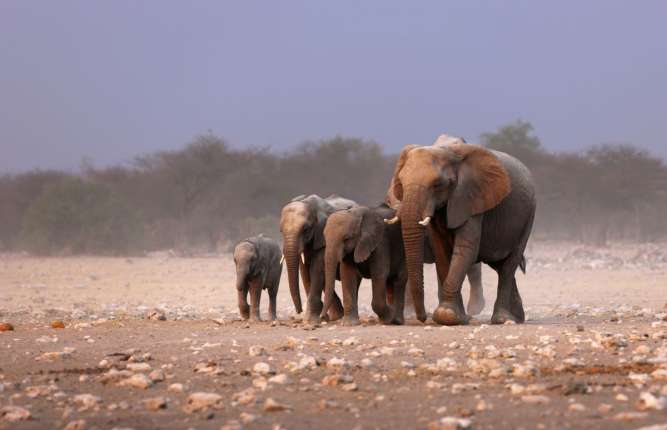
From the great migration river crossings to elephant herds along the Zambezi, July to December is Africa’s most dramatic safari season, but it’s also when prices vary the most.
From July to December, Africa moves into its classic dry season, when wildlife gathers around rivers and waterholes, visibility improves, and some of the most famous natural events on earth unfold.
This is when the great migration safari in Kenya and Tanzania surges through the Masai Mara and the Serengeti, when elephants crowd the banks of the Zambezi Valley, and when predators become easier to spot across southern and eastern Africa.
But here’s the twist!
July to December is also when price differences between countries, regions, and even individual camps become huge.
While some destinations reach their annual peak in August and September, others quietly slip into shoulder season, creating rare opportunities for travellers to see world-class wildlife at a fraction of the cost.
November and early December in particular can deliver extraordinary value, with lush landscapes, newborn animals, and discounted safari rates that many people never realise exist.
This guide cuts through the marketing hype and acts as your peak season safari guide for 2026, as well as offers plenty of tips about where the real value lies.
By choosing the right countries, months, and safari styles, it is possible to experience Africa’s greatest wildlife spectacles without paying peak season prices, and that is exactly what we specialise in at African Budget Safaris.

If you're planning an African safari between July and December, here’s a quick snapshot of what to expect:
| Month | Best Safari Destination | Why Go |
|---|---|---|
| July | Northern Serengeti | Migration arrives, great wildlife, slightly lower prices |
| August | Okavango Delta | Peak wildlife viewing and floodplains |
| September | Masai Mara | River crossings and thin bush |
| October | Chobe National Park | Huge elephant herds along the river |
| November | Serengeti | Green season, newborn animals, lower prices |
| Early December | Kruger National Park | Excellent wildlife and strong value |
Tell us your rough dates and budget, and we’ll recommend the best-value safari options for that exact travel window.
Below, we break down exactly where to travel each month, how prices change, and where the best safari value can be found.
If you are researching a safari for 2026, these guides will help you plan your trip:
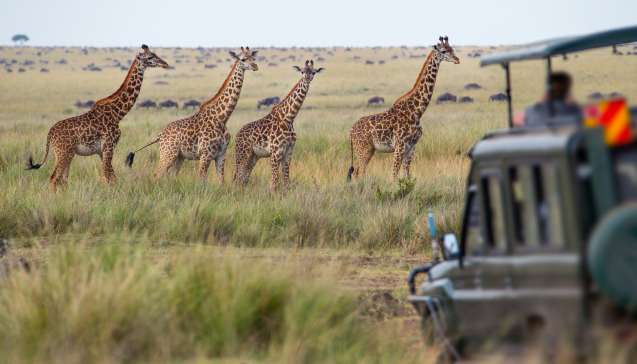
Understanding how Africa’s dry season shapes wildlife behaviour is the key to planning a successful safari between July and December.
Across much of eastern and southern Africa, rainfall drops sharply during these months. Grasses thin out, temporary water sources dry up, and animals respond by concentrating around permanent rivers, lakes, wetlands, and waterholes. Instead of being scattered across vast landscapes, wildlife becomes increasingly predictable and easier to find.
For safari travellers, this creates the classic peak season experience. Game drives are more productive, sightings last longer, and guides can anticipate animal movements with far greater accuracy. Predators follow prey to water, herbivores gather in large herds, and encounters with elephants, buffalo, and big cats become far more frequent.
Visibility also improves dramatically during the dry season. With less vegetation, animals can be spotted from greater distances, making July through October some of the best months for wildlife viewing in Africa. This is especially noticeable in open ecosystems such as the Serengeti, Masai Mara, Kruger National Park, Hwange, and Botswana’s Okavango region.
The dry season is also when many of Africa’s most famous wildlife events unfold. The great migration reaches its northern extremes in Kenya and Tanzania, river crossings intensify, and southern Africa’s river systems draw dense concentrations of game. Combined with cooler temperatures, low humidity, and minimal rainfall, these conditions create ideal safari weather for long game drives, walking safaris, and multi-day itineraries.
As the season progresses into November and early December, the first short rains begin to arrive in parts of East Africa and southern Africa. These are usually brief and scattered rather than constant, and wildlife viewing often remains excellent. What does change noticeably is pricing. As destinations shift from peak to shoulder season, safari rates drop, crowds thin, and exceptional value opportunities emerge for travellers who understand how to time their trip.
This balance between wildlife concentration, visibility, comfort, and pricing is what makes July to December the most important safari planning window of the year. Get the timing right, and it is possible to experience Africa’s best wildlife spectacles without paying peak season prices.
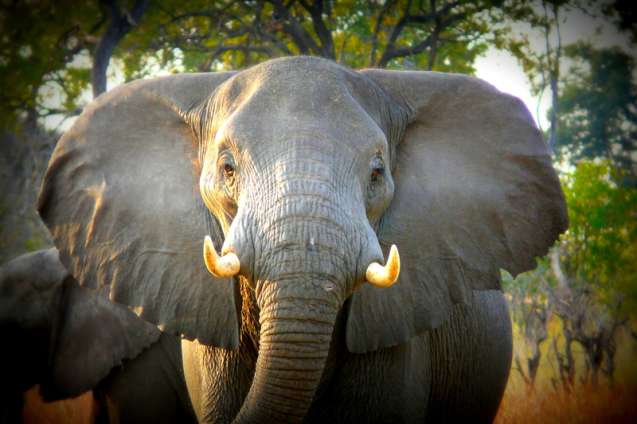
If you want a deeper comparison (price level, trip style, and smart alternatives), use the table below.
| Month | Top Wildlife Destination | Why Go | Price Level | Best For | Off The Beaten Track Alternative |
|---|---|---|---|---|---|
| July | Northern Serengeti, Tanzania | Migration arriving, dry season begins, excellent visibility | Mid | Migration seekers, first timers | South Luangwa, Zambia |
| August | Okavango Delta, Botswana | Peak wildlife, floodplains full of animals | High | Honeymooners, luxury travelers | Hwange NP, Zimbabwe |
| September | Masai Mara, Kenya | Migration river crossings, thin bush, peak sightings | High | Wildlife photographers, big cat lovers | Kruger NP, South Africa |
| October | Chobe NP, Botswana | Intense wildlife at rivers, fewer crowds | Mid | Serious wildlife watchers | Kafue NP, Zambia |
| November | Serengeti, Tanzania | Green season, newborn animals, fewer tourists | Low | Budget travellers, photographers | Etosha NP, Namibia |
| December (early) | Kruger NP, South Africa | Warm weather, excellent game, great self-drive value | Low–Mid | Families, flexible travelers | Laikipia, Kenya |
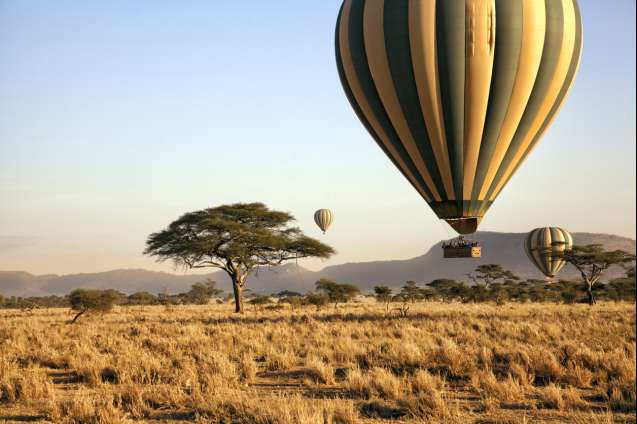
July is one of the smartest months of the entire safari calendar.
By July, peak season conditions are firmly in place, but many destinations have not yet reached their August and September peak pricing.
For travellers focused on value, this creates a sweet spot where conditions are excellent, and costs are still relatively contained.
Here are some of the best African safaris to enjoy in the dry season month of July…
By July, the great migration is already pushing north through the Serengeti and into the Masai Mara.
Huge herds of wildebeest and zebra start gathering along the Mara River and the northern plains, creating the classic safari scenes people travel halfway across the world to see.
What many travellers do not realise is that the July Masai Mara safari cost is often significantly lower than in August, when demand from Europe and North America surges during school holidays.
Serengeti July migration prices are usually better value than Kenya in this month, particularly in the far north of Tanzania.
Camps in the northern Serengeti are positioned along the migration route, but they attract fewer visitors than the Mara, meaning rates stay more competitive.
This makes it one of the best ways to experience a budget great migration safari without sacrificing sightings.
Travelling in late July can give you migration river crossings, predator action, and wide open plains, while avoiding the highest peak season surcharges.
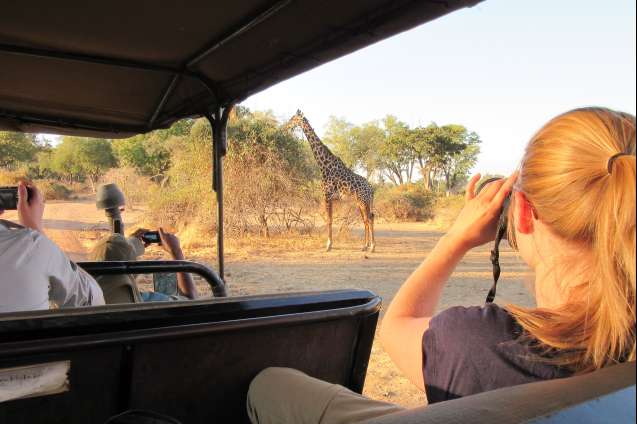
July is also a brilliant time to look south.
The Zambezi valley and river area, located in Zambia and Zimbabwe, come into their own as the dry season settles in.
The Lower Zambezi and South Luangwa regions start to see animals concentrating along riverbanks, which makes July Zambia safari trips especially rewarding.
Elephants, hippos, and buffalo crowd the water’s edge, while predators follow closely behind.
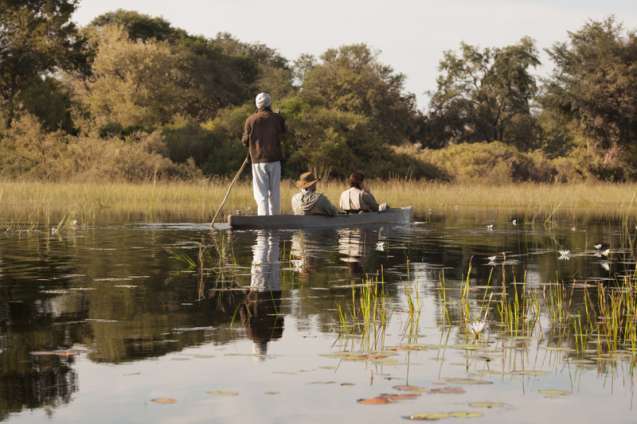
This is also when canoe safaris and walking safaris begin in earnest.
Paddling quietly along the Zambezi or tracking wildlife on foot adds a whole new layer to the experience and is far more immersive than standard game drives.
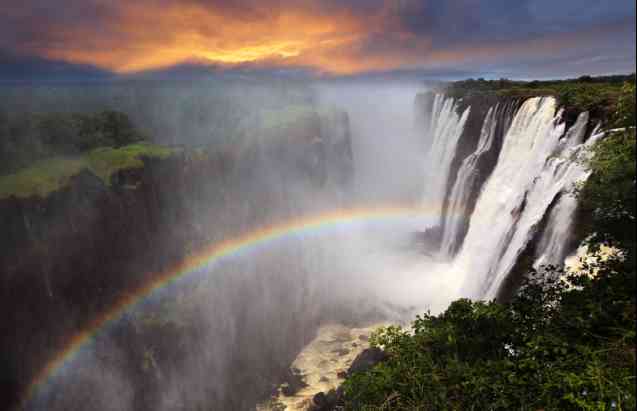
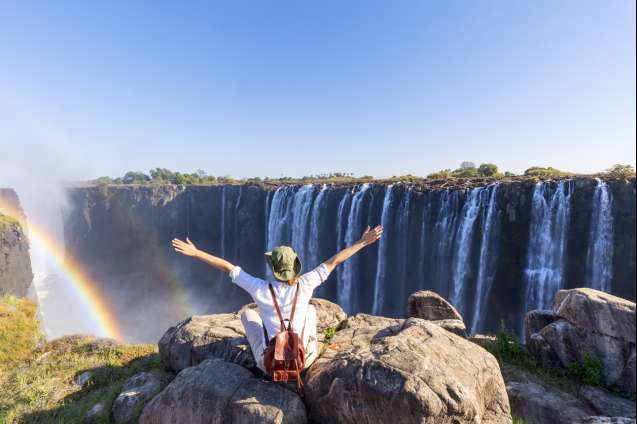
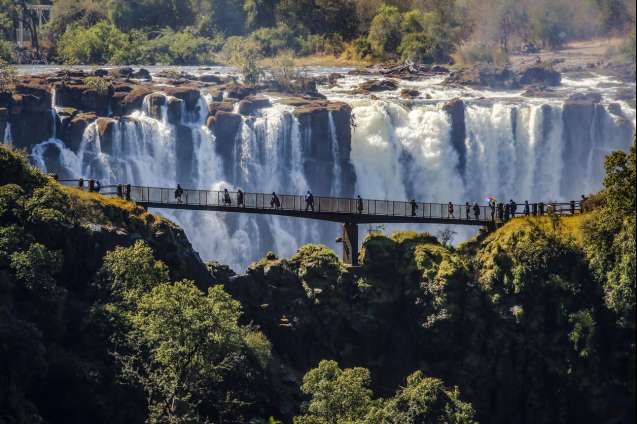
Meanwhile, Victoria Falls in July is still flowing strongly from the earlier rainy season, creating dramatic mist and thundering cascades without the heavy spray of peak season months.
Perhaps best of all, prices in Zambia and Zimbabwe remain lower than in Botswana at this time of year.
Travellers can enjoy superb wildlife, uncrowded parks, and river-based safaris at a fraction of what similar experiences cost in the Okavango, making July one of the best value months for adventurous safari lovers.
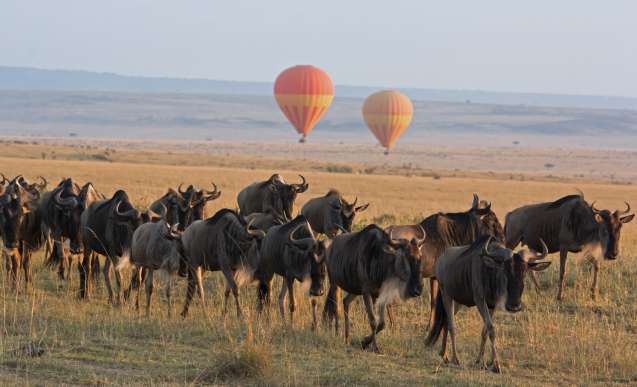
August is the month when the safari world hits full volume.
European summer holidays, peak great migration river crossings, and near-perfect weather all collide, sending huge numbers of travellers into a handful of famous parks.
The Masai Mara in particular becomes incredibly busy.
Wildlife is still extraordinary, but vehicles can crowd the best sightings, and accommodation prices reach their annual highs.
This is exactly the moment when smart travellers look sideways rather than following the herd.
An August safari to Botswana’s incredible Okavango Delta offers some of the finest game viewing anywhere in Africa.
Floodwaters from Angola spread across the delta at this time, creating lush channels that attract elephants, antelope, and predators in staggering numbers.
The experience is quieter, more exclusive, and far more immersive than Kenya in August.
The downside is cost.
Botswana operates on a low-volume, high-value tourism model, so prices are higher than in Kenya, even in August.
This is where a Botswana vs Kenya safari cost comparison becomes useful.
Kenya remains more affordable, even at its busiest, but it is also far more crowded.
Dozens of vehicles can gather around a single river crossing in the Mara, which can dilute the magic for some travellers.
Parks like Hwange and Mana Pools offer excellent August wildlife, fewer visitors than Kenya, and significantly lower prices than Botswana.
For travellers seeking August African safari alternatives that balance quality and cost, Zimbabwe often delivers the best of both worlds.
__medium.jpg)
August is the best Namibia safari month for wildlife lovers as Etosha National Park enters its peak dry season.
Etosha's network of excellent watering holes creates easy, dramatic sightings of elephants, lions, giraffes, and rhinos, often without needing to drive far.
Namibia's wildlife in August is particularly appealing because the landscape is so open.
Vast salt pans, golden grasslands, and stark desert backdrops make spotting animals simple and result in one of the best wildlife photography seasons across the country.
The country is also ideal for self-drive safaris, which keeps costs down compared to fly-in lodge-based destinations.
For safari travellers who want superb game viewing, wide open spaces, and fewer crowds, an Etosha August safari combined with Namibia’s dramatic desert scenery offers one of the best value, low-stress alternatives to East Africa’s busiest month.
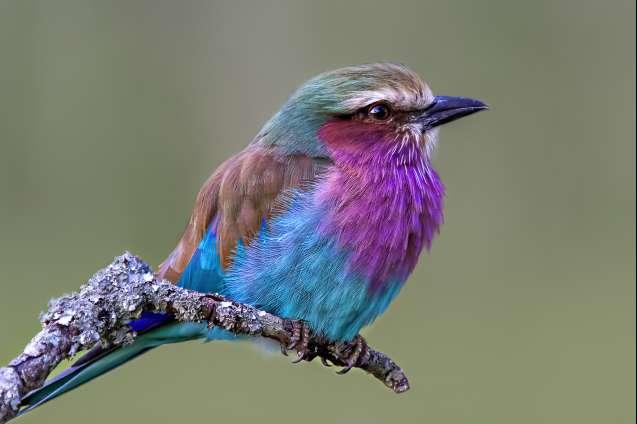
If there is a single answer to the question of the best month for an African safari, September makes a very strong case.
Peak dry season, September safari Africa trips are incredibly productive, with long, clear sightings of predators, large herds, and dramatic river crossings still taking place in East Africa.
Temperatures in September are also more comfortable than later in the year.
Days are warm but not oppressive, nights are cool, and humidity remains low, which is ideal for long game drives and walking safaris.
Importantly for budget-minded travellers, this is also when shoulder pricing begins to quietly return in some regions.
August crowds thin out, while wildlife remains exceptional, creating one of the best value windows for dry season wildlife in Africa.
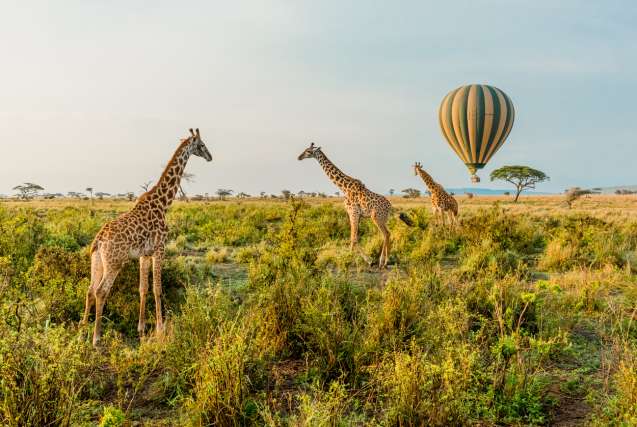
September is one of the strongest months to explore safaris on Tanzania’s Northern Circuit.
The Serengeti is still alive with the Great Migration, especially in the northern and central areas, while the Ngorongoro Crater offers year-round concentrations of animals thanks to its unique ecosystem.
Combining Serengeti and Ngorongoro in September delivers outstanding variety, from open plains filled with wildebeest to dense crater floors packed with lions, rhino, and elephants.
Serengeti camps also tend to soften their rates slightly after August, which means this iconic pairing often offers better value than in peak migration months, while still delivering classic safari scenes.
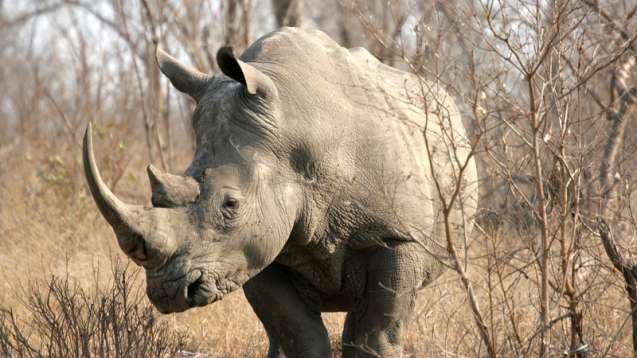
September is also one of the best times to visit the iconic Kruger National Park in South Africa during the dry season.
Animals are easier to spot, and temperatures are warming but not yet extreme.
For travellers who want flexibility and affordability, a self-drive safari in Kruger is one of the most cost-effective ways to experience Africa’s Big Five.
With good roads, excellent public camps and plenty of wildlife, September delivers a near-perfect balance of comfort, sightings and value.
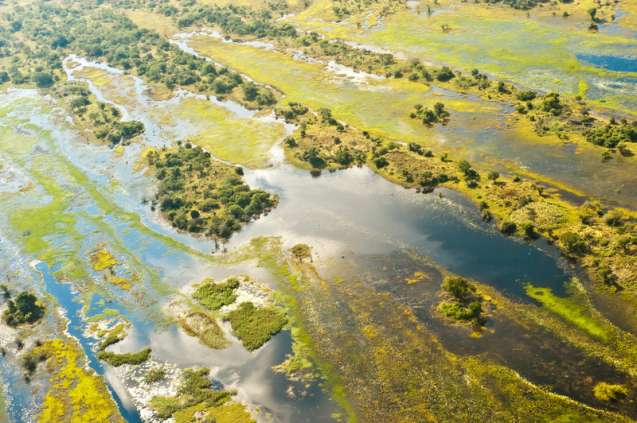
October is one of Africa’s most underappreciated safari months; landscapes remain dry and open, animals are easy to spot, and concentrate around rivers and waterholes.
All in all, this makes game viewing in October often as good as it gets, all while the frantic peak season atmosphere has faded and crowds thin out.
October is also when prices begin to soften, creating some of the best value opportunities of the year, as many lodges start offering shoulder season safari Africa rates, especially in East Africa.
For anyone looking for a cheap safari in October without compromising on wildlife, this is one of the strongest months to travel.
Botswana tours in October offer particularly compelling value.
The Okavango Delta is still flooded, wildlife remains excellent, and the exclusive safari experience that Botswana is famous for continues.
However, as international demand dips slightly after September, some camps reduce their rates, making luxury-style safaris more accessible than at any other point in the high season.
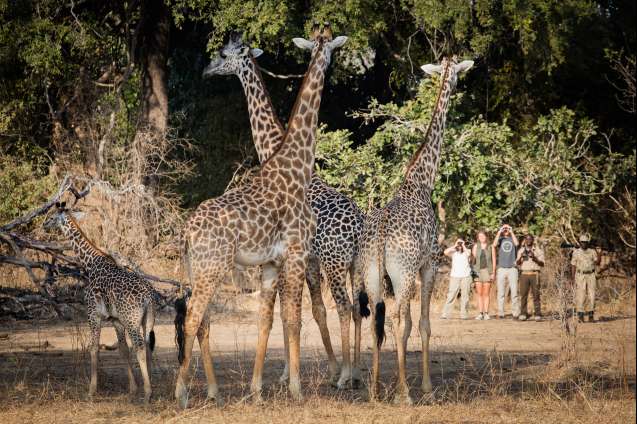
Zambia tours in October are best for walking safaris.
The Luangwa and Zambezi rivers are magnets for exceptional game, and guides can track them safely on foot.
Walking safaris in Zambia are intense, close-up encounters that many travellers consider the highlight of a safari.
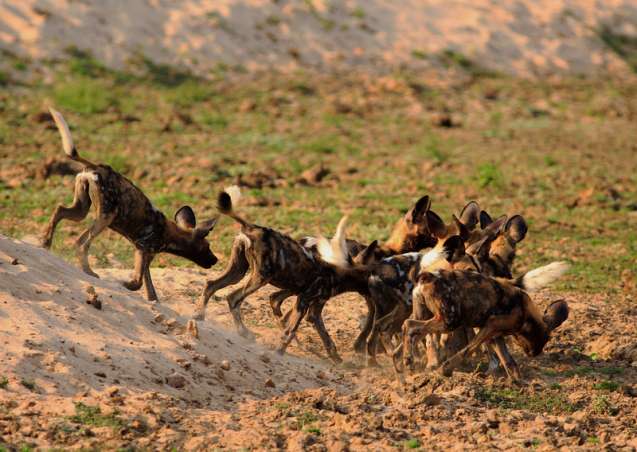
October is also when predator activity peaks in Zambia, as lions and wild dogs take advantage of the concentrated prey.
Kenya post migration deals also start to appear.
As the great migration moves south back into the Serengeti, demand in the Masai Mara drops, but resident wildlife remains superb.
This means travellers can enjoy classic big cat sightings, dramatic landscapes, and fewer vehicles, often at significantly lower prices than just a month earlier.
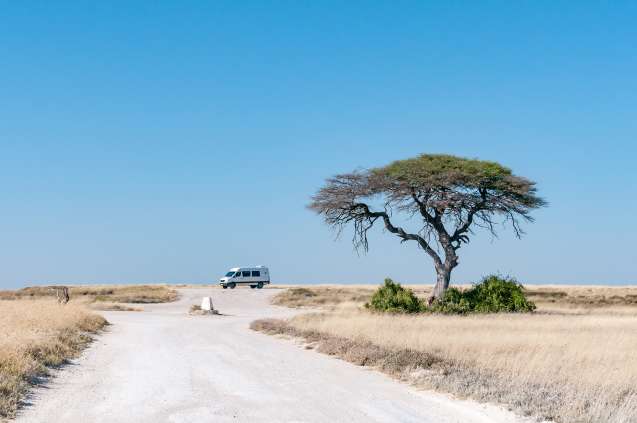
November is when experienced safari travellers quietly save thousands.
While many people assume rain automatically ruins a trip, the reality of a November African safari is very different.
In much of East and southern Africa, the short rains arrive in brief, refreshing bursts rather than all-day downpours.
These showers transform the landscape, turning dusty plains green and attracting huge numbers of birds and newborn animals.
For photographers, especially, this is often one of the most impressive wildlife seasons to capture and a beautiful time of year to travel.
From a budget perspective, cheap safari in Africa in November options are some of the strongest of the entire calendar.
Many lodges drop their prices sharply as they move into green season (otherwise known as wet season) safari rates, yet wildlife remains excellent.
Animals are still easy to spot, predators remain active, and the first waves of migratory birds bring colour and life back to the bush.
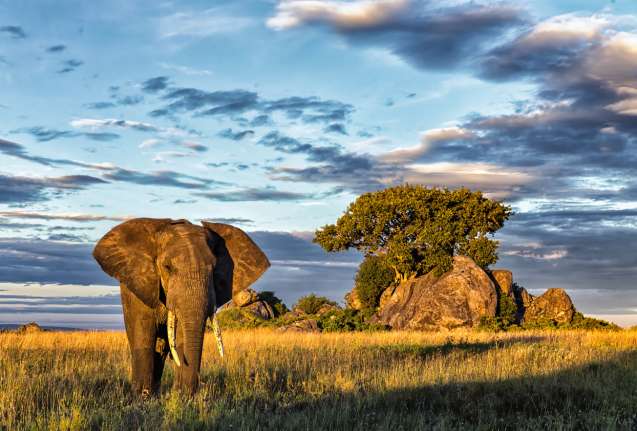
November is a superb time to visit Tanzania and Kenya for travellers chasing value.
The migration has moved south into the Serengeti, where vast herds spread across fresh grasslands, creating incredible scenery and relaxed, uncrowded game drives.
In Kenya, resident wildlife in parks like the Masai Mara, Amboseli, and Tsavo remains strong, but visitor numbers drop dramatically, leading to excellent discounts.
Many high-quality camps that are unaffordable in peak season become accessible in November, making it one of the best months for a green season safari that still delivers classic big game sightings.
In southern Africa, November marks the shoulder season before the main summer rains arrive.
Namibia’s Etosha still offers good wildlife around permanent waterholes, while the desert landscapes begin to soften with patches of green.
In Botswana, November shoulder season pricing makes the Okavango Delta and Chobe far more affordable than in peak dry season, while wildlife concentrations remain high.
For travellers seeking top-tier safaris at reduced rates, November is one of Africa’s best-kept secrets.
December has an unfair reputation in the safari world.
Many travellers assume that a December safari in Africa is automatically expensive, crowded, and rain-soaked.
In reality, the month is split into two very different experiences.
The first half of December is one of the best value safari windows of the entire year, while the second half, driven by Christmas and New Year demand, is where the climb to truly peak season safari costs begins.
For travellers hunting early December safari deals, this period offers a powerful combination of lush landscapes, newborn animals, and heavily discounted lodge rates.
Wildlife remains excellent across much of East and southern Africa, and the short rains tend to arrive in light, sporadic showers rather than constant downpours.
Tanzania is outstanding in early December.
The great migration spreads across the southern Serengeti, with huge herds grazing on fresh grass and predators following close behind.
Lodges offer green season pricing, making it possible to stay in prime wildlife areas for a fraction of peak season costs.
Kenya also shines in early December.
Parks like the Masai Mara, Amboseli, and Laikipia still deliver excellent game viewing, but visitor numbers are low, and camps reduce their rates significantly before the Christmas rush.
South Africa is another strong choice.
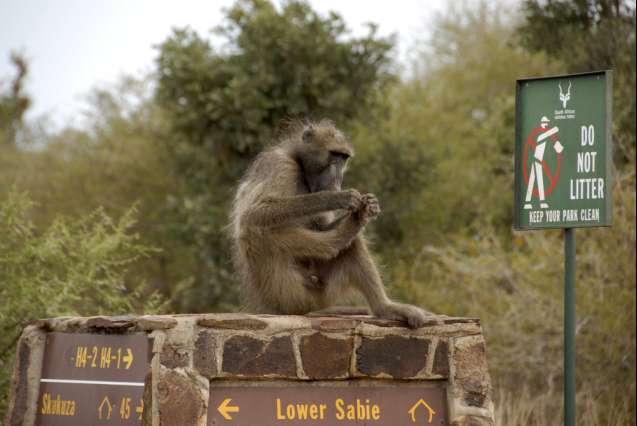
Kruger National Park, private reserves, and the Garden Route all benefit from warm weather, active wildlife, and excellent self-drive options, which keep costs down for budget-conscious travellers.
From around mid-December, prices change dramatically.
Christmas safari Africa cost increases are driven by international holiday travel, school breaks, and high demand for festive season trips.
Flights rise, lodges introduce peak season rates, and availability becomes limited.
Wildlife remains good, but travellers pay a premium for travelling during the world’s busiest holiday period.
For those of you focused on value, early December remains the sweet safari spot towards the end of the year.
If you're choosing destinations rather than months, these safari regions perform consistently well during the second half of the year:
Best for the great migration, big cats, and classic African safari landscapes between July and October.
Peak flood season from July to September creates one of the richest wildlife ecosystems on earth.
Dry season game viewing from August to October, and excellent value self-drive safaris from September to early December.
Outstanding waterhole wildlife viewing between July and October, with fewer crowds than East Africa.
Exceptional walking safaris and predator sightings from July through October.
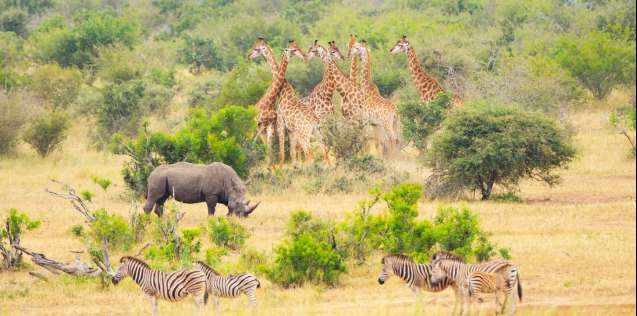
For many travellers, the real magic of an African safari lies not in a single park, but in combining landscapes, wildlife, and cultures into one seamless journey.
From July to December, conditions across much of the continent line up perfectly for multi-country safari Africa trips that deliver far more variety and often far better value than staying in just one place.
These months allow you to follow seasonal wildlife movements, mix famous parks with quieter regions, and create some of the best safari itineraries Africa has to offer.
A Kenya and Tanzania migration safari is the classic pairing. From July to October, travellers can follow the great migration as it moves between the Serengeti and the Masai Mara. Starting in Tanzania and ending in Kenya often works out cheaper than the reverse, and it also allows you to experience both sides of the migration story, from vast open plains to dramatic river crossings.
Botswana and Victoria Falls are another powerful combination. The Okavango Delta in Botswana delivers pristine wildlife experiences from July to October, while nearby Victoria Falls, which straddles the border between Zimbabwe and Zambia, is at its most impressive during these months. Pairing these destinations balances Botswana’s premium safari style with more affordable accommodation and activities around the falls.
Joining Namibia, Etosha, and the desert together in one trip offers one of the best safari combinations for travellers who love scenery as much as wildlife. August to October is perfect for Etosha’s waterhole game viewing, while Namibia’s dunes, Skeleton Coast, and canyon landscapes add unforgettable contrast.
And finally, combined Kruger and Mozambique beach trips are ideal from September to December. South Africa’s Big Five safaris sit beautifully alongside the Indian Ocean’s warm waters, giving travellers both adventure and relaxation in one great value itinerary.
Knowing when not to travel is just as important as knowing when to go. Here are our tips by destination, with the real reasons spelt out.
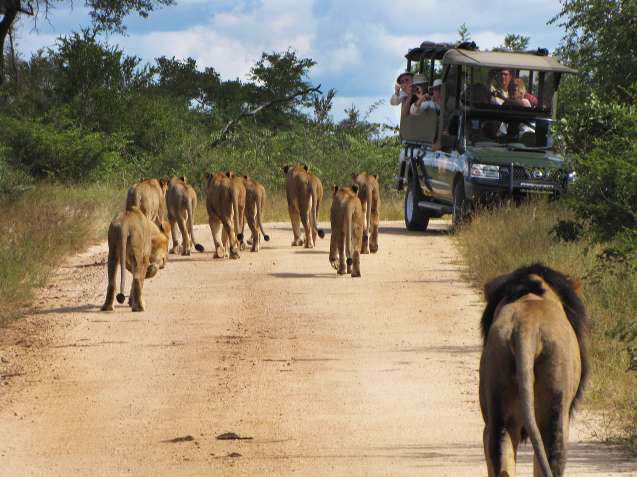
Timing your booking is one of the biggest factors in how much you pay for a safari.
Understanding when to book African safari trips between July and December can easily save thousands.
For July and August departures, you should be booking between January and March.
These are peak wildlife months, and camps in places like the Masai Mara, Serengeti, and Okavango Delta sell out early.
Flights also begin to rise from April onwards, especially for popular routes into Nairobi, Kilimanjaro, and Maun.
September and October offer more flexibility.
Booking between March and May is usually ideal.
Prices start to stabilise after the August rush, and there is often better lodge availability.
Flights remain reasonable until late June, after which fares start to climb as peak season approaches.
November is the easiest month to plan.
Green season safaris rarely sell out, so travellers can often book as late as August or September and still find good deals.
Flights are also cheaper because demand is lower, making this one of the strongest value windows on the safari booking calendar.
Early December should be booked by September to secure the best rates and availability.
Late December, however, is a different story.
Christmas and New Year trips should be locked in by July at the latest, as this is when prices rise fastest and popular lodges sell out first.
One of the biggest challenges when planning a safari is cutting through conflicting advice online. These are the three most common questions travellers ask about travelling in the second half of the year, and the answers are far more encouraging than most people expect.
Both months are excellent, but they suit slightly different travellers. July is when the dry season begins, wildlife starts clustering around water, and the great migration reaches the northern Serengeti and Masai Mara. It offers spectacular sightings and slightly lower prices than August. September, however, is often the sweet spot, when vegetation is at its thinnest, animals are highly concentrated, and temperatures are comfortable. Prices also begin to soften in some regions after August, making September one of the best months for African safari value and wildlife combined.
November is one of Africa’s most underrated safari months. The short rains bring green landscapes, migratory birds, and newborn animals, but they rarely last all day. Wildlife remains excellent, especially in Tanzania, Kenya, Namibia, and Botswana, and lodge prices drop sharply as the green season begins. For travellers looking for a cheap safari in Africa in November that still delivers strong sightings, this month offers some of the best value of the year.
Early December is not too rainy at all. In most safari regions, showers are short and refreshing rather than disruptive, and wildlife viewing remains very good. The real issue with December, as we’ve covered earlier in this article, is not rain but peak season safari costs. From mid-December onwards, Christmas and New Year demand pushes up flight costs and lodge rates across Africa. Travel before this festive peak, however, and December can be an excellent time for warm weather, dramatic landscapes, and great safari deals.
As the year moves from July through to December, Africa offers one of the richest and most varied safari calendars anywhere in the world.
These months bring together the peak of the dry season, the drama of the great migration, the return of green landscapes, and some of the best value windows of the entire year.
What matters most is not just where you go, but when you go and how you combine destinations to match both wildlife and budget.
From July to September, visibility is at its best.
Animals gather around rivers and waterholes, predators become easier to spot, and the famous migration delivers unforgettable scenes across Tanzania and Kenya.
Yet even within this peak period, there are smart ways to save by choosing quieter regions, travelling at the edges of the season, and pairing premium destinations with more affordable neighbours such as Zimbabwe or South Africa.
October and November are where true value begins to reappear.
Wildlife remains excellent, but crowds thin and prices drop as camps move into the shoulder and green season.
These months reward flexible travellers, offering lush scenery, newborn animals, and discounted safari rates without sacrificing the quality of the experience.
Early December continues this pattern, delivering warm weather, dramatic landscapes, and excellent wildlife at prices far lower than the festive season rush that follows.
For anyone able to travel before mid-December, this is one of Africa’s best-kept safari secrets.
A well-planned July to December safari in 2026 is not about chasing the most famous park at the busiest time, but about understanding seasonal rhythms, choosing the right country for the right month and building itineraries that maximise both wildlife and value.
With the right planning, this half of the year delivers some of Africa’s most memorable and affordable safari experiences, so speak to one of our African safari experts today and start planning your incredible 2026 trip!

Explore these destinations mentioned in this post.
Below you'll find further reading and articles related or similar to this post.




Call us toll free from US/Canada on 1-888-414-6513, or from the UK on 0-808-189-1052. All other countries can contact us on +27 21 791 0878.
© 2026 African Budget Safaris | Privacy | Terms | Cookie Policy | Consent Preferences

__thumb.jpg)

__large__thumb.jpg)