__banner.jpg)
Still dreaming about an African safari, but concerned about the cost? You should be! But there's also good news if you're looking for the best value safaris in 2026.
Planning the best value safari holidays requires smart timing - especially for 2026. Here's why timing matters more than ever:
East Africa peak season safaris (like all good things in life) are getting pricier. Case in point: Kenya Wildlife Service recently announced a major increase in park fees. While it's the first significant bump in 18 years (and a good thing for conservation efforts), it does chew into your safari budget.
For example, Amboseli National Park's entrance fee went from $60 to $90, and Nairobi National Park's entrance fee is now $80, up from $43. That's a 50% to 80% increase.
Yikes.
But here's where savvy travellers find incredible opportunities: shoulder and green season safaris.
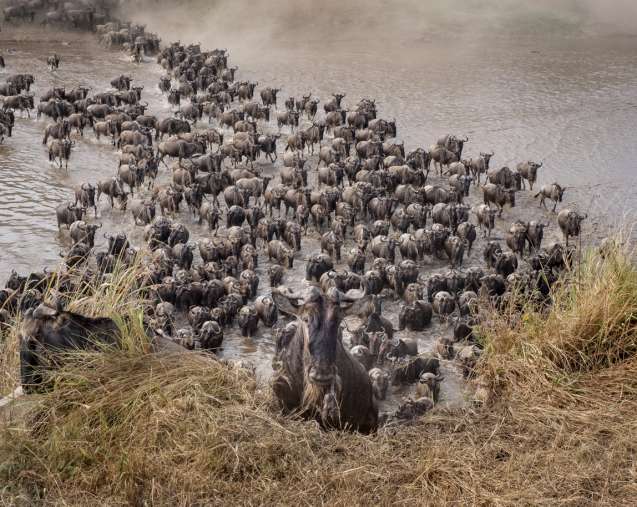
While it means you might miss the famous great migration in July (which, by the way, actually happens all year round, so you can never truly miss it), I promise you’re not losing out on any dream wildlife action.
In fact, you're gaining experiences that high-season travellers will never have: • Fewer crowds at each wildlife sighting • More time with the animals • A more authentic safari experience • Better value for your budget
To unlock these best-value safari holidays, you need three things:
In this expert guide to planning your safari holiday in 2026, you'll discover:
• Why the shoulder and green seasons offer exceptional value
• How to save up to 50% on the best value safari holidays
• Which alternative destinations provide similar experiences for less
• Expert booking tips for maximum value
Sound good? Let’s get you up to speed on the best value safari seasons in Africa and how to stretch your dollar further.
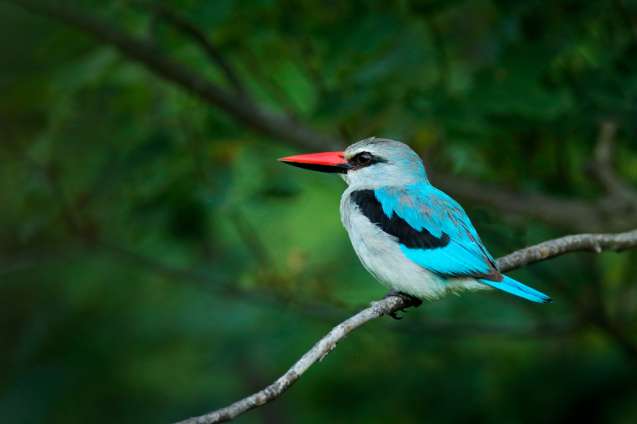
The first step in finding the best value safari in 2026 is understanding how the time of year affects both your experience and budget.
Peak season is, you guessed it, the busiest time of year to go on safari. It usually coincides with the driest months when the bush is thin, and game viewing is at its best and easiest.
While you will get incredible wildlife sightings, you have to deal with the downsides, like:
The popularity of high seasons is becoming a problem for the animals, too. In July 2025, more than 150 safari vehicles blocked a wildebeest migration route, creating panic among the herds. Read about what we learned from this chaos and how to avoid the migration crowds.
This is one of the many reasons why shoulder and green season safaris are becoming more appealing to responsible travellers.
__medium.jpg)
Shoulder season sits on either side of peak season. It's a sweet spot where you still have excellent safari conditions, minus the crowds and high prices.
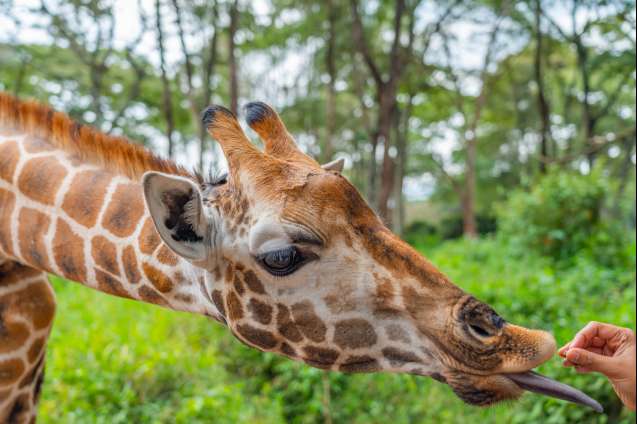
Green season, aka “emerald” season, is a personal favourite. It’s a time of year when the rain transforms classic safari destinations in Zambia, Kenya, or Tanzania into entirely different safari experiences.
Planning a trip during the rainy season might sound like a recipe for disaster, but that’s only if you take it at face value.
Sounds like a vibe, right?
For a complete breakdown of Africa’s green season, check out our detailed guide to green season safaris in Africa.
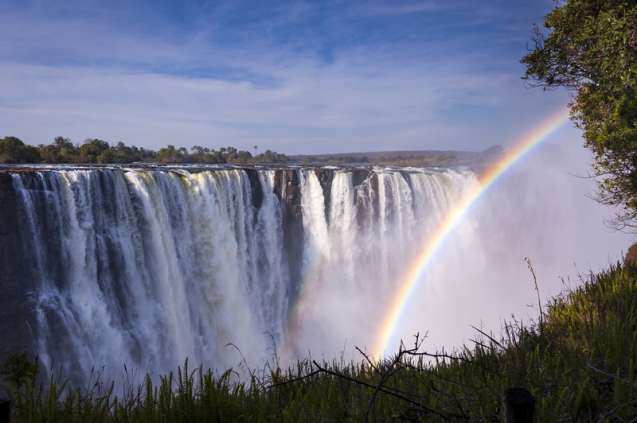
Choosing a shoulder or green-season safari is the ultimate travel cheat code. By ditching the crowds, you can have room in your budget to add extra nights to your itinerary, make high-cost destinations a reality for your budget, and afford a more exclusive safari experience or less.
So your safari dollars go further – and not just in a financial sense.
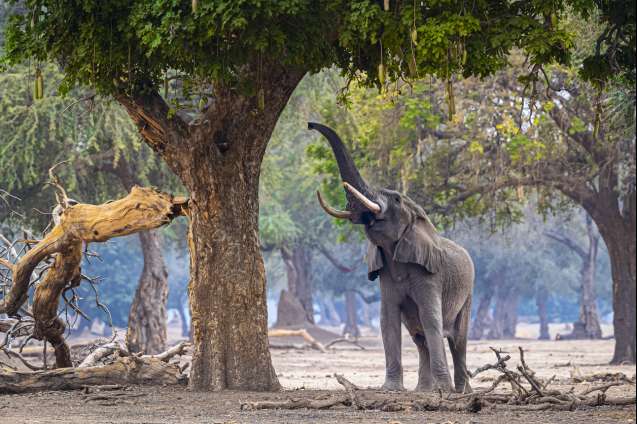
Sure, you can always book a green or shoulder season safari in the same destination…but if you’re looking to spice things up, here are some alternative options.
Not only will you be beating the crowds and giving busier ecosystems a break, but you’ll get an equally impressive African safari at a much lower rate.
Zimbabwe? For a safari? If that sounds like a bad idea, you’re in for a treat.
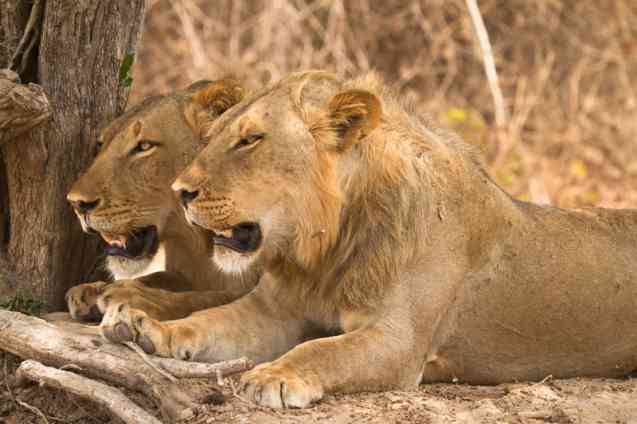
Mana Pools has all the big-game drama. While it doesn’t tick the “Big 5” box because there are no resident rhinos, you do get elephants strolling past your camp, plenty of big cat action, huge buffalo herds, and some of Africa’s best wild dog sightings.
Plus, it’s hella affordable.
In the shoulder or green season, Masai Mara’s non-resident park fee sits at US$100 per person per day, compared with US$20 conservation per day in Mana Pools. Even when you add a riverfront campsite at around US$130 for up to six people, a small group in Mana is paying roughly US$50–60 per person per night in park and camping fees, versus about US$140 in the Mara once the bed-night levy is included.
With those savings, you’ll have more budget to upgrade your accommodation, stay longer, and add bucket-list add-ons such as canoe safaris and guided walks.
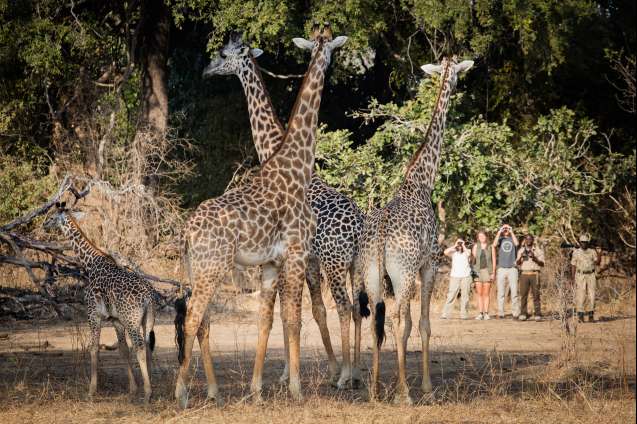
Fine, I’ll admit it.
I’m incredibly biased towards a Zambia safari, especially one in South Luangwa. Other safari destinations in the country, such as North Luangwa, the remote riverbanks of the Lower Zambezi, and Kafue, are also firm favourites.
…But why?
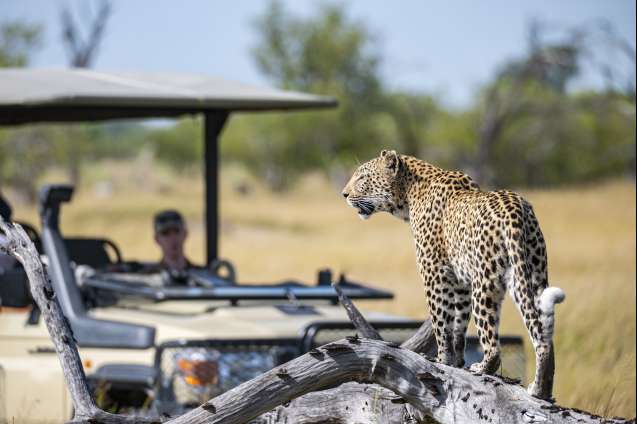
Well, South Luangwa is the birthplace of the walking safari, and it’s the leopard hot spot in Africa. With zero exaggeration, you’re almost guaranteed to have some of the best leopard sightings of your life.
Once you consider affordability, a value safari in Zambia becomes more compelling. Mid-range itineraries often average around US$350–400 per person per day compared to the Serengeti’s $500-800 range, meaning you’re frequently saving US$100–200 per person per night.
Beyond cost, the feel is very different. Serengeti sightings in busier months can stack up with long lines of vehicles at a single leopard or cheetah. South Luangwa usually offers a quieter rhythm: far fewer vehicles on the floodplain, more intimate sightings, and Africa’s best walking safaris and night drives.
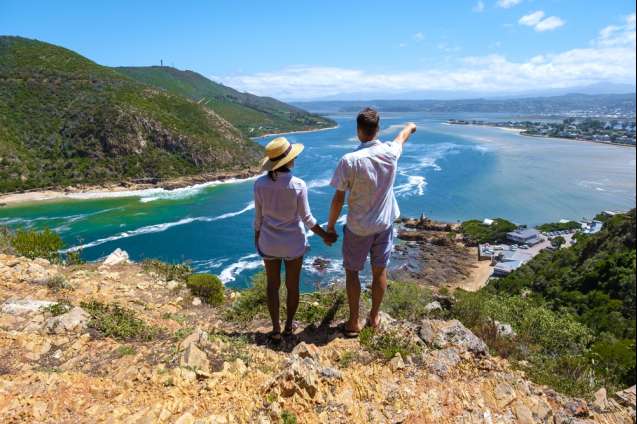
Kruger National Park is an iconic Big 5 safari destination, but it is chaotic. If a pride of lions happens to flop onto the tar, you can easily expect a 20-30 car pile-up of self-drivers clamouring for a view.
…And that’s not really the intimate experience you want.
When we picture a safari, it’s all about the sounds of the bush, not Tom, Dick, and Harry’s car horns and rumbling engines.
In contrast, the Eastern Cape game reserves run much quieter. You still get Big 5 game viewing, but with a calmer, more exclusive feel.
For budget travellers, the numbers also play along. In green/shoulder season, an international visitor camping at Skukuza in Kruger pays about R602 per person per day in conservation fees, plus roughly R2,084 per night for a self-catering bungalow. Split between two people, that works out to around R1,644 per person per night before fuel and food.
At Addo Elephant National Park in the Eastern Cape, the same international visitor pays R492 per day, and a Forest Cabin at Addo Rest Camp is about R1,500 per night. Shared between two, that’s roughly R1,242 per person per night – around R400 less per night than Kruger for a quieter, less crowded experience.
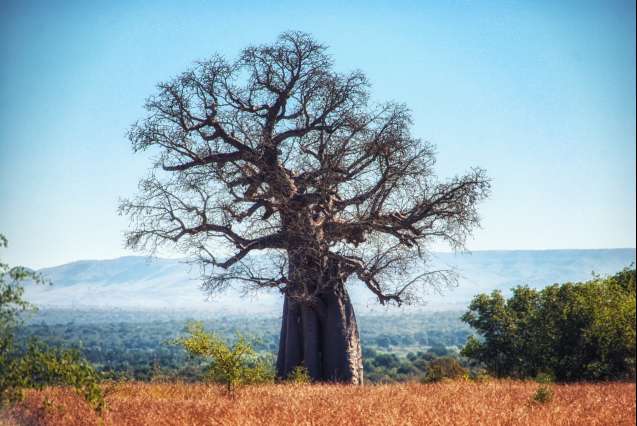
Botswana is home to one of the priciest safaris in Africa. Even during the cheaper off-seasons, a typical stay at an Okavango lodge costs $600 to $1,200 per person per night, with many packages climbing much higher.
Ouch.
The alternative? Southern Tanzania.
The reserves here, like Ruaha and Nyerere (Selous), will give you the same remote safari experience for way, way less. Budget and group safaris in Ruaha and Nyerere start at around US$300 per person per day.
Experience-wise, Ruaha is a massive, famously uncrowded national park with excellent wildlife viewing. Nyerere comes with classic game drives and river safaris with no hordes of people in sight.
…And that’s not all.
What I like most about this swap-a-roo is the potential to splurge on the ultimate Africa bucket list item - a hot air balloon safari.
Flights are around $600 per person.
Expensive, I know, but if you swap four Okavango nights at $800 per person per night for 4 shoulder-season nights in southern Tanzania at $450 pppn, that frees up $1,400.
More than enough to pay for a balloon flight and have cash leftover for extra activities or another night on safari!
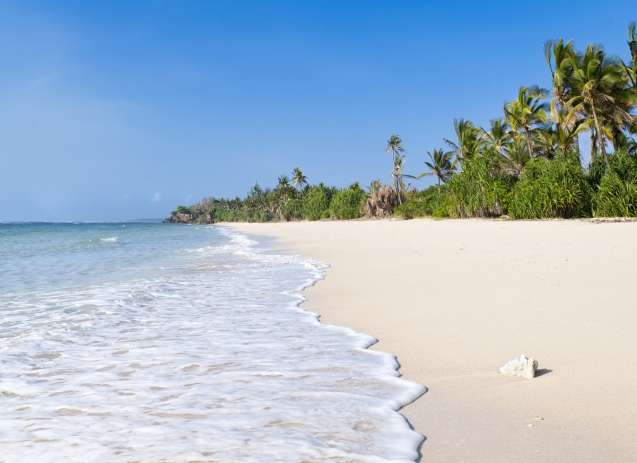
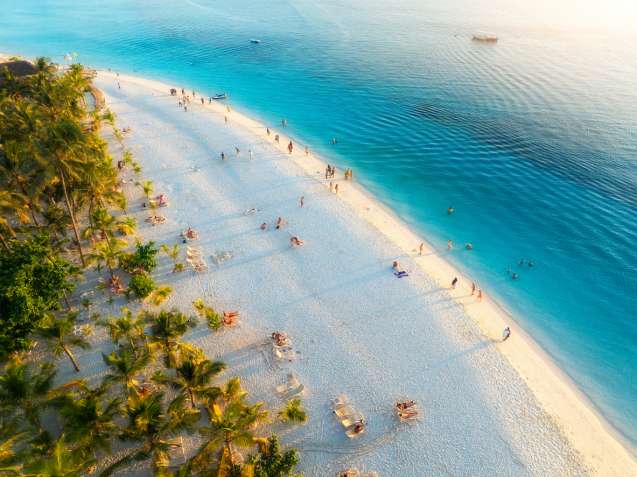
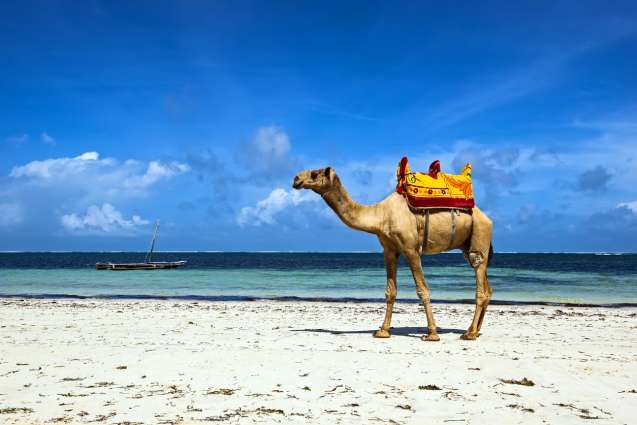
Want to combine wildlife and waves? Our best value safari and beach holidays pair perfectly with Zanzibar, offering excellent honeymoon packages that maximise your budget while delivering unforgettable experiences.
• Southern Tanzania safaris with Zanzibar beach stays
• Kenya wildlife viewing with Indian Ocean relaxation
• South African safaris with Mozambique beach escapes
Take a look at our guide to the Swahili Coast.
• Better value than peak season packages
• Fewer crowds at both destinations
• Flexible booking options
• Perfect for honeymoons and special occasions
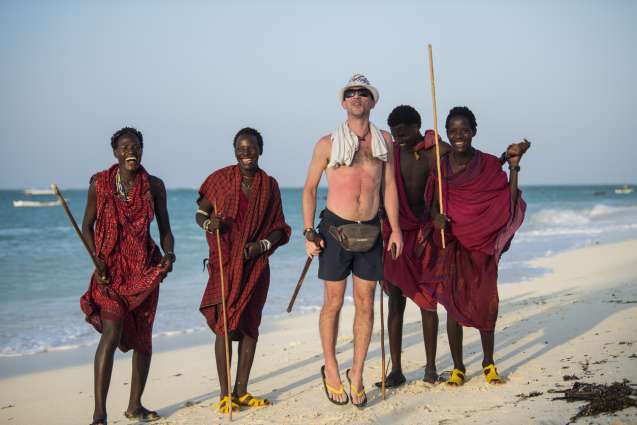
Finding the best value safari holidays in Africa isn't about cutting corners and losing out on an incredible experience. It's about making smart choices that help you:
• Stretch your safari budget further
• Support responsible travel practices
• Enjoy thrilling wildlife viewing with fewer crowds
• Compare shoulder and green season savings
• Find the perfect value safari and beach combination
• Match your travel style with your budget
• Secure early booking discounts for 2026
Contact our safari travel experts today to discover the best value safari destinations for your 2026 adventure. We'll guide you through the best seasons, destinations, and combinations to create your perfect African safari experience.

Explore these destinations mentioned in this post.
Below you'll find further reading and articles related or similar to this post.




Call us toll free from US/Canada on 1-888-414-6513, or from the UK on 0-808-189-1052. All other countries can contact us on +27 21 791 0878.
© 2026 African Budget Safaris | Privacy | Terms | Cookie Policy | Consent Preferences