






Discover the unparalleled allure of Kruger National Park, a true wildlife paradise that promises an unforgettable safari adventure.
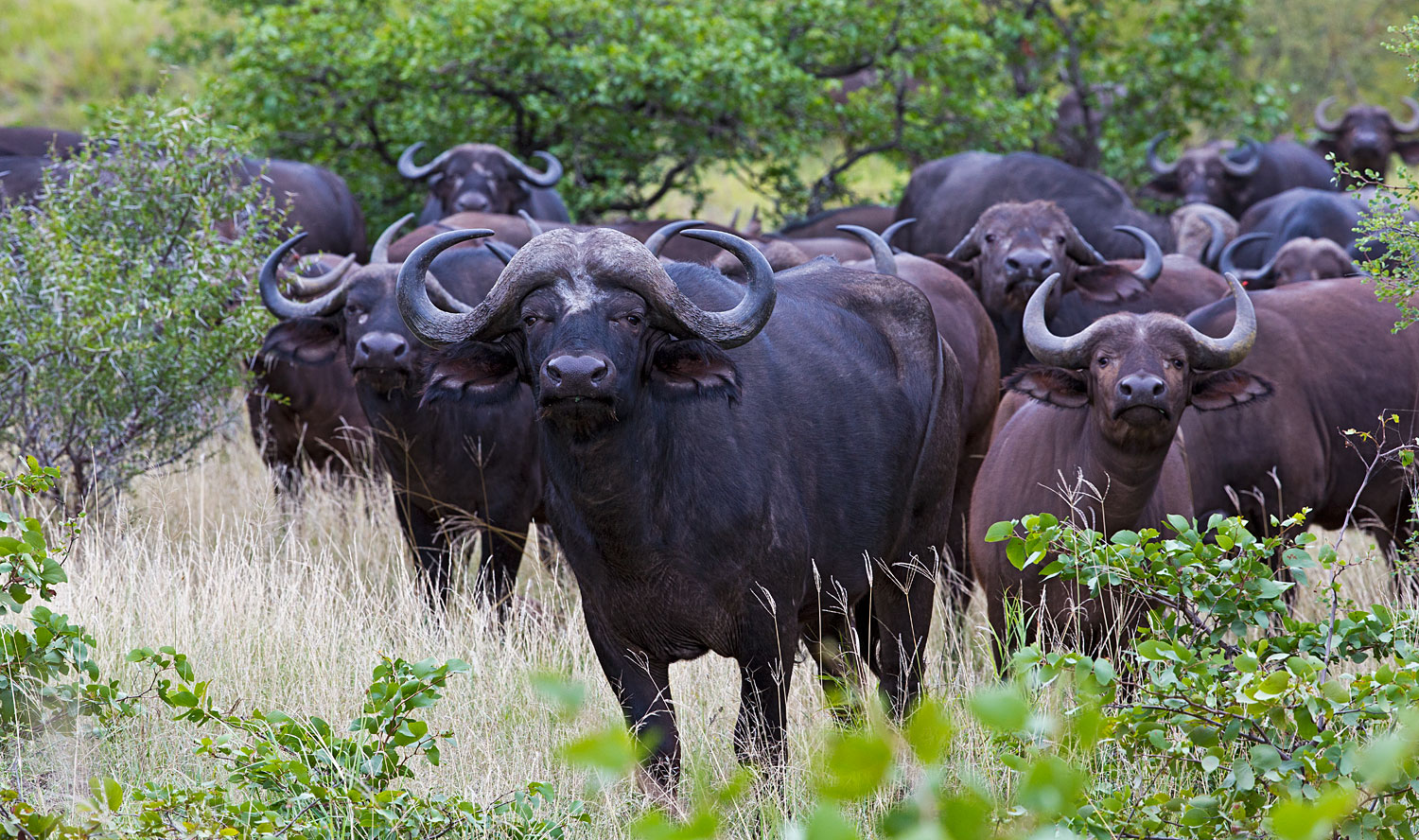
Vast and wild, but accessible and affordable, a Kruger safari is all about game viewing. Located just a few hour's drive from Johannesburg, the Kruger National Park is most famous for Big 5 safaris where sightings of leopards, lions, elephants, rhinoceros, and buffalo are the main draw. Don't be fooled though, Kruger has way more to offer than just the Big 5, and guests to the park will be blown away by the sheer number and diversity of wildlife on display.
Kruger is one of the oldest conservation areas in Africa and consistently delivers awe-inspiring wildlife encounters, from healthy populations of sought-after species like cheetahs and wild dogs to a symphony of birding delights. The park's infrastructure, professional guides, quantity and quality of accommodation, and exceptional service make it an ideal destination for all types of travellers, from families to honeymooning couples, and solo adventurers.
Kruger offers a range of safari experiences that start with self-drive and guided 4x4 game drives and extend to walking safaris with experienced trackers, luxury lodges, exotic spas, horse riding, photographic safaris and even golf. For those seeking exclusivity and extraordinary game-viewing opportunities, the private reserves of Greater Kruger, offer a rare and luxurious escape. These private reserves include famous names like Sabi Sands, Thornybush, Timbavati, and Balule concessions which are renowned for private game drives, luxurious lodges, and culinary excellence.
Kruger National Park is easily accessible, by car or plane with short-haul flights and comfortable overland transfers that will connect you seamlessly to Kruger's riches. If you are still craving more, Kruger's proximity to other exciting destinations, like Mozambique and Mauritius, as well as Cape Town and Victoria Falls, makes it a convenient and flexible addition to any African adventure.
- Extraordinary Wildlife Viewing: Kruger is renowned for the Big 5, lion, leopard, elephant, rhino, and buffalo, but with almost 150 mammal species, over 500 bird species, and 6 different biomes, the Big 5 are just the tip of the safari iceberg. Game viewing in the Kruger National Park is exceptional.
- Walking Safaris: Thrilling guided walking safaris through wild African bush are a unique opportunity to get in touch with an untamed Africa and to encounter some of Kruger’s more subtle wonders.
- Birdwatching: With over 500 bird species, Kruger is a birdwatcher's paradise, home to 75% of South Africa’s bird species, and 80% of the birds of prey, Kruger is perfect for birders to explore on foot, on guided or self-drive safaris.
- Private Reserves: Explore the private reserves of Greater Kruger like Balule, Sabi Sands, Thornybush, and Timbavati. Safari exclusivity is guaranteed with low visitor numbers, excellent guides, and off-the-beaten-track 4x4 safaris.
- Expert Guiding: Knowledgeable guides and trackers ensure that visitors not only see the best of Kruger, but also dive beneath the surface and learn about Kruger's ecology, wildlife behaviour, and conservation efforts.
- Spectacular Lodges: Kruger National Park and the Greater Kruger Reserves offer a range of accommodations that cater to every budget, from budget camping and comfortable lodges to luxurious retreats with amenities like star beds, spas, Wi-Fi, and private pools.
- Sunset and Sundowners: Enjoy Kruger at its most vibrant around sunrise and sunset with romantic sunset drives and sundowner experiences.
- Bush Dinners: Eat under the African sky by an open fire in true South African style, at your campsite or lodge, often accompanied by cultural performances and storytelling.
- Conservation Education: Kruger National Park is a haven for endangered species. Many lodges and visitor centres provide opportunities to learn about the park's conservation initiatives and the challenges facing its wildlife.
- Scenic Drives: Kruger National Park’s well-maintained roads allow visitors to explore the park’s stunning landscapes, picturesque viewpoints, and unexpected safari gems. Though technically not part of Kruger, the Panorama Route from Johannesburg is breathtaking.
Big 5 and safari game viewing. Kruger National Park is vast and wild, yet accessible and overflowing with wildlife. People often ask “Is Kruger worth visiting?”. The simple answer is YES YES and YES. The southern Kruger National Park is particularly abundant with game and an excellent place for first-timers to see the Big 5, elephant, buffalo, leopard, lion, and rhino. In addition to the better-known Kruger camps of Skukuza, Lower Sabi and Crocodile Bridge, the Greater Kruger National Park reserves of Balule, Sabi Sands, Thornybush and Timbavati are Kruger's unfenced neighbours that all offer intimate safari experiences, safaris with exceptional guides, and Big 5 encounters so good that they can almost be guaranteed. Almost because Kruger is a wild place filled with wild animals which makes animal encounters extra special.
The Kruger National Park at 19,623 km² / 7,576 miles², is huge, the 7th largest national park in Africa. First designated as a protected area in 1898, Kruger is arguably Africa’s oldest protected area. In addition to the SAN Parks run Kruger National Park, the privately operated Greater Kruger concessions cover an area of 3,440 km² / 1,328 miles². The total land area of these areas combined makes Kruger, at 23,063 km² / 8,905 miles², larger than both Wales and Israel. In addition to this, the Kruger National Park is also a member of the Limpopo Peace Park, a 35,000 km² conservation initiative that aims to link together the Limpopo National Park in Mozambique, Kruger National Park in South Africa, and Gonarezhou National Park in Zimbabwe as well as several wildlife corridors and other conservation areas.
In a nutshell, the Kruger National Park has a lot to offer. Visiting Kruger can be overwhelming, and guests are encouraged to aim for depth and not breadth by going slow and maximising the game viewing in the area local to their stay. To help you understand the Kruger safari offerings African Budget Safaris has divided the park into manageable sections, south Kruger, central Kruger, and north Kruger, as well as a separate section on the Greater Kruger reserves.
The southern Kruger Park, often celebrated as the crown jewel of this remarkable wilderness, is the ultimate destination for Big 5 game viewing experiences. Southern Kruger is bound by the Lebombo ridge in the east, the Crocodile River in the south and the Sabi River in the north supports savannah-like vegetation and ample game that predators feast on. Black sable, giraffe, zebra, impala, kudu, buffalo, and elephant are abundant while low numbers of wildebeest and zebra mean that lions are less common than in the north. The low number of lions makes southern Kruger an excellent destination for spotting both cheetah and wild dogs. Leopards are abundant but seldom seen, and southern Kruger also boasts the largest white rhino population in the park. Easily accessible from Johannesburg, most guests will enter southern Kruger via Malelane or Crocodile Bridge gate making Kruger one of the most accessible Big 5 safari destinations in Africa. The popularity of southern Kruger has resulted in an abundance of rest camps and accommodation options, including Kruger’s largest camp, Skukuza, Pretoriuskop, Berg-en-dal, and Lower Sabi. Southern Kruger is popular for a good reason, and a safari to this section of the Kruger National Park is rewarding and action-packed.
From the Sabi River northwards until the Olifants River, Central Kruger is Big Cat country. The granite belt in the west, which transitions into basalt in the east, provides fertile clay soils, dominated by marula and knobthorn trees, which creates a favourable habitat for browsers. This makes the fertile-sweet grasses of the central plains, a favourite habitat for impala, waterbuck, sable antelope, buffalo, giraffe, kudu, wildebeest, and zebra, home to nearly half of the park's lion population, along with significant numbers of leopard, cheetah, and hyena. Visitors travelling to the central Kruger region can use Paul Kruger Gate, Orpen Gate, or Phalaborwa Gate, a convenient entry point for travellers exploring the scenic attractions of the Panorama Route to the west, such as the Mac Mac Falls, the quaint Victorian village of Pilgrim's Rest, and the charming town of Graskop. Central Kruger is less crowded and offers a more serene experience than the southern region, making it an excellent choice for a safari adventure with a unique blend of wildlife, history, and natural beauty. You can choose from a range of rest camps in this region, including Balule, Boulders, Letaba, Maroela, Mopani, Olifants, Orpen, Roodewal, Shimuwini, Talamati, Tamboti, and Tsendze, ensuring something for every taste.
The northern region of Kruger National Park is a sun-baked, low-lying plain situated north of the Olifants River, covering 7,000 km². The north is dominated by shrub mopane vegetation and expansive grassland that is known for its high concentration of elephants. While Big 5 sightings are less common, the landscapes and remote feel more than make up for it. The region is punctuated by rivers including the Olifants, Letaba, and Shingwedzi, which offer diverse habitats for wildlife. The northern region is an excellent destination for birders, offering exceptional bird watching, and several unique birds such as the mourning dove, Arnot's chat, grey rumped swallow, and brown-throated martin. As the least frequented section of Kruger, you'll encounter few tourists, allowing for a more intimate connection with the wild. If you plan to enter the park from the north, the gateways at Pafuri and Punda Maria are best, with the additional option of the Pafuri Border Gate, which connects Kruger National Park to Limpopo National Park in Mozambique.
The "Greater Kruger National Park" represents a vast and pristine wilderness area that stretches along the western border of the iconic Kruger National Park. This expansive region encompasses several private game reserves, including the Balule Private Game Reserve, Klaserie, Sabi Sands Game Reserve, Letaba, Thornybush Private Game Reserve, Umbabat, and Timbavati Private Nature Reserve among others. Through collaborative efforts and mutual agreements, many of the fences separating Kruger Park from these private reserves have been removed, creating an extensive, interconnected habitat for the park's free-roaming wildlife. In the Greater Kruger, you'll discover a concentration of smaller, exclusive game lodges that cater to discerning travellers seeking an intimate and immersive African bush experience. These private lodges offer a more upmarket and personalized safari adventure with limited guest numbers, game drives, game walks, and nighttime game drives with exceptional guides. African Budget Safaris' top Greater Kruger destinations are Balule, Sabi Sands, Thornybush, and Timbavati.
Balule Private Game Reserve, spanning 40,000 hectares alongside the Kruger National Park, offers an exceptional wildlife experience. Home to the sought-after Big 5, lion, leopard, rhino, elephant, and buffalo, as well as a diverse array of other wildlife, including antelope, wild dogs, giraffes, and zebras, it's a prime destination for bird and game watching, with the Olifants River providing year-round water. Limited visitor numbers ensure premium game-viewing opportunities. Unfenced borders allow for unhindered wildlife movement between the parks, meaning incredible sightings of a wide variety of animals. Balule is well known for walking safaris, and game drives, including night drives led by highly trained and experienced guides, intimate bush experiences with exceptional wildlife encounters, and incredible close-up sightings of the Big 5.
Sabi Sands Game Reserve, 623 km² / 241 mi², is one of the more famous Greater Kruger concessions. Sharing an unfenced 50km boundary with Kruger National Park, Sabi Sands also shares the incredible biodiversity of Kruger, and as such, guarantees remarkable game sightings of free-roaming wildlife. The excellent guides combined with both up-scale lodge accommodations and more affordable options, allow budget-conscious travellers to experience the intimacy of this exclusive safari destination. Sabi Sands, South Africa's oldest private game reserve, is fed by perennial rivers, the Sabie and Sand Rivers which sustain diverse and abundant wildlife populations year-round. In particular, Sabi is famous for its exceptional leopard sightings and close-up encounters with Africa's Big 5. Sabi Sands Game Reserve actively participates in environmental management and protection programs and comprises several smaller reserves like Mala Mala, Djuma, Exeter, Lion Sands, Londalozi, and others. Sabi Sands is an exceptional Kruger safari destination.
Thornybush Private Game Reserves
Thornybush Private Game Reserve is synonymous with outstanding biodiversity. As part of the Greater Kruger National Park, Thornybush shares unfenced boundaries with Timbavati and Kruger National Park, allowing free movement of wildlife. This region is renowned for frequent lion, leopard, cheetah, and African wild dog sightings, as well as the rest of the Big 5, elephants, buffalo, and rhino, and an assortment of antelope and other wildlife. With a limited number of accommodations and no day visitors, guests to Thornybush enjoy an exclusive safari experience led by professional guides and trackers with specialized local knowledge. Safaris take place in the early morning and late afternoon, allowing for remarkable sunset views and the chance to spot nocturnal creatures. The reserves’ walking safaris provide even more in-depth insights into the natural world. Thornybush is easily accessible from Eastgate Airport (HDS) in Hoedspruit, making it a favourite with guests from around the world.
Timbavati Private Nature Reserve, famous for the legendary white lions, is a 53,000-hectare concession of the Greater Kruger Park. Renowned for its pristine bushveld and extraordinary game viewing. Timbavati offers exceptional Big 5 safaris with significantly fewer crowds making for an intimate African safari. Timbavati offers driving and walking safaris, night game drives, the Big 5, and over 250 bird species. In addition to the iconic lion, leopard, elephant, buffalo, and rhino, the area boasts abundant antelope populations, giraffe, zebra, cheetah, and hyena, as well as occasional sightings of rare African wild dogs. Its rich biodiversity extends to reptiles, insects, and amphibians, making it a rewarding destination for nature enthusiasts. Timbavati is easily accessible via the Eastgate Airport in Hoedspruit and boasts accommodation for every budget.
Kruger National Park, South Africa's premier wildlife destination, is renowned for its exceptional game viewing, making it one of the largest and finest game reserves in Africa. This expansive wilderness teems with a staggering variety of flora and fauna, including 336 tree species, 49 fish, 34 amphibians, 114 reptiles, 507 birds, and 147 mammals. As a sanctuary for some of Southern Africa's endangered species, Kruger is a global leader in advanced environmental policies and management practices, ensuring the safety and preservation of rare species such as the African elephant, black and white rhino, cheetah, African wild dogs, and Lion. Spanning nearly 2 million hectares, Kruger is most celebrated for being home to Africa's Big 5 – lion, elephant, rhino, buffalo, and leopard. Bird watchers must keep an eye out for the avian Big 6, the lappet-faced vulture, martial eagle, saddle-billed stork, the kori bustard, ground hornbill, and Pel’s fishing owl, a group of birds synonymous with the park. Those who venture out on a walking safari can also look out for Kruger's Little 5, antlion, eastern rock elephant shrew, leopard tortoise, red-billed buffalo weaver, and the rhino beetle. Kruger has an embarrassment of riches to keep guests intrigued by Africa’s wildlife and make every visit unique.
The cost of a Kruger National Park safari depends on several factors. Visiting during the high season (December to January & July to August) tends to be more expensive, while the shoulder season (November to mid-December) and low season (mid-January to mid-March) offer budget-friendly alternatives. Group size plays a role, as larger groups can share costs. Accommodation options range from budget-friendly campsites to exclusive lodges, so if you want to cut costs or go in style Kruger has something for your budget. Transportation varies from self-driving to fly-in safaris, with each option affecting the overall cost. Guided game drives are essential, and additional activities like hot air balloon rides and walking safaris come at an extra expense. Carefully considering these factors helps plan a Kruger safari that suits your budget and preferences. For more information, you can read “How Much Does a Kruger Safari Cost?”.
Kruger National Park Entrance Fees for International Visitors* |
|---|
*The comparatively low conservation fees in Kruger make it one of the most affordable safari destinations in Africa |
African Budget Safaris has 140 Tours to the Kruger National Park, from 3-day packages to 47-day overland epics. These Kruger safari packages cater for a range of tastes, including private getaways and family-friendly vacations.
When planning your Kruger safari and asking “How much does a Kruger safari cost?”, your best option is to talk to an experienced safari consultant. Years of experience in the safari industry, and a network of safari operators allow them to make recommendations based on your wants and needs and make getting to the Kruger an affordable safari option. Contact African Budget Safaris today and start planning your dream Kruger safari.
Kruger National Park is located in the northeastern part of South Africa. It extends across the northern provinces of Mpumalanga and Limpopo. The park's northern border is adjacent to Zimbabwe and Mozambique, while its eastern border follows the border with Mozambique for 410 km / 255 miles. The park is easily accessible from major cities like Johannesburg and Pretoria and has accessible airports at Nelspruit, Hoedspruit, and in the park at Skukuza, making it a popular and accessible destination for wildlife enthusiasts and tourists from around the world.
The best time to visit Kruger National Park is during the dry season from May to October when the bush is dry and the weather is clear. Game viewing is at its best at this time because the bush is thinner in the winter months, and the reliable water sources make the game easier to find. Walking safaris are particularly good at this time with tracking being easier and game sightings excellent. During the dry season months, malaria is also less prevalent.
Kruger National Park experiences opposite seasons to Europe and North America. Summers run from October to April and are wet and characterized by hot, humid conditions.
The winter months from May to September are dry with mild days and cooler nights. Warm clothing is recommended for early morning and evening game drives during the winter months, which are virtually rain-free. May marks the transition from summer to winter, with temperatures averaging 12°C / 54°F in the morning and 27°C / 81°F in the afternoon. June, July, and August are colder during morning game drives, with average morning temperatures around 10°C / 50°F and pleasant afternoons at approximately 26°C / 79°F. In September, temperatures gradually increase to about 29°C / 84°F in the afternoon, and the first rains provide relief from dry conditions, with fewer cold mornings.
In contrast, the summer season from October to April can be uncomfortable, as the afternoon rainfall patterns and daytime heat result in high humidity. October and November bring warmer weather and increased rainfall, which falls mostly in the afternoon. Morning temperatures in Kruger range from 18°C / 64°F to afternoon highs of about 31°C / 88°F. December, January, and February are the hottest and wettest months, characterized by afternoon downpours and high humidity. Temperatures at this time average around 32°C / 90°F, but sometimes making it to 40°C / 104°F. Rainfall gradually decreases in March and April, with clearer weather, cooler nights and daytime temperatures around 30°C / 64°F and reduced humidity.
International travellers coming to Kruger National Park often arrive in Johannesburg at O.R. Tambo International Airport (JNB). O.R. Tambo is the largest travel hub in southern Africa and often has better budget flight options. If flying from Germany, there are direct flights to Kruger Mpumalanga International Airport (MQP), which is conveniently located just 40km / 25 miles from the Numbi Gate in southern Kruger. Alternatively, Cape Town is linked to both Johannesburg and Kruger with regular domestic flights.
For domestic flights, there are several convenient options. From O.R. Tambo International Airport (JNB), visitors can catch connecting flights to Kruger Mpumalanga International Airport (MQP), which serves southern Kruger, Hoedspruit’s Eastgate Airport (HDS), which serves central and northern Kruger, and Phalaborwa Airport (PHW) which is the gateway to the north. Skukuza Airport (SZK), inside the park, offers scheduled flights, and charter flights to different camps airstrips are also available, providing flexibility and convenience for travel within the park.
Johannesburg and Hoedspruit connect easily to Cape Town with flights departing daily. There are several domestic carriers including Cem Air, SA Airlink, FlySafair, and Federal Airlines. SA Airlink services Skukuza, Mbombela, Hoedspruit, and Phalaborwa, CemAir - serves Hoedspruit, FlySafair flys to Hoedspruit, and Federal Airlines provides access to specific lodges within Kruger.
Kruger is a well-regarded self-drive destination, and visitors flying into O.R. Tambo International Airport (JNB) can easily rent a car and embark on a road trip to the park. Kruger boasts nine entrance gates, with Numbi Gate being the closest to the airport. Many visitors visit the Panorama Route on the way to Kruger, which is famous for breathtaking views, sightseeing, and interesting historical towns. The drive to Kruger will take between 5 and 6 hours.
Most Kruger National Park safaris are all about game viewing. Many guests choose to do self-drive safaris to Kruger as this is an affordable option. There are more than two dozen routes to choose from and maps are available to help you plan. The best advice is to explore the locality of your accommodation thoroughly. Many safaris have been ruined by trying to see too much and travelling too far in a single day. Going slow and soaking up the ambience of the bush will help you to get the most out of your safari time in Kruger. Even if you do decide to self-drive, we highly recommend doing at least one guided game drive with an experienced guide, as this will deepen your appreciation and understanding of Kruger, its ecosystem, and its wildlife.
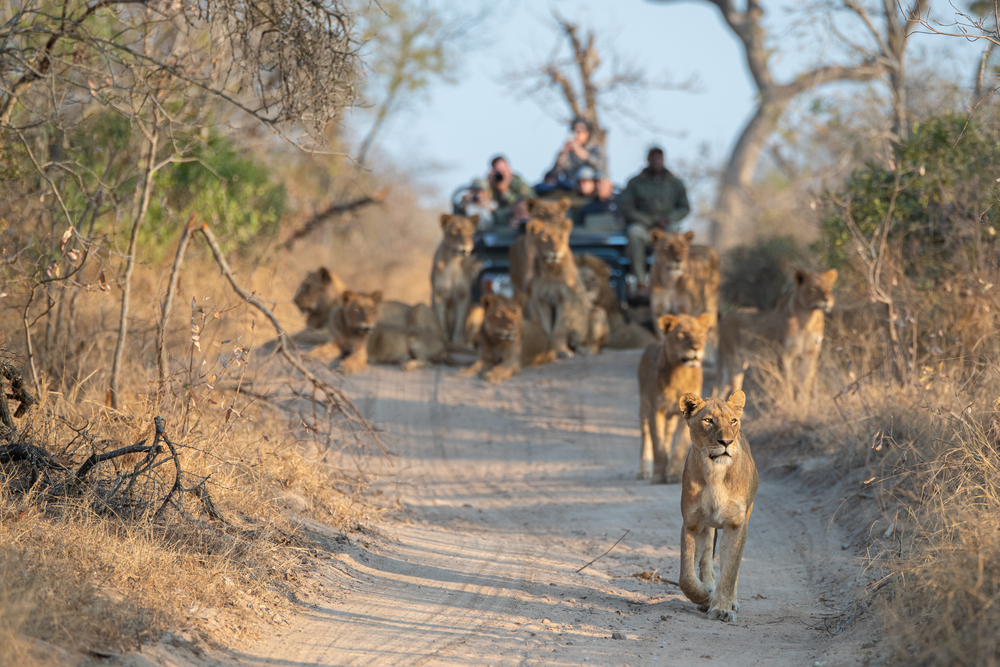
Guided Kruger safaris are conducted in open-sided 4x4s with a roof cover, and are adapted for optimal game viewing. The best time for game viewing is in the early morning, late afternoon, and evening. Within the Kruger National Park game drives depart from the rest camps and must stick to the park's extensive road network. The Greater Kruger National Park reserves, which limit visitor numbers, have their own rules when going on safari. It is an excellent idea to split your safari time and spend at least a couple of nights in Greater Kruger before heading into the main park on a self-drive. Kruger’s guides are trained and experienced, and these professionals are knowledgeable about Kruger’s wildlife and ecosystems and readily share information with visitors. The guides know where to look for specific animals and choose game-viewing routes that increase the likelihood of successfully spotting Kruger’s diverse wildlife species.
Walking safaris in Kruger are also popular as visitors get a closer look at the fascinating flora and fauna of the area. The walking safaris are led by armed game rangers with a wealth of knowledge to share. The safari guides decipher animal tracks and other signs of wildlife activity on the hikes and walks in Kruger, making for an intimate and unforgettable bush experience. Kruger Park has several animal hides from which to enjoy the wildlife and bird activity enhancing its position as an excellent safari destination for bird watching and wildlife photography.
The Kruger National Park caters for every budget. Many Kruger safaris cater for budget-conscious travellers, families, forty-plus, and couples on romantic getaways, while the Greater Kruger concessions offer a range of more exclusive options. Guests to Kruger will be spoilt for choice with a variety of accommodations on offer ranging from budget camping to luxury lodges, and chalets to hotel accommodations. Staying in Kruger could mean anything from a tree house or family bungalow to camping under the stars, or being pampered in an exclusive safari lodge, the choice is yours.
The Kruger National Park is the perfect self-driving and self-catering safari park. Every SANParks rest camp offers a variety of accommodation options from campsites to chalets, with access to communal kitchens, braai areas, and fully equipped bungalows with private kitchenettes. The main Kruger rest camps have petrol stations, shops selling basics, and sometimes a restaurant or cafe. Kruger’s rest camps are a haven for visitors to shelter for the night and are securely fenced off to keep predators out. Kruger rest camps range in size from basic campgrounds to small towns with supermarkets, restaurants, swimming pools, petrol stations, and even golf courses if that is your thing. Southern Kruger, being the most visited area, has multiple rest camps.
In addition to these main rest camps, there are a plethora of smaller camps scattered throughout the Kruger National Park, meaning that Kruger enthusiasts are spoilt for choice.
If the Kruger National Park was a country, the capital city would be Skukuza. Skukuza Rest Camp is Kruger's administrative hub, and the park's largest camp, offering advantages and some downsides. It's popular for wildlife viewing but can get crowded, especially during peak seasons. During quieter times, the vast public areas might feel deserted, but you benefit from dining options and nearby facilities. Another plus is that because of the high traffic, wildlife is more accustomed to vehicles here, with lions and wild dogs often seen nearby.
Skukuza has an abundance of accommodation that includes camping, caravaning, safari tents, bungalows, cottages, and guest houses. There is something for everyone and something for every budget.
The camp overlooks the Sabie River, offering hippo and crocodile sightings. Dining options include the Wooden Banana and Jackalberry Tree Restaurants, with river views. Lake Panic Hide is a nearby birdwatching spot, and Mathekanyane's viewpoint offers stunning sunsets. Explore the Stevenson-Hamilton Memorial Museum and Little Hero’s Acre, a poignant ranger dog memorial. Most evenings the outdoor movie place screens nature films. It is also possible to book game drives, walking safaris, and bush braais or breakfasts.
Skukuza is conveniently located near the Paul Kruger Gate, approximately 40 km from Hazyview. Skukuza has shopping facilities, a bank and ATMs, a post office and a petrol station. Credit cards are accepted, mobile reception is reliable, and medical assistance is available, with Skukuza being the only camp with a doctor on site.
When packing for your Kruger safari, try to think in terms of layers, comfort, and colour.
Kruger Park can be warm to hot during the day, while mornings and evenings can have a chilly edge, especially in the winter months. On early morning game drives, in an open vehicle, you will need a lightweight jacket, or fleece, long pants, and closed shoes. On safari, things do warm up quickly, so it’s important to be able to shed your jacket and have something lightweight and cool underneath. A cool, breathable shirt with long sleeves and a collar is ideal. Zip-off trousers can easily convert from longs to shorts, leaving you cool and comfortable. When evening falls and you head out on a game drive, think of this process in reverse. A small backpack comes in handy for shed clothing as well as water, sunglasses, and sunscreen.
Colour-wise, you want to keep your palette neutral for purely pragmatic reasons. On a Kruger safari, you want to avoid both black, white and anything bright. White gets grubby very quickly, black gets very hot and attracts mosquitoes at night, and colours like bright yellow or red frighten animals and attract bees. Natural hues like beige, greens, browns, and khakis are best.
Closed comfortable shoes are best for your days on safari, and a good pair of sneakers or trainers are perfect. Unless you plan on doing any actual hiking, hiking boots are unnecessary. For time spent in camps and lodges, a pair of slip-slops or Crocs can be a comfortable addition.
Yes. Visited by thousands of safari enthusiasts every year, the Kruger National Park is a safe safari destination.
Getting a safari package that includes a pick-up from O.R. Tambo puts your safety in the hands of experienced local guides who know the safest routes to travel on.
Back to the Top: Quick Links
The Kruger National Park does fall within a malaria risk area and although the risk is low, anti-malaria medication or prophylactics are recommended for visitors to the area. The best thing to do is to visit your local travel clinic a few months before your trip to Kruger and get professional medical advice.
For the best malaria protection, visit your local travel clinic for advice on malaria medication.
In addition to oral malaria prophylactics, DEET-based insect repellents like Peaceful Sleep and Tabard, are readily available in South Africa. Other preventative measures include mosquito pads, coils, electronic mobile apps, and good old-fashioned mosquito nets. Wearing trousers, and long-sleeved shirts is also an effective preventative measure.
Malaria prevention information for Kruger |
|---|
|
If you plan to visit during the peak safari season, book well in advance to avoid disappointment.
If you are doing a self-drive safari, be sure to do at least 1 guided safari game drive. This will deepen your appreciation of the African bush and the marvels of the Kruger National Park.
It is illegal to exit your vehicle in the Kruger Park. Stay in your vehicle.
Stick to the rules of the road. The speed limit is 50km/h for the safety of both you and the animals.
Kruger is massive. Take it slow and don’t try and see it all. The best safari experiences happen when you are moving slowly, or stationary.
With over 140 mammals, over 500 bird species, and a host of insects, reptiles, and amphibians, Kruger is about more than just the Big 5. Enjoy the incredible diversity of this amazing destination.
Pack a good insect repellent to keep the bugs at bay.
The African sun can be severe. A hat and sunscreen are highly recommended.
Take a reusable water bottle and stay well-hydrated.
Safety First: While exploring the Kruger National Park, keep in mind that you may encounter large and potentially dangerous wildlife, both in a 4x4 vehicle and on walking safaris. Accommodations in private reserves are often unfenced, and it's not uncommon for wild animals to pass through the camp. Pay close attention to safety briefings provided by your ranger and lodge manager. Don't hesitate to request an escort to and from your tent during nighttime.
Food always attracts animals so it's a good idea not to keep it in your room or tent.
Though most of your travel expenses will be inclusive, it's a good idea to take some cash for extras like curios, gifts, and tipping.
Tipping is customary in South Africa. How much to tip is at your discretion and depends on the quality of service and your satisfaction. For more info, you can read our in-depth guide to South African Tipping Etiquette.
Major credit cards are usually accepted at larger establishments and cash can be obtained from ATMs at the larger rest camps like Skukuza.
Always ask for permission to take photographs of people. This can be a sensitive issue, and it never hurts to check in before you raise your lens.
January is the peak rainy season in Kruger. The daytime temperatures can breach the 40°C mark and often culminate in heavy, dramatic afternoon thundershowers. While the landscape soaks up the water and is verdant and green, spotting animals in the dense bush can be tricky. The marula trees are bearing fruit, and January is an opportune time for keen birders.
In February, the summer rains persist, and the climate retains its warm and humid embrace. February is the month to witness the waterbuck breeding season, and birdwatching takes centre stage as migrant species have settled into the region, and resident breeding birds showcase their full plumage, making it a popular time for bird enthusiasts to explore the park.
March signals the conclusion of the summer season in Kruger Park and typically represents the final month of substantial rainfall. The park's landscape is lush and dense during this period, which can present some challenges for animal sightings. Expert guides ensure that tracking wildlife becomes an integral part of the safari experience during your visit to the Kruger. March is the breeding season for kudu and buffalo, making for some interesting game viewing.
The shoulder season is a transitional month where temperatures drop but the bush remains dense. April is the mating season for species such as impala, wildebeest, and warthog, offering frequent encounters with these remarkable animals.
May is another transition month. The landscape becomes less green as winter takes hold, and the migratory birds depart for warmer climates. Elephants move into northern Kruger from Zimbabwe and Mozambique, creating an impressive spectacle.
June is renowned as the coldest and driest month in Kruger. Early mornings and evenings are crisp and cool, but mild daytime temperatures are crowned by clear blue African skies. During this period, wildlife frequently gathers around permanent water sources, making game viewing easier. The cooler temperatures of July bring improved chances of spotting big cats like the elusive and sort after leopard, making this an ideal time for wildlife enthusiasts.
July is cold and dry. The crisp nights give way to clear skies and mild weather, making it an ideal safari climate. While the northern regions see fewer safari enthusiasts during this period, the southern part of the park buzzes with increased wildlife activity. For witnessing predators in action, the Sabie River is the go-to destination within the Kruger.
August marks the midpoint of the dry season in the Kruger. The scarcity of water at this time brings animals to the permanent water sources. Kruger’s southern region is at its most abundant and with the cool temperatures there are fewer mosquitoes and malaria is less of a risk. August is one of the best game-viewing months in Kruger but can get busy.
September is South Africa’s spring month. Temperatures warm steadily and become gradually more humid. Animals are still found congregating around water sources. Both September and October are considered excellent safari months in central and southern Kruger, as the bush is still thin before the summer rains.
October typically ushers in the beginning of the rainy season in the Kruger. Despite the daytime heat and evening rainfall, game viewing remains excellent as the bush remains relatively open after the dry and dusty months, but new growth begins to shade the landscape green. The game viewing is still excellent.
From November onward, the summer rains sweep across the Kruger, reaching their peak in January and February before subsiding around April. This transformation ushers in a lush, green landscape that provides a stunning backdrop for photography enthusiasts. November marks the official start of the Green Season which offers opportunities to witness young animals born during the summer. Bird watching is also excellent.
In December, the Kruger experiences the height of summer, characterized by hot and humid days that often culminate in spectacular early evening thunderstorms. It's advisable to consult a medical practitioner for guidance on malaria prevention when planning a visit to the Kruger during this season. To avoid crowds, especially during the extended December and January school holidays, it's recommended to explore the far north of the park or the Kruger's private reserves and concessions, which limit visitor numbers as part of their conservation strategy.
Fun Kruger Facts |
|---|
|
The Kruger National Park stretches across South Africa's Limpopo and Mpumalanga provinces. Running 350 km north to south and about 60 km east to west, the park, including the greater Kruger reserves, covers more than 20,000 km². It's renowned for its remarkable geographical diversity and plays a pivotal role in protecting some of Africa’s unique biodiversity.
Kruger’s landscape is diverse, ranging from plains that are occasionally interrupted by the rugged Lebombo mountain range, which runs along the park's eastern edge. The park is also crisscrossed by several significant rivers, including the Letaba, Limpopo, Sabie, and Umgwenya (Crocodile), which provide vital water sources for the rich and varied wildlife that call Kruger home. Mozambique lies to the east beyond the Lebombo Mountains, and the Limpopo River in the north forms the natural border between South Africa and Zimbabwe.
The altitude in Kruger varies from 260 m above sea level in the lower-lying areas to a peak of 839 m at Khandiwe near Malelane in the south. This topographical variation plays a vital role in the remarkable array of flora and fauna. The park encompasses sixteen distinct ecosystems, with 5 major ecological zones.
The smallest vegetation zone is located in the valleys of the Luvuvhu and Limpopo rivers along the park's northern boundary. This area is characterized by tropical, riverine forests, boasting towering wild figs, spectral fever trees, ebony, mahogany, ironwood, wild seringa, and iconic baobab trees. North of the Olifants River and running to the Limpopo River in the north is the hottest and most arid region, dominated by mopane trees which are well suited to the harsh environment. South of the Olifants River, on the eastern edge, higher rainfall and fertile soil support grasslands and acacia thorn trees where wildlife, including herds of impala, zebra, wildebeest, buffalo, and giraffe, thrive. The largest ecological zone lies between the Crocodile and the Olifants Rivers to the west which offers sweet grazing and an excellent habitat for antelope, the dominant tree species here is combretum, the bush willow. The area between the Sabie and Crocodile Rivers has higher rainfall and as a result, is thickly wooded making it the perfect habitat for leopards.
In essence, Kruger National Park's geography is a tapestry of diverse ecosystems and topographies, each contributing to the park's status as one of Africa's premier wildlife conservation areas and a sought-after destination for safari enthusiasts and nature admirers alike.
The Kruger National Park traces its origins to the late 19th century. The idea of preserving the Lowveld's diverse animal species took shape in 1884 when the area between the Sabie and Crocodile Rivers was designated for controlled hunting. However, it wasn't until 1898 that President Paul Kruger established the Sabie Game Reserve, which would later be renamed the Kruger National Park, marking a revolutionary step in conservation.
In 1902, James Stevenson-Hamilton, a Scottish-born naturalist, became the park's first warden, overseeing the Sabie Game Reserve. The park's transformation continued and in 1927—when the Sabie Game Reserve merged with the Shinwedzi Game Reserve, following the National Parks Act's proclamation—it officially became the Kruger National Park, attracting motorists who paid a £1 entrance fee. The Stevenson-Hamilton Memorial Library at Skukuza stands as a testament to these early days, housing a treasure trove of ecologically oriented books, paintings, and memorabilia for history enthusiasts.
The park's history runs deep, with evidence of Homo erectus inhabiting the area 500,000 years ago and cultural artefacts dating back between 30 to 100,000 years ago. Over 300 Stone Age human archaeological sites dot the landscape. Notable archaeological ruins are to be found at Thulamela and Masorini. In more recent times, the San Bushmen and Iron Age communities thrived in the region about 1,500 years ago, leaving scattered rock-art sites throughout, before yielding to the Nguni people from the north and European explorers and settlers who arrived in the 19th century.
The park's evolution owes much to the visionary conservationists of the 1950s and 1960s. In 1957, the first wilderness trails were introduced by Natal Parks Board ranger Ian Player, brother of legendary golfer Gary Player, and his mentor, Magquba Ntombela. Dr. Player's work in environmental conservation and his pioneering of wilderness trails and walking safaris played a pivotal role in shaping the Kruger National Park as we know and cherish it today.
Ready to start planning your Kruger National Park safari?
For an affordable private safari in the Kruger National Park, contact African Budget Safaris today. Our friendly travel experts are here to help you plan, choose, and design the best custom safari tailored to your unique needs and budget. Several of the Kruger Safaris packages combine South Africa’s top tourist destination, Kruger Park, with the surrounding private game reserves (like Sabi Sands Game Reserve) that form part of the Greater Kruger National Park. Many of the safaris to Kruger also visit other travel highlights in South Africa, such as Cape Town, the Greater St. Lucia Wetland Park and the Drakensberg Mountains, as well as nearby Eswatini, Lesotho and Mozambique. Your African Safari can last from 3 days, taking you to Kruger National Park exclusively, or up to over 50 days, travelling throughout southern and East Africa in an epic overland journey that includes a Kruger Park safari experience.
Use the Google map to explore Kruger National Park.
 An excellent-value Sabi Sands & Kruger Safari to a unique Tented Safari Camp in Sabie Sands Game Reserve - a great budget Big 5 safari in Kruger and Sabie Sands
Trip Style Kruger National Park Budget Safari Packages
 An affordable South Africa Safari that combines a Kruger Safari & Panorama Route Tour staying at a semi-luxury safari lodge in a private nature reserve in Greater Kruger area.
Trip Style Kruger National Park Budget Safari Packages
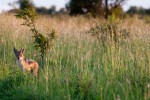 This Kruger Park Budget Safari is a Kruger Backpackers Lodge Tour combining Big 5 game drives in Kruger National Park, Balule & Tshukudu Private Reserve.
Trip Style Kruger National Park Budget Safari Packages
 Experience world-class game viewing in Greater Kruger National Park taking open 4x4 game drives and guided bush walks, whilst staying at an authentic tented camp in the Big Five Timbavati Game Reserve.
Trip Style Kruger National Park Budget Safari Packages
 More than a budget Kruger Safari, this diverse Kruger & Private Game Reserves Safari explores Kruger & Private Reserves, staying at private game lodges.
Trip Style Kruger National Park Budget Safari Packages
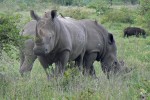 An excellent budget Kruger Safari to Kruger National Park & Private Reserves of Greater Kruger in South Africa. A quality Kruger camping safari.
Trip Style Kruger National Park Budget Safari Packages
 A unique budget Kruger Safari with Treehouse & Private Game Lodge stays. A special Big 5 African Safari to Kruger Park & Greater Kruger Private Game Reserves.
Trip Style Kruger National Park Family Safaris
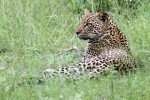 An affordable Kruger & Sabi Sands Safari staying at a semi-luxury Tented Safari Camp in Sabie Sands Game Reserve, South Africa. Enjoy Big 5 game drives in Kruger Park & Sabi Sands Game Reserve, and a guided bush walk.
Trip Style Kruger National Park Budget Safari Packages
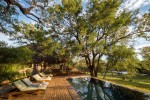 Comfortable Budget Kruger Safari to a Private River Lodge in Greater Kruger Park. Explores Kruger National Park, a private Big 5 game reserve & nature reserve.
Trip Style Kruger National Park Budget Safari Packages
 An excellently priced 5-day Kruger Safari & Panorama Route Tour staying at a small tented camp in Pretoriuskop Rest Camp within South Africa's Kruger National Park.
Trip Style Kruger National Park Family Safaris