
With the signing of an American law stating that manned missions to deep space, including to Mars, will be NASA’s primary goal, and the pumping of billions of dollars into the project, popular media has been aflutter with stories of missions to Mars. So you think you'd like a little vacation on the red planet, too?
Dennis Tito became the first ‘space tourist’, travelling to the International Space Station (350 km from Earth) on the Russian Soyuz spacecraft in 2001. Since then, the world has been watching Elon Musk and his ambitious plans to see humans living on Mars (54 600 000 km from Earth, give or take a few).
Dennis Tito's little trip cost a mere $20 000 000, to go 350 km. To go to Mars, 54 600 000 km from Earth? You do the maths.
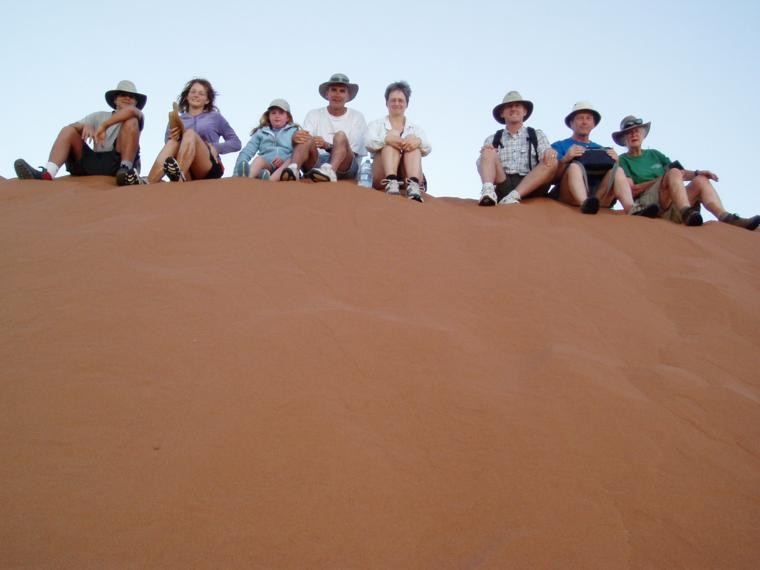
Fret not, though. You too can go adventuring into otherworldly lands. We have a far better idea: Namibia. Think similar (often red, like Mars) alien landscapes, but with the added bonus of being able to breathe, there being water and food available, and even fantastic African wildlife to see!

Namibia gets its name from the Namib Desert. The Namib is Planet Earth's oldest desert and it has been rocking the Mars look for about 55 million years (approximately 25 million Mars years).
Read on to weigh up the pros and cons of visiting Namibia vs. a trip to Mars.

To get to Mars, you first have to wait until the time is right, when Earth and Mars are favourably aligned, which happens only every 26 months. Currently, it takes a spacecraft six to nine months to reach Mars. Elon Musk says he’ll get that down to eighty days, possibly even thirty. That’s eighty days cooped up in a craft hurtling through space.
For some million dollars.

On the other hand, Namibia is a comfortable 12- to 14-hour flight from London or New York, in a plane with friendly crew that keep you fed and watered, movies to keep you entertained and, added bonus, normal gravity.
For some thousand dollars.

Let’s just say that hanging out on Mars will probably not be terribly relaxing. You’ll be expected to do all sorts of research, in what sounds like pretty uncomfortable conditions. Like hunting for water and collecting sand samples for the scientists back home.

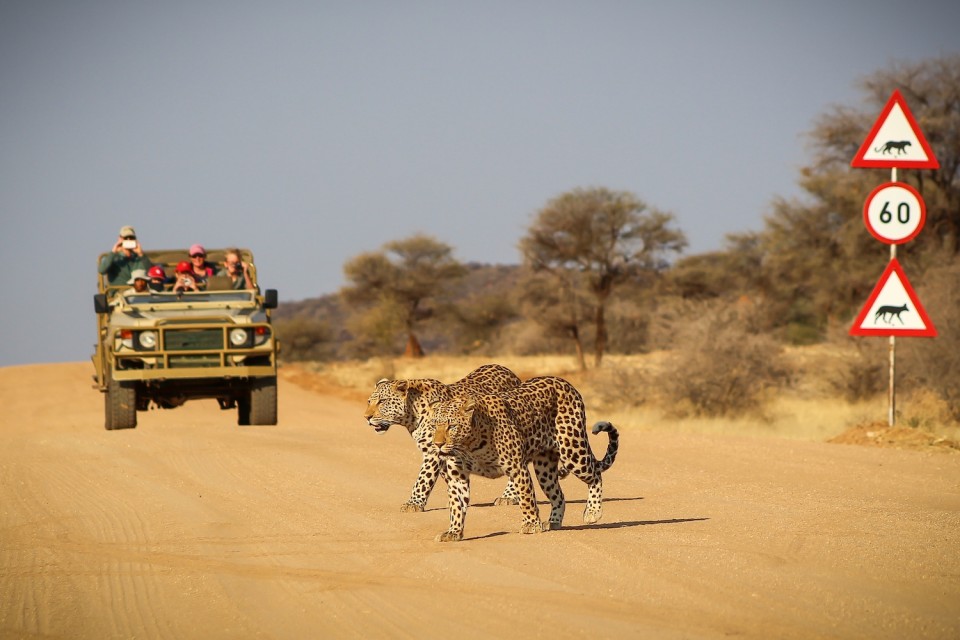
Namibia offers a smorgasbord of things to do and, while many involve sand too, they’re all fun. The landscape in many parts of the country has been compared to a lunar landscape, and it offers beautiful desert scenery, vast open spaces, red dunes, wild coastal plains and the setting for many great activities. Think dune boarding, world famous surf breaks, paragliding and, of course, game drives in some of the world’s most beautiful game parks.

As yet, Mars has been found to be devoid of any living creatures, perhaps due to the harsh environment. While various conspiracy theorists and alien believers have claimed to have seen/spoken to/been abducted by Martians, scientific proof is yet to be found.

Namibia is home to 200 mammal species, 645 bird species, 115 fish species, 50 frog species, 250 reptile species, 1331 arachnid species and 6331 insect species. In other words, a whole lot more than Mars.
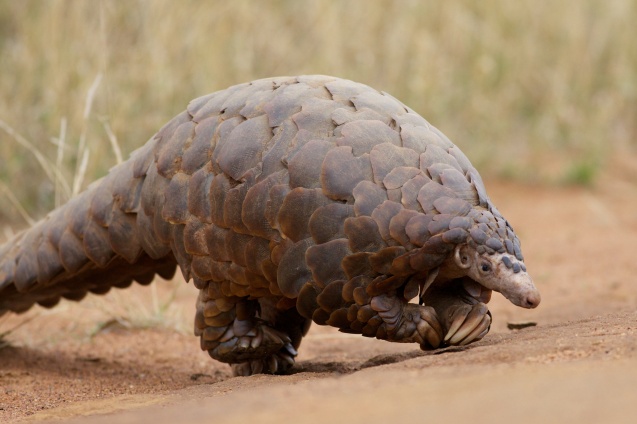
In Etosha, Namibia’s biggest game reserve, the Big Five are joined by many other African wildlife favourites including giraffe, zebra, an array of antelope and hyaena. And, while it would be understandable that you might think the li’l guy above came from outer space, he’s just a pangolin.
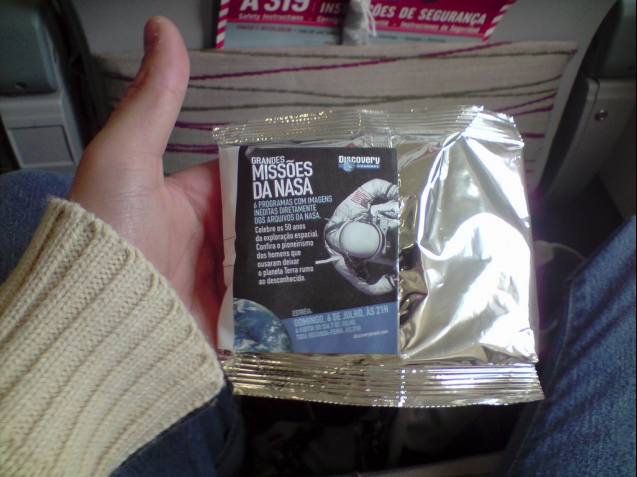
Let’s just say that Mars is certainly not – yet – a gourmet destination. There’s no water or food that we know of, so a trip there will offer up only specialised food shakes of sorts and vacuum-packed food that’ll be designed to give you all the nutrients you need, but none of the pleasure that food should give.
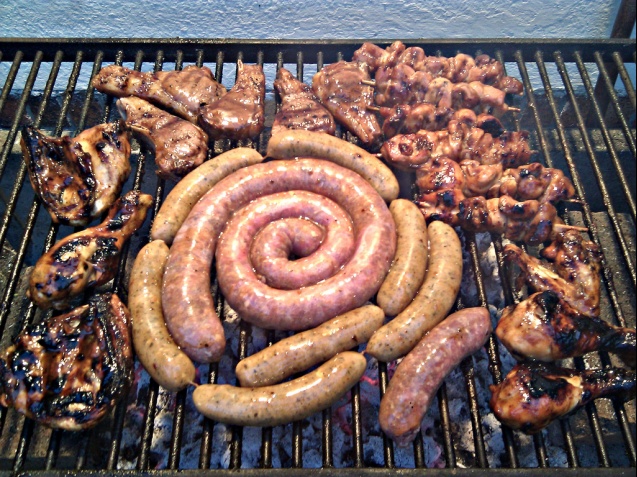
Namibians know how to appreciate (and make) food. From venison to some of the best beef and lamb, they cook and serve it in a variety of ways. Braai (barbeque) and kapana (a spicy version) are firm favourites, as are biltong (spiced and dried meat) and potjiekos (stew in a three-legged pot cooked slowly over the fire). Often, meat is served with stiff maize meal, a national staple, and the perfect way to scoop up tasty sauces.
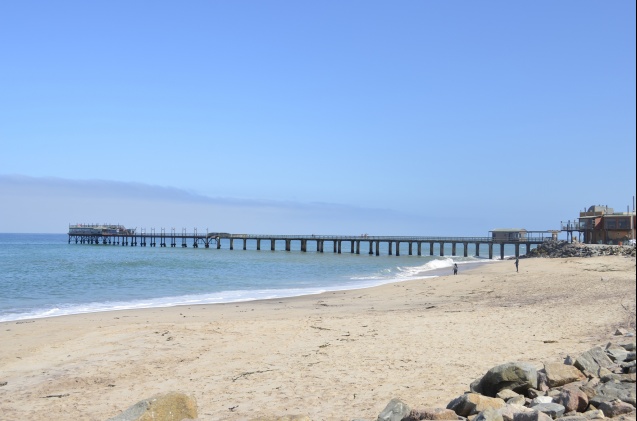
Ocean-fresh seafood – including oysters – is enjoyed along the coast. If you’re looking for Namibian delicacies, try mopane worms, fried in a crispy coating; Kalahari truffles (seasonal, usually in May and June); and Omajawa, which are large mushrooms that grow after the February rains in Okahandja.
In the current space shuttles, astronauts mainly sleep in 'sleeping quarters'. Well, in a cupboard, really, because without gravity, you’re not actually sleeping on something, rather just, you’re tying yourself to something or barricading yourself into a small space. It’s cramped and the sun rises every 90 minutes at the International Space Station. I think we’ll leave it there. On Mars itself? Well, there’s nothing. You’re going to have to build it first.
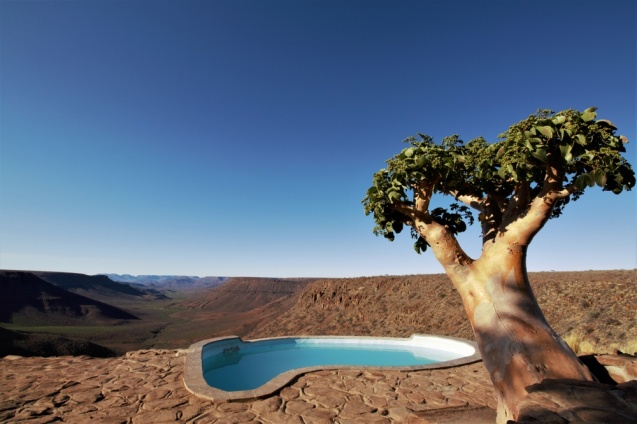
So the, comparably short, flight to Namibia may be a little cramped too, but nothing in comparison to a space shuttle. And once you’re there, the options are endless, from tents under the vast African sky to luxury lodges, and everything in between.

All of these lodges come standard with gravity and vast quantities of clean air to breathe.

In Namibia, there is no need to set up your own space camp after you touch down. These accommodations are pre-built and friendly staff are waiting to receive you.


So what’re you waiting for? Hang up your space suit, chuck your liquefied space shake in the bin and book your once-in-a-lifetime Namibian safari. Our ABS consultants are waiting for you.


Below you'll find further reading and articles related or similar to this post.




Call us toll free from US/Canada on 1-888-414-6513, or from the UK on 0-808-189-1052. All other countries can contact us on +27 21 791 0878.
© 2026 African Budget Safaris | Privacy | Terms | Cookie Policy | Consent Preferences