
These three electronic devices make delightful travel companions that will take your safari experience to a new level:
These three techie toys will enable you to get the best video and photographic footage on your safari adventures, as well as take care of your communication and entertainment needs!


New generation iPhones feature iSight cameras that boast superior performance - this means you can get amazing images and videos of the animals, landscapes and people you encounter.

The iPhone 6 is set to be released this year (maybe September), but if you can't wait for iPhone 5s and 5c cameras have been getting rave reviews. Rumour has it that the new iPhone 6 camera will use a software algorithm to reduce motion with electronic stabilisation. Image quality is also expected to improve through the use of more pixels. The iPhone 6 will probably be bigger than the current models, resembling Samsung's Android design.
Best new smartphone models include the Google Nexus 5, Samsung Galaxy S5, HTC One M8 and Nokia Lumia Icon.
Lugging a laptop around just isn't that practical - it's too big and heavy and you don't generally need all its capabilities on safari. My MacBook Pro was way too bulky and I really didn't need the full complement of applications and impressive hardware on the road.

With tablet computers, like the iPads, you can take, preview and edit photos, as well as shoot videos and watch movies. You can also write documents and create presentations if needed. It's great for on-the-road because it features an e-reader so you can read e-books while in transit or relaxing in your lodge room. These mobile computers also have fantastic games that you can occupy yourself with for hours and you can keep in touch with loved ones via FaceTime video calling and email using its 3G internet.

A serious drawback of taking an iPad, or other tablet computer, on safaris with you is that these electronic devices are not very tough. It's best not to take your tablet on game drives, to avoid dropping it and to pack it carefully (preferably in your hand luggage). A protective casing is also recommended.
Okay, this one is not a necessity as such, but it is one of the coolest toys you can take on safari with you. This is the techie gadget you want to take with you for some uber-fun.
This lightweight, durable and extremely versatile camcorder will enable you to take HD (high-definition) videos and stills of just about anything under almost any lighting conditions. This small personal video camera can be used to capture wildlife in the bush and any adventure activities you decide to do on your trip.
You can strap the GoPro (or similar device) to your body or mount it on all manner of things for high-quality footage (videos and photographs) of the animals you encounter, the places and people you see and the things you get up to.
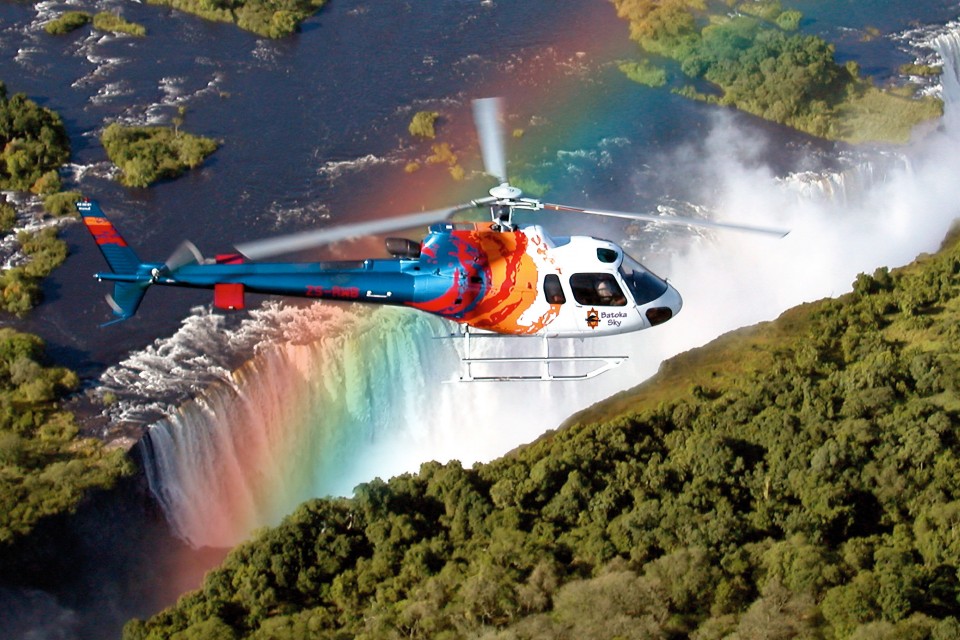
Just to give you an idea, the camcorder could film elephant-back rides, natural wonders like Victoria Falls, wildlife on game drives, mokoro rides in the Okavango Delta, bungee jumps, white water rafting on the Zambezi, skydives, sand boarding in Namibia, surfing, scuba diving and much, much more. As you may have gathered, this digital video recorder can be coupled with a waterproof casing and is very hardy.
Another recommended camcorder is the Panasonic HDC-TM700.
Getting your camera equipment up to scratch before you head off into the wilds of Mother Africa is worth it. If you have the budget you can better equip yourself for taking the best photos on safari by buying a new top-of-the-range DSLR camera and some serious zoom lenses, as well as upgrading your Smartphone. If you're taking a new camera or are a real beginner then investing in a photography course will go a long way too. There are heaps of photographic courses, including wildlife photography courses, and even specialist photographic safaris (if that falls within your budget).
Unless you're really scraping the bottom of the barrel (zero budget for camera equipment) you can look at doing one of the following:
The most popular digital cameras, point-and-shoot cameras are smaller and mostly cheaper than the Digital single-lens reflex (DSLR) models.

The compact digital camera cannot, however, compete with a top-of-the-range DSLR camera when it comes to quality, zoom and manual control. The DSLR is better for capturing images in poor lighting conditions, zooming in on wildlife from a distance and playing with images (mood, depth of field, focal effects etc). There are some point-and-shoot models with long zoom lenses, such as the Canon PowerShot SX40 HS, but these are slightly larger than the standard compact cameras.

Take a look at The 10 Best Digital Cameras featuring 4 top pocket cameras, and How to Buy a Point-and-Shoot Digital Camera on PC Mag.
Invest in a new lens for that basic DSLR you lug around to make the camera worth its weight.
For my last safari, I bought a nice 15-85mm lens for my Canon EOS 600D, which was a good option for my budget as it combines some wide-angle and zoom capabilities making it more versatile. Don't buy generic lenses for your camera and if you can, get a good flash while you are at it.


When you are game viewing the trade-off for carrying smaller lenses is that you can respond more quickly when the unexpected happens. It's a lot trickier to move quickly with a huge zoom and catch a lion chasing a springbok (or some other incredible wildlife action) than it is to whip out a smartphone, a point-and-shoot camera or even a DSLR with more manageable lenses.
The Smartphone, tablet computer and new generation camcorder are three versatile gizmos that add new and exciting dimensions to the African safari experience. Of course, you can still enjoy the safari experience of a lifetime the old-school way - without these new gadgets, especially if you are not a techie or photography enthusiast. Your trusty old camera should do the job, but the results cannot be compared with the spectacular images and video footage you can capture now.
Do you really want to miss out on the added convenience, superior documenting and extra fun these electronic devices bring to an African safari adventure?

Below you'll find further reading and articles related or similar to this post.




Call us toll free from US/Canada on 1-888-414-6513, or from the UK on 0-808-189-1052. All other countries can contact us on +27 21 791 0878.
© 2026 African Budget Safaris | Privacy | Terms | Cookie Policy | Consent Preferences