

Get 25% discount for tour departures between 01/07/2026 and Find out more
Book by 30/06/2026 for tour departures before 30/06/2026 & Find out more
Get 20% discount on these camping safaris departing between Find out more
Journey from Cape Town to Victoria Falls on this affordable African Camping Safari, exploring Southern Africa's premier wilderness areas and iconic attractions.
Starting in Cape Town, immerse yourself in local culture with a Cape Flats township tour before heading north through the scenic Cederberg Mountains into Namibia. Discover the magnificent Fish River Canyon and towering red dunes of the ancient Namib Desert. Experience adventure activities in Swakopmund, marvel at ancient Bushman rock art in Spitzkoppe, and encounter abundant wildlife in Etosha National Park before reaching Windhoek.
In Botswana, connect with San Bushman culture in the Kalahari Desert before exploring the pristine waterways of the Okavango Delta. Your safari adventure continues in wildlife-rich Chobe National Park, home to Africa's largest elephant herds, before concluding at the magnificent Victoria Falls in Zambia, where optional activities await.
During this African safari, you are likely to encounter activities that encourage tourists to interact with lions, elephants, or other wildlife. This includes walking with lions, riding elephants, and any other tourist operation that puts travelers in close contact with animals that would normally live in the wild and separate from human contact.
We absolutely do not encourage or endorse this type of wildlife interaction operation. For more information on why this is not good for Africa's wild animals, please see our detailed blog post on the subject.



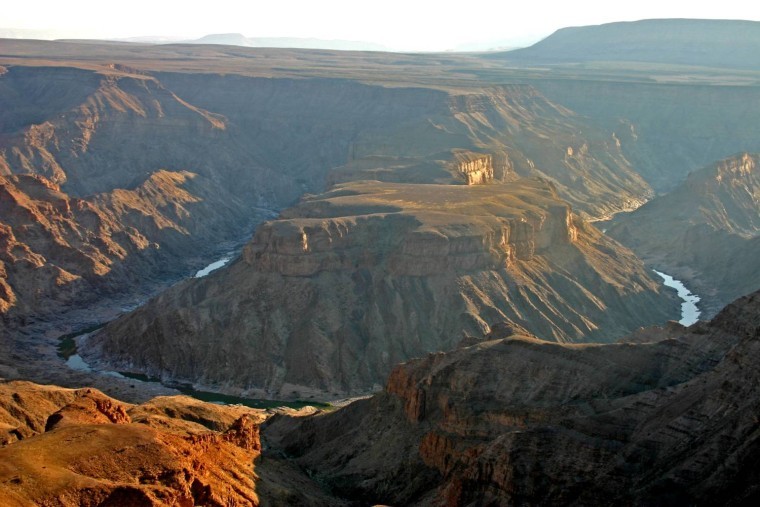
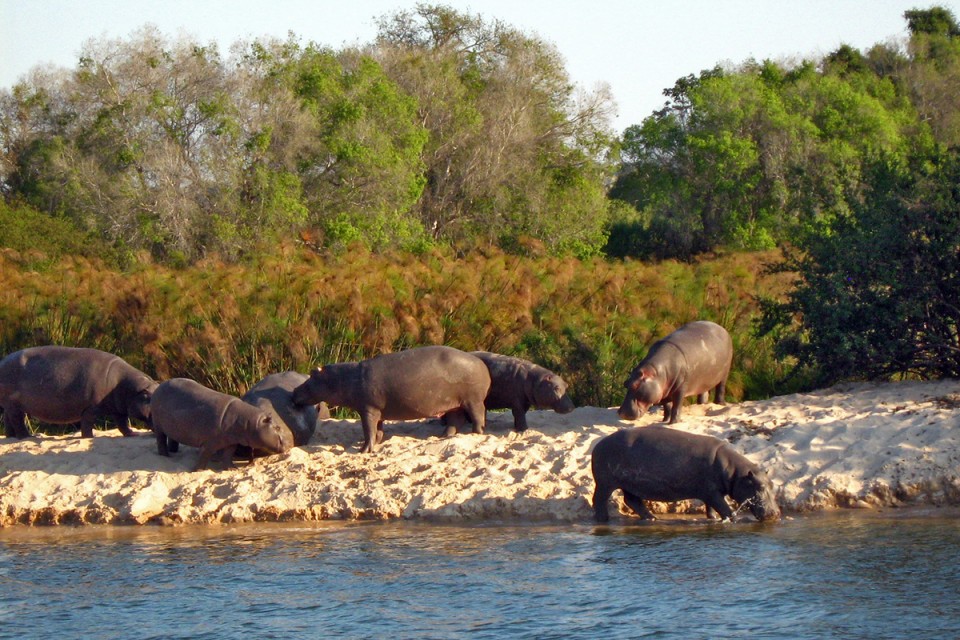
South Africa, Namibia & Botswana Camping Safari Highlights:
This budget South Africa, Namibia & Botswana Camping Safari starts in Cape Town, known as the Mother City of South Africa. Leaving the landmark Table Mountain and scenic city of Cape Town behind we make our way to the Cape Flats for a township tour of some of Cape Town's famous townships.
Our Cape Flats township tour gives us a chance to experience some of the vibrant local township cultures. Visit community projects and meet some of the local people in South Africa’s dynamic informal settlement areas. This exciting township excursion offers insight into the turbulent history and current state of the country, as well as the daily lives of these South Africans.
Our journey continues north through the changing landscapes of South Africa's Western Cape, starting with winelands, fruit farms and green hills.
We spend our first night camping under African stars in the northern part of the Western Cape Province en route to the Orange River. We stay near the small town of Citrusdal and the Olifants River at a campsite with views out over the majestic Cederberg Mountains. After setting up camp you can do a spot of wine tasting (extra cost), to sample some of the fine regionally produced wines. On the first night, you will have time to get to know your fellow travellers a little better and get into the swing of being on the road in Southern Africa.
Note: We recommend that you arrange to spend a few days in the cosmopolitan city of Cape Town before your safari adventure. One of the most beautiful cities in the world, Cape Town has something for everyone, from outdoor activities and wineland tours to world-class shopping and lively nightlife.
Next, we travel north through the open landscapes of Namaqualand, marvelling at the fields of wildflowers in springtime. Continuing through rockier and more arid terrain we head to the Namibian border, marked by the Gariep River. Here we cross from South Africa into Namibia at the Vioolsdrift border post.
We camp on the Namibian banks of the Gariep, formerly Orange River, on day two of this Southern African Safari, enjoying a marvellous African sunset. With its source in Lesotho’s Drakensberg Mountains, the Gariep River is South Africa’s longest river, almost traversing the continent of Africa.
You have the option of hiking up to the viewpoint above the campsite and taking a canoe trip on the Orange River tomorrow morning. Alternatively, you can simply relax in this unspoiled natural setting and take a swim in the river. The camp is remote but not too basic, with facilities including hot showers, flush toilets and grass-covered camping sites Enjoy sundowners and soak up the peaceful river setting under a blanket of bright stars.
Today we embark on the optional canoe trip or swim in the river and relax at camp, before continuing north through rural Namibia. This Southern African country is a desert land of stark contrasts, best known for its impressive sand dunes.
We drive to the Fish River Canyon, arguably the largest canyon in Africa and the second largest in the world. This beautiful natural wonder is around 500m deep and over 160km in length. We explore this scenic area enjoying spectacular views over the sharp “Hell’s Bend” corner of the canyon. We camp overnight not far from the immense canyon in this rugged part of southern Namibia.
From the Fish River Canyon, our South Africa, Namibia & Botswana Camping Safari takes us north into one of the oldest deserts in the world, the Namib Desert.
We make our way to Sesriem, which lies close to the Namib-Naukluft National Park, serving as a good base for exploring this striking park. The Namib-Naukluft Park incorporates a vast swathe of the Namib Desert, as well as the Naukluft Mountains in what constitutes Africa's second largest game park.
Tonight we camp under starry Namibian skies in the desert near Sesriem, watching for wildlife at the waterhole where gemsbok are often spotted.
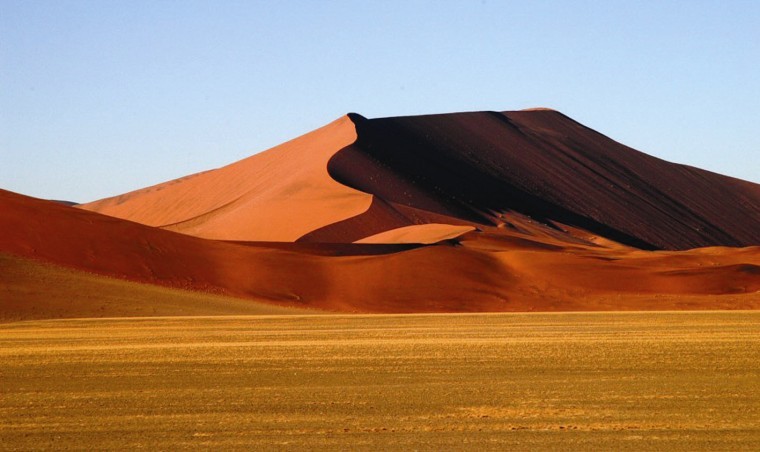
This morning we venture into the Namib-Naukluft Park, one of the largest game parks in the world, and Namibia’s largest conservation area, covering 50,000 sq km of dunes, plains, mountains and pans. In the Namib Naukluft Park, we visit some of the world’s tallest sand dunes, some reaching over 300m high, at Sossusvlei. The towering orange-red dunes at Sossusvlei are ideal for photographic opportunities, especially for sunrise or sunset desert landscape shots.
We climb to the top of the famous Dune 45 to watch the sunrise over the open desert.
After a hard-earned breakfast, we continue deeper into the park with a nature walk to Dead Vlei. Here we walk through the giant sand dunes to experience the unspoiled desert environment of Namibia. Bring your camera – the shifting colours of the desert as the sun climbs throughout the mid/late morning offer some brilliant photographic opportunities.
Then we visit Sesriem Canyon, walking into the narrow gorge to see the layers of sedimentary rocks exposed through ages of erosion. Leaving the mesmerizing Namib behind, we head to the small town of Solitaire in the Khomas Region of Namibia, where we overnight.
Next, our overland tour journeys to the Atlantic coast, stopping to take photos as we cross the Tropic of Capricorn. We arrive in Swakopmund where the cool Atlantic ocean breeze and chill waters offer a welcome change from the heat of the desert.
After the silence of the Fish River Canyon and the Namib Desert, we explore the vibrant town of Swakopmund, located between the Namib Desert and the Atlantic Ocean. The quaint town of Swakopmund is Namibia’s premier seaside resort, featuring palm-lined avenues, beachside promenades and a distinctive German-infused charm. Take a sightseeing stroll through the unique town and relax at one of the street-side cafes or get your adrenaline pumping on one of the adventure activities. There are plenty of adventure activities to choose from at Swakopmund including kayaking, quad biking, sand boarding and skydiving, as well as scenic flights and guided desert walks.
Only breakfasts are included in Swakopmund, allowing you to fit other meals in according to your activities, which sometimes include lunch. There are plenty of sidewalk cafes and restaurants to choose from in town, with German cuisine and seafood being popular options.
Departing from Swakopmund our camping overland tour takes us inland to Damaraland, now part of the Kunene Region of Namibia, making our way to Spitzkoppe.
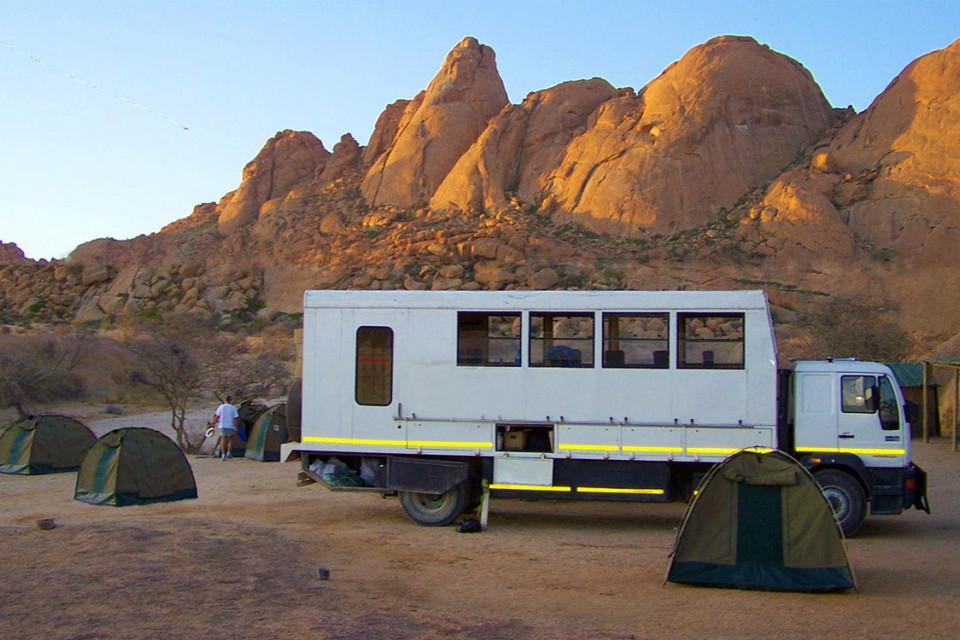
The remote Spitzkoppe area is scattered with exposed granite formations that we explore to see the ancient rock paintings of the San Bushmen. Visit “Bushman Paradise”, the best example of rock art at this site and look out over the dramatic lands from the natural rock bridge. The peculiar rock formations reach up to 1728m above sea level, offering spectacular views. Explore this dramatic area of Namibia, soaking up its stillness. Witness the ever-changing colors of the rock formations, especially at sunrise and sunset, when they take on intense red shades.
Our Spitzkoppe Camp, located at the base of the rocky mountain, is owned and maintained by the local community. All proceeds from our stay contribute to a better future for the local community at Spitzkoppe.
From Spitzkoppe we continue journeying north-east to Etosha National Park. The game park is dominated by a vast salt pan, called the Etosha Pan, with Etosha meaning the "Great White Place"
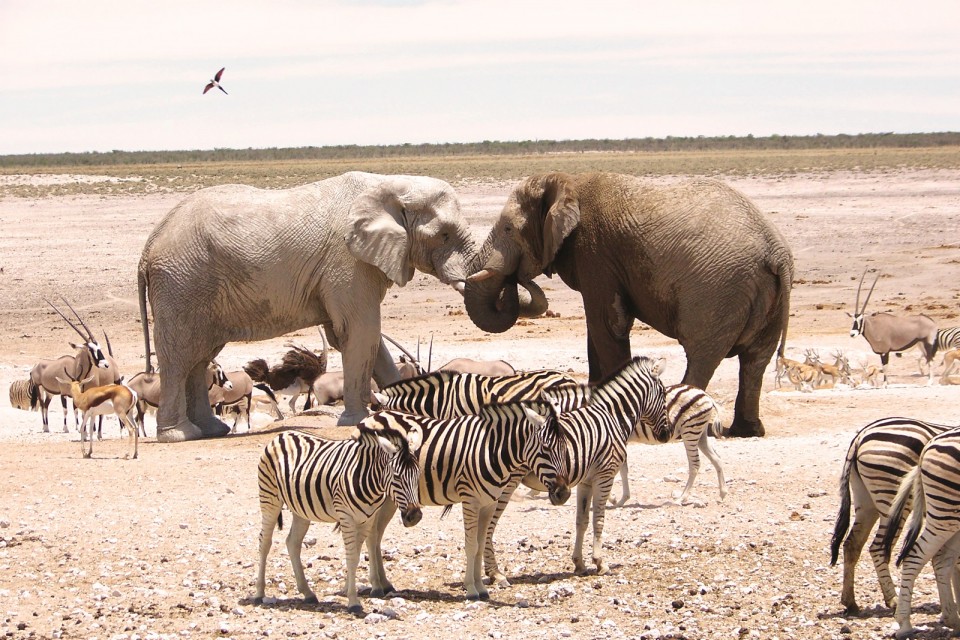
We stay inside Etosha Park for the next two nights, camping near one of the watering holes, which are floodlit at night offering exciting nocturnal game viewing. This opportunity to watch wildlife at the watering holes in the night is the game-viewing highlight of a trip to Namibia! Commonly sighted wild animals include elephants, giraffes, and zebras, as well as sometimes lions and hyenas.
We embark on a short afternoon game drive upon arrival in Etosha and spend the whole of day 10 game viewing.
The 20,000 km² Etosha Park is home to thousands of wild animals and is considered one of the most important game reserves in Southern Africa. This vast game park is inhabited by around 340 bird species and over 100 mammal species, notably the endangered cheetah and black rhino, as well as black-faced impala, tsessebe, roan antelope, and gemsbok. In the rainy season, shallow lakes form on the pan, with the watering holes supporting Etosha’s wildlife all year round.
Today our South Africa, Namibia & Botswana Camping Safari heads south to Windhoek, Namibia’s capital city, for a night in the town.
In Windhoek, we eat out and enjoy some nightlife, after our days spent out in the untamed wilderness areas of Namibia. Explore Windhoek, located in the geographical centre of Namibia, and discover its colonial German heritage and architecture.
The city of Windhoek is located in a basin between the Khomas Highland, Auas and Eros Mountains of Namibia and lies at 1,680m above sea level.
On day 12 of our Africa overland safari, we depart from Windhoek and head east towards Grobabis, a city in eastern Namibia and the regional capital of the Omaheke Region. Our camp is located near the border post, offering a serene and immersive setting. Here, in the heart of this beautiful landscape, we meet the San/Bushman people and embark on a guided bush walk, gaining a deep cultural insight into their ancient way of life. During this experience, we learn how they harmonize with nature, utilising the renewable resources around them while maintaining the delicate balance of the ecosystem—a valuable lesson for us all. By supporting this ecotourism venture, you contribute to providing the San/Bushman with a sustainable income and help preserve their unique culture for future generations.
This morning we leave the Omaheke Region of Namibia and continue the distance to the Botswana border. We then head to Maun from where we enter the Okavango Delta, renowned as the jewel in Botswana's crown. The Okavango Delta is the world's largest inland delta, covering 1.6 million hectares of natural waterways and pristine wilderness.
Maun is a lively tourism hub situated along the wide banks of the Thamalakane River where red lechwe antelopes can be seen grazing side by side with local donkeys, goats and cattle. This town, founded in 1915, is known as a hard-living 'Wild West' town and today features an eclectic mixture of modern buildings and traditional-style huts. Maun is infamous for its roaming donkeys and goats, that stand around town where the local farmers gather in countless taxis to sell their goods on the roadside.
If time allows then you can take an optional scenic flight over the Okavango Delta this afternoon. The scenic flight gives you a bird's eye view over the delta, allowing you to fully appreciate the vastness of this beautiful Botswana wilderness area. The views over this vast and pristine wildlife haven will take your breath away! Look out for hippos, elephants and buffaloes in the waterways and bush and see the watery channels meandering their way through the Delta in the intricate web of this changing wetland system. Alternatively, we may have time for the optional scenic flight on day 15 when we return to Maun.
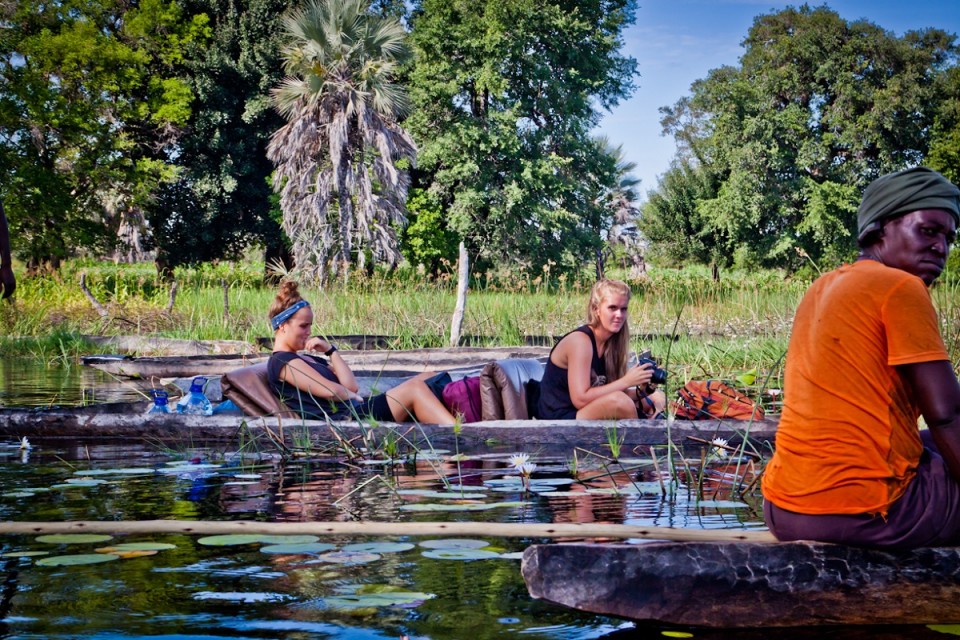
This morning we drive to a mokoro station on the fringes of the delta in a 4x4 vehicle and then switch modes of transport to the more traditional mokoro. We make our way deeper into the delta by mokoro, a dugout canoe poled along by a local who stands up in the vessel.
Tonight we camp in the Okavango Delta, experiencing this unique wilderness area and its wildlife up close. The delta, with its source in Angola, spreads out in an intricate web of channels on the flat plains of Botswana emptying into the Kalahari Desert. Knowledgeable and experienced local guides will accompany you in this extensive wetland system “poling” you through the labyrinth of winding channels and lagoons in traditional mekoros.
You will also have the opportunity to explore the delta on a thrilling bush walk. Exploring the narrow channels of the delta we look out for wildlife including hippo, crocodile and an array of birds amongst the giant lily pads and tall grasses of the reed-fringed islands.
Our overnight tented camp is set beside a lagoon in the watery Okavango Delta. We stay in twin-share tents with en-suite bathrooms at this bush camp, which is often visited by roaming elephants. At night you can hear the sounds of the African bush surrounding you for miles as you sleep under starry skies in this remote wilderness – the wildlife experience of a lifetime!
We glide gently out of the pristine Okavango Delta in Mekoros, transferring back to Maun by road from the Mokoro station.
Arriving at the camp outside Maun in time for lunch the afternoon is free for you to relax at the lodge and unwind by the pool, or embark on an optional flight over the Okavango Delta - an unforgettable experience. Enjoy the sweeping views over the pristine bush and winding waterways gaining perspective on the sheer size of the wetland system that you explored on the ground.
Leaving Maun we continue along the wildlife corridor where migratory species move between the Nxai Pan and the main Makgadikgadi Pans.
Along the way to Nata, we pause to look at the impressive baobab trees of Botswana. Then we head to Elephant Sands, near Nata, arriving in the late afternoon. Our next camp is unenclosed, providing the opportunity to view wildlife, particularly elephants up close. Watching wildlife move freely from one waterhole to the next, from such close range, is a special African experience.
From Nata, we drive north to Kasane, the gateway to game-rich Chobe National Park in northeastern Botswana.
Chobe boasts one of the highest concentrations of wildlife in Africa, covering 12,000 sq km of unspoiled wilderness. Famous for its large elephant population, estimated at around 40000 strong, Chobe Park is an excellent place for sighting elephants among other wildlife. Chobe is home to lions, zebras, buffalo and a variety of antelope species, as well as an abundance of birdlife, including the African fish-eagle.
Here we take a ‘Fish Eagle’ boat cruise on the Chobe River – an excellent opportunity to spot hippos, elephants, buffalo and even lions along the river. Embarking on a Chobe River boat cruise in the late afternoon we admire a scenic sunset and see the abundance of birds drawn to the river.
The Chobe River flows along the Northeast border of the game park and serves as a major watering hole for large herds of breeding elephants, as well as families of giraffe, sable and cape buffalo (especially in the dry season from May to October). The Chobe floodplains are the only place in Botswana where the puku antelope can be sighted, along with numerous carmine bee-eaters in season. During flood times spoonbills, ibis, various stork species, ducks and other waterbirds flock to the river area of Chobe.
On the morning of day 18, we enjoy an open vehicle game drive in Chobe, going in search of the abundant wildlife and birds found here. After exploring the wildlife haven of Chobe Park we cover the short distance to our next stop at Livingstone, on the Zambian side of Victoria Falls. We cross the Zambezi River by ferry and drive to nearby Livingstone town, where we set up camp on the banks of the mighty Zambezi River. Livingstone lies a few kilometres from Victoria Falls, the largest sheet of falling water in the world, at 1 708 m wide and 108 m tall.
We visit the Falls to see this natural wonder up close! Witnessing the impressive spray rising from the Zambezi as it plummets over 100 m’s at Vic Falls, you will understand why locals call it Mosi-oa-Tunya, which means the “Smoke that Thunders”. When the Zambezi is flowing strongly the spray at Vic Falls can be seen from as far as 20 km away.
The days in the Vic Falls area are free for you to explore Livingstone town or participate in the wide variety of adventure activities on offer. During our stay at Victoria Falls, there are plenty of exciting activities to choose from, including white water rafting, scenic flights, bungee jumping, canoeing, game viewing, Zambezi river cruises and more. Relax beside the Zambezi River, keeping an eye out for hippos and crocodiles or take a day trip into Zimbabwe if you feel like exploring. Your guide can provide you with information and advice about the wide array of adventure activities on offer here.
Our overnight camp near Livingstone features a reasonably priced restaurant overlooking the Zambezi River or you could choose to eat at one of the local spots in Livingstone. During our stay at Livingstone breakfast is included in the tour price, allowing for flexibility with your other meals while you are on the move. A budget of between US$15 and $30 per meal is recommended for your other meals.
The action-packed South Africa, Namibia & Botswana Camping Safari ends after breakfast on day 19.
This overland tour comes with a highly recommended Adventure Pass, which is charged in addition to the tour price. We strongly recommend the Adventure Pass, as it includes major tour highlights and activities. The Adventure Pass can be pre-purchased when booking your tour, or at the start of your trip, payable in cash, directly to your tour guide.
Contact African Budget Safaris for a detailed and up-to-date itinerary description, showing exactly what is included in the Adventure Pass. See Full Pricing Info above for the Adventure Pass cost.
Transport on this tour is in a 24-seater, custom-built safari truck. The self-contained truck is fitted with onboard tables, individual lockers (70 litres) (700mm deep x 330mm height x 540mm wide) and a freezer, as well as safety features. The safari truck also features a USB charging station, drinks cooler box, external water tank and small library. Travel includes mokoro (dugout canoe), a river boat, and a purpose-built safari vehicle.
The group prepares these meals in camp and help with preparation is invited. Most dietary requirements can be catered for on the road, upon request at the time of booking.
Some of our National Park visits and game viewing drives are conducted using local services, to ensure the best quality game driving and to comply with local authority rulings. Using local African guides and service providers also adds to our safari experience and allows us to contribute to the local communities.
For up-to-date and confirmed pricing info for optional items, please drop us an enquiry.
This tour does take children.
All Cape Town Departures |


Travel from Victoria Falls to Cape Town on a 19-day overland camping safari via Chobe, Okavango Delta, Etosha and the Namib Desert.

Cape Town to Victoria Falls Africa Overland Tour: a budget camping safari from South Africa traveling to Namibia and Botswana, ending at Victoria Falls in Zimbabwe.

A perfect overland lodge safari for over forties, starting in Cape town and covering less-explored and famous areas of South Africa, Namibia and Botswana before ending at Victoria Falls.
More on this 20 Day Forty Plus Safari

Southern Africa Safari from Cape Town to Victoria Falls: a camping safari for seniors in South Africa, Namibia, Botswana and Zimbabwe - ideal for guests over 40
More on this 20 Day Forty Plus Safari
__small.jpg)
Travel from Cape Town to Victoria Falls on a 20-day overland lodge safari through Namibia and Botswana. Explore the Namib Desert, Etosha, Okavango Delta, Chobe and Victoria Falls.
This Africa Overland Tour (small group tour) travels by luxury 4x4 overland vehicle from Cape Town to Victoria Falls via South Africa, Namibia & Botswana
More on this 20 Day Budget Lodge Safari
From Cape Town, travel through South Africa, Namibia, Botswana & Okavango Delta, Vic Falls, Zambia, Malawi, Tanzania & Zanzibar, ending in Nairobi on this budget Africa Overland Camping Tour
This 12-day budget Southern Africa camping safari from Cape Town to Windhoek starts with a Cape Flats Township Tour to the Orange River and Fish River Canyon. Explore Namibia’s ancient deserts, charming towns and Etosha Game Park.

11-day budget camping safari through Namibia, visiting desert landscapes and wildlife areas. Includes overland travel, camping experience, itinerary overview, and pricing.
Our team has the destination knowledge to help you plan an unforgettable African adventure. We're based in Cape Town and ready to help.
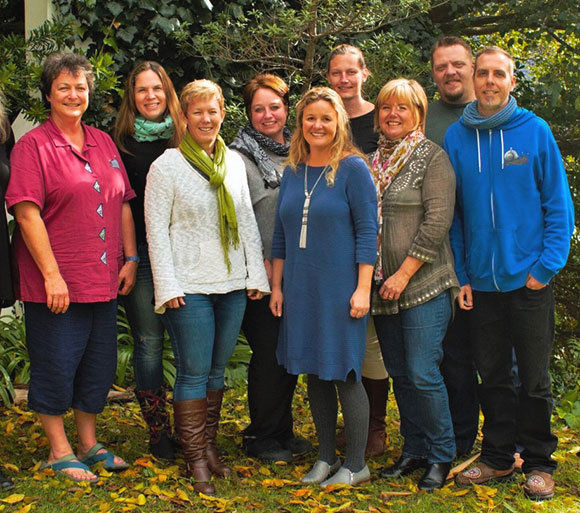
We can also plan you an affordable private group or tailor-made tour. We built our business on turning luxury travel into affordable travel.
