This post is for travellers planning their first African safari trip. You may know where you want to go, when, and for how long, but do you know how much money you'll need?
If you're booking a safari package, the chances are excellent that you will also need to budget for flights and possibly a night's accommodation before and after your trip as well. In addition to the big ticket items, there are also food, tips, travel insurance, and a few other costs to consider.
In this post, we’ll cover everything from the big expenses to the small costs so that you don't have to sweat it. Figuring out your budget before you book can be quick and stress-free if you do it right from the outset. With a little bit of thought and planning, you can save enough cash to give you some extra spending money, or even extend your holiday.
Many of the larger costs of your safari trip can be paid for well in advance. These include flights, safaris, accommodation (often just a deposit), visas, and medical insurance/vaccinations etc. If you're booking a safari package, the chances are the only accommodation costs you will need to budget for are your pre- and post-tour accommodation. Some packages may also include a free night of accommodation at the start or end point of your safari tour.


The low season is considered to be the rainy season, as many of the lodges close due to inaccessibility. If you don’t mind a bit of rain, it’s well worth looking for those that remain open, as they do have specials during the rainy season(s).
Kenya and Tanzania usually experience their main rainy season from March to May, with a shorter one around November/December.
Zambia’s main wet season is November to March and many lodges and parks close during this time. Botswana is similar, with rains from December to March.

Again, flight prices change according to whether it’s high or low season. If you don’t have a fixed amount of time in which to travel it’s worth looking out for specials and flying in out-of-peak season. Be careful, though, with specials, as often they may entail uncomfortable travelling times and numerous layovers on the way!
When comparing and booking flights also watch out for ‘excluded’ costs. Is the quoted price the actual price you’ll be paying, or are there a whole bunch of extras? Taxes can be huge, as can the ‘hidden’ costs of visas, excess baggage, and even food (at airports and on the plane.) Beware of the pesky small print – read every word before clicking on ‘Pay’!
Another hidden cost that is often missed is transport to and from airports. Many of the ‘cheaper’ flights fly into lesser-known airports which may be further out of the city. The added cost of a transfer in/out may make the ticket the more expensive option!
Flights within Africa are notoriously expensive. Distances can be huge, though, so you need to weigh up the fuel and time costs of travelling by road (and whether there are reasonable roads in the area you’re visiting) versus the cost.

As with your international flights, many of the ‘cheaper’ flights fly into lesser-known airports which may be further away from your desired destination. The added cost of a transfer in/out may make the ticket the more expensive option!
Many African safaris especially in Southern Africa, offer a self-drive option. Distances, however, can be vast, so some serious research into distance and road quality is necessary before deciding. Fuel costs are high, but there are always special offers on car rentals, so it’s worth a look.

Road conditions tend to deteriorate the further north in Africa one goes. Many areas require a 4X4 vehicle and a driver experienced in rough road driving. Here, again, there are options. Numerous companies offer a ‘guided’ self-drive tour. Basically, you hire a car and a driver to drive it. This is a great way to see the country and get to know the locals too.

Travel insurance is compulsory when booking with African Budget Safaris. Many banks offer travel insurance if you book flights on your credit card. Check the details and the fine print though, because you may find not everything is accounted for, and in this case, you will need to buy separate insurance.
Some of the important things to be covered are...
African Budget Safaris partners with Global Rescue to offer travel protection services and comprehensive travel insurance with IMG Signature Travel Insurance. Find out more about travel insurance for Africa.

While there, get a list of items that you should take as part of your First Aid Kit and budget for them too. Many areas visited on safari are rural and far from any medical help, you want to be well-prepared!

Visa requirements differ depending on the country you're travelling to, and what passport you hold. Some countries require you to apply (and pay) before you leave on your trip, while others require you to buy it on entry into the country. Be sure to include these costs in your budget.
Passport requirements, too, differ from country to country. Some countries require that the expiry date is at least six months after entry. Others require a certain number of blank pages in your passport. Check these requirements before booking your safari trip as renewing passports can take a while (and add cost).
Now that you know the major safari expenses, you can follow our simple 8-step guide on How to Plan the Best Safari on a Budget to get the ball rolling.
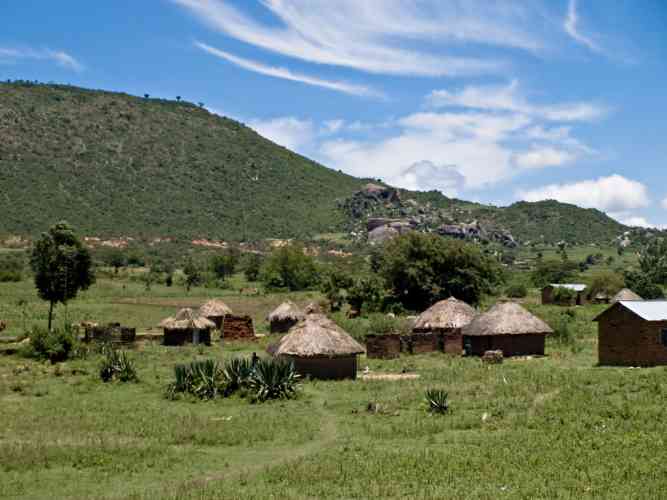
While accommodation on a booked safari trip is mostly included in the total cost, accommodation before and after isn’t. Also, the accommodation offered on the safari trip affects the price significantly. Staying in a tent that you put up yourself versus a 5-star luxury safari lodge can be the difference between $100 and $1000 per night.
These are of course by no means your only options. There is, especially in South Africa, a whole range of accommodation types to suit every budget and every comfort requirement. If you're budget-conscious, your accommodation – certainly pre- and post-safari – can be just a place to lay your head. Hopefully, you’ll be sightseeing and exploring the rest of the time.
When planning to book accommodation for your safari, check on what is included and not – meals, game drives, etc. Often places that offer all-inclusive packages are actually more economical than paying for each aspect separately. Again, don’t forget to factor in transfers from airports to destinations.

Many, though not all, safaris have a Kitty or Local Payment amount which is given to the tour leader at the beginning of the trip. This payment is usually made in US dollars. Be sure to ask your consultant if there is one, and how much it is, to include in your budget.

All safari trips offer optional activities over and above those on the itinerary. When budgeting for your trip, be sure to check which activities are included in the price, so that you can budget for any that you wish to do as extras.
Most itineraries will list optional activities, such as bungee jumping at Vic Falls or Hot Air Balloon ride over the Serengeti, with a guide to how much they’ll cost. Some of these are once-in-a-lifetime opportunities and are well worth including in your budget.

Of course, you want to take souvenirs of your trip to Africa home with you. And gifts for family and friends. Remember to factor this into your budget. Throughout Africa, some incredible artists and traders make a diverse range of truly African art – from wooden giraffes to soapstone bowls and everything in between.
Curio shops exist all over the place, as do markets and stalls. Curio shops tend to add on a markup and buying directly from the artists in the market is cheaper. Haggling is also welcomed.
In more rural areas, especially in Mozambique, Zimbabwe, and East Africa, bartering is also welcomed. Clothes, shoes, pens, batteries, and non-perishable food can all be swapped for beautiful African curios.

Tipping differs from country to country and depends on the service offered. It does, however, make up a significant part of many people’s income, like waiters and guides, so should not be overlooked when budgeting for a safari.
When tipping, be sure to give the tip directly to the person for whom it is intended.
In South Africa, tips are usually paid in South African Rands, but US Dollars can also be given. In the rest of Africa, US Dollars are preferred. Make sure you have smaller denominations, as change may not be easy to get.
The usual tip in restaurants is 10 – 15%. For tables of six or more people, this may be added to the bill automatically. Restaurant prices differ significantly, depending on the type of restaurant. If you’re on a tight budget, do a little recce before settling on the first restaurant you find. The one filled with locals is probably the best value!
For other staff, this is a rough guide to tipping:

The average tips expected are (per group):
The best way of handing over the tips (on the last day of your Kili trip) is to give the total amount to the chief guide with a list of what is for whom. During the leaving ceremony, this list is read aloud, to ensure that each member of the team knows how much is owed to them. Used equipment is welcome.
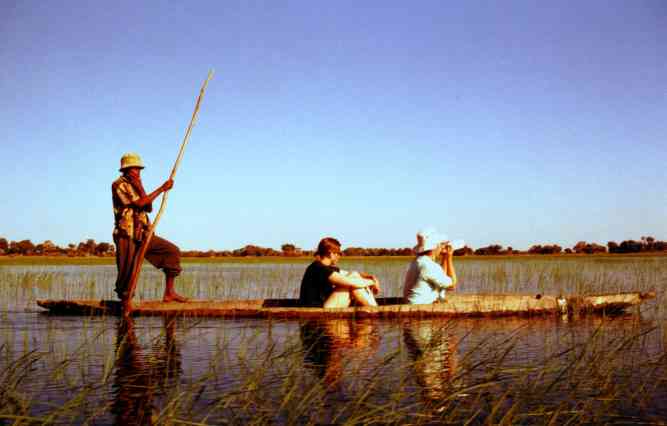
Again, the polers of the Okavango rely heavily on tips as part of their income. Tips of between one and five USD may be given.
For more guidance on tipping see - Tips for Tipping: The Definitive Guide On Safari.
While many meals are included in the total cost of a safari trip, some are not. Read the itinerary carefully when budgeting, to work out how many meals you need to budget for over and above the cost of the safari.

Drinks are more often than not, not covered in the total cost of the safari trip. Some trips include bottled water and soft drinks, others don’t. Alcoholic beverages are almost never included in the package and need to be bought separately, so budget for this.
A daily budget of about 25 USD should be enough to cover food and drink, depending on how much you like your food and drink! Some days on safari, you will be out in the bush, so will not be spending any money at all, but the extra money from those days can be used to splash out on another day.

Africa is crippled by poverty. While visiting, you will see this everywhere you look. If you’d like to give back while on your trip, budget for a little to give to charity – schools etc. If you’re on a tight budget, offer a little of your time instead.
For help finding a budget African safari tour that's right for you and planning your travels talk to our experienced team of savvy travel experts.
Note: We receive a small fee when you sign up for a Global Rescue membership via our Global Rescue partner page.

Below you'll find further reading and articles related or similar to this post.



Call us toll free from US/Canada on 1-888-414-6513, or from the UK on 0-808-189-1052. All other countries can contact us on +27 21 791 0878.
© 2026 African Budget Safaris | Privacy | Terms | Cookie Policy | Consent Preferences


__medium.jpg)

__medium.jpg)



__medium.jpg)
