Here's a wildlife conservation project working to protect lions and other threatened wildlife in one of Africa's great remaining wilderness areas.
The Niassa Carnivore Project works with local communities and conservation partners to protect wildlife, particularly carnivores, in the vast Niassa National Reserve in northern Mozambique. The project was started in 2003 by researchers Dr Colleen and Keith Begg, who originally came to Niassa to study honey badgers.
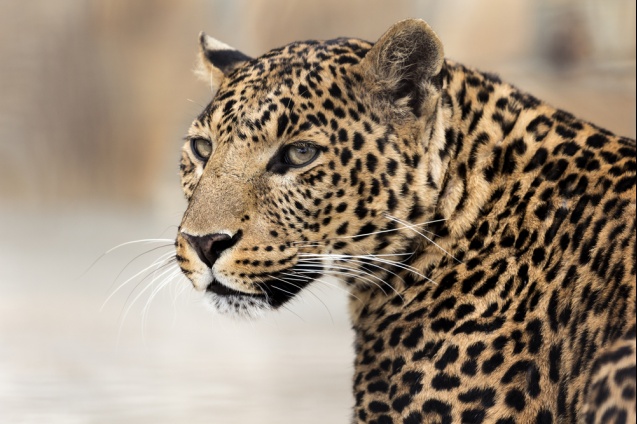
Initially focused on lions as the Niassa Lion Project, the organisation now works to research and conserve lions, leopards, African wild dogs and spotted hyenas.
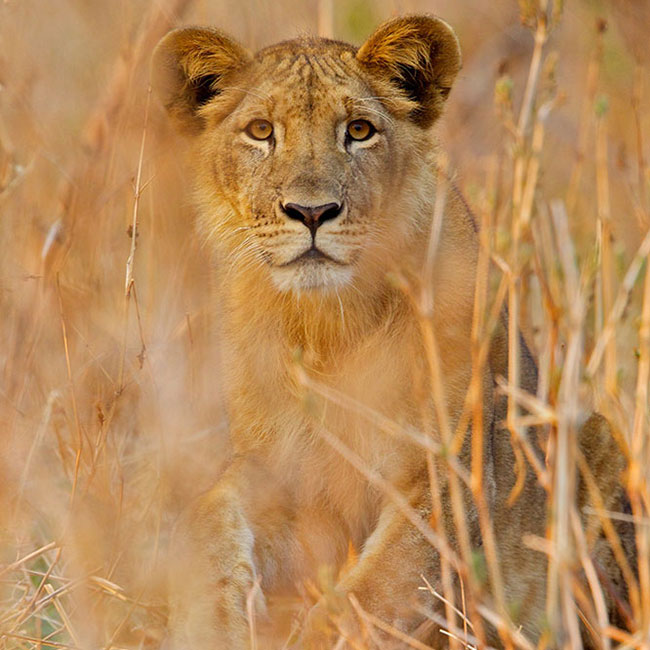
"Niassa National Reserve is an area of critical conservation importance for the lion."
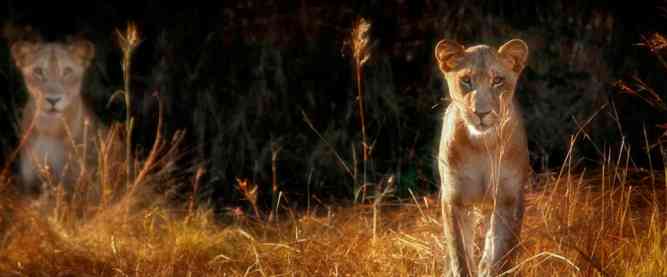
Lions are a flagship species for conservation in Niassa, playing an important ecological, cultural and economic role in the reserve and wider region.
Why Niassa matters for lion conservation:
Niassa National Reserve is recognised as an important stronghold for African lions. Its vast, relatively undeveloped wilderness also supports African wild dogs, leopards, spotted hyenas and many other species.
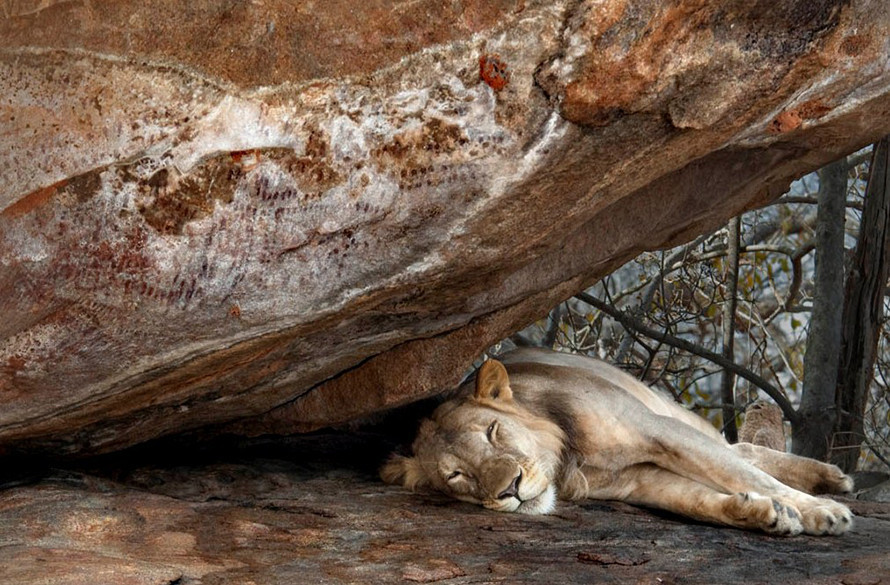
Niassa's large, connected wilderness makes it particularly important for the conservation of wide-ranging carnivores. Protecting viable habitats and maintaining connectivity between wildlife populations are key to their long-term survival.
Niassa's lions and other carnivores face a range of threats in a landscape shared with local communities. Human-wildlife conflict, snares, habitat pressures and other forms of wildlife exploitation can all affect carnivore populations.
The Niassa Carnivore Project works to reduce threats to local carnivores and promote coexistence between wildlife and the people living in and around the reserve.
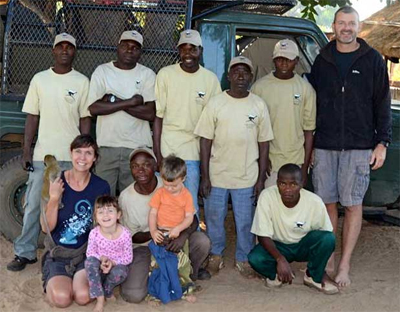
Colleen and Keith Begg founded the Niassa Carnivore Project and work with a small local team. The Niassa Carnivore Project works in collaboration with conservation authorities, local administration and tourism operators. Critical to its success is working with communities in Niassa, including village leaders and teachers.
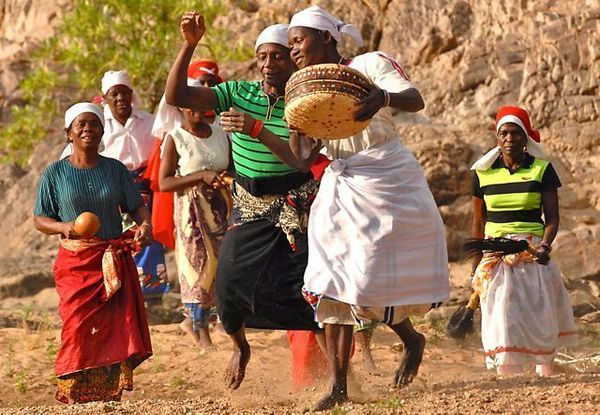
The Project has also worked with conservation partners and local communities to reduce threats to lions and other wildlife in the reserve.
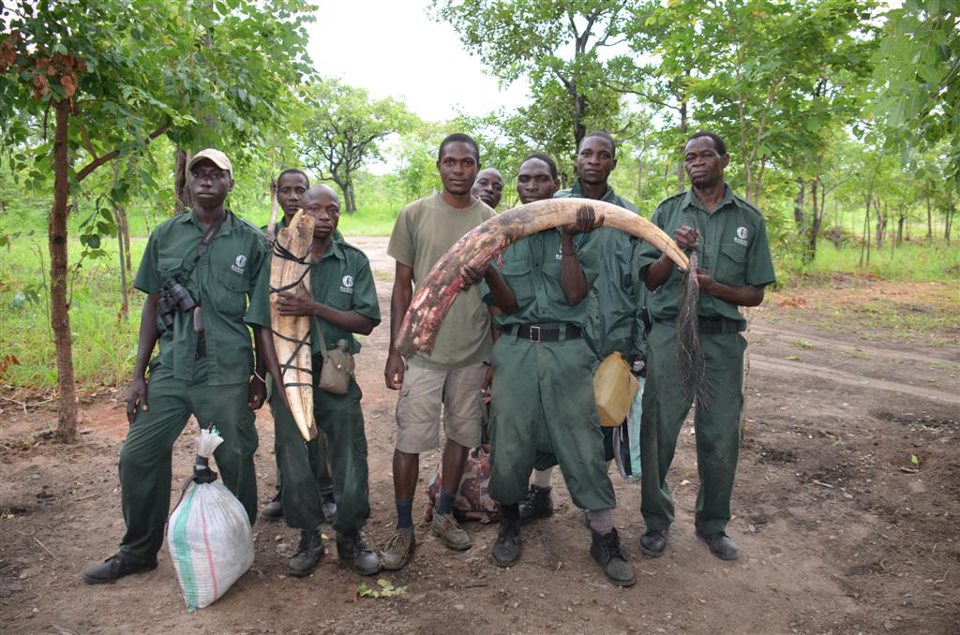
This project has distributed toolkits that provide local people with practical solutions to the lion-human conflicts in Niassa. The team has also created innovative living fences made of plants (Commiphora Africana), serving to protect livestock from wild predators. The Niassa Project is also helping locals to reduce their dependence on bushmeat (wild animal meat), by finding ways to increase sources of domestic meat and establishing alternative sources of incomes for local hunters.
The Niassa Carnivore Project also works to conserve Niassa's populations of:
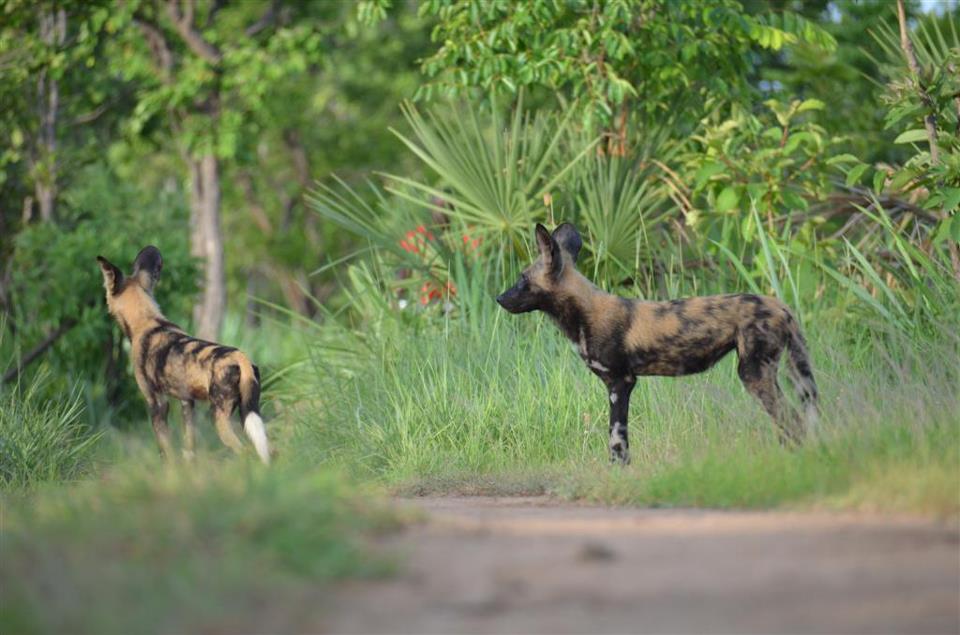
Niassa National Reserve is one of the largest protected areas in Africa, covering approximately 42,000 km2. It is a remote and relatively undeveloped wilderness area supporting important populations of lions, African wild dogs, elephants and other wildlife.
The reserve lies in northern Mozambique near the Tanzanian border. Its connection to the wider Selous-Niassa ecosystem makes it particularly important for wildlife that needs large, connected habitats.

Learn more about the Niassa Carnivore Project and its conservation work in the reserve.
Read more about lion conservation solutions from the Wildlife Conservation Network.
Information sources: Niassa Carnivore Project, Wildlife Conservation Network and the IUCN Red List.
Below you'll find further reading and articles related or similar to this post.



Call us toll free from US/Canada on 1-888-414-6513, or from the UK on 0-808-189-1052. All other countries can contact us on +27 21 791 0878.
© 2026 African Budget Safaris | Privacy | Terms | Cookie Policy | Consent Preferences