__banner.jpg)
Planning a South Africa safari in 2026 is exciting. Budgeting for it shouldn’t feel overwhelming.
The truth is simple: a well-planned safari in South Africa can deliver world-class wildlife experiences without premium price tags. The key isn’t spending less. It’s spending smart.
This guide shows you how to set a realistic safari budget, understand what truly drives costs, and make confident decisions that protect both your wallet and your experience.
If you’re looking for exact per-day price ranges by travel style, see our detailed guide on How Much a South African Safari Costs in 2026. This article focuses on strategy and how to build your budget the right way.
__medium.jpg)
South Africa consistently delivers some of the best safari value on the continent. Strong infrastructure, diverse accommodation, and flexible travel styles make it uniquely accessible.
In short, you have options. And options create control over your budget.
Before looking at lodges or itineraries, decide what you are comfortable spending on the entire trip.
Your total safari budget should include:
Once you have your overall figure, divide it across days and experiences. This prevents emotional overspending later.
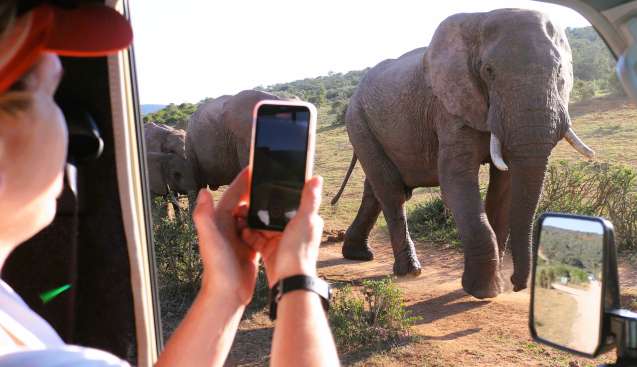
Your travel style has a bigger impact on cost than most people realise. Here is a brief breakdown of the most common South African safari options.
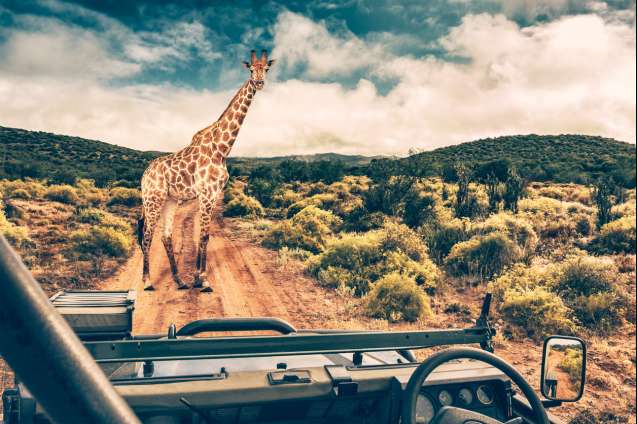
Self-drive safaris are ideal for independent travellers who want more control over accommodation choices, meals, and daily pace.
Best for:
These are some of the best self-drive routes in South Africa.
Cost advantages:
No private guide fees

Scheduled group safaris are one of the most cost-effective ways to go on safari.
On these tours, travellers can join a 'fixed-departure', meet new like-minded people, and enjoy the benefit of sharing costs and logistical expertise.
Best for:
Cost advantages:
__medium.jpg)
Private safaris offer more flexibility, privacy, and exclusivity, but at a higher base cost.
Best for:
Tip: Private safaris become far more affordable when costs are shared between 4 to 6 people.
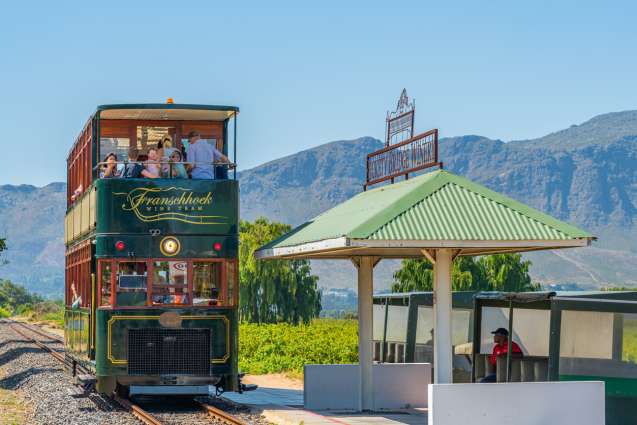
Smart routing can save more than choosing cheaper lodges.
Here’s where people overspend:
Here’s how to avoid it:
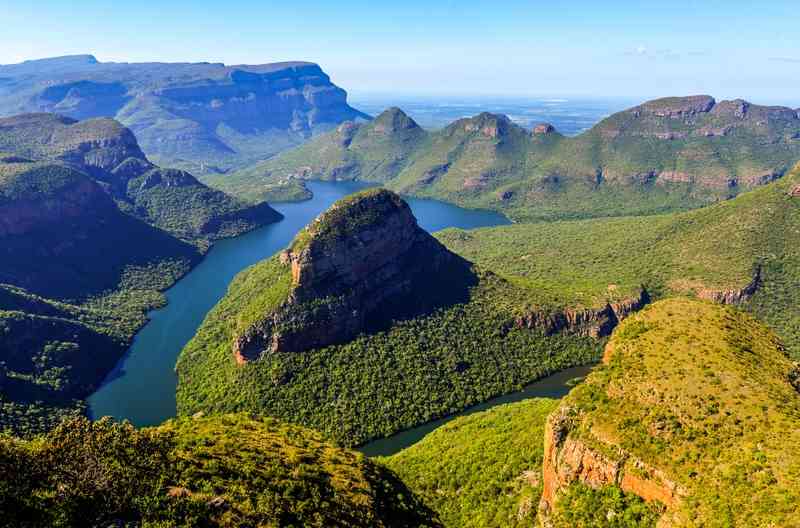
For example, pairing Kruger with the Panorama Route works efficiently. Adding Cape Town works well. But combining Kruger, Cape Town, Addo, and Madikwe into one short trip often dramatically inflates transfer costs.
Talk to an experienced safari travel consultant for the best advice on routing and other cost-saving tips.
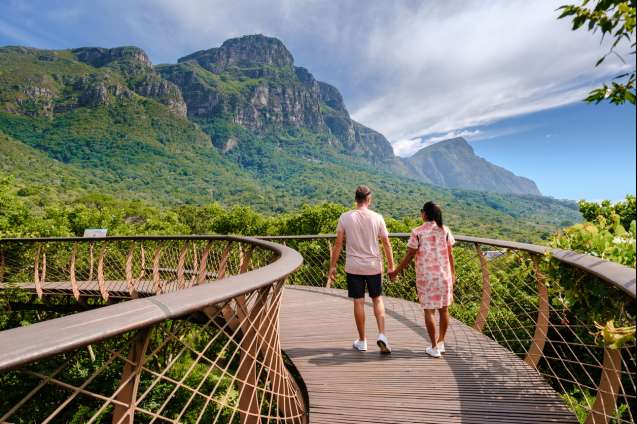
The season you choose to travel in will strongly influence the cost of your South African safari.
Shoulder months often deliver:
If your dates are flexible, your budget stretches further.
Even well-planned safaris can be disrupted by small overlooked expenses.
International Flights: Often the largest non-safari expense. Book early and compare routes via Johannesburg and Cape Town.
Pre- and Post-Safari Nights: Arriving a day early reduces stress and protects against missed connections.
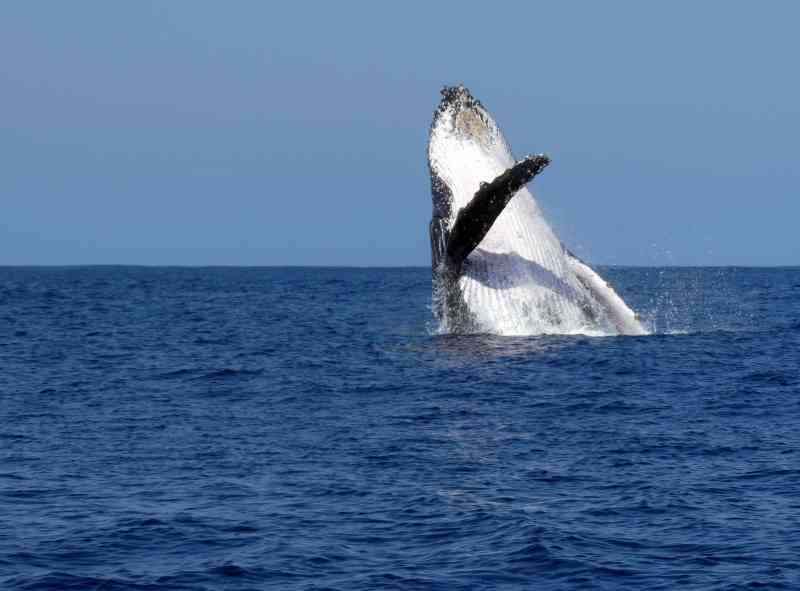
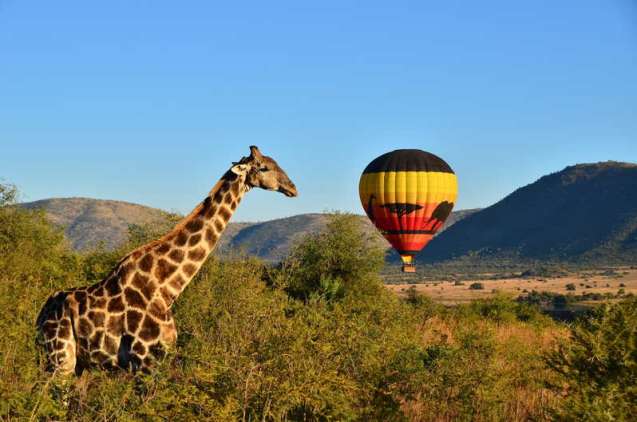
Optional Activities which can include: Shark cage diving, whale watching (seasonal), hot air balloon safaris, scenic flights, marine safaris, and more
These incredible add-ons can be the highlight of a South African tour, but plan for them in advance rather than adding them impulsively.
Travel Insurance: Budget approximately 3 to 7% of your total trip cost.
Tipping: Tipping is customary in South Africa. Carry small denominations in local currency.
Medical Considerations: Kruger and nearby reserves are malaria areas during the summer months.
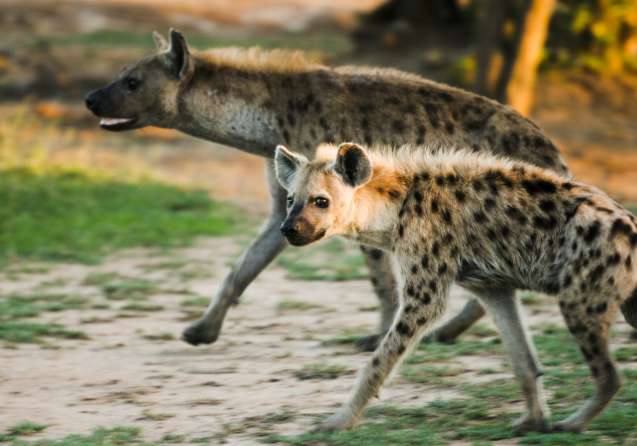
Consider malaria-free parks such as:
This is where smart travellers win.
Sometimes saving money is less about cutting and more about structuring. Talking to an experienced travel consultant is often the best way to optimise your travel itinerary, and should not come at any extra cost.
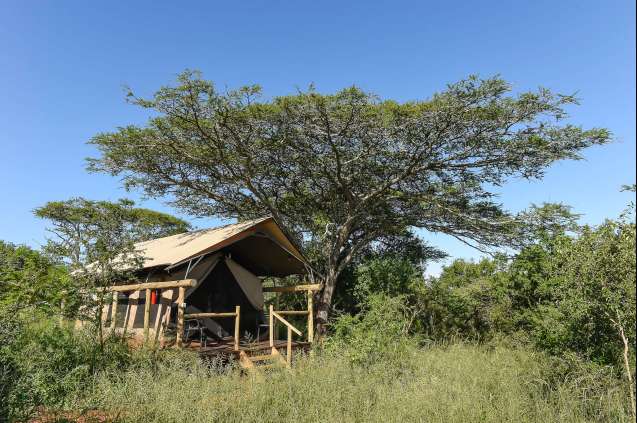
A balanced South Africa safari budget often looks like this:
This structure prevents one category from dominating your spend.
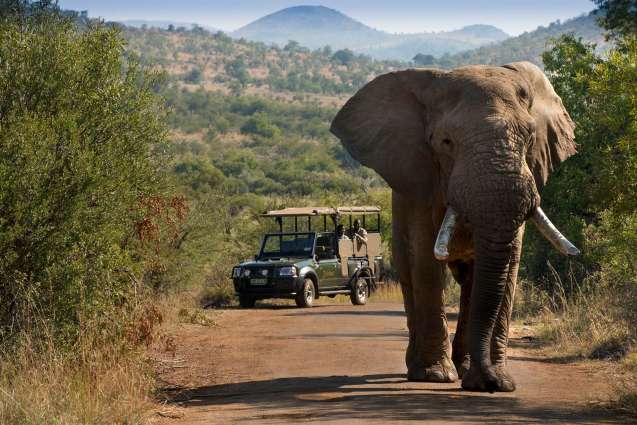
How many safari days offer the best value?
Three to four nights in one region typically provides the best balance between wildlife depth and travel efficiency.
Often yes, but not always. Once fuel, car hire, park fees, and meals are included, the difference narrows compared to a well-priced group safari.
10% of your total budget is a sensible safety net.
Early booking offers security and choice during peak months. Last-minute deals work best if you’re flexible with dates and lodge categories.
Yes. Combining Addo Elephant National Park with a Big 7 marine safari is one efficient example.
Budgeting well doesn’t mean cutting corners. It means aligning your expectations, travel style, and timing with your resources.
South Africa is one of the few destinations where Big Five sightings, strong conservation, good infrastructure, and value pricing intersect.
If you’d like help designing a safari that fits your budget and your travel goals, we’re here to help. Share your dates, group size, and preferences, and we’ll craft an itinerary that delivers exceptional value without sacrificing the experience that makes Africa unforgettable.
Explore these destinations mentioned in this post.
Below you'll find further reading and articles related or similar to this post.



Call us toll free from US/Canada on 1-888-414-6513, or from the UK on 0-808-189-1052. All other countries can contact us on +27 21 791 0878.
© 2026 African Budget Safaris | Privacy | Terms | Cookie Policy | Consent Preferences