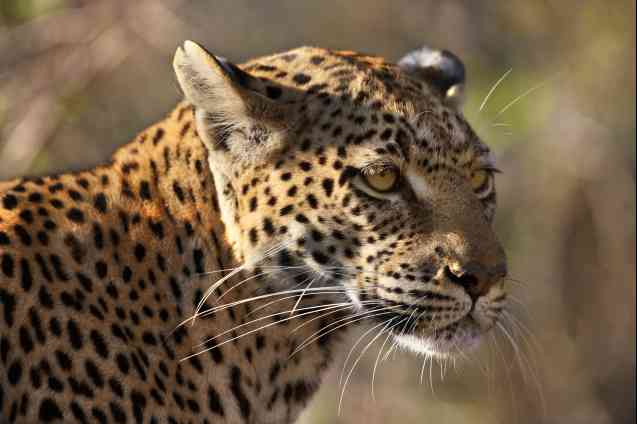
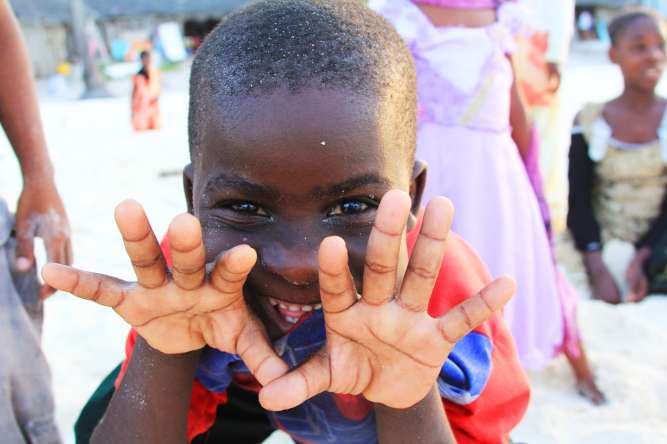
Many travellers come to Africa for the wildlife, but leave talking just as much about the people, stories, food, music, landscapes, guides, markets, and local encounters that gave the safari its sense of place.
The best cultural safaris in Africa are usually not stand-alone “tribal tours”. They are wildlife safaris that include respectful community visits, local guides, village experiences, conservancies, craft markets, traditional food, storytelling, or cultural add-ons along the route.
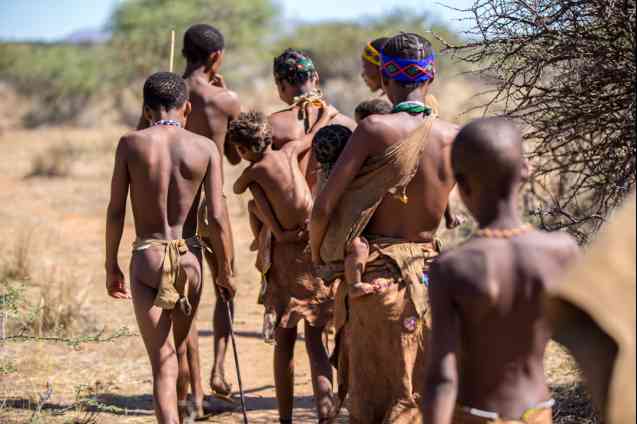
From Maasai and Samburu communities in Kenya and Tanzania to Himba encounters in Namibia, San experiences in the Kalahari, Zulu heritage in South Africa, and Omo Valley cultures in Ethiopia, the key is choosing the right safari route for your interests, budget, comfort level, and travel style.
Most African Budget Safaris trips are wildlife-first, but many include cultural experiences or can be matched with meaningful local encounters. If culture is part of what draws you to Africa, this guide will help you choose where to go and what kind of safari to consider.
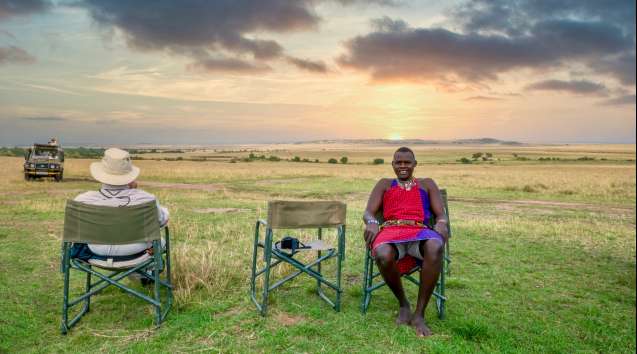
The best cultural safaris in Africa are wildlife safaris that include respectful local encounters along the route. Kenya and Tanzania are strong choices for Maasai, Samburu, and Hadza culture combined with big wildlife areas such as the Masai Mara, Serengeti, Amboseli, and Ngorongoro. Namibia is excellent for Himba and San experiences alongside Etosha, Damaraland, and desert scenery. Botswana works well for San and Kalahari culture with Okavango Delta and Chobe safaris, while South Africa combines Zulu, Xhosa, and Ndebele heritage with affordable wildlife routes.
Ask our safari experts which safari routes include cultural encounters that match your budget, timing, and travel style.
If you want culture to be part of your safari, start with the route rather than the tribe name. This makes it easier to balance wildlife, travel time, budget, comfort, and the type of cultural encounter you are hoping for.
| Traveller Interest | Best Safari Route | Cultural Angle | Safari Angle | Start Planning |
|---|---|---|---|---|
| Maasai culture and big wildlife | Kenya or Tanzania | Maasai communities, local guides, conservancies, village visits, and traditional pastoral culture | Masai Mara, Serengeti, Ngorongoro, Amboseli, and Tarangire | Kenya Safaris / Tanzania Safaris |
| Himba culture and desert landscapes | Namibia | Himba communities, San heritage, remote northern Namibia, and desert-adapted traditions | Etosha, Damaraland, Kaokoveld, Skeleton Coast, and Sossusvlei routes | Namibia Safaris |
| San culture and wilderness | Botswana or Namibia | San tracking, Kalahari knowledge, storytelling, and desert survival traditions | Okavango Delta, Chobe, Central Kalahari, and longer overland routes | Botswana Safaris / Namibia Safaris |
| Zulu, Xhosa, and Ndebele heritage | South Africa | Zulu homesteads, Xhosa heritage, Ndebele art, local food, history, music, and crafts | Kruger, Zululand, Cape Town, Garden Route, and KwaZulu-Natal routes | South Africa Safaris |
| Culture-first travel | Ethiopia | Omo Valley cultures including Hamar, Karo, Mursi, and Dassanech communities | A specialist cultural journey with less classic Big 5 safari focus | Ask a Safari Expert |
| Best-value mixed experience | Multi-country overland safari | Markets, villages, local guides, border crossings, community stops, and regional variety | Wildlife, landscapes, camping, national parks, and classic overland adventure | African Overland Tours |
Yes, but with an important note. Most of our trips are wildlife safaris first, with cultural experiences included on selected routes or available as add-ons. We do not treat communities as attractions to be ticked off a list. The best experiences are respectful, locally guided, and shaped by the communities themselves.
If you want a safari that includes Maasai, Samburu, Hadza, Himba, San, Zulu, Xhosa, Ndebele, Omo Valley, or other cultural encounters, our consultants can help match you with the right itinerary.
Tell us what kind of cultural experience you’re looking for, and we’ll point you toward safari options that fit your route, budget, and travel style.
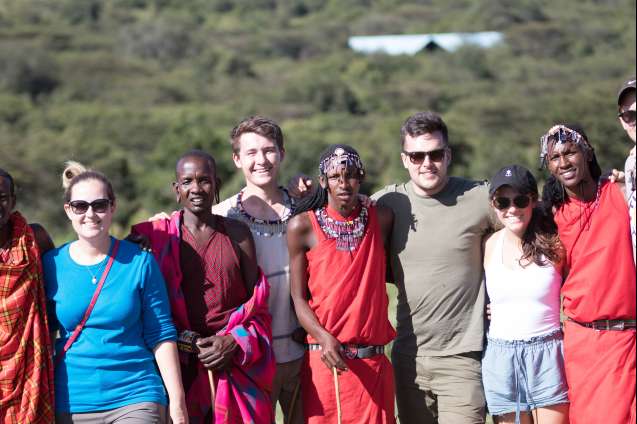
These cultural safari experiences can work as part of a wider wildlife itinerary, a specialist cultural journey, or an add-on to a classic safari route. Availability depends on the country, season, operator, local community arrangements, and the specific tour you choose.
Cultural itineraries offer deep cultural immersion and work as standalone tours or part of classic safaris that integrate scenic exploration and wildlife viewing.
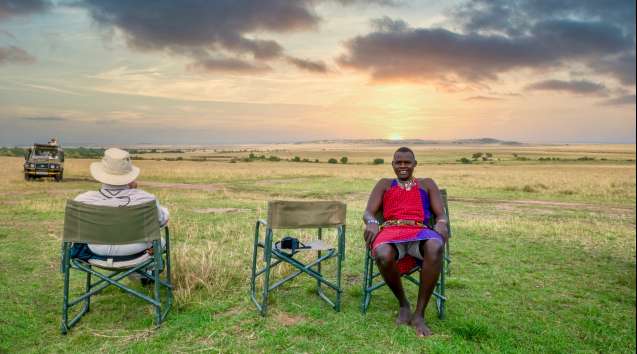
Africa’s cultural diversity is as varied as its landscapes, but not every safari route offers the same kind of cultural experience. Some trips include short community visits, others use local guides and community conservancies, while a few are built around specialist cultural travel.
For most travellers, the best-value option is a wildlife safari that includes cultural encounters naturally along the route. This gives you a richer sense of place without turning the trip into a rushed checklist of communities.
Southern Africa blends some of the continent's most varied landscapes and safari destinations with exceptional cultural narratives. Home to San hunter-gatherers, pastoral Himba, and the famous Zulu kingdom, adding a cultural element to a safari itinerary offers rewarding insights into these fascinating countries.
Southern Africa is a strong choice if you want cultural encounters woven into a broader safari route. Namibia is ideal for Himba and San experiences with Etosha, Damaraland, and desert landscapes. Botswana works well for San and Kalahari culture alongside Okavango Delta and Chobe safaris. South Africa is excellent for Zulu, Xhosa, and Ndebele heritage with easy logistics and affordable wildlife options.
View Namibia Safaris, Botswana Safaris, or South Africa Safaris.
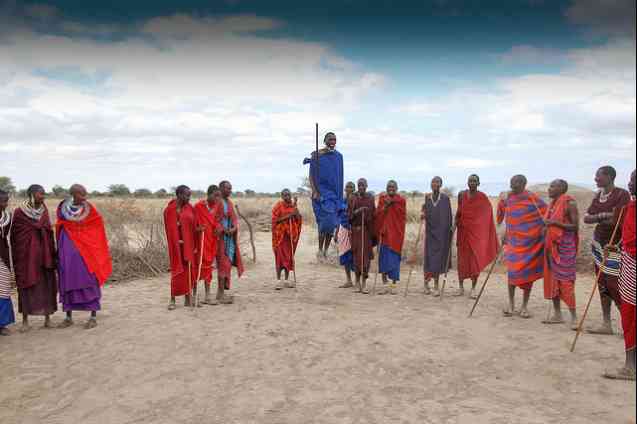
East Africa is the traditional home of the big game safari. Blessed with fertile lands that support both man and beast, East Africa is home to the iconic Maasai, Samburu, and Hadza, as well as the vibrant cultural tapestry that is the Omo Valley in Ethiopia. Expect Big 5 safaris punctuated by vibrant ceremonies, cattle culture, where age-old rituals still thrive.
East Africa is a natural fit for travellers who want big wildlife areas with cultural depth. Kenya and Tanzania combine Maasai, Samburu, and Hadza encounters with safari icons such as the Masai Mara, Serengeti, Amboseli, Ngorongoro, and Tarangire. Ethiopia is better suited to travellers looking for a more specialist culture-led journey, especially in the Omo Valley.
View Kenya Safaris, Tanzania Safaris, or ask us about culture-friendly safari routes.
West Africa offers exciting travel opportunities. Explore the birthplace of African drumming, Voodoo traditions, ancient bronze forges, and vibrant markets where rich craft, colour, and rhythm make Africa’s heartbeat palpable.
Most famous for the ancient Egyptian pyramids and marauding Moors, North Africa is home to nomadic Berber culture in the Atlas Mountains, and the Nubian heritage along the Nile.
The best way to experience these unique cultures and tribes is through respectful, guided tours that support local people and livelihoods. Each region is unique and requires local knowledge and nous, and when explored with humility, offers unique opportunities for cultural connection.
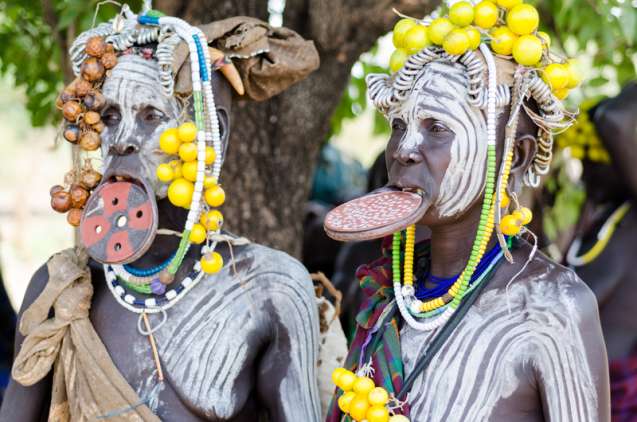
Good cultural encounters are designed to be authentic, respectful, and mutually enriching. Typical activities can include, but are not limited to:
Sustainable cultural tours ensure that the benefits of tourism stay within local communities. These thoughtful and immersive activities offer meaningful cross-cultural understanding that creates memories that will last a lifetime.
__medium.jpg)
The right cultural safari depends on what you want most from the trip. Some travellers want famous wildlife with a meaningful cultural stop along the way. Others want remote landscapes, desert communities, local guides, or a deeper culture-led journey.
If you are unsure which route fits your interests, chat to our safari experts. We can help you choose a safari that includes the right balance of wildlife, culture, comfort, time, and budget.
Prices vary widely because cultural experiences are usually part of a wider safari itinerary. A short village visit or guided community walk may be included in a budget overland trip, while a specialist private cultural safari, such as an Omo Valley journey or a tailor-made Namibia route, will cost more.
The most affordable way to include culture is often to choose a wildlife safari that already travels through areas where respectful cultural encounters are available.
African Budget Safaris offers tours that range from day excursions to multi-country cultural safaris, depending on your interests and travel style. Many options are available as add-ons to existing itineraries.
From USD $120 to $300 per day, including guided visits and local meals.
USD $300 to $600 per day, with comfortable lodges, transport, and expert guides.
Custom pricing based on itinerary, activities, and location.
Tours include experienced local guides, community contributions, permits, and ethical cultural engagement in line with responsible travel standards.
These are 9 of Africa's most famous tribes and traditions.
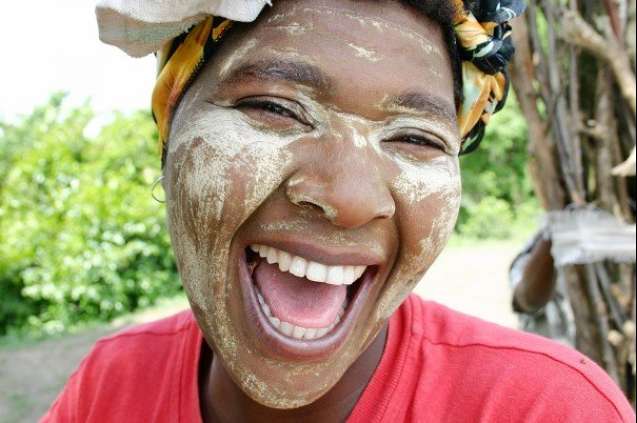
The timing of your visit can shape what you see and experience. Ceremonies, festivals, and seasonal migrations often define the rhythm of cultural life. While it is possible to time your visit for set festivals, coming-of-age ceremonies are less predictable.
If witnessing a particular cultural activity is a bucket-list item, talk to your consultant, who can help match seasonal events and safari conditions for the ultimate combined itinerary.
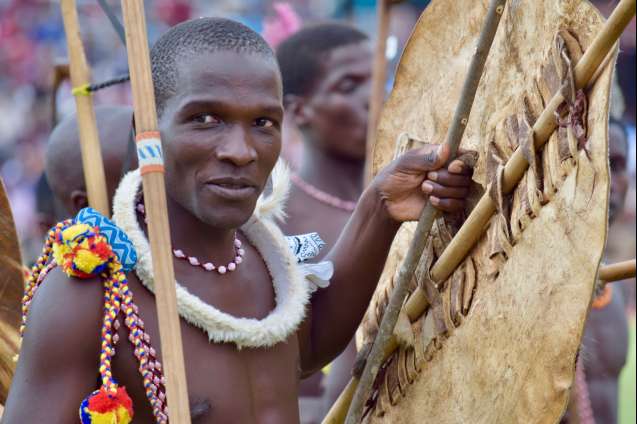
Cultural encounters are most rewarding when they are respectful, locally guided, and beneficial to the people being visited. A good cultural safari should never feel like a human zoo or a quick photo stop. It should be community-approved, fairly paid, and handled with humility.
Our suppliers work with experienced guides, local communities, and responsible operators to make sure cultural visits are handled sensitively. When staying in community-run conservancies or lodges, tourism can also support local livelihoods, conservation, and land stewardship.
These guidelines align with leading organisations such as UNESCO, Cultural Survival, and Tourism Concern, ensuring your visit helps protect both people and heritage. For more information, read our Guide to Avoid Greenwashing by Stephanie Parker.
__medium.jpg)
Yes, some African safaris include respectful cultural visits, community experiences, local guides, village visits, craft markets, storytelling, or traditional food experiences. These are usually included on selected routes or offered as add-ons rather than being the main focus of the safari.
The best cultural safari depends on your interests. Kenya and Tanzania are strong for Maasai, Samburu, and Hadza encounters with famous wildlife areas. Namibia is excellent for Himba and San experiences with desert scenery and Etosha. Botswana works well for San and Kalahari culture with wilderness safaris, while South Africa offers Zulu, Xhosa, and Ndebele heritage with accessible safari routes.
They can be, if they are locally guided, community-approved, respectful, and financially beneficial to the people being visited. Travellers should ask permission before taking photos, follow local customs, avoid intrusive behaviour, and book through responsible operators.
No. Some safaris are focused almost entirely on wildlife, while others include cultural visits or offer them as optional add-ons. If culture is important to you, ask before booking so your consultant can recommend the right route.
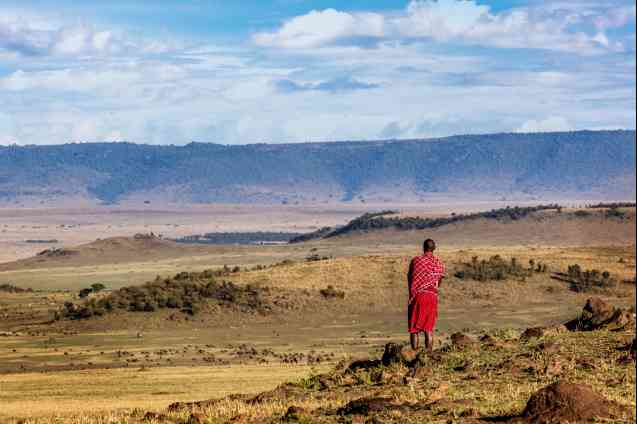
Kenya and Tanzania are the best choices for travellers interested in Maasai culture. Maasai encounters can pair naturally with Masai Mara, Serengeti, Ngorongoro, Amboseli, Tarangire, and other classic East African safari destinations.
Namibia is the best choice for travellers interested in Himba culture, especially northern Namibia routes that include Etosha, Damaraland, Kaokoveld, or the Skeleton Coast.
Botswana and Namibia are strong choices for San cultural experiences, especially Kalahari routes and safaris that include tracking, walking, storytelling, or local guiding.
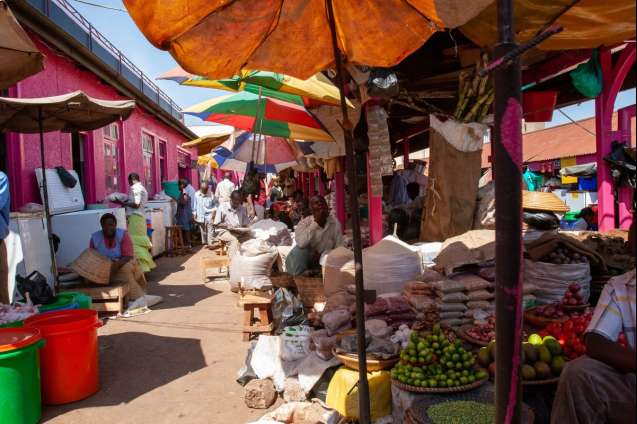
Africa’s cultures are not museum pieces. They are living, changing, modern, traditional, complex, and deeply connected to land, wildlife, language, food, family, history, and identity.
If you want culture to be part of your safari, the key is choosing the right route. Some trips include village visits, local guides, community conservancies, traditional crafts, storytelling, or cultural add-ons, while others are focused mainly on wildlife.
Tell us what you want from your trip, whether that is Maasai culture with big cats in East Africa, Himba encounters with Namibia’s desert landscapes, San culture in the Kalahari, Zulu heritage in South Africa, or a broader overland adventure.
Chat to our safari experts and we’ll help you find an affordable safari that combines wildlife, landscapes, and respectful cultural encounters.
Explore these destinations mentioned in this post.
Below you'll find further reading and articles related or similar to this post.




Call us toll free from US/Canada on 1-888-414-6513, or from the UK on 0-808-189-1052. All other countries can contact us on +27 21 791 0878.
© 2026 African Budget Safaris | Privacy | Terms | Cookie Policy | Consent Preferences