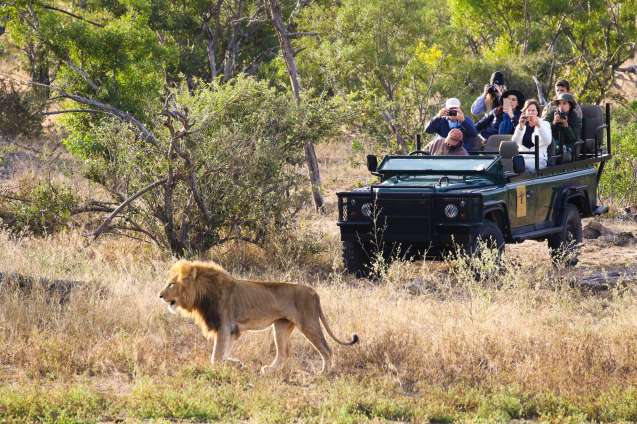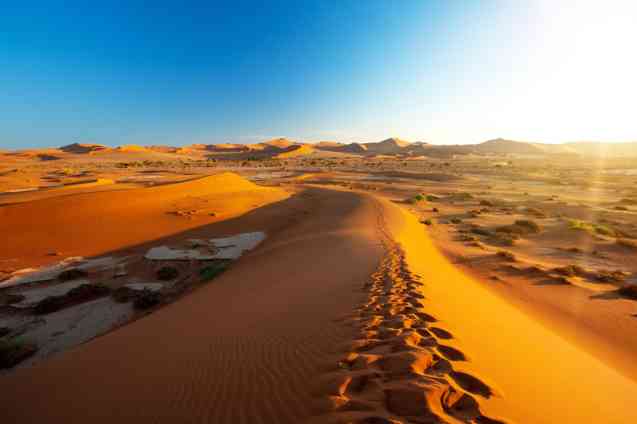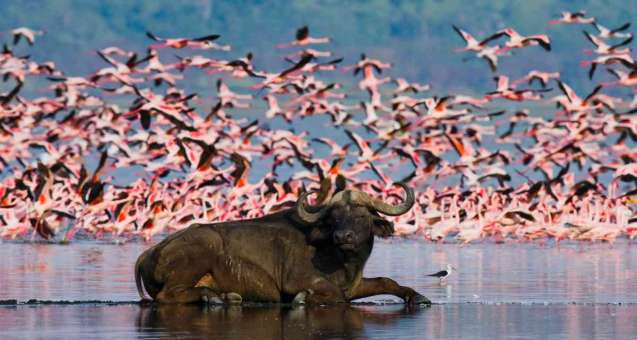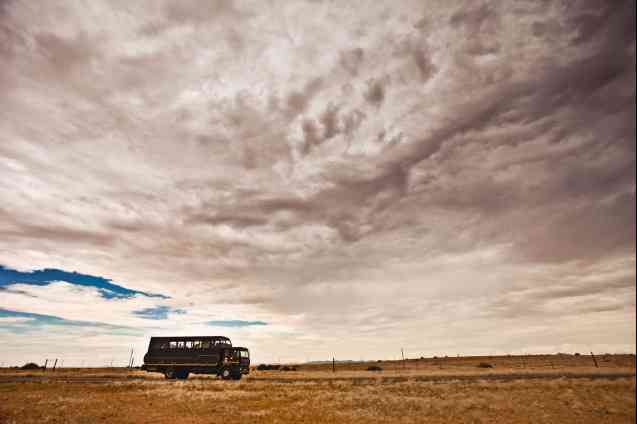
There’s a common misconception that you need to choose between a budget and luxury African safari. If you spend more, it means you’ll see more, and if you spend less, you’re relegated to campsites, blow-up mattresses, and mediocre wildlife viewing.
The reality? It’s not about how much you spend. It’s about how you spend it.
That’s the real African safari value question. Once you understand what you want to prioritise, and where you’re prepared to make compromises, the same safari budget can buy you a longer overland camping adventure, a shorter luxury escape into the bush, or something in between.
Before deciding where to spend or save, it helps to understand what an African safari costs and which parts of the experience matter most to you.
Value is what you get for what you spend. Two travellers can spend exactly the same amount on a safari and walk away with completely different experiences because they’ve chosen to spend their budget in different ways.
For some travellers, “value” means visiting as many national parks as possible. For others, it means slowing down, staying longer in one place, and spending more time in the bush than on the road. Others simply want the comfort of a beautiful lodge, outstanding food, and enough time to enjoy it all.
None of these approaches is right or wrong. The best-value safari is the one that matches your priorities, so decide what matters most to you and let that shape your itinerary.
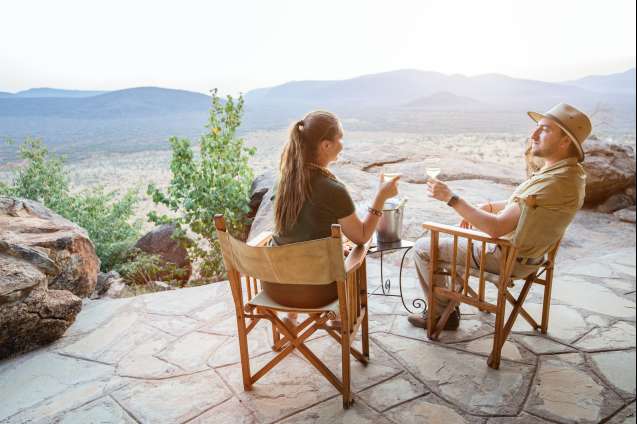
A safari trip at the same price point can feel wildly different.
A 10-day trip bouncing around four national parks in Kenya can leave you exhausted from one too many wake-up calls and constant camp changes, to the point where you may need to book another holiday to recover from your safari.
But those early-morning starts can be worth it when they allow you to see more wildlife, landscapes and destinations.
The real value of a safari isn’t always about spending less or more. It’s about choosing the safari that best fits with what you want to prioritise.
| Safari Style | Best For | Main Trade-Off | Pace |
|---|---|---|---|
| 10-day camping or budget lodge safari | First-time safari travellers who want a “greatest hits” experience | Long travel days, simpler accommodation and early starts | Busy, with camp changes every one or two days |
| 7-day mid-range lodge safari | Couples, families and repeat safari-goers wanting comfort without full luxury | Fewer destinations | Balanced, with one or two camp changes |
| 5-day luxury lodge safari | Honeymooners, couples and travellers with limited annual leave | Usually limited to one safari area | Slow and relaxed |
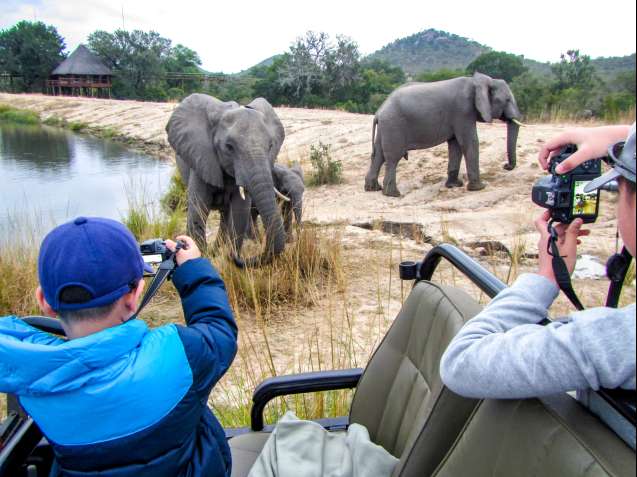
__medium.jpg)
Best for: First-time safari travellers who want a “greatest hits” experience and have plenty of annual leave.
The trade-off: Long travel days and early starts.
Pace: Busy. Expect little downtime and camp changes every one or two days.
Want to tick off your entire safari bucket list on your first trip? Then a multi-destination safari may be a good option for you.
You’ll get:
However, there is a trade-off.
You need to be okay with the constant pace, long hours on the road and abundance of instant coffee. If you know travel fatigue puts you in a bad mood, it’s worth choosing a trip with a slower pace and fewer stops.
But if you’re chasing a high volume of sightings and can handle a few nights of roughing it, you’re in for an incredible adventure.
Read more: Discover how travelling outside peak season can help you afford more nights or better accommodation in our guide to the best-value safaris in Africa during the shoulder and green seasons.
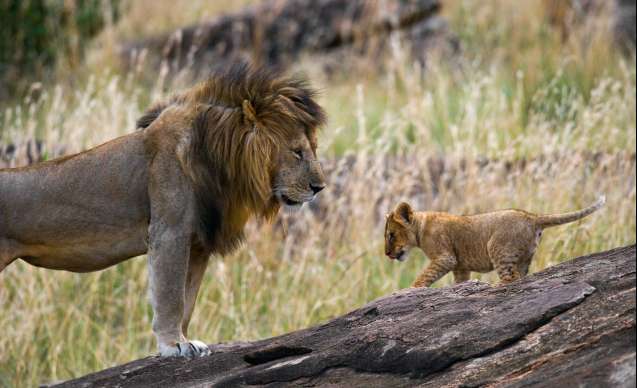
Best for: Couples, families and repeat safari-goers who want comfort without going all-in on luxury.
The trade-off: Fewer safari destinations.
Pace: Balanced, with one or two camp changes.
A true luxury safari is a significant investment, and it may not be worth it if all you want is to be out of a tent rather than in a five-star suite.
Staying in mid-range safari accommodation for fewer days gives you:
It’s the perfect option if you’re on your second or third safari and already know what you like. Without the looming feeling of missing out, it’s easier to say no to a 4 am wake-up call, skip a game drive and sleep in.
The only downside? You’ll realistically only see one or two safari destinations.
Choosing mid-range accommodation can also leave room in your budget for memorable extras. See our guide to the best safari add-ons in Africa, from walking safaris to balloon flights.
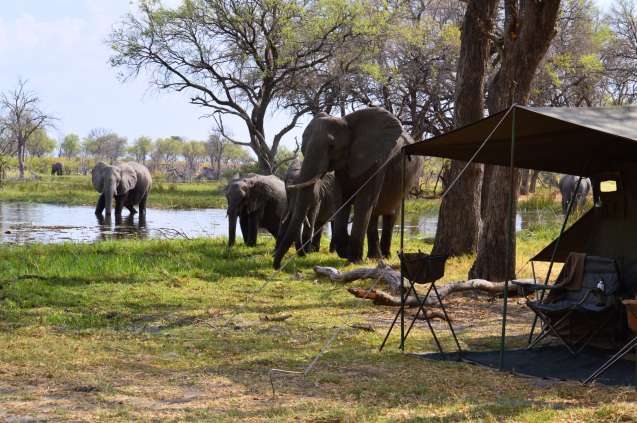
Best for: Honeymooners, couples or anyone with limited annual leave who wants to avoid travel fatigue.
The trade-off: Usually only one safari destination to explore.
Pace: Slow and relaxed.
Whether splurging on a safari is worthwhile depends on the occasion and the type of traveller you are.
If it’s your honeymoon or anniversary, go for it. If you have limited annual leave and want to feel rested at the end of your five days, moving around as little as possible pays dividends.
The perks of choosing fewer days and staying at a luxury safari lodge can include:
That said, a higher price tag doesn’t guarantee better wildlife sightings.
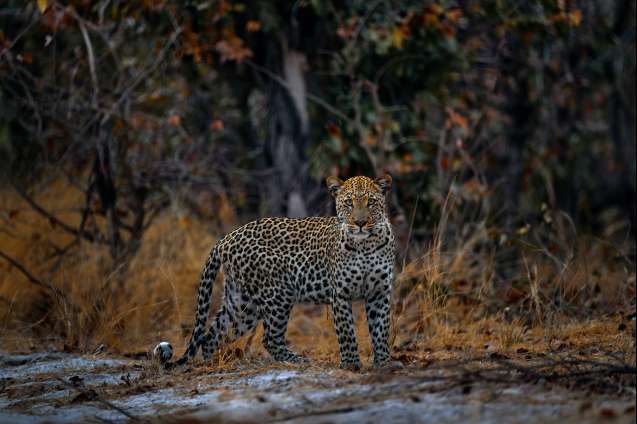
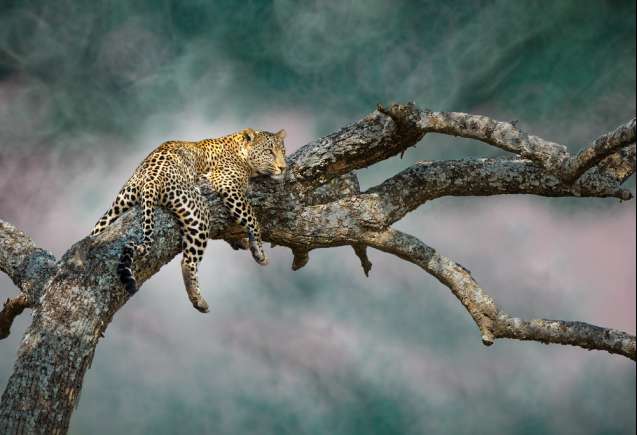
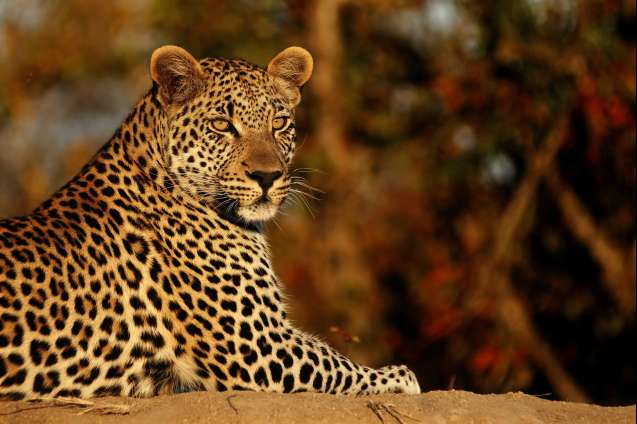
Luxury pays for extra creature comforts, personalised service and, in some areas, fewer vehicles at a sighting. But it still can’t conjure a leopard out of thin air. Animals are unpredictable, so sightings depend far more on the destination, season, guiding, time spent in the bush and a little luck than whether you’re sleeping in a tent or a five-star suite.
For a closer look at the wildlife-viewing differences, read our comparison of a luxury vs budget safari for seeing the Big Five.
Yes!
With no additional transfers or camp changes, you’ll likely be around for both morning and evening game drives. That gives you plenty of opportunities to see wildlife and enjoy the reserve without repeatedly packing your bags.
And if safari fatigue hits? You can miss a drive without throwing off your entire experience. Instead, spend time at the pool, enjoy the lodge, watch birds from the deck, or squeeze in an afternoon nap.
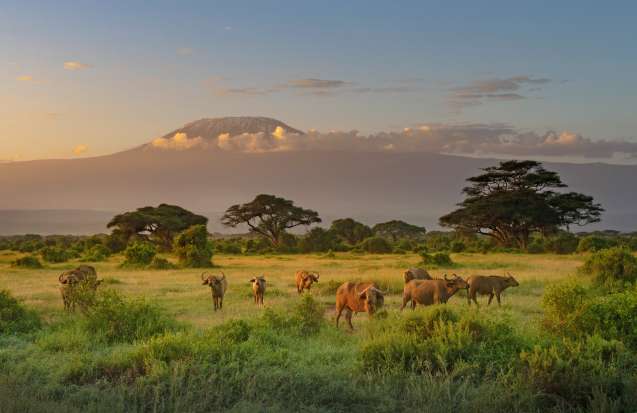
Feeling stuck between the three options?
It’s not an all-or-nothing scenario.
You can blend a budget safari with luxury by front-loading the adventure and back-loading the comfort. It’s an itinerary structure that gives you the best of both worlds.
Here’s how it works: spend the start of your trip camping or staying in budget-to-mid-range accommodation while chasing sightings and covering ground. Then check into a higher-end lodge for the final two or three nights.
This gives you space to recover from long travel days and end your safari on a high without blowing the entire budget.
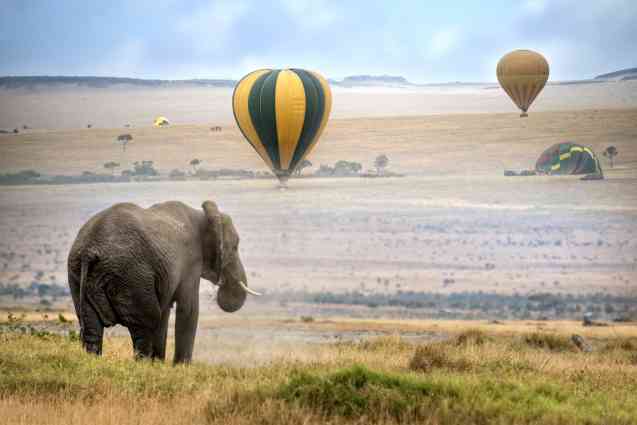
Mixing accommodation levels can also help you spend your money on experiences rather than using all of it on your room. Saving a few hundred dollars on several camping nights may mean you can afford somewhere special at the end of the trip and still say yes to a hot-air balloon ride over the Serengeti.
A hybrid itinerary gives you:
__medium.jpg)
Not every safari upgrade delivers the same value. Spend more where it improves the actual experience, and save where the difference matters less to you.
| Consider Spending More On | Consider Saving On |
|---|---|
| A strong wildlife location | An oversized room you’ll barely use |
| Experienced guides | Premium toiletries and decorative extras |
| Reducing an exhausting transfer | Changing camps simply to add another destination |
| A private vehicle when flexibility matters | A private vehicle when you’re happy joining a small group |
| One unforgettable safari activity | Several optional activities you’re only mildly interested in |
| A special final lodge stay | Luxury accommodation every night |
The smartest choice depends on your priorities. A photographer may get more value from a private vehicle and excellent guide than from a plunge pool. A family may value a spacious room, flexible meal times and fewer transfers. A first-time traveller may happily sacrifice comfort to see more of Africa.
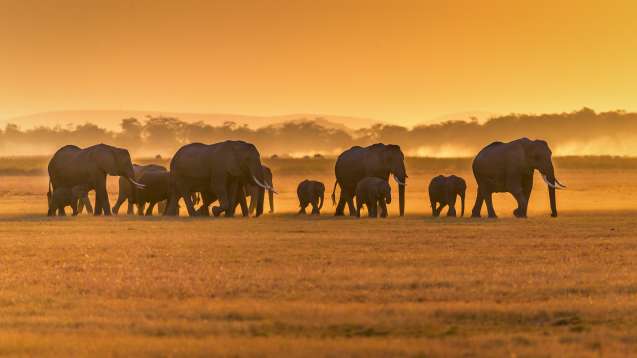
Still deciding whether to spend your budget on more days, more comfort or somewhere in between?
Browse our range of handpicked African safari tours, or contact the African Budget Safaris team for personalised advice.
Our safari experts can help you compare itineraries, accommodation levels and travel styles to find the trip that gives you the best possible value for your budget and priorities.
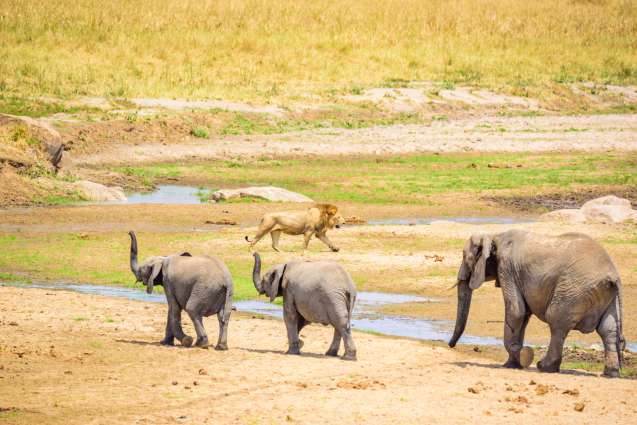
It depends on what you want from your safari and how much time you have. More days suit travellers who want to see as much as possible and are happy to sacrifice some comfort for simpler accommodation. Fewer days at a luxury lodge suit travellers who want to minimise transfers, avoid travel fatigue and enjoy more comfort.
Start by deciding what matters most to you. Travelling in the shoulder or green season, joining a small-group tour, choosing mid-range accommodation and limiting expensive internal flights can all reduce costs. Removing one unnecessary transfer may also improve the experience more than downgrading every lodge.
Sometimes. The extra cost is worthwhile when it buys you a better location, stronger guiding, fewer transfers, more flexible activities or a level of comfort that genuinely improves your holiday. However, luxury accommodation does not guarantee better wildlife sightings. If a quality budget or mid-range camp operates in the same wildlife area, you may prefer to save the difference or spend it on additional nights and activities.
No. Wildlife sightings depend on the destination, season, habitat, guide, time spent on game drives, and luck. Expensive lodges may offer excellent guiding, private vehicles or access to less crowded reserves, but wild animals don’t care how much your room costs.
Yes. Combining accommodation levels is one of the best ways to balance time, comfort and cost. You could begin with a longer camping or budget lodge safari and finish with two or three nights at a more luxurious property. This gives you broader safari variety and a comfortable end to your trip without paying luxury prices throughout. Talk to one of our experience safai consultants and find out how!
Explore these destinations mentioned in this post.
Below you'll find further reading and articles related or similar to this post.




Call us toll free from US/Canada on 1-888-414-6513, or from the UK on 0-808-189-1052. All other countries can contact us on +27 21 791 0878.
© 2026 African Budget Safaris | Privacy | Terms | Cookie Policy | Consent Preferences




__thumb.jpg)
tours_through_tarangire_national_park__thumb.jpg)

__medium.jpg)