
__large.jpg)


- More destinations related to Inhambane & Tofo:
- Mozambique
- Bazaruto Islands
- Maputo

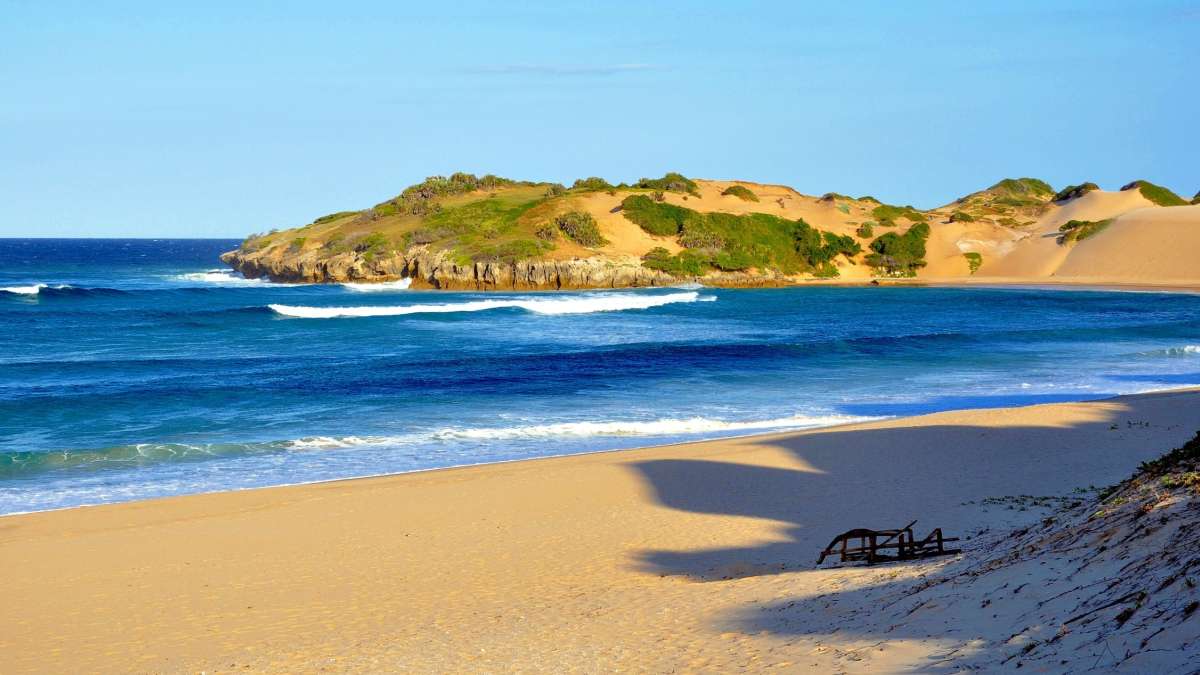
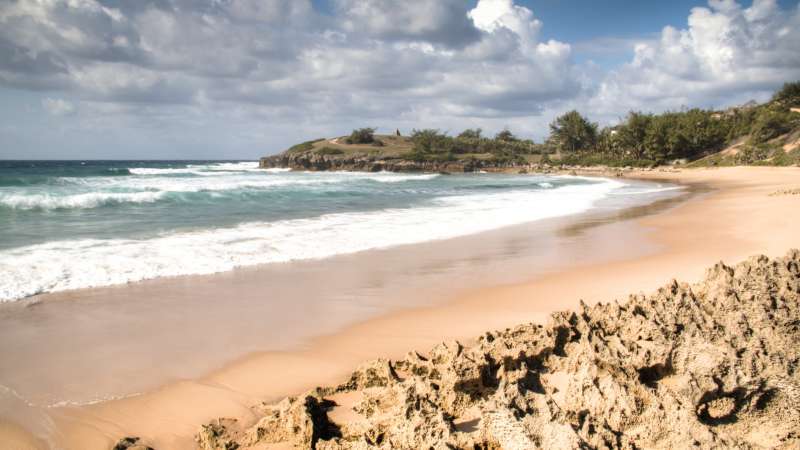
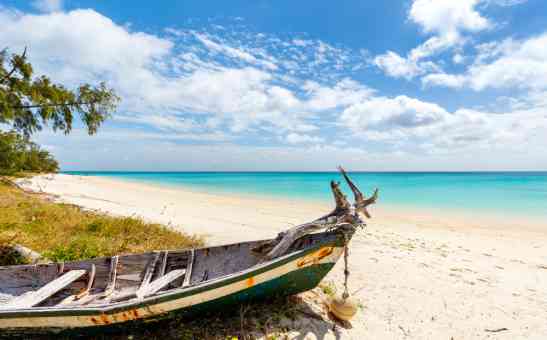
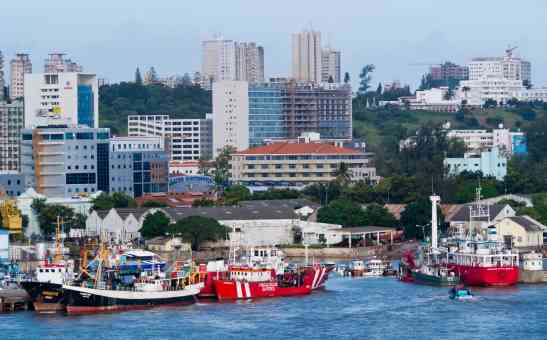
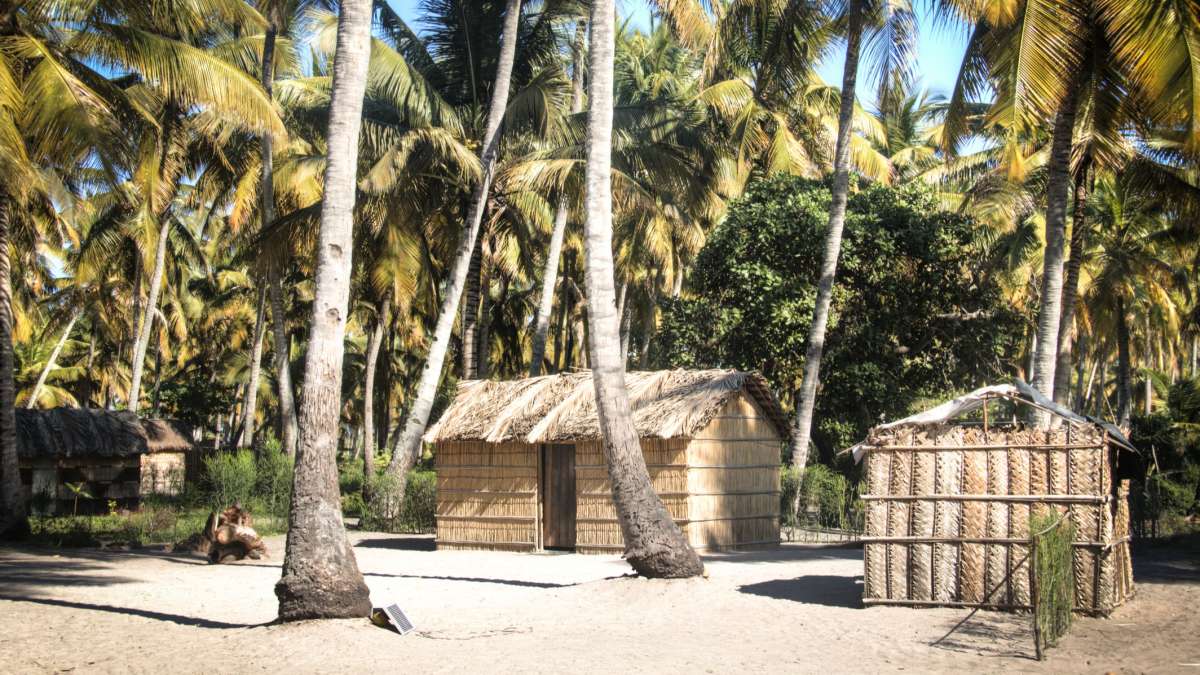
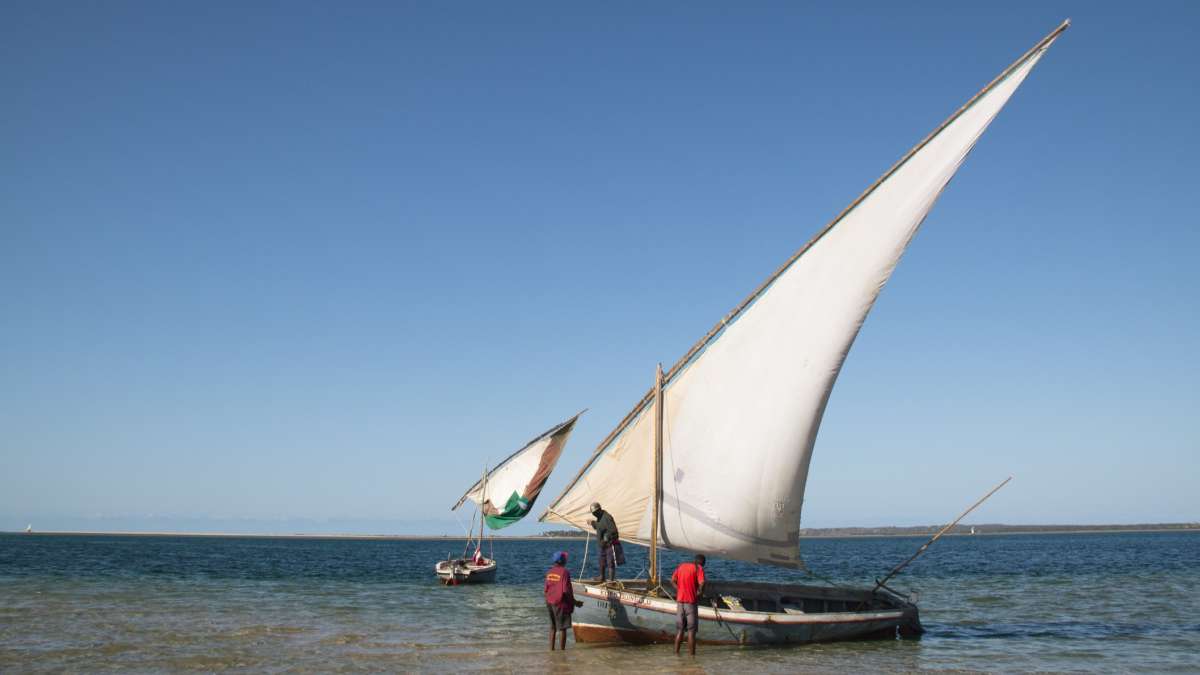
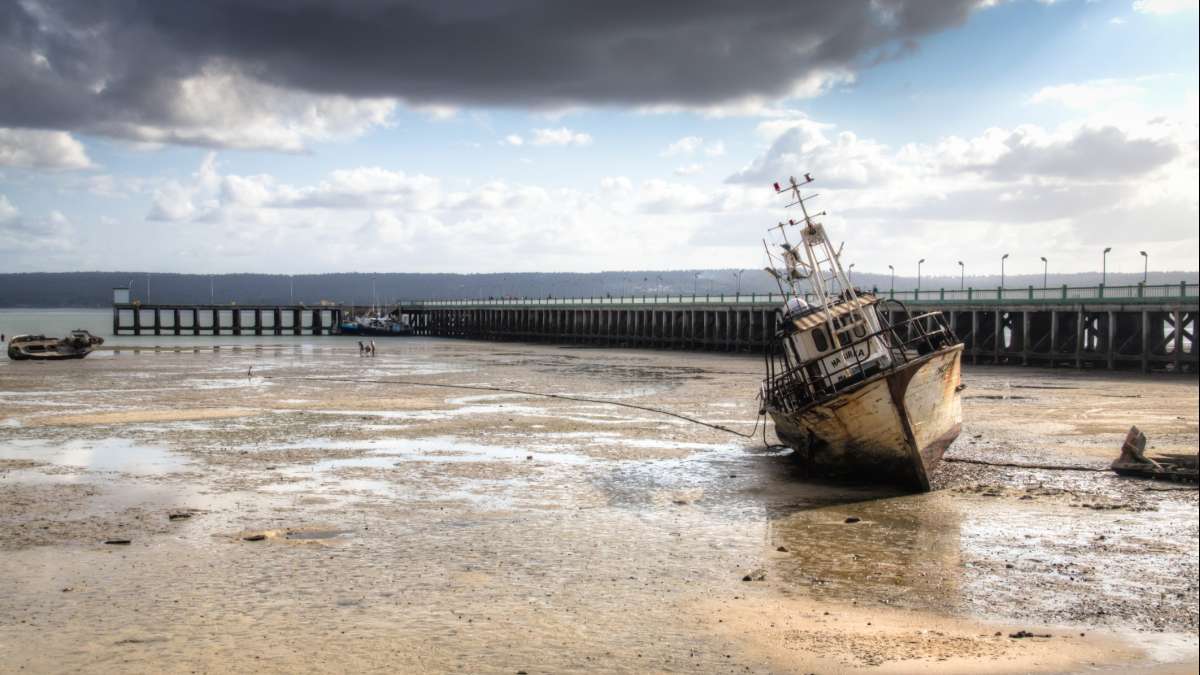
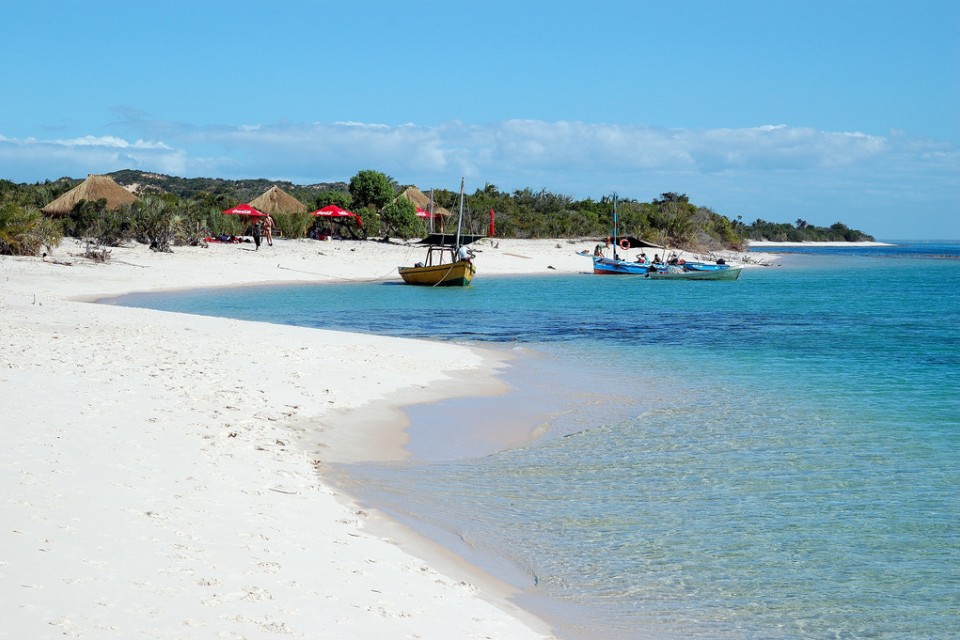
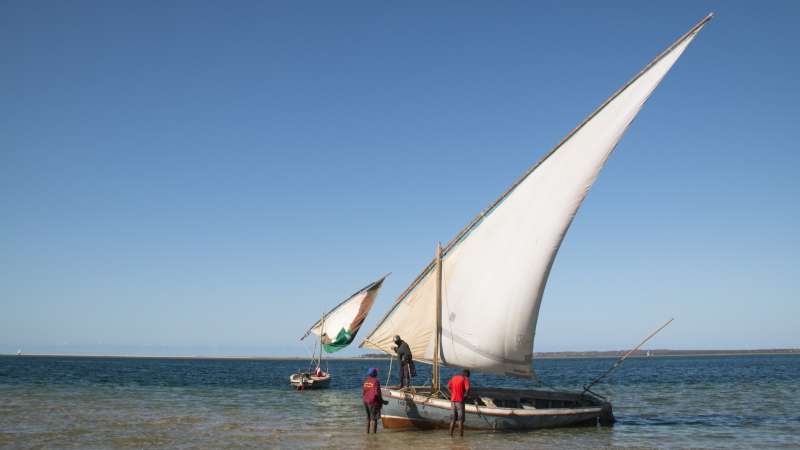
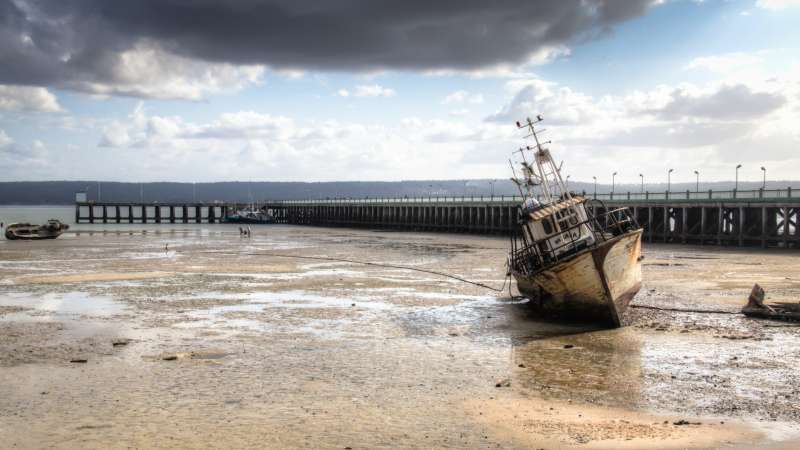
Tofo and Inhambane deliver the best of Mozambique’s laid-back charm. Think palm-fringed beaches, colourful markets, warm people, and a coast alive with marine life. The town of Inhambane, with its crumbling Portuguese architecture and dhow-studded harbour, reveals a rich history as one of East Africa’s oldest ports. Tofo, just 20 km away, is all about beach life: surfing, diving, seafood, and sunset cocktails.
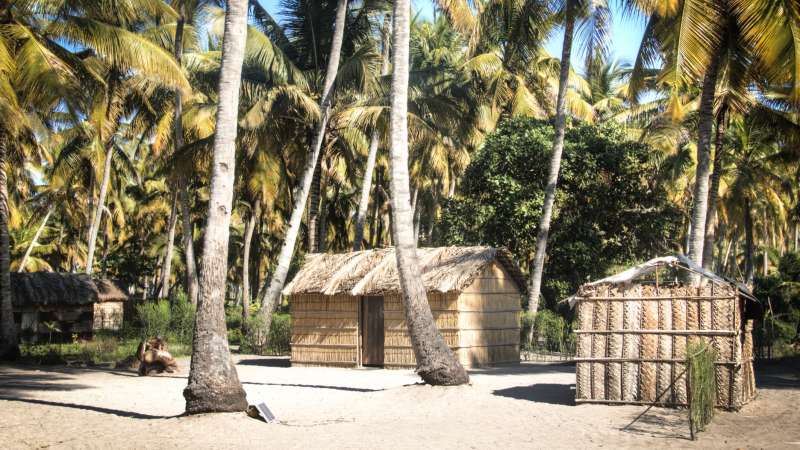
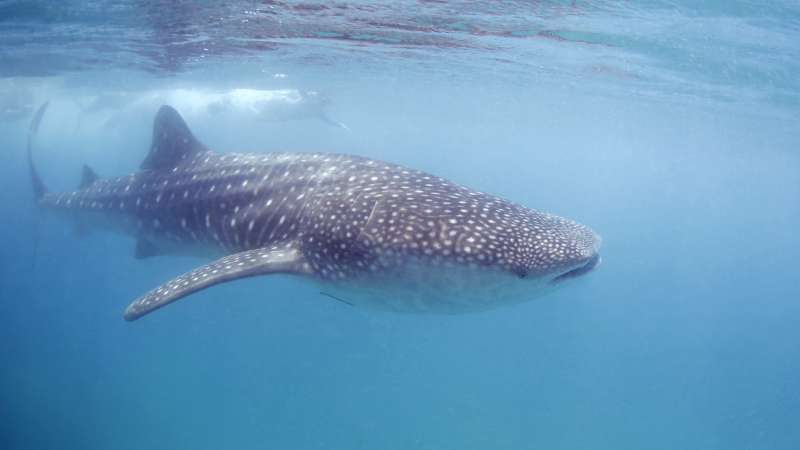
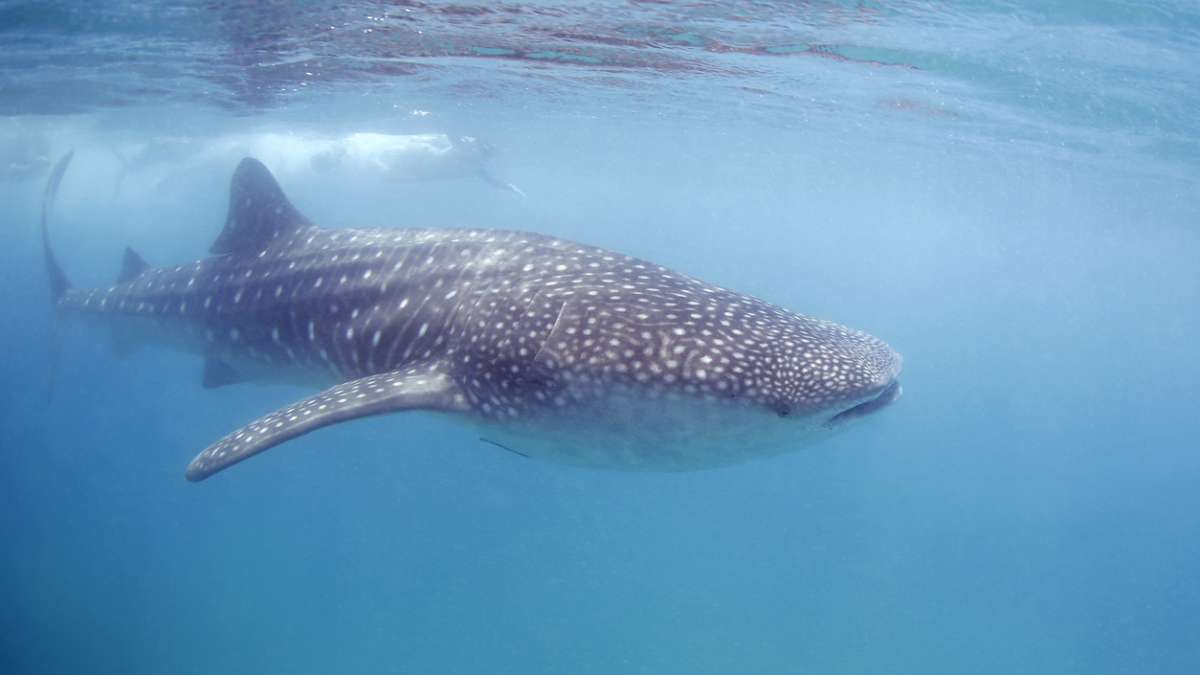
Few places on Earth offer marine encounters like Tofo. Known as “Whale Shark Alley,” this plankton-rich coastline hosts one of Africa’s largest whale shark populations. Snorkelers can swim alongside these gentle giants year-round, with peak numbers between October and March, when huge schools gather offshore.
Diving here is equally spectacular. Manta Reef and Giants Castle are world-famous dive sites teeming with big marine species, including giant mantas, turtles, dolphins, and reef fish. From June to November, migrating humpback whales pass close to shore and often breach in full view from the beach.
Licensed operators run responsible ocean safaris, ensuring sustainable encounters that protect the fragile marine ecosystem.
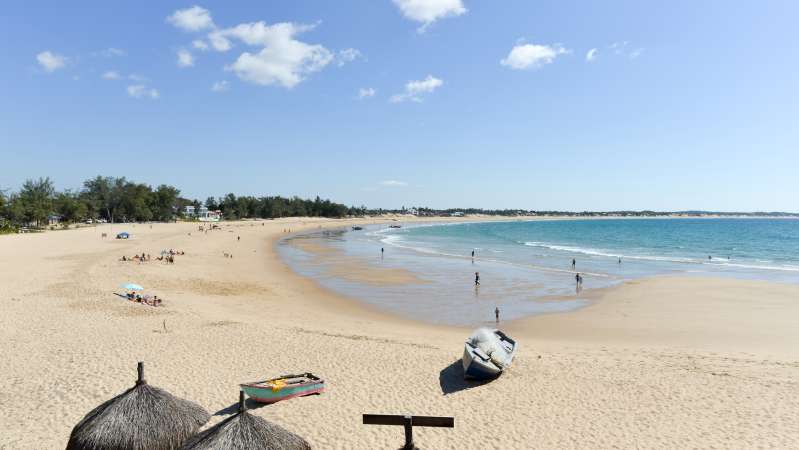
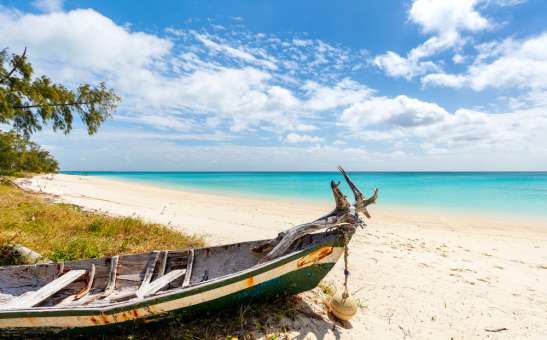
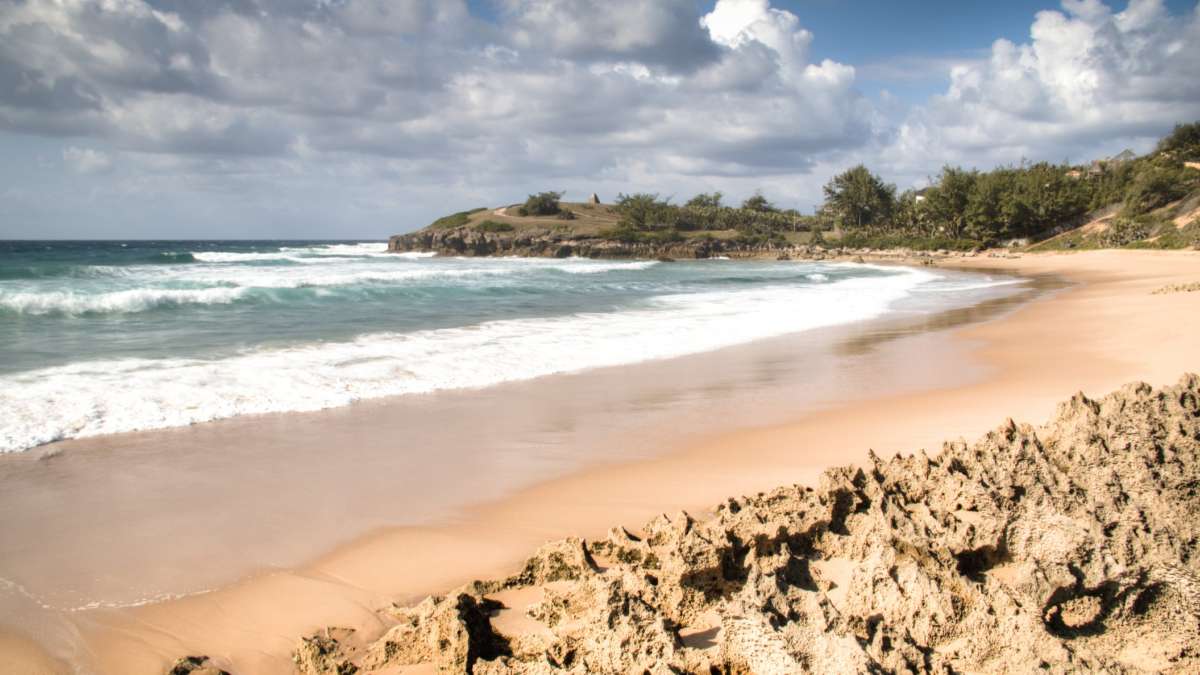
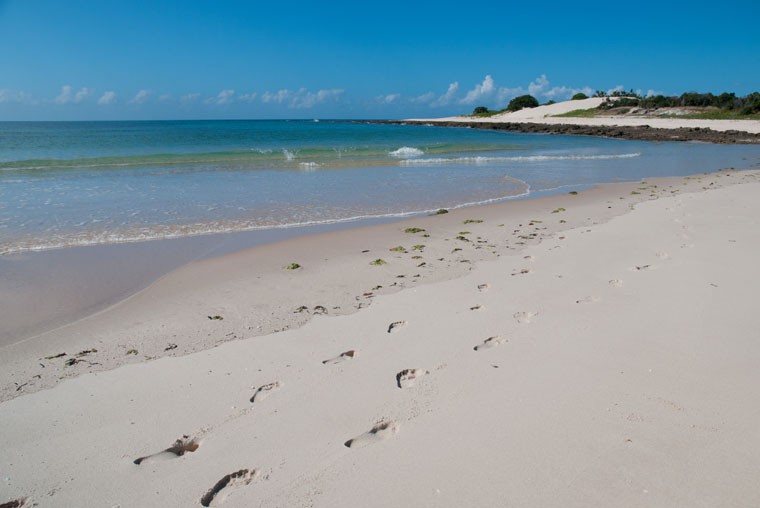
Tofo’s long crescent of golden sand is one of Southern Africa’s most inviting beaches. The warm Indian Ocean waters are ideal for lazy swims, and the pristine beaches are perfect for long walks and barefoot sunsets. The village hums with beach cafés, surf schools, and friendly local markets.
Just north, Barra Beach offers calm waters perfect for families, while Guinjata Bay and Toliara attract divers and surfers chasing bigger waves. Horse riding along the shore, dhow cruises, kayaking, and quad biking through the dunes are all popular ways to explore the coastline.
With warm water year-round and hardly any crowds, Tofo’s beaches are Mozambique’s answer to a barefoot paradise.
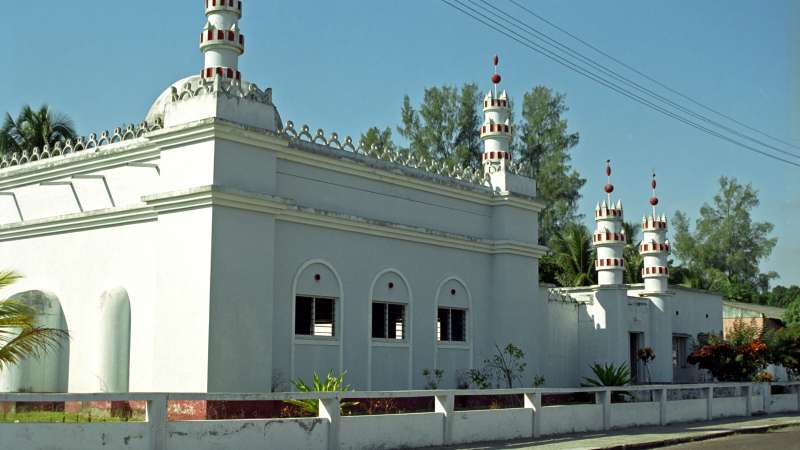
Across the bay, Inhambane town reveals a different side of the region with a charming mix of cultures shaped by centuries of African, Arabic, Indian, and Portuguese influence.
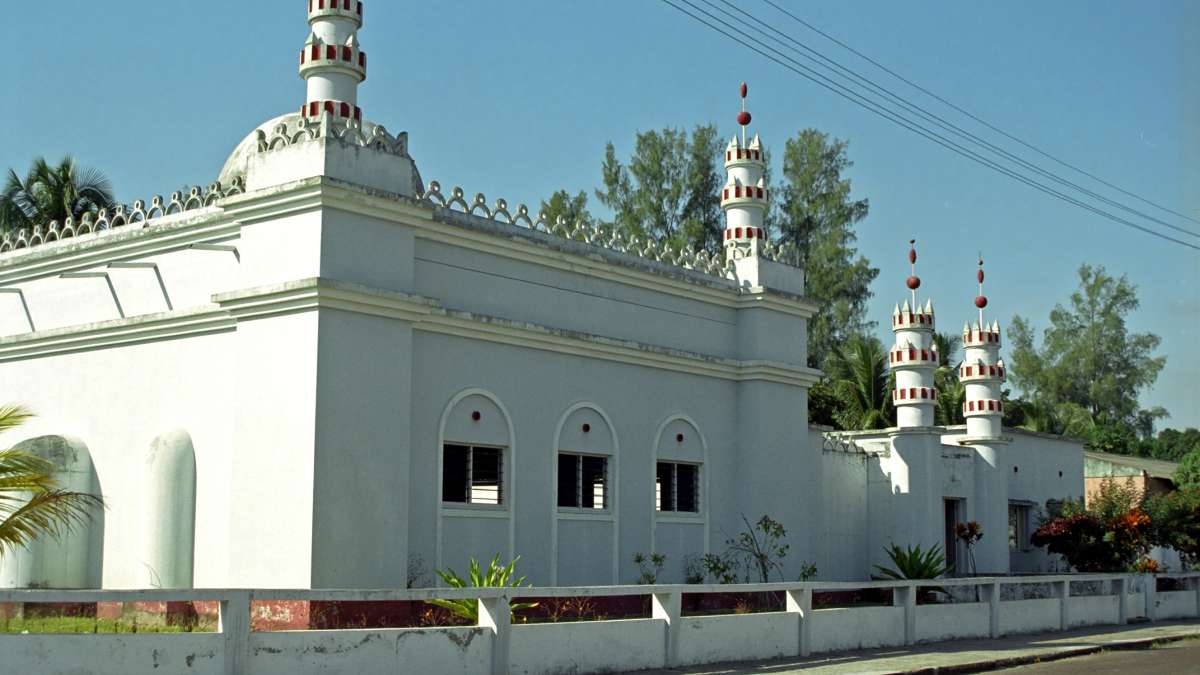
Founded in the 10th century, Inhambane was once a major dhow port on the Swahili trade route. Today, visitors can stroll palm-lined streets past faded colonial façades, visit the Cathedral of Our Lady of Conception, climb its clock tower for panoramic views, and explore the Old Mosque and Inhambane Museum.
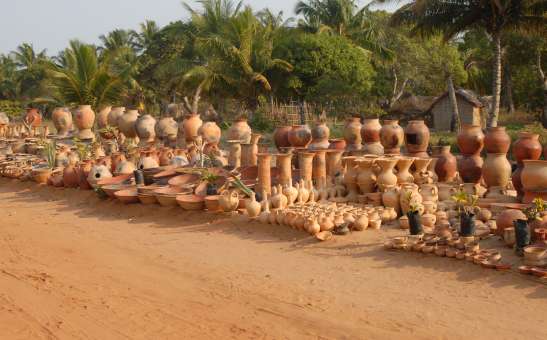
The Mercado Municipal, the main market, is alive with colour, selling cashew nuts, spices, fresh seafood, and local crafts. Across the estuary, the town of Maxixe is a short ferry ride away, offering a lively local experience that is great for a day visit.
Inhambane is about 450 km north of Maputo, a roughly six-hour drive. You can also fly directly from Maputo, Vilanculos, or Johannesburg to Inhambane Airport.
African Budget Safaris can help you plan the perfect Mozambique beach-and-safari escape. Whether you want to self-drive from Kruger, join an overland trip, or relax on a marine safari, our experts know the best routes, lodges, and local operators. Read our Mozambique FAQs or talk to one of our experienced Africa travel consultants, and start planning your safari today.
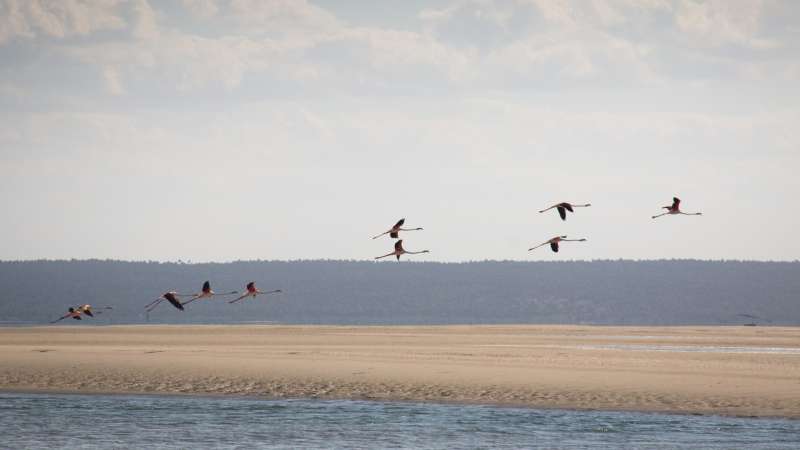
The best time to visit Inhambane and Tofo is from May to November. Days are sunny, seas are calm, and humidity is low, which is ideal for diving, ocean safaris, and relaxed beach holidays. Read our guide, The Best Time to Visit Mozambique, for more details.
December to March: Hot, humid, occasional rain, the peak whale shark and manta season.
Inhambane and Tofo, together with Villancoulous and Bazaruto, are among Mozambique’s top coastal destinations. Offering a blend of culture, sunshine, and adventure, Tofo and Inhambane remain quiet and underrated. African Budget Safaris features affordable packages that combine this tropical coast with wildlife safaris in Kruger, Eswatini, or the Bazaruto Archipelago, making it a tantalising bush and beach destination.



Call us toll free from US/Canada on 1-888-414-6513, or from the UK on 0-808-189-1052. All other countries can contact us on +27 21 791 0878.
© 2026 African Budget Safaris | Privacy | Terms | Cookie Policy | Consent Preferences