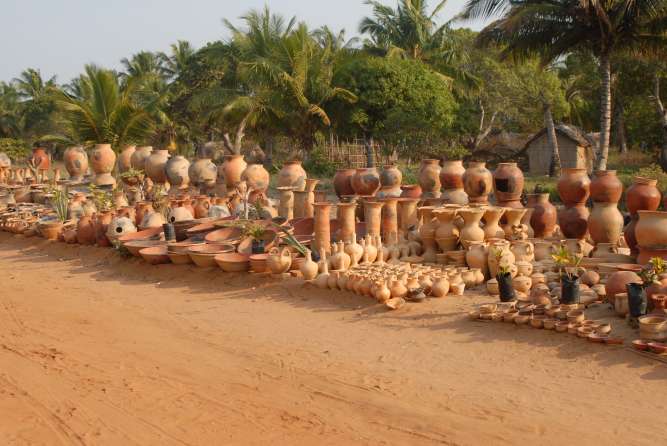
Roadside stalls in Mozambique are repositories of the country's rich arts and crafts heritage. These roadside stalls feature pots, vases, and traditional cooking vessels crafted using age-old techniques, and telling the story of Mozambique's ancient pottery traditions.
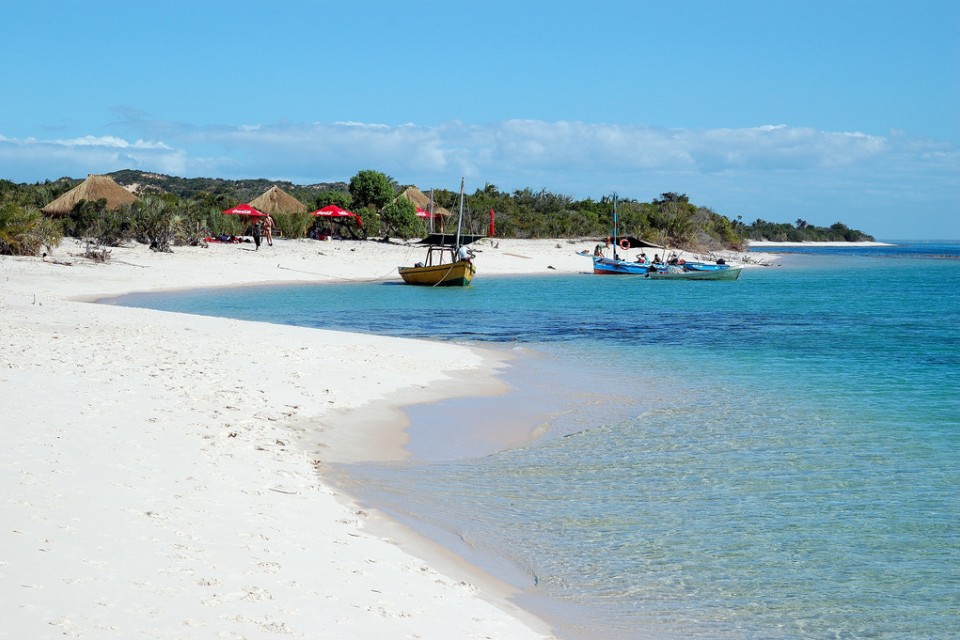
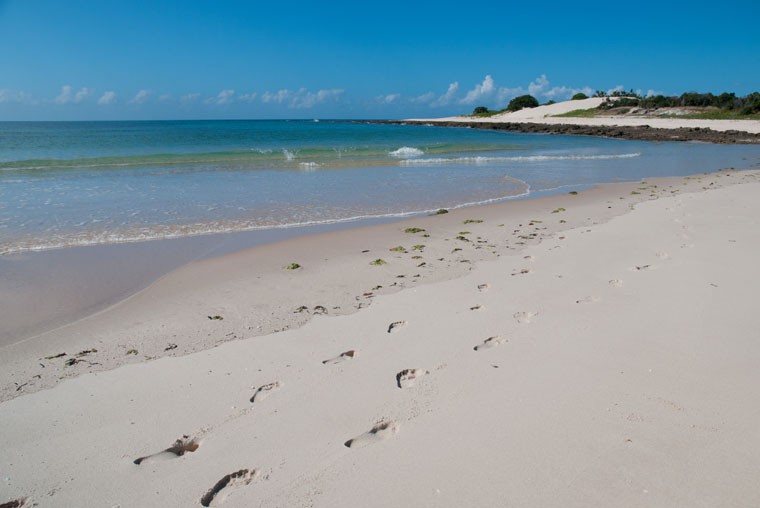
Inhambane Province, located in southern Mozambique, is renowned for its stunning coastline, colonial architecture, and rich cultural heritage. The province boasts pristine beaches such as Tofo and Barra, which are famous for diving and snorkelling, sharing the ocean with incredible marine life including whale sharks and manta rays.
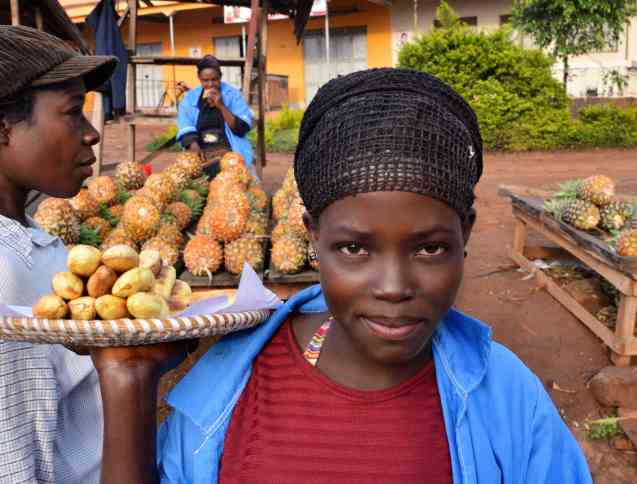
As you drive along the country's main highway that leads north from the capital, Maputo, a string of stalls line the road selling everything from wood and concrete building supplies, cashew nuts and fruit to clothing and plastic goods. When you reach Inhambane Province most noticeable is the pottery stalls showcasing an array of handmade clay items. These roadside stalls feature pots, vases, and traditional cooking vessels crafted using age-old techniques.
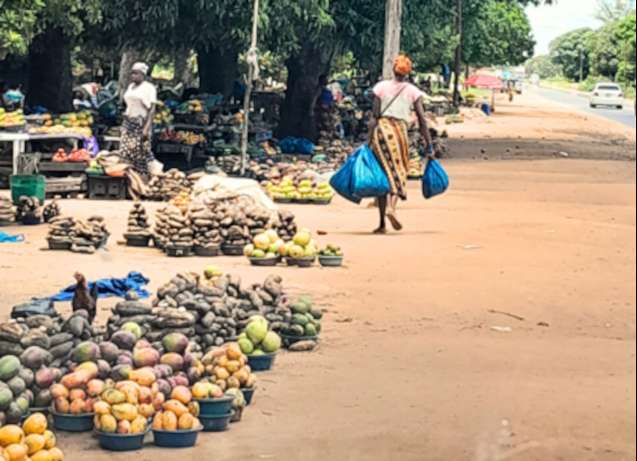
Pottery making is a very ancient craft in Africa, dating back to around 10,000 BC. The floodplain of the Mutamba River in Inhambane Province, Mozambique, is home to a rich deposit of high-quality clay, which has been used for over 1,000 years by the local community to produce traditional handmade pottery products and clay bricks for construction.
Women gather the clay at sites along the Mutamba River, wrap it in large nhlampfurha (castor-oil) leaves, and bury it at the foot of a tree near the homestead to keep it moist. There are many rituals and rules involved with the storing of the clay. The source of vumba (clay) has traditionally always been freely accessible to all Vavumbi (one who moulds, a Creator), though this is changing as development expands around Inhambane Province. Clay has been so fundamental to local livelihoods that women artisans (who have traditionally been the potters) have a saying in Gitonga, the local language spoken only in Inhambane: "Don't cry for men, cry for clay." This saying highlights the importance of clay in their identity and culture.
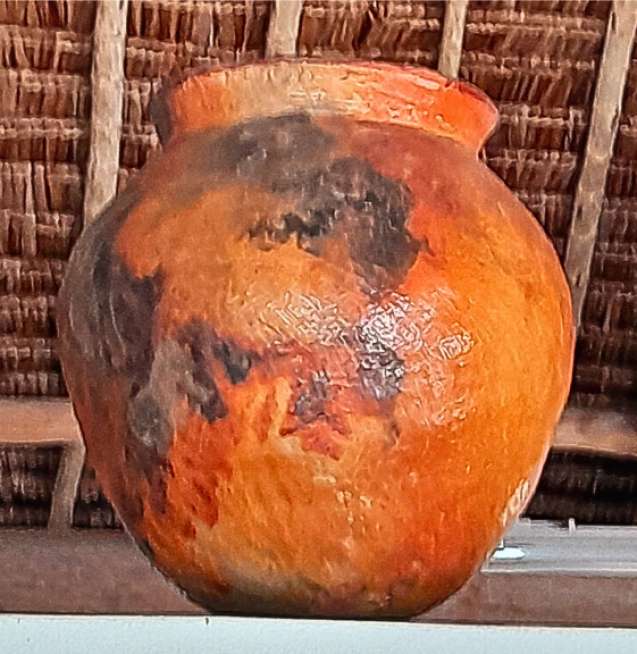
Pot making is an ancient craft passed down from mother to daughter for generations, and these artisans have always been highly respected in their communities. The pottery-making process is steeped in tradition and ritual, with potters strictly following practices laid out by the ceramic lineage they belong to. Pot design and functions have remained mostly unchanged throughout the years. They are a type of living history, with each potter's style conveying memories of her ancestors. Patterns and forms found in traditional pottery today are very comparable to ancient shards discovered in archaeological digs around Africa.
On the day of pot making, the clay is unearthed, sand and water are added, and the tempered clay is smacked and kneaded until blended and pliable. Enormous pots are built without the use of a wheel, using a hand-coiling technique. The potter uses a rikatla (mussel shell) to smooth the walls from the inside, drawing clay upward and blending coils together. Decorative markings are made while the pots are still wet, and it is this decoration that represents the potter's "handwriting" or "tinhlanga."
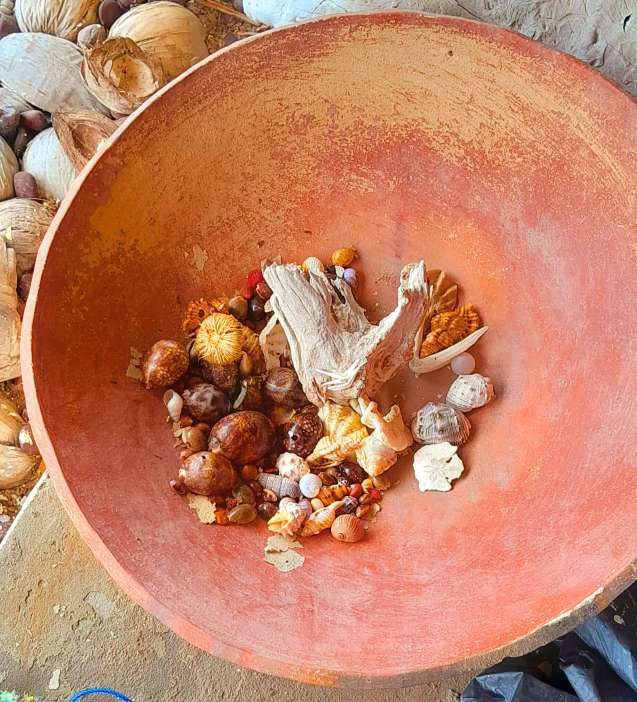
Colour is often added to the markings or to the pot in the absence of markings. Brown is made from a decoction of mangrove (nkapa) bark, boiled with the sticky sap of the mahlehlwa, a kind of creeper. Red is made with the roots of rotting marsh grass, mixed with clay, pounded and formed into little cakes that are left to dry in the sun before roasting in the fire. A more modern approach uses D-size batteries, broken open and emptied into a xirhengele bowl, and ground into a fine black powder which is mixed with water.
After the pots are fully dry, they are cured in a fire called Chitalla, which means "fire to burn clay". A hole is dug in sandy ground and lined with firewood. Pots are arranged carefully inside, then covered with firewood stacked vertically around the sides of the pit. This is covered in grass and a fire lit to cure the vessels.
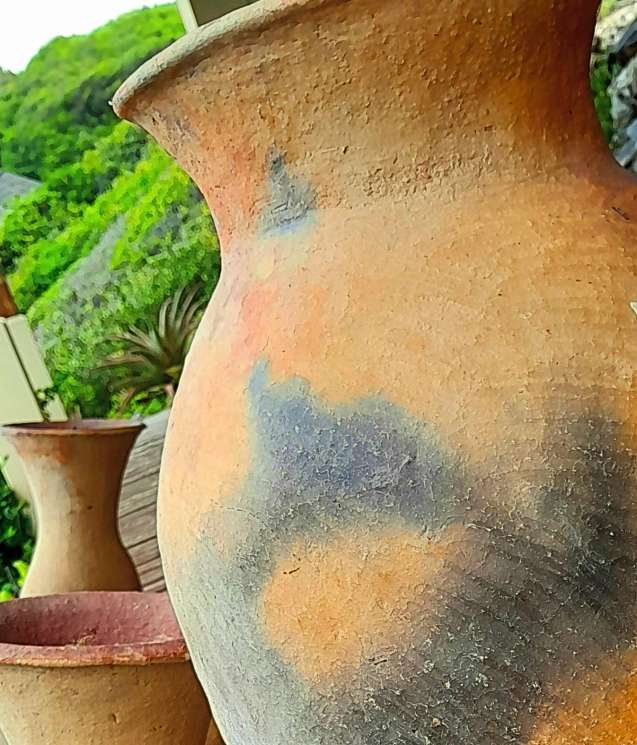
Pots (Mbita) come in various sizes, each with its unique function and name. A Nkambana is a small clay dish for serving food, while a xirhengele is a dish for mixing, and is also used by potters as the base for the shaping of large pots. A xihiso is a deep, wide-mouthed vessel used for grinding and grating, while a xitsorhi is a tiny vessel used to prepare medicines. Traditional Beer (byala) also has its own pots. Beer is brewed in a large pot called kalangu. A khuwana is a large pot for storing beer or water, never cooking. The contents are kept cool through evaporation on the porous walls of the pot. Beer drinking is done from a jomela pot. Timbita and Nhlambeto are deep, wide-mouthed pots used for cooking. Old-timers believe that cooking in pots made of clay imparts a unique taste to the food, a flavour not found in aluminium or stainless-steel utensils of today.
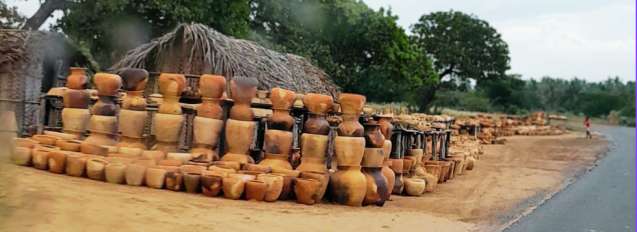
As you pass the rustic stalls lining the road through Mozambique's Inhambane Province, the potters offer a unique glimpse into the region's cultural heritage and traditions. Artisans produce exquisite pieces with minimal technology, relying on skills passed down through generations. In the old days, potters made utensils for the use of their clan, but these days economic realities have meant that they produce pots for sale as artworks and souvenirs. For travellers, stopping to appreciate and support these roadside pottery stalls is not only an opportunity to acquire beautiful, handcrafted souvenirs but also a way to engage with and honour the local African culture, gaining a deeper connection with the resilient people of Mozambique.
To fully appreciate the depth and diversity of Inhambane's pottery culture, visitors can explore museums and art centres dedicated to preserving and showcasing Mozambique's heritage. The Inhambane Museum and the Lindeza Weaving and Art Centre are popular destinations, displaying exhibits that showcase the region's historical and modern culture, antique utensils, ceramics, and textiles. The Lindeza Art Centre, situated in Vilankulos, offers a charming display of traditional crafts, including pottery, basket weaving, and woodcarving.
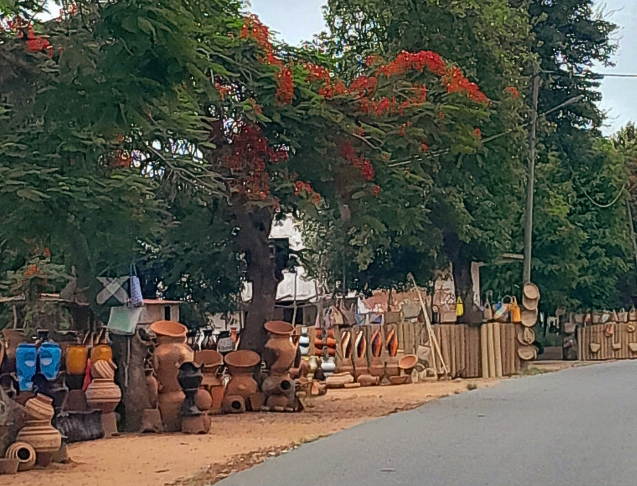
Visit Inhambane on our 7-Day Kruger & Mozambique Safari to Inhambane Beach or view our Mozambique Safaris.
Mozambique is not only an outstanding beach destination on one of Africa's longest coastlines fringed with golden sand beaches that maintain a truly untouched feeling, but is also an exciting destination to experience African culture. Pottery-making is an ancient craft and provides a deeper connection with Mozambique and its people.
Discover more about this underrated African country in our Mozambique Travel Guide or see Quick Answers to 10 of the Most Popular Mozambique Travel FAQs
For help planning your Mozambique trip talk to a friendly travel consultant.

Explore these destinations mentioned in this post.
Below you'll find further reading and articles related or similar to this post.




Call us toll free from US/Canada on 1-888-414-6513, or from the UK on 0-808-189-1052. All other countries can contact us on +27 21 791 0878.
© 2026 African Budget Safaris | Privacy | Terms | Cookie Policy | Consent Preferences




__medium.jpg)