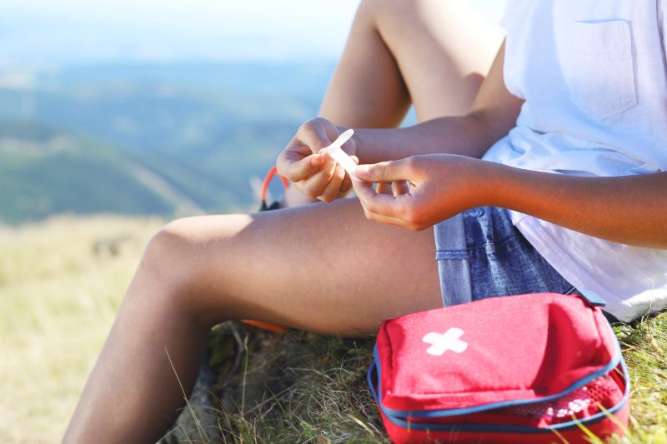
A well-packed safari medical kit is essential for any African safari. Remote locations, long game drives, and limited access to pharmacies mean even minor health issues can quickly disrupt your trip.
While safari lodges are prepared for emergencies, having your own compact travel first aid kit ensures you can handle common issues quickly and comfortably.
At African Budget Safaris, our consultants regularly travel into remote safari regions and have refined this list of essential items every traveller should carry.
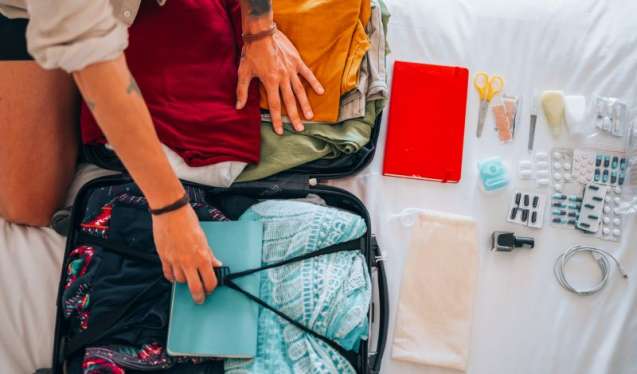
The most common medical issue affecting safari travellers is traveller’s diarrhoea. There's nothing worse than being caught on a game drive with a cramping stomach and a desperate need for a loo break.
It’s usually caused by unpurified water, unwashed fruit or vegetables, or food your stomach isn’t used to.
Pack:
Pro tip: Ask your doctor for a standby antibiotic for traveller’s diarrhoea, especially if you’re travelling to remote areas. Use it only as advised, and always seek medical attention if symptoms are severe or persistent.
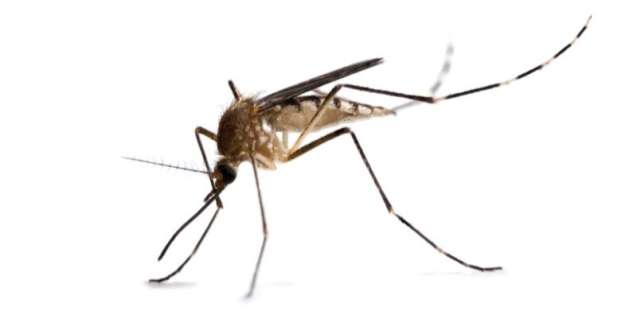
The majority of African safari destinations are in malaria areas. If you’re travelling to a malaria-risk area, malaria prevention is non-negotiable. Prophylaxis should always be taken alongside bite-prevention measures.
There are three commonly prescribed Prophylactic options:
The right choice of prophylaxis depends on your medical history, other medications, and tolerance, so you must consult your doctor well before departure. Start your medication early to ensure you tolerate it.
Some travellers also carry standby treatment such as Coartem®, in the case of actually catching malaria in a remote location. However, it is advisable to seek professional medical care.
For a clear breakdown of malaria facts, see our guide: Malaria Made Simple.
Combine medication with prevention:
Tips for malaria-free safaris in South Africa
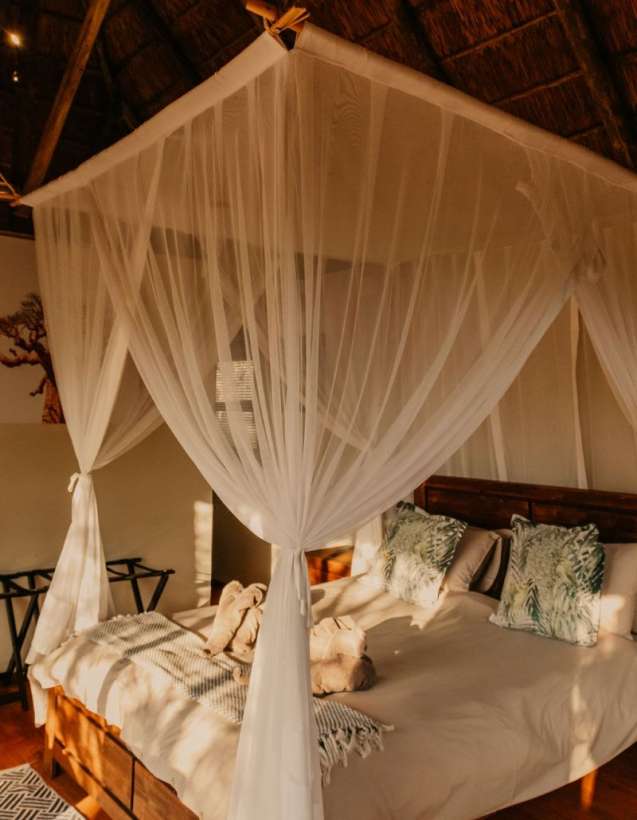
Safari areas are teeming with wildlife - and unfortunately, that includes a healthy population of bugs. Mosquitoes, tsetse flies, and other biting insects are common, especially near waterholes, riverbanks, and dense vegetation. Avoiding insect bites is one of the most effective ways to prevent malaria and other illnesses.
Protecting yourself from being bitten is essential: Wear long sleeves and socks at dusk and dawn, sleep under mosquito nets, and apply repellent on both your skin and in your accommodation.
These items are essential in your medical kit:
Treat bites early to prevent irritation or infection.
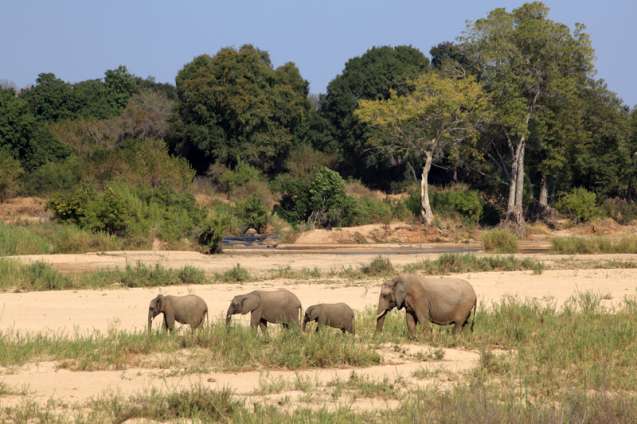
The African sun is intense, even on cooler or cloudy days. Long hours in open safari vehicles increase exposure.
Never underestimate the dangers of sun exposure, even on cloudy days. Sunburn/heat stroke can quickly ruin a safari adventure.
Safari sun protection:
A wide-brimmed hat and sunglasses are just as important, even if they don’t belong in your medical kit.
When is the best time to go on safari?
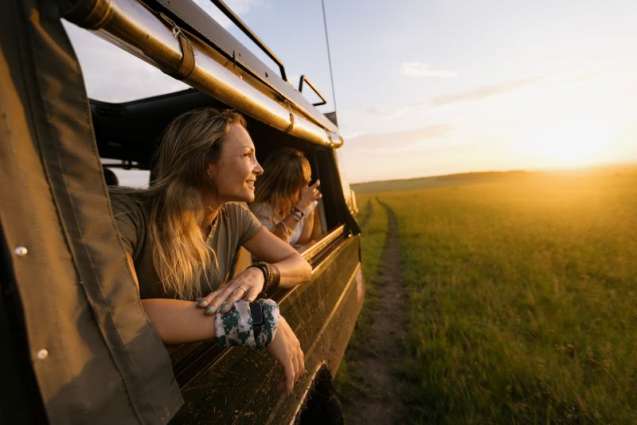
Minor issues can feel worse when travelling, especially on bumpy roads or small aircraft.
Don't let these small niggles derail your safari dreams.
Pack medication for:
Eye drops are also useful in dusty safari environments.
__medium.jpg)
You don’t need a full trauma kit, but a few essentials go a long way.
Include:
These are invaluable and are perfect for handling minor injuries quickly and effectively.
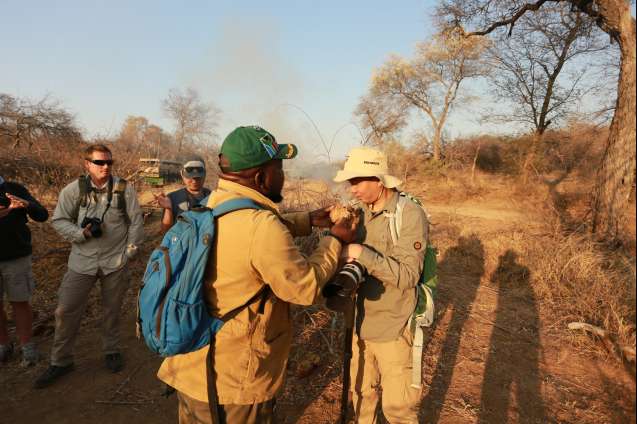
If your safari includes bush walks or remote travel, a few extra items are worth packing.
Useful items include:
Tick activity in southern and East Africa is closely linked to warm, wet conditions, so numbers rise during and just after the rainy season when vegetation is thick, and wildlife hosts are abundant. It is important to check yourself for ticks after a bush walk, particularly around your ankles and your groin area.
While you can be assured that hotels and safari lodges offer safe drinking water, water purification methods may be necessary if you are travelling off the beaten track.
Always bring everything you need and never rely on finding your medication locally.
Once you travel into national parks and private reserves, pharmacies are rare or nonexistent, and safari lodges typically carry only basic first aid supplies.
While cities and larger towns generally have reliable pharmacies, it’s worth noting that regulations around certain drugs can vary by country, and specific brands, dosages, or specialised medications may not be available or may be sold under different names.
Always pack:
Note: Always carry prescription medication in your hand luggage, not checked bags.
__medium.jpg)
What should I pack in a travel medical kit for a safari?
A safari medical kit should include basic first aid supplies, common medications, insect repellent, and any personal prescription medication.
Do I need to bring my own first aid kit on safari?
Yes. While lodges carry first aid kits, having your own ensures quick access to essentials, especially during game drives or remote excursions.
Can I buy medication in Africa if I forget something?
Medication is widely available in major cities, but options are limited in remote safari areas, so it’s best to bring everything you may need.
Do I need malaria medication for an African safari?
This depends on your destination. Many safari areas are malaria zones, so consult your doctor before travelling.
Should I bring prescription medication on safari?
Absolutely. Bring enough for your entire trip, plus copies of prescriptions and a doctor’s note for controlled substances.
What are the most common health issues on safari?
Common issues include dehydration, insect bites, sunburn, minor cuts, and stomach upsets from unfamiliar food or water.
How big should a travel medical kit be?
Your kit should be compact and portable — just enough to handle minor issues without taking up too much luggage space.
What is the best travel first aid kit for safari?
The best kit is a customised one that includes essential medications, first aid basics, and items suited to your destination and activities.
What is the most important item in a travel first aid kit?
There’s no single item, but essentials like pain relief medication, plasters, antiseptic cream, and insect repellent are among the most important.
Do I need special medical supplies for walking safaris?
Yes. Include blister care, tick removal tools, and insect repellent, as you’ll have greater exposure to the environment.
How do I treat water safely on safari?
Use bottled water where possible, or carry iodine or purification tablets for remote locations. Most safari lodges provide drinking water for guests.
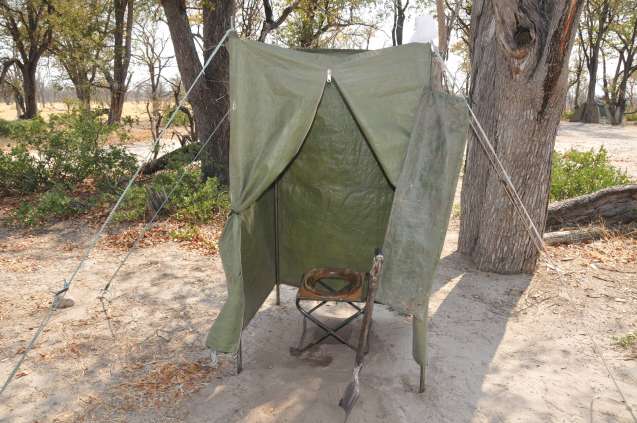
Safari lodges are well equipped for emergencies, but having your own medical kit allows you to deal with minor issues quickly and comfortably.
A little preparation goes a long way when you’re far from the nearest pharmacy — and it means you can focus on what really matters: the wildlife, the landscapes, and the experience.
Planning your safari? Our experienced African Budget Safaris consultants can guide you on everything from health preparation to packing and choosing the right destination.
Chat to our team and get expert advice tailored to your trip.
Below you'll find further reading and articles related or similar to this post.



Call us toll free from US/Canada on 1-888-414-6513, or from the UK on 0-808-189-1052. All other countries can contact us on +27 21 791 0878.
© 2026 African Budget Safaris | Privacy | Terms | Cookie Policy | Consent Preferences