Discover Africa’s diverse cultures, traditions, and customs, from ancient rituals and art to modern music, fashion, and community life across this vibrant continent.
What people often call “African culture” is, in truth, a collection of many African cultures. These cultures overlap, evolve, and influence one another across borders and generations. Despite this diversity, a few shared values run deep across the continent: a strong sense of community, reverence for ancestry, storytelling, music, and a spiritual connection between people and the natural world.

In most African societies, identity is communal rather than individual. The famous Zulu and Xhosa saying, “Umuntu ngumuntu ngabantu” sums this up beautifully; it means “A person is a person through other people”. Traditions are not isolated practices but living expressions of belonging, of being part of something greater than oneself.
Centuries of trade, migration, and colonisation have woven new threads into the cultural tapestry. Islam and Christianity coexist alongside traditional belief systems; languages such as English, French, Arabic, and Portuguese blend with indigenous tongues; and African art, music, and design continue to shape global culture.
For travellers, this means that exploring Africa is as much about meeting people and experiencing daily life as it is about seeing wildlife or landmarks. Every handshake, meal, and dance offers insight into these fascinating living cultures.
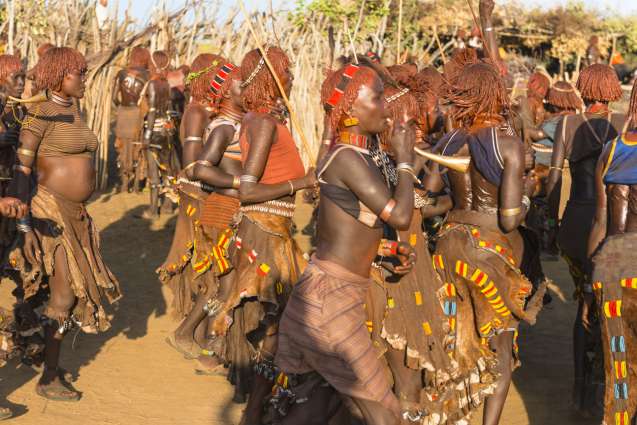
Rituals and ceremonies play a central role in African societies. They mark life’s key transitions from birth, initiation, marriage, and death. They reinforce the values that bind communities together. While these practices differ widely across regions, they often share the belief that life’s milestones are communal experiences involving family, ancestors, and the wider community.
A birth is not just a family event but a community celebration. In many African cultures, naming ceremonies are held a few days or weeks after a child’s arrival. Names often carry deep meaning, symbolising family lineage, circumstances of birth, virtues, or blessings for the future. Among the Yoruba of Nigeria, names like Yetunde “mother has returned” or Ayodele “joy has come home” reflect both spirituality and emotion. Elders or spiritual leaders may lead prayers, pour libations, or offer gifts to ancestors, welcoming the newborn into the human and spiritual worlds.
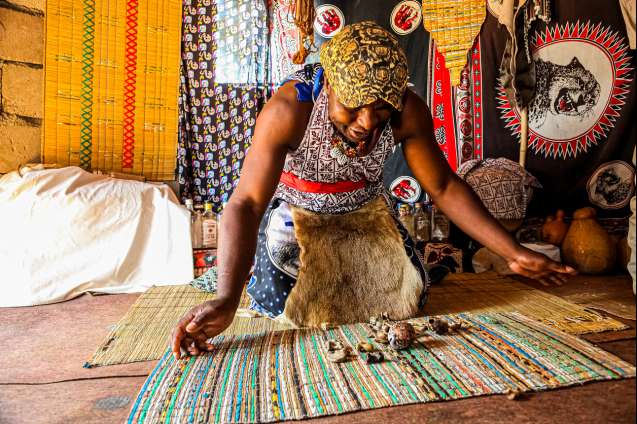
Across Africa, the passage from childhood to adulthood is a defining moment. Among the Xhosa of South Africa, the ulwaluko initiation ceremony marks a boy’s transition into manhood, accompanied by seclusion, instruction, and reflection. Among the Pokot and Maasai of Kenya, similar rites are practised, often involving mentorship from elders.
For girls, initiation ceremonies may include teachings about womanhood, family responsibilities, and cultural identity. Although some historical practices have been re-evaluated or discontinued, the emphasis on maturity, respect, and community responsibility remains strong.
Marriage traditions across Africa emphasise family alliances and social bonds. In many communities, unions involve both families rather than just the couple. Ceremonies can span several days, featuring music, drumming, dance, and feasting. Bridewealth is often paid in livestock or symbolic gifts, strengthens family ties, and demonstrates respect.
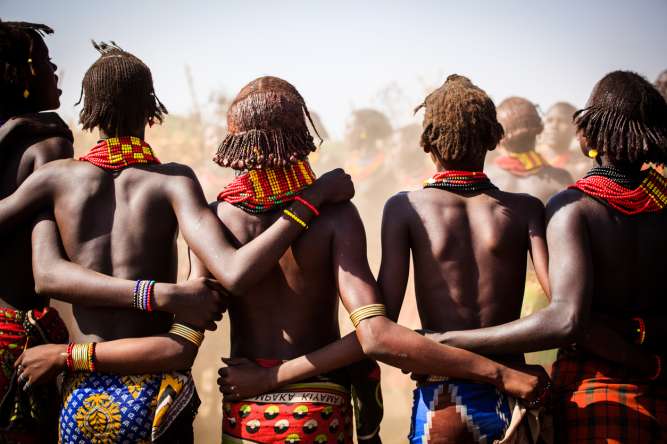
Colours, fabrics, and attire vary widely: the brilliant kente cloth of Ghana, ankara prints of West Africa, or the intricate shweshwe fabrics of southern Africa each tell cultural stories through design.
In Africa, the role of ancestors is an important aspect of day-to-day life. Death is not viewed as an end but a continuation of existence in the spiritual realm. Funerals, often elaborate and deeply symbolic, honour the deceased and ensure safe passage to the world of ancestors. The Igbo of Nigeria, for instance, hold ikwa ozu ceremonies that can last several days.
Ancestor veneration is central to many belief systems. The dead are believed to watch over the living, providing guidance and protection. This ongoing relationship underscores Africa’s holistic view of life, where the physical, spiritual, and ancestral worlds are interconnected.
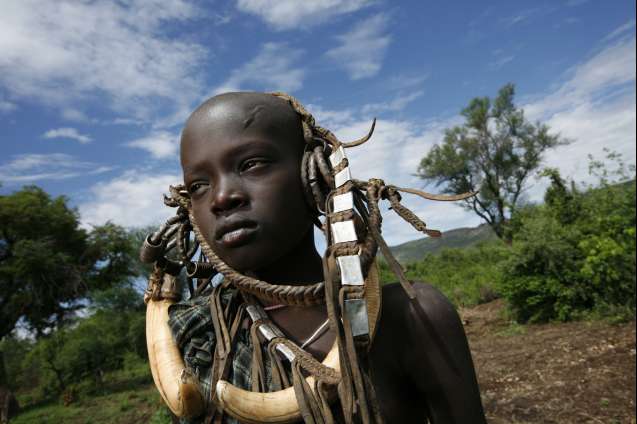
Travellers are welcome to observe or participate in cultural events, but sensitivity is key. Always ask permission before taking photos, respect local dress codes, and follow guidance from community members and tour guides.
African culture comes alive through festivals and celebrations. From orthodox Christian festivals in Ethiopia to the Reed Dance in Eswatini, there are plenty of cultural festivals to choose from. Take a look at our month-by-month guide to festivals in Southern Africa or peruse the best cultural events happening in East and North Africa.
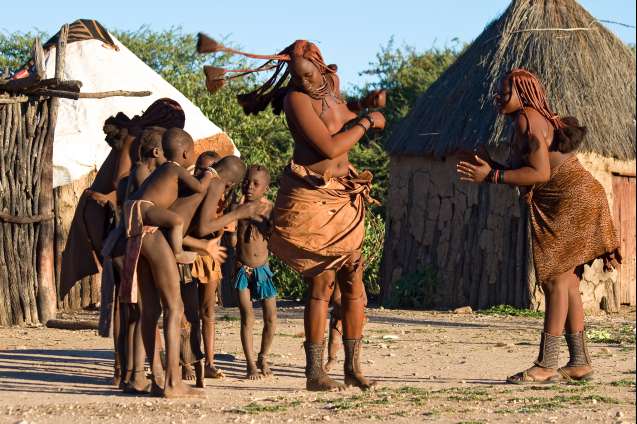
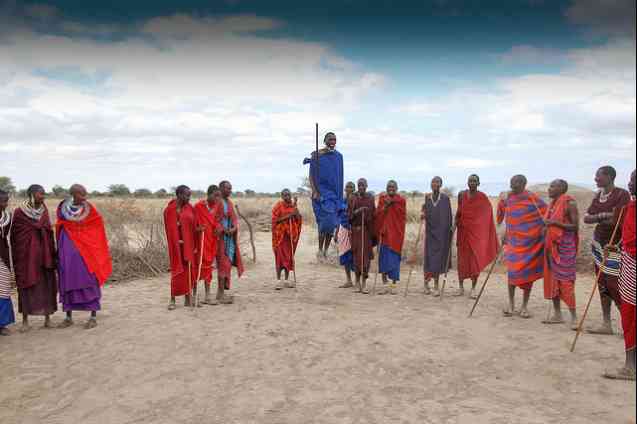
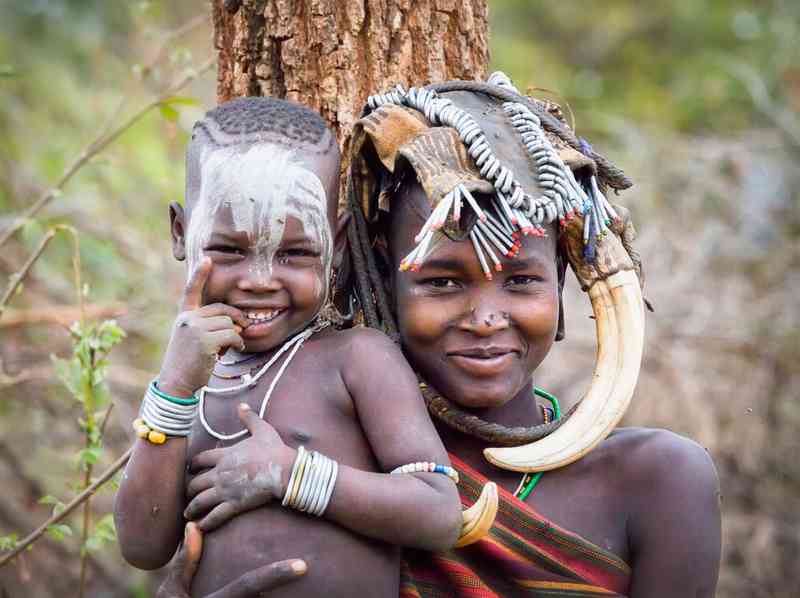
East Africa’s cultural landscape stretches from the highlands of Ethiopia to the coastal islands of Zanzibar and Madagascar. Among the pastoralist Maasai and Samburu, cattle are central to identity, wealth, and spirituality. Traditional beadwork, colourful shukas, and warrior dances remain powerful symbols of pride.
Check out some of our new tours that visit Ethiopia’s fascinating cultures.
In Ethiopia, ancient Orthodox Christian traditions coexist with Islamic and indigenous practices, while Swahili coastal culture reflects centuries of trade with Arab, Indian, and Persian merchants. The Swahili language and architecture blend African and Middle Eastern influences, visible in cities like Lamu, Mombasa, and Zanzibar.
__medium.jpg)
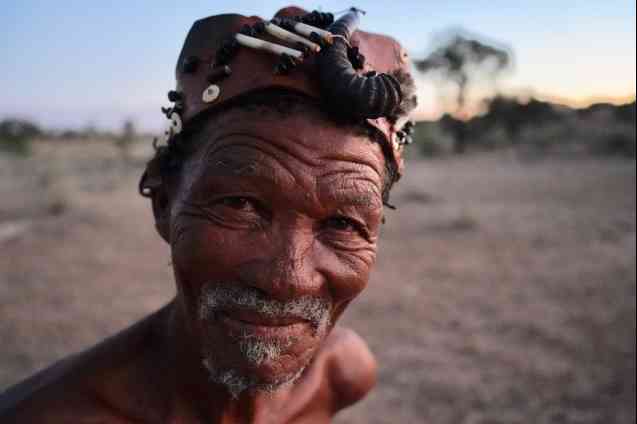
Southern Africa’s cultures are as diverse as its landscapes. The San (Bushmen) of the Kalahari are among the world’s oldest continuous cultures, known for their rock art, storytelling, and deep ecological knowledge. The Bantu tribes, Zulu, Xhosa, and Ndebele, express identity through language, beadwork, and geometric design.
Colonial history has layered additional influences onto indigenous culture, resulting in hybrid forms of art, music, and cuisine. The region’s “rainbow nation” ethos reflects both pride in diversity and an ongoing journey toward unity and healing.
West Africa’s cultural wealth is legendary. From Senegal’s drumming traditions to Nigeria’s vibrant festivals, music and performance are woven into daily life. The Yoruba and Igbo peoples are known for intricate bronze and wood carvings, while Ghana’s Akan people are famed for their symbolic Adinkra symbols and kente weaving.
Oral storytelling, proverbs, and praise poetry preserve history and wisdom. Festivals such as Nigeria’s Osun-Osogbo and Benin’s Voodoo Festival combine spiritual devotion with colourful celebration. Drumming, dance, and call-and-response songs are used to communicate messages and celebrate community life.
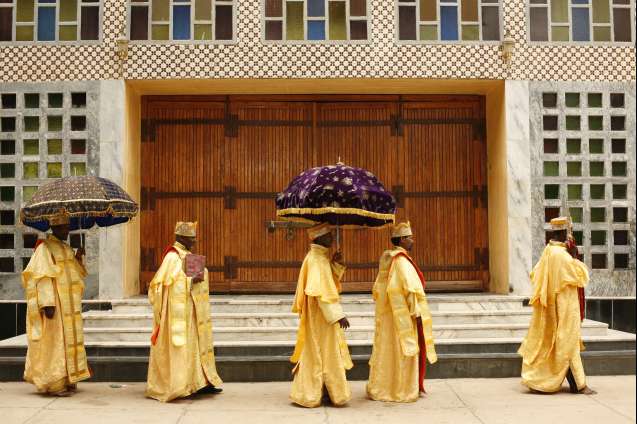
Central Africa is home to some of the continent’s most complex spiritual traditions. Music and dance are central to expression, from the rhythmic drumming of the Congo Basin to the storytelling of the Fang in Gabon. Rituals often involve masks and spirit representations used to honour ancestors and invoke guidance.
Among the Pygmy groups of the Congo, forest life shapes culture and worldview. Songs echo through the rainforest as forms of communication, celebration, and connection to nature.
North Africa bridges the Arab world and sub-Saharan Africa. Its cultural mosaic includes Berber, Arab, Nubian, and Tuareg influences. From Morocco’s souks to Egypt’s Nubian villages, Islamic architecture and ancient heritage blend with desert nomad traditions.
Hospitality is central in this harsh environment, and guests are honoured with mint tea, fresh bread, and lively conversation. Music ranges from Morocco’s gnawa rhythms to Egypt’s classical Arabic melodies, all rooted in centuries of cross-cultural exchange.
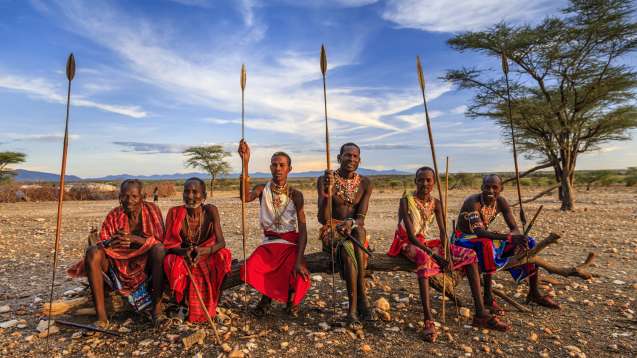
African culture is not static. Rather, it’s dynamic, innovative, modern, and increasingly global. Across cities like Lagos, Nairobi, Dakar, Cape Town, and Accra, young artists and entrepreneurs are redefining what it means to be African in the 21st century.
From Nigeria’s Afrobeat and Afropop to South Africa’s Amapiano and Ghana’s Highlife, African music now dominates international charts. Artists like Hugh Masekela, Mango Groove, Burna Boy, Tems, Sho Madjozi, and Diamond Platnumz bring African rhythms to a global audience. Another fascinating group is the Malawi Mouse Boys, who have played all over the world at the NOMAD festival of world music.
Film industries are thriving too: Nollywood (Nigeria), Riverwood (Kenya), and South Africa’s growing cinema scene produce stories rooted in African experience. Festivals such as FESPACO in Burkina Faso showcase the continent’s creative power.
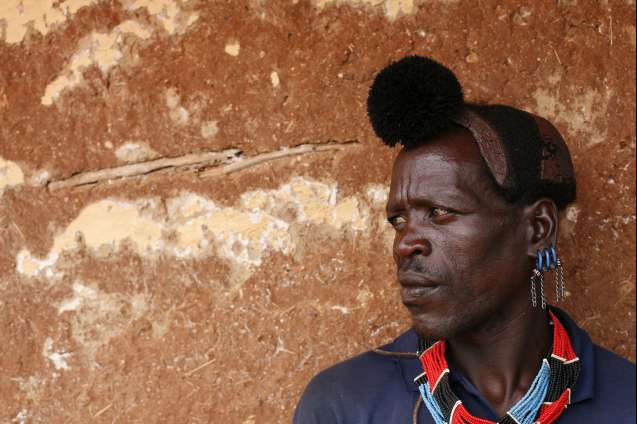
African designers blend tradition with modern flair, using indigenous textiles and patterns in contemporary ways. Lagos Fashion Week and Dakar Fashion Week celebrate the continent’s bold aesthetic, while sustainable designers reimagine local craft for global markets.
African literature continues to flourish, with writers like Chimamanda Ngozi Adichie, Tsitsi Dangarembga, and Abdulrazak Gurnah exploring identity, postcolonialism, and modern life. Oral storytelling traditions remain alive through poetry, theatre, and digital media.
__medium.jpg)
In Africa’s bustling cities, creativity is everywhere. Street murals & graffiti, spoken-word performances, and digital art collectives flourish. This new wave of African expression builds on deep roots while speaking confidently to a global audience. For the brave, Johannesburg is a melting pot of creativity from all over the continent. These are some of the best things to do in the City of Gold. Nairobi is fast gaining a reputation as an exciting and dynamic African city with plenty to see and do. Read more about the top things to do in Nairobi before or after your safari.
Art in Africa is both functional and spiritual. Masks, sculptures, textiles, and beadwork are not merely decorative but serve as vessels of meaning and history.
Among the Yoruba, Benin, and Igbo, bronze and wood carvings represent deities, ancestors, and ideals of beauty. In Central Africa, masks are used in initiation ceremonies and storytelling. Each piece carries symbolic meaning, representing power, fertility, or transformation.
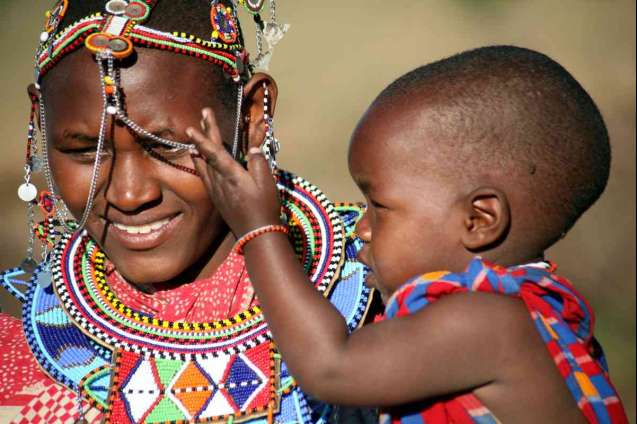
Textile art is one of Africa’s most recognisable cultural exports. Ghana’s kente, Mali’s bogolanfini (mud cloth), and the colourful weaves of East and Southern Africa express social status, creativity, and heritage. Designs often encode proverbs, political messages, or spiritual beliefs.
In southern and eastern Africa, beadwork is a language of its own. Among the Zulu and Ndebele, bead patterns and colours can convey social standing, marital status, or emotional messages. Across the continent, jewellery serves as both ornament and identity marker.
Hand-crafted baskets, pottery, and iron tools showcase both artistry and utility. The intricate baskets of Rwanda, Uganda, and Malawi, the copper and ironwork of West Africa, and the clay vessels of Inhambane in Southern Africa as well as the pottery of north Africa, reflect centuries of refined craftsmanship.
Art is also an economic lifeline. Many communities support themselves through selling handmade crafts. Buying directly from artisans supports cultural preservation and sustainable livelihoods.
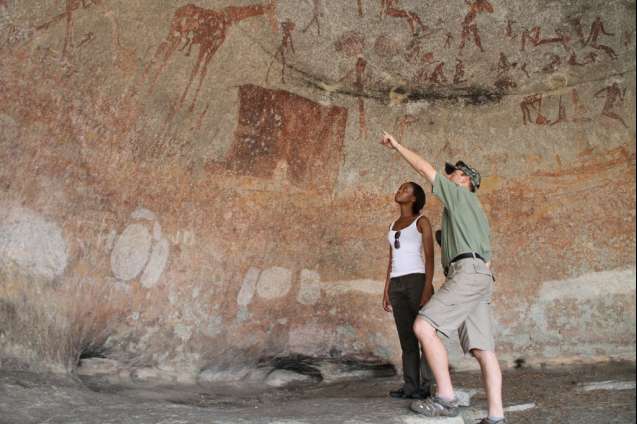
As Africa modernises, preserving its cultural heritage becomes both a challenge and a mission. Urbanisation, globalisation, and climate change threaten traditional ways of life, yet technology and tourism are helping to safeguard them.
Governments, NGOs, and communities across Africa are documenting oral histories, archiving languages, and protecting sacred sites. UNESCO recognises dozens of African intangible cultural heritages, from Morocco’s gnawa music to Uganda’s Bigwala gourd trumpets.
Community-based tourism also plays a role. When travellers visit responsibly, guided by local custodians, paying fair prices, and showing respect, culture becomes a living, shared experience rather than a performance.
Supporting local guides, attending community festivals, and visiting museums or heritage centres all help sustain cultural knowledge for future generations.
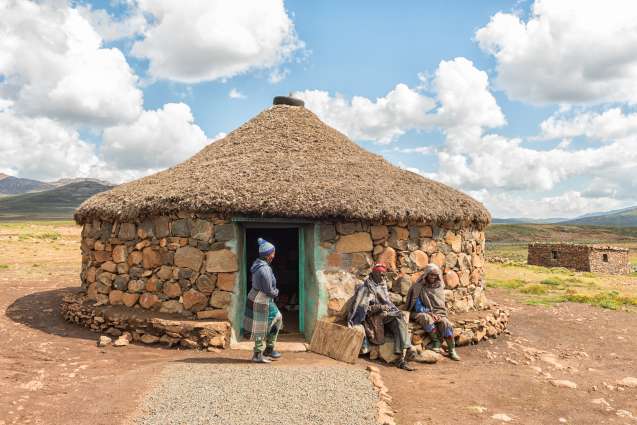
African culture is a living mosaic; layered, diverse, and endlessly fascinating. Every region tells its own story, but all share a deep connection to community, land, and spirit.
For travellers, understanding Africa’s cultures is the key to truly meaningful travel. Whether you’re listening to drummers in Senegal, learning beadwork from a Xhosa artisan, or tasting injera in Ethiopia, you are participating in something ancient yet alive.
Respect, curiosity, and openness are your best guides. When you travel with those values, Africa opens her heart, and you discover that culture here is not something to observe from the outside, but something you are invited to feel, join, and remember.
Contact African Budget Safaris and start planning a cultural safari today.

Below you'll find further reading and articles related or similar to this post.




Call us toll free from US/Canada on 1-888-414-6513, or from the UK on 0-808-189-1052. All other countries can contact us on +27 21 791 0878.
© 2026 African Budget Safaris | Privacy | Terms | Cookie Policy | Consent Preferences