Botswana has a reputation for doing safaris differently. Its remote camps, private concessions and light-aircraft transfers promise fewer crowds, exceptional guiding and access to wilderness areas that are difficult to reach by road.
They also come at a price.
So, what are travellers actually paying for? Does flying between small safari camps genuinely improve the experience, or does it simply make an already expensive holiday cost more?
ABS's Dan travelled through Botswana and Zimbabwe on a nine-day fly-in safari to find out. His journey combined Greater Moremi, the Chobe Enclave, two contrasting camps in Hwange National Park and a final night at Victoria Falls.
His verdict was emphatic.
“Absolutely, yes,” he said when asked whether he would recommend it. “These are life-changing experiences.”
But that does not mean every aspect was perfect, or that this style of safari will suit every traveller.
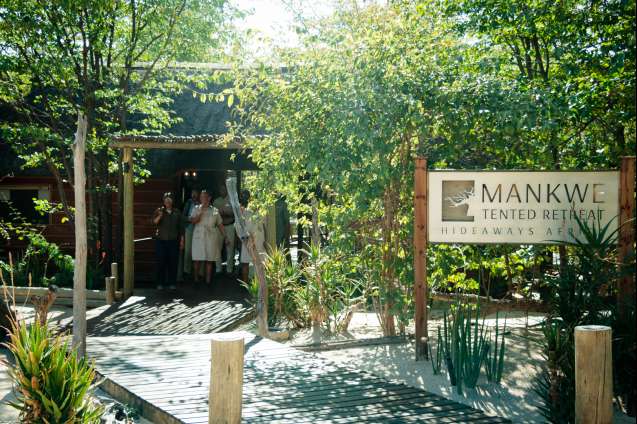
Dan's journey began at Maun International Airport, where he transferred by helicopter to Mankwe Tented Retreat near Moremi Game Reserve.
From Mankwe, he flew to Kasane, joined a Chobe River safari and continued to Camp Kuzuma in Botswana's Kazuma Forest Reserve.
The journey then crossed into Zimbabwe for two nights at Nantwich Lodge and two nights at Bumbusi Wilderness Camp in different parts of Hwange National Park. A final flight took the group to Victoria Falls for a night at Ilala Lodge and a sunset cruise on the Zambezi River.
The route was a condensed version of our 15-Day Botswana & Zimbabwe Fly-in Safari, which adds more time in each area and a separate stay in the heart of the Okavango Delta.
This was Dan's first fly-in safari, and the difference was apparent from the beginning.
Many of Botswana's camps are located in remote areas that cannot easily be reached by conventional road transfers. Flying is not simply a faster way to get around. It becomes part of the safari itself.
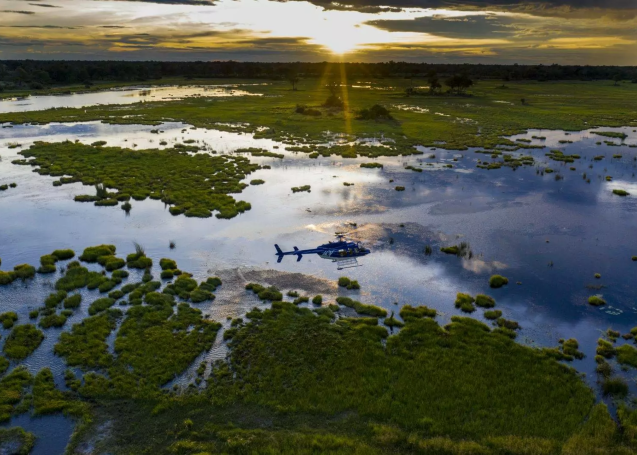
That was particularly true of the helicopter flight from Maun to Mankwe.
Because the helicopter flew lower than a conventional light aircraft, Dan could see more of the landscape and wildlife beneath him. The flight provided an immediate sense of Botswana's scale, isolation and inaccessibility.
“It was absolutely part of the trip,” he said. “It felt like a total treat.”
The helicopter was also the single experience that most clearly separated this journey from other safaris he had taken in southern Africa.
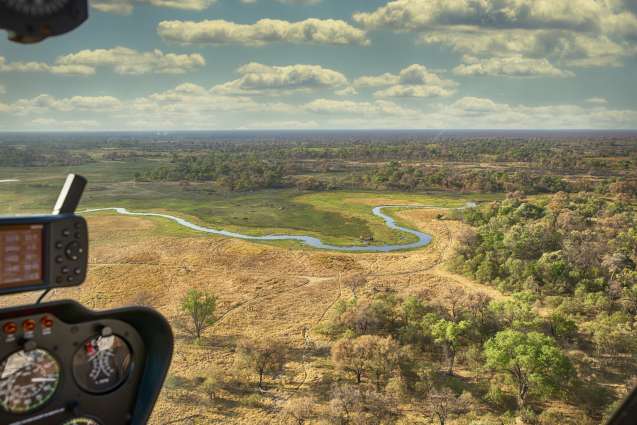
As an experience, the helicopter was one of the highlights. As a practical means of transport, it came with a few caveats.
Small aircraft and helicopters can feel cramped, particularly for tall travellers. They can also be bumpy, and two members of Dan's group experienced air sickness.
Travellers who are prone to motion sickness should consider carrying suitable medication in an accessible day bag rather than packing it in their main luggage.
The flight may also feel uncomfortable for nervous flyers or anyone who dislikes confined spaces. It is not a smooth, spacious airline experience.
However, for travellers who are comfortable in small aircraft, it provides something a road transfer cannot: extraordinary aerial views and rapid access to remote wilderness.
The premium is not only about the aircraft.
For Dan, the real value came from a combination of:
Dan travelled in a group of seven. Safari vehicles generally accommodated no more than nine guests, and several of the camps had very few other travellers staying at the same time.
At Mankwe, only one other family was in camp. Guests might return from their activities at a similar time or share a communal dinner, but the experience still felt private and personal.
At Bumbusi, Dan's group was the only party in camp. That created a level of exclusivity that is difficult to reproduce at a larger lodge.
Nantwich had more guests, and Dan occasionally saw another vehicle while on safari, but sightings never felt crowded.
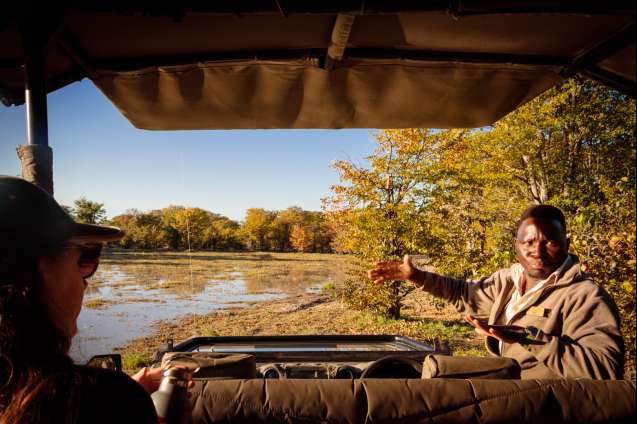
One of the clearest benefits was having an allocated guide who travelled with the group and learned what interested them.
Rather than delivering the same game drive to every guest, the guides regularly checked what people hoped to see and adjusted activities accordingly.
They communicated with other guides, followed up on sightings and worked hard to find the wildlife the group was interested in.
That attention became especially apparent around Mankwe, where guides working across the Greater Moremi, Khwai and Mababe areas shared information without creating the vehicle congestion found in some busier reserves.
For Dan, the guide's attention, knowledge and willingness to tailor the experience were among the strongest arguments for paying more.
Yes.
There were times when Dan's safari vehicle was the only one in the area. Even when another vehicle appeared, it rarely stayed close enough to affect the experience.
Private concessions can also allow greater flexibility than national parks, depending on the rules of the particular area. This may include off-road driving, night drives, flexible stopping points and fewer restrictions around sundowners or bush meals.
Dan did not believe that the itinerary would be unsuccessful without private concessions. The national parks and surrounding wildlife areas were already exceptional.
However, the concessions made the journey feel more exclusive and allowed the camps to add experiences that went beyond a standard morning-and-afternoon game-drive routine.
Mankwe occupies a dry concession on the fringe of the Moremi, Khwai and Mababe wildlife areas.
It felt remote, but not basic.
The lodge offered a full bar, room service, two-way radios and carefully considered comforts. The accommodation was unfenced, with animals able to move through the surrounding bush.
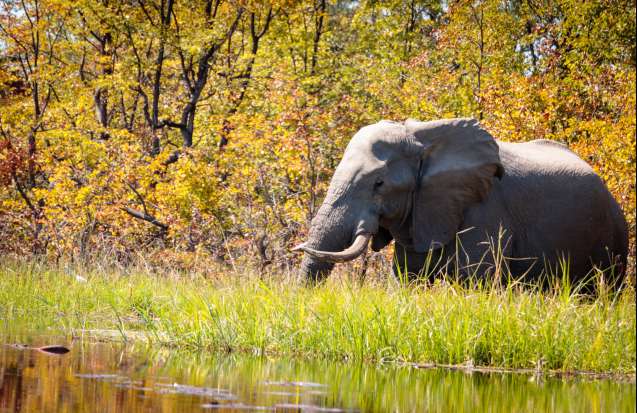
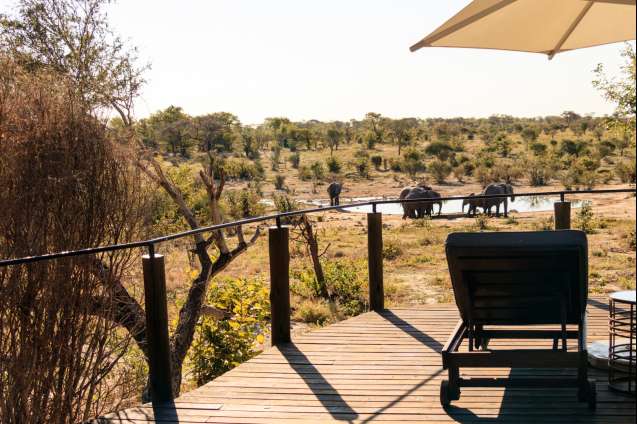
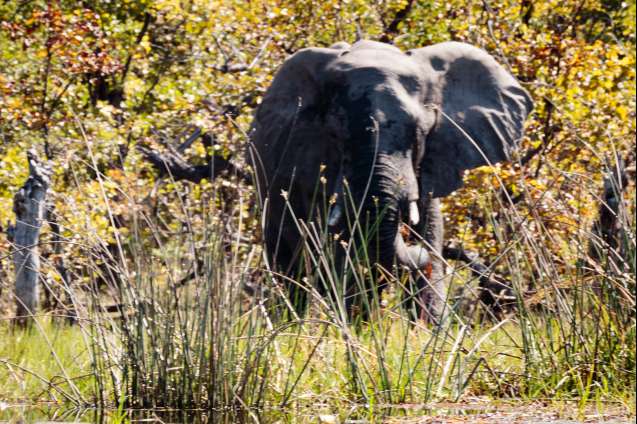
Elephants and other wildlife drinking at the nearby waterhole could be seen from the pool deck, allowing guests to continue watching animals between organised activities.
This combination defined much of the journey: being deep in a genuinely wild landscape without sacrificing comfort.
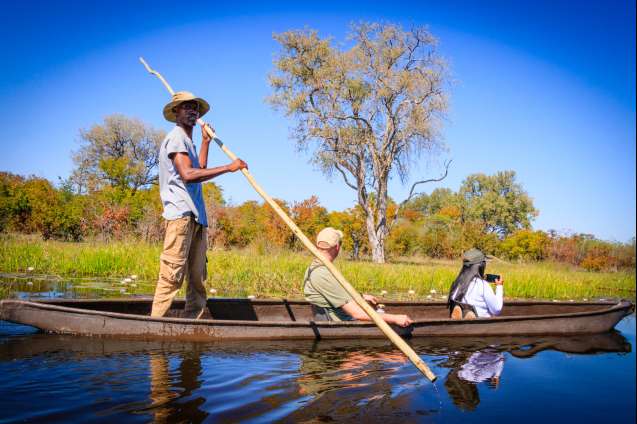
Mankwe is not a permanent-water Delta camp. Mokoro activities may require travelling to suitable water, depending on seasonal conditions.
Travellers who want a more water-focused Okavango experience should consider adding a dedicated Delta camp to the itinerary.
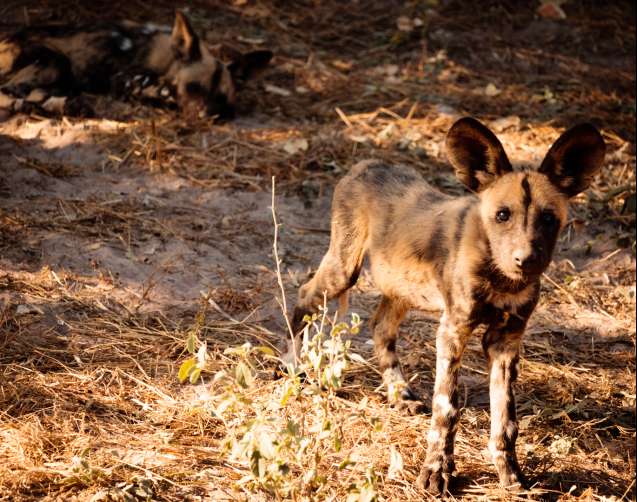
Dan found the wildlife experience stronger in Botswana during this particular trip.
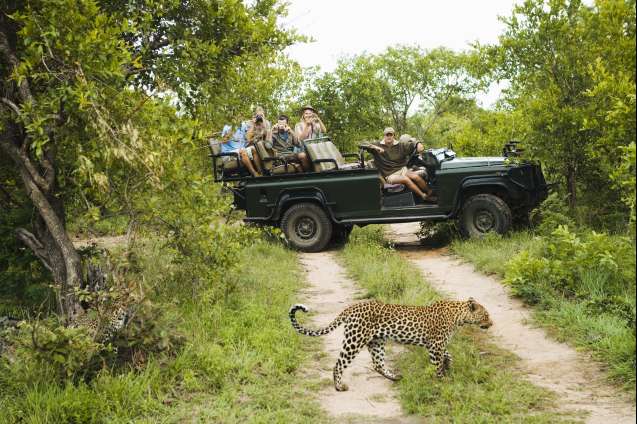
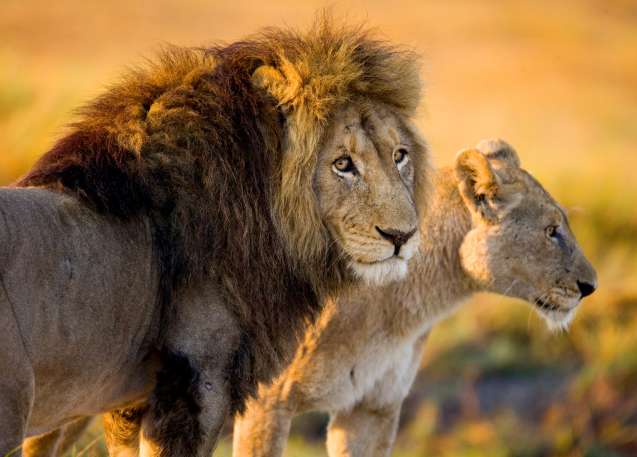
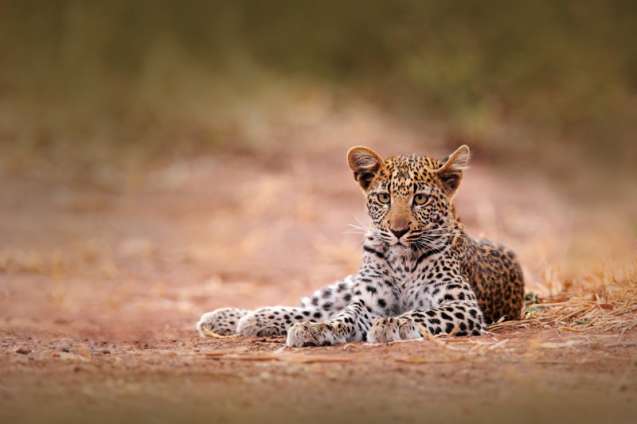
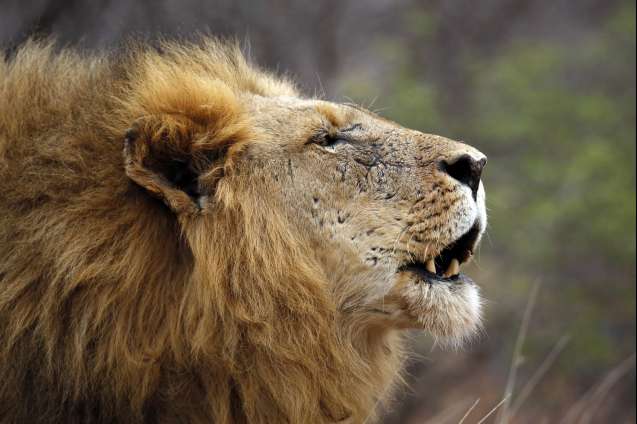
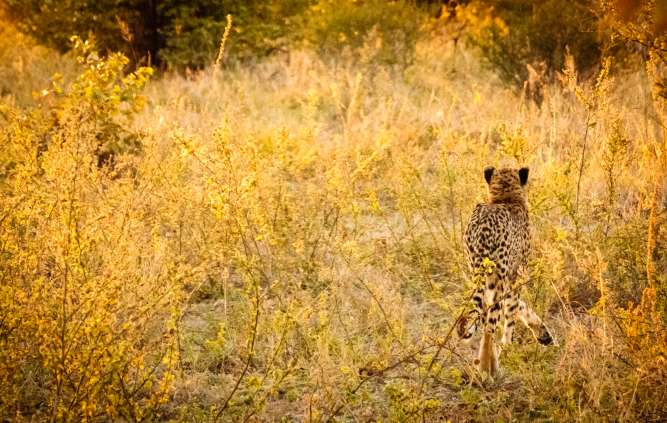
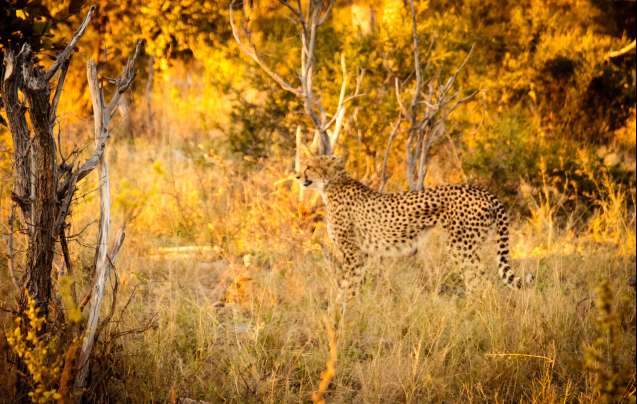
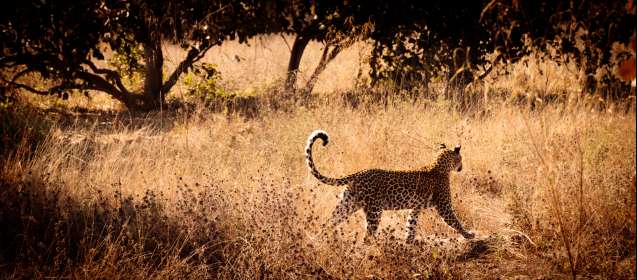
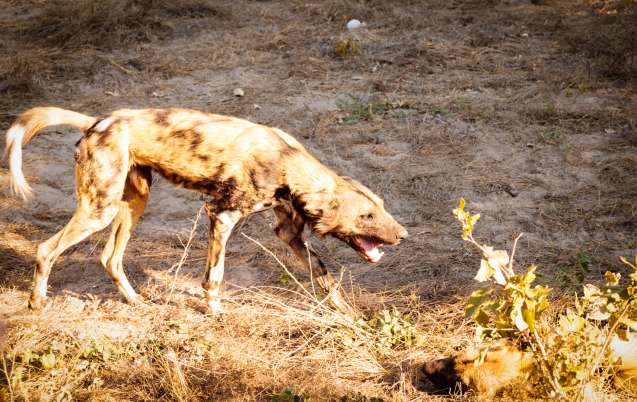
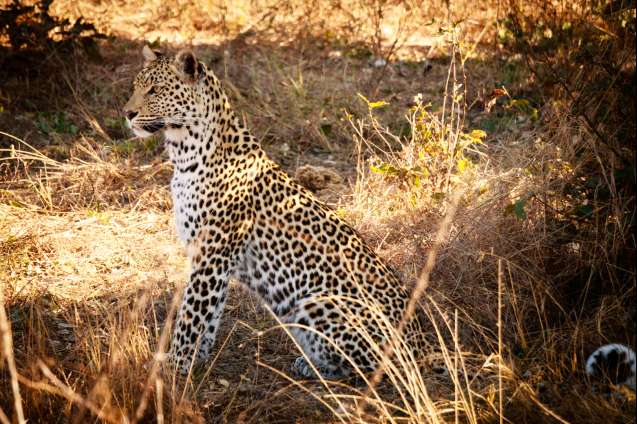
There, the group saw a female leopard on the hunt, a pack of wild dogs, three cheetah brothers on the Mankwe concession, and lions feeding on a giraffe. The game viewing was consistently impressive.
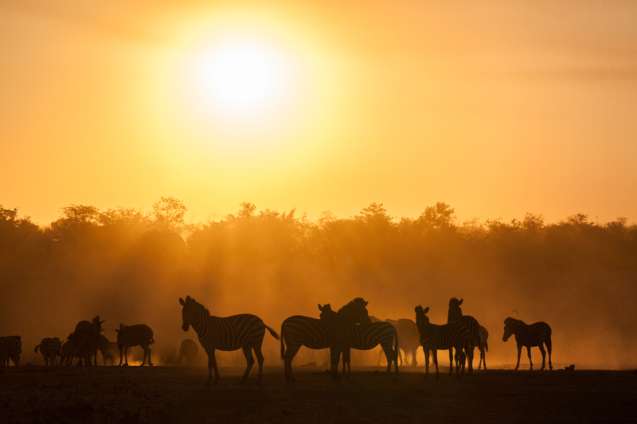
Hwange did not produce the same volume of headline sightings during Dan's stay, despite its reputation as “Lion Country”. The group worked hard, sometimes leaving at 06:00 and returning at 18:00, without seeing everything they had hoped for.
A week earlier, huge buffalo herds had moved through the area.
That provided an important reality check.
Wildlife is wild. No lodge, destination, or guide can guarantee what will be seen on a particular day.
Hwange did provide excellent nocturnal interest, including genets, smaller wild cats and other animals that are less frequently seen during daylight hours.
Dan also noticed a difference in guiding style.
He felt the Botswana guides generally displayed greater depth, stronger individual personalities and a more natural ability to expand on guests' questions.
When they did not know an answer, they were happy to investigate and return with more information later.
Some of the Zimbabwean guiding felt more scripted by comparison, although this was Dan's impression of the individual guides he travelled with rather than a universal judgement on guiding in either country.
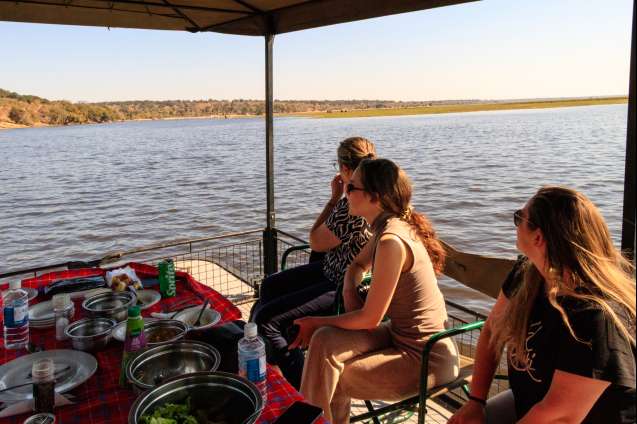
Dan had heard mixed opinions about the Chobe River experience, but came away strongly in favour of it.
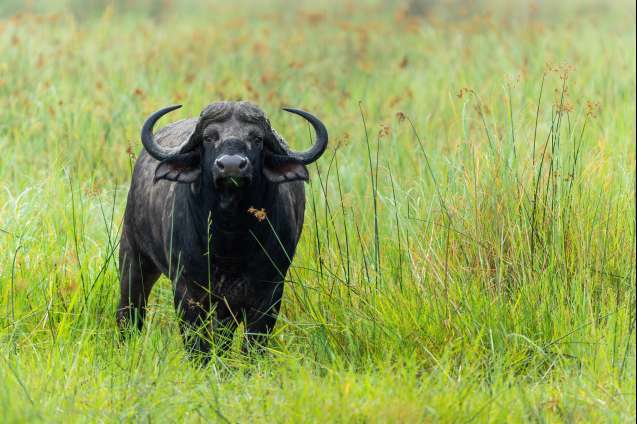
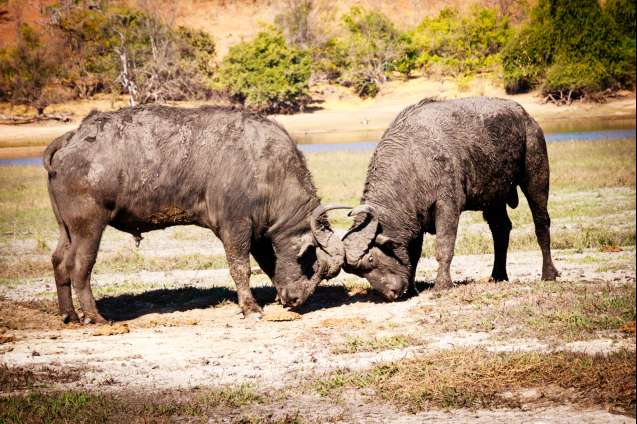
From the water, the group saw elephants crossing the river with little more than their trunks visible above the surface. They also encountered hippos, crocodiles, buffalo and abundant birdlife close to the riverbanks.
The cruise provided a different rhythm from a game drive. It was more relaxed, but still delivered close wildlife encounters.
The group's boat experienced an engine failure and remained stationary in a safe channel for almost 30 minutes.
The guides stayed calm, organised assistance, and moved the guests to another boat without creating panic. The incident briefly delayed the journey but did not make Dan feel unsafe.
In fact, it gave him additional confidence in the crew's ability to handle an unexpected problem.
Camp Kuzuma sits beside a waterhole in an elephant corridor between Botswana and Zimbabwe.
Dan arrived to find two excitable elephants near camp, immediately setting the tone for the stay.
The pool and viewing deck face the waterhole and sunset, making it possible to watch wildlife without leaving the lodge.
Guests could sit with a glass of sherry and look through the open screens into the surrounding bush.
For Dan, this was one of the places where an extra night would have noticeably improved the itinerary.
One night allowed him to see the camp, but not to settle into it. A second night would have created time to enjoy the setting instead of immediately preparing for the next activity and transfer.
The style of safari was intimate, but the particular nine-day itinerary was not especially slow.
Early starts, game drives, transfers, camp changes and flights meant the group was frequently on the move.
Dan eventually skipped a game drive simply to rest and enjoy the lodge.
That does not mean the camps failed to deliver a slower safari experience. It means the itinerary did not always leave enough time to use them that way.
Several camps could comfortably justify three nights rather than one or two. Adding an extra day would give travellers time to sleep later, spend an afternoon at the pool, watch the waterhole or simply enjoy being somewhere they have travelled a long way to reach.
This is especially relevant because the journey is highly customisable. It is less a rigid group tour than a linked collection of accommodation, transfers and included activities.
Travellers can add nights or remove a stop according to their interests and budget.
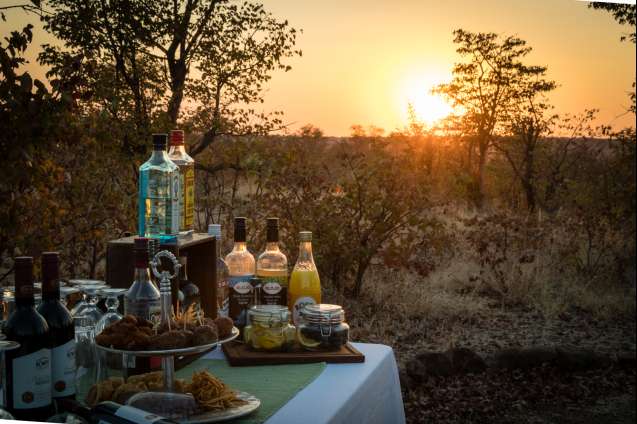
Nantwich has an open, expansive feel and blends older colonial influences with more contemporary additions.
The rooms are spread far apart, and guests may need to be escorted after dark because the camp is unfenced. At night, hyenas passed close to the rooms.
The lodge overlooks a dam and includes an underground hide intended to bring guests closer to wildlife at water level.
During Dan's visit, the wildlife was often farther from the hide than expected. The dam was relatively far away and did not produce the close-up spectacle he had imagined from the description.
However, the camp used the hide creatively. One of the trip's surprises was a high tea served there, turning the location into a private and memorable experience even when wildlife activity was quieter.
Nantwich also offered several viewing areas, a boma, a modern bar and broad perspectives over the surrounding landscape.
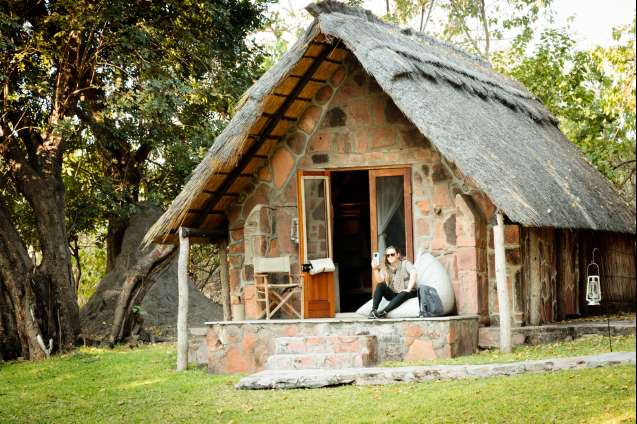
Bumbusi felt markedly different from Nantwich.
The camp was smaller, more concentrated and surrounded by dense vegetation, large trees and a rugged Hwange landscape.
The rooms were set well apart, and the experience felt closer to being marooned in a comfortable wilderness retreat.
Dan described it as a safari for the “Robinson Crusoe” traveller: remote, immersive and slightly adventurous, but still supported by good food and attentive service.
The stone buildings, donkey boiler and ever-present kettle on the fire added to its charm.
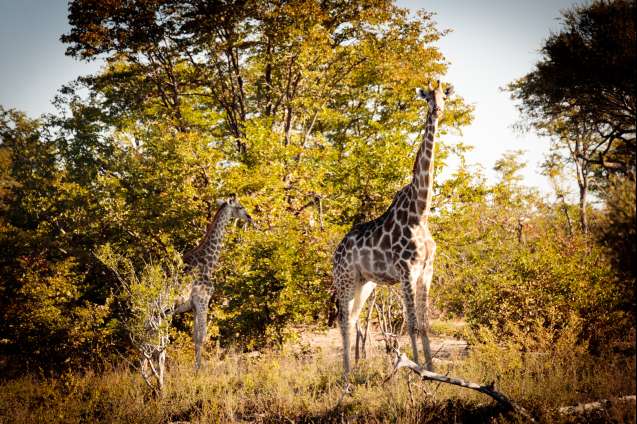
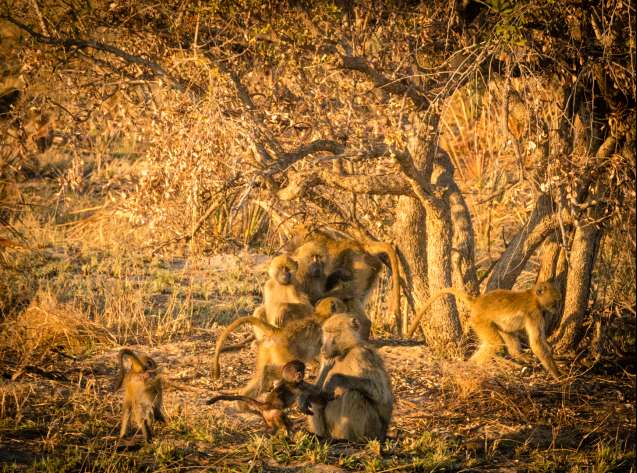
The waterhole and swimming pool were close to the main area, and elephants moved through the surrounding bush. Monkeys, baboons and giraffes were also seen around the camp.
Dan thought the food at this smaller camp was particularly good. Meals included playful touches such as Mexican-style street-food tacos rather than relying entirely on formal lodge dining.
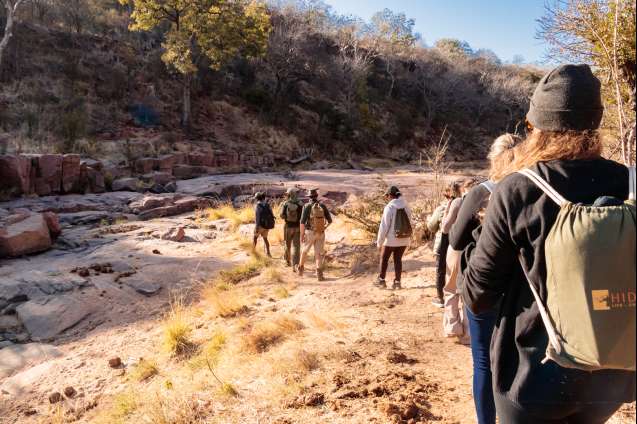
After several days in vehicles and aircraft, everyone was keen to stretch their legs.
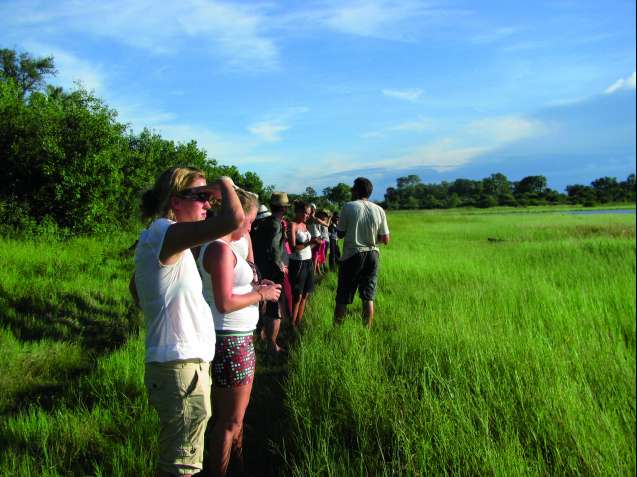
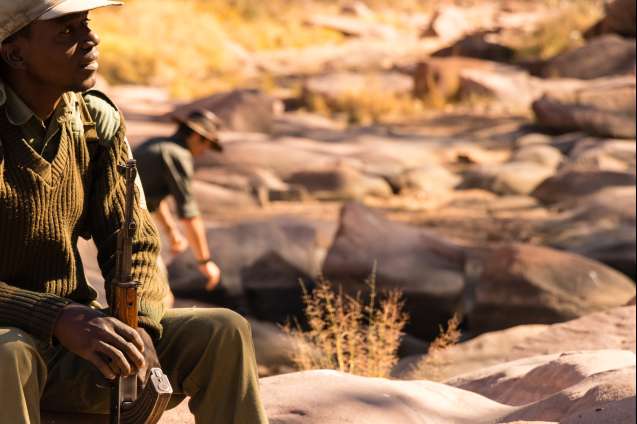
The group drove to a dry riverbed and walked back through a gorge toward camp. They were accompanied by a lead guide, a trainee guide, a camp guide and an armed Zimbabwean ranger.
The walk did not produce dramatic wildlife encounters. A group of kudu bulls detected the walkers before they could approach closely, illustrating how differently animals respond to people on foot.
But major sightings were not the point.
The walk slowed everything down. Tracks, scents, vegetation, and the shape of the landscape became more important than racing between animals.
It was a valuable change of pace and offered a more immersive understanding of the environment.
The main drawback was the timing. The walk began late enough for the temperature to rise quickly. After roughly 45 minutes walking into the gorge and another 45 minutes returning, the heat was becoming uncomfortable.
A longer walk is possible, but Dan would prefer it to begin earlier in the morning.
One of the biggest surprises was the visit to the archaeological remains near Bumbusi.
The dry-stone walls and ruins echoed construction styles seen at Great Zimbabwe and added an element of human history rarely included in conventional wildlife itineraries.
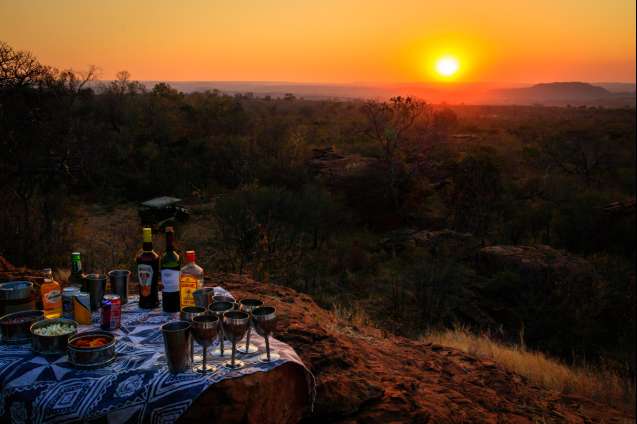
The cultural excursion was followed by sunset drinks at a viewpoint.
Then came another surprise.
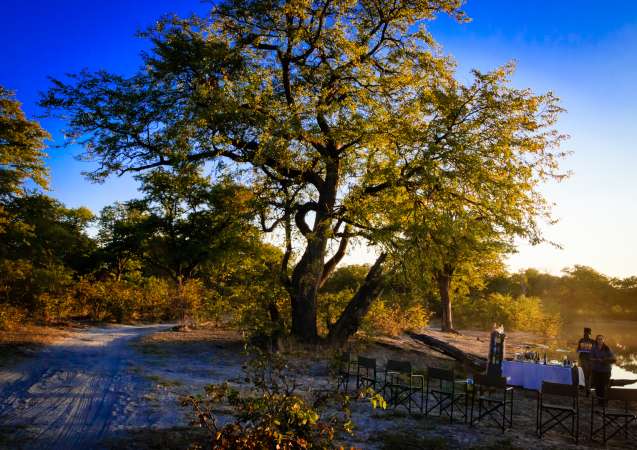
A candlelit passage led the group to tables laid out in the bush, where chefs prepared dinner over open fires. Even temporary men's and women's facilities had been set up nearby.
The meal appeared in the middle of nowhere and captured the attention to detail that Dan repeatedly associated with the trip.
The two camps are too different for a simple winner.
Nantwich is likely to suit travellers who want:
Bumbusi is likely to suit travellers who want:
Dan found Bumbusi especially memorable, but the better choice depends on the traveller rather than a universal hierarchy between the two.
Yes.
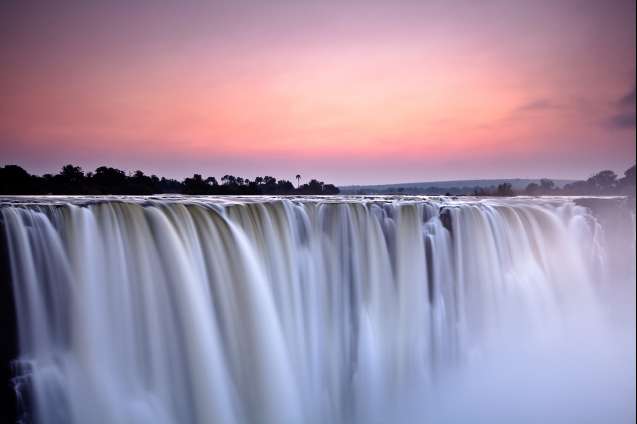
After days in remote safari camps, Victoria Falls felt like a return to civilisation and a celebratory end to the journey.
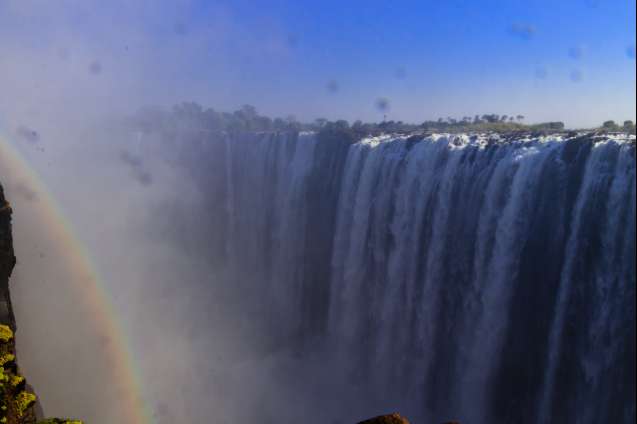
Dan had last visited in 2015, with an earlier trip dating back to 1998, and still found the Falls emotionally powerful.
A standard helicopter flight over Victoria Falls lasts around 15 minutes, with an extended flight of approximately 22 minutes also available. Dan found the views exceptional.
The Zambezi sunset cruise provided a gentler finale. Around 14 guests sat in wicker chairs with drinks served at their tables while the boat travelled close to the riverbanks.
Victoria Falls also gave travellers access to shops, markets, optional activities and practical services after the bush.
Dan felt it could work equally well at the beginning or end of a safari, although ending there created a satisfying “cherry on top”.
Ilala Lodge was very different from the safari camps.
It was larger, busier and considerably more polished, with an impressive bar and pool area. It did not offer the same small-scale exclusivity.
Its location, however, was exceptional.
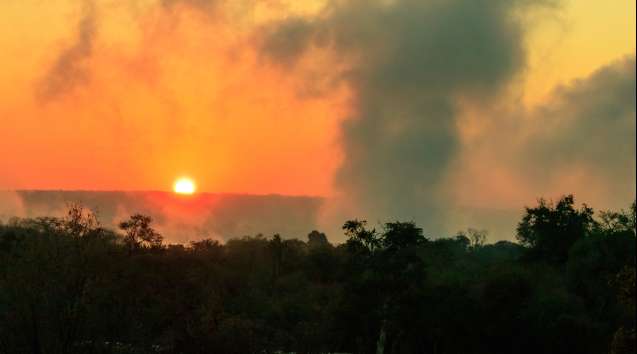
Dan could see the river from the restaurant and watch sunrise above the mist of the Falls. Hippos moved outside his room because the lodge borders the national park.
For travellers with limited time in Victoria Falls, staying this close to the waterfall can justify the premium. It reduces transfer time and makes it easier to experience the Falls, town and surrounding activities within a short stay.
The answer was not one animal sighting or one expensive activity.
It was the accumulation of small details.
Before a cold morning game drive, guests might receive a hot-water bottle, poncho, coffee and rusks with Amarula.
After a long day, they could return to a warm facecloth and a drink.
There were three-course meals, high teas, breakfasts in the bush and surprise dinners in remote locations.
Guides remembered guests' interests. Staff anticipated what might make an early start or long day more comfortable.
“You pay more, but it feels really special,” Dan said. “Those little extras make a massive difference.”
The first is cost.
Individual charter flights between remote camps add up quickly. Exact prices vary according to the route, season, aircraft, fuel costs and availability.
A road-based safari will generally cost less, but requires more time and involves longer transfers.
The second disadvantage is repeated packing.
Moving between several camps can mean leaving just as you begin to settle in. This is particularly frustrating when the camp itself is a major part of the experience.
The third is the physical rhythm.
Cold mornings, early departures, long wildlife-viewing days and frequent transfers can become tiring, even on a comfortable lodge itinerary.
Luxury does not automatically mean leisurely.
He would not remove the core destinations.
The route felt carefully designed, with each camp introducing a different landscape and style of safari. The journey built logically from one experience to the next.
His main change would be to add nights.
Kuzuma deserved more than one night, while several two-night stays would have been better as three-night visits.
Dan would also consider adding a dedicated water camp in the Okavango Delta, or perhaps a contrasting stay around Botswana's salt pans.
The goal would not be to add more destinations for the sake of it. It would be to deepen the range of habitats while protecting enough time to enjoy each camp.
This journey could work for either a first-time safari traveller or someone with considerable experience.
It is particularly well suited to travellers who:
Despite the premium nature of the experience, Dan never found it socially awkward or overly formal. Staff looked after the group closely, while communal meals and shared activities created natural opportunities to socialise.
This may not be the right safari for travellers who:
A traveller who only needs a bed, a vehicle and a good wildlife area may not receive enough extra value from the finer details to justify the price.
For someone who values privacy, guiding, remote access and the feeling of being thoroughly looked after, those details are the product.
Keep an organised day bag within reach during game drives and transfers.
Useful items include:
Morning game drives can be bitterly cold, especially in open vehicles. Do not assume that Botswana and Zimbabwe will be warm simply because they are in Africa.
Laundry was available at the camps, making it easier to travel with the soft-sided, limited luggage required for small-aircraft transfers.
For the right traveller, absolutely.
This was not simply a sequence of expensive lodges. It was a carefully curated safari circuit in which the camps, guides, flights, landscapes and personal touches all contributed to the experience.
Botswana delivered the strongest wildlife sightings of Dan's journey. Zimbabwe added contrast through Hwange's nocturnal wildlife, walking opportunities, archaeological history, and more rugged camps. Victoria Falls brought the trip to an emotional and celebratory close.
The safari was not flawless. The pace was sometimes too busy, the flights could be uncomfortable, and wildlife in Hwange did not always cooperate.
Those caveats made Dan's recommendation more credible, not less.
He would still book the experience. He would simply stay longer.
For travellers with the budget, he believed the exclusivity, attention to detail and access to remote areas justified the premium.
“Botswana is the Rolls-Royce of safaris,” he said. “You feel pampered, but you're still right in the thick of it.”
Explore our 15-Day Botswana & Zimbabwe Fly-in Safari, which follows a similar route with additional time in the Okavango Delta.
Or contact African Budget Safaris to tailor the journey. Adding an extra night at selected camps, including a water-based Delta stay or adjusting the balance between Botswana and Zimbabwe, can make a substantial difference to the final experience.
Explore these destinations mentioned in this post.
Below you'll find further reading and articles related or similar to this post.




Call us toll free from US/Canada on 1-888-414-6513, or from the UK on 0-808-189-1052. All other countries can contact us on +27 21 791 0878.
© 2026 African Budget Safaris | Privacy | Terms | Cookie Policy | Consent Preferences